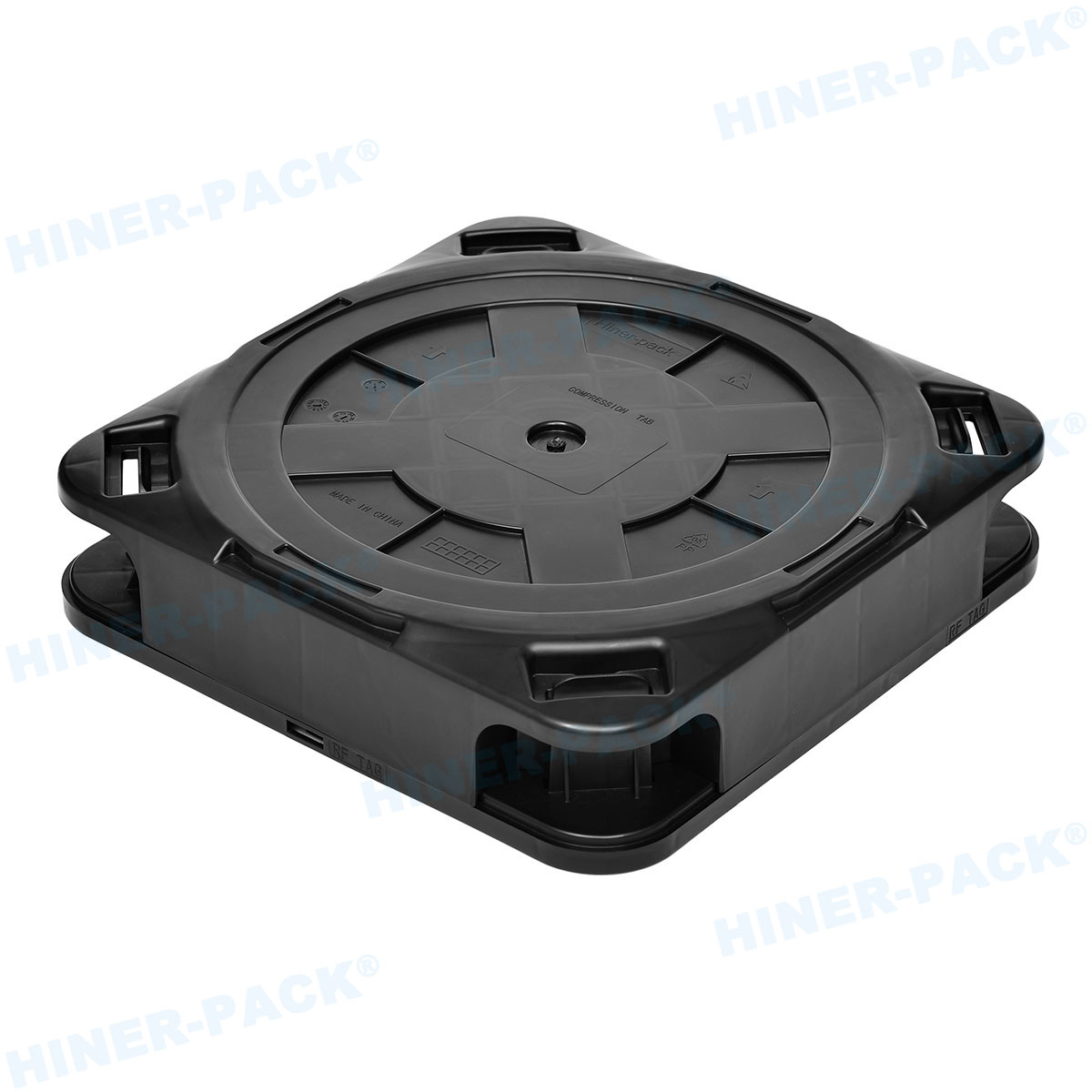
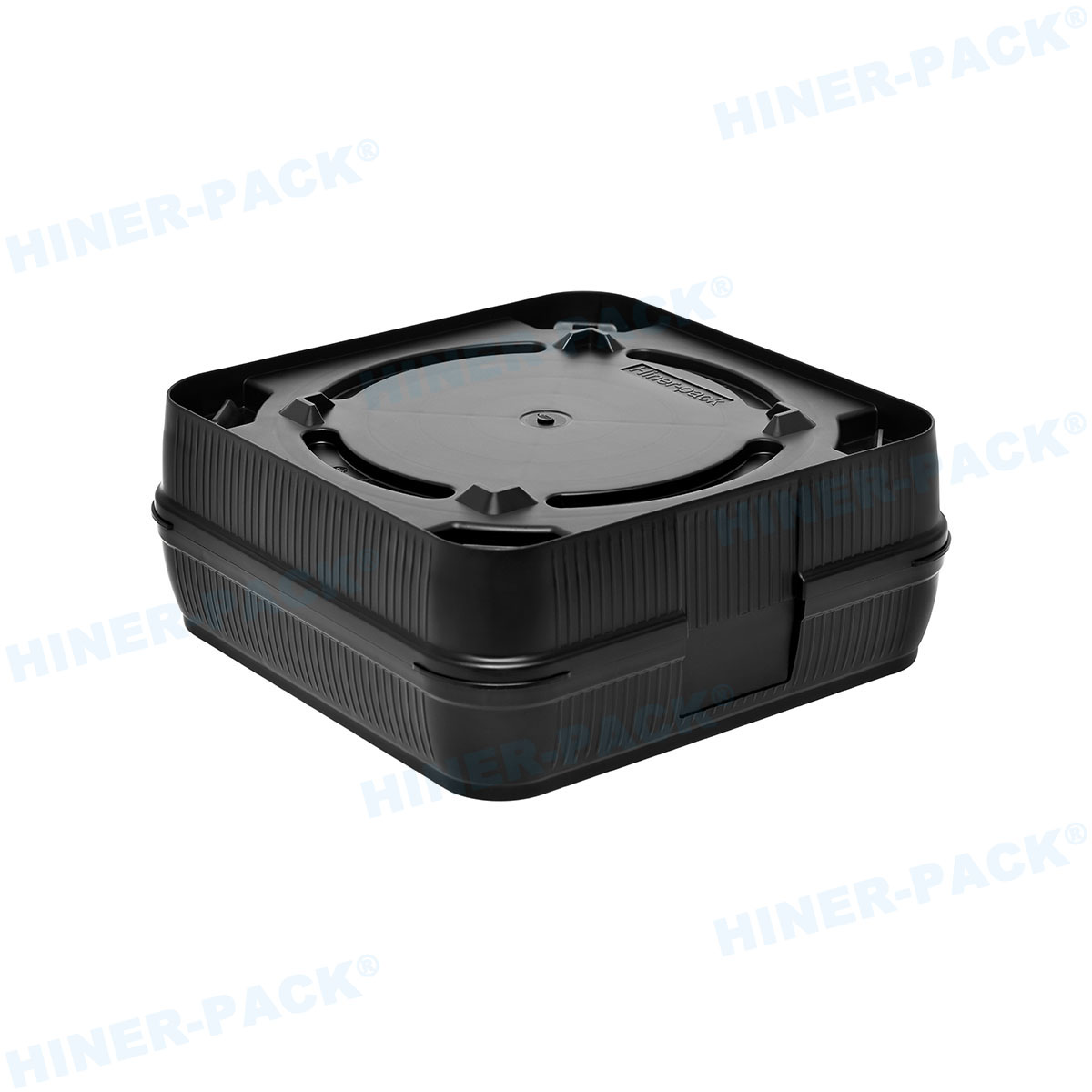
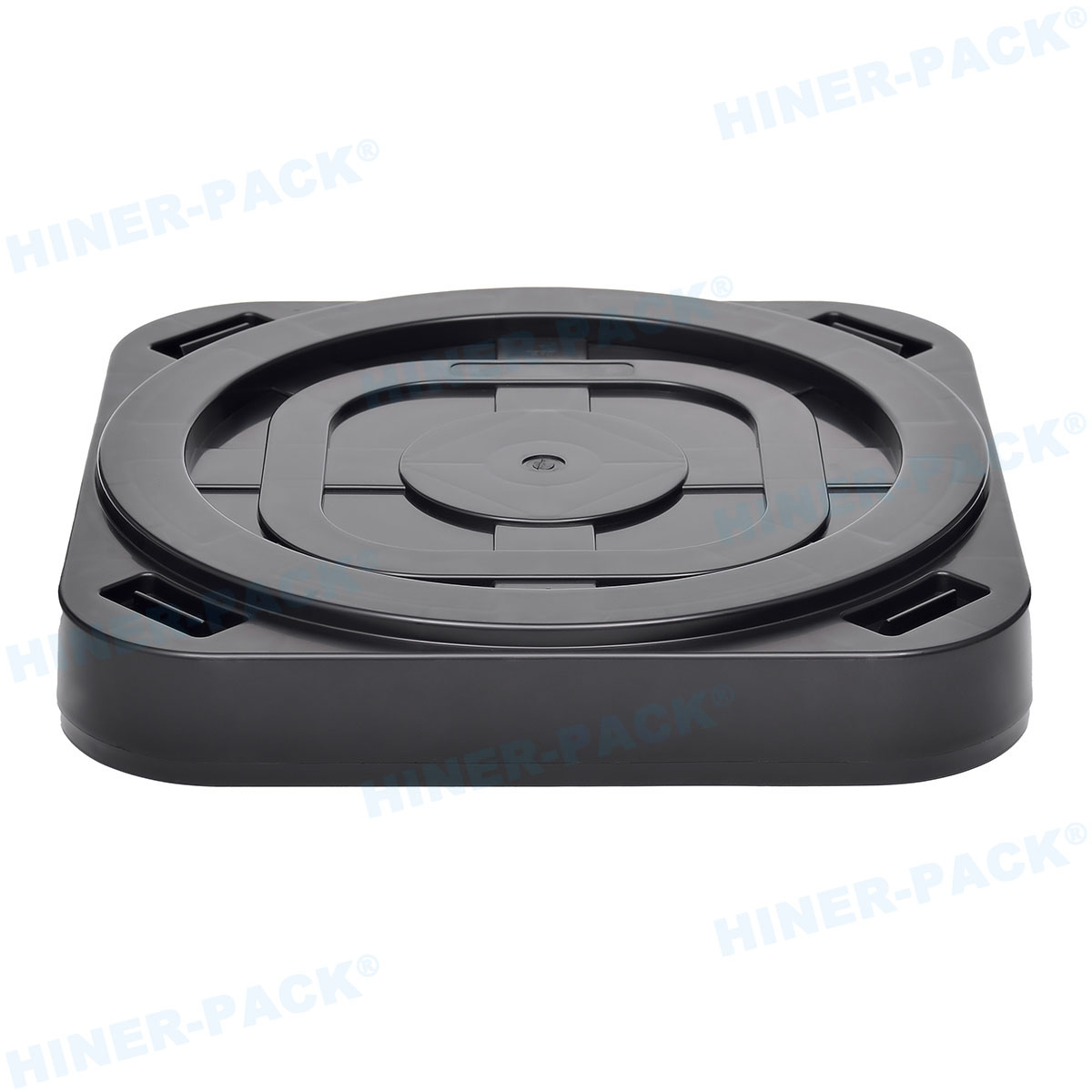
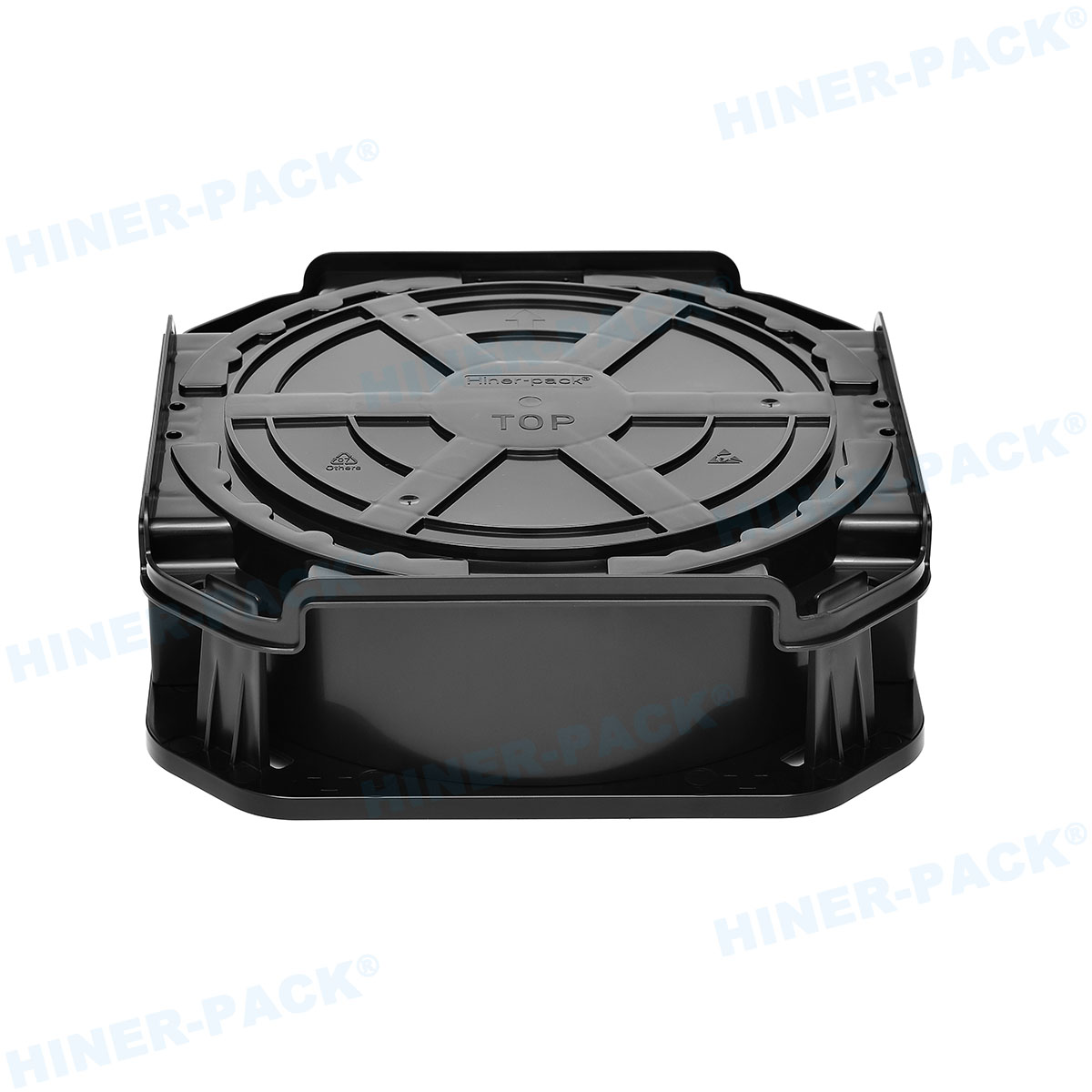
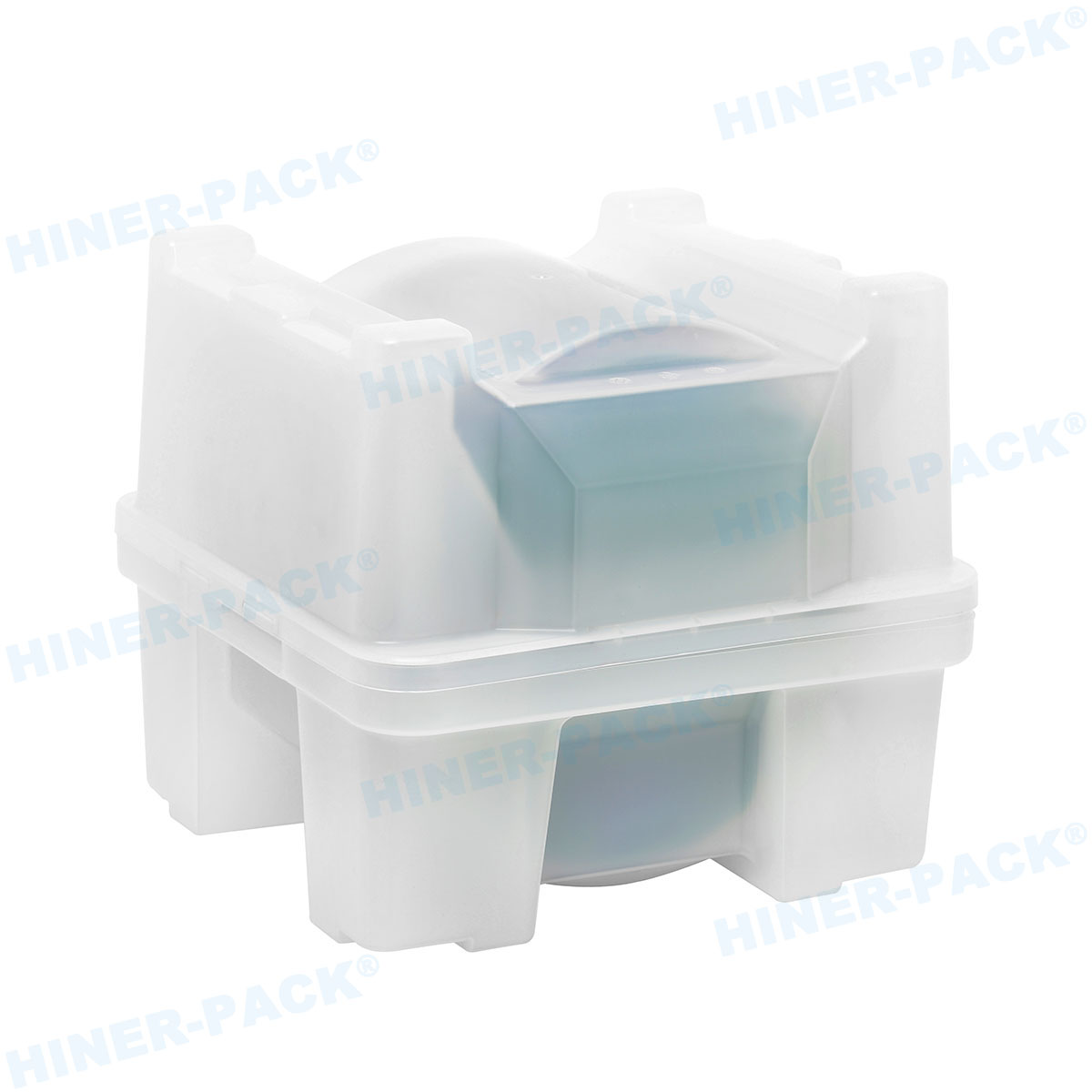
In the highly precise world of 300mm semiconductor manufacturing, every component in the supply chain must meet exacting standards. Among the most crucial is the Front-Opening Shipping Box (FOSB), the protective case responsible for safely transporting silicon wafers between the fab and external processes like metrology or advanced packaging. The choice of a FOSB wafer cassette is not merely a logistical decision; it is a direct investment in yield, contamination control, and operational efficiency. This article breaks down the five critical factors engineers and procurement specialists must evaluate to ensure their FOSB wafer cassette selection aligns with the relentless demands of modern chip production.
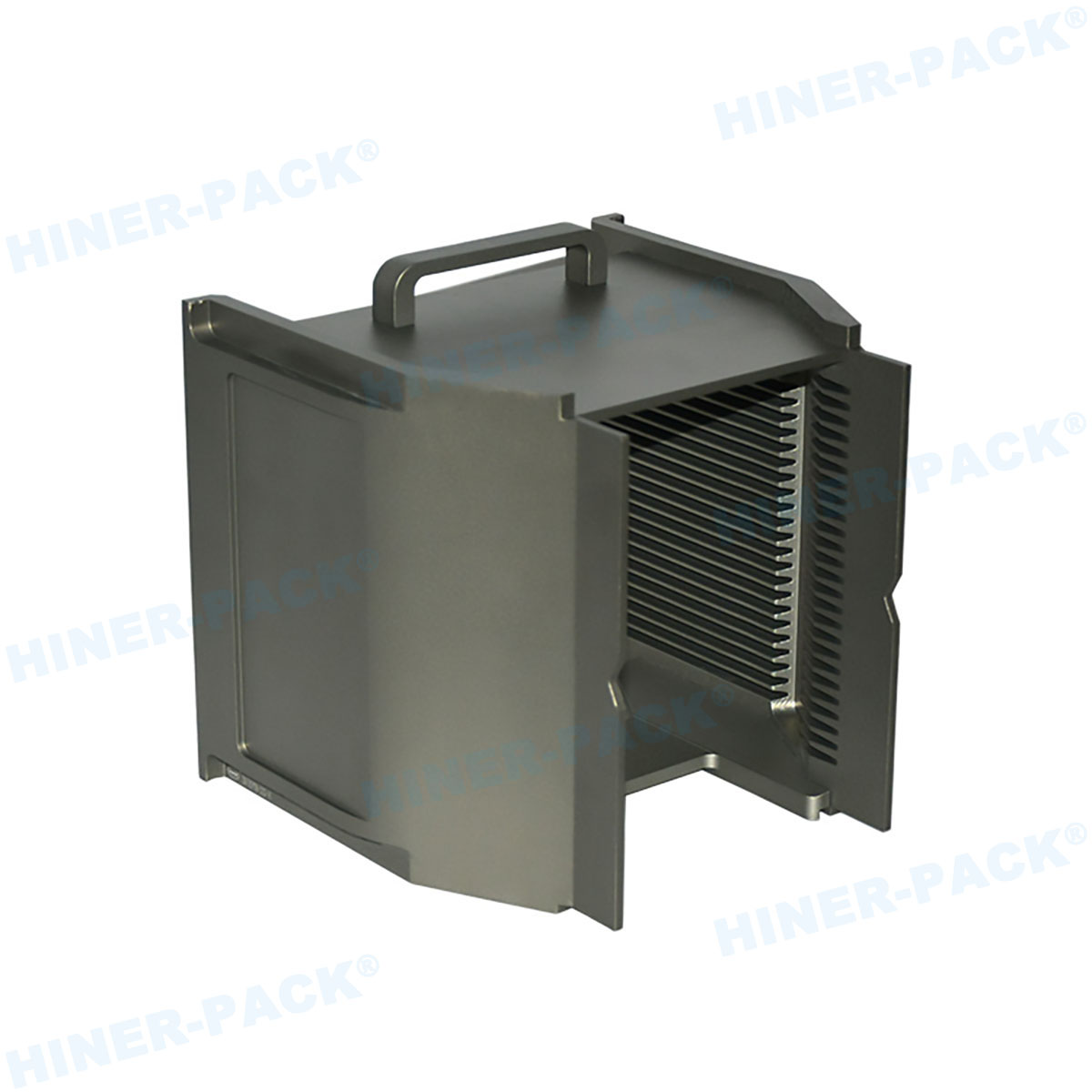
Understanding the Role of the FOSB Wafer Cassette
Before diving into selection criteria, it's essential to understand what a FOSB wafer cassette is and its function. Unlike the FOUP (Front-Opening Unified Pod) used for intra-fab transport, the FOSB is designed for shipping wafers outside the cleanroom's protective atmosphere. It is a rigid, sealed container that houses a wafer cassette, protecting 25 wafers from physical damage, airborne molecular contamination (AMC), and particles. The integrity of the ffosb wafer cassette system is paramount, as any failure can lead to catastrophic wafer scrap, costing thousands of dollars per wafer.
Factor 1: Material Purity and Outgassing Performance
The raw material of the FOSB wafer cassette is its first line of defense. High-purity, carbon-filled polycarbonate or PEEK (Polyether Ether Ketone) are industry standards.
Why it Matters: Lower-grade plastics can outgas volatile organic compounds (VOCs). These vapors can condense on pristine wafer surfaces, creating defects that ruin chip functionality. This is a primary concern for both FOSB and ffosb wafer cassette units.
Selection Insight: Look for suppliers that provide material certification data, including outgassing rates measured by techniques like TD-GC-MS (Thermal Desorption Gas Chromatography-Mass Spectrometry). A low outgassing profile is non-negotiable for advanced nodes below 10nm. Brands like Hiner-pack typically invest heavily in material science, ensuring their FOSB components meet the strictest SEMI standards for contamination control.
Factor 2: Mechanical Precision and Wafer Stability
The internal cassette of the FOSB must hold wafers with micron-level precision. Any misalignment or stress can cause wafer slippage, scratching, or breakage during transit.
Why it Matters: Modern wafers are incredibly thin and fragile. The precise slot-to-slot pitch and the gentle, consistent grip of the cassette slots prevent contact between wafers and the cassette itself, minimizing particle generation.
Selection Insight: Inspect the cassette's design features. Are the wafer contact points minimal and smooth? Is the structure robust enough to withstand vibration during shipping? A well-designed FOSB wafer cassette will often feature kinematic coupling mounts for perfect alignment with processing tools. Hiner-pack cassettes, for instance, are known for their injection-molding precision, which guarantees uniform slot geometry and superior wafer positional accuracy.
Factor 3: Sealing Integrity and Purge Efficiency
The ability to create and maintain a sealed, inert environment is what differentiates a FOSB from a standard cassette.
Why it Matters: Once closed, the FOSB wafer cassette must form a perfect seal to protect wafers from moisture, oxygen, and external contaminants. Furthermore, the box must be efficiently purgable with inert gases like Nitrogen (N2) to create a stable, low-humidity internal atmosphere. This is critical for preventing copper oxidation and other surface reactions.
Selection Insight: Evaluate the gasket material and the door latching mechanism. A high-quality gasket made of materials like perfluoroelastomer offers excellent compression set recovery and chemical resistance. The purge ports should be designed for rapid, laminar flow gas exchange without creating particles. When specifying a ffosb wafer cassette, ensure its purge time and leak rate specifications exceed your process requirements.
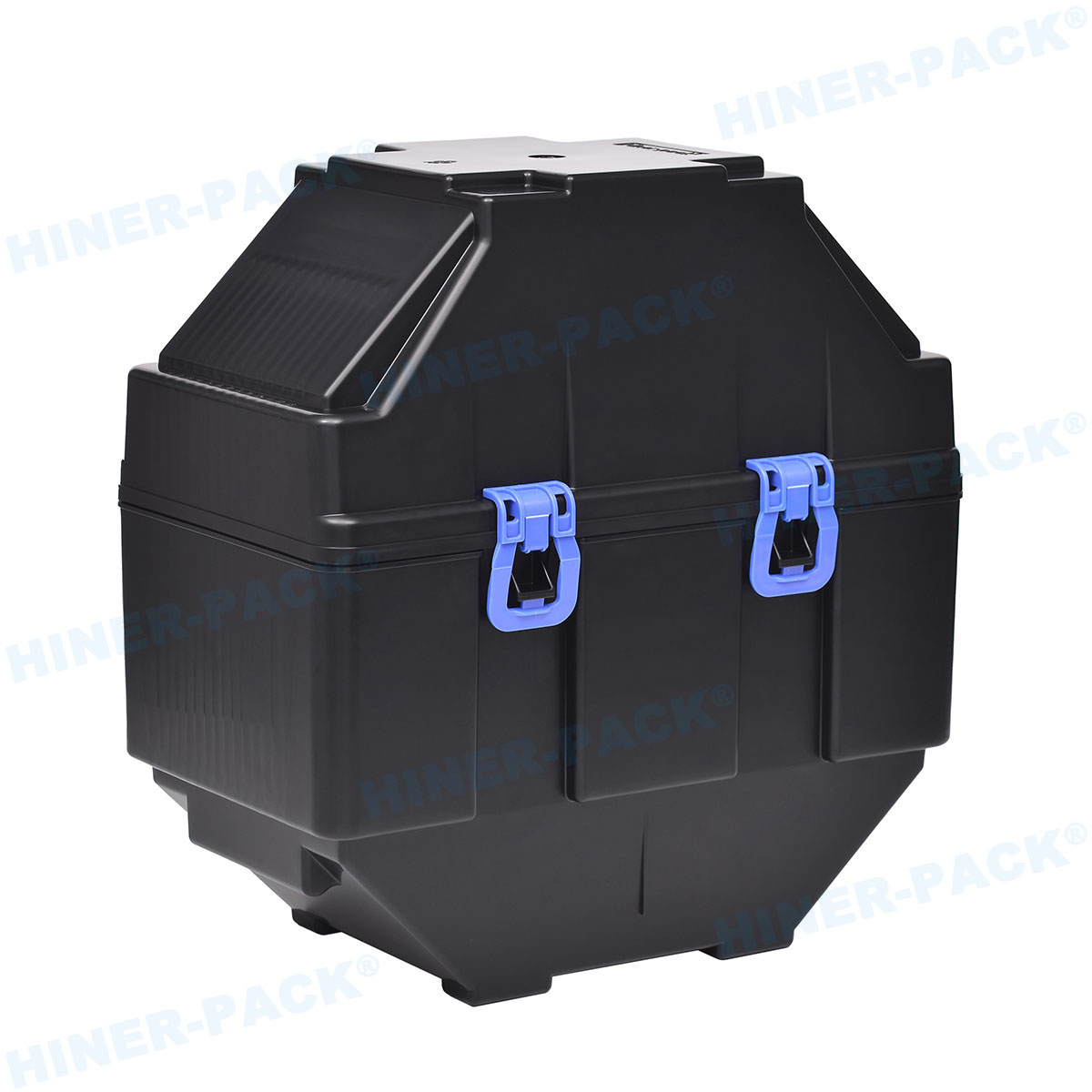
Factor 4: Compliance with SEMI Standards and Automation Compatibility
Interoperability is key in a global supply chain. Your FOSB wafer cassette must work flawlessly with equipment from different OEMs.
Why it Matters: SEMI International Standards (e.g., SEMI E1.9, E47.1, E105) define the critical dimensions, mechanical interfaces, and RFID specifications for 300mm carriers. Non-compliance can lead to misloading, jamming, or tool crashes in automated material handling systems (AMHS).
Selection Insight: Always request a Certificate of Compliance (CoC) stating adherence to relevant SEMI standards. Furthermore, consider the compatibility with your specific load ports and robotics. A reputable manufacturer like Hiner-pack designs its FOSB products to be fully compliant, ensuring seamless integration across the fab ecosystem and reducing the risk of costly downtime.
Factor 5: Cleanability and Long-Term Durability
FOSB wafer cassette units are not disposable; they undergo hundreds of cycles, each requiring rigorous cleaning to prevent cross-contamination.
Why it Matters: Residual particles and films from previous processes can contaminate a new batch of wafers. The design must facilitate easy and effective cleaning, whether through chemical baths, DI water rinses, or specialized dry cleaning techniques.
Selection Insight: A good FOSB has a smooth, monolithic internal structure with no dead zones or complex geometries where contaminants can hide. The material must withstand repeated cleaning cycles with aggressive chemicals without degrading, cracking, or becoming electrostatic. The long-term cost of ownership is significantly lower for a durable, easy-to-clean ffosb wafer cassette from a quality-focused brand.
A Strategic Choice for Yield Protection
Selecting the right FOSB wafer cassette is a multi-faceted decision that directly impacts your bottom line through yield protection. By meticulously evaluating material purity, mechanical precision, sealing integrity, standards compliance, and cleanability, manufacturers can make an informed choice. Partnering with established suppliers like Hiner-pack, who have a proven track record in high-performance wafer packaging solutions, provides an added layer of security and reliability in the demanding environment of semiconductor manufacturing. The correct FOSB is more than a box; it's a mobile, mini-cleanroom safeguarding your most valuable assets.
Frequently Asked Questions (FAQs) on FOSB Wafer Cassettes
Q1: What is the primary functional difference between a FOUP and a FOSB wafer cassette?
A1: A FOUP (Front-Opening Unified Pod) is designed for storing and transporting wafers within the controlled environment of a semiconductor fab. A FOSB wafer cassette, on the other hand, is specifically engineered for shipping wafers outside the fab—for example, to a separate facility for testing or packaging. The FOSB is built with a more robust sealing mechanism to protect against external atmospheric conditions and physical shocks during transit.
Q2: How often should a FOSB wafer cassette be cleaned and inspected?
A2: The cleaning and inspection frequency depends on the process history and the contamination control protocols of the fab. Typically, a FOSB wafer cassette undergoes a full, rigorous cleaning after every return from an external shipment. Automated inspection systems check for particles, surface defects, and mechanical wear before the unit is released back into the cycle for reuse.
Q3: Can a FOSB be used with wafers of different thicknesses?
A3: The standard FOSB wafer cassette is designed for a specific wafer thickness, typically 775µm for mainstream 300mm wafers. However, with the industry's move towards thin wafers for advanced packaging (e.g., below 100µm), specialized cassettes with different slot designs and support mechanisms are required. It is critical to specify the wafer thickness when ordering a ffosb wafer cassette to ensure safe handling.
Q4: What does the "ffosb" in ffosb wafer cassette refer to?
A4: While "FOSB" is the standard acronym, "ffosb" is sometimes used in technical documentation or part numbers. It typically refers to the same product—the Front-Opening Shipping Box. The double 'f' is not a standardized distinction but may be used internally by some manufacturers or in specific file naming conventions. The core product, its function, and the critical selection factors for a ffosb wafer cassette remain identical to those of a standard FOSB.
Q5: Why are brands like Hiner-pack often preferred for critical wafer handling components?
A5: Brands like Hiner-pack have built a reputation on rigorous quality control, deep material science expertise, and full compliance with international SEMI standards. They invest in advanced molding technologies and comprehensive testing (for outgassing, particle levels, and mechanical durability), which provides semiconductor manufacturers with the reliability and consistency needed to protect high-value wafers. Choosing an established brand mitigates risk in the manufacturing process.