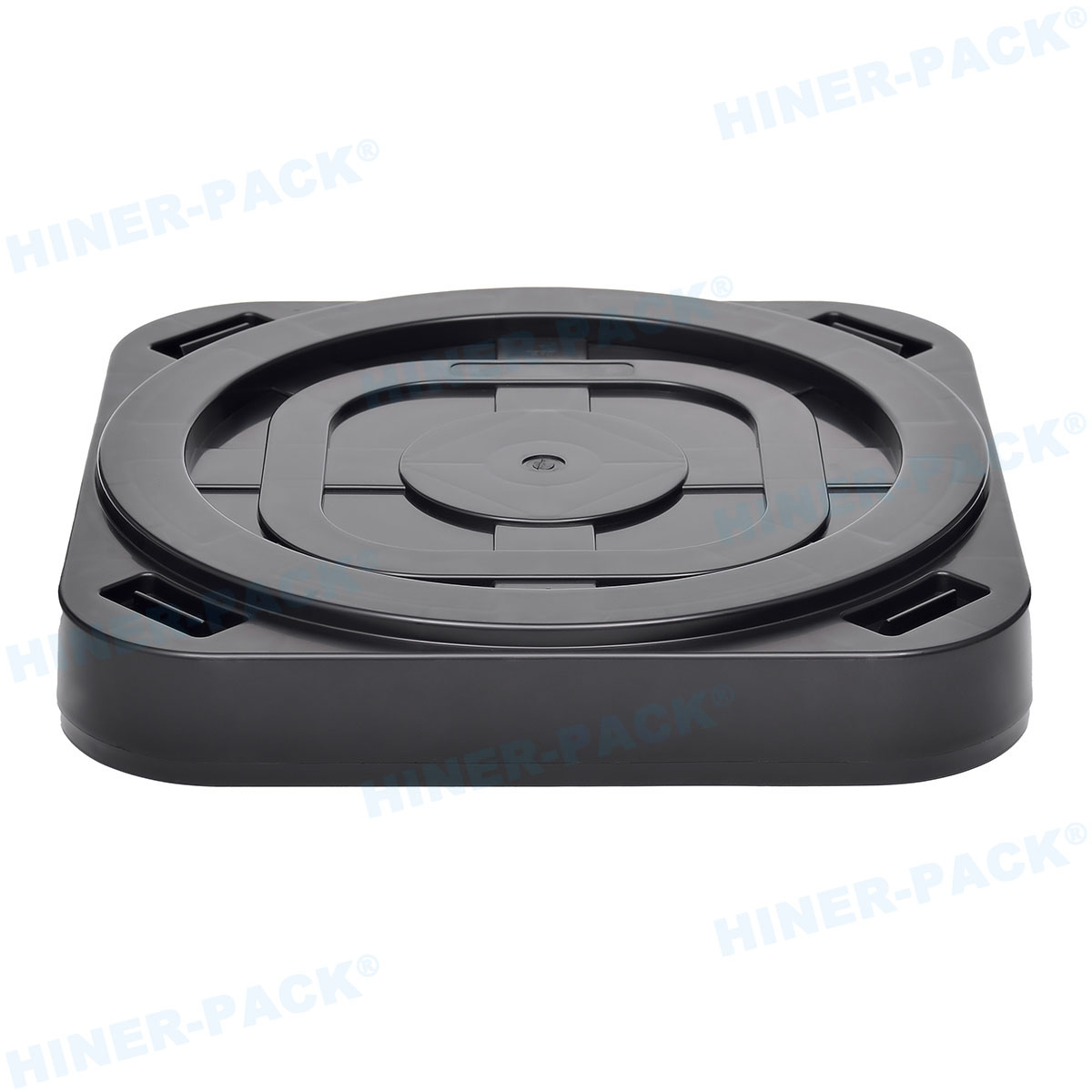
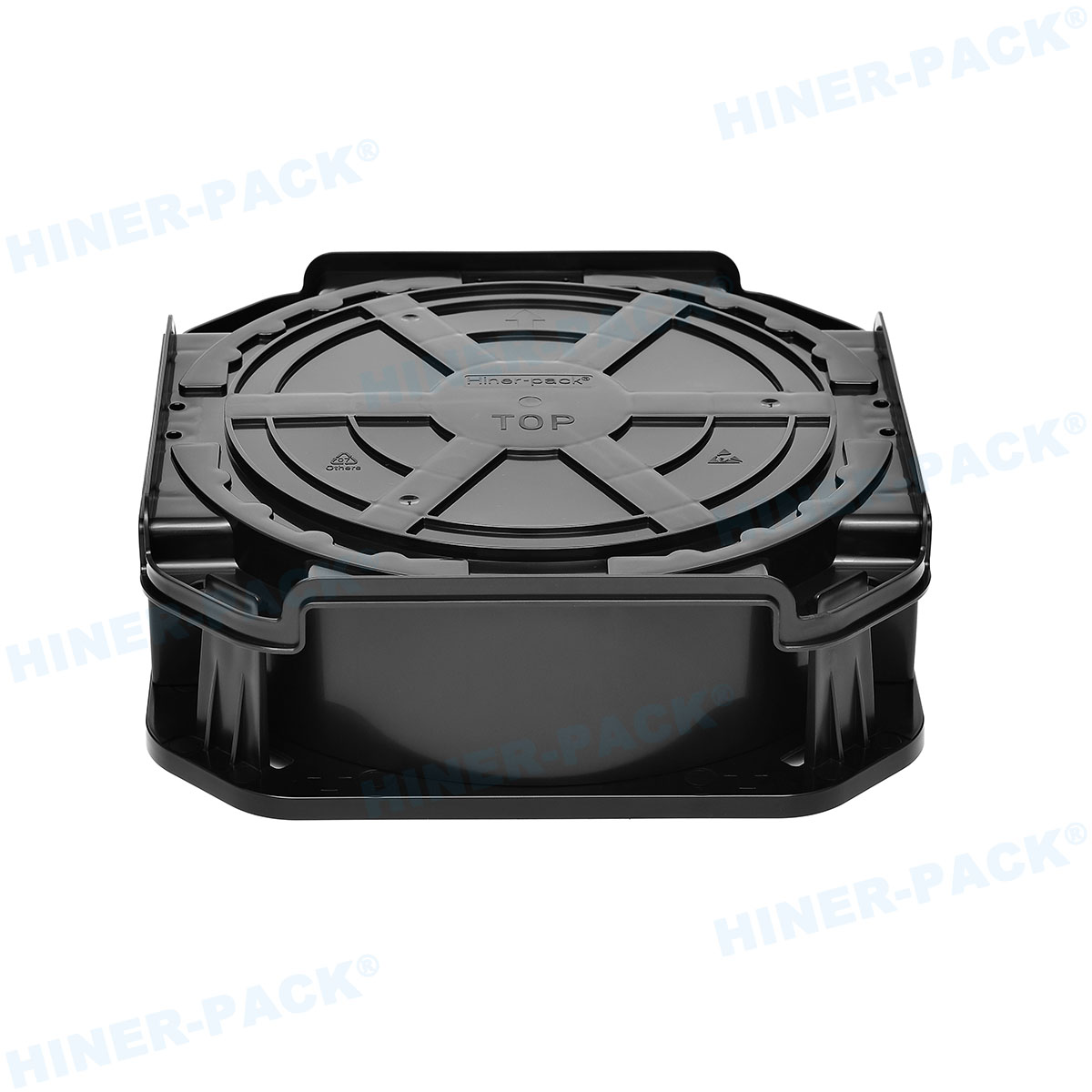
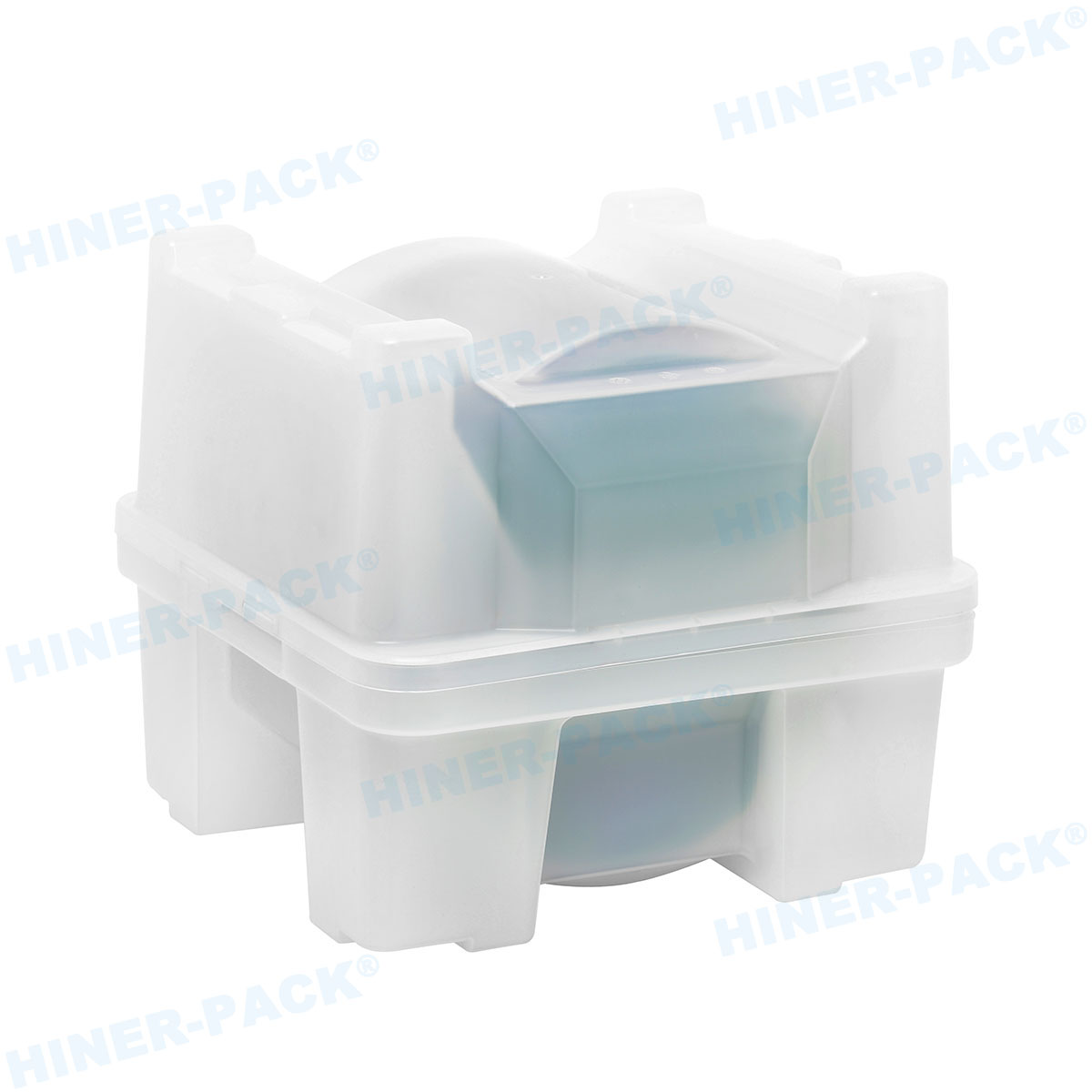
In the fast-paced world of semiconductor manufacturing, efficiency and precision are non-negotiable. Every component, no matter how small, plays a pivotal role in ensuring high yields and minimal downtime. One such component that often flies under the radar but is indispensable in wafer handling is the FOSB cassette. If you're involved in semiconductor fabrication, understanding the FOSB cassette and its applications can streamline your operations and reduce costly errors. This article dives into seven key applications of the FOSB cassette, provides a practical selection guide, and highlights how integrating solutions like Hiner-pack can enhance performance. Whether you're a process engineer or a supply chain manager, this insights will help you make informed decisions.
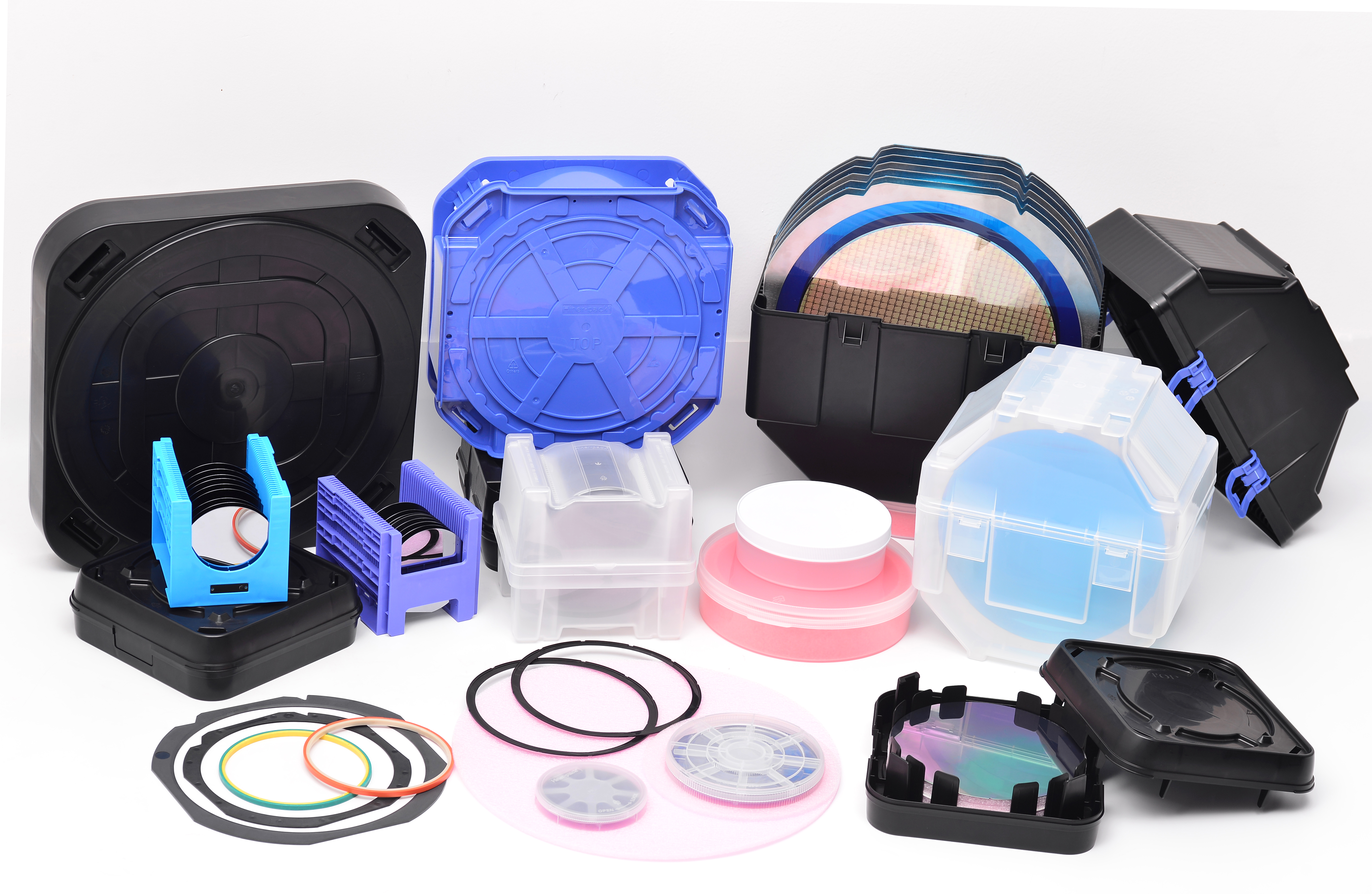
What Is a FOSB Cassette and Why Does It Matter?
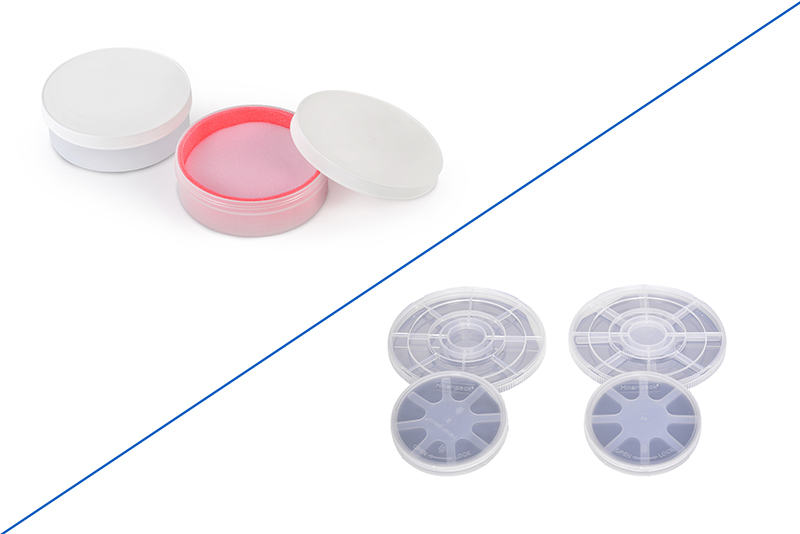
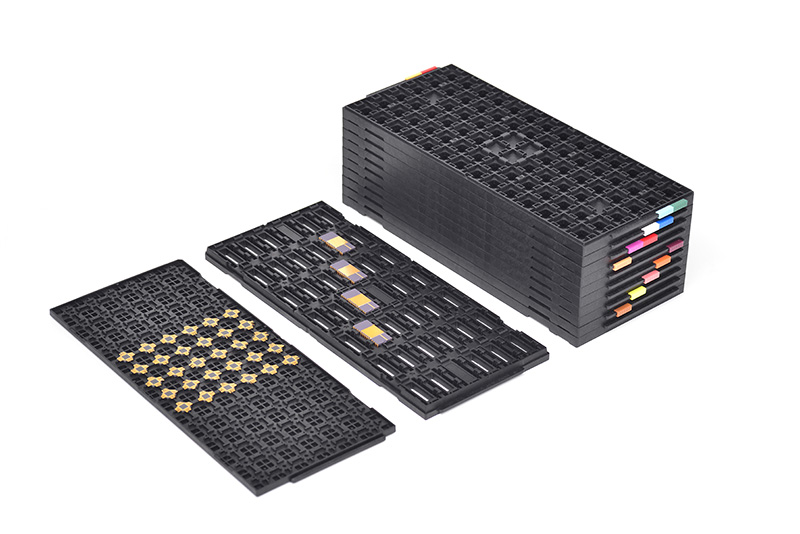
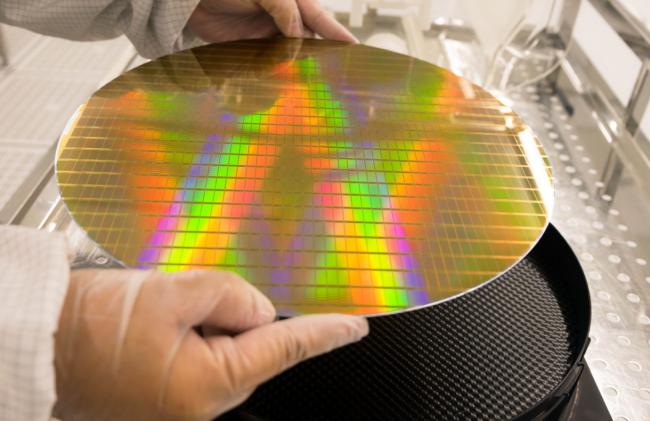
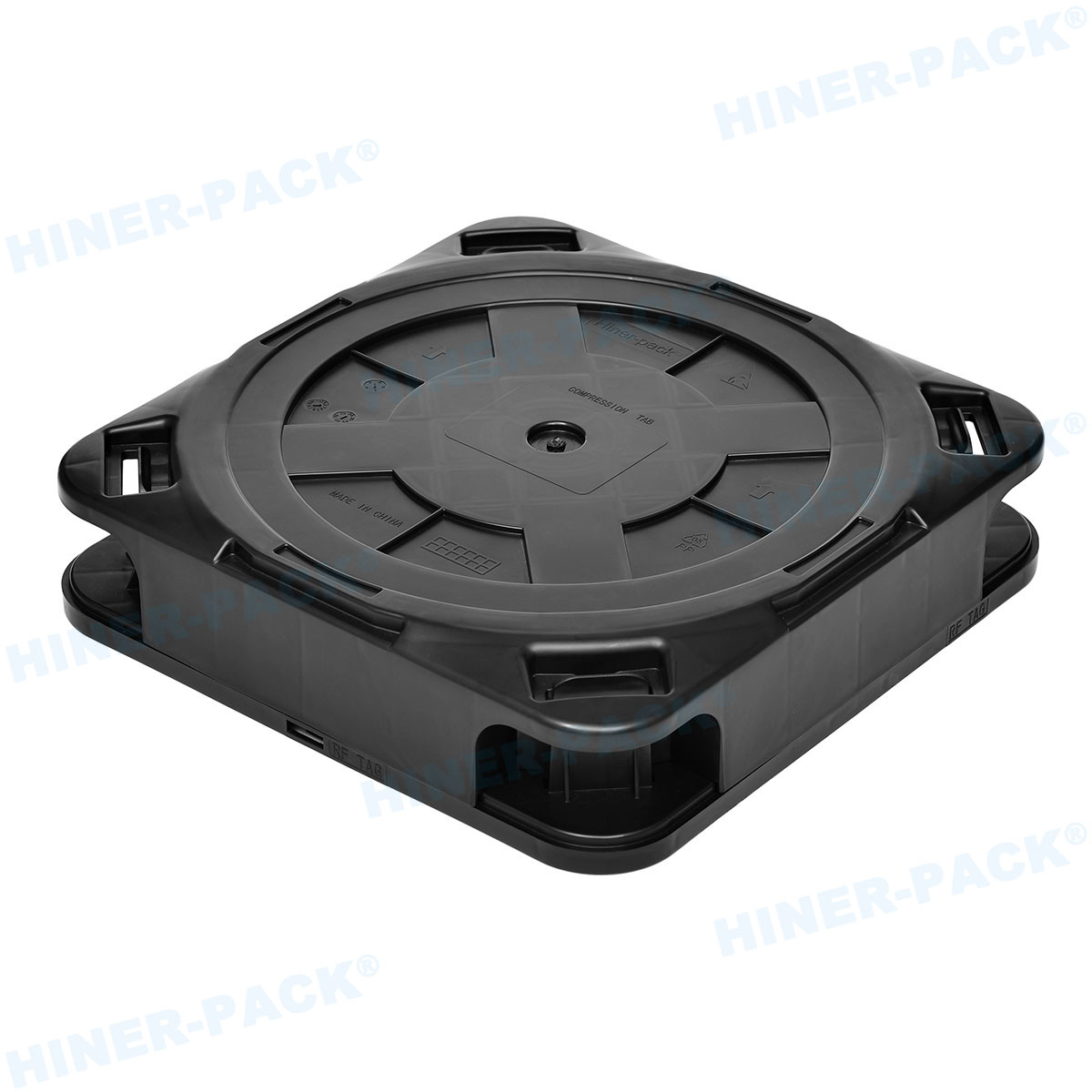
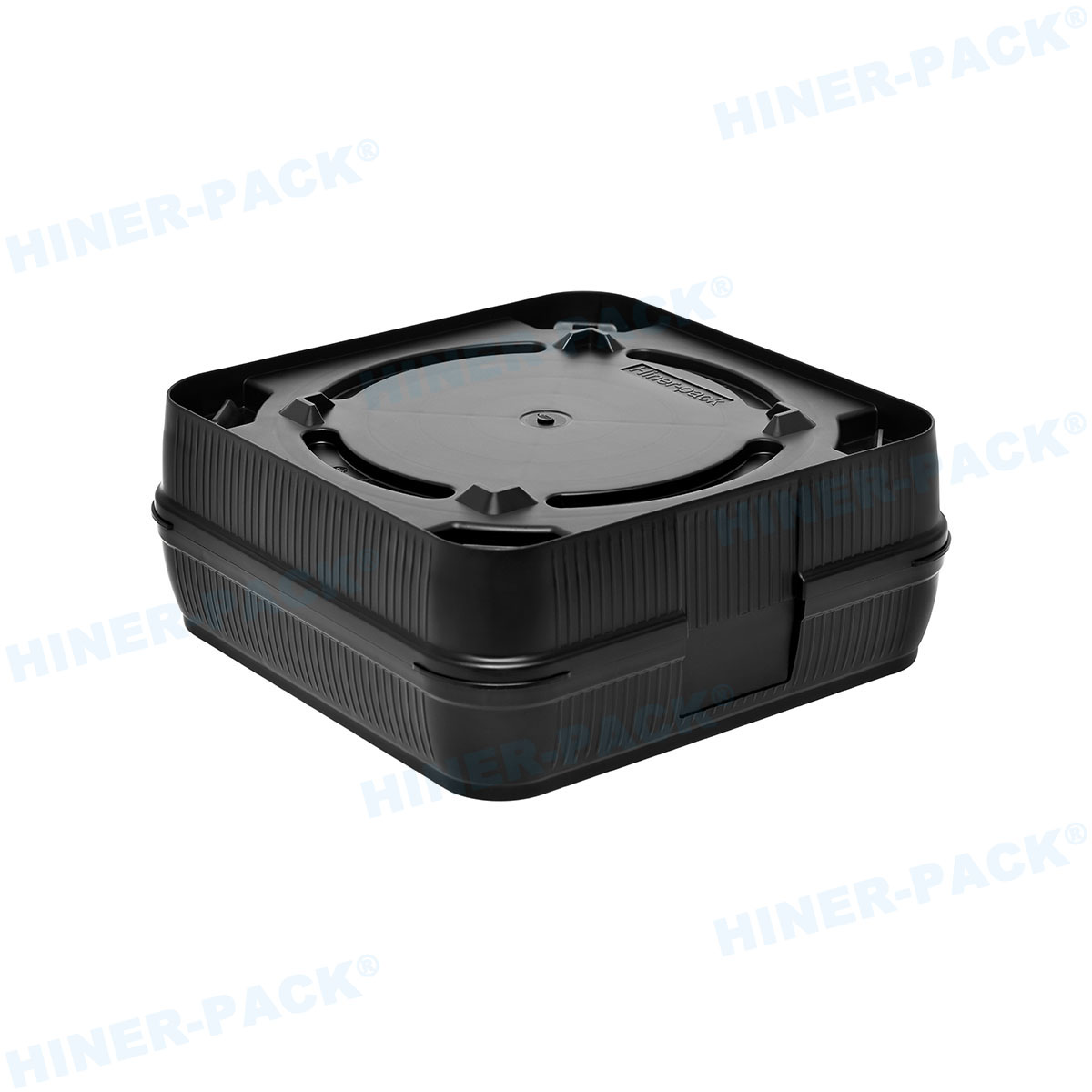
A FOSB cassette, short for Front-Opening Shipping Box cassette, is a specialized container designed for the safe storage, transport, and handling of semiconductor wafers. Unlike standard cassettes, the FOSB cassette features a front-opening mechanism that allows for easy access in automated environments, reducing the risk of contamination and physical damage. In semiconductor fabs, where wafers move through multiple processes like lithography, etching, and deposition, the FOSB cassette ensures that wafers remain pristine from the cleanroom to shipping. Its design typically includes features such as shock absorption, electrostatic discharge (ESD) protection, and compatibility with robotic systems. As wafer sizes shrink and processes become more complex, the role of the FOSB cassette has evolved from a simple carrier to a critical tool for maintaining integrity in high-volume production.
The importance of the FOSB cassette extends beyond basic functionality. In international semiconductor markets, where supply chains span continents, a reliable FOSB cassette minimizes losses due to breakage or contamination. For instance, in advanced nodes like 7nm or 5nm processes, even minor particles can lead to catastrophic defects. Thus, investing in high-quality FOSB cassette solutions isn't just a best practice—it's a necessity for staying competitive.
Top 7 Applications of FOSB Cassette in Semiconductor Wafer Handling
The versatility of the FOSB cassette makes it a workhorse in various stages of semiconductor manufacturing. Here are seven critical applications where the FOSB cassette shines:
Wafer Transport Between Facilities: In global semiconductor operations, wafers often ship between foundries, assembly sites, and testing labs. The FOSB cassette provides a sealed, robust environment that protects wafers from environmental hazards like humidity, dust, and mechanical shocks. Its front-opening design allows for quick loading and unloading, speeding up logistics without compromising safety.
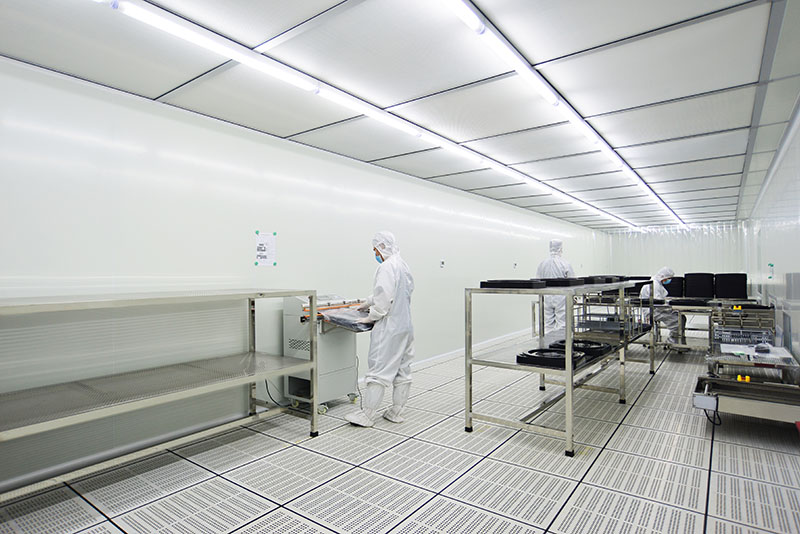
Cleanroom Storage Solutions: Within fabs, wafers spend significant time in storage awaiting processing. FOSB cassettes are ideal for cleanroom shelves or automated storage systems, as they prevent particulate generation and maintain wafer alignment. This application is crucial for batch processes where wafers queue for equipment like ion implanters or chemical vapor deposition tools.
Automated Material Handling Systems (AMHS): Modern fabs rely on AMHS for efficient wafer movement. The FOSB cassette integrates seamlessly with robotics and conveyors, thanks to standardized dimensions and interfaces. This reduces manual handling errors and enhances throughput, especially in high-mix production environments.
Post-Process Wafer Inspection: After critical steps such as etching or polishing, wafers undergo rigorous inspection. The FOSB cassette facilitates safe transfer to metrology tools, ensuring that wafers aren't scratched or contaminated during handling. This application supports quality control and helps identify defects early, saving time and resources.
Wafer Dicing and Packaging: In back-end processes, wafers are diced into individual chips and packaged. The FOSB cassette holds wafers securely during these delicate operations, minimizing vibration-induced damage. Its compatibility with dicing saws and pick-and-place machines makes it a go-to choice for packaging lines.
Lithography Mask Handling: Although primarily for wafers, specialized FOSB cassettes are used for photomasks in lithography. They protect these expensive patterns from degradation, ensuring consistent imaging across wafer lots.
Research and Development Labs: In R&D settings, where novel materials and processes are tested, the FOSB cassette offers flexibility for small-batch experiments. It allows researchers to replicate fab conditions accurately, accelerating innovation in areas like 3D NAND or advanced packaging.
Each of these applications underscores the FOSB cassette's role in boosting efficiency and yield. By leveraging it appropriately, fabs can achieve smoother workflows and lower total cost of ownership.
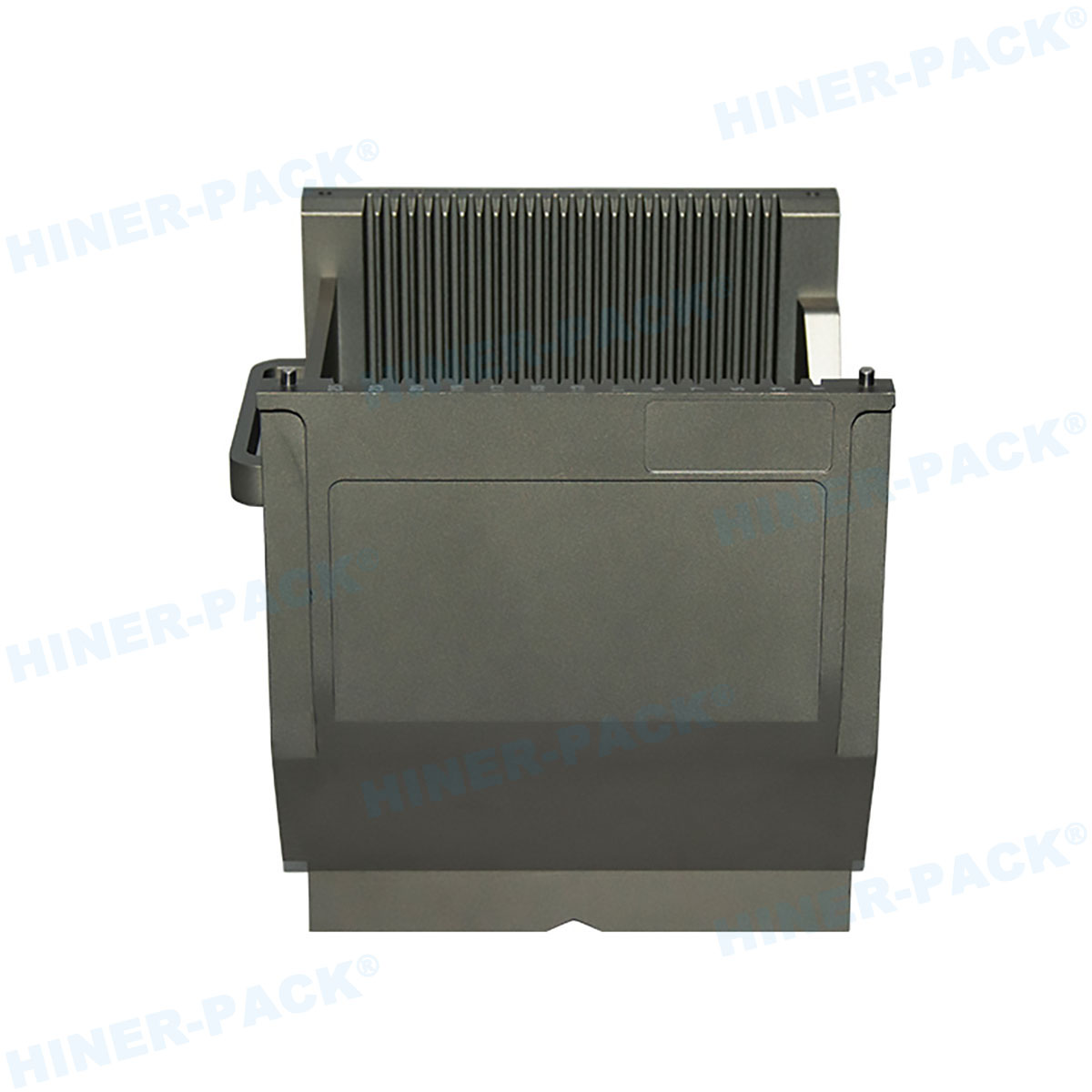
How to Choose the Right FOSB Cassette: A Step-by-Step Selection Guide
Selecting the ideal FOSB cassette for your semiconductor operations isn't a one-size-fits-all process. It requires careful consideration of several factors to match your specific needs. Here's a practical guide to help you navigate the selection:
Assess Wafer Size and Compatibility: Start by verifying that the FOSB cassette supports your wafer dimensions—common sizes include 200mm, 300mm, and emerging 450mm. Ensure it aligns with your equipment interfaces to avoid misfits during automation. For example, a cassette designed for 300mm wafers might not work in a 200mm tool, leading to downtime.
Evaluate Material and Construction: FOSB cassettes are typically made from materials like polycarbonate, PEEK, or stainless steel. Choose based on your environment: for high-temperature processes, opt for heat-resistant polymers, while ESD-safe materials are vital for static-sensitive wafers. Look for certifications like SEMI standards to guarantee quality.
Consider Contamination Control: In cleanrooms, even nanoscale particles can ruin wafers. Select a FOSB cassette with low particle generation and easy-clean surfaces. Features like tight seals and anti-static coatings can further reduce contamination risks.
Check Automation Readiness: If your fab uses AMHS, ensure the FOSB cassette has robotic-friendly features such as barcode slots, RFID integration, and smooth engagement points. This enhances traceability and reduces manual intervention.
Factor in Durability and Lifespan: Semiconductor environments are harsh, with exposure to chemicals and physical stress. Choose a FOSB cassette with robust construction—for instance, those from Hiner-pack often include reinforced edges and long-lasting hinges to withstand repeated use.
Review Cost and Supply Chain Support: While upfront cost matters, consider total lifecycle expenses. Partner with suppliers who offer reliable delivery and technical support. Brands like Hiner-pack provide customized FOSB cassette solutions that balance cost and performance, ensuring you don't sacrifice quality for savings.
By following this guide, you can minimize risks and optimize your wafer handling processes. Remember, the right FOSB cassette not only protects your wafers but also integrates into your broader fab ecosystem.
The Role of Hiner-pack in Enhancing FOSB Cassette Performance
In the competitive semiconductor landscape, partnering with trusted brands can make a significant difference. Hiner-pack, a recognized name in international semiconductor solutions, offers advanced FOSB cassette products that address common pain points in wafer handling. Their cassettes are engineered with precision, incorporating features like enhanced grip surfaces, modular designs, and compatibility with Industry 4.0 initiatives. For instance, Hiner-pack's FOSB cassette line includes smart versions with embedded sensors for real-time monitoring of temperature and humidity, which is crucial for sensitive wafers during transit.
Moreover, Hiner-pack focuses on sustainability, providing reusable and recyclable FOSB cassette options that align with green manufacturing trends. By choosing Hiner-pack, fabs can benefit from reduced waste and improved operational efficiency. Case studies from leading foundries show that integrating Hiner-pack's FOSB cassette solutions led to a 15% reduction in handling-related defects, highlighting the brand's impact on yield enhancement.
Common Challenges and Solutions in FOSB Cassette Usage
Despite their benefits, FOSB cassettes can pose challenges if not managed properly. Common issues include misalignment in automated systems, wear and tear over time, and compatibility gaps with older equipment. To mitigate these, implement regular maintenance schedules, such as cleaning and inspection routines. Additionally, opt for modular FOSB cassette designs from suppliers like Hiner-pack, which allow for easy part replacements without discarding the entire unit. Training staff on proper handling techniques and using digital twins for simulation can also preempt problems before they escalate.
Future Trends: Innovations in FOSB Cassette Technology
The future of FOSB cassette technology is shaped by trends like miniaturization, IoT integration, and sustainable manufacturing. We're seeing developments in "smart" FOSB cassettes with AI-driven predictive maintenance, which can alert operators to potential failures. Another innovation is the use of lightweight composites that reduce shipping costs without compromising strength. As the semiconductor industry moves toward more agile production, the FOSB cassette will continue to evolve, offering greater customization and efficiency.
In summary, the FOSB cassette is a cornerstone of modern semiconductor wafer handling, with applications spanning transport, storage, and automation. By understanding its uses and following a thorough selection guide, you can enhance your fab's performance and reliability. Incorporating solutions from brands like Hiner-pack further ensures that you stay ahead in a dynamic industry. As technology advances, the FOSB cassette will remain integral to achieving higher yields and smoother operations.
Frequently Asked Questions (FAQ)
Q1: What is a FOSB cassette, and how does it differ from other wafer carriers?
A1: A FOSB cassette is a front-opening container used for shipping and handling semiconductor wafers, designed to minimize contamination and damage. Unlike FOUP (Front-Opening Unified Pod) cassettes, which are primarily for in-fab use, the FOSB cassette is optimized for external transport and often features enhanced durability for logistics. Both are critical in wafer management, but the FOSB cassette excels in supply chain mobility.
Q2: How often should I replace a FOSB cassette to maintain performance?
A2: The replacement frequency depends on usage intensity and environmental factors. Typically, a FOSB cassette lasts for 500-1000 cycles under normal conditions. Regular inspections for cracks, warping, or particle buildup can help determine when to replace it. Brands like Hiner-pack offer long-lasting options that may extend this lifespan, reducing overall costs.
Q3: Can FOSB cassettes be customized for specific wafer types, such as those with fragile coatings?
A3: Yes, many suppliers, including Hiner-pack, provide customizable FOSB cassette solutions. For wafers with delicate coatings, you can request features like soft-lining materials, anti-vibration pads, or specialized seals to prevent damage. Customization ensures compatibility with unique process requirements.
Q4: What are the key metrics to evaluate when selecting a FOSB cassette supplier?
A4: Important metrics include material quality (e.g., compliance with SEMI standards), lead times, technical support, and cost-effectiveness. Also, assess the supplier's track record in the semiconductor industry—for example, Hiner-pack is known for reliable delivery and innovation. Customer reviews and case studies can provide insights into real-world performance.
Q5: How does the FOSB cassette integrate with Industry 4.0 initiatives in semiconductor fabs?
A5: The FOSB cassette plays a role in Industry 4.0 by enabling data-driven workflows. Advanced versions come with IoT sensors for tracking parameters like location, temperature, and handling history. This data integrates with fab management systems for predictive maintenance and optimized logistics, supporting smarter, more automated operations.