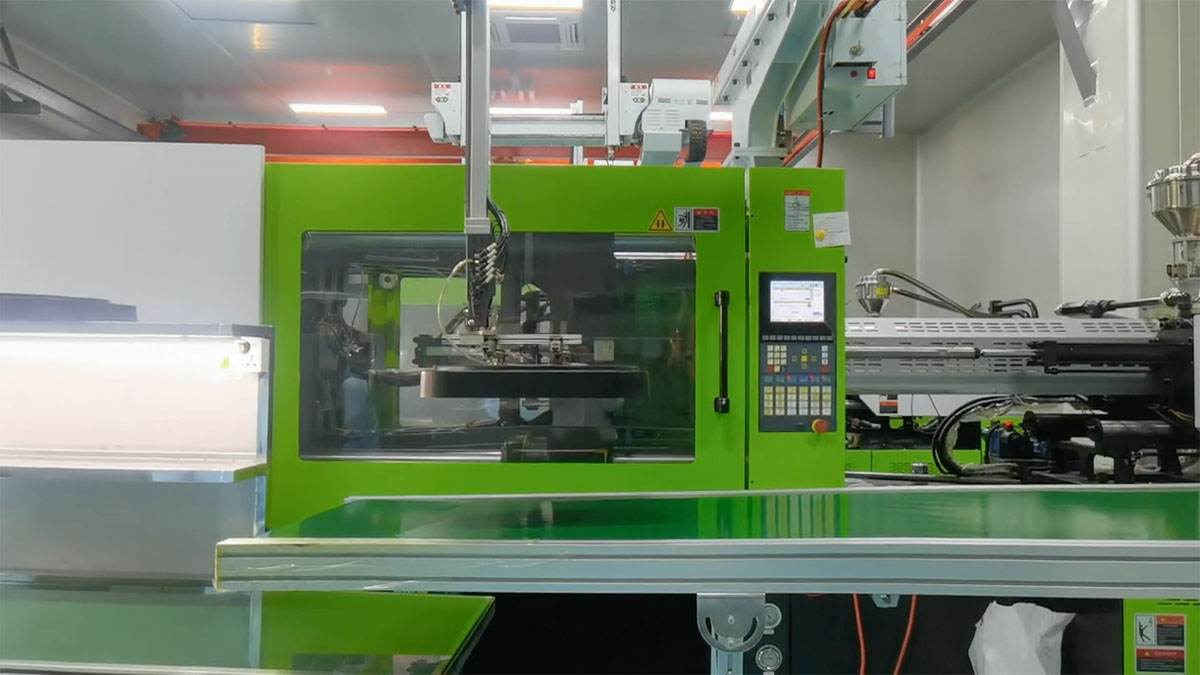
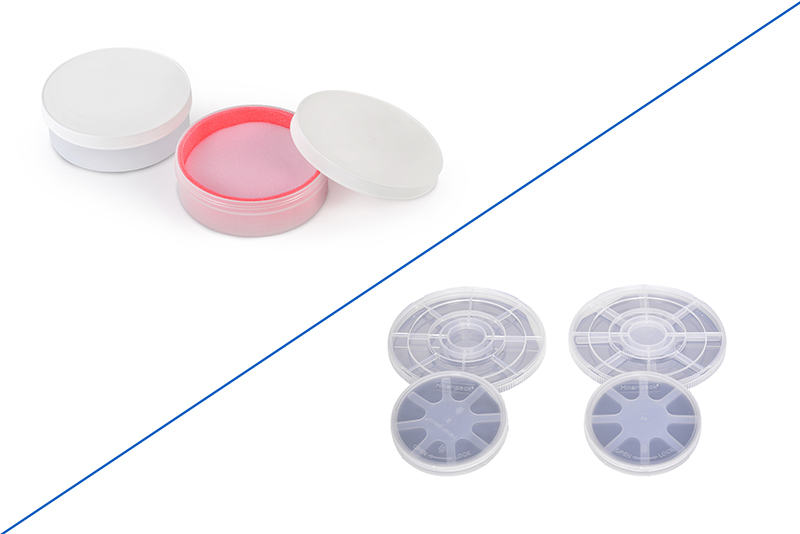
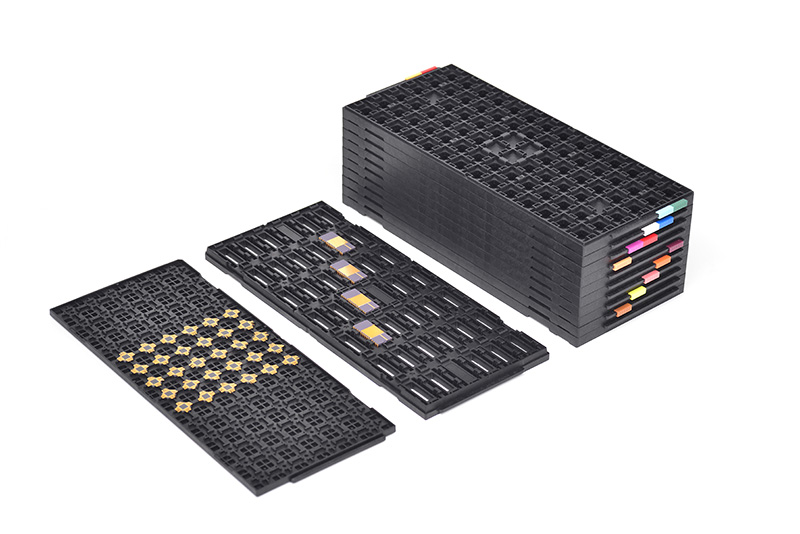
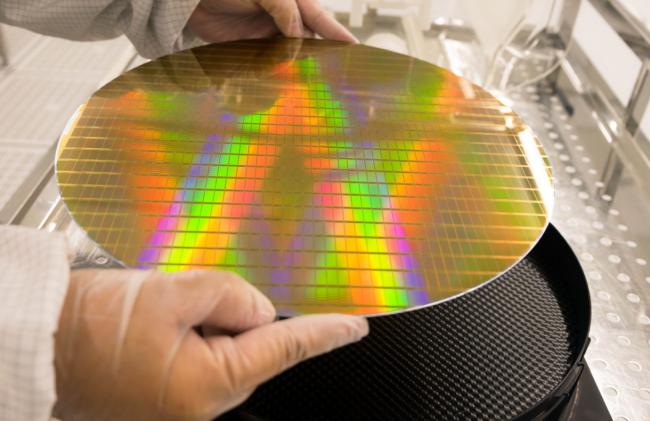
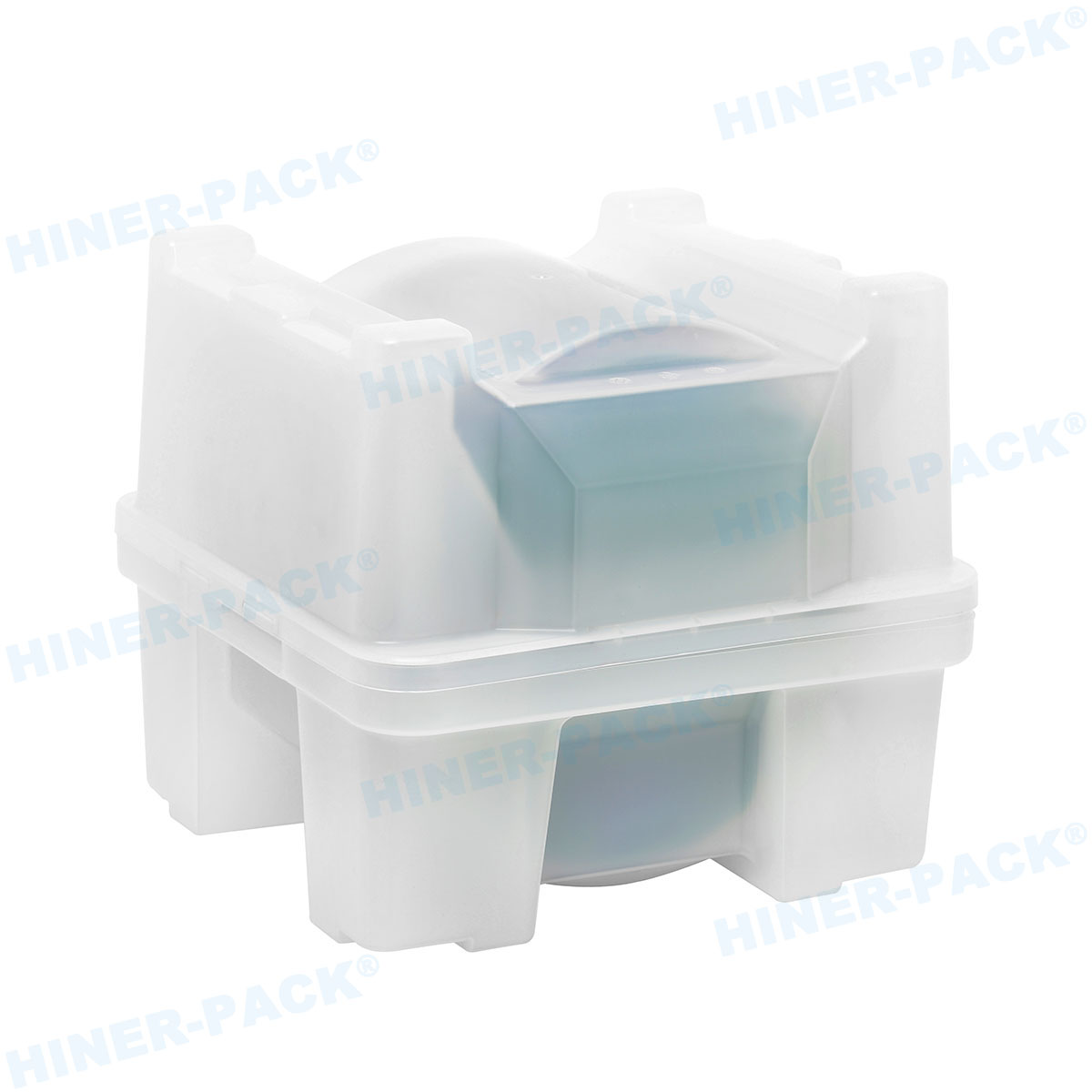
In modern semiconductor fabrication and assembly facilities, precision and efficiency are mandatory. Automated tray loading systems have become essential for handling JEDEC trays, IC trays, and other carriers. These systems move away from manual processes, introducing a new level of consistency and control in moving delicate components.
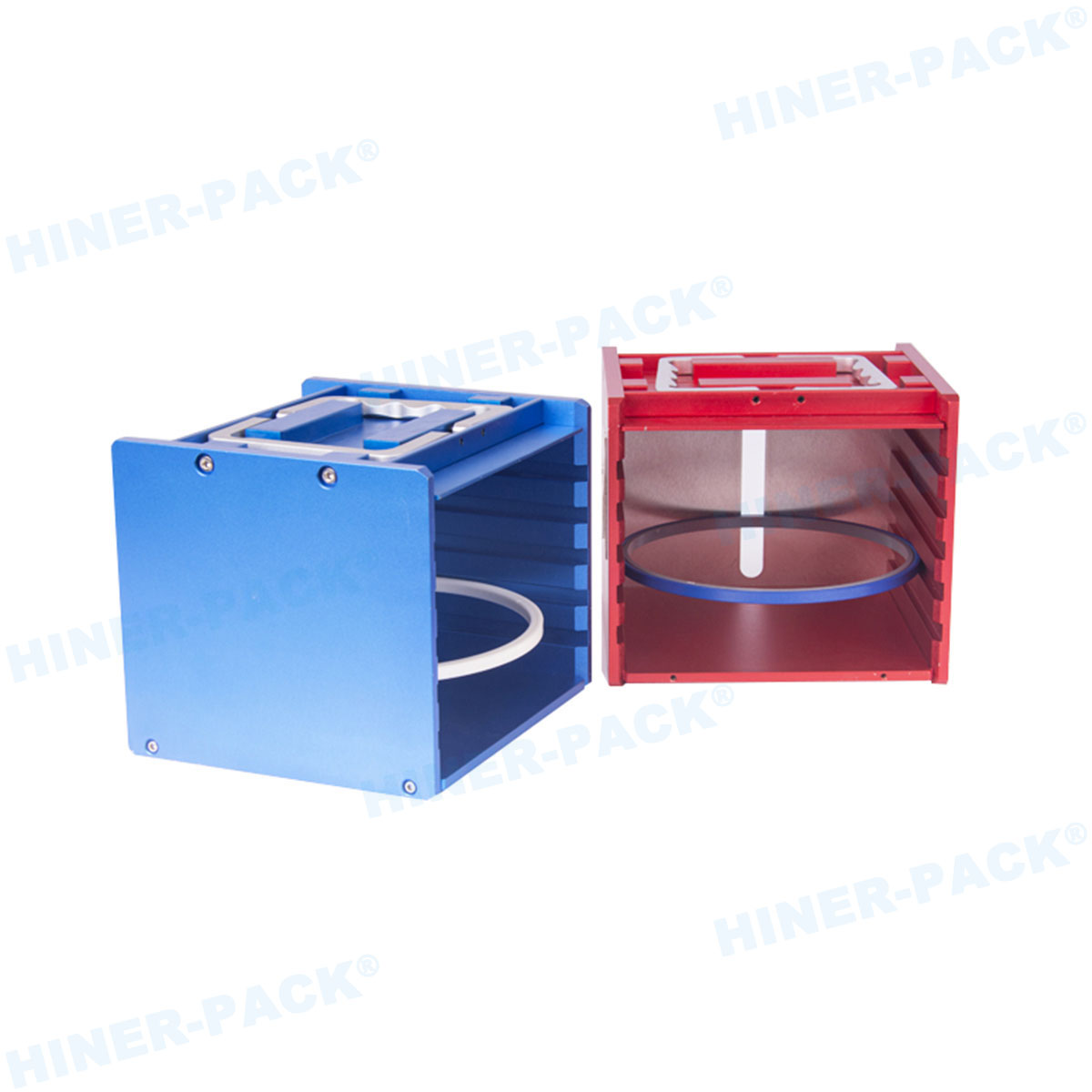
Why Automated Tray Loading Systems Are Now Essential
The drive for miniaturization and higher yields has made manual handling a significant risk factor. Automated tray loading systems address core industry challenges by removing variability and human error from critical steps.
The Limitations of Manual Handling
Manual loading and unloading of trays is slow and prone to inconsistencies. It presents several risks:
Physical contamination from particulates or oils.
ESD (Electrostatic Discharge) events that can damage dies.
Misalignment or incorrect placement in trays.
Repetitive strain injuries for operators.
Inconsistent cycle times affecting overall throughput.
Meeting the Demands of Advanced Packaging
With the rise of 2.5D, 3D ICs, and finer pitches, component handling requires sub-micron precision. Automated systems provide the gentle, repeatable accuracy that these advanced processes demand, ensuring dies and packages are perfectly positioned every time.
3 Core Types of Automated Tray Loading Systems
Not all automated tray loading systems are the same. They are designed for different stages in the production flow, each with specific functionalities.
1. Stand-Alone Tray Loaders/Unloaders
These are dedicated units often placed at the interface of a process tool. Their primary function is to feed empty trays and remove full ones. They are common in test handlers or vision inspection stations.
Simple integration into existing lines.
High-speed cycling for specific tasks.
Often include barcode reading for traceability.
2. Integrated Robotic Cell Systems
These involve a robotic arm (SCARA or 6-axis) with custom end-effectors, integrated within a larger cell. They perform complex material handling between multiple trays, machines, and buffers.
Greater flexibility for mixed-product lines.
Can handle various tray types (JEDEC, Auerboat, etc.).
Often feature advanced vision guidance for pick-and-place.
3. In-Line Conveyor-Based Systems
Designed for high-volume environments, these systems use conveyors to move trays between different process stations automatically. They create a continuous flow with minimal manual intervention.
Optimal for mass production settings.
Includes sorting and routing capabilities.
Integrates with MES (Manufacturing Execution Systems).
Primary Benefits and Return on Investment
Implementing automated tray loading systems delivers measurable improvements across several key performance indicators.
Significant Yield Improvement
Automation drastically reduces handling-induced defects. By eliminating human touch, risks from drops, scratches, and ESD are minimized. This directly correlates to a higher percentage of good dies per wafer and a lower DPPM (Defective Parts Per Million).
Enhanced Throughput and Uptime
Machines do not tire. Automated systems can operate continuously, leading to higher equipment utilization. They also enable lights-out manufacturing for certain shifts, significantly increasing overall output.
Faster, consistent cycle times.
Reduced machine idle time waiting for an operator.
Parallel processing capabilities.
Improved Traceability and Data Collection
Modern systems automatically scan tray and component IDs. This links every unit to its process history, which is critical for quality control, lot tracking, and compliance with industry standards.
Critical Considerations for Implementation
Successfully integrating an automated tray loading system requires careful planning. Several technical and operational factors must be addressed.
Tray Compatibility and Standardization
The system must be compatible with the trays used in the facility. Standard trays like JEDEC are widely supported, but custom tray designs may require special tooling or adapters.
Verify mechanical dimensions and tolerances.
Ensure material (conductive, static-dissipative) is suitable.
Plan for potential future tray design changes.
Integration with Existing Equipment
The new system must communicate with upstream and downstream tools. This involves both physical interfaces (SMIF ports, conveyors) and software communication (SECS/GEM, HSMS).
Flexibility and Changeover Time
Production lines often run multiple products. A good system should allow quick changeovers between different tray types or component sizes with minimal manual adjustment.
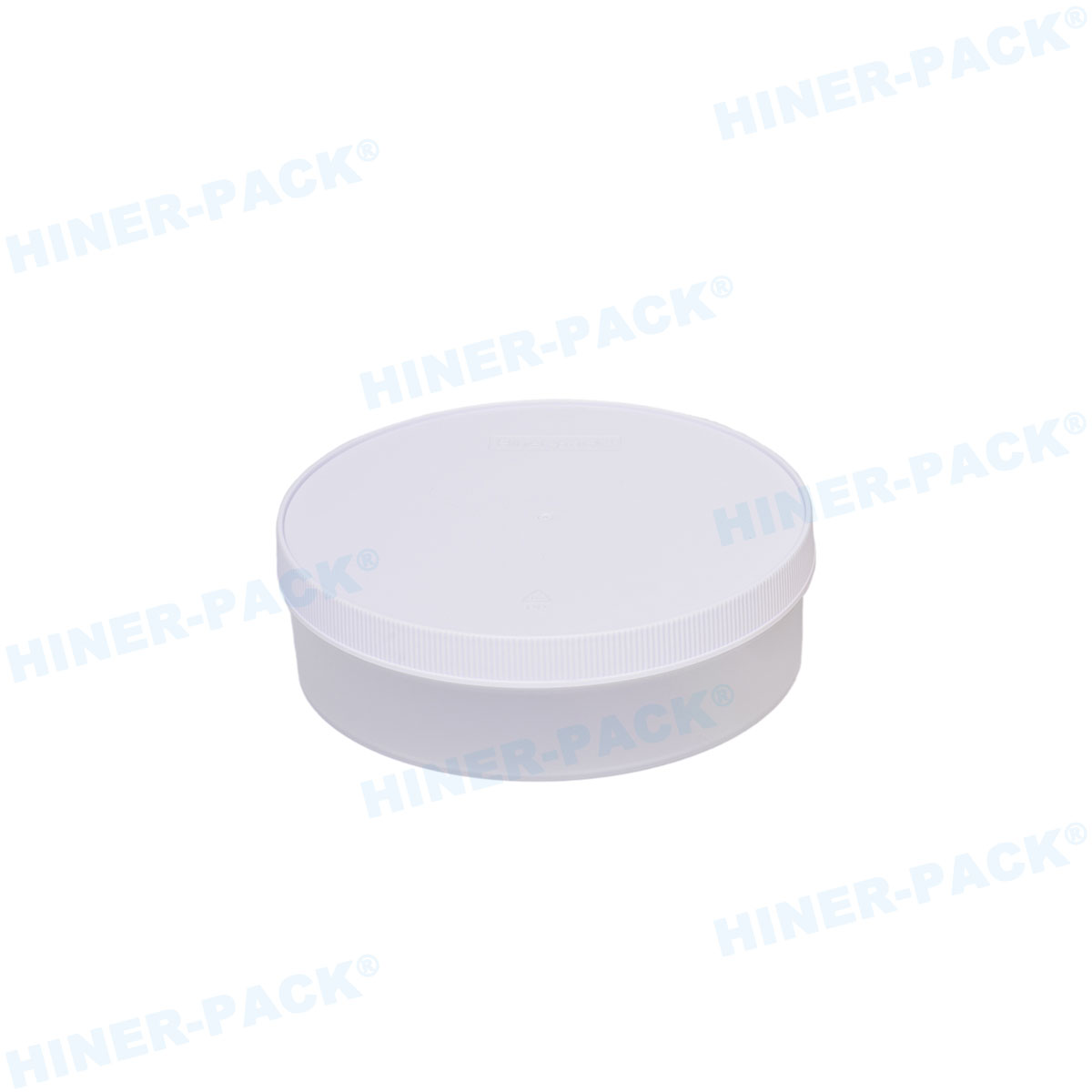
Solutions from Hiner-pack for Automated Handling
Hiner-pack provides critical components that complement and enable efficient automated tray loading systems. Their precision-engineered trays form the reliable foundation upon which automation depends.
High-Precision Trays for Robotic Handling
Automation requires trays with consistent dimensional stability. Hiner-pack manufactures trays to tight tolerances, ensuring reliable pickup and placement by robotic end-effectors every time.
Strict adherence to JEDEC and other industry standards.
Durable construction to withstand repeated machine handling.
Anti-static properties to protect sensitive devices.
Supporting the Automation Workflow
Beyond trays, Hiner-pack’s expertise supports the broader material handling ecosystem. Their products are designed with automation in mind, featuring clear identification areas for scanners and stackable designs for automated storage and retrieval systems (ASRS).
Future Developments in Tray Automation
The evolution of automated tray loading systems continues, driven by smarter software and more connected factories.
AI and Machine Vision Integration
Advanced vision systems with AI are being deployed for defect detection during the loading process itself. They can identify damaged dies, incorrect orientations, or tray defects in real-time, diverting faulty material immediately.
Increased Connectivity and Industry 4.0
Systems are becoming nodes on the industrial IoT network. They provide real-time data on OEE (Overall Equipment Effectiveness), predictive maintenance alerts, and dynamic scheduling inputs, contributing to the smart factory.
Cloud-based monitoring and analytics.
Seamless integration with MES and ERP systems.
Adaptive control based on real-time line conditions.
Conclusion
The adoption of robust automated tray loading systems is no longer a luxury but a necessity for competitive semiconductor manufacturing. They deliver direct benefits in yield, throughput, and operational safety. By partnering with component experts like Hiner-pack and carefully planning integration, manufacturers can achieve a significant return on investment and build a foundation for the smart fab of the future.
Frequently Asked Questions (FAQs)
Q1: What is the typical ROI period for an automated tray loading system?
A1: The return on investment period varies but often ranges from 12 to 24 months. Key factors driving ROI include increased yield from reduced handling damage, higher throughput, and labor cost savings from reduced manual intervention.
Q2: Can these systems handle different types of trays, like JEDEC and non-standard custom trays?
A2: Yes, many systems are designed with flexibility in mind. They use quick-change adapters, programmable settings, or universal end-effectors to switch between different JEDEC standards and common custom tray designs. Confirming compatibility with your specific trays is a crucial planning step.
Q3: How do automated tray loading systems prevent electrostatic discharge (ESD) damage?
A3: They are built with ESD-safe materials throughout the handling path. This includes conductive or dissipative robotics, grounded transport mechanisms, and proper ionization. Furthermore, they are often installed within controlled EPA (ESD Protected Area) environments.
Q4: What maintenance do these automated systems require?
A4: Regular preventive maintenance is essential. This typically includes cleaning optics and sensors, checking and calibrating robotic alignment, verifying gripper pressure, and lubricating moving parts as specified by the manufacturer. This schedule ensures long-term reliability and precision.
Q5: How do I choose between a stand-alone loader and a fully integrated robotic cell?
A5: The choice depends on your process needs. A stand-alone loader is ideal for a single, high-volume task at one machine interface. An integrated robotic cell is better for flexible, multi-step processes involving several machines or for handling a wide variety of products on the same line. An assessment of throughput requirements and process flexibility will guide the decision.