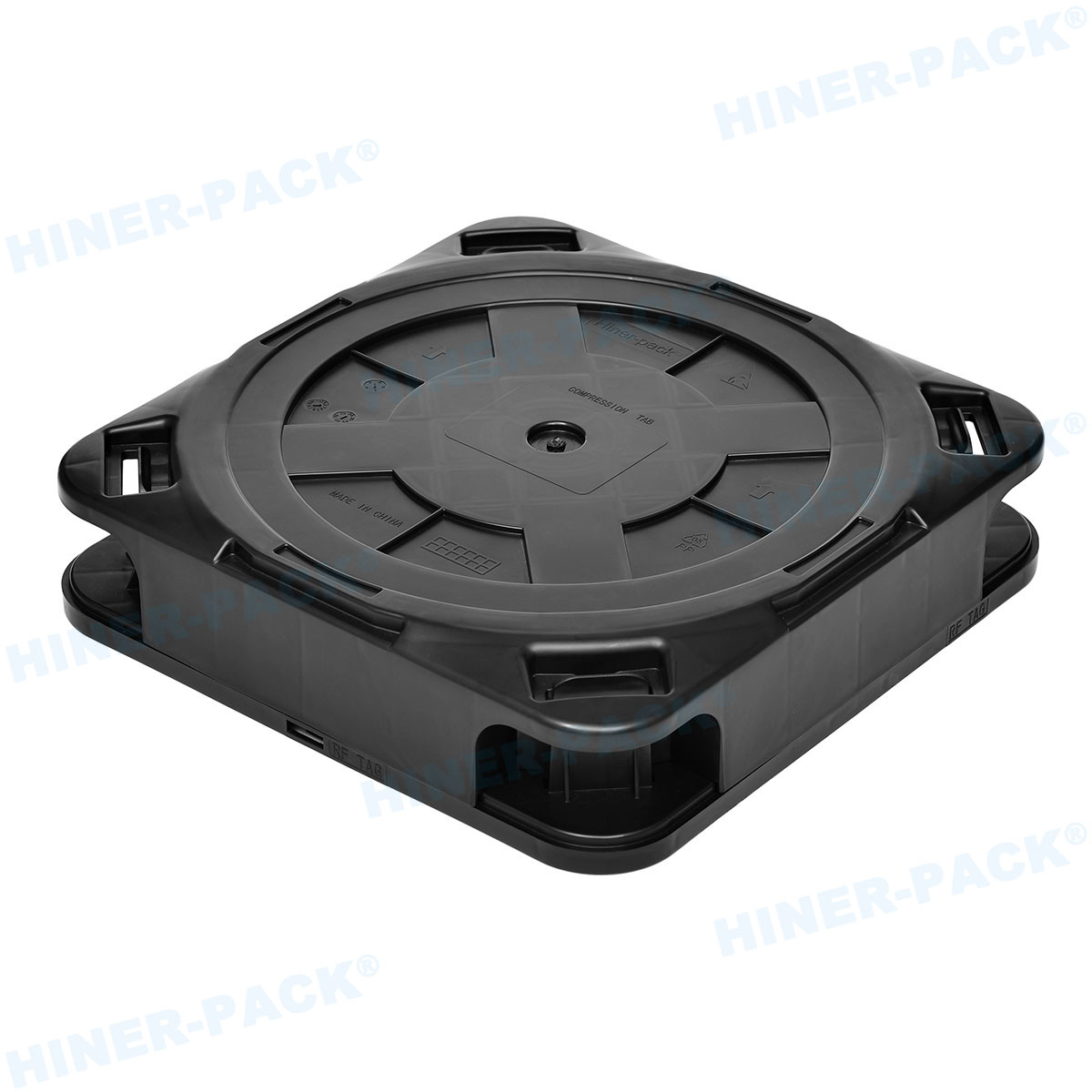
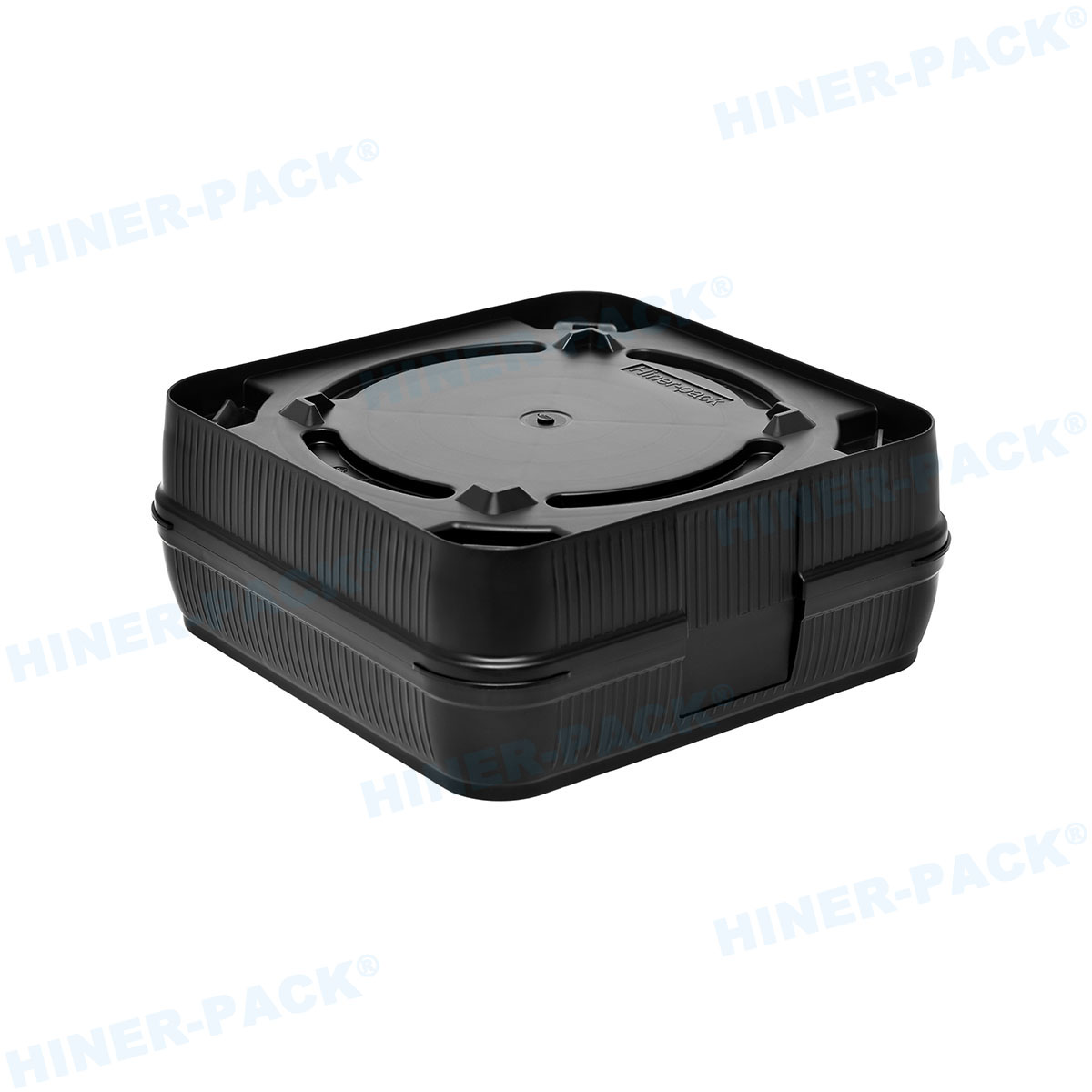
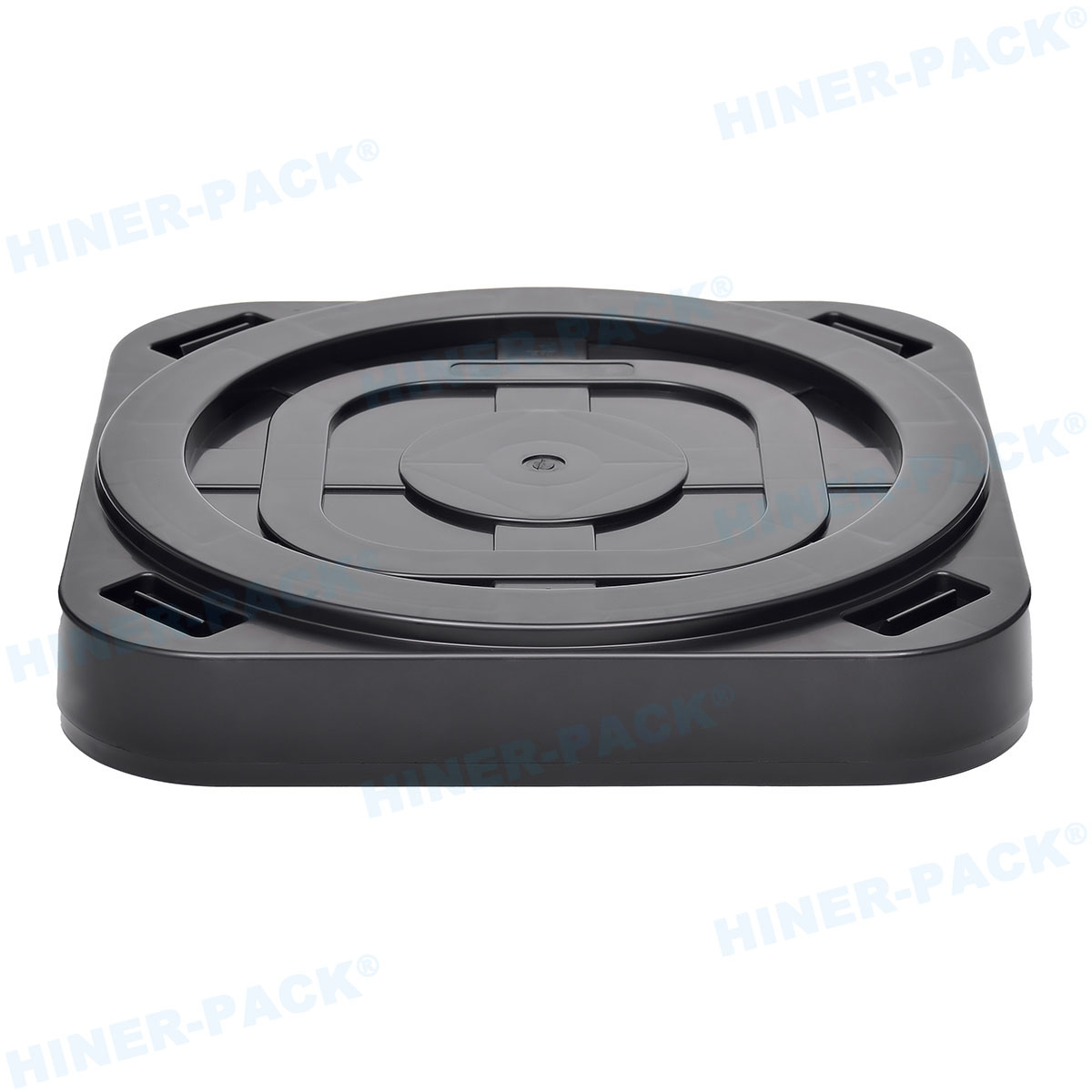
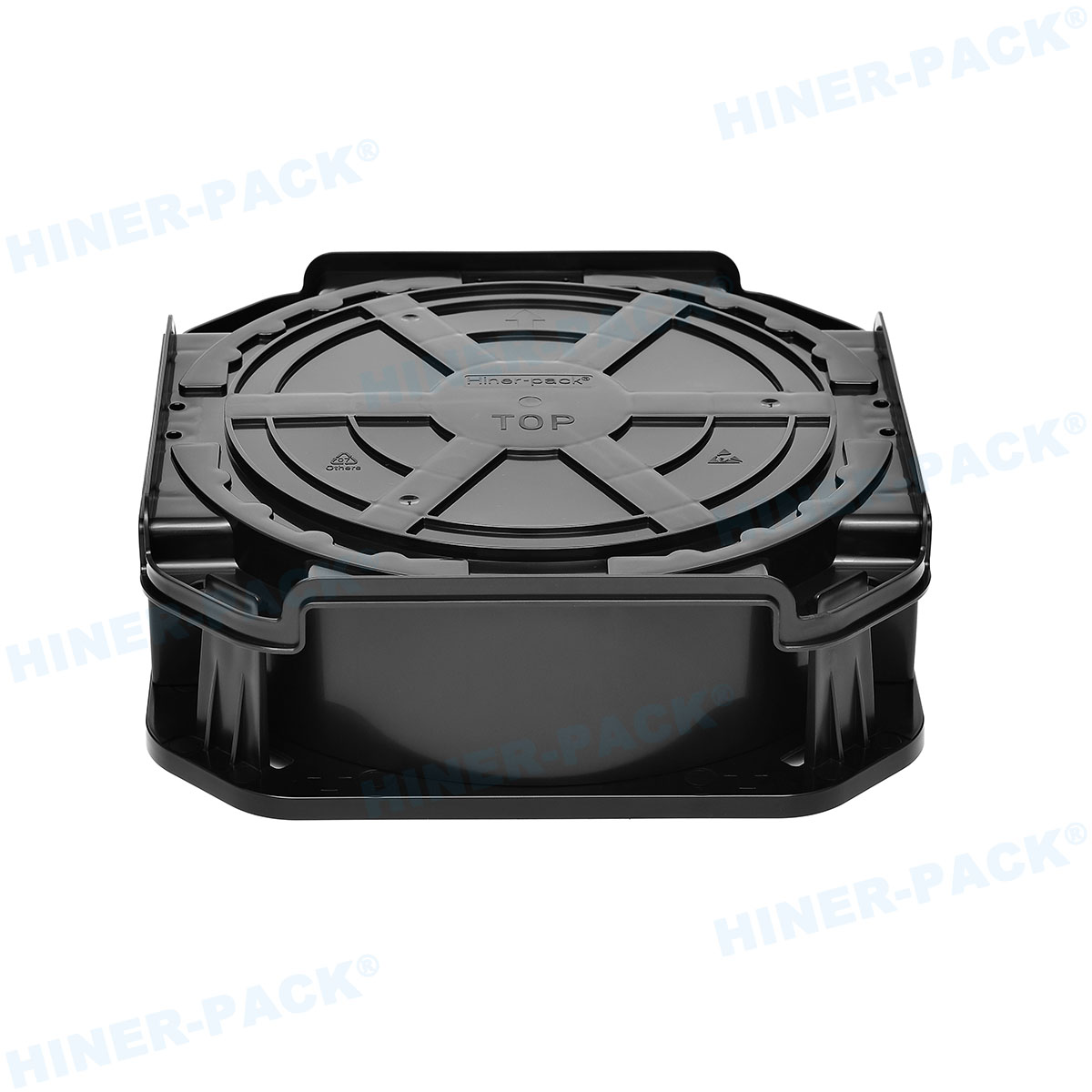
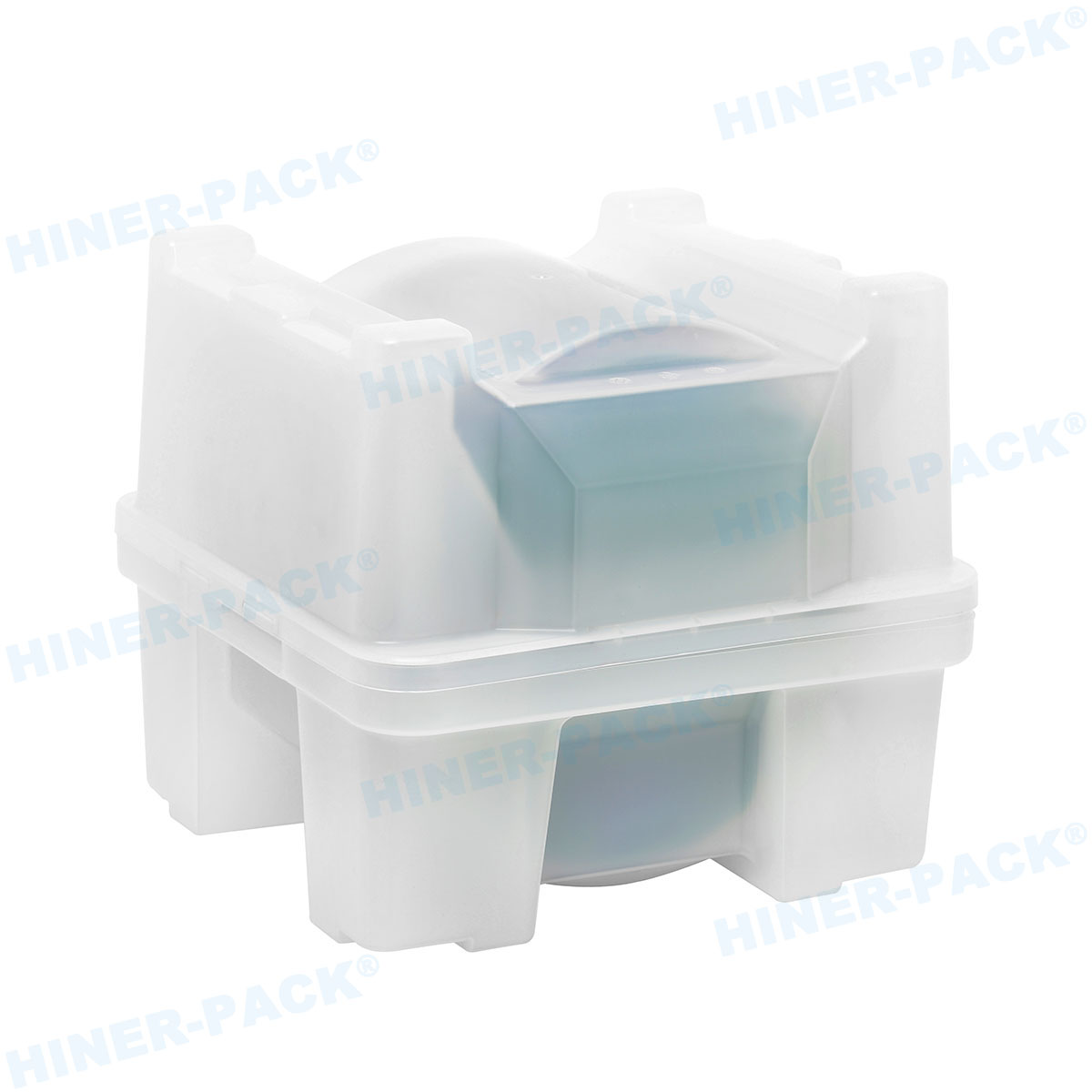
In semiconductor packaging and handling, the choice of component carrier is a critical operational decision. The debate between reusable vs. disposable trays involves multiple technical and economic considerations. This analysis provides a framework for making an informed selection.
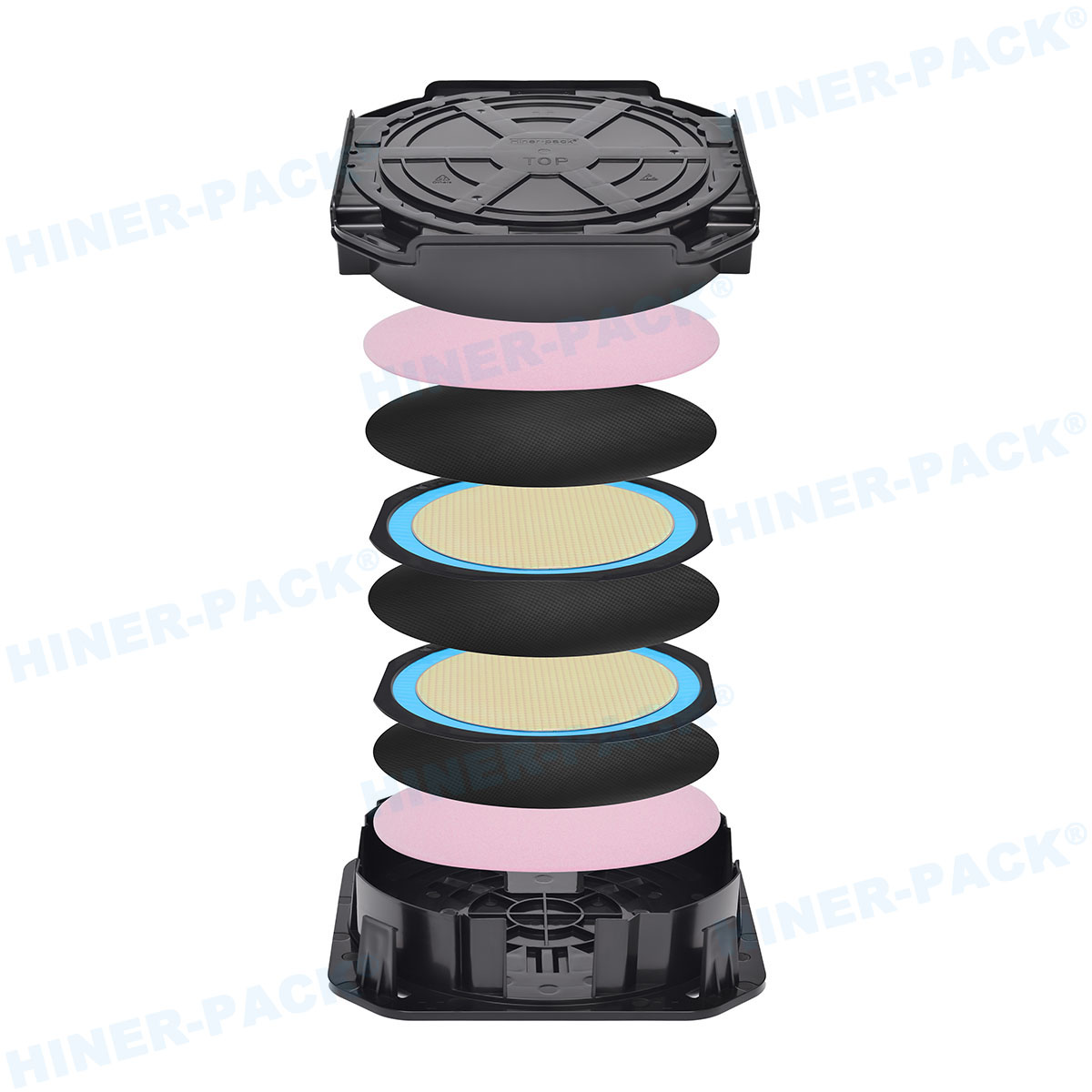
1. Initial Cost Analysis and Total Cost of Ownership (TCO)
The purchase price is only the starting point. A comprehensive TCO model reveals the true financial impact.
Disposable Tray Economics
Disposable trays, often made from molded plastics like PS or PP, have a low unit cost.
No investment in cleaning infrastructure or validation.
Eliminates costs associated with tray recovery and logistics.
Predictable, linear expense directly tied to production volume.
However, constant repurchasing leads to recurring material costs and waste fees.
Reusable Tray Economics
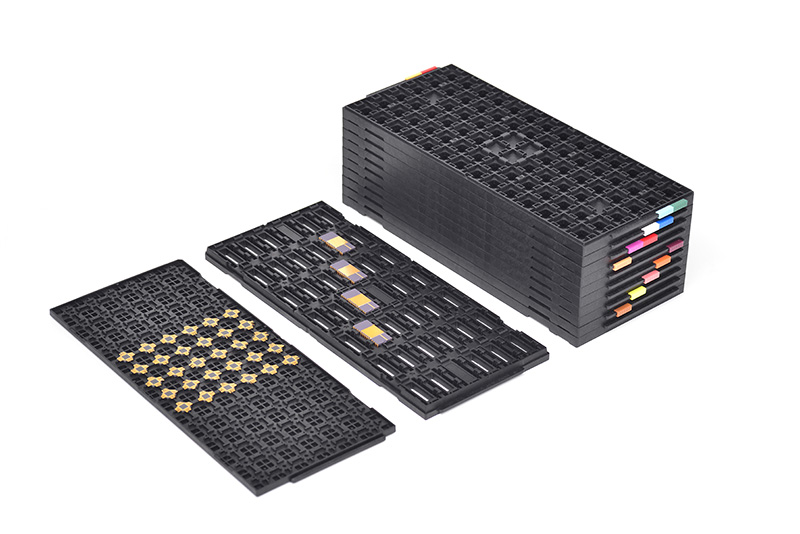
Reusable trays, typically from durable PPS, PEEK, or advanced composites, require higher initial investment.
Costs are amortized over hundreds of use cycles.
Must factor in capital and operational costs for cleaning systems.
Includes expenses for management, tracking, and periodic performance testing.
For high-volume, stable product lines, reusables often offer a lower long-term TCO. The choice in the reusable vs. disposable trays debate heavily depends on operational scale.
2. Environmental Impact and Sustainability Goals
Environmental responsibility is increasingly a key driver in manufacturing decisions.
Waste Generation and Management
Disposable trays contribute directly to solid waste streams.
Requires responsible recycling or disposal, which may incur fees.
Contributes to facility waste metrics and environmental footprint.
Some materials may be challenging to recycle effectively.
Lifecycle Assessment of Reusable Systems
Reusable systems aim to reduce raw material consumption and waste.
Primary impact comes from cleaning processes (water, energy, chemicals).
End-of-life recycling of high-value engineering plastics is possible.
Aligns with corporate ESG (Environmental, Social, and Governance) reporting and goals.
Companies with strong sustainability mandates may lean towards reusable options despite operational complexities.
3. Performance and Technical Specifications
Technical requirements for electrostatic discharge (ESD) protection, contamination, and physical protection are paramount.
Material and Cleanliness Performance
Both types must meet stringent industry standards.
Reusable Trays: Made from robust materials that withstand repeated cleaning. Must demonstrate low particle generation and low outgassing after many cycles. Performance is regularly validated.
Disposable Trays: Used once in a controlled, clean state. No risk of cross-contamination from prior use. Consistency is dependent on the manufacturer's quality control.
ESD Protection and Mechanical Safety
Protecting sensitive devices is non-negotiable.
Both styles offer conductive or dissipative grades per EIA-541 and ANSI/ESD S541.
Reusable trays must maintain ESD properties after numerous cleanings.
Mechanical design (pocket geometry, stacking features) is often more robust in reusable trays designed for automation.
The technical decision in the reusable vs. disposable trays debate hinges on required performance longevity.
4. Logistics and Supply Chain Management
The choice affects internal logistics complexity and supply chain resilience.
Inventory and Space Management
Disposable trays simplify inventory but require storage for incoming materials.
No need for internal storage of empty, cleaned trays.
Supply chain risk: dependent on consistent supplier delivery.
Reusable trays require a managed internal loop.
Need systems to track trays in circulation, at cleaning, and in storage.
Requires significant cleanroom floor space for buffer storage.
Automation and IT Integration
Modern fabs rely on integrated IT systems.
Reusable trays often carry permanent RFID tags for full lifecycle tracking (MES integration).
Disposable trays may use scannable labels, but tracking ends at disposal.
Automated handling equipment (robots, AGVs) is typically designed for the more rigid, predictable form factor of reusable trays.
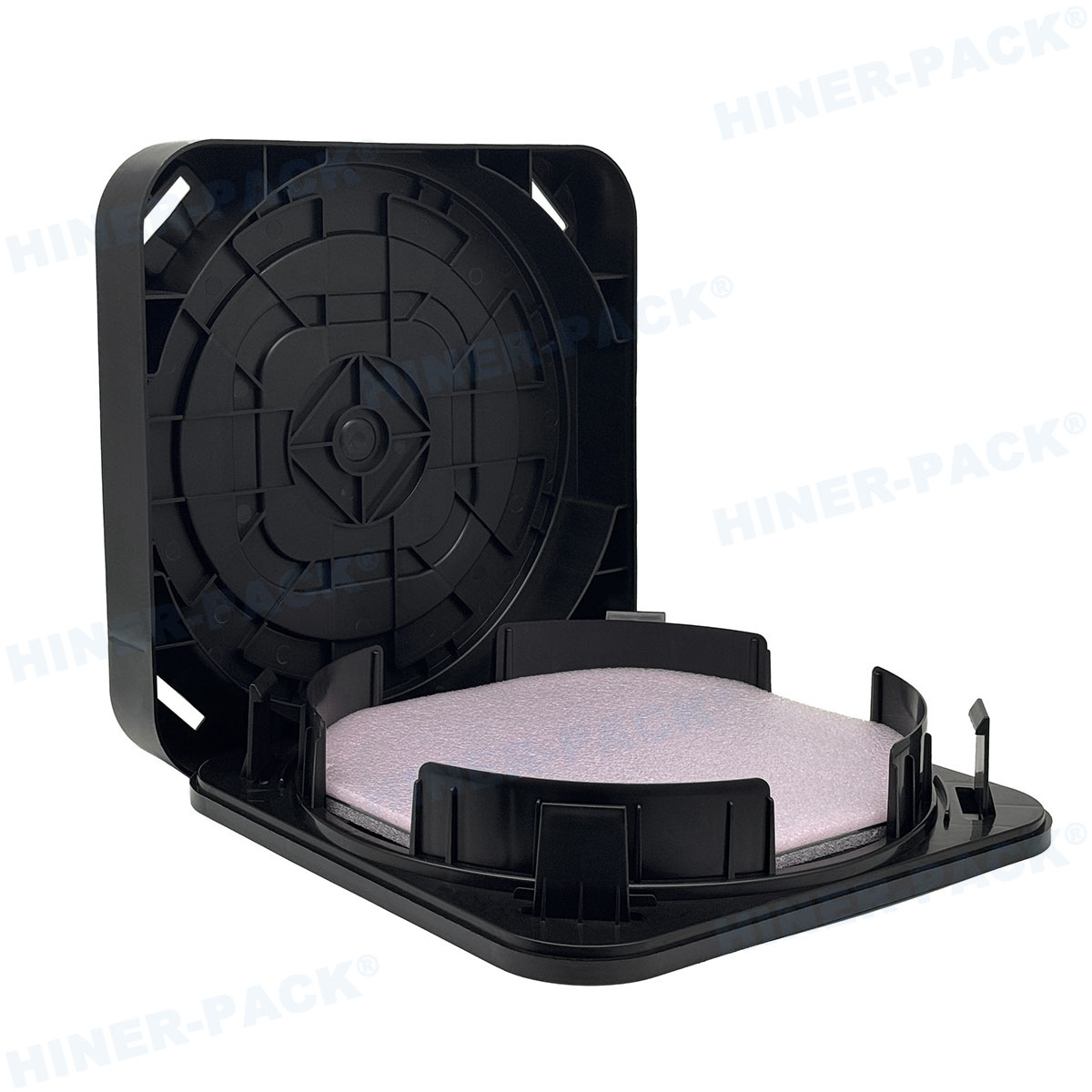
5. Operational Flexibility and Risk Management
Each option presents different risks and levels of flexibility for changing production needs.
Response to Product Change and Contamination Events
Disposable trays offer inherent isolation between lots or products.
Ideal for prototyping, low-volume, or high-mix production.
Eliminates risk of carry-over contamination from a previous product run.
Allows rapid changeover without tray clearing and validation delays.
Managing a Reusable Asset Pool
Reusable systems are efficient for stable, high-volume production.
Less flexible for sudden product mix changes.
Risk of tray loss or damage in the logistics loop disrupts the balance.
Requires dedicated staff and procedures for management and quality control.
Evaluating reusable vs. disposable trays requires a clear view of product roadmaps and risk tolerance.
Making the Strategic Choice with Hiner-pack
There is no universal answer. The optimal choice depends on your specific product mix, volume, cleanliness requirements, and sustainability targets.
Partnering with an experienced supplier like Hiner-pack is valuable. They can provide both high-performance disposable trays and durable reusable systems, along with data to support your TCO analysis.
A hybrid approach is sometimes best. For example, using reusable trays for high-volume internal lines and disposable trays for final shipping or low-volume products.
Carefully weighing these five factors will guide you to the most efficient and effective solution for your reusable vs. disposable trays needs.
The decision between reusable and disposable component carriers is multifaceted. It balances direct costs against long-term value, operational convenience against environmental impact, and flexibility against performance assurance.
By systematically evaluating cost, sustainability, technical specs, logistics, and operational risk, manufacturers can select a tray strategy that supports both efficiency and product quality. This structured approach resolves the core dilemma of reusable vs. disposable trays.
Frequently Asked Questions (FAQ)
Q1: Can disposable trays ever be cleaned and reused?
A1: It is not recommended. Disposable trays are designed and validated for single-use. Their material properties and structural integrity may degrade with standard cleaning processes. Reusing them risks particle contamination, loss of ESD protection, and physical failure, potentially damaging expensive components.
Q2: How many cycles can a typical reusable tray withstand?
A2: High-quality reusable trays from materials like PPS or PEEK can withstand 200 to 500+ use and cleaning cycles. The actual lifespan depends on the cleaning chemistry (aggressiveness), mechanical handling (abrasion, drops), and the ongoing validation of key parameters like ESD resistance and particle generation.
Q3: Which option is better for preventing cross-contamination?
A3: Disposable trays provide the highest guarantee against cross-contamination, as each batch uses a new, pristine container. With reusable trays, a validated, rigorous cleaning and inspection protocol is absolutely critical to mitigate cross-contamination risk between different product lots.
Q4: Are there industries or applications that strongly favor one type?
A4: Yes. High-volume, single-product automotive or memory chip manufacturing often favors reusable trays for TCO. The RF/microwave, photonics, or R&D sectors, with smaller batches and diverse products, often prefer the flexibility and guaranteed cleanliness of disposable trays for reusable vs. disposable trays applications.
Q5: What data should I request from a supplier to evaluate these options?
A5: For both types, request material certifications, ESD test data (surface resistance, discharge shielding), and particle test reports. For reusables, ask for lifetime cycle test data and recommended cleaning procedures. For disposables, request consistency data (lot-to-lot) and material safety data sheets (MSDS) for disposal/recycling.