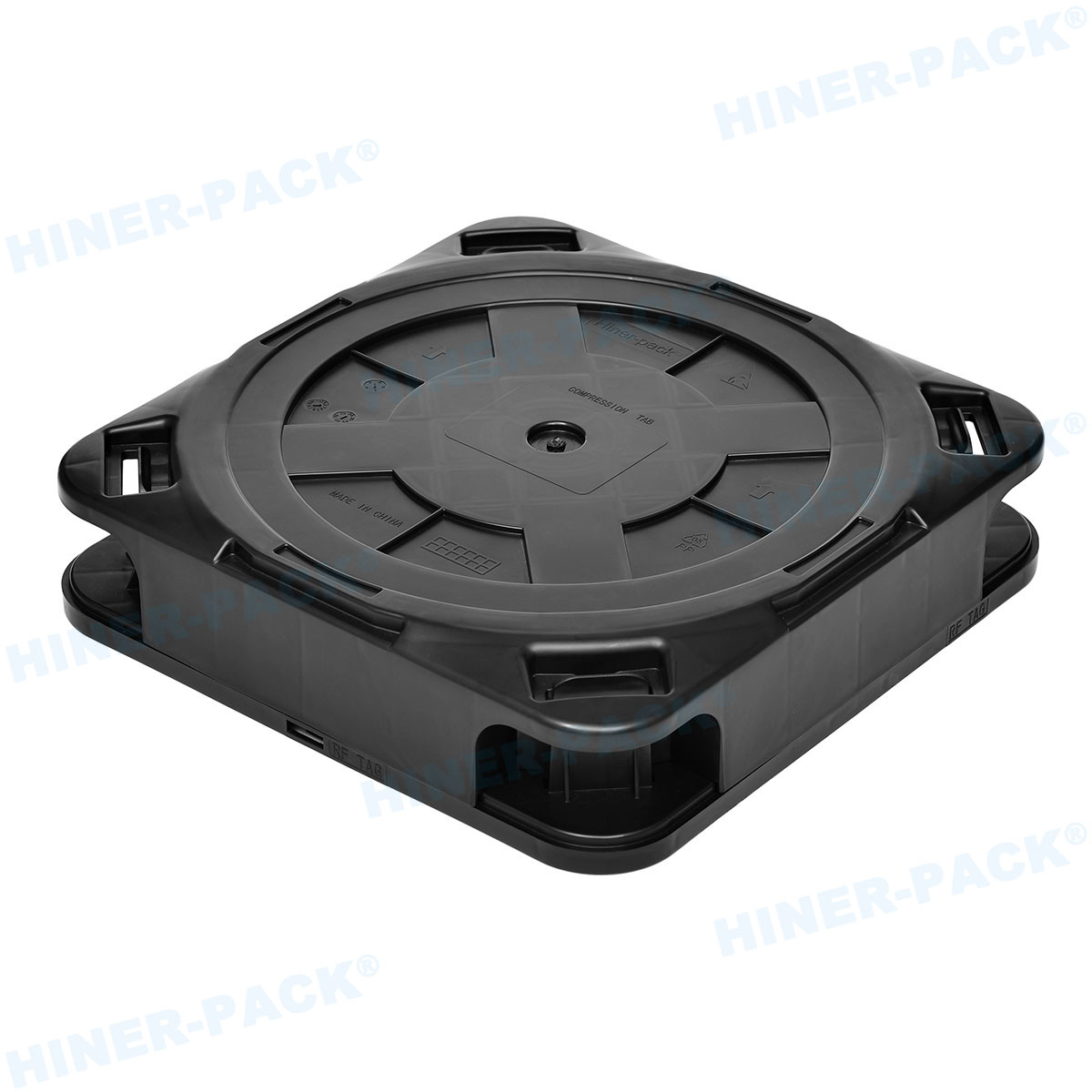
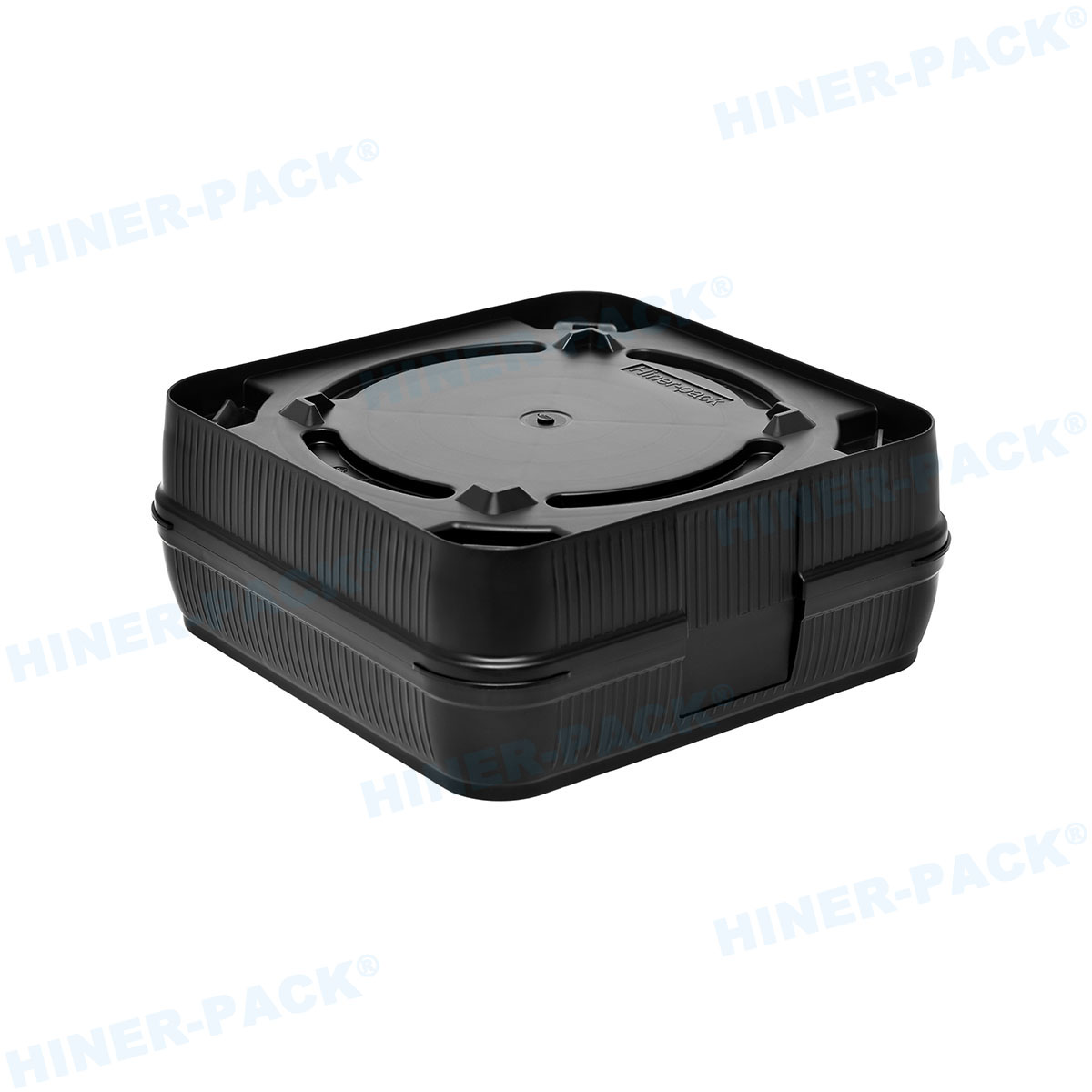
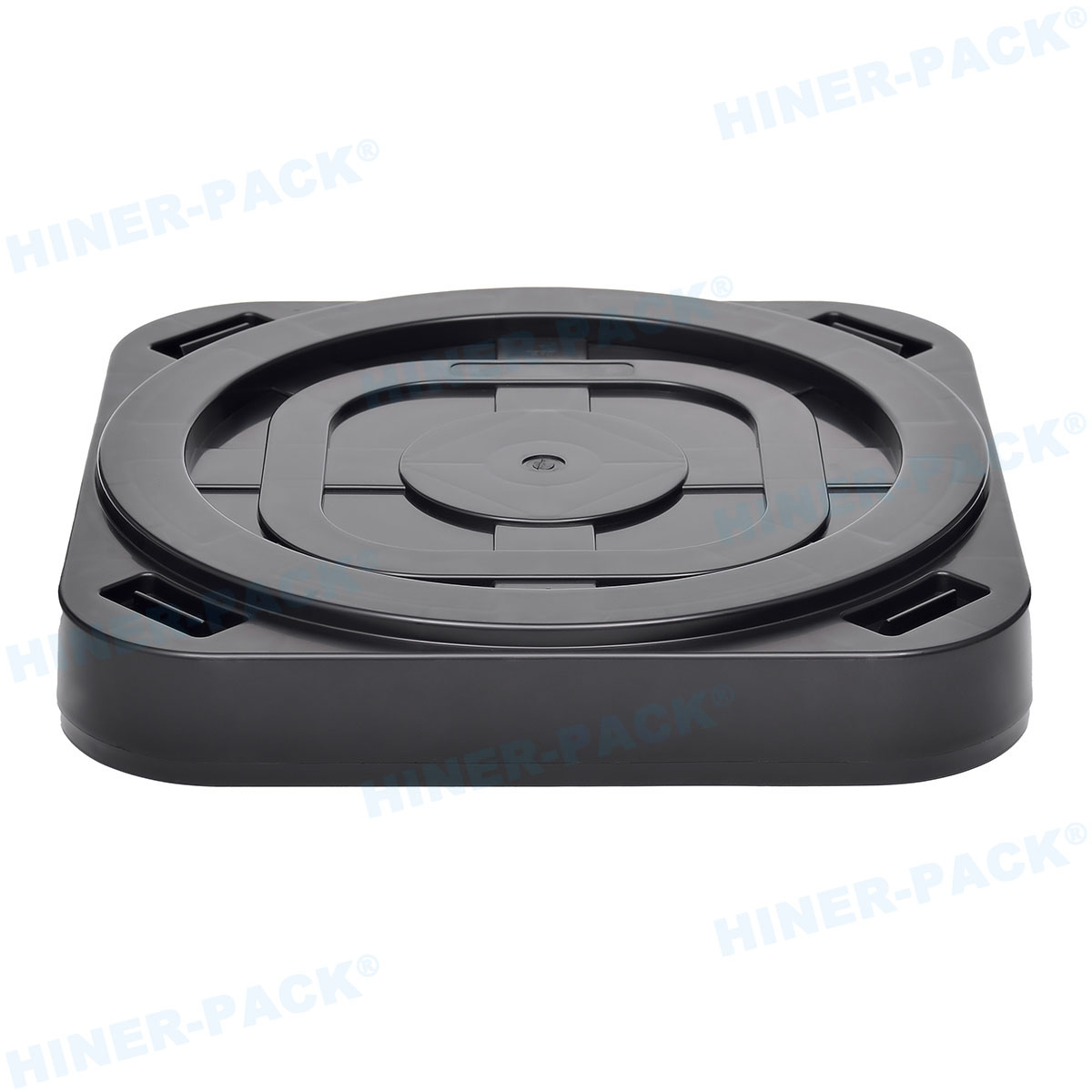
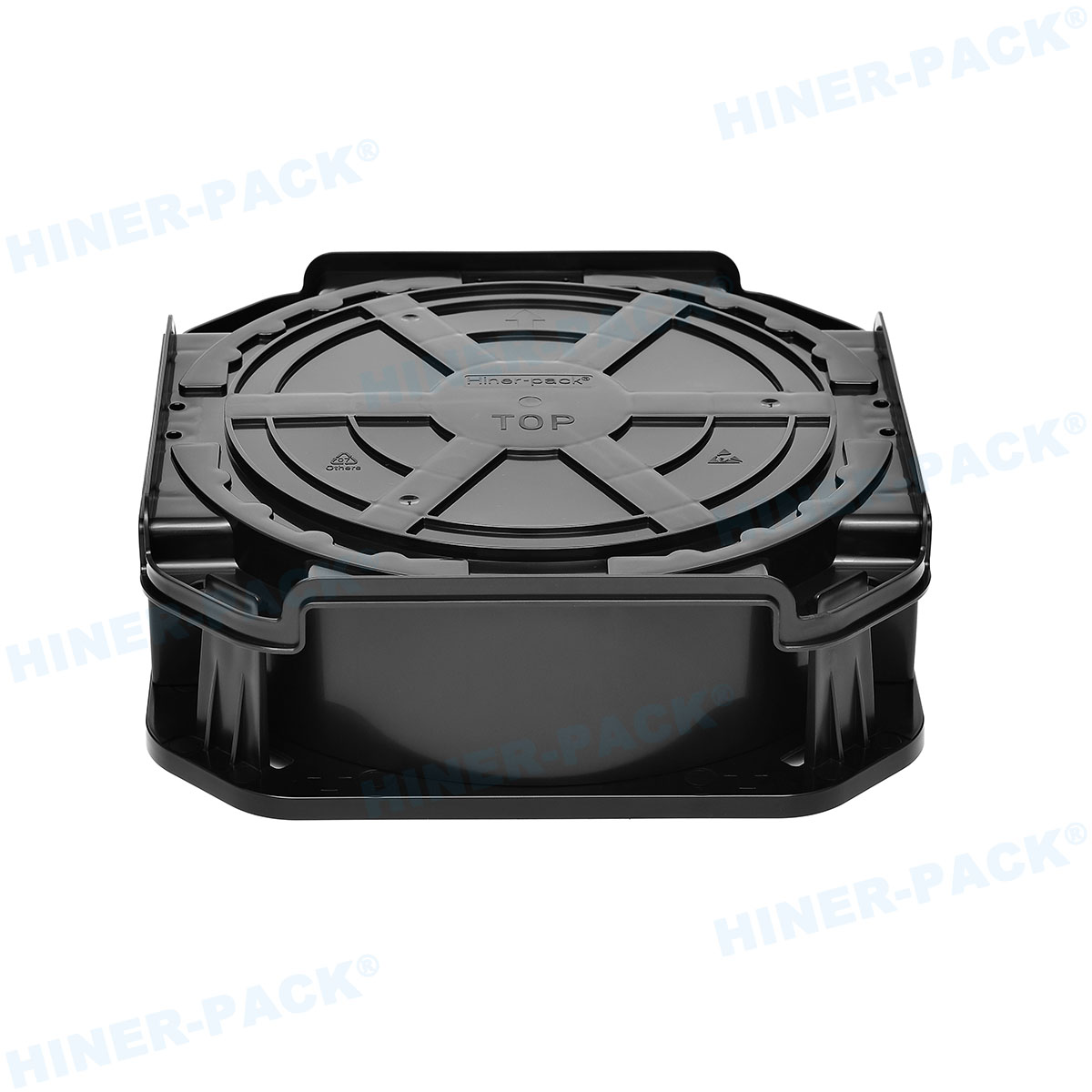
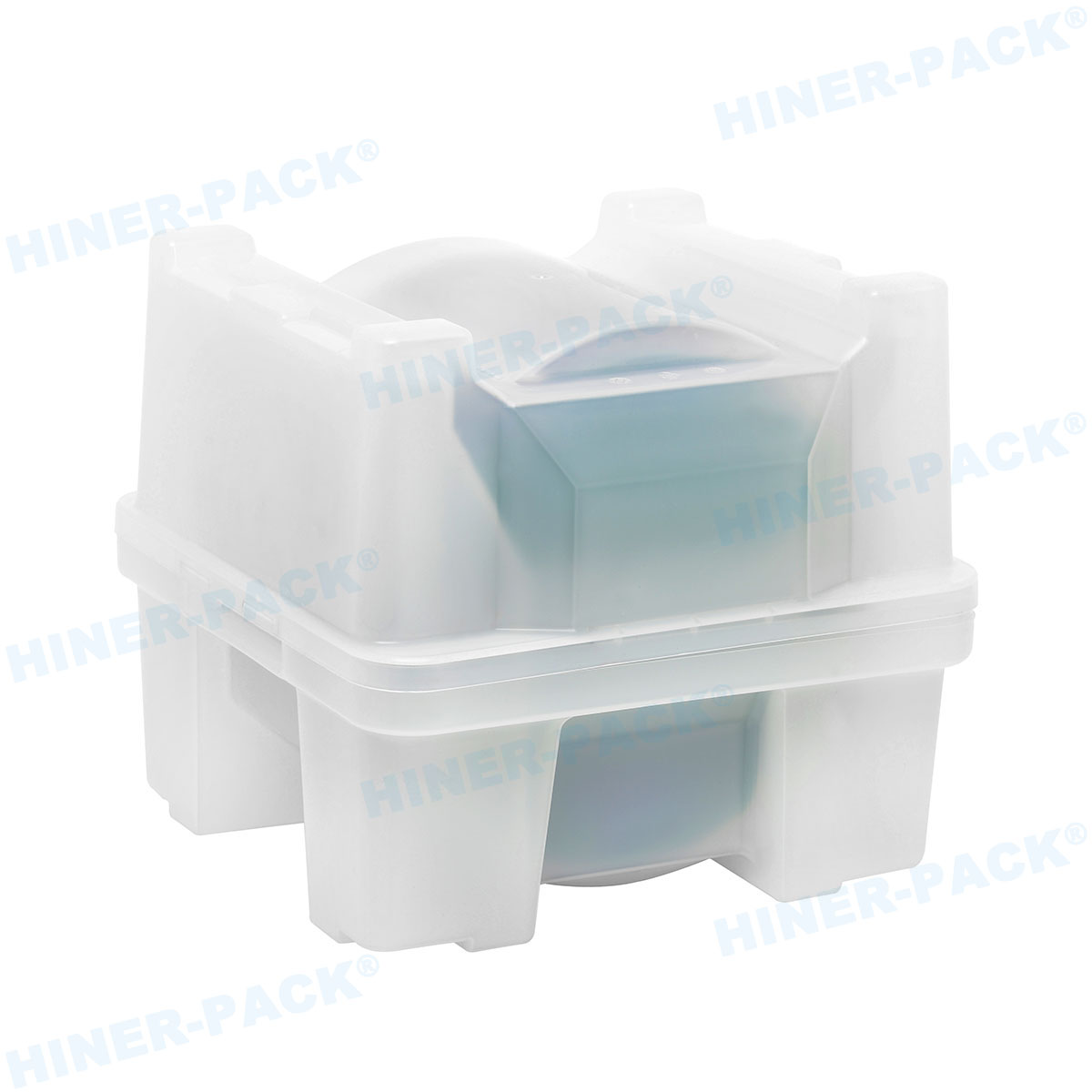
Selecting the right handling and shipping container is critical in semiconductor manufacturing. For 300mm processes, the choice impacts yield, cost, and logistics. This guide outlines key factors to identify the best wafer carrier for 12-inch wafers.
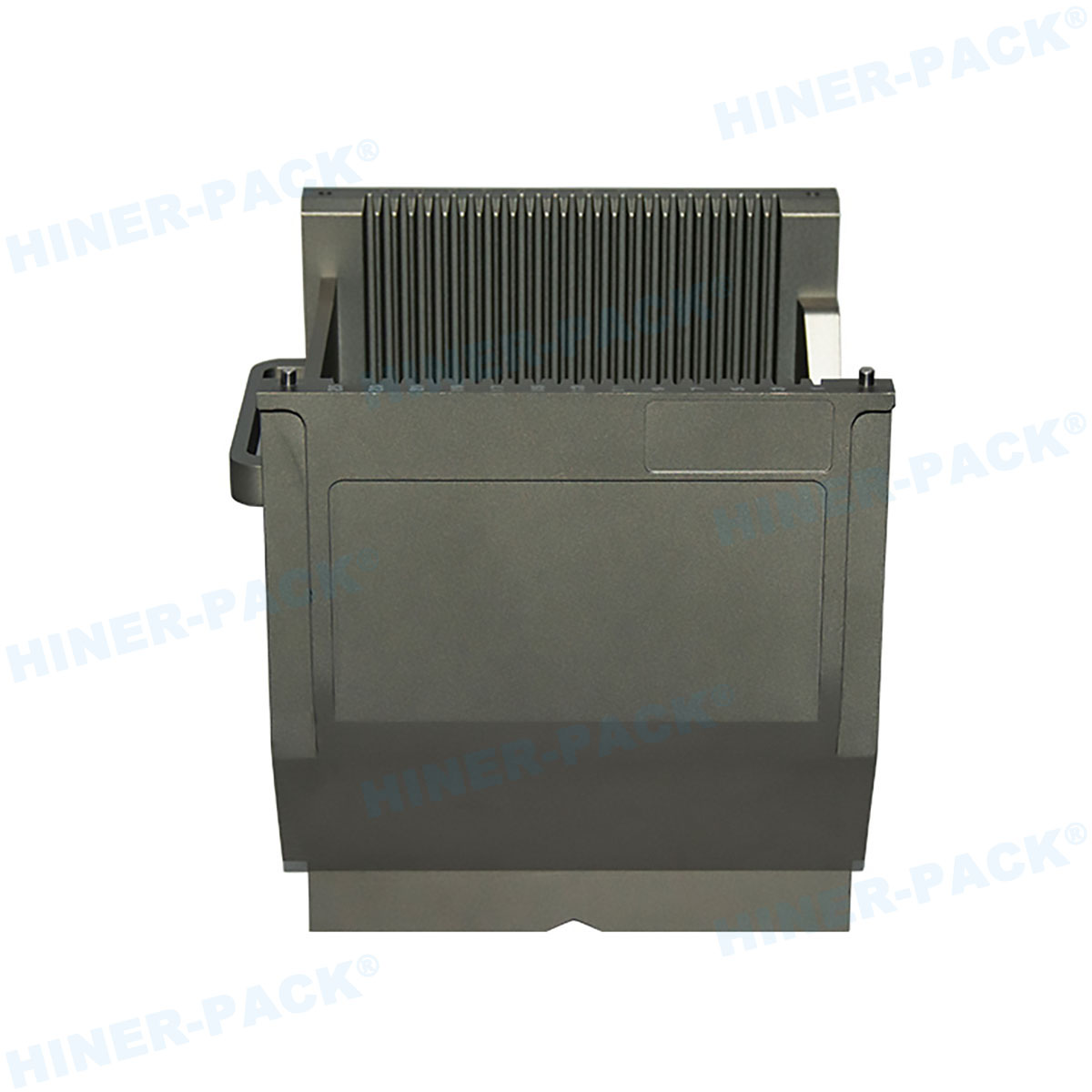
1. Material Selection and Contamination Control
The carrier material directly influences particle generation and static charge. It must protect sensitive wafers.
High-Purity Plastics
Advanced polymers like PEEK, PC, and PP are common. They offer excellent cleanliness.
Low outgassing properties prevent film contamination.
Inherent static-dissipative features minimize electrostatic discharge (ESD) risks.
Durability against repeated cleaning cycles with harsh chemicals.
Composite and Metal Options
Some applications require specialized materials.
Carbon-fiber reinforced composites for extreme strength and lightness.
Stainless steel components for structural frames in automated handling.
Material choice is the first step toward finding the best wafer carrier for 12-inch wafers.
2. Mechanical Design and Structural Integrity
A robust design ensures physical protection during transit, storage, and robotic handling.
Load Distribution and Stackability
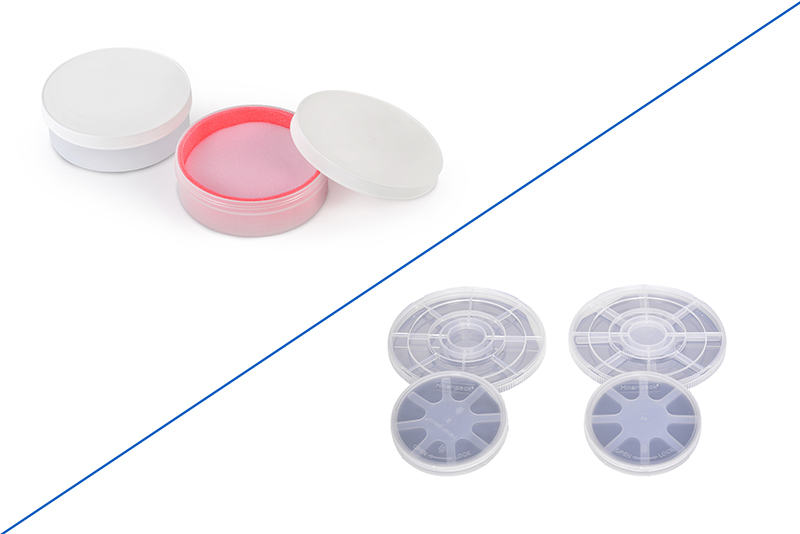
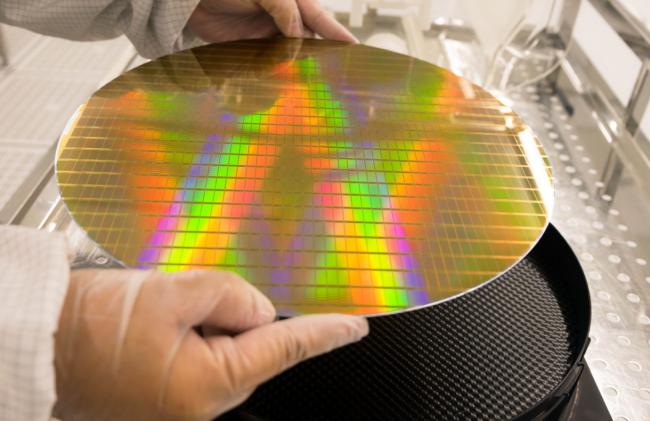
Carriers must support 25 wafers without warping or stress.
Precision-molded slots prevent wafer edge contact and chipping.
Interlocking lid and base designs for secure sealing.
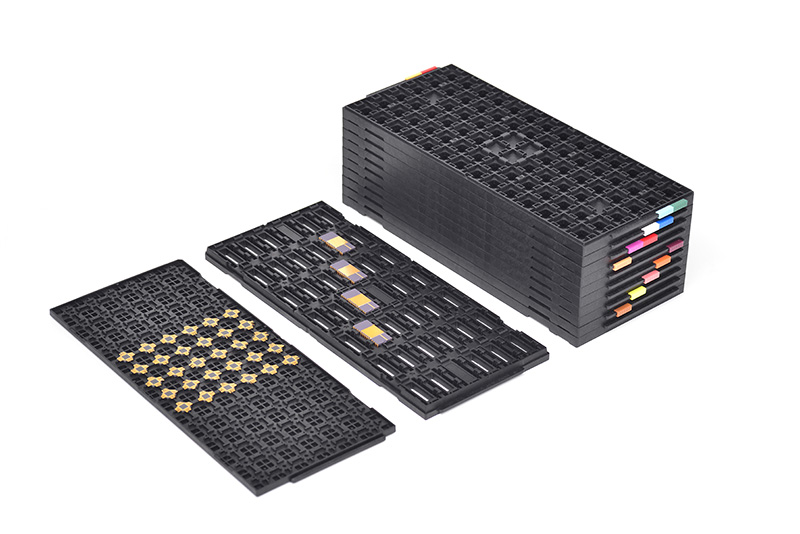
Safe, stable stacking features to maximize cleanroom floor space.
Automation Compatibility
Fabs rely on automated material handling systems (AMHS).
Standardized dimensions per SEMI E15.1 and E62 specifications.
Precision kinematic coupling features for accurate robot pickup.
RFID and barcode tag placement areas for tracking.
3. Cleanliness and Particle Performance
Minimizing added particle contamination is non-negotiable for high yields.
Sealing Effectiveness
A high-integrity seal is the primary defense against external contaminants.
Gasket-less labyrinth seals or qualified gasket materials.
Tested performance per SEMI E129 standards for exclusion.
Inherent Cleanability
The design must facilitate easy, residue-free cleaning.
Smooth, radiused interiors with no particle traps.
Resistance to DI water, SC1, SC2, and ozone chemistries.
Quick-drain features to prevent water spotting.
4. Testing and Compliance Standards
Reliable carriers are validated against rigorous industry benchmarks.
Critical SEMI Standards
Compliance ensures interoperability and performance.
SEMI E1.9: For mechanical carrier dimensions.
SEMI E57: For mechanical specification of boxes.
SEMI E129: For contamination containment.
SEMI E158: For mechanical and contamination testing.
Performance Validation
Reputable suppliers provide extensive test data.
Particle adders test reports.
Static decay and ESD shielding results.
Vibration and drop test simulations for shipping.
5. Supplier Reliability and Total Cost of Ownership (TCO)
The initial purchase price is just one factor. Long-term value is essential.
Manufacturing Quality and Consistency
Look for suppliers with certified manufacturing processes.
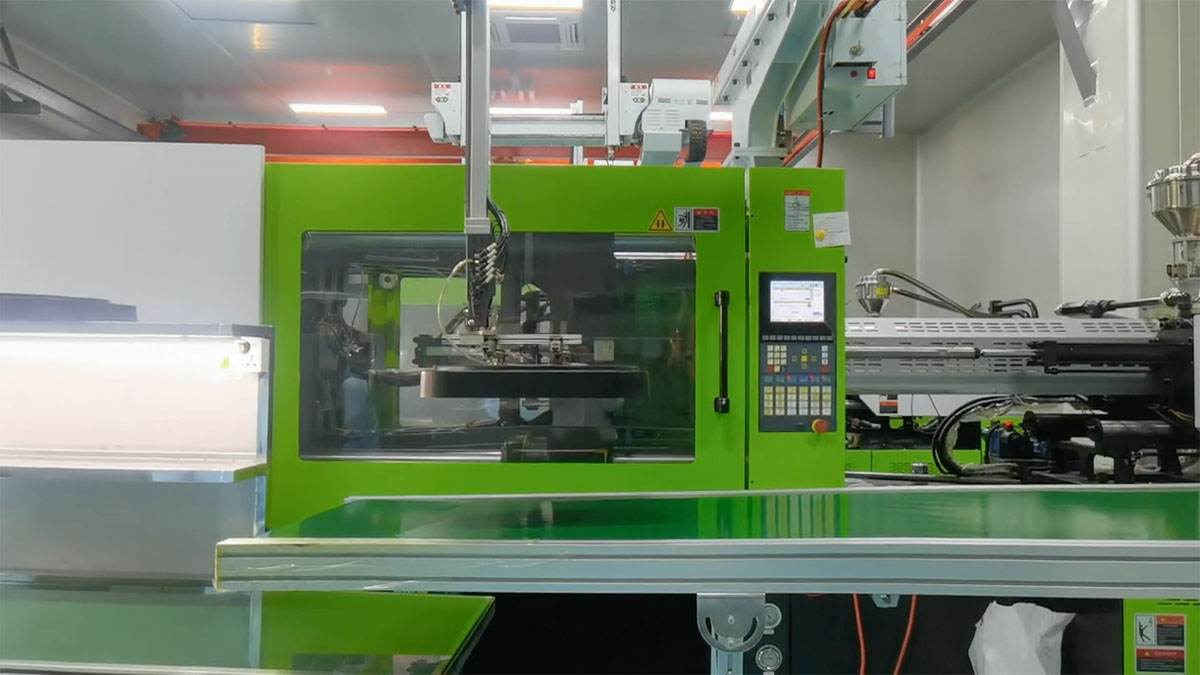
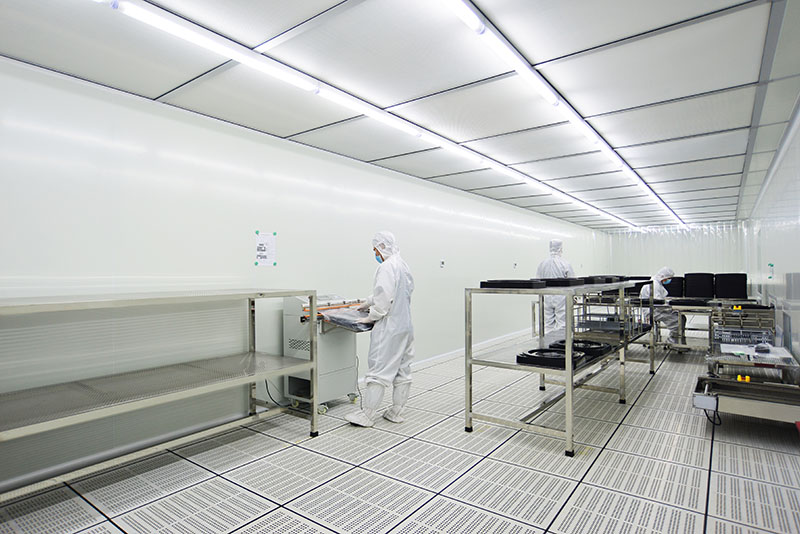
ISO Class cleanroom molding environments.
Stringent quality control and lot traceability.
Consistent supply chain and lead times.
Evaluating TCO
Consider all costs over the carrier's lifespan.
Durability and mean time between failures (MTBF).
Cleaning and maintenance costs.
Replacement part availability and cost.
Impact on wafer yield loss risk.
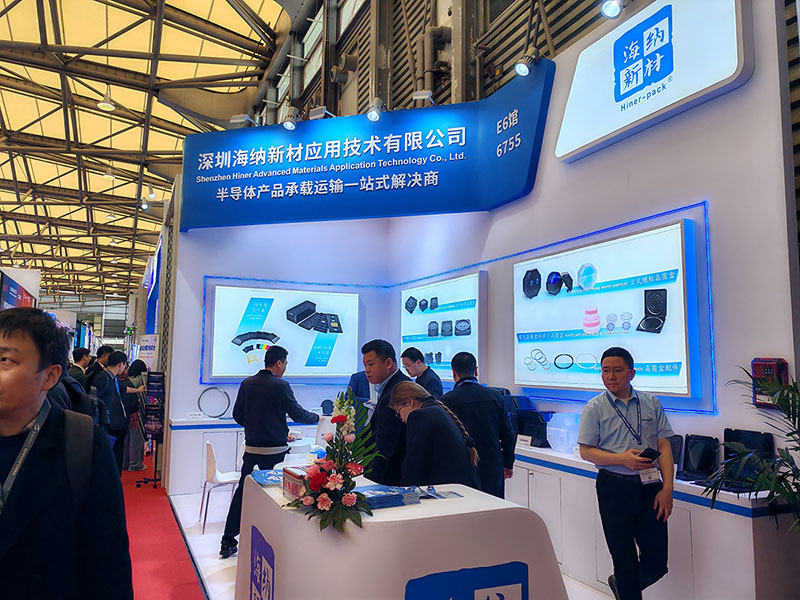
A carrier from a trusted partner like Hiner-pack offers lower TCO through reliable performance.
Why Hiner-pack Carriers Stand Out
Hiner-pack designs carriers that meet these stringent demands. Their focus on precision engineering, material science, and compliance delivers a reliable solution.
They offer a balanced combination of robustness, cleanliness, and automation readiness. For facilities prioritizing yield protection and logistics efficiency, evaluating their products is a step toward securing the best wafer carrier for 12-inch wafers.
Choosing the optimal carrier requires a systematic review of material, design, cleanliness, compliance, and supplier merit. It is a strategic decision that protects valuable inventory.
By focusing on these five areas, manufacturers can confidently select a carrier that ensures safe transit and supports high process yields. Investing time in this evaluation is key to finding the true best wafer carrier for 12-inch wafers for your specific application.
Frequently Asked Questions (FAQ)
Q1: What is the main difference between PFA, PEEK, and PC carriers?
A1: PFA offers excellent chemical resistance. PEEK provides superior mechanical strength and temperature tolerance. PC (Polycarbonate) is a cost-effective option with good clarity and impact resistance. The choice depends on your specific process chemicals, temperature, and cleanliness requirements.
Q2: How often should 12-inch wafer carriers be cleaned and tested?
A2: Cleaning frequency depends on the process step and internal contamination control specs. A common practice is cleaning after each use cycle. Performance testing for particles and mechanical fit should occur at regular intervals, such as quarterly or semi-annually, as part of a preventive maintenance program.
Q3: Are all 12-inch wafer carriers compatible with my existing AMHS?
A3: Not automatically. You must verify that the carrier's mechanical footprint, kinematic coupling design, and RFID/barcode label placement conform to the specific SEMI standards (E15.1, E62) your AMHS is configured for. Always request compatibility documentation from the supplier.
Q4: Can a single wafer carrier design be used for both shipping and in-fab handling?
A4: Some carriers are designed as "dual-use," meeting SEMI E129 for shipping and E158 for in-fab handling. However, many fabs use dedicated, ruggedized shipping boxes (FOUP shipping cases) to protect the more delicate process carriers (FOUPs) during inter-facility transport.
Q5: What certifications should I look for from a wafer carrier supplier?
A5: Key certifications include ISO 9001 for quality management, and evidence of compliance testing per relevant SEMI standards (E129, E158). Manufacturing in an ISO Class cleanroom environment is also a strong indicator of a supplier's commitment to contamination control.