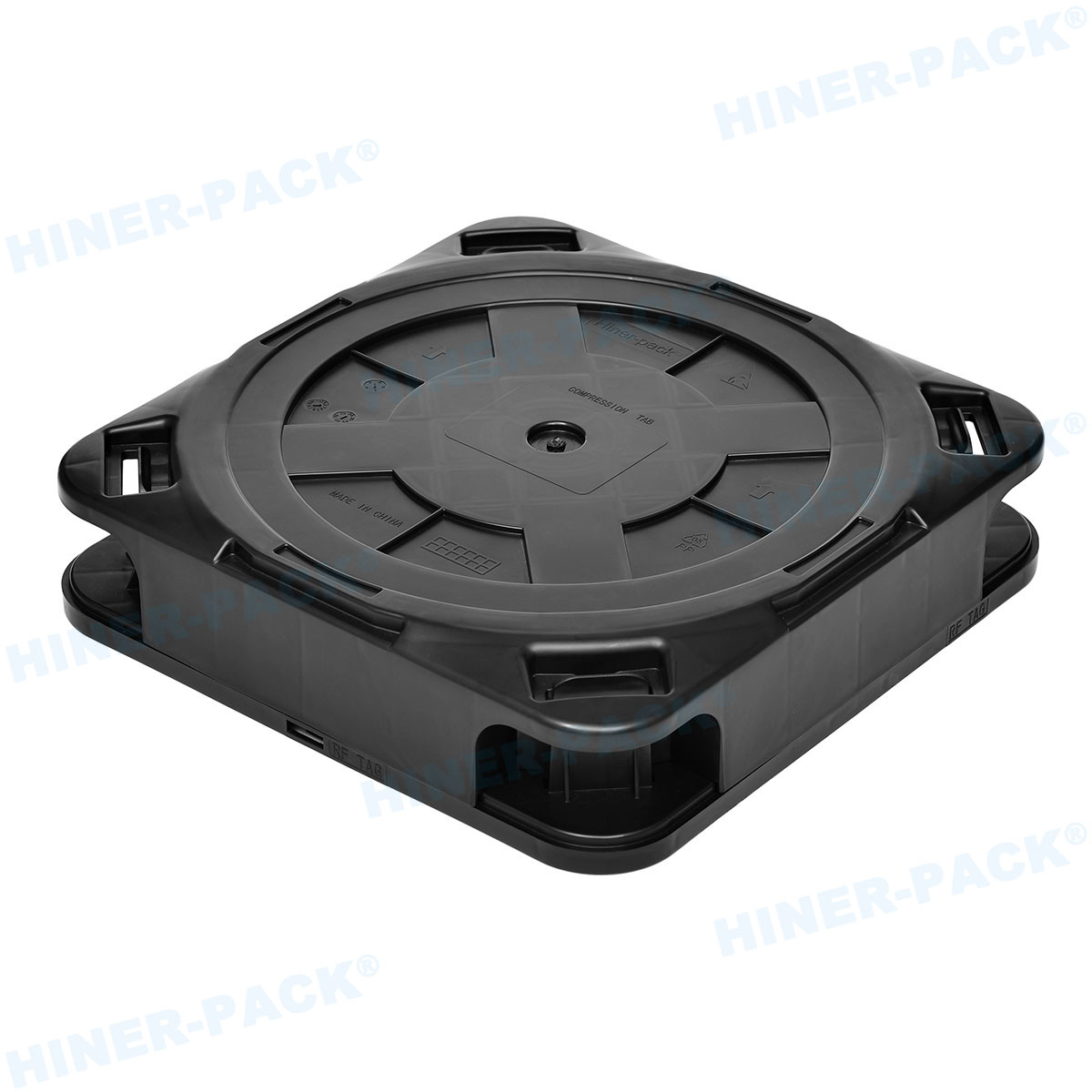
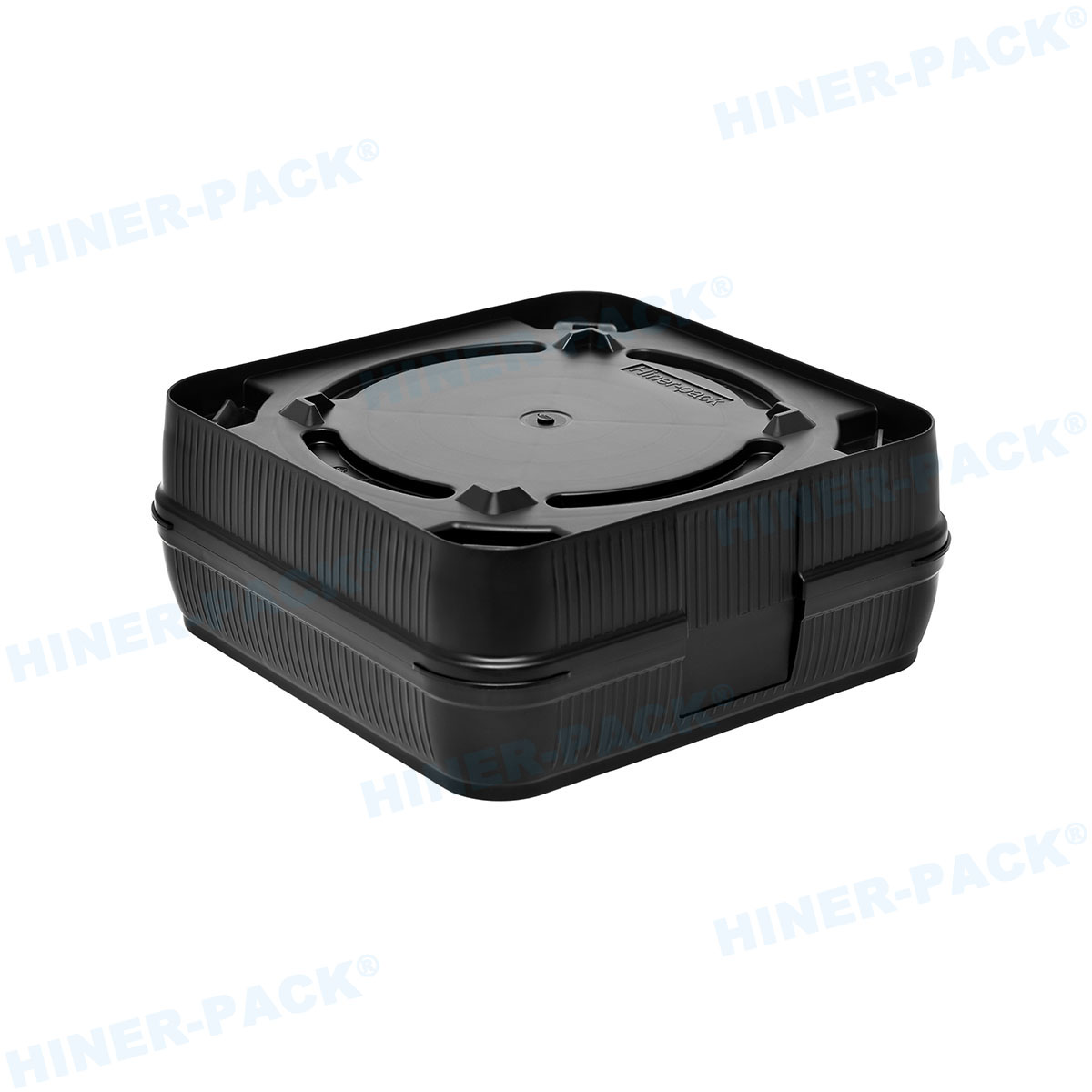
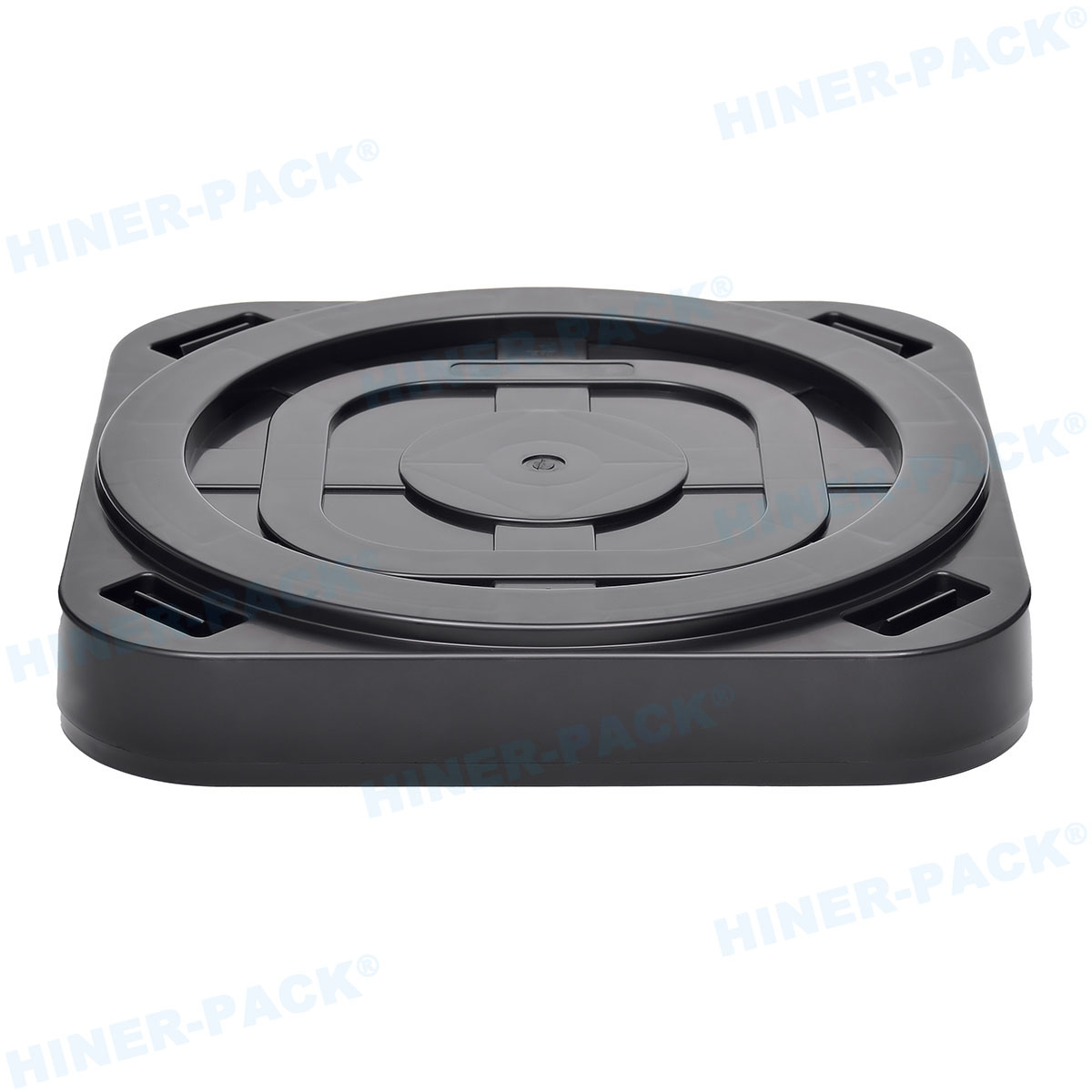
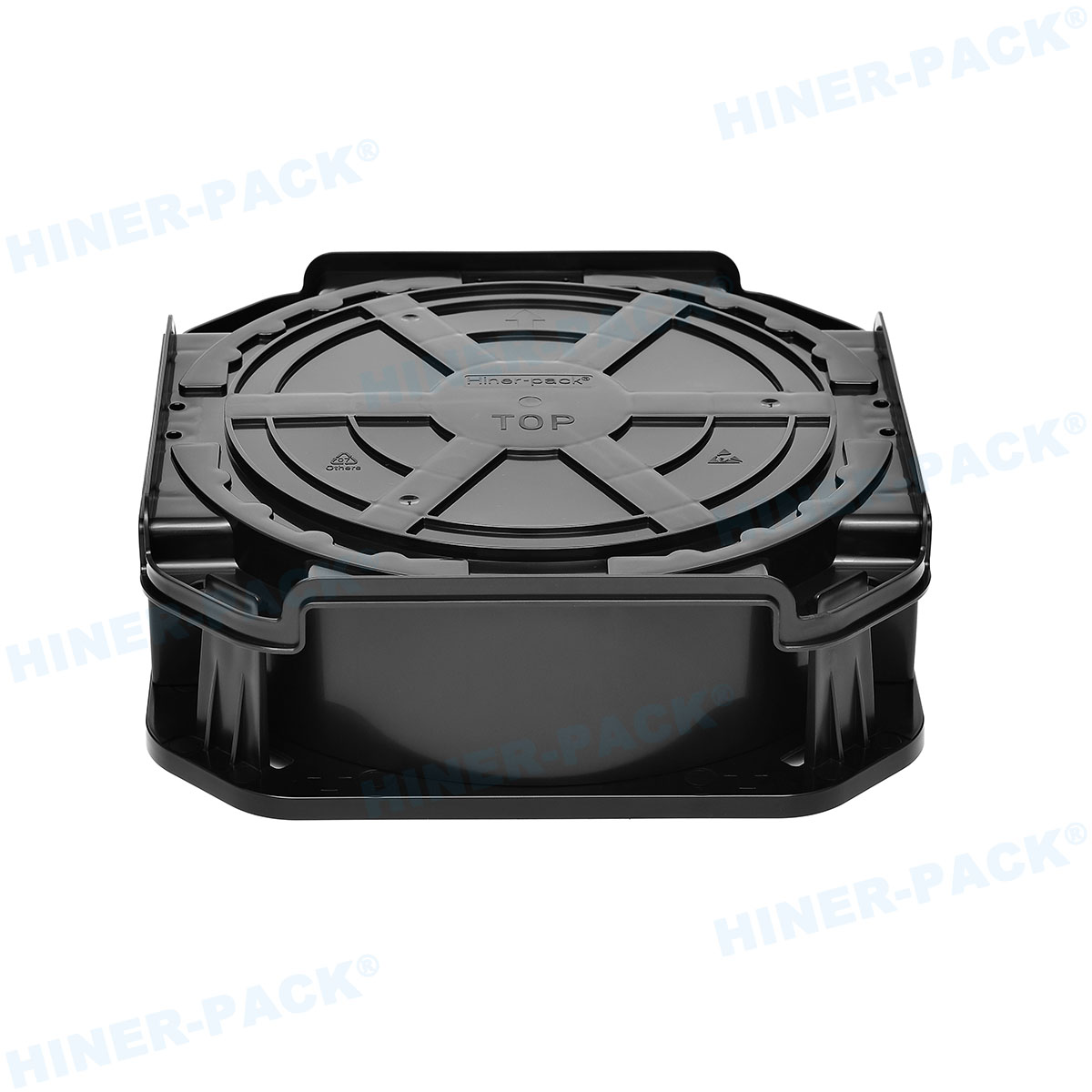
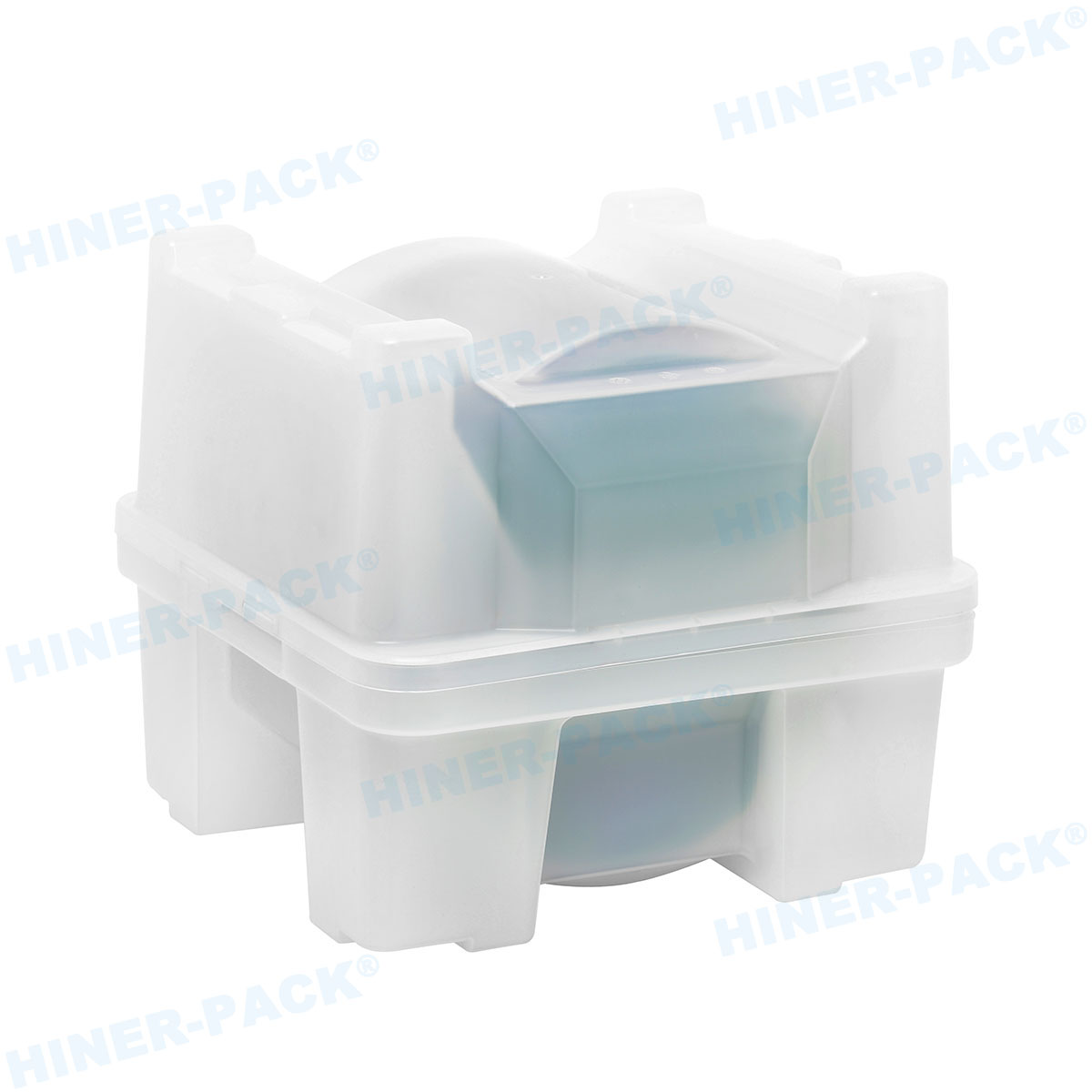
In semiconductor fabrication and advanced packaging, standard containers often fall short. Unique wafer sizes, fragile structures, or specific process requirements demand tailored solutions. Partnering with expert custom wafer tray manufacturers becomes critical. These partners design and produce trays that protect valuable substrates throughout the supply chain. This article outlines five essential considerations for selecting a manufacturer and highlights the capabilities of Hiner-pack in this specialized field.
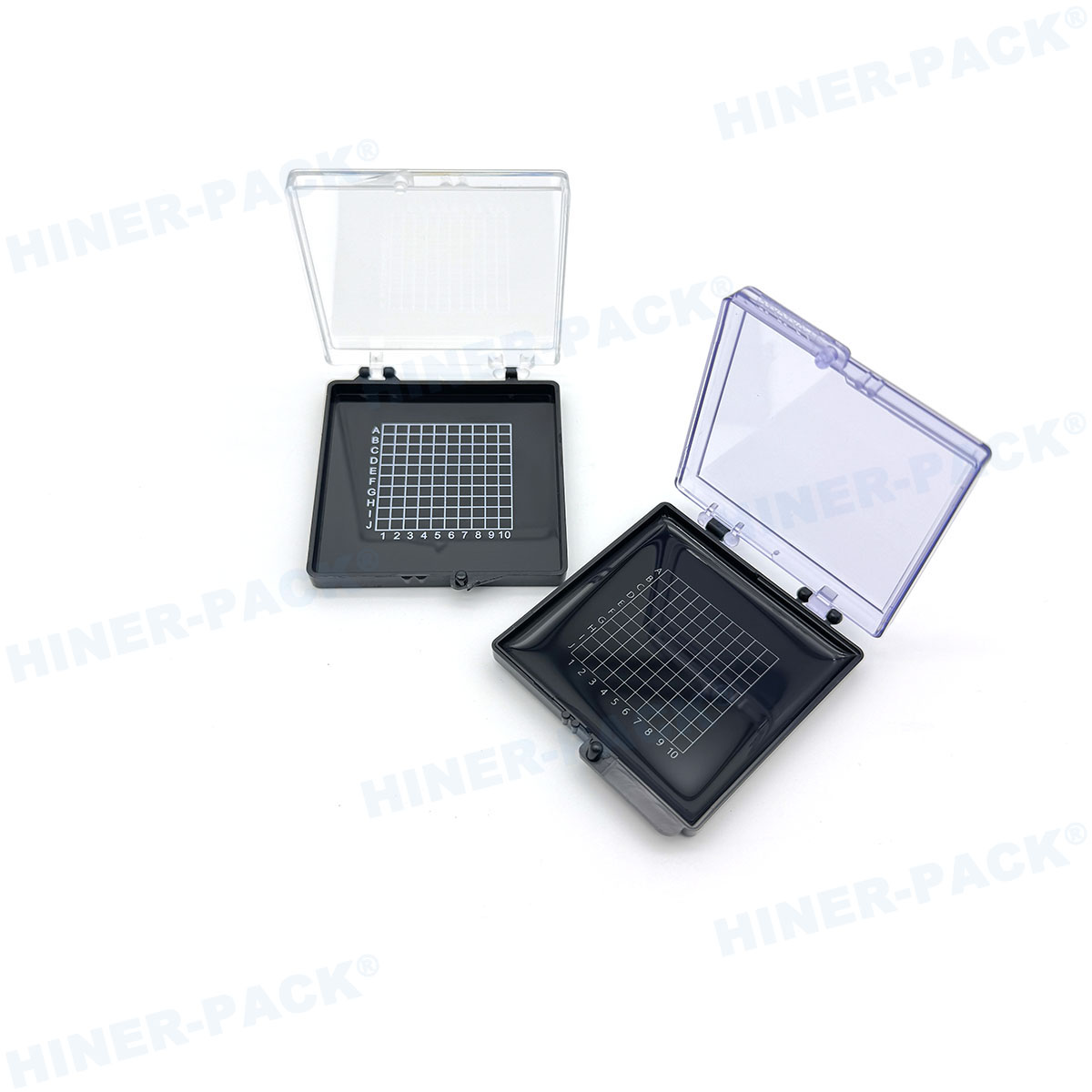
What Are Custom Wafer Trays and Why Are They Necessary?
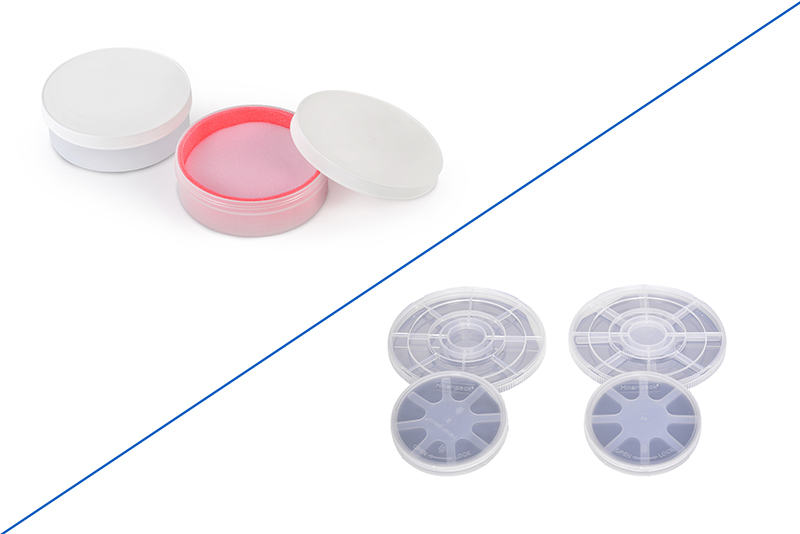
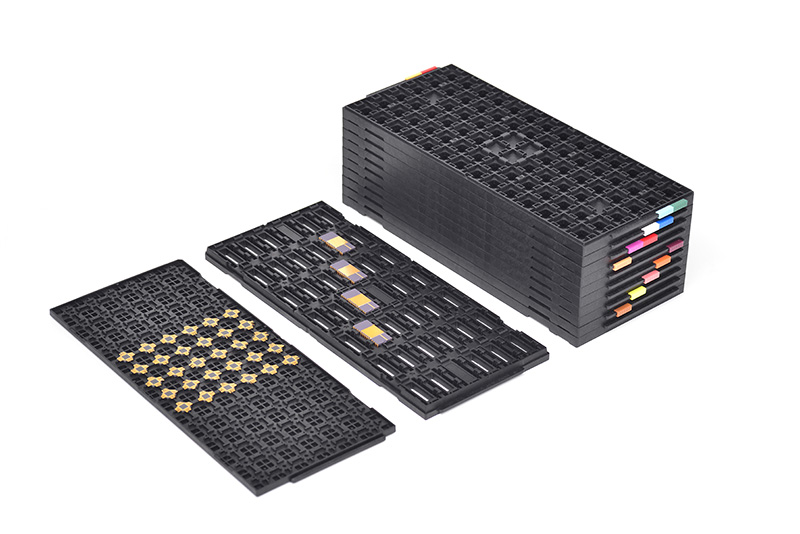
Custom wafer trays are precision-engineered containers designed for specific semiconductor substrates. Unlike off-the-shelf JEDEC trays, they address non-standard dimensions, advanced materials, or unique handling needs.
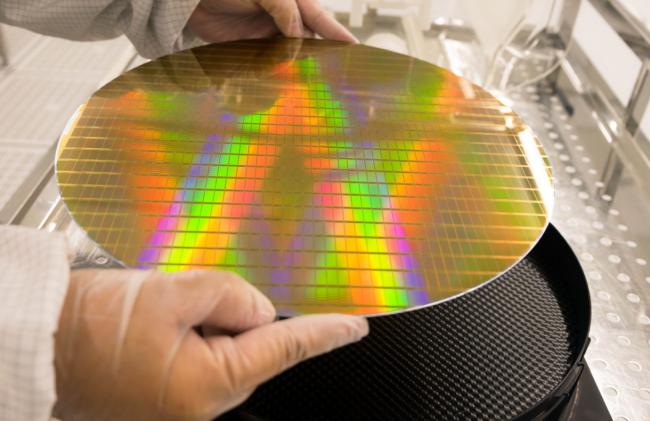
They are essential for protecting wafers during transport, storage, and processing. Working with capable custom wafer tray manufacturers ensures compatibility with your entire workflow.
Non-standard geometries: For wafers larger than 300mm or unconventional shapes.
Advanced materials: Such as compound semiconductors (GaAs, GaN) or ultrathin wafers.
Process-specific features: Including cutouts for robotics, alignment pins, or integrated covers.
High-value protection: Minimizing yield loss by preventing mechanical and particle damage.
Factor 1: Engineering and Design Expertise
The initial design phase is foundational. A manufacturer must have deep engineering knowledge to translate your requirements into a functional, reliable tray design.
Look for custom wafer tray manufacturers with a proven track record in CAD design, finite element analysis (FEA) for stress simulation, and understanding of cleanroom dynamics.
Critical Design Considerations
Stress Point Analysis: Ensuring the tray supports the wafer without inducing micro-cracks, especially for thin wafers.
Stackability and Nesting: Designing for efficient storage and transport without compromising safety.
Automation Compatibility: Integrating features for seamless robotic pickup and placement.
Thermal Expansion Management: Accounting for material behavior in different process temperatures.
Factor 2: Material Selection and Compliance
The chosen material directly impacts performance. It must meet criteria for cleanliness, static control, and chemical resistance.
Leading custom wafer tray manufacturers offer a range of advanced polymers and composites, guiding clients to the optimal choice.
Static-Safe Materials: Conductive or dissipative grades to prevent electrostatic discharge (ESD) damage.
Low Outgassing Polymers: Critical for vacuum environments to prevent contamination.
High-Temperature Plastics: Such as PEEK or PEI for processes involving extreme heat.
Chemical Resistance: Ability to withstand exposure to solvents and cleaning agents.
Documentation: Providing material certifications (RoHS, REACH, USP Class VI) for traceability.
Factor 3: Manufacturing Precision and Quality Control
Precision manufacturing is non-negotiable. Dimensional tolerances are often specified in microns to ensure perfect wafer fit and alignment.
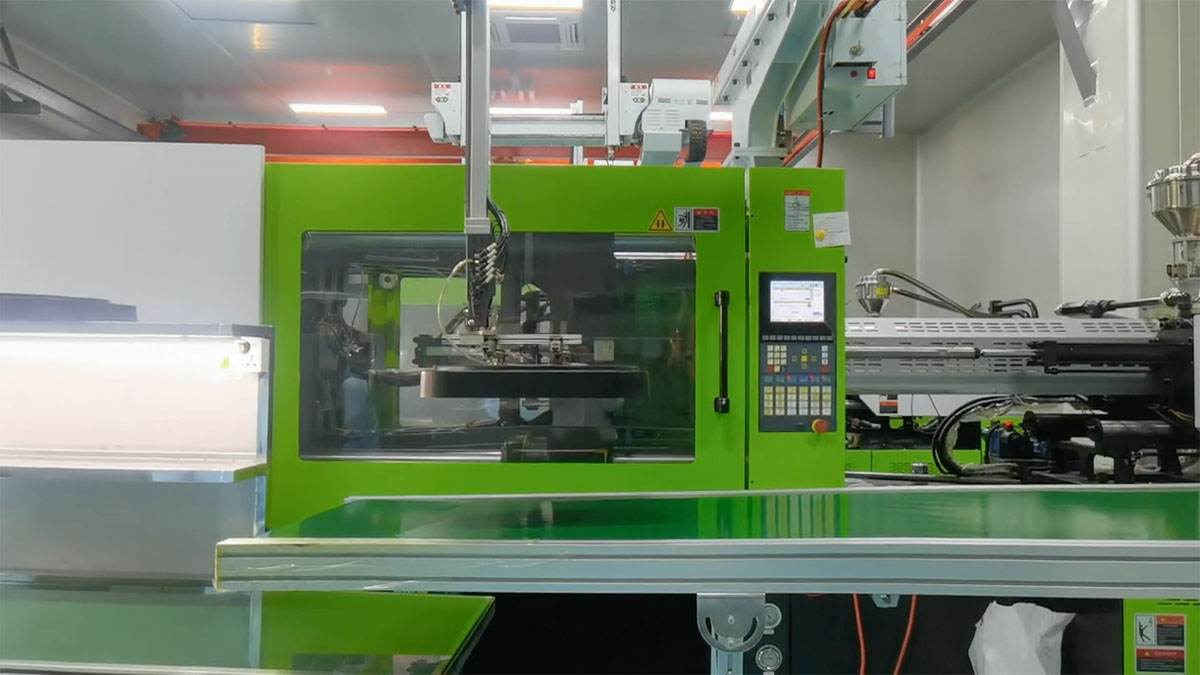
Inquire about a manufacturer's production equipment, process controls, and quality assurance protocols. Hiner-pack employs advanced injection molding and rigorous inspection to meet these demands.
Essential Quality Metrics
Dimensional Accuracy: Verified through coordinate measuring machines (CMM).
Surface Finish: Smooth, particle-free surfaces to prevent wafer scratching.
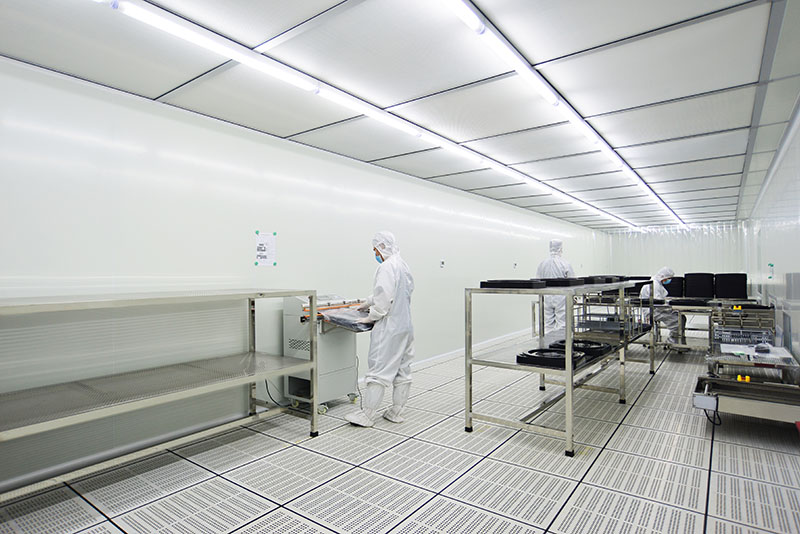
Contamination Control: Production in cleanroom or controlled environments.
Batch Consistency: Ensuring every tray in an order is identical.
Functional Testing: Testing for proper wafer fit, stackability, and robotic handling.
Factor 4: Industry Knowledge and Application Support
The best manufacturers are more than just molders; they are application partners. They understand the challenges at different stages, from front-end to backend.
Their experience allows them to suggest improvements and foresee potential issues. Choosing custom wafer tray manufacturers with this insight adds significant value.
Front-End Familiarity: Knowledge of wafer grinding, dicing, and inspection processes.
Packaging Expertise: Understanding requirements for fan-out, 3D-IC, and other advanced packages.
Logistics Insight: Designing trays that survive global shipping and handling.
Problem-Solving Approach: Working collaboratively to solve unique carrying and storage challenges.
Factor 5: Supply Chain Reliability and Prototyping Speed
A perfect design is useless if it cannot be delivered on time. Evaluate a manufacturer's capacity, lead times, and flexibility.
Rapid prototyping services are a key differentiator. They allow for design validation before committing to full-scale production, saving time and cost.
Prototyping Capability: Offering fast-turnaround 3D-printed or machined prototypes for testing.
Production Scalability: Ability to scale from small pilot runs to high-volume manufacturing.
Inventory Management: Reliable raw material supply and finished goods inventory for repeat orders.
Global Logistics Support: Experience in securely packaging and shipping fragile trays worldwide.
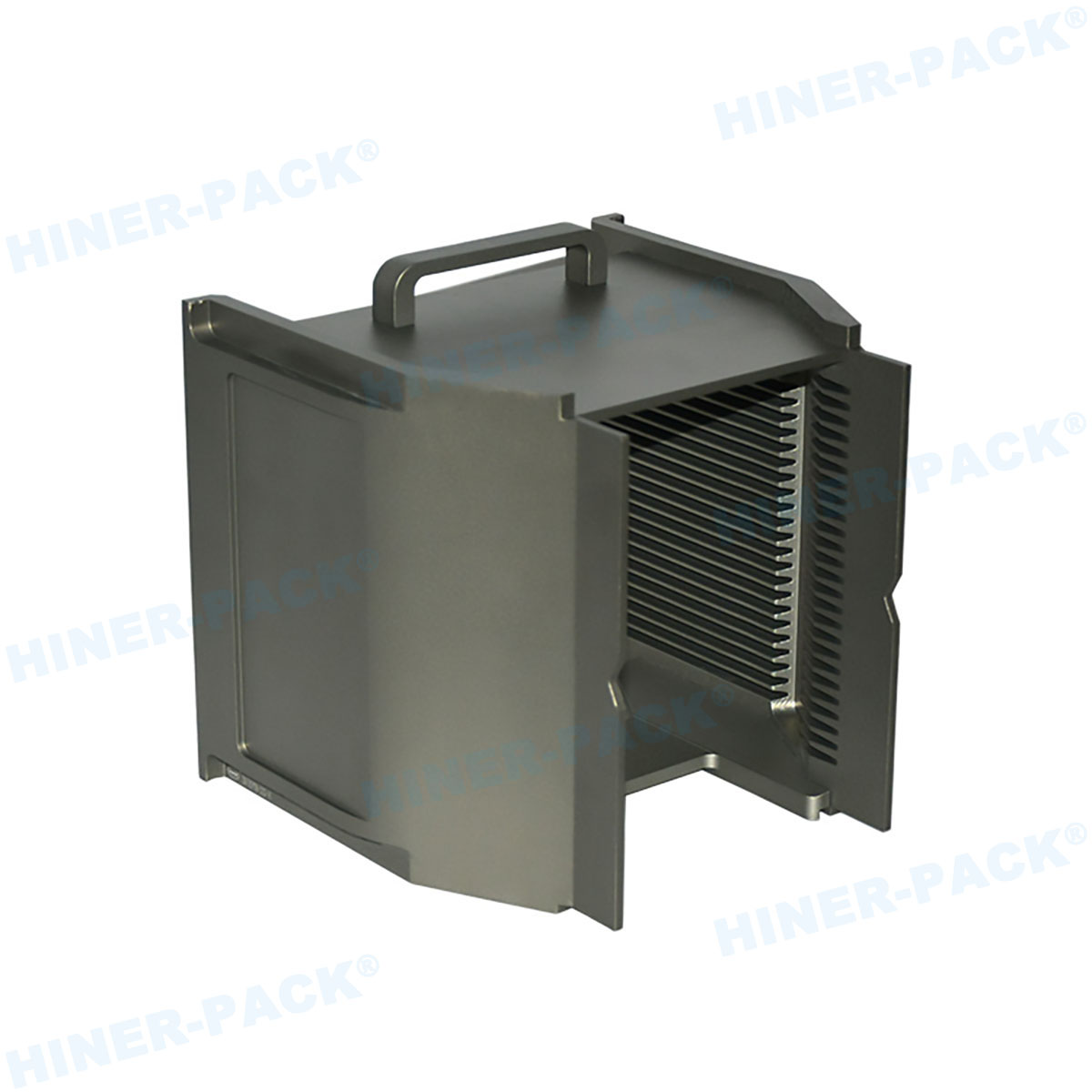
Hiner-pack: A Partner for Custom Wafer Tray Solutions
Hiner-pack addresses all five factors as a dedicated provider of custom solutions. Their approach combines technical depth with practical manufacturing excellence.
They work closely with clients from concept to mass production, ensuring each custom tray meets exact specifications. As experienced custom wafer tray manufacturers, they focus on protecting yield and enabling process efficiency.
Comprehensive Service: End-to-end support from design consultation to after-sales service.
State-of-the-Art Facility: Equipped with precision molding and stringent QC laboratories.
Material Library: Access to a wide range of certified, performance-grade plastics.
Industry Alignment: Solutions designed for current trends like heterogeneous integration and panel-level packaging.
Selecting the right partner from the pool of global custom wafer tray manufacturers requires careful evaluation. Prioritize engineering expertise, material science, manufacturing precision, industry knowledge, and supply chain strength. A partner like Hiner-pack brings these elements together, offering reliable, high-performance custom trays that safeguard critical semiconductor components and support manufacturing innovation.
Frequently Asked Questions (FAQ)
Q1: What is the typical lead time for a custom wafer tray project, from design to first samples?
A1: The lead time varies based on complexity. A simple design might take 4-6 weeks for prototype samples, while a complex one may require 8-12 weeks. This includes design finalization, mold fabrication, and sample testing. Reputable manufacturers like Hiner-pack provide detailed project timelines upfront.
Q2: Can you manufacture trays for extremely thin wafers (less than 100µm thick)?
A2: Yes, specialized custom wafer tray manufacturers have expertise in this area. They design trays with full-bottom support, minimal contact points, and careful stress distribution to handle and transport ultrathin wafers without bowing or breakage.
Q3: How do you ensure the trays are clean and particle-free for cleanroom use?
A3: Manufacturers use several methods: production in controlled environments, ultrasonic cleaning after molding, and packaging in clean bags. They can also perform particle count tests according to standards like IEST-RP-CC004 to certify cleanliness levels (e.g., Class 1 or Class 10).
Q4: What are the cost drivers in a custom wafer tray project?
A4: The primary cost drivers are the custom mold (tooling) cost, the complexity/size of the tray design, the choice of engineering plastic material, and the order volume. Prototyping and secondary operations (like adding labels or special packaging) also affect the total cost.
Q5: Do you offer design services if we only have basic requirements?
A5: Absolutely. A key service from experienced manufacturers is collaborative design engineering. You provide the basic requirements (wafer specs, process steps), and their engineering team will develop a complete design, often suggesting optimizations for durability, handling, and cost you may not have considered.
Q6: Can existing tray designs be modified, or is a new mold always required?
A6: Minor modifications (like adding a small logo or a vent hole) can sometimes be made to an existing mold. However, significant dimensional or feature changes typically require a new mold. Manufacturers can assess your requested change and advise on the most cost-effective approach.