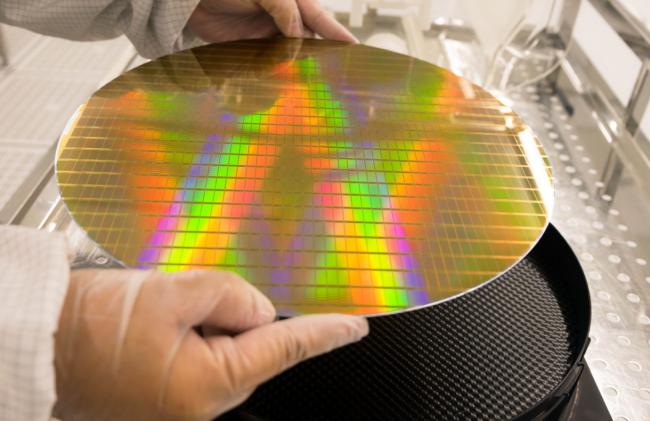
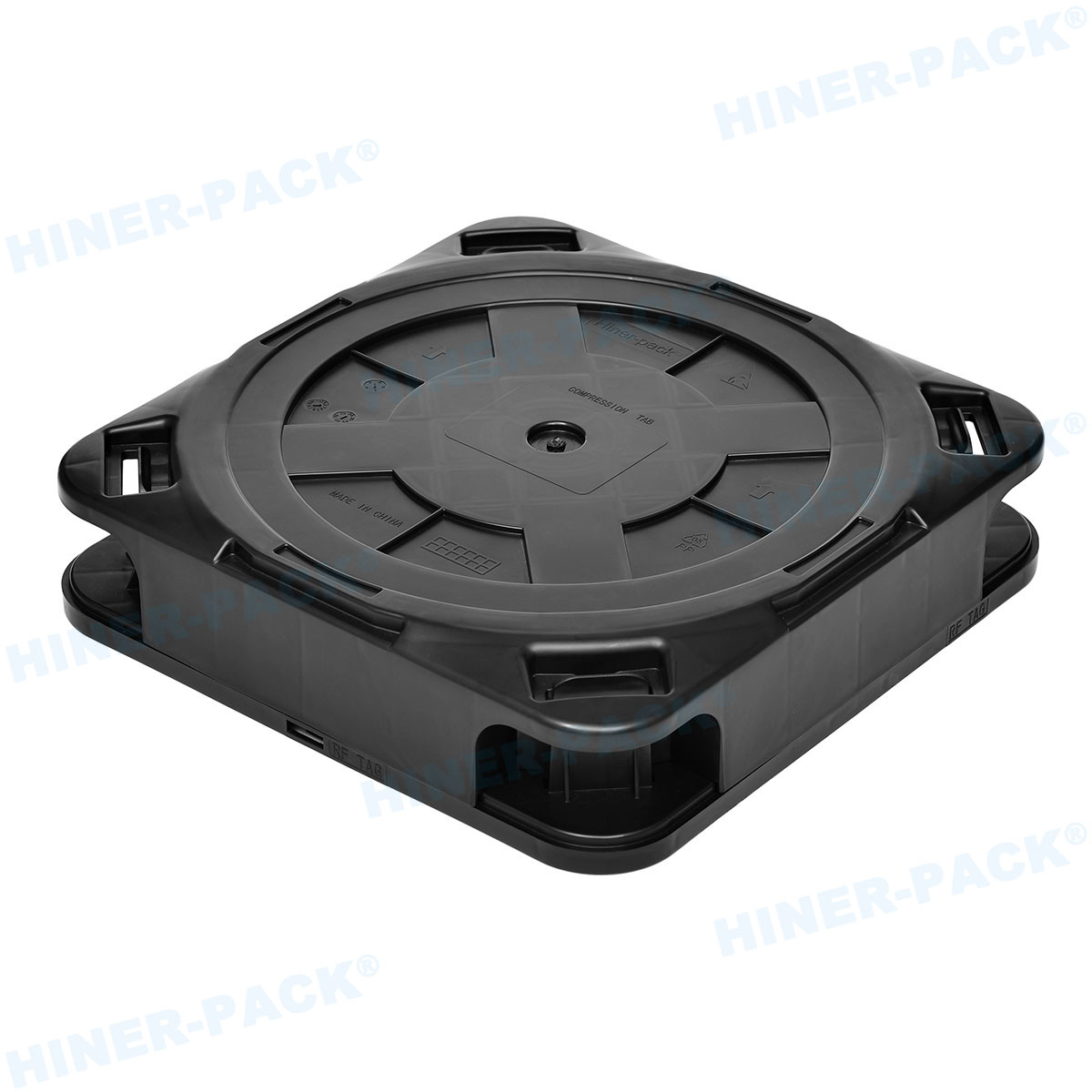
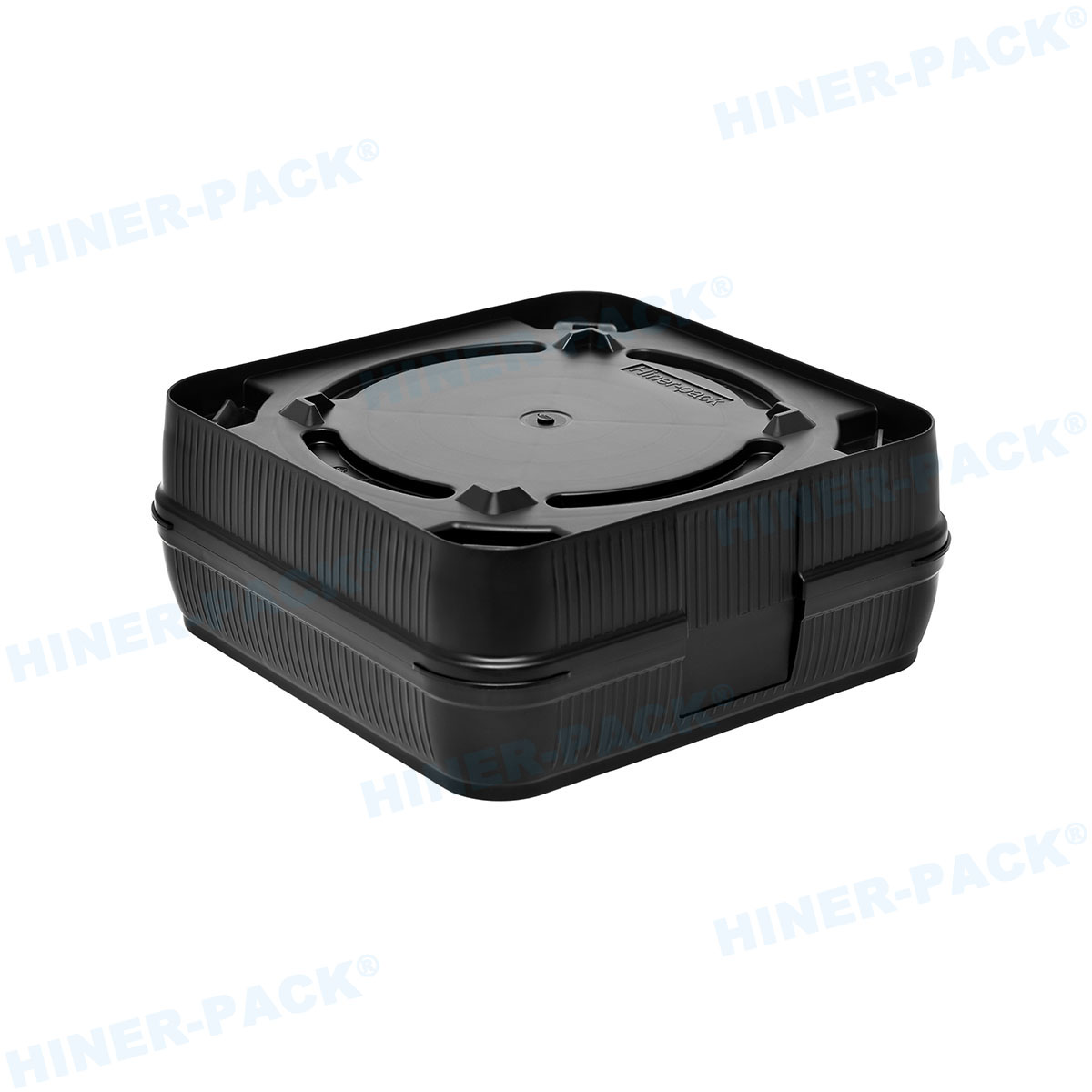
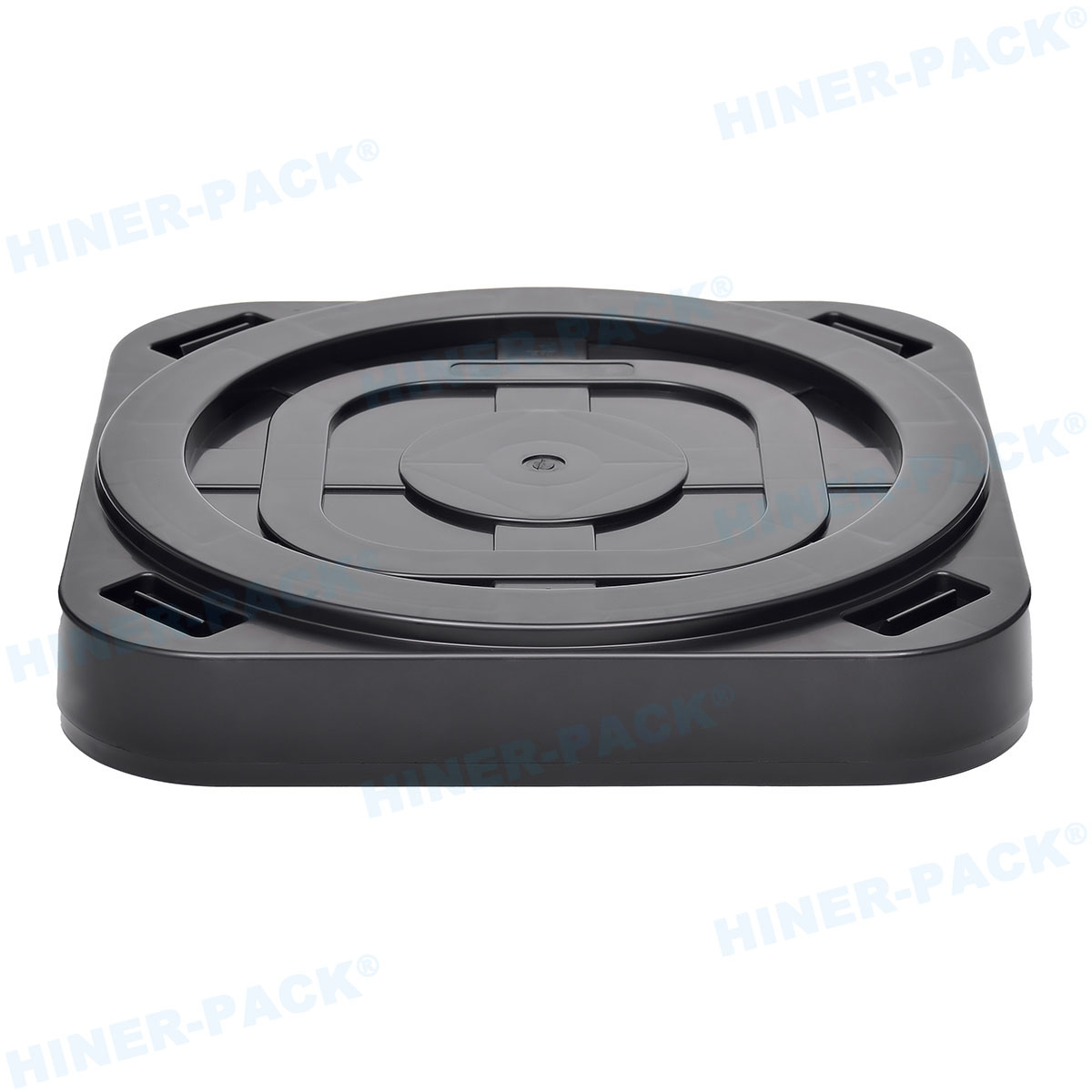
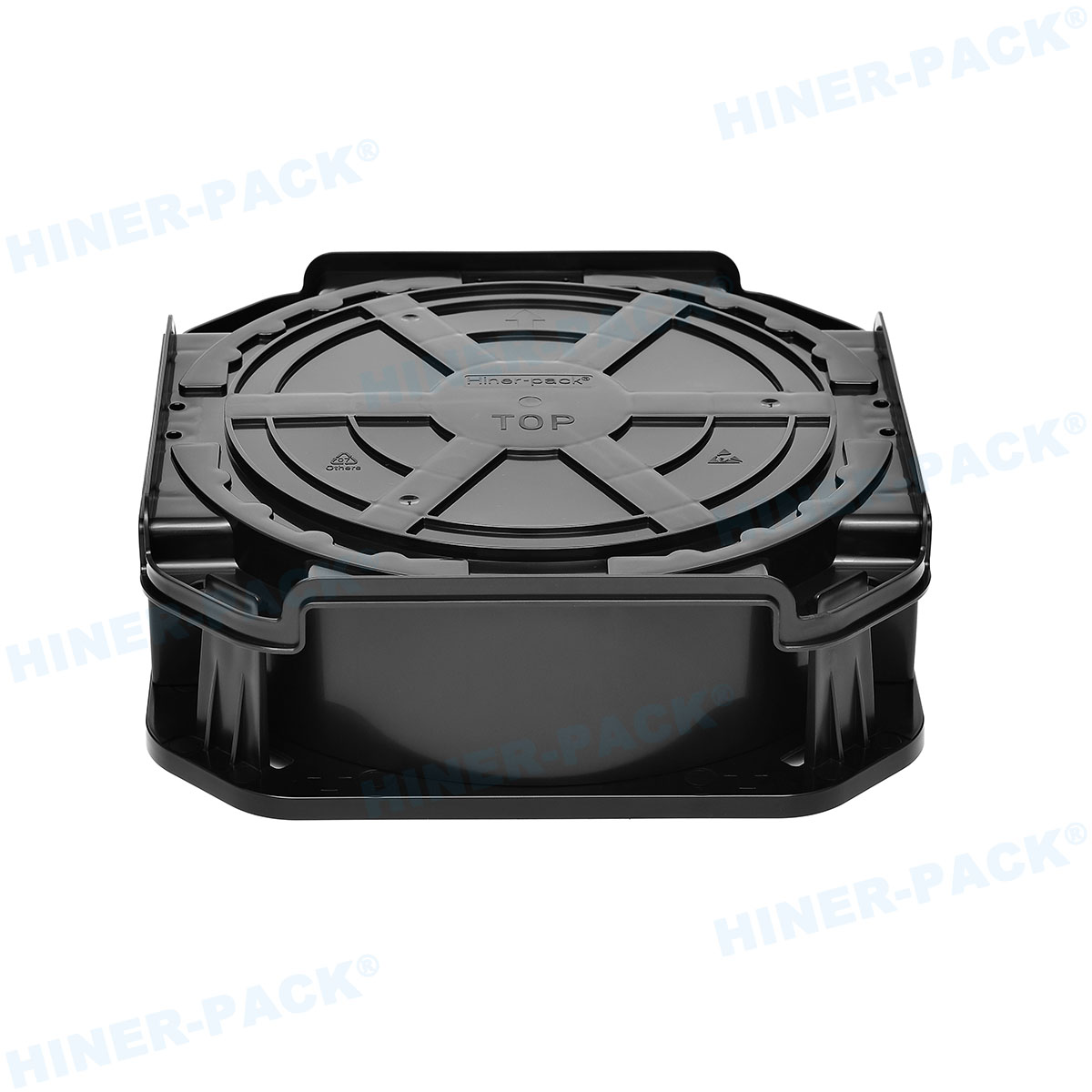
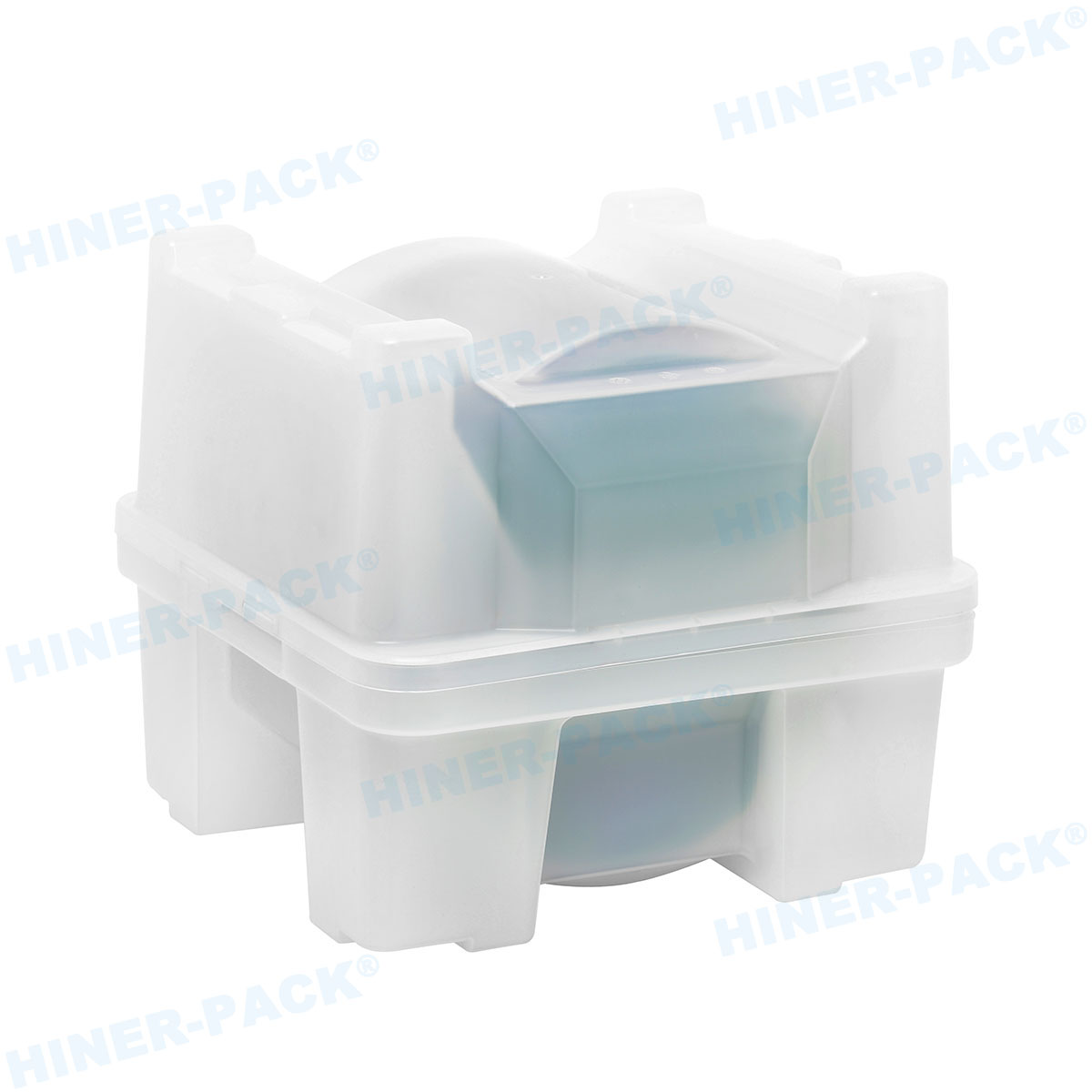
In the semiconductor manufacturing ecosystem, the physical transport of silicon wafers between different stages—from front-end fabrication to back-end assembly and testing—represents a period of significant vulnerability. As wafer diameters increase and feature sizes shrink, the sensitivity of these substrates to mechanical vibration, electrostatic discharge (ESD), and molecular contamination has intensified. Consequently, identifying a technically proficient wafer shippers supplier is no longer a peripheral procurement task; it is a fundamental requirement for maintaining high yield rates and ensuring product reliability.
A specialized partner like Hiner-pack understands that the carrier is not merely a plastic container but a high-precision engineering tool. This article examines the complex technical parameters that define industry-leading wafer transport solutions, providing procurement engineers and fab managers with the necessary framework to evaluate their supply chain partners.
1. Material Science and Outgassing Dynamics
The foundation of any high-performance wafer shipper lies in the polymer chemistry used during injection molding. When vetting a wafer shippers supplier, the first point of analysis must be the resin grade. Standard polymers often contain additives that can outgas Volatile Organic Compounds (VOCs), which deposit on the wafer surface, causing unwanted hydrophobic or hydrophilic changes that interfere with thin-film deposition or etching processes.
Polypropylene (PP): The industry standard for many shipping applications due to its chemical resistance and impact strength. However, the purity of the PP must be verified via Gas Chromatography-Mass Spectrometry (GC-MS) to ensure it meets low-outgassing requirements.
Polycarbonate (PC): Preferred for Front Opening Shipping Boxes (FOSB) due to its superior dimensional stability and transparency, which allows for visual or automated inspection without opening the container.
Fluoropolymers (PFA/PTFE): Reserved for the most demanding environments where thermal stability and extreme chemical inertness are mandatory.
A professional supplier must provide material safety data sheets (MSDS) and certificates of compliance that detail the absence of silicone and other hazardous substances that could lead to surface contamination.
2. Electrostatic Discharge (ESD) Mitigation Strategies
Electrostatic phenomena can be catastrophic for Integrated Circuits (ICs), particularly as gate oxides become thinner and more susceptible to dielectric breakdown. The ability of a wafer shippers supplier to provide consistent surface resistivity is a paramount factor in the selection process. Static charges can attract airborne particulates to the wafer surface or cause direct electrical damage through a rapid discharge event.
Sophisticated shippers utilize permanent anti-static or static-dissipative additives. Unlike topical coatings, which can migrate or wear off over time, internal additives ensure that the surface resistivity—typically ranging from 10^5 to 10^9 ohms per square—remains stable throughout the product's lifecycle. Testing protocols such as ASTM D257 are used to validate these electrical properties, ensuring that the wafers remain in a Faraday cage-like environment during transit.
3. Mechanical Engineering and Vibration Dampening
During international freight, wafers are subjected to a spectrum of vibration frequencies. If the natural frequency of the shipper matches the environmental vibrations, resonance can occur, leading to micro-cracks or "chipping" at the wafer edges. A sophisticated wafer shippers supplier employs Finite Element Analysis (FEA) to design internal support structures that dampen these forces.
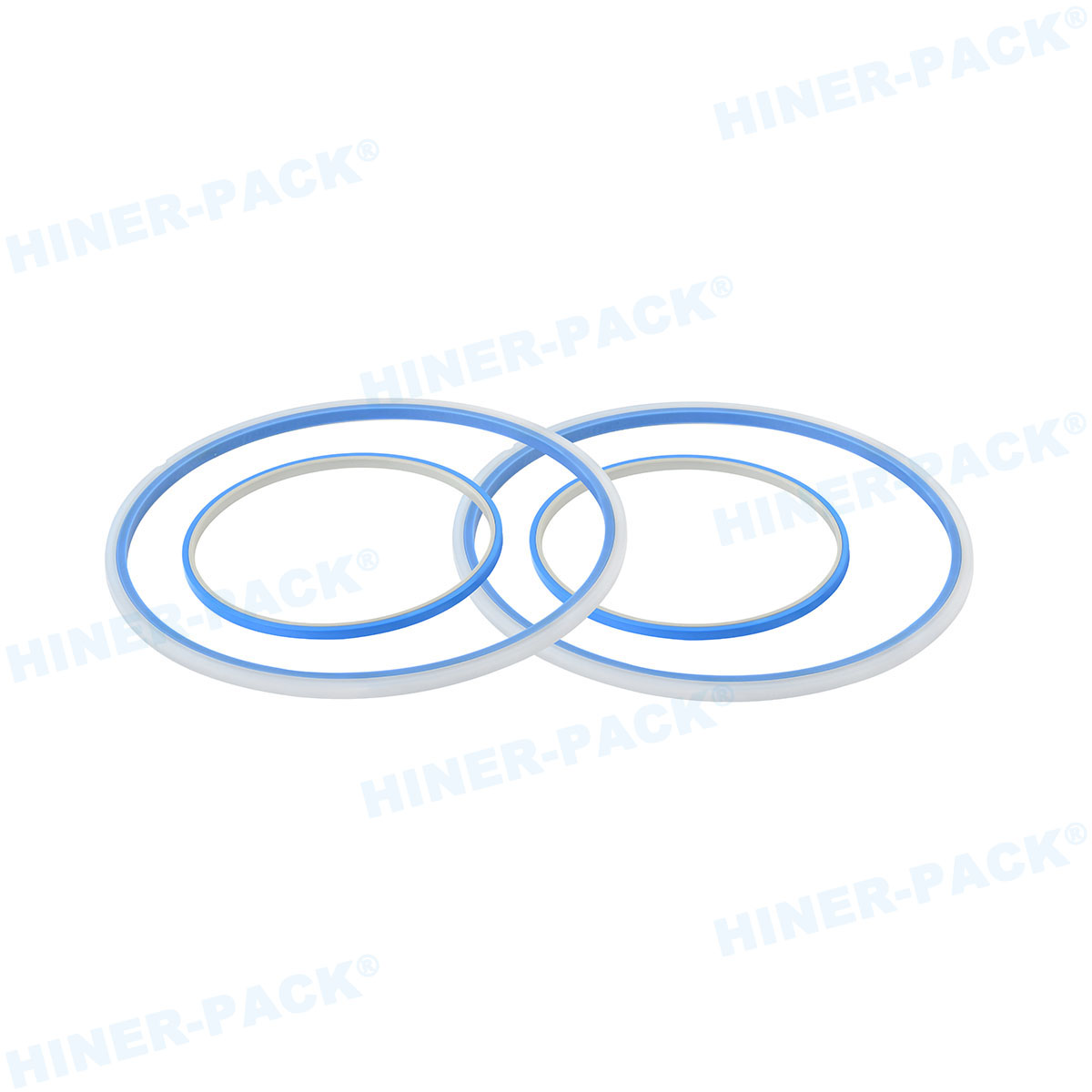
Wafer Retention Systems: The use of specialized "spring" cushions or precision-fit slots that maintain a secure hold without applying excessive localized pressure.
Impact Resistance: The outer shell must be robust enough to withstand drops and external compression, protecting the brittle silicon substrates within.
Contact Area Minimization: Modern designs focus on contacting the wafer only within the "exclusion zone" (typically the outer 3mm of the wafer) to protect the active die area from abrasion.
4. Contamination Control and Cleanroom Integrity
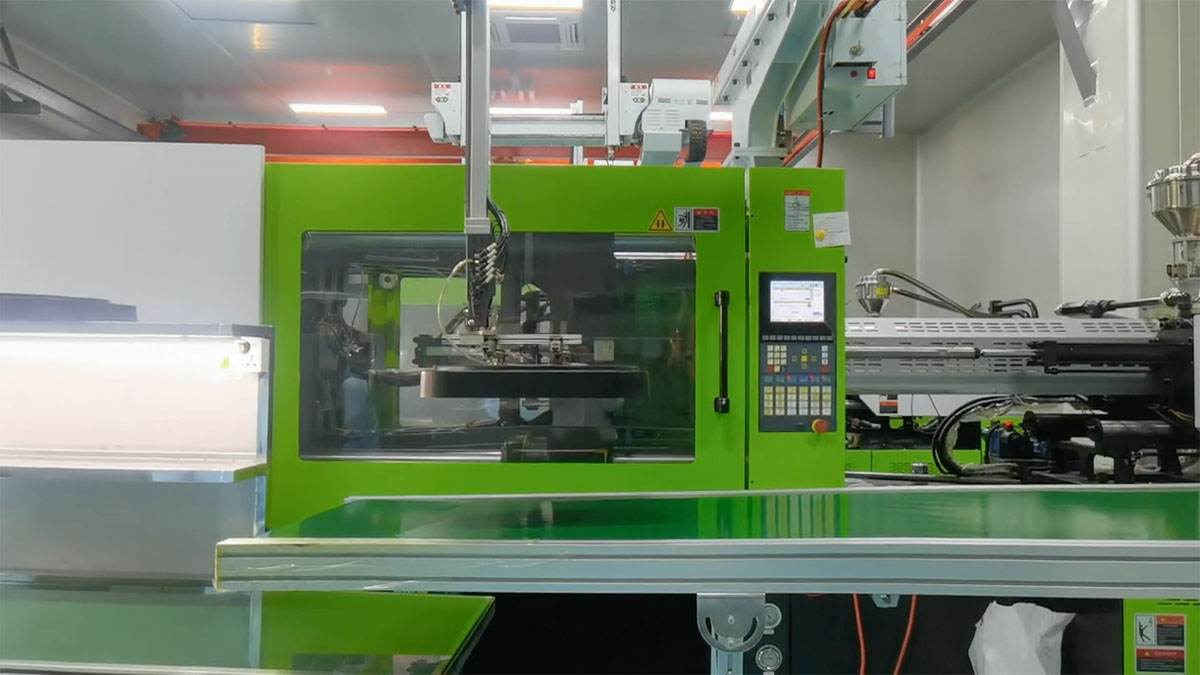
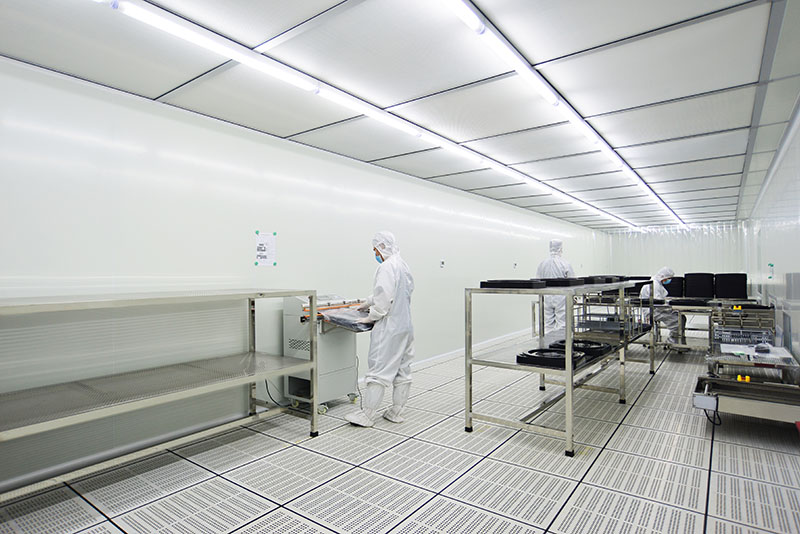
The manufacturing environment of the shipper itself is a vital metric for quality. Hiner-pack operates under stringent cleanroom protocols to ensure that every carrier is free from particulate matter before it reaches the customer. In the semiconductor world, a single particle can result in a "killer defect."
Suppliers are evaluated on their ability to perform Liquid Particle Counts (LPC) and Airborne Particle Counts (APC). Furthermore, the packaging of the shippers—usually double or triple vacuum-sealed bagging—is necessary to prevent contamination during the "last mile" of delivery. The integration of humidity indicator cards and desiccant packs further ensures that the internal micro-environment remains within the specified moisture limits, preventing oxidation of metal pads on the wafers.
5. SEMI Standard Compliance and Automation Compatibility
As fabs transition to Industry 4.0, the compatibility of wafer shippers with Automated Material Handling Systems (AMHS) has become a mandatory requirement. Shippers must adhere to SEMI (Semiconductor Equipment and Materials International) standards, such as M1, M31, and E1.7. These standards dictate the precise dimensions of the carrier, the placement of robotic pick-up flanges, and the kinematic coupling features.
A reliable wafer shippers supplier ensures that their products can be seamlessly handled by Overhead Hoist Transport (OHT) systems and Automated Guided Vehicles (AGVs). Any deviation in the tolerances of these features can lead to robotic "mis-picks," causing significant downtime and potential hardware damage within the fab environment.
6. Challenges in Compound Semiconductor Packaging
The industry's shift toward Wide Bandgap (WBG) materials like Silicon Carbide (SiC) and Gallium Nitride (GaN) has introduced new complexities. These wafers are often heavier, more brittle, and significantly more expensive than traditional silicon. Consequently, the packaging requirements are more stringent.
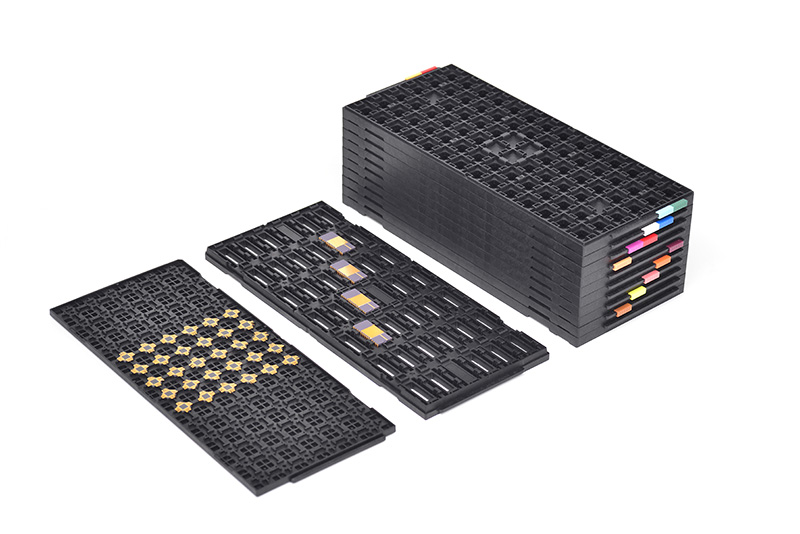
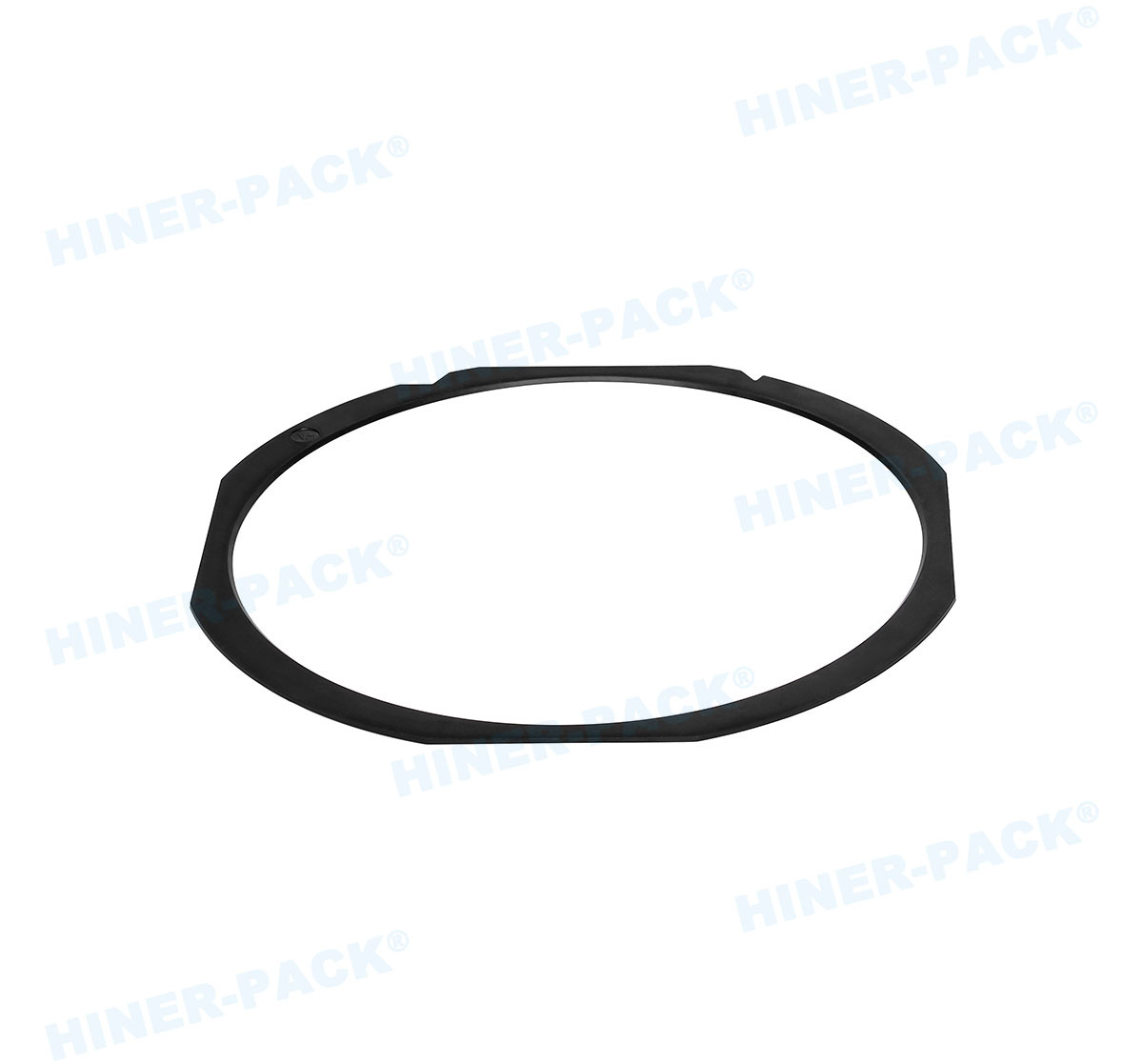
Customized solutions for SiC wafers often include reinforced cassettes and specialized separators that account for the unique crystalline structure and surface roughness of the material. A supplier's ability to innovate in this niche area is a strong indicator of their technical depth and commitment to the evolving needs of the power electronics and 5G telecommunications sectors.
Addressing Common Industry Pain Points
One of the most persistent issues in the industry is the "out-of-box" failure rate caused by improper packaging. Often, wafers arrive with surface scratches or particulate contamination that was not present at the point of origin. This highlight the gap between a standard plastic molder and a dedicated semiconductor packaging expert. By implementing rigorous quality management systems (QMS) and utilizing 100% automated optical inspection (AOI) for critical dimensions, Hiner-pack addresses these risks directly.
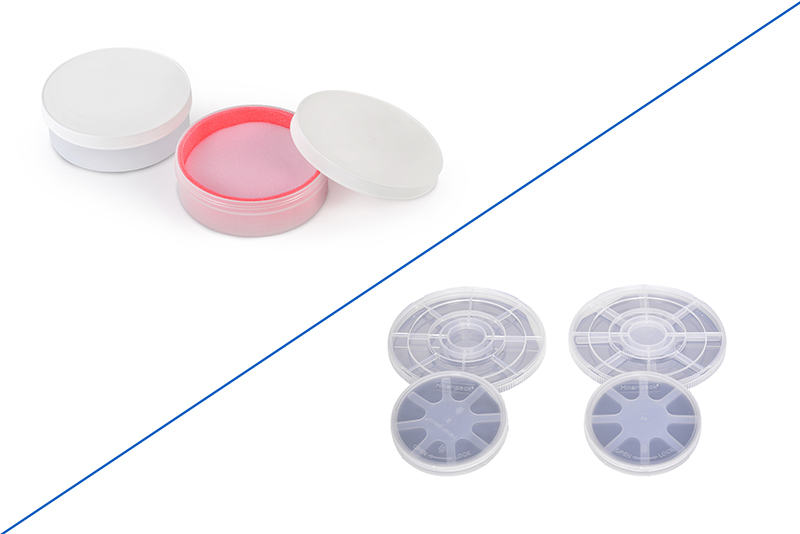
Another challenge is the management of specialized inventory for R&D vs. mass production. R&D environments often require small quantities of "coin-style" shippers for individual 100mm or 150mm wafers, while mass production lines require bulk 300mm FOSB solutions. A versatile supplier must be able to cater to both ends of this spectrum without compromising on the technical specifications of either.
The Importance of Supply Chain Transparency
In an era of global uncertainty, the traceability of materials is a necessary component of risk management. A top-tier wafer shippers supplier provides full lot traceability, allowing fab managers to track the raw material batch and the specific production date of every container. This level of transparency is vital for root-cause analysis should a contamination event occur in the production line.
Frequently Asked Questions (FAQ)
Q1: What are the primary differences between an FOSB and a standard wafer shipper?
A1: A Front Opening Shipping Box (FOSB) is specifically designed for 300mm wafers and is compatible with automated fab equipment. Standard wafer shippers, such as "coin-style" or horizontal canisters, are often used for manual handling or smaller wafer sizes (50mm-200mm) and do not typically feature the robotic interfaces found on an FOSB.
Q2: How do you verify the ESD safety of a wafer container?
A2: ESD safety is verified using a surface resistance meter following the ANSI/ESD S11.11 standard. A reputable supplier will provide test reports showing that the resistivity falls within the dissipative range (10^6 to 10^9 ohms/sq) and that the material does not generate significant triboelectric charges during movement.
Q3: Can these shippers be used for thin wafer applications?
A3: Yes, but they require specific modifications. Thin wafers (e.g., those ground down to 100 microns) are extremely flexible and prone to "oil-canning." Shippers for thin wafers often use specialized interleaf inserts or foam cushions to provide uniform support across the entire wafer surface.
Q4: Why is low-outgassing material mandatory for wafer transport?
A4: Outgassing releases chemical vapors that can condense on the wafer. Even at the parts-per-billion (ppb) level, these contaminants can lead to adhesion failures in subsequent processing steps or cause "haze" on the wafer surface, which negatively impacts metrology and yield.
Q5: What is the typical shelf life of a wafer shipper's anti-static properties?
A5: Shippers made with permanent anti-static additives (integrated into the polymer matrix) typically maintain their properties for several years, provided they are stored away from extreme UV light and harsh chemicals. Shippers using topical coatings may lose effectiveness after 6-12 months or after repeated cleaning.
Conclusion and Inquiry
The selection of a packaging partner is a pivotal decision that impacts the entire semiconductor value chain. From the initial material selection to the final cleanroom vacuum-sealing, every step must be executed with an understanding of the high stakes involved in wafer fabrication. As the industry pushes the boundaries of Moore’s Law, the role of the carrier as a protector of innovation becomes even more pronounced.
Hiner-pack remains committed to providing the global semiconductor industry with high-purity, ESD-safe, and SEMI-compliant transport solutions that meet the rigorous demands of modern foundries and OSAT providers.
Are you looking to enhance your wafer protection protocols or seeking a more reliable supply for your 200mm or 300mm production lines? Our engineering team is available to provide technical consultations and tailored proposals based on your specific process requirements.