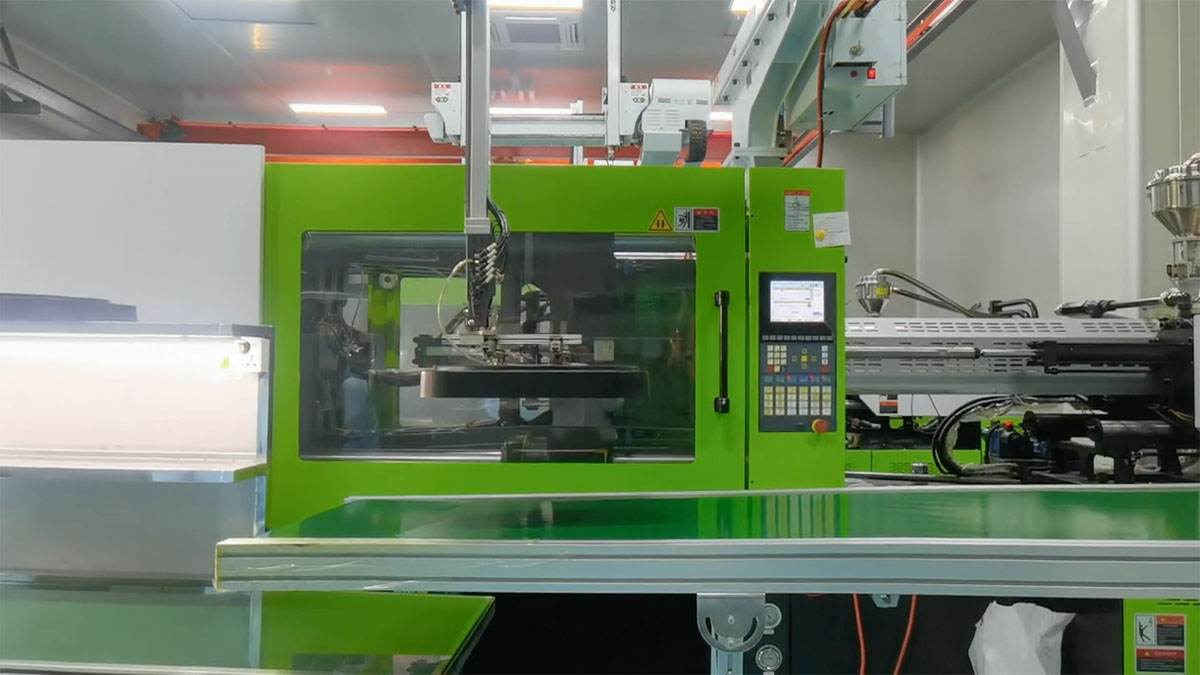
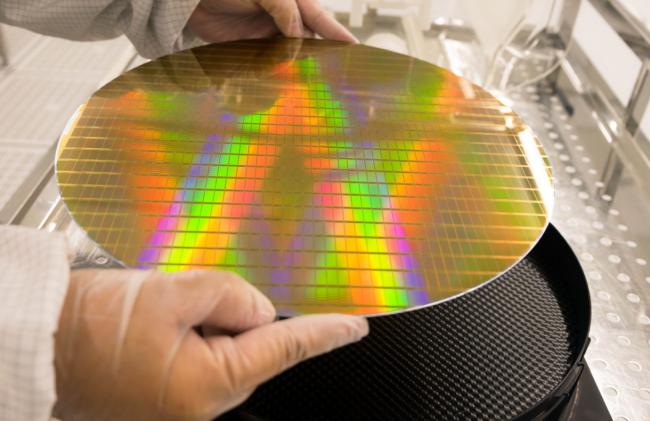
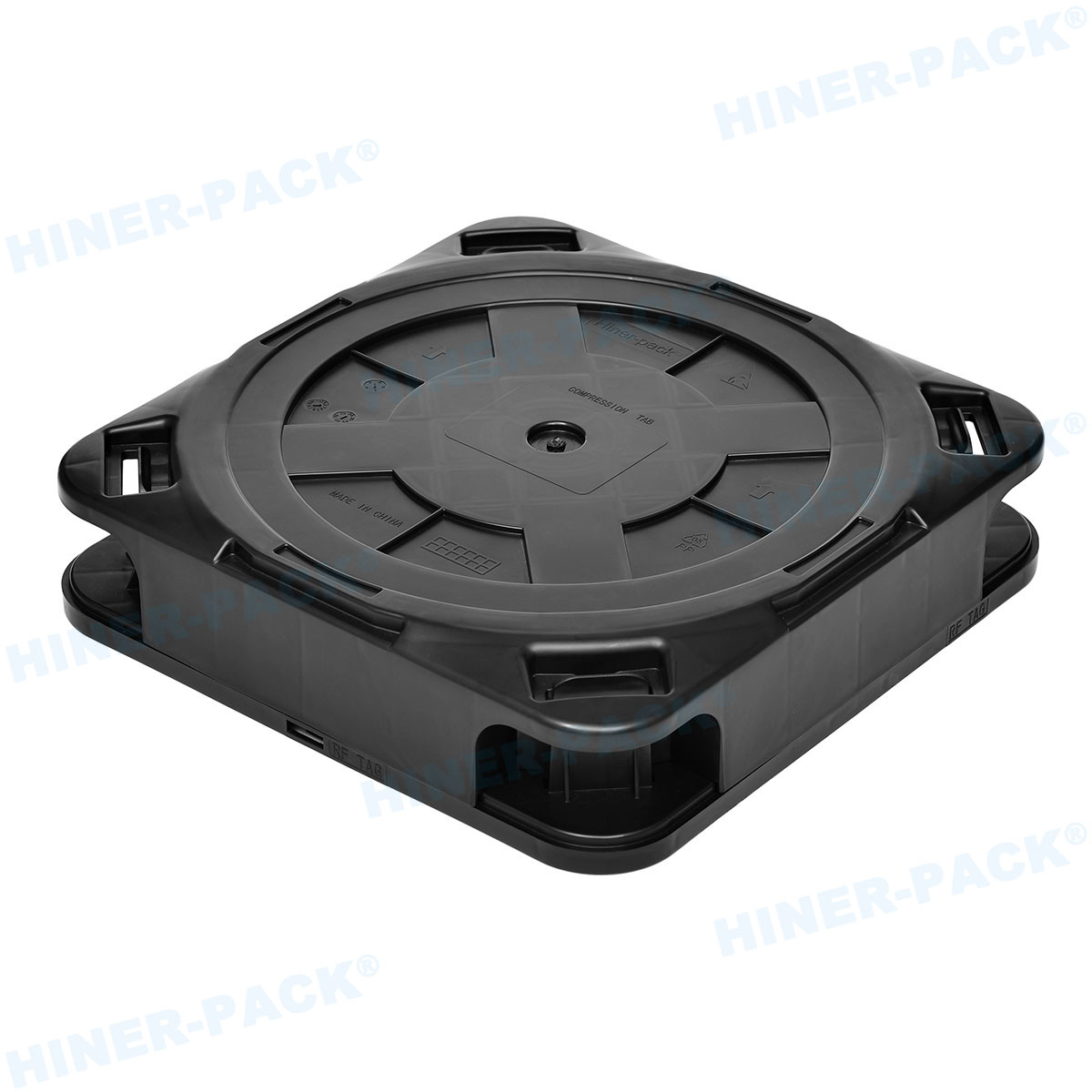
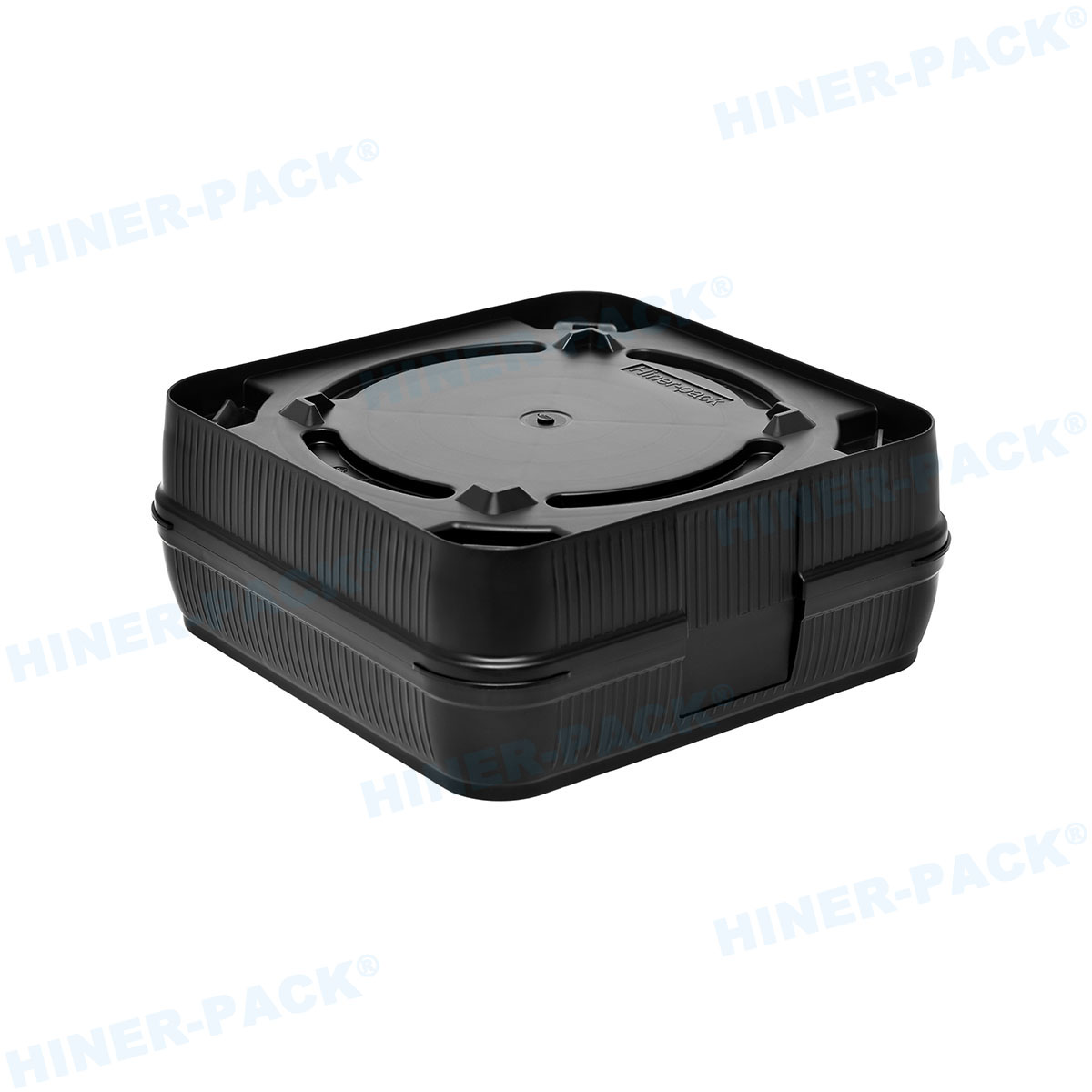
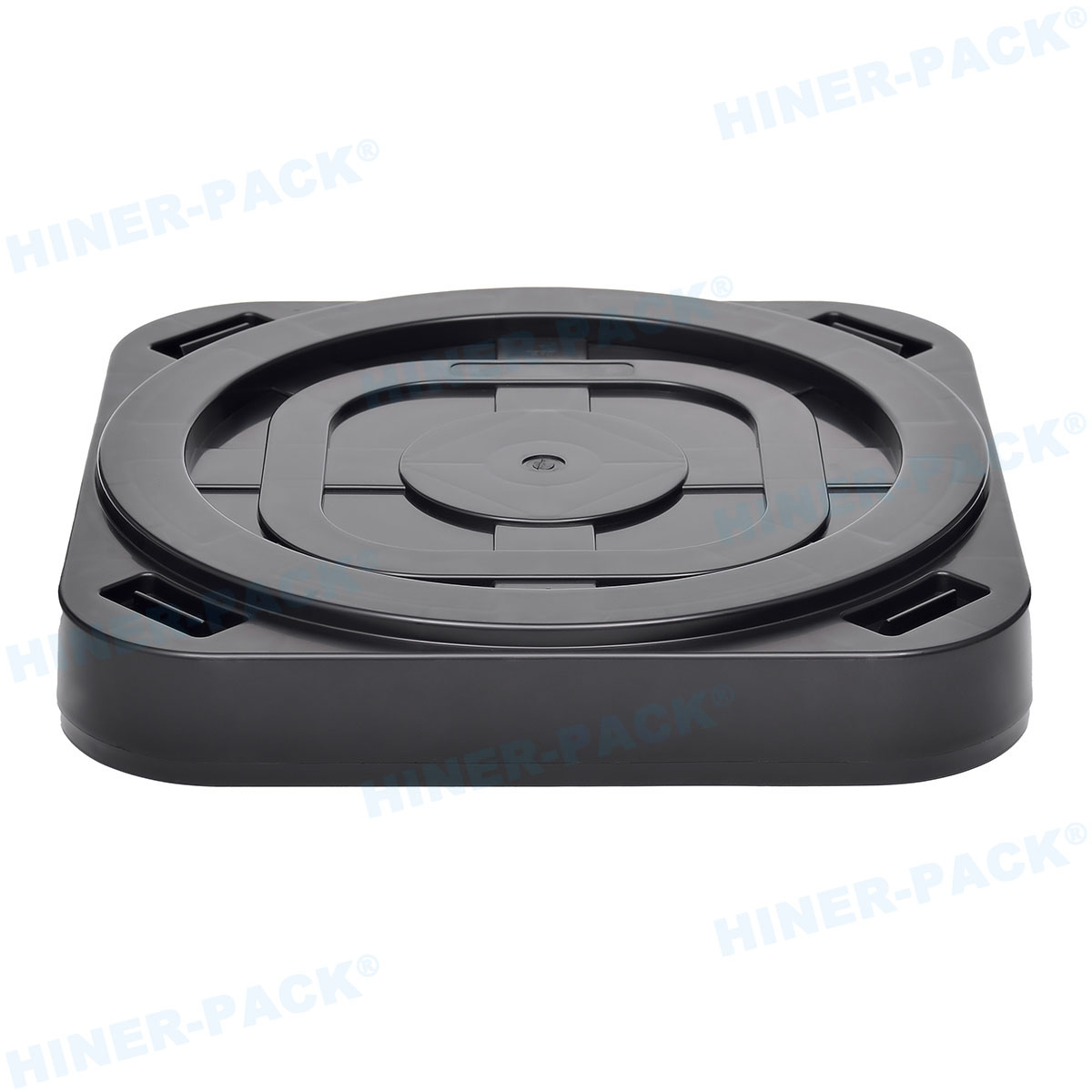
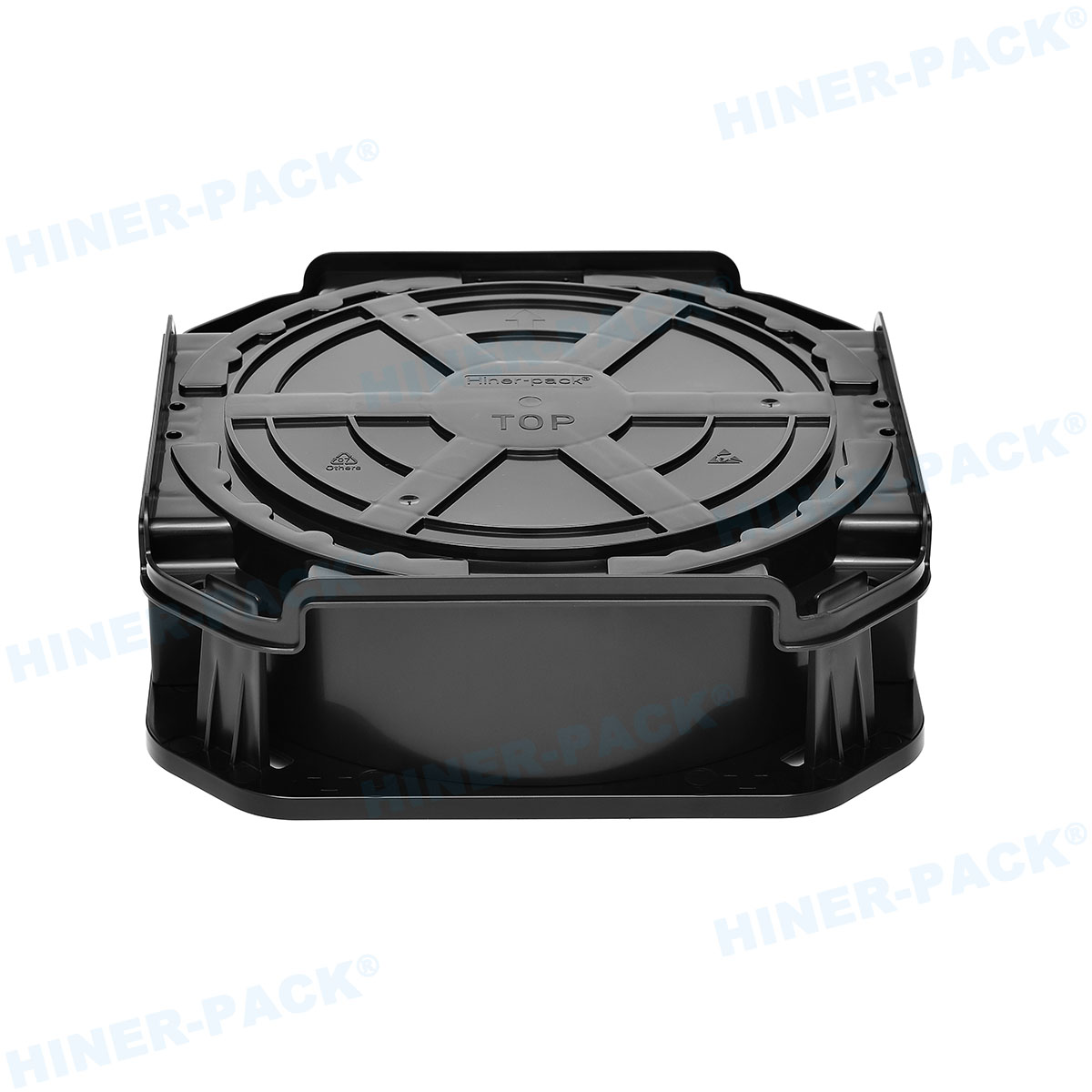
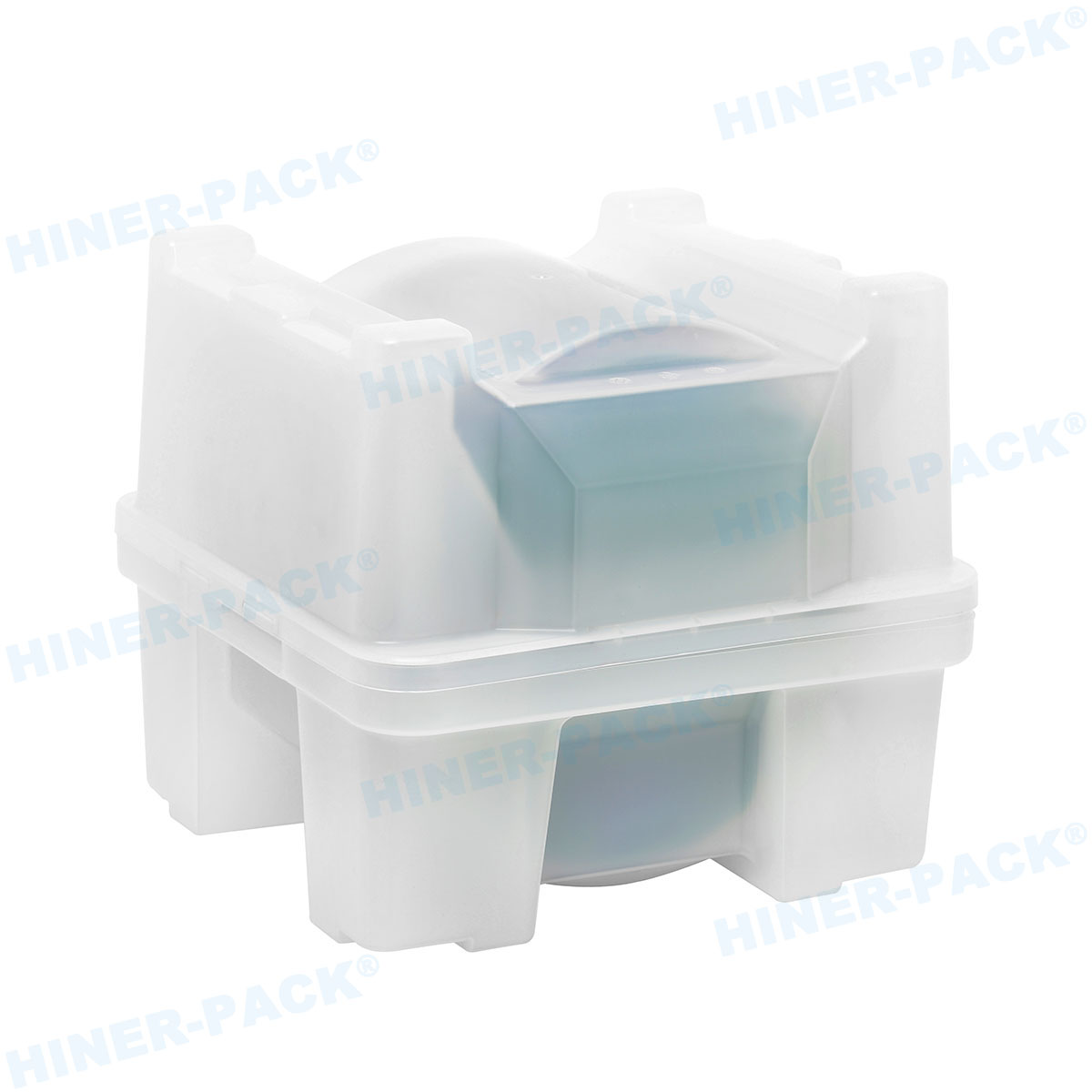
In the precision-driven world of semiconductor manufacturing, the secure transport of silicon wafers remains a fundamental pillar of yield management. As fabrication nodes shrink toward 3nm and beyond, the physical integrity and chemical purity of the substrate during transit become non-negotiable requirements. Procuring the right containment solution involves more than a simple transaction; it requires a deep understanding of how specific technical variables impact a wafer shipper quotation. Every design choice, from polymer selection to ESD shielding, carries weight in the final technical specifications and commercial agreement.
For procurement managers and process engineers at global OSATs (Outsourced Semiconductor Assembly and Test) and foundries, identifying a partner like Hiner-pack is the first step toward securing high-reliability transport infrastructure. This article provides a comprehensive analysis of the technical nuances that define the industry standards for wafer protection and how these elements dictate the structure of a professional proposal.
1. Material Composition and Polymer Grade
The primary driver of any wafer shipper quotation is the raw material. Most high-performance shippers are constructed from specialized polymers designed to minimize outgassing and maximize structural rigidity.
Natural Polypropylene (PP): Often used for standard applications where chemical resistance is needed but transparency is not a priority. It offers a balanced profile for non-critical transport.
Polycarbonate (PC): Known for its high impact resistance and dimensional stability. High-grade PC is often utilized for Front Opening Shipping Boxes (FOSB) where mechanical strength is needed to protect 300mm wafers from vibration.
Polyetheretherketone (PEEK) and PFA: These fluoropolymers are reserved for extreme environments requiring high thermal stability and ultra-low ionic contamination.
The purity level of these plastics—specifically the absence of metallic impurities and silicone—is a major differentiator in technical vetting. When requesting a quote, specifying the required outgassing limits (measured via GC-MS) ensures the product aligns with the cleanliness levels of the cleanroom environment.
2. ESD Protection and Surface Resistivity
Electrostatic Discharge (ESD) represents a constant threat to Integrated Circuit (IC) integrity. Silicon wafers, particularly those with active circuitry, are highly susceptible to damage from uncontrolled electrical discharges. Therefore, the anti-static properties of the packaging are a focal point of any wafer shipper quotation.
Manufacturers typically offer three levels of protection:
Conductive: Surface resistivity generally between 10^3 and 10^5 ohms/sq.
Static Dissipative: Surface resistivity between 10^6 and 10^11 ohms/sq, which allows charges to flow to ground more slowly and safely.
Anti-static: Often achieved through topical coatings or internal additives to prevent the generation of triboelectric charges.
For advanced logic chips, permanent carbon-filled or inherently dissipative polymers are preferred over topical coatings, as the latter can wear off or cause surface contamination. The stability of these electrical properties over time and through cleaning cycles is a key performance indicator (KPI) that Hiner-pack addresses through rigorous testing protocols.
3. Geometric Precision and Wafer Retention
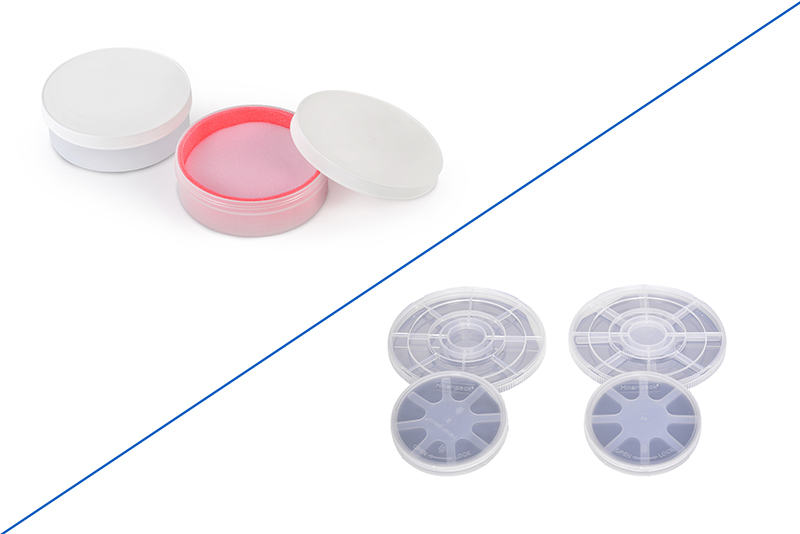
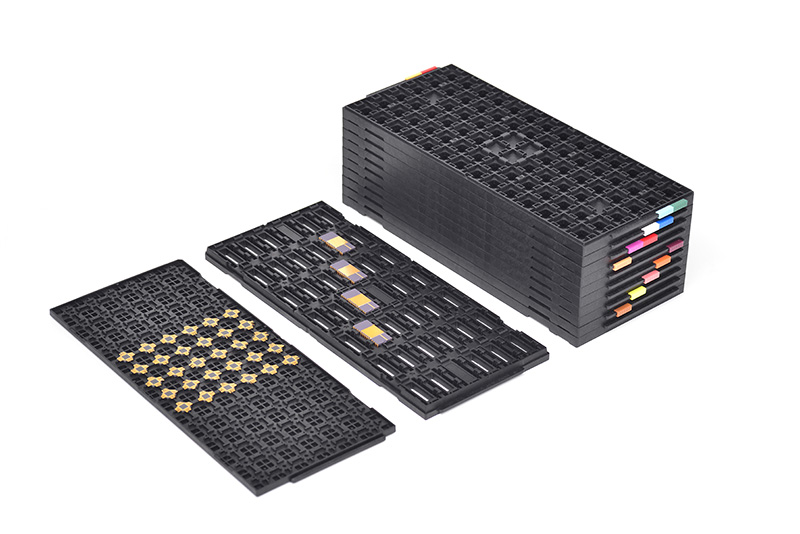
The mechanical design of the shipper must prevent "rattling" or lateral movement during air or sea freight. A standard wafer shipper quotation will account for the specific diameter (50mm to 450mm) and the thickness of the wafers being transported. Thin wafers (below 200 microns) require specialized support structures, such as interlocking spacers or foam cushions, to prevent edge chipping.
Key design elements include:
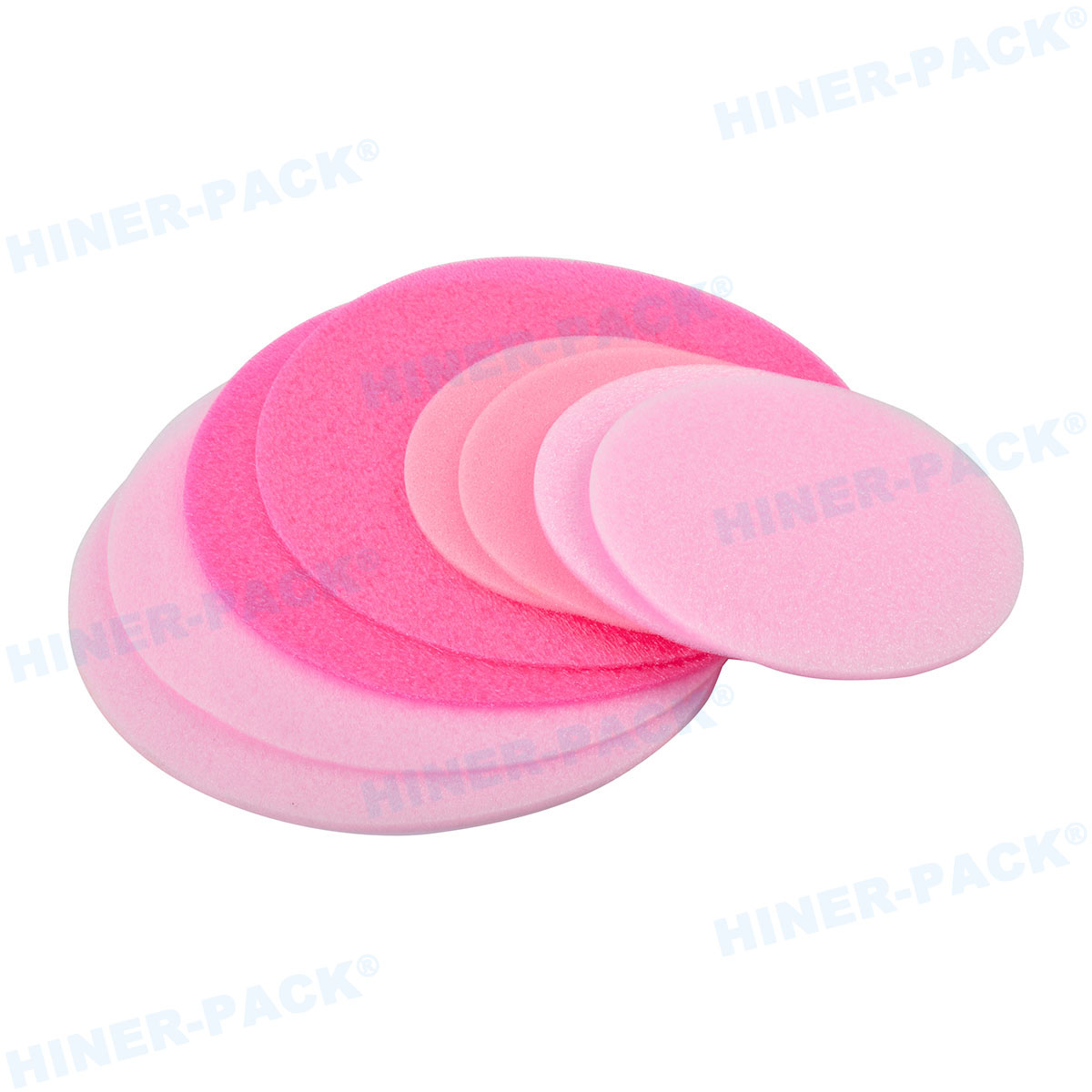
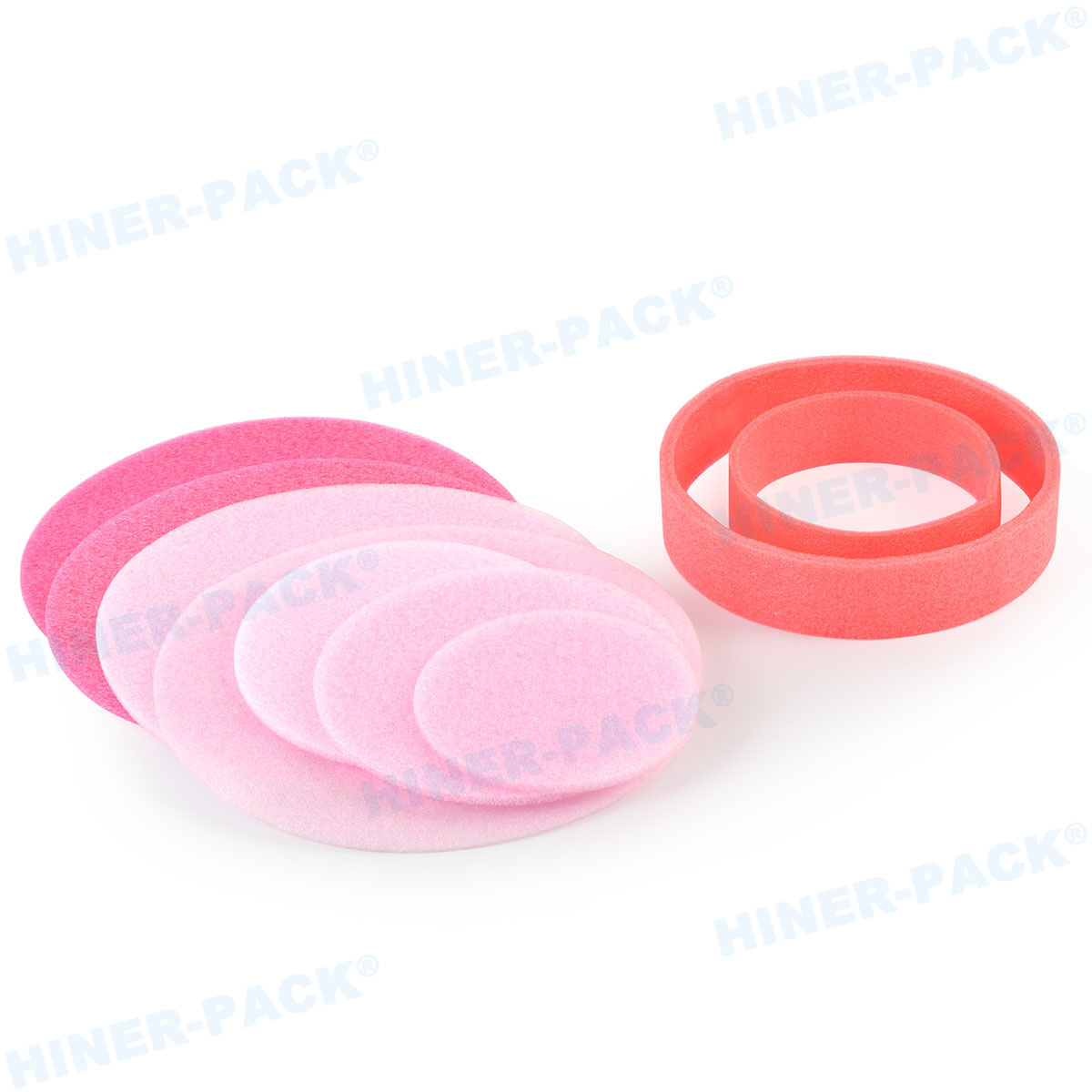
Cushioning Systems: The use of polyethylene (PE) or silicone-free foam inserts to provide a vertical dampening effect.
Contact Points: Minimized contact area (Edge Zone) to prevent scratches on the active area of the wafer.
Locking Mechanisms: High-tension latches or screw-top lids that maintain a seal even under significant external pressure.
4. Contamination Control and Cleanroom Processing
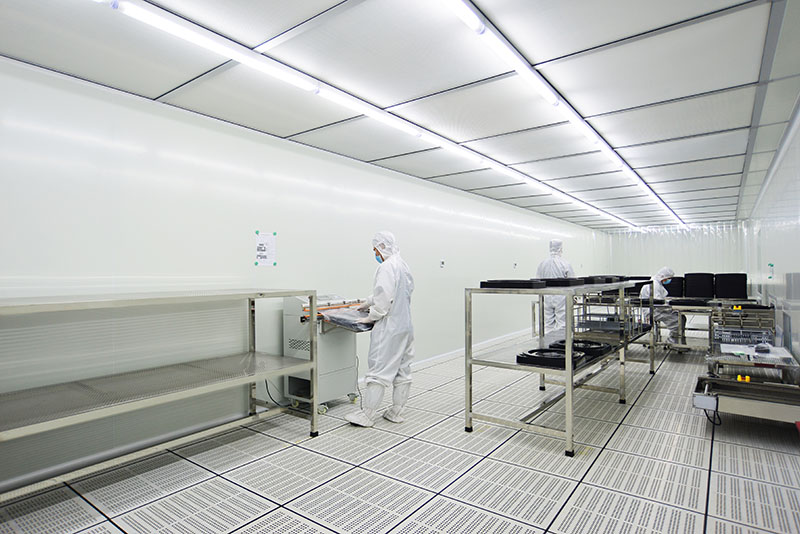
In the semiconductor sector, the package is considered an extension of the cleanroom. Any particle larger than 0.1 microns can result in a killer defect on a wafer. Consequently, the manufacturing environment of the shipper itself is a vital component of the price structure. Hiner-pack ensures that high-purity shippers undergo ultrasonic cleaning and are packed within ISO Class 5 or Class 6 environments.
When evaluating a wafer shipper quotation, engineers must verify if the quote includes double vacuum bagging. This process ensures that the primary container remains pristine until it enters the fab’s sub-fab or loading area. The removal of moisture through desiccants and the inclusion of humidity indicator cards are also standard requirements for long-distance international shipping.
5. Compatibility with Automated Material Handling Systems (AMHS)
Modern mega-fabs rely on automation to move wafers between lithography, etching, and metrology stations. For 300mm wafers, the shipper (often an FOSB) must be compatible with Overhead Hoist Transport (OHT) and AGV systems. This requires precise external dimensions and robotic "pick-up" flanges that adhere to SEMI (Semiconductor Equipment and Materials International) standards, such as SEMI M1 and SEMI M31.
A quote for automated-compatible shippers will involve tighter tolerances than those for manual "coin-style" shippers. The precision of the kinematic coupling pins and the reliability of the door-opening mechanism are paramount for preventing downtime in the fab. Non-compliance with SEMI standards can lead to catastrophic equipment interface failures, making this a high-priority item in technical discussions.
6. Application-Specific Requirements: Compound Semiconductors
The rise of Silicon Carbide (SiC) and Gallium Nitride (GaN) for power electronics has introduced new challenges for wafer transport. These materials are more brittle than traditional silicon and often have different weight profiles. A specialized wafer shipper quotation for SiC substrates might include reinforced side-walls and custom-engineered separators to account for the higher density and value of each wafer.
Furthermore, wafers used in Optoelectronics or MEMS (Micro-Electro-Mechanical Systems) may have sensitive surface topographies that cannot tolerate any contact. In these cases, "suspension" shippers or "no-contact" carriers are quoted, which hold the wafer only by its extreme periphery.
7. Logistics, Lead Times, and Volume Scales
The global nature of the semiconductor supply chain means that logistics play a significant role in procurement. High-volume orders (MOQ) generally allow for more competitive unit pricing, but the lead time for specialized materials (like ESD-safe PEEK) can vary based on global resin availability. A transparent wafer shipper quotation will clearly outline the production timeline and the shipping method, whether it be air freight for urgent R&D batches or sea freight for mass-production cycles.
Industry Pain Points and Professional Solutions
Many organizations face the recurring issue of "latent damage"—defects that are not immediately visible but cause device failure later in the assembly process. This is often traced back to poor-quality shipping containers that allowed for micro-vibrations or electrostatic buildup. By choosing high-specification carriers from Hiner-pack, foundries mitigate these risks through validated mechanical performance and consistent material purity.
Another common challenge is the lack of standardization across different suppliers. Discrepancies in the inner diameter or the pitch of the wafer slots can lead to breakage during manual unloading. Standardizing on a single, high-quality design reduces the need for constant recalibration of handling tools and improves overall operational efficiency.
Summary of Selection Criteria
When reviewing your next proposal, ensure the following technical benchmarks are met:
Compliance with SEMI standards for dimensions and safety.
Verified Surface Resistivity (ESD) range with certification.
Particle count testing (LPC) according to ISO standards.
Material traceability and RoHS/REACH compliance.
Robustness of the secondary packaging (double-bagging).
Frequently Asked Questions (FAQ)
Q1: What information do I need to provide to receive an accurate wafer shipper quotation?
A1: You should provide the wafer diameter (e.g., 200mm, 300mm), wafer thickness, the number of wafers per container, the required ESD properties (conductive or dissipative), and any cleanliness requirements (ISO Class). Mentioning the end-use, such as "thin wafer transport" or "automated fab use," helps in tailoring the solution.
Q2: Why is the choice between Polypropylene and Polycarbonate significant for shipping?
A2: Polypropylene is excellent for chemical resistance and cost-efficiency in manual environments. Polycarbonate offers superior impact strength and transparency, making it better for automated handling and high-value 300mm wafers where visual inspection is required through the casing.
Q3: How does ESD protection in a wafer shipper prevent device failure?
A3: It prevents the accumulation of static charges that can cause Electrostatic Discharge. In a dissipative shipper, any charge is bled off gradually to a grounded surface, protecting the sensitive gate oxides and junctions on the wafer surface from electrical overstress.
Q4: Can wafer shippers be reused, and does this affect the quotation?
A4: While some shippers are designed for multiple cycles, reuse requires validated cleaning processes to remove particulates and ionic contaminants. For many high-end applications, a "single-trip" protocol is used to ensure maximum yield, which is why the unit price in the quotation is optimized for high-volume supply.
Q5: What is the standard lead time for a custom wafer shipper order?
A5: Standard products usually have a lead time of 2 to 4 weeks depending on stock levels. Custom configurations or those requiring specialized ESD materials may take 6 to 10 weeks, depending on the complexity of the mold and material procurement.
Conclusion and Inquiry
Selecting a wafer transport solution is a strategic decision that directly influences the final yield of your semiconductor products. A detailed wafer shipper quotation is the blueprint for ensuring that your valuable substrates move through the global supply chain without compromise. By focusing on material science, ESD safety, and mechanical precision, you protect your technological investments from the point of fabrication to the final assembly line.
Are you looking to optimize your wafer transport safety or seeking a high-volume supply partner for your next production ramp? Our technical team is ready to assist you with customized solutions tailored to your specific fab requirements.