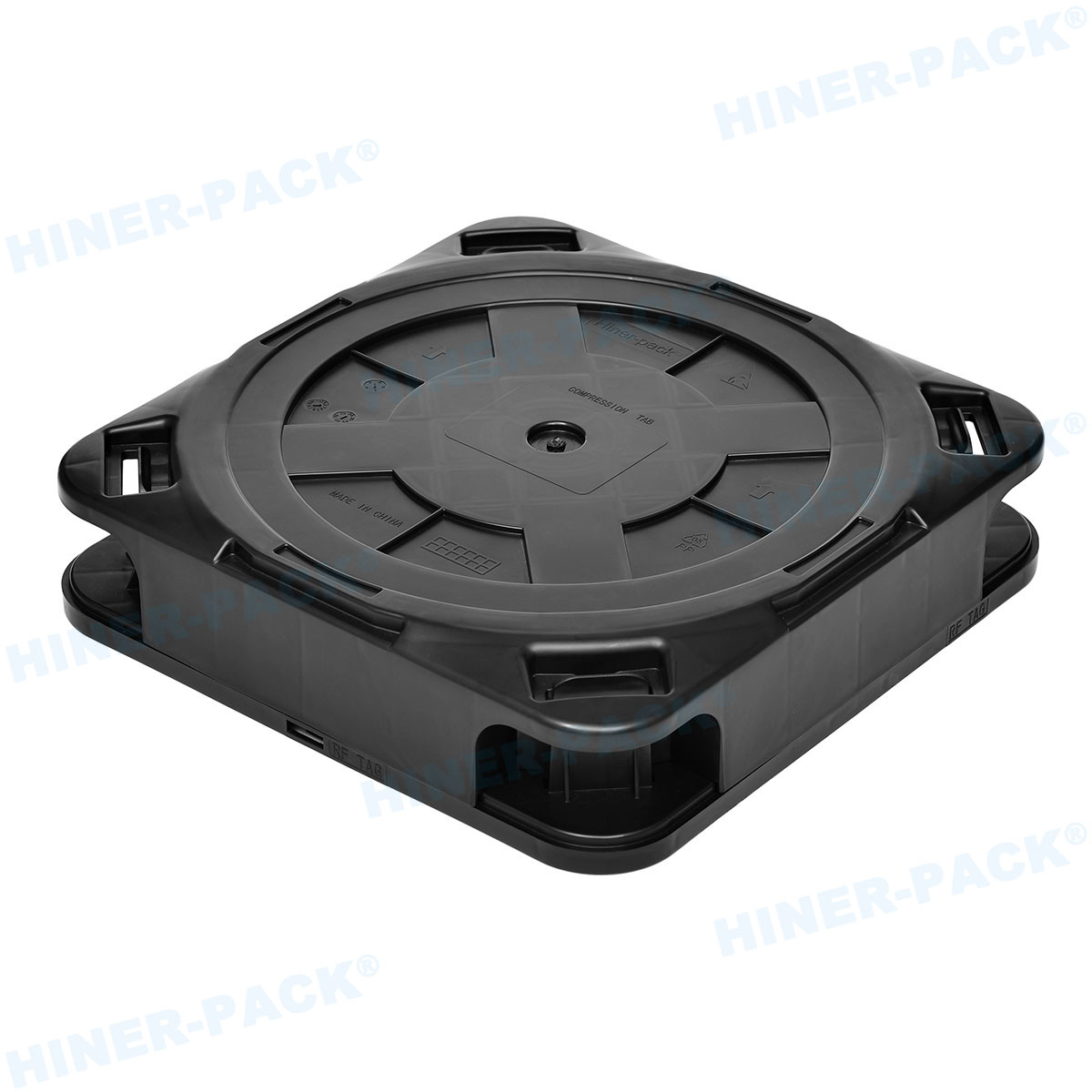
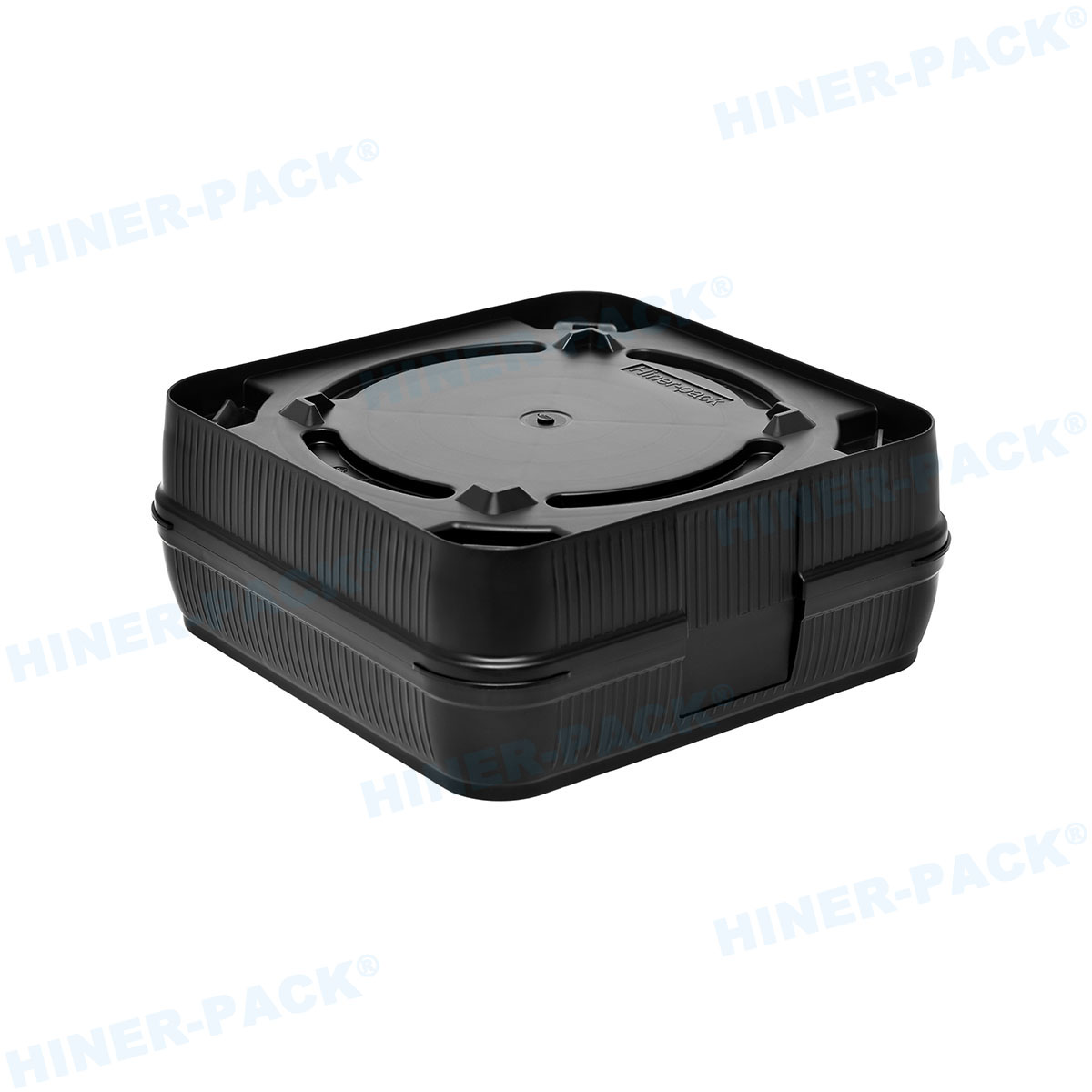
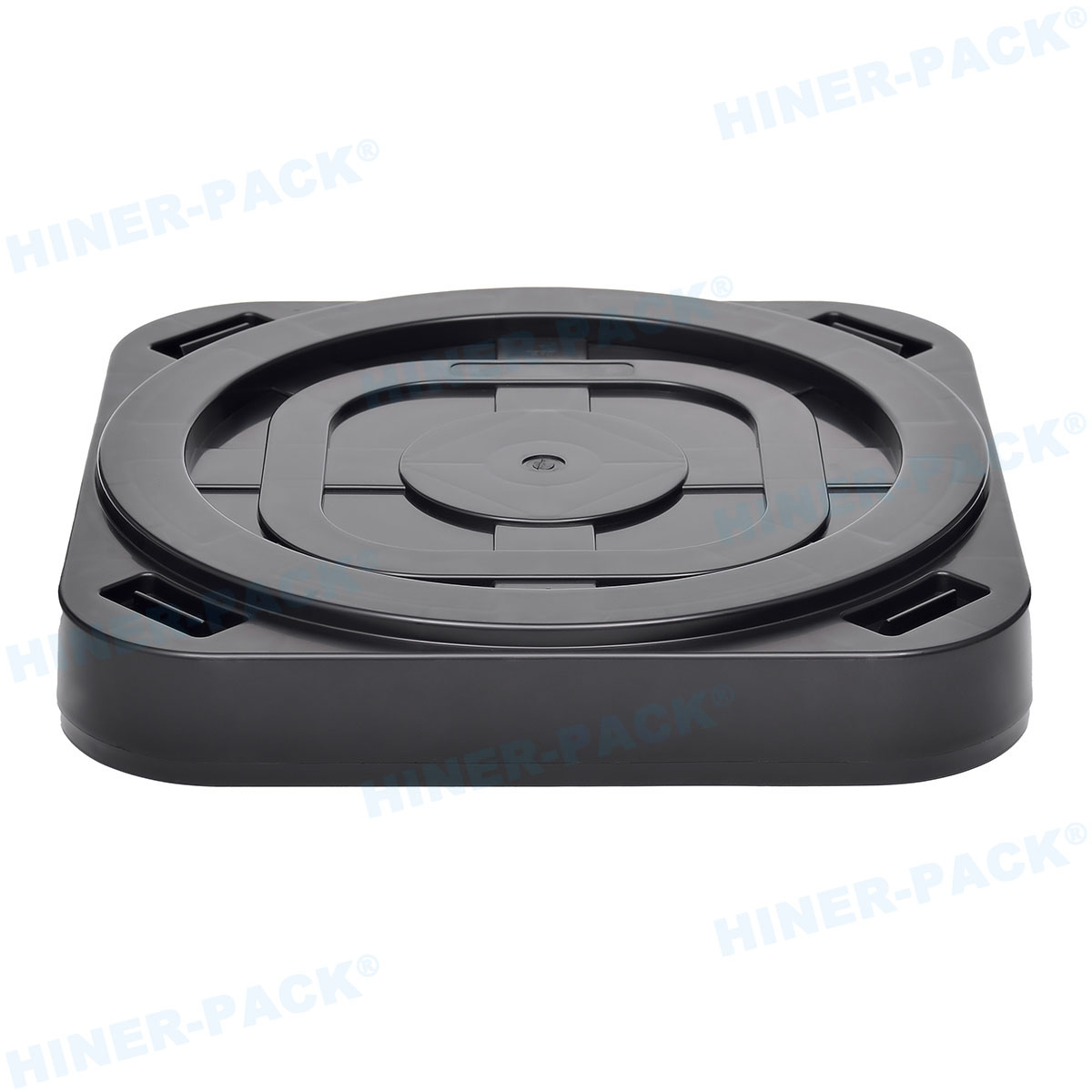
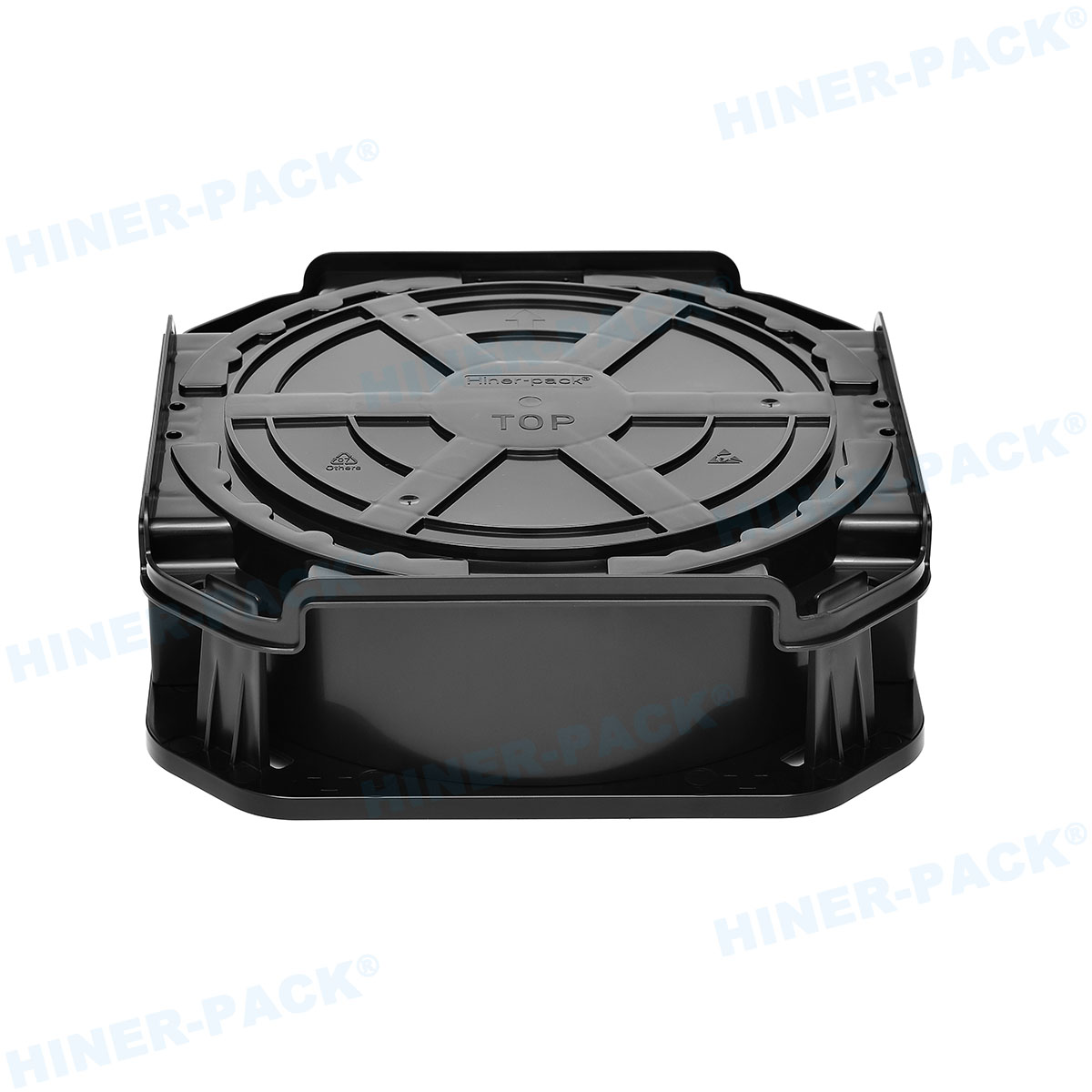
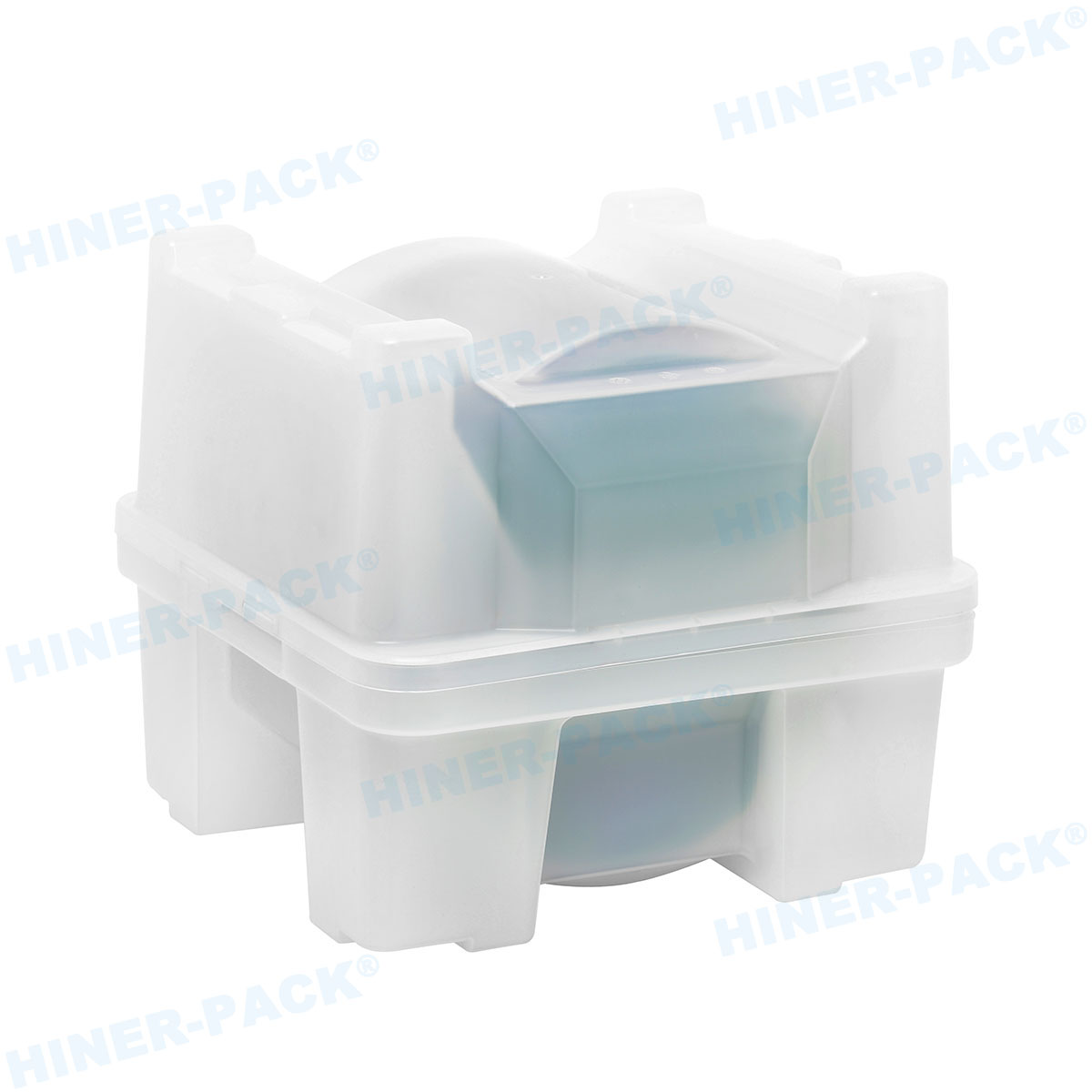
In semiconductor fabs and back-end facilities, the physical and data integrity of work-in-progress (WIP) wafers depends on a component often overlooked: the wafer carrier locks. These mechanisms secure front-opening unified pods (FOUPs) and wafer shippers, preventing unauthorized access, mitigating particle generation, and ensuring compatibility with automated material handling systems (AMHS). This article examines the technical specifications, failure modes, and material science behind modern locking systems—and how precision engineering from Hiner‑pack addresses the industry's most stringent demands.
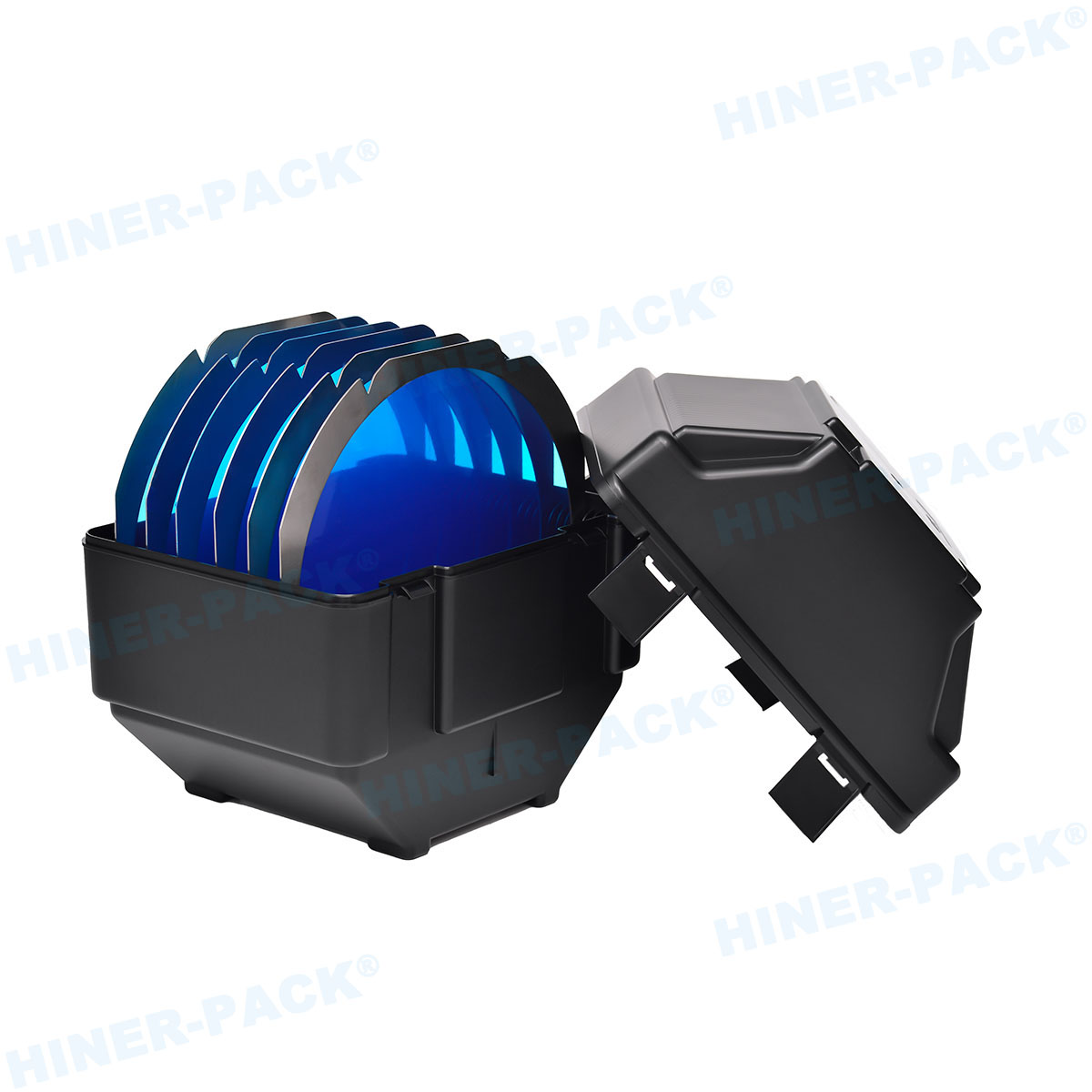
1. The Functional Anatomy of Wafer carrier locks
A wafer carrier lock is not a simple latch. It integrates mechanical latching, sometimes electronic identification (RFID), and environmental sealing. Its primary functions are:
Secure closure: Maintains a controlled micro-environment (nitrogen purge, low humidity) during transport and storage.
Automation interface: Allows robotic load ports to open/close the door without human intervention.
Tamper evidence: Indicates whether the pod has been opened in uncontrolled environments.
For 300mm FOUPs, SEMI E57 and E62 standards dictate kinematic coupling and door kinematics, but the locking mechanism's reliability directly impacts particle counts and fab automation uptime.
2. Core Technologies in Wafer carrier locks Design
Modern wafer carriers employ several locking technologies, each suited to specific use cases—from intrabay transport to intercontinental air freight.
2.1 Mechanical Cam-Pin Locks
The most prevalent design in FOUPs uses a rotating cam that engages pins into receiver holes in the carrier door. The cam's rotational torque must be calibrated precisely: too low risks vibration‑induced opening; too high can cause outgassing or particle generation from friction points. High‑performance polymers like PEEK or statically dissipative PPS are used to minimize wear debris.
2.2 Electronic Locks with RFID Interlock
In automated fabs, carriers are equipped with RFID tags that communicate with the load port. Some advanced wafer carrier locks incorporate motor‑driven latches that only open when the carrier is at the correct port and the tag is authenticated. This prevents mis‑loading and cross‑lot contamination. The lock actuator must consume minimal power and generate no magnetic fields that could affect sensitive devices.
2.3 Tamper‑Evident and Security Seals
For outbound shipments, single‑use or reusable seals are integrated into the carrier latch. These provide visual proof of integrity. Seals must withstand harsh environmental conditions (‑40°C to 80°C) without embrittlement. Wafer carrier locks designed for logistics often feature a dual‑stage latch: a primary latch for automation, and a secondary manual lock for shipping.
3. Performance Requirements: Beyond Simple Closure
Selecting a wafer carrier lock requires evaluating multiple engineering parameters. Based on 2023 industry benchmarks, the following are non‑negotiable:
3.1 Particle Generation and Cleanliness
Any moving part generates particles. The lock mechanism must undergo rigorous tribological testing. Industry standards require that the entire carrier (including locks) contribute less than 0.01 particles per cubic meter per cycle for particles >0.1µm. This is achieved through:
Contact‑less magnetic coupling (used in some high‑end designs).
Self‑lubricating bearing materials (e.g., PTFE‑filled polymers).
Hermetic sealing of the mechanism from the wafer cavity.
Hiner‑pack has developed a proprietary low‑friction latch coating that reduces particle shedding by over 40% compared to standard PEEK‑on‑PEEK contacts, as verified by Fraunhofer IPA testing.
3.2 Automation Compatibility and Repeatability
A load port typically cycles a FOUP door thousands of times. The lock must endure 10,000+ cycles without degradation in latching force or alignment. Moreover, the force required to open the door (break‑away force) must be consistent (±5N) to avoid robot arm faults. Precision‑molded cams and springs from suppliers like Hiner‑pack ensure this repeatability, directly reducing fab downtime.
3.3 Environmental Resistance and Outgassing
Carriers are subjected to nitrogen purging, vacuum bake operations, and aggressive chemicals during cleaning. The lock materials must exhibit low outgassing (ASTM E595: <1% TML) and withstand repeated exposure to isopropyl alcohol or diluted HF without crazing or dimension change.
4. Industry Pain Points Related to Wafer carrier locks Failures
Despite their small size, lock malfunctions are a leading cause of fab interruptions. Data from major OSATs indicate:
4.1 Misalignment and Binding
If the carrier door is slightly warped (due to thermal cycling), the lock pins can bind, causing the load port to abort the opening sequence. This results in tool idle time and requires manual intervention—a contamination risk. Mitigation involves stricter flatness specs for carrier doors and adjustable latch receivers.
4.2 Spring Fatigue and Loss of Preload
The spring that maintains the lock in the closed position can relax over time, especially at elevated temperatures (e.g., during shipping in desert climates). A loss of preload may cause the door to vibrate open during transit, exposing wafers to ambient air and particles. Using Inconel or coated stainless steel springs with verified load retention is critical.
4.3 Incompatibility with Next‑Gen FOUPs
As the industry moves toward larger carriers for 450mm (though stalled) and tighter mini‑environments, legacy lock designs may not provide adequate sealing pressure. The lock must maintain a consistent compression of the door gasket to keep oxygen levels below 100 ppm during nitrogen purge.
5. Solutions and Best Practices for Wafer carrier locks Management
To mitigate these pain points, fabs and logistics providers are adopting a holistic approach to carrier hardware.
5.1 Predictive Maintenance via Cycle Counting
Embedding RFID in the lock that tracks open/close cycles allows predictive replacement. When a carrier approaches its end‑of‑life (e.g., 8,000 cycles), it is pulled from circulation before failure occurs.
5.2 Material Upgrades for Low‑Particle Performance
Replacing standard acetal (POM) components with advanced tribological compounds (e.g., Ensinger’s TECAPEEK PVX) reduces wear debris. Hiner‑pack offers a retrofit kit for existing FOUPs that upgrades the latch mechanism to their low‑particle design, extending carrier life by 30% while improving yield in sensitive layers like gate oxide.
5.3 Standardization of Lock Interfaces
SEMI E111 (Mechanical Specification for FOUPs) provides guidance, but slight variations between OEM lock suppliers can cause interoperability issues. Major fabs now mandate that all carriers—regardless of supplier—must pass a gauge repeatability and reproducibility (GR&R) test on a reference load port. This drives lock manufacturers to adhere to strict tolerances.
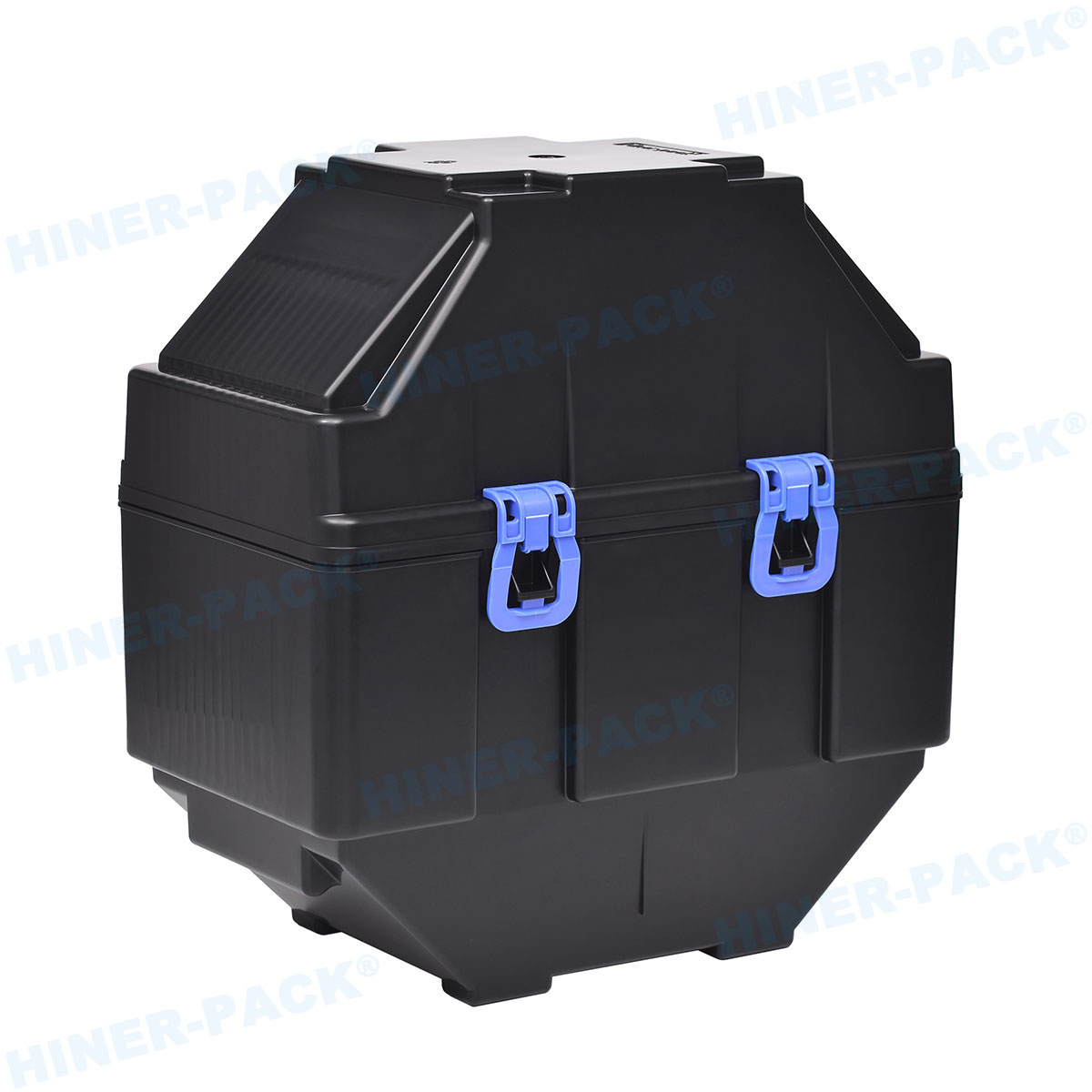
6. Future Directions: Smart Locks and Integrated Sensors
The next generation of Wafer carrier locks will be intelligent. Prototypes include locks with embedded sensors for:
Real‑time humidity and oxygen measurement inside the carrier.
Shock and vibration logging during transport.
Electronic torque measurement to detect binding before it causes a fault.
These smart locks will communicate via the carrier’s existing RFID or Bluetooth Low Energy (BLE) tags, feeding data into the fab’s Industrial Internet of Things (IIoT) infrastructure. For example, if a lock sensor detects excessive vibration during truck transport, the receiving fab can quarantine that lot for inspection.
7. The Criticality of Precision in Wafer Carrier Locks
In semiconductor manufacturing, where a single particle can cost thousands of dollars, the humble wafer carrier locks plays an outsized role. It ensures that the clean, controlled environment inside the carrier is maintained from the fab to the assembly line. As process nodes shrink and defect densities must approach zero, the engineering of these locks will continue to evolve. Companies like Hiner‑pack are at the forefront, providing solutions that combine mechanical robustness, material purity, and smart technology—ultimately protecting wafer yield and enabling the economics of advanced semiconductor production.
Frequently Asked Questions (FAQ) on Wafer Carrier Locks
Q1: What is the primary function of a wafer carrier lock beyond
keeping the door closed?
A1: Beyond physical closure, a wafer
carrier lock ensures the integrity of the internal mini‑environment by
maintaining consistent compression of the door seal. It also provides a
standardized interface for automated load ports to open and close the carrier,
and in some designs, incorporates RFID or electronic authentication to prevent
cross‑lot mixing.
Q2: How often should wafer carrier locks be inspected or
replaced?
A2: It depends on usage. In high‑volume fabs where
carriers cycle multiple times daily, inspection every 3‑6 months is recommended.
Look for signs of wear such as inconsistent latching force, visible debris, or
increased particle counts in the carrier. Many fabs implement a preventive
maintenance schedule based on cycle count (e.g., every 5,000 cycles) rather than
time.
Q3: Can a worn wafer carrier lock increase particle
contamination?
A3: Yes. As lock components wear—particularly the cam
and pin interfaces—they generate microscopic particles. These particles can
migrate into the wafer storage area if the lock is not sealed from the interior.
Additionally, a worn lock may not seal the door properly, allowing external
particles to enter. Using low‑wear materials from suppliers like Hiner‑pack is essential for
particle control.
Q4: Are wafer carrier locks standardized across all FOUP
brands?
A4: While SEMI standards (e.g., E57, E62) define the overall
geometry and kinematic coupling, the exact locking mechanism design can vary
between manufacturers. This can lead to interoperability issues with certain
load ports. To mitigate this, many semiconductor companies qualify carriers from
multiple vendors but require that the lock mechanisms meet specific force and
cycle life criteria defined in their internal specifications.
Q5: What materials are best for minimizing outgassing in wafer
carrier locks?
A5: For critical applications, especially those
involving vacuum or sensitive deposition processes, materials with very low
total mass loss (TML) are required. Polyetheretherketone (PEEK) and certain
grades of polyamide‑imide (PAI) are commonly used. Metallic components should be
coated or passivated to prevent oxidation. Wafer carrier
locks from premium suppliers often come with certification of
outgassing test results per ASTM E595.
Q6: How do smart wafer carrier locks interface with factory
automation systems?
A6: Smart locks typically integrate with the
carrier’s existing RFID or add a dedicated sensor module. Data such as latch
position, cycle count, or internal environment parameters are transmitted
wirelessly to the material control system (MCS). This allows the fab to track
carrier health in real time and preemptively remove problematic carriers from
the automated handling system.