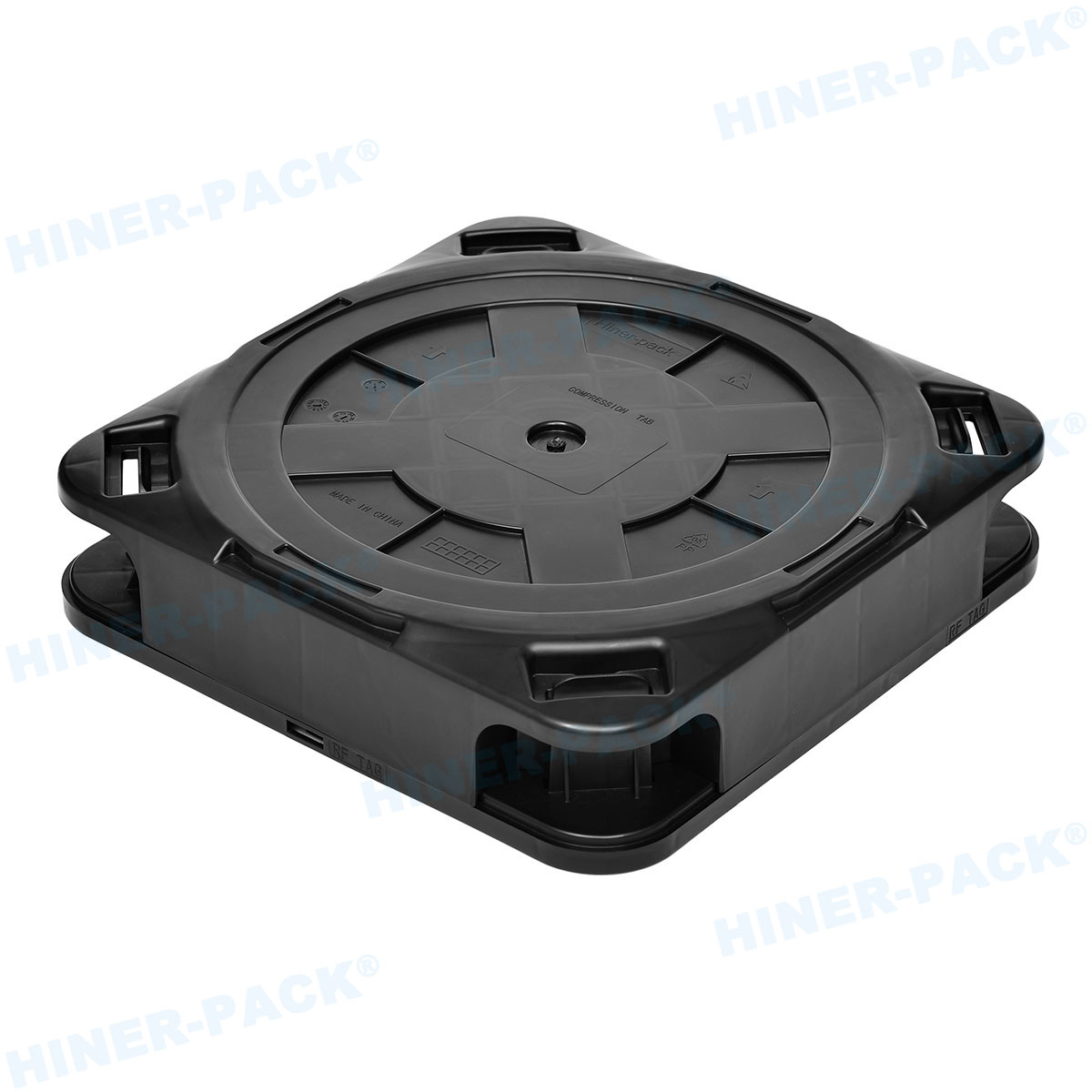
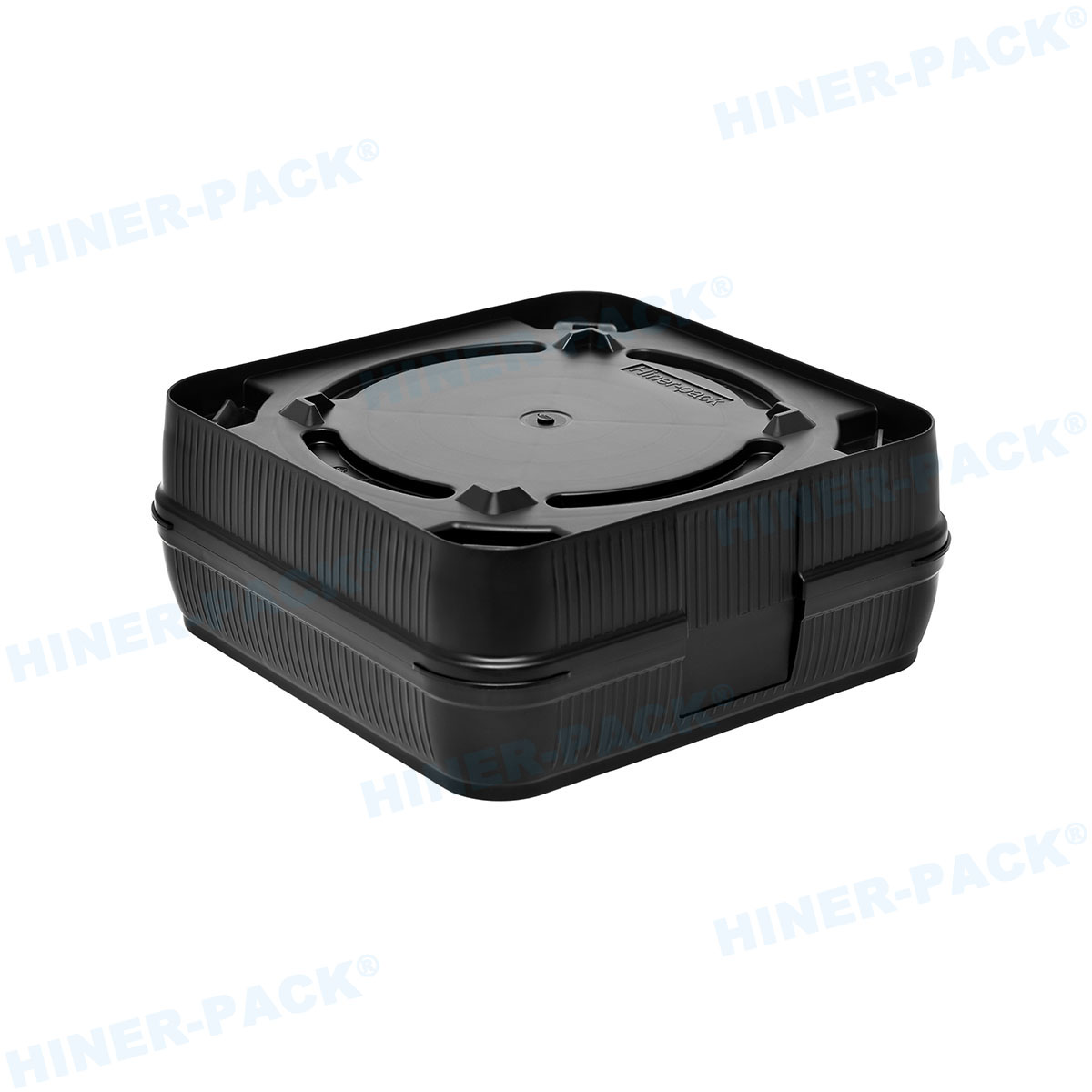
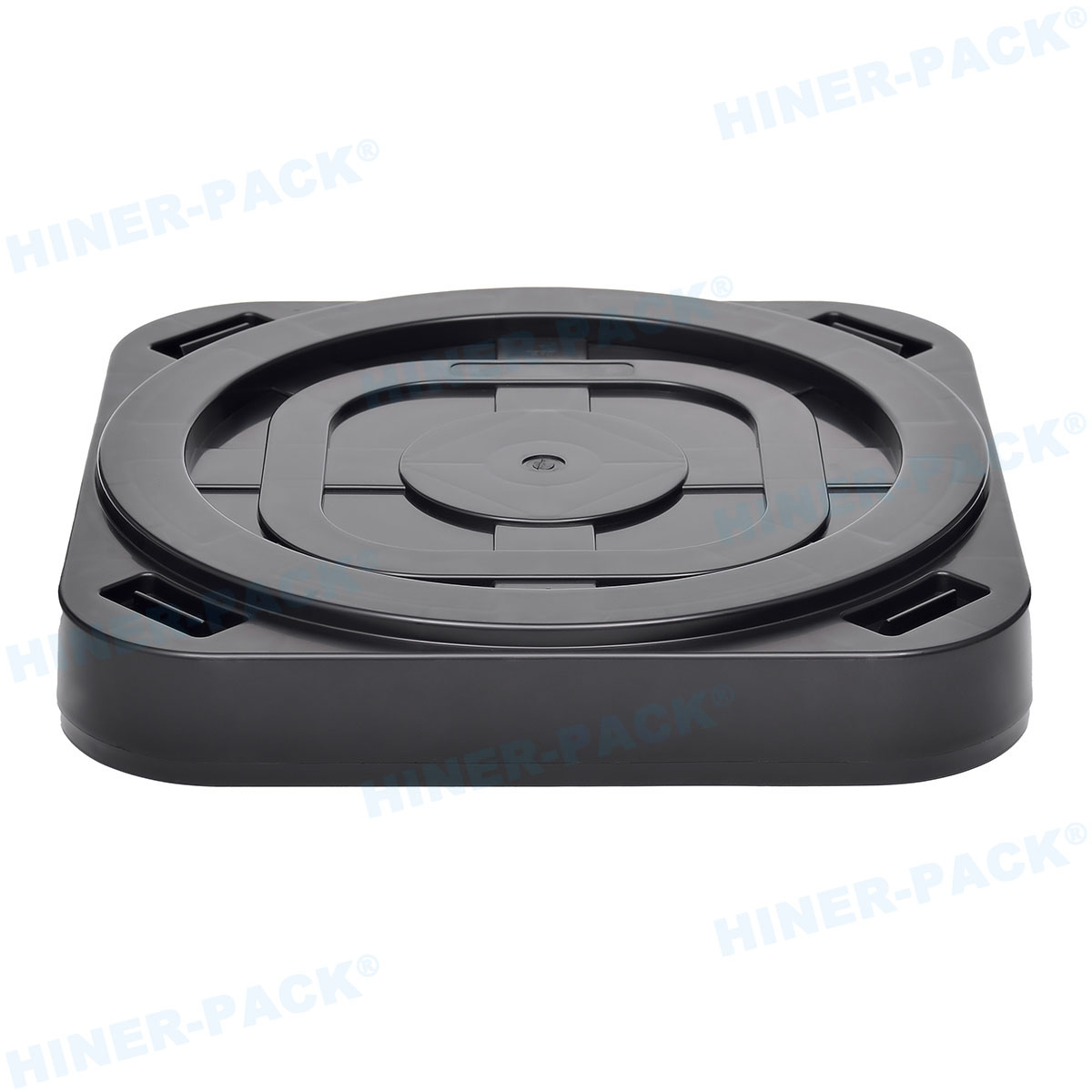
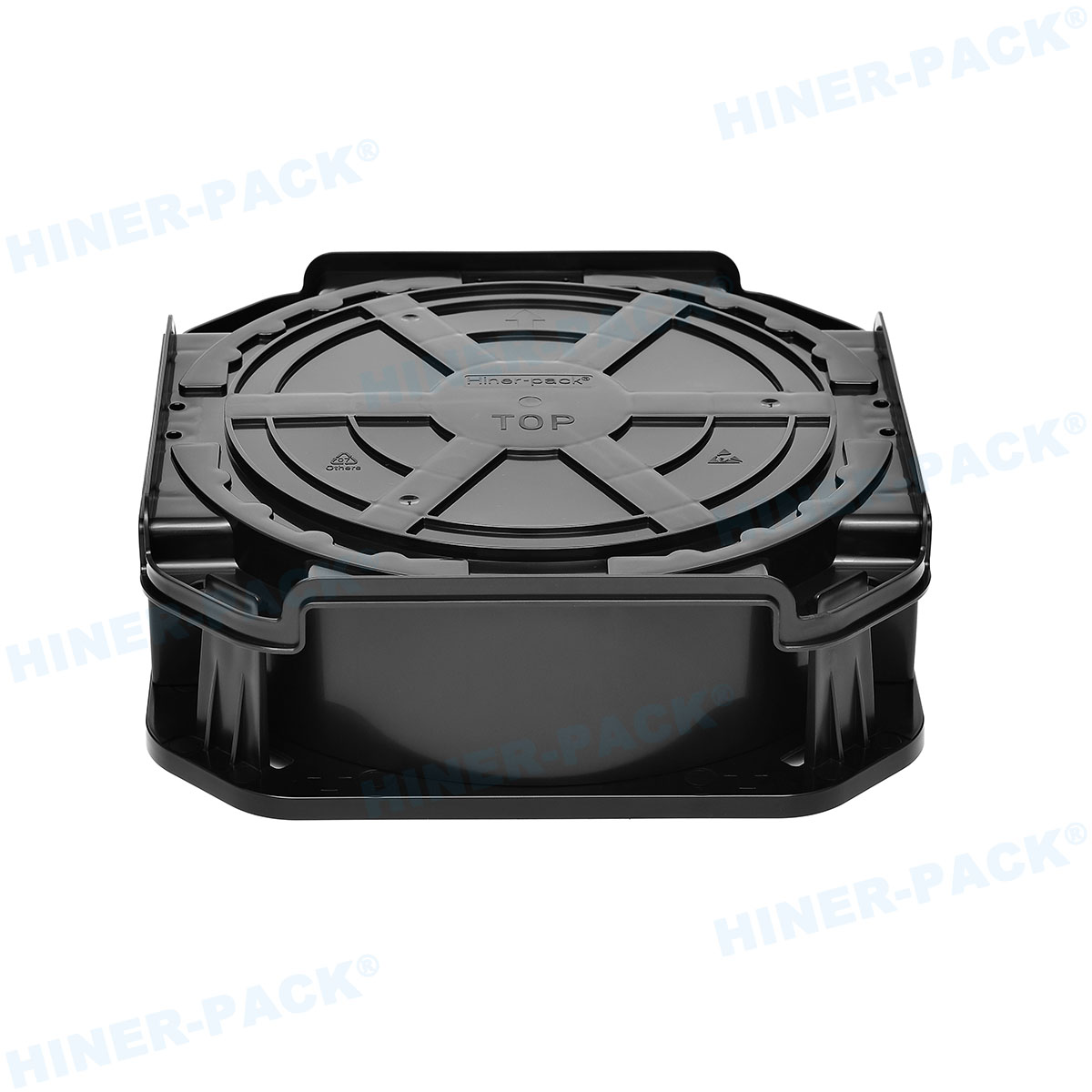
In the semiconductor backend and assembly ecosystem, the efficient and safe movement of integrated circuits (ICs) between test, tape and reel, and final assembly is a complex logistical puzzle. While matrix trays (like JEDEC trays) are essential for device protection during long-term storage and customer delivery, the manufacturing floor itself demands a different solution: Bulk IC trays. These workhorses of high-volume manufacturing (HVM) are engineered not just for protection, but for maximizing throughput, enabling automation compatibility, and minimizing operational costs. This article provides a deep technical analysis of bulk IC trays, exploring their material science, design considerations, and their critical role in modern semiconductor logistics.
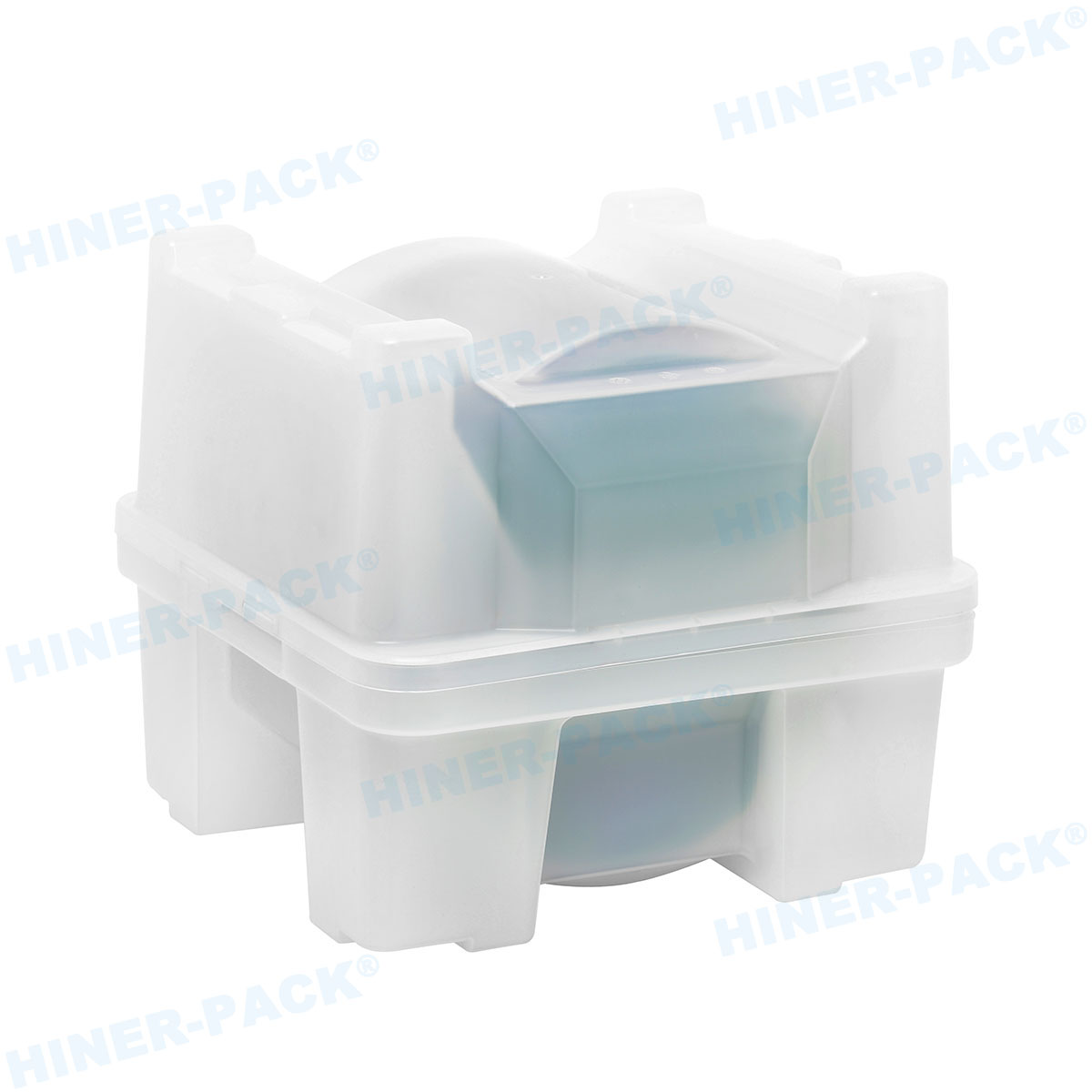
Defining Bulk IC Trays vs. Standard Matrix Trays
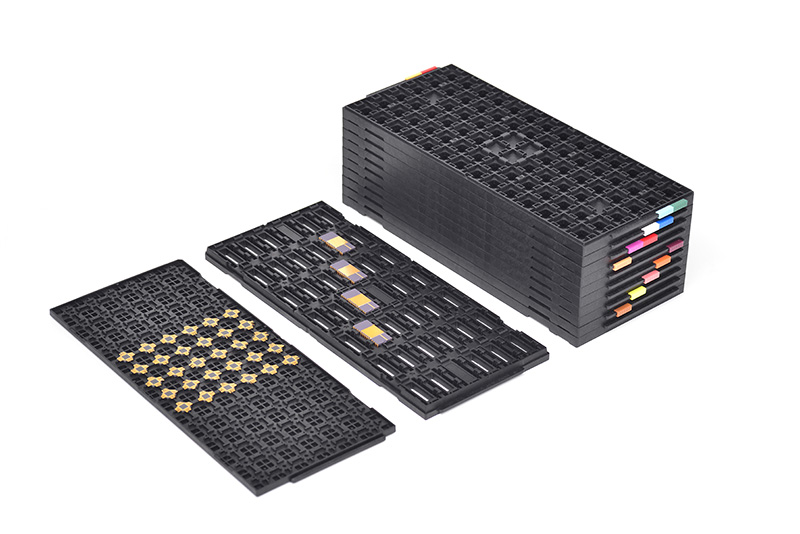
To appreciate the engineering of bulk IC trays, one must first distinguish them from their more familiar counterpart, the JEDEC matrix tray. JEDEC trays feature individual pockets, each precisely dimensioned to hold a single IC, preventing device-to-device contact. Bulk IC trays, however, are designed to hold multiple devices in a single, larger cavity, often without individual compartmentalization. This fundamental design difference serves distinct purposes:
Matrix Trays (JEDEC): Optimized for final shipment to customers (OEMs, CMs). They offer maximum physical protection for delicate leads and solder balls. Each pocket isolates the device, preventing collisions.
Bulk IC Trays: Optimized for internal factory logistics—between testers, marking equipment, and tape and reel machines. They prioritize density and ease of automated access. Devices are often "bulk loaded," allowing high-speed pick-and-place directly from the tray.
The choice between these two impacts floor space utilization, equipment uptime, and overall equipment effectiveness (OEE).
Material Science and Manufacturing of Bulk IC Trays
The performance of bulk trays is dictated by the materials from which they are molded and the precision of the manufacturing process. They must withstand repeated washing cycles, high temperatures from burn-in processes, and constant mechanical shock from automated handling systems.
Polymer Selection: Balancing Conductivity and Durability
The base polymer provides the structural integrity, while additives impart specific electrical properties. Common materials include:
High-Temperature Engineering Plastics: Materials like PEEK (Polyether Ether Ketone) and PEI (Polyetherimide) are used for trays that must endure burn-in ovens (up to 180°C-200°C). They offer exceptional dimensional stability and chemical resistance.
Conductive and Anti-Static Compounds: For standard temperature applications (washing, ambient handling), polypropylene (PP) or ABS are compounded with carbon black, carbon fiber, or permanent anti-static agents. The goal is to achieve a specific surface resistivity, typically between 103 and 109 Ω/sq, to meet ESD control requirements as defined by ANSI/ESD S20.20.
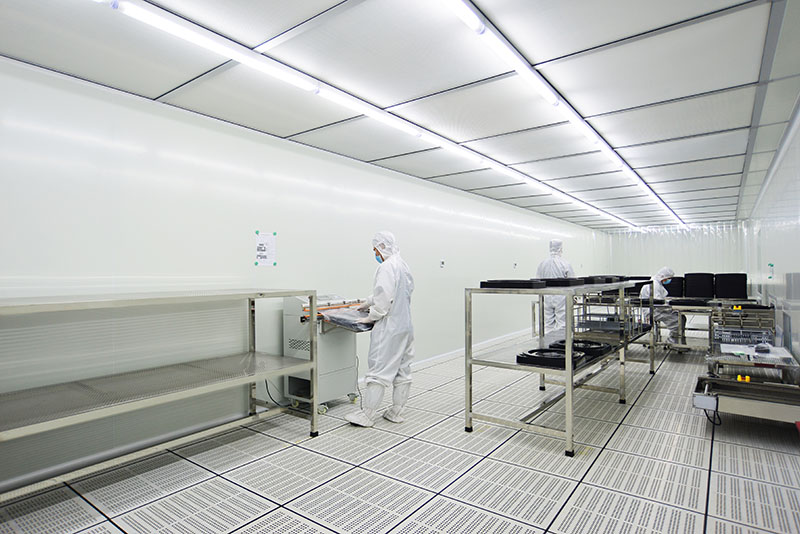
Low-Outgassing Formulations: In cleanroom environments, outgassing can contaminate sensitive devices or optics. Trays used in Class 10 or Class 100 cleanrooms are often made from specially formulated materials that meet NASA or ASTM E595 standards for low total mass loss (TML) and collected volatile condensable materials (CVCM).
Injection Molding Precision and Warpage Control
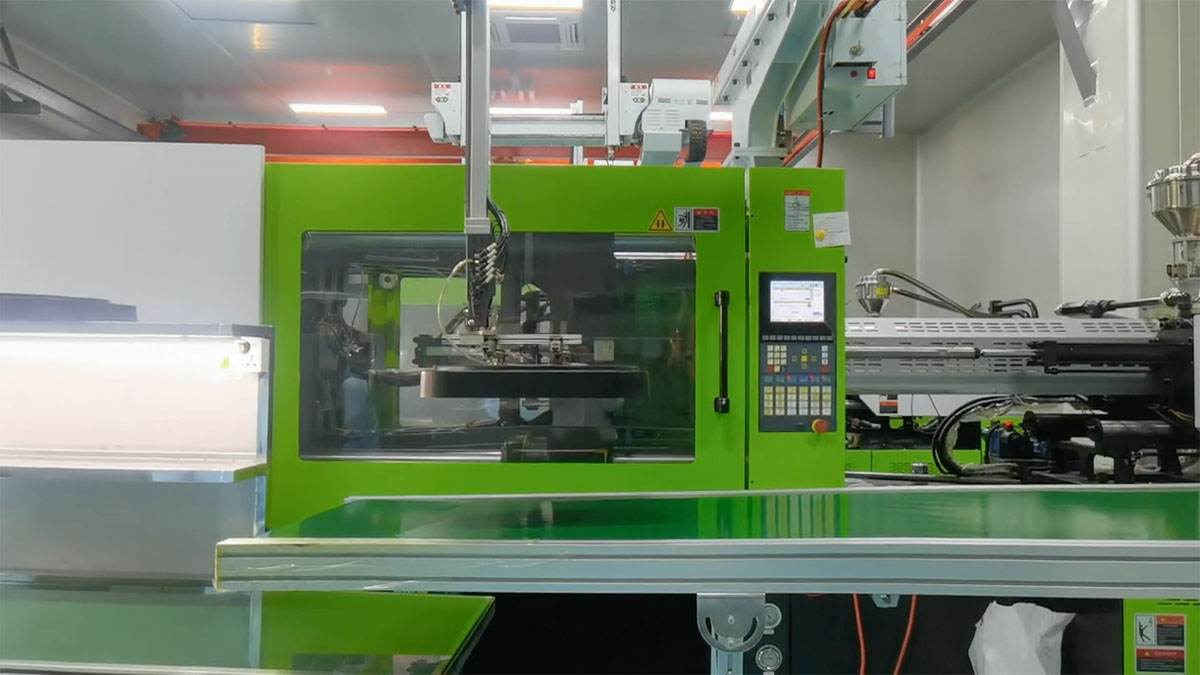
Bulk trays often have large planar surfaces, making them susceptible to warpage during the cooling phase of injection molding. Warpage can cause feeding issues in automated equipment, leading to jams and downtime. To mitigate this, manufacturers employ:
Gas-Assist Molding: To reduce internal stresses and sink marks.
Optimized Cooling Channel Design: Ensuring uniform cooling across the entire tray surface.
Rigorous Dimensional Inspection: Using CMM (Coordinate Measuring Machines) and optical comparators to verify flatness (often within 0.5mm over the entire length) and critical features like rail heights and guide slots.
Leading suppliers like Hiner-pack utilize advanced mold flow analysis software to predict and correct potential warpage before steel is cut, ensuring that their bulk trays meet the stringent requirements of modern semiconductor automation.
Critical Applications and Handling Scenarios for Bulk IC Trays
The utility of bulk trays spans multiple stages of the semiconductor backend process. Understanding these applications is key to specifying the correct tray design.
Incoming Quality Control (IQC) and Testing
When ICs arrive from the fab or assembly house, they often need to be sampled and tested. Bulk IC trays are ideal for holding large quantities of devices awaiting test. They are designed to be compatible with:
Automatic Test Equipment (ATE) handlers: The trays must fit precisely into the handler's input magazine and allow the pick-and-head to consistently extract devices without misfeeds.
Vision inspection systems: The tray's color (often black or dissipative blue) provides high contrast for optical character recognition (OCR) and lead inspection systems.
Device Programming and Marking
High-volume programming houses require trays that can withstand the rigors of automated programming equipment. Bulk trays used here must have precise pocket or cavity designs that hold the device securely during the programming contact cycle, preventing misalignment that could lead to programming failures. Similarly, laser marking systems require trays that present devices at a consistent focal plane.
Washing and De-fluxing Operations
After assembly processes, ICs may require washing to remove flux residues or other contaminants. Bulk trays used in these applications must be:
Chemically Resistant: They must withstand exposure to de-ionized (DI) water, saponifiers, and other cleaning agents without degrading, leaching, or changing dimensions.
Designed for Drainage: Often, trays feature perforations or slotted designs that allow fluids to drain completely, preventing water spots and ensuring thorough drying.
Work-in-Progress (WIP) Storage and Inter-Process Transfer
Between manufacturing steps, devices are held in WIP. Stackable bulk IC trays are essential for efficient floor space utilization. They are designed with robust stacking features—such as ribs and alignment posts—that prevent stacks from toppling and protect the devices in the trays below from being crushed by the weight of stacks above. Compatibility with Automated Storage and Retrieval Systems (ASRS) is a key design criterion here.
Industry Pain Points and Engineering Solutions
The implementation of bulk trays is not without challenges. Below, we address common industry pain points and the technical solutions that mitigate them.
Pain Point 1: Electrostatic Discharge (ESD) Damage in High-Speed Automation
Problem: High-speed pick-and-place operations can generate significant triboelectric charge as devices slide across tray surfaces or are lifted by vacuum nozzles. Voltages can quickly exceed 500V, damaging sensitive geometries below 28nm.
Solution: Using trays with a controlled, homogeneous surface resistivity. Dissipative materials (106 to 109 Ω/sq) are often preferred in automation as they allow charge to bleed off slowly without causing a sudden, damaging discharge (CDM - Charged Device Model events). The material's static decay time (measured per MIL-STD-3010 or FTMS 101C) must be verified.
Pain Point 2: Device Adhesion and "Sticking"
Problem: Small, lightweight ICs (like MLFPs or DFNs) can sometimes adhere to the tray surface due to static forces or surface tension from residual moisture, causing pick-up failures and reducing throughput.
Solution: Engineering the tray surface finish. A textured or matte finish reduces the contact area and minimizes van der Waals forces. Some advanced bulk IC trays incorporate micro-roughened surfaces or anti-stiction coatings that are also ESD-safe, ensuring reliable release for the vacuum nozzle. Bulk IC trays designed with tapered pockets can also break the surface contact, facilitating easier pickup.
Pain Point 3: Contamination and Particle Generation
Problem: Trays that are not properly manufactured or are made from low-quality materials can shed particles, leading to contamination of sensitive device pads or bond wires.
Solution: Implementing strict cleanroom manufacturing protocols. Trays should be molded, handled, and packaged in cleanroom environments (ISO Class 7 or better). Materials must be selected for low particle shedding. Post-mold cleaning processes, such as DI water rinsing or air ionization, are often employed to ensure trays meet the required cleanliness levels for advanced nodes.
Pain Point 4: Dimensional Inconsistency Across Batches
Problem: In a high-volume factory, trays from different batches must be interchangeable. Dimensional variation can cause feeders to jam or devices to be presented in the wrong orientation.
Solution: Rigorous Statistical Process Control (SPC) during manufacturing. Suppliers must maintain tight control over shrinkage rates and mold temperatures. Providing a detailed dimensional certificate of compliance (CoC) for each batch is becoming an industry standard.
Case Study: Reducing Downtime in a High-Volume OSAT with Advanced Bulk Trays
A prominent OSAT facility in Southeast Asia was experiencing significant downtime in their tape and reel lines. The issue was traced back to inconsistent feeding from their existing bulk IC trays. The trays exhibited warpage, causing devices to sit at an angle, leading to frequent pickup failures and subsequent machine stoppages.
Solution Implementation: The OSAT collaborated with Hiner-pack to redesign their bulk tray specification. Hiner-pack introduced a glass-filled PPS compound for enhanced stiffness and flatness. The tray design was modified with reinforced ribs and a more precise pocket geometry tailored to the specific device package. A strict flatness tolerance of 0.3mm was implemented.
Quantifiable Results: After implementing the Hiner-pack solution:
Machine downtime attributed to tray feeding issues was reduced by 78%.
Overall Equipment Effectiveness (OEE) for the tape and reel lines increased by 12%.
Tray lifespan tripled due to the improved material durability, reducing consumables costs.
ESD event logging showed a 90% reduction in charge generation during automated handling.
Best Practices for Specifying and Procuring Bulk IC Trays
To ensure optimal performance and return on investment, procurement and engineering teams should consider the following best practices when sourcing bulk trays:
Define the Thermal Budget: Clearly state the maximum and minimum temperatures the tray will encounter (e.g., -40°C for cold storage, +150°C for burn-in). Select the base polymer accordingly.
Quantify ESD Requirements: Do not simply specify "anti-static." Define the required surface resistivity range (e.g., 106 to 109 Ω/sq) and the test method (ANSI/ESD STM11.11).
Specify Flatness and Dimensional Tolerances: Provide mechanical drawings of your automated equipment's tray interface (magazine, feeder) and require the supplier to guarantee critical dimensions.
Request Cleanliness Data: For advanced node applications, ask for particle count data (e.g., particles >0.5µm per square meter) and ionic contamination test results.
Consider Customization: If standard trays are causing issues, explore custom-designed solutions. Hiner-pack offers design services that can optimize tray geometry for your specific device and equipment, often yielding significant performance gains.
Frequently Asked Questions (FAQs) about Bulk IC Trays
Q1: What is the main difference between a JEDEC matrix tray and a
bulk IC tray?
A1: A JEDEC matrix tray has individual pockets to
isolate each IC, primarily for shipping and final customer delivery. A
bulk IC tray is designed for high-density, high-throughput
internal factory use, often holding many devices in a larger cavity for
efficient automated handling, testing, and washing.
Q2: How do I ensure my bulk trays are compatible with my automated
pick-and-place equipment?
A2: Compatibility is determined by precise
dimensional specifications. You must verify the tray's overall length, width,
height, warpage (flatness), and the location of alignment features (notches,
rails, guide holes). Provide these specifications, along with your equipment's
model number, to the tray supplier like Hiner-pack to ensure a proper fit.
Q3: Can bulk IC trays be cleaned and reused?
A3: Yes,
high-quality trays made from robust materials like PPS or conductive PP are
designed for repeated use. They can be cleaned in automated washing systems
using DI water and approved saponifiers. However, they must be compatible with
the cleaning chemistry and drying temperatures. Repeated washing cycles should
not degrade their ESD or mechanical properties.
Q4: What material is best for trays used in high-temperature burn-in
applications?
A4: For burn-in ovens (typically up to 150°C-175°C),
materials like PPS (Polyphenylene Sulfide), PEEK, or PEI are recommended. These
engineering plastics maintain their dimensional stability, stiffness, and
electrical properties at elevated temperatures, unlike standard polypropylene
which would soften and warp.
Q5: Are custom bulk trays cost-effective for small
volumes?
A5: While custom tooling involves an initial investment, it
can be highly cost-effective for any volume if it prevents production downtime,
reduces device damage, or increases automation efficiency. For very small
volumes or prototyping, some suppliers offer machined or 3D-printed trays,
though material properties may differ from molded versions.
Q6: What ESD standards apply to bulk IC trays?
A6: The
primary standard is ANSI/ESD S20.20, which provides an administrative and
technical framework for an ESD control program. The technical requirements for
packaging materials are often detailed in ANSI/ESD STM11.11 (for surface
resistance) and STM11.13 (for charging potential). Trays should meet the
"dissipative" or "conductive" classifications as defined by your program's
requirements.
In conclusion, the selection of bulk IC trays is a critical engineering decision that directly impacts the efficiency, yield, and cost structure of semiconductor backend operations. By moving beyond commoditized purchasing and embracing technically-specified solutions—such as those engineered by Hiner-pack—manufacturers can solve chronic pain points, achieve higher OEE, and maintain the integrity of their valuable ICs throughout the internal supply chain.