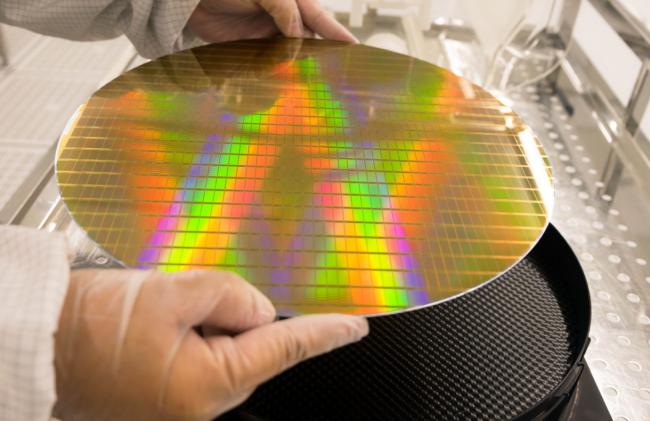
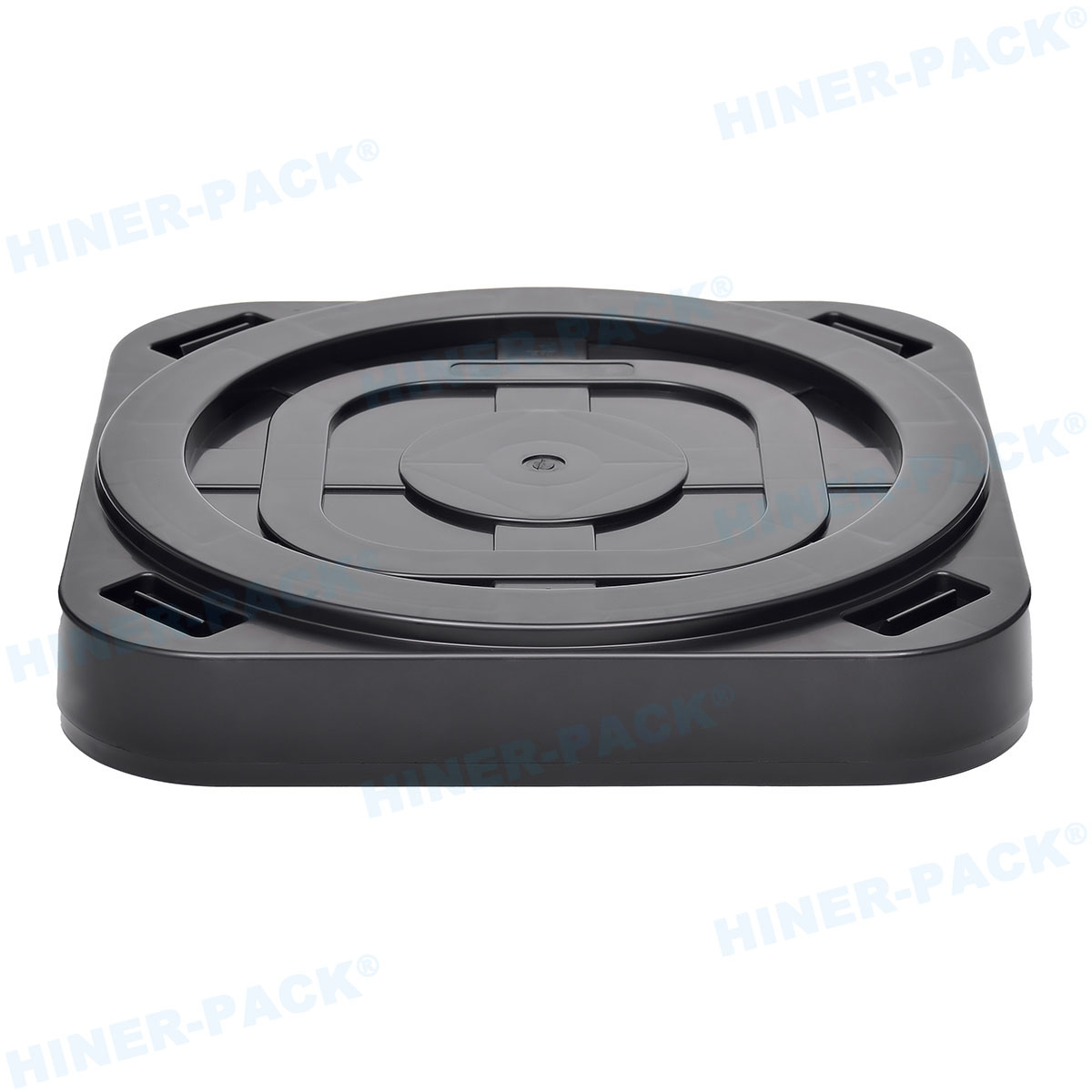
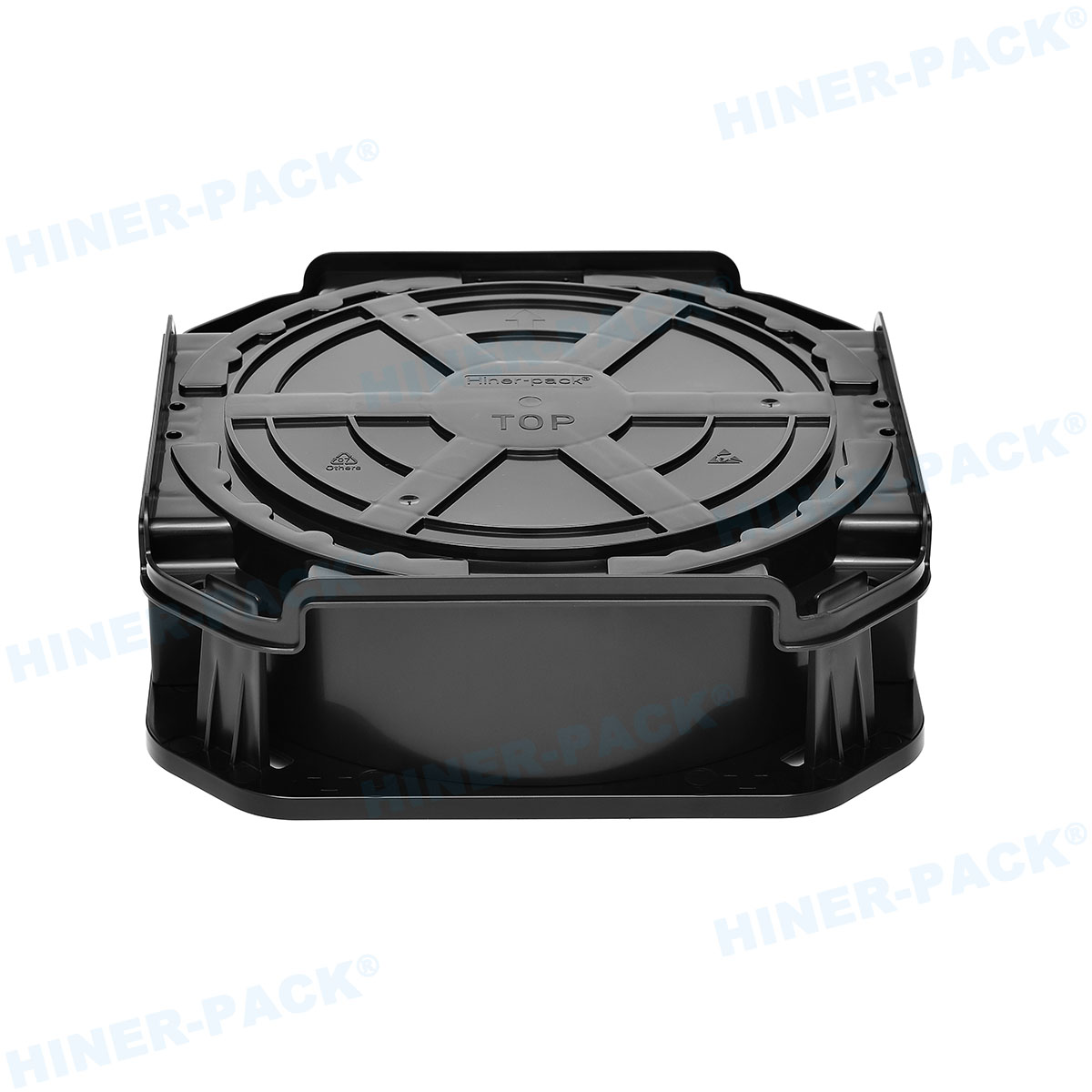
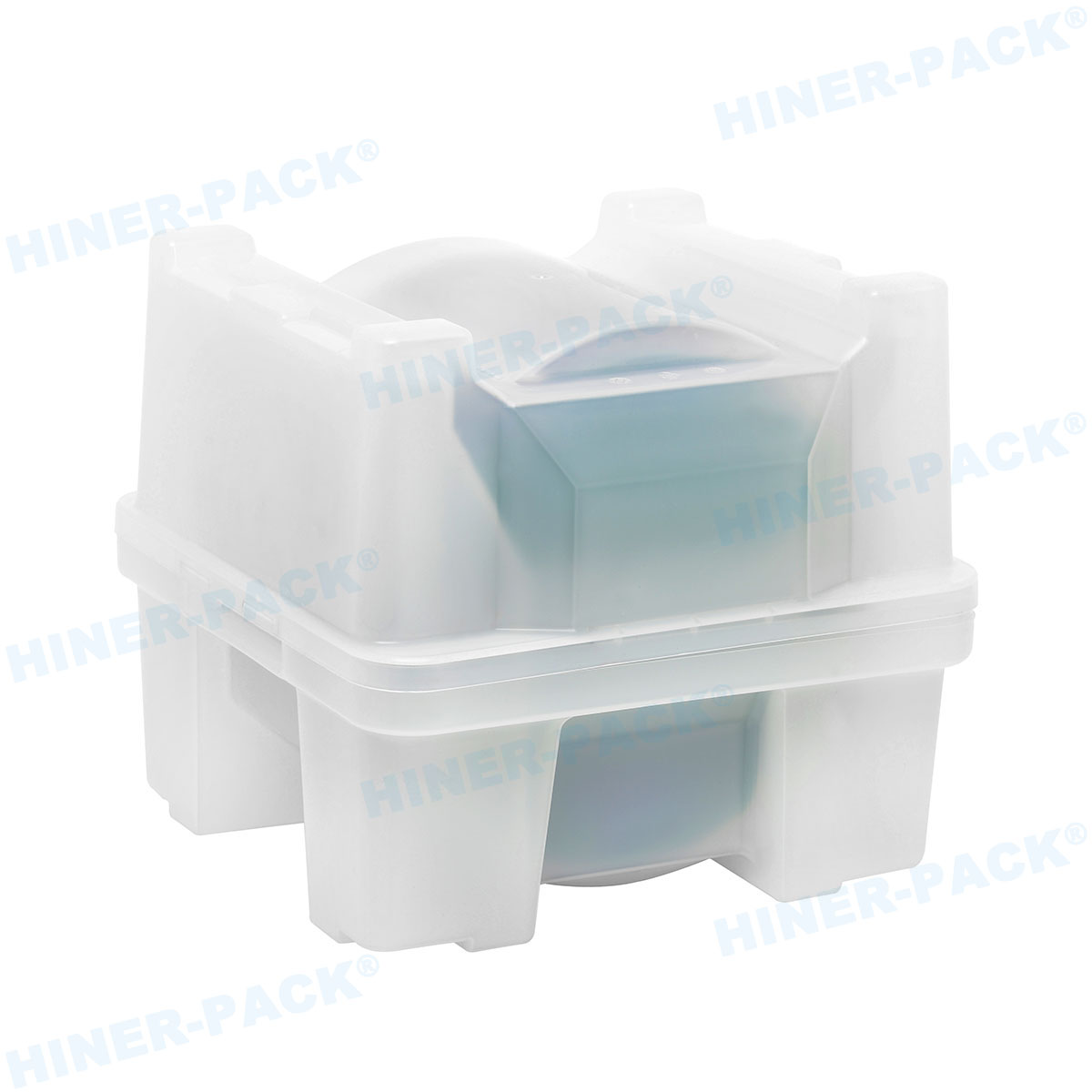
In the high-stakes environment of semiconductor manufacturing and supply chain, the integrity of integrated circuits (ICs) from wafer fab to board assembly is non-negotiable. While JEDEC trays (compliant with standards like EIA-676) provide the foundational carrier for ICs, it is the specialized JEDEC tray accessories that truly safeguard these sensitive devices against mechanical, electrostatic, and environmental threats. This deep technical analysis explores the critical role of these accessories, addressing industry pain points with data-driven solutions and highlighting best practices for optimized semiconductor logistics.
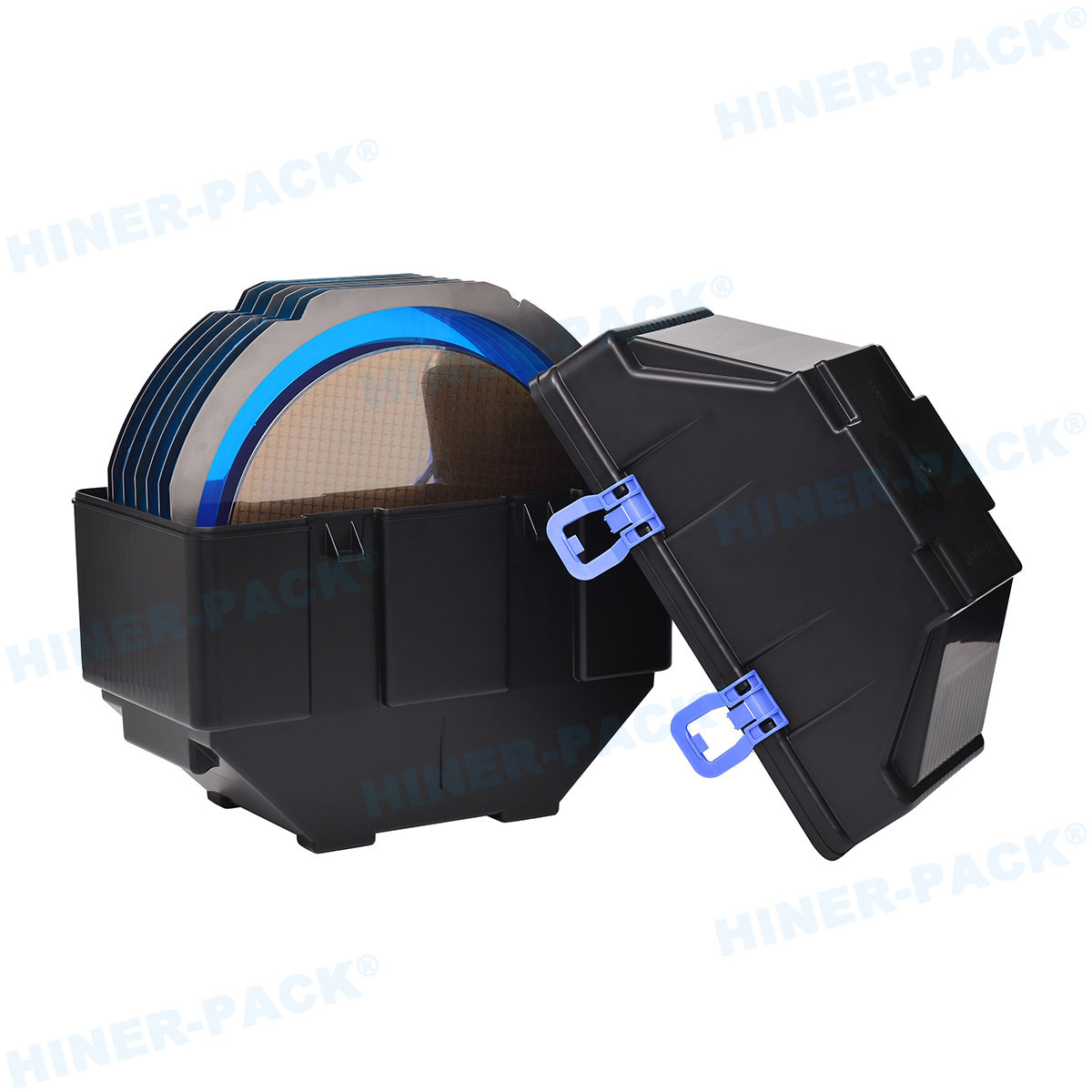
Understanding JEDEC Trays and the Critical Role of Accessories
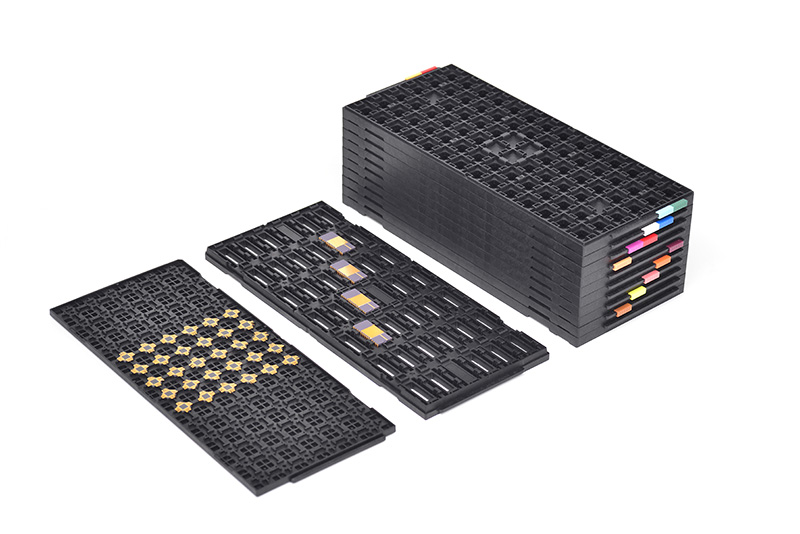
JEDEC trays are rigid, compartmentalized carriers designed to hold ICs in a matrix of pockets. They are standardized to ensure compatibility with automated handling equipment (pick-and-place machines, test handlers) across the global supply chain. However, the bare tray alone cannot mitigate all risks. Accessories are engineered components that complement the tray, providing additional layers of protection and functionality. They range from simple lids to complex moisture-barrier systems, each addressing a specific vulnerability in the IC's journey.
The necessity of these accessories stems from the increasing sensitivity of modern semiconductor packages. For example, fine-pitch BGAs and advanced QFN packages are susceptible to lead damage from vibration during transit, electrostatic discharge (ESD) from improper handling, and moisture-induced cracking (popcorning) during reflow soldering. Without the correct JEDEC tray accessories, manufacturers face yield loss, field failures, and supply chain disruptions.
Key Types of JEDEC Tray Accessories and Their Technical Specifications
The market offers a diverse range of accessories, each engineered to meet specific industry standards and operational requirements. Below, we categorize the most critical types based on their function and material science.
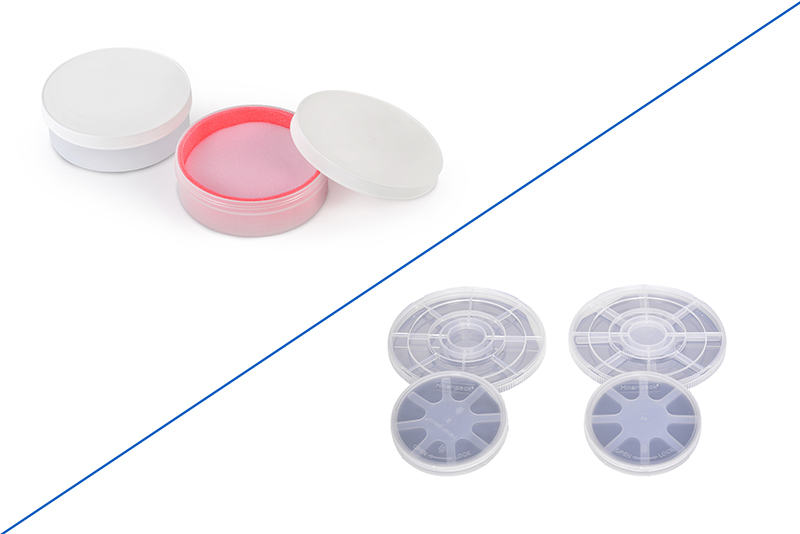
Tray Covers and Lids: Material Science and Design
Protective covers are the first line of defense. They are not mere plastic sheets; they are precision-molded components. Common materials include:
Conductive Polypropylene (PP) or Polycarbonate (PC): These materials incorporate carbon or metallic fillers to achieve a surface resistivity of 103 to 105 Ω/sq, providing a static-dissipative path. They are ideal for ESD-sensitive devices.
Anti-Static (Dissipative) Polymers: With surface resistivity in the range of 106 to 109 Ω/sq, these covers prevent triboelectric charging without providing a direct ground path.
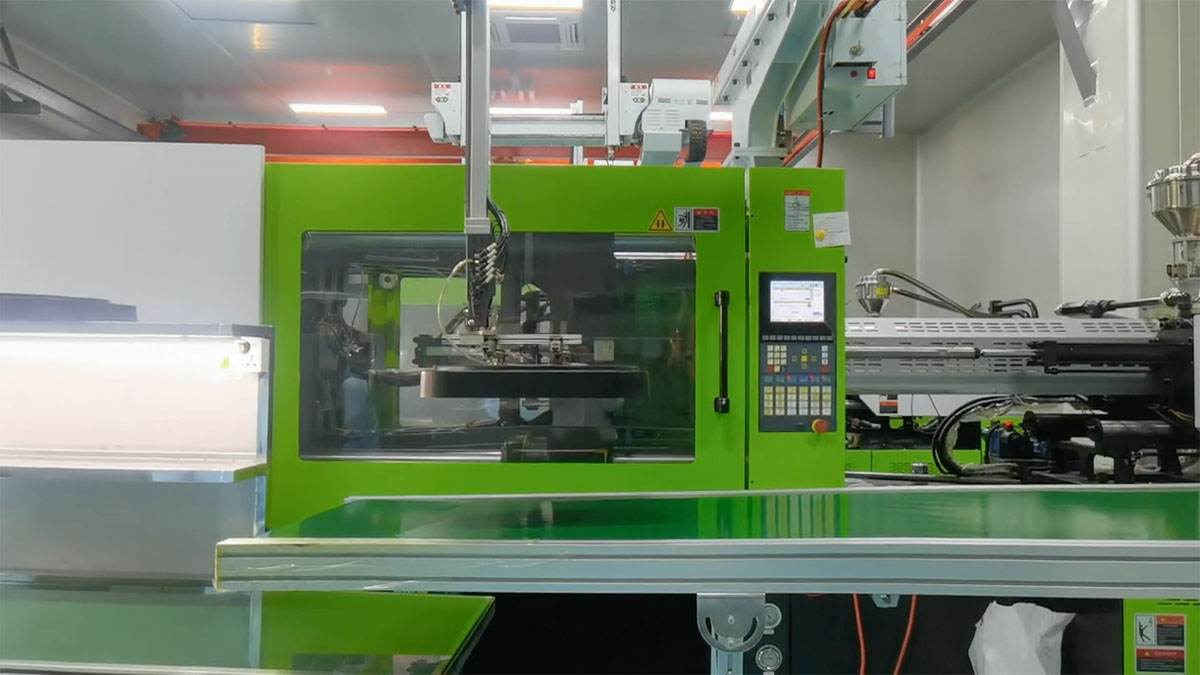
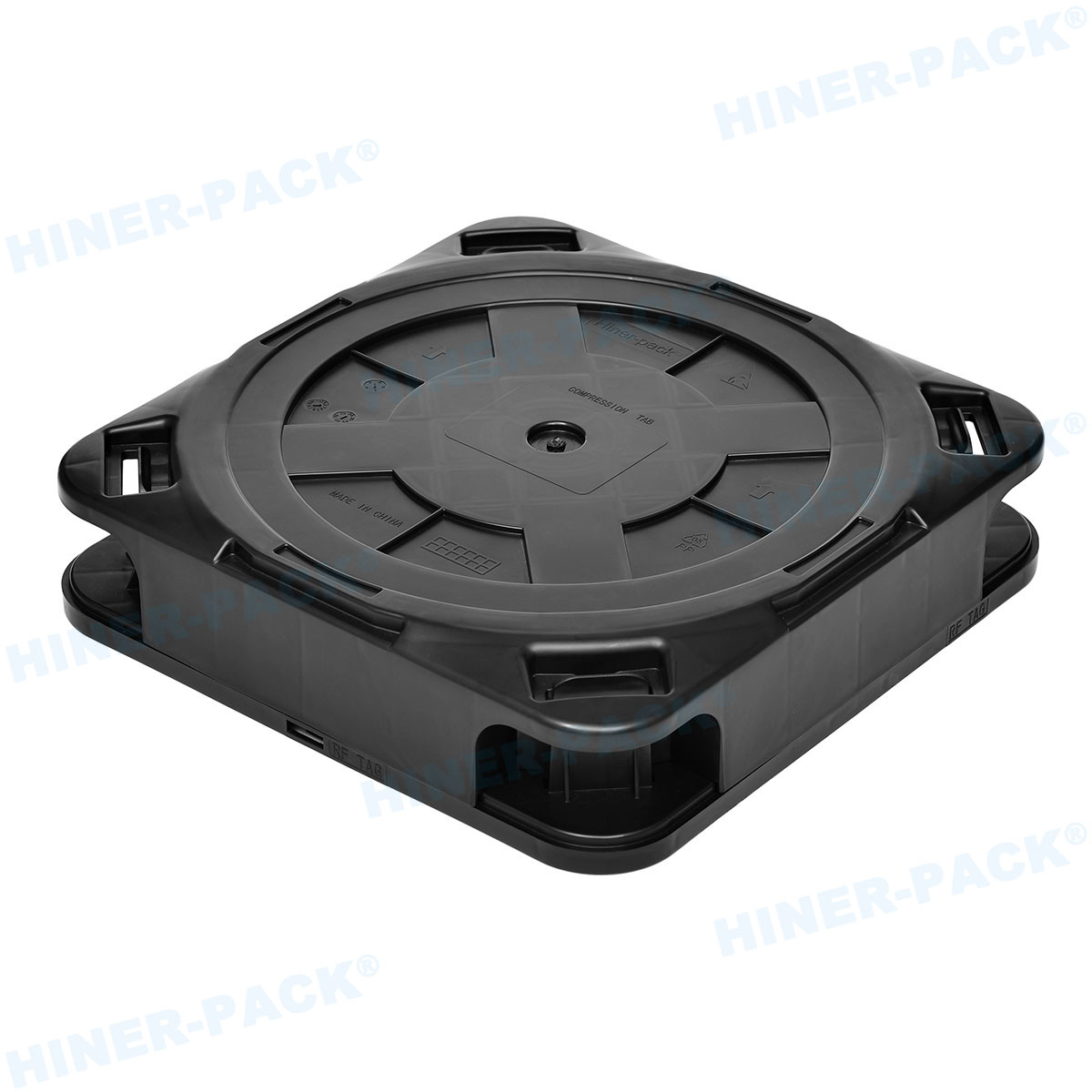
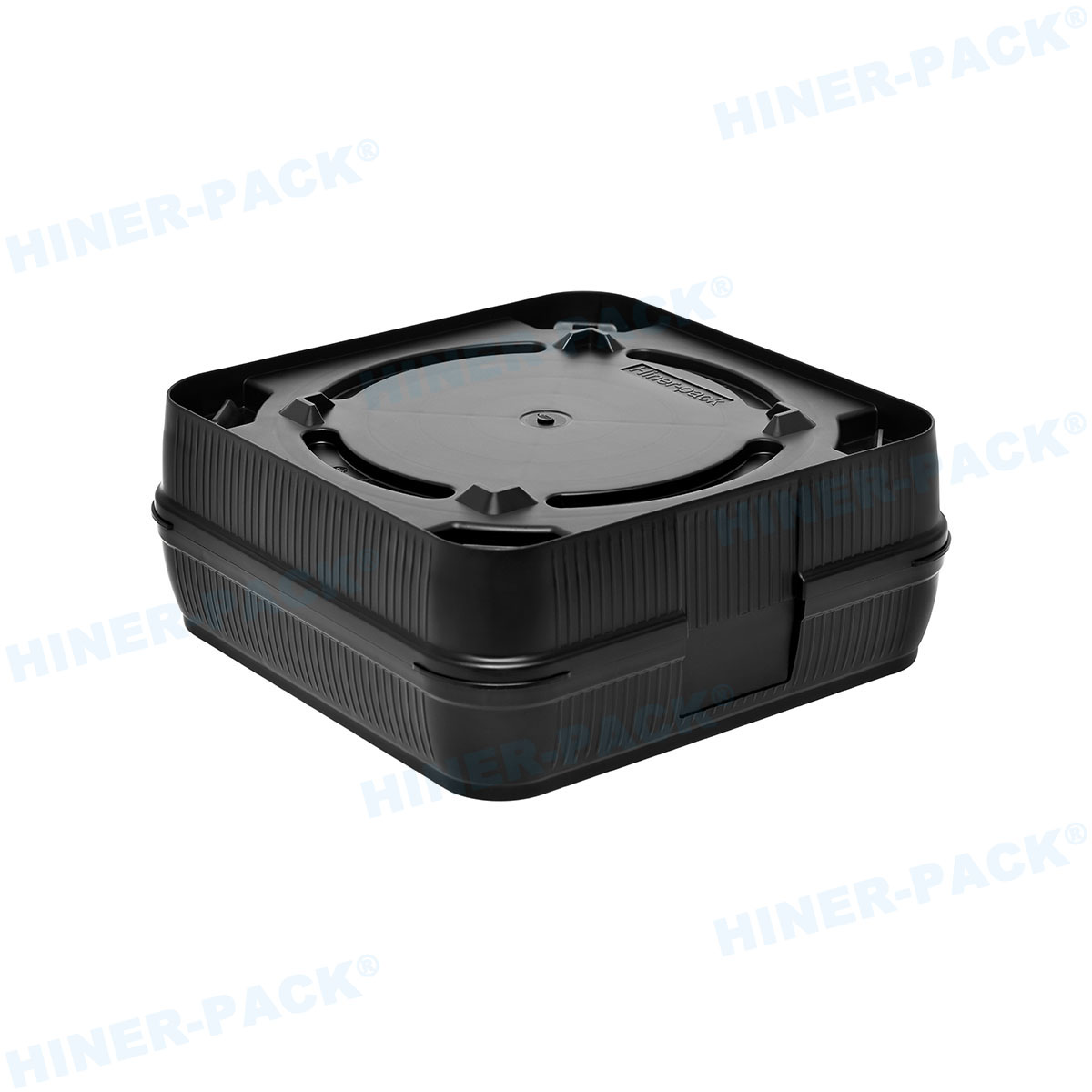
Design features include textured surfaces to prevent cover slippage during stacking, interlocking ribs for stable palletization, and clear windows for visual inspection without removing the cover. Leading suppliers like Hiner-pack offer covers with precise dimensional tolerances (±0.1mm) to ensure compatibility with automated de-lidding equipment.
Retention and Partitioning Accessories
For mixed-load shipments or to secure devices that have a loose fit within standard pockets, retention accessories are crucial. These include:
Retention Clips and Springs: Typically made from conductive foam or spring-steel with ESD coating, these apply gentle downward pressure on ICs, preventing them from jumping out of pockets during vibration.
Divider Bars and Inserts: Used to partition a standard tray into smaller compartments for different device types or to accommodate non-standard package sizes. These are often custom-machined from materials like PEEK or anti-static ABS.
The selection of these accessories directly impacts pick-and-place yields. A misaligned device due to inadequate retention can cause a pick-up failure or, worse, damage to the handler's vacuum nozzle.
Moisture Protection Accessories
Moisture-sensitive devices (MSDs) are classified per IPC/JEDEC J-STD-020. To maintain their floor life, they must be protected from ambient humidity. The standard solution, as defined by J-STD-033, involves a "dry pack" system:
Moisture Barrier Bags (MBBs): These are multi-layer laminated bags (typically including aluminum foil) with a very low Moisture Vapor Transmission Rate (MVTR < 0.02 g/100 in²/day).
Desiccant Packs: Silica gel or molecular sieve desiccants, sized according to the tray stack volume and bag surface area, absorb residual moisture inside the sealed bag.
Humidity Indicator Cards (HICs): These cards contain cobalt chloride-free spots that change color at specific relative humidity levels (e.g., 5%, 10%, 15%), providing a visual confirmation that the safe humidity threshold has not been breached.
Using these accessories in combination is the only way to guarantee that MSLs (Moisture Sensitivity Levels) are maintained during storage and transit.
ESD-Safe Handling Accessories
Beyond covers and bags, a suite of accessories supports ESD-safe protocols in cleanrooms and assembly areas:
Conductive Foams and Cushioning: Used as shock-absorbing layers between tray stacks or as inserts. They must have a low charge generation and a dissipative path.
ESD-Safe Strapping and Banding: To secure stacks of trays on pallets, these bands are made from conductive materials to prevent charge accumulation.
Groundable Tray Stack Holders: These racks or carts are designed to hold multiple trays and provide a common grounding point, ensuring all accessories and trays are at the same electrical potential.
Addressing Industry Pain Points with the Right JEDEC Tray Accessories
The semiconductor industry faces persistent challenges that directly impact profitability. Below, we map these challenges to specific accessory solutions, emphasizing the quantifiable benefits.
Pain Point 1: Physical Damage and Lead Coplanarity Issues
Problem: Vibration and shock during shipping cause ICs to shift, leading to bent leads (for QFPs) or damaged solder balls (for BGAs). Studies indicate that improper retention can contribute to up to 15% of mechanical defects in backend logistics.
Solution: Implementing custom-fitted retention clips and anti-slip tray mats. By applying a consistent, gentle force, these JEDEC tray accessories eliminate device movement. A case study involving a major automotive IDM showed that using Hiner-pack's conductive foam retention pads reduced lead-scan failures by 22% at incoming quality control.
Pain Point 2: Electrostatic Discharge (ESD) Events
Problem: Triboelectric charging during tray handling or transit can generate voltages exceeding 1000V, far above the 100V human body model sensitivity of many advanced ICs.
Solution: Systematic use of conductive or dissipative accessories. This includes not only covers but also the integration of conductive plastics for all handling components. Ensuring that all materials in contact with the tray have surface resistivity below 109 Ω/sq is critical. ANSI/ESD S20.20 compliance is achievable through the correct selection of accessories.
Pain Point 3: Moisture-Induced Failures (Popcorning)
Problem: Exposure to humidity during storage or transport can cause ICs to absorb moisture. During reflow soldering, this moisture rapidly turns to steam, causing internal delamination or external cracking ("popcorning"). The cost of a single field failure can be enormous.
Solution: Adherence to J-STD-033 via a complete dry-pack solution. This involves vacuum-sealing the tray stack inside a moisture barrier bag with an appropriate amount of desiccant (calculated based on bag surface area and seal time) and a humidity indicator card. Data confirms that proper dry-packing can extend the effective storage life of MSL-3 devices from 168 hours (floor life) to over 12 months.
Pain Point 4: Automation Incompatibility
Problem: Adding accessories like covers or dividers can sometimes interfere with the dimensional specifications of the JEDEC stack, causing jams in automated storage and retrieval systems (ASRS) or pick-and-place machines.
Solution: Precision engineering. Accessories must be designed with tolerances that respect the overall stack height and footprint. JEDEC tray accessories from reputable suppliers are molded to exacting standards, ensuring that a covered tray still fits within standard magazine slots and that pick-and-place nozzles can access devices without obstruction.
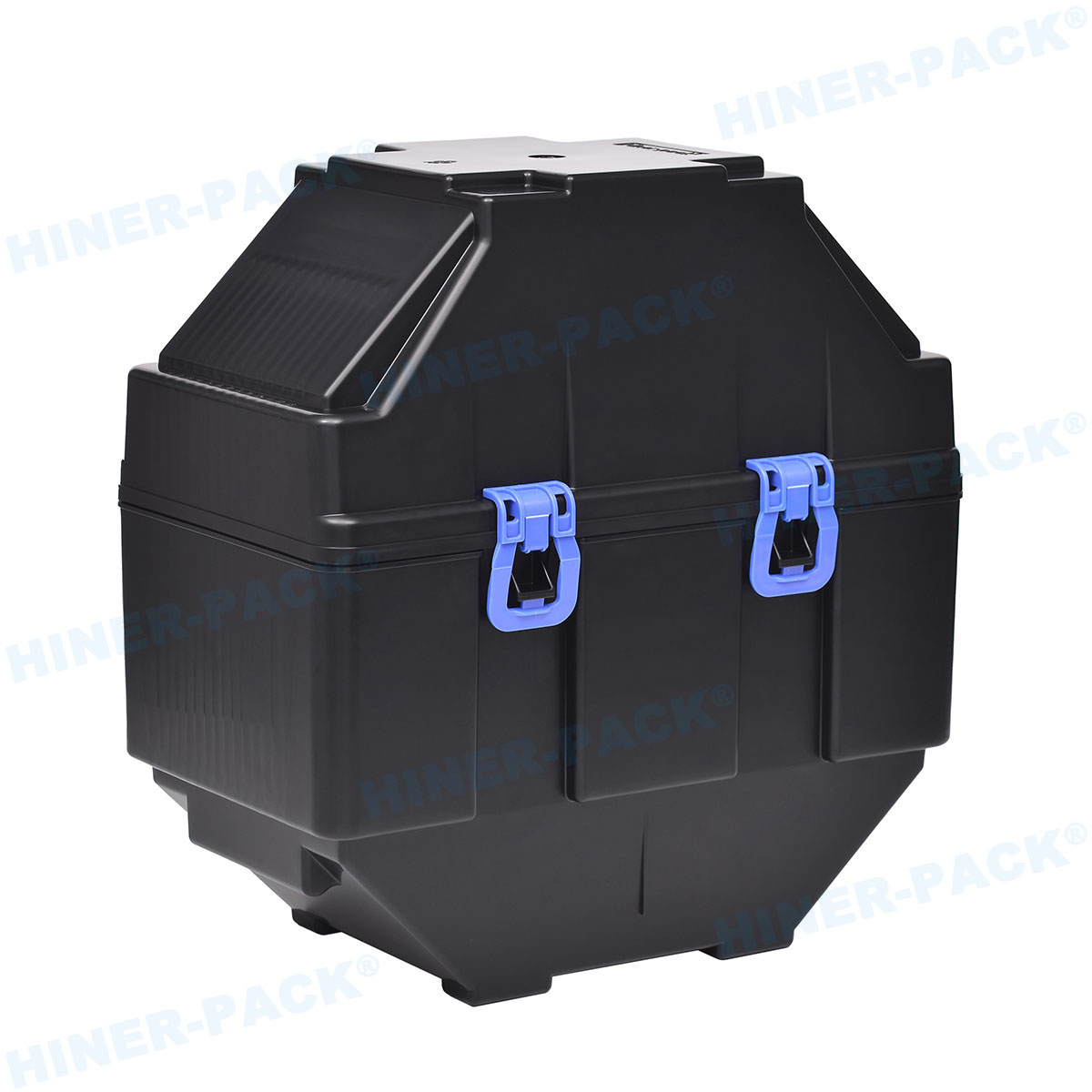
Case Study: Optimizing Supply Chain Efficiency with Hiner-pack's Comprehensive Accessory Solutions
A leading outsourced semiconductor assembly and test (OSAT) provider faced recurring issues with device damage and ESD failures in their high-volume manufacturing line. Their existing process used standard JEDEC trays with generic, non-specialized covers. After a thorough audit, they partnered with Hiner-pack to implement a holistic accessory strategy.
Implementation: Hiner-pack provided custom-designed, low-outgassing conductive covers for sensitive RF devices, along with precision-cut anti-static divider bars for mixed-package trays. For moisture-sensitive logic ICs, they introduced a standardized dry-pack procedure using Hiner-pack's certified moisture barrier bags and pre-conditioned desiccants.
Quantifiable Results: Over a six-month period, the OSAT reported:
A 30% reduction in handling-related mechanical defects.
Zero ESD-related failures attributed to transport or storage.
A 15% increase in automated handling throughput due to reduced jams caused by ill-fitting covers.
Full compliance with J-STD-033 for MSD control, eliminating a previous source of customer audits.
Best Practices for Selecting JEDEC Tray Accessories
Choosing the correct accessories is a technical decision that impacts yield and reliability. Consider these guidelines:
Match Accessory to Device Sensitivity: For ESD-sensitive devices, prioritize accessories with verified surface resistivity and grounding points. For MSDs, always pair trays with a complete dry-pack solution.
Verify Dimensional Compatibility: Ensure that the accessory does not alter the tray's critical dimensions. The overall stack height should not exceed specifications for your automated equipment.
Prioritize Material Purity: In cleanroom environments, accessories must be made from low-outgassing, non-contaminating materials. Look for certification regarding ionic contamination levels.
Consider Customization: Standard accessories may not fit all needs. Partnering with a manufacturer like Hiner-pack, which offers custom molding and design services, can provide a perfect fit for unique device geometries or handling requirements.
Audit and Certify: Regularly audit your accessory supply chain. Request material data sheets and test reports to ensure consistent quality and compliance with standards like EIA-676 and J-STD-033.
Frequently Asked Questions (FAQs) about JEDEC Tray Accessories
Q1: What are JEDEC tray accessories and why are they necessary?
A1: JEDEC tray accessories are specialized components—such as covers, retention clips, moisture barrier bags, and desiccants—that enhance the functionality of standard JEDEC trays. They are necessary to protect sensitive ICs from physical shock, electrostatic discharge, moisture ingress, and contamination during storage, handling, and global transport. Without them, semiconductor devices are at high risk of damage and failure.
Q2: How do I choose the right accessory for moisture-sensitive devices (MSDs)?
A2: For MSDs, you must follow the IPC/JEDEC J-STD-033 standard. This requires a moisture barrier bag (MBB) with a very low MVTR, an appropriately sized desiccant pack (calculated based on the bag's surface area), and a humidity indicator card (HIC) to verify conditions. The entire tray stack must be vacuum-sealed inside the bag to create a dry environment.
Q3: Can JEDEC tray accessories help with ESD protection?
A3: Absolutely. ESD-safe accessories are designed with conductive or dissipative materials (e.g., carbon-loaded polymers) that have a controlled surface resistivity (typically 103 to 109 Ω/sq). These accessories, including covers, foams, and strapping, provide a path for static charges to dissipate, preventing damaging ESD events. They are essential for ANSI/ESD S20.20 compliance.
Q4: Are custom-sized accessories available for non-standard JEDEC trays or special devices?
A4: Yes, leading suppliers like Hiner-pack offer custom design and manufacturing services. They can create custom inserts, divider bars, and even bespoke covers to accommodate non-standard tray sizes, odd-shaped components, or specific automation requirements, ensuring optimal protection and handling.
Q5: How often should desiccant or humidity indicators be replaced?
A5: Desiccant packs are typically single-use and must be replaced every time a moisture barrier bag is opened. Humidity indicator cards should be replaced when any spot indicates a change beyond the acceptable humidity threshold (e.g., if the 10% spot turns pink, the humidity inside exceeded 10%). Following J-STD-033, if the indicator shows exposure, the devices may need to be baked before use.
Q6: Do accessories affect the dimensional integrity of JEDEC trays in automated handling?
A6: They can, if not designed correctly. High-quality accessories are engineered with tight tolerances to ensure the overall stack height and footprint remain within JEDEC specifications. This ensures compatibility with automated pick-and-place machines, test handlers, and storage systems. It's critical to source accessories from suppliers who understand these mechanical interface requirements.
In conclusion, the selection of appropriate JEDEC tray accessories is not a peripheral consideration but a core component of semiconductor logistics and quality assurance. By understanding the technical nuances and leveraging engineered solutions from trusted partners like Hiner-pack, manufacturers can significantly reduce risk, improve yield, and ensure the reliability of their devices from fab to end-user.