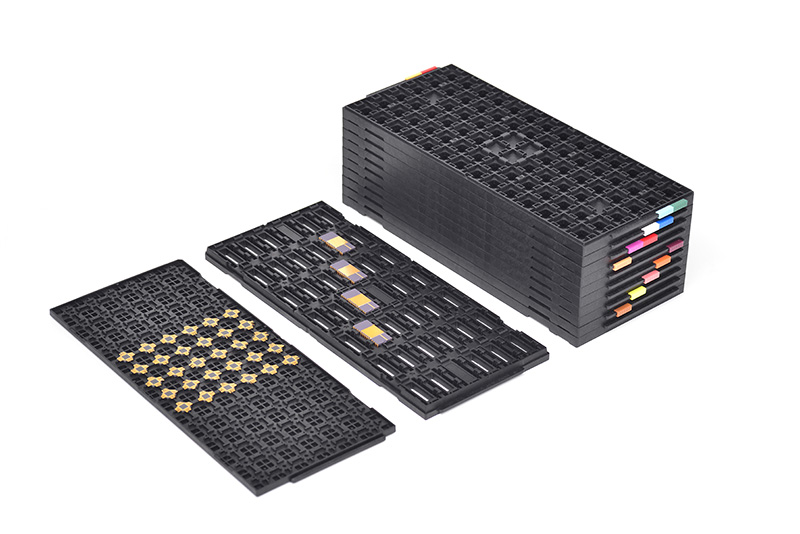
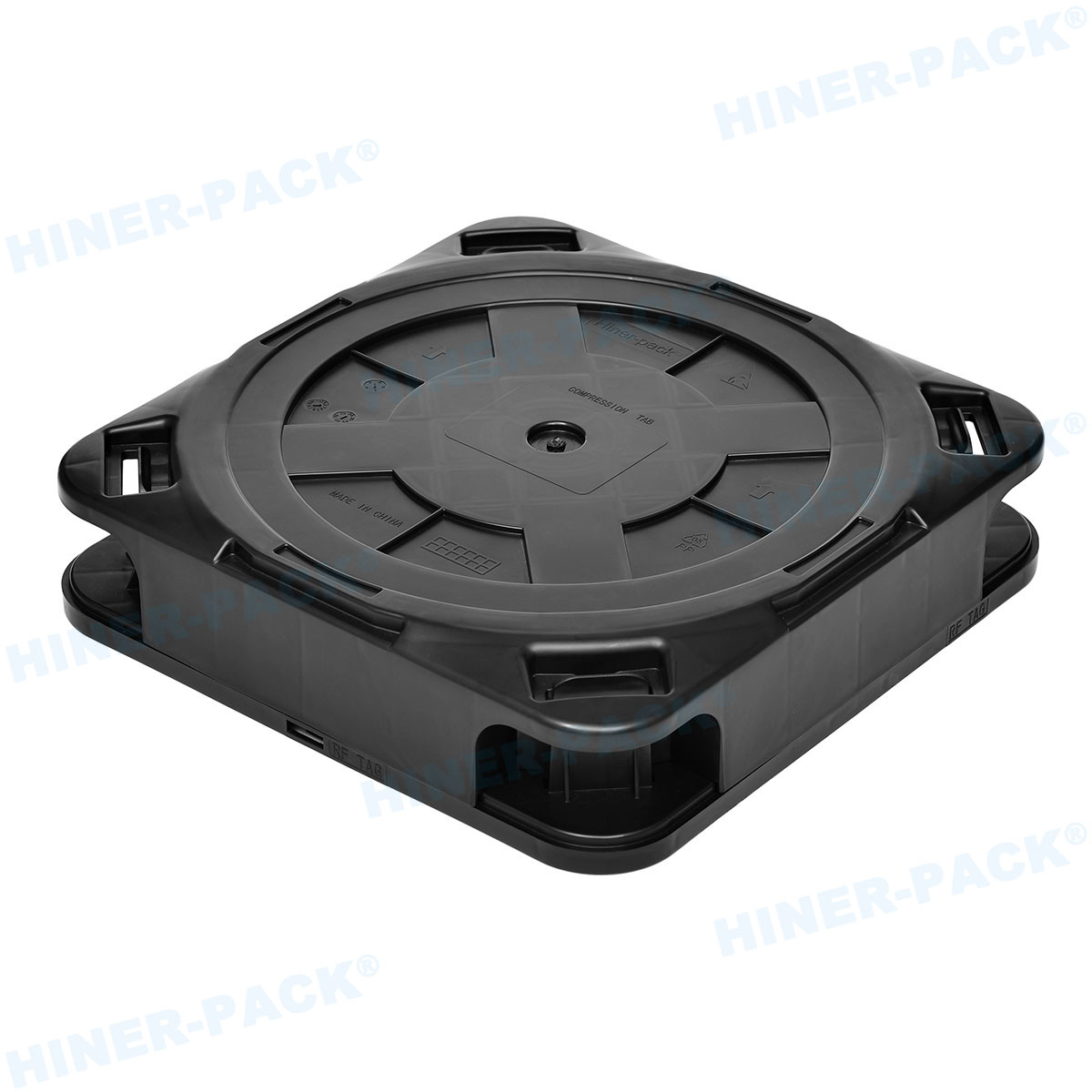
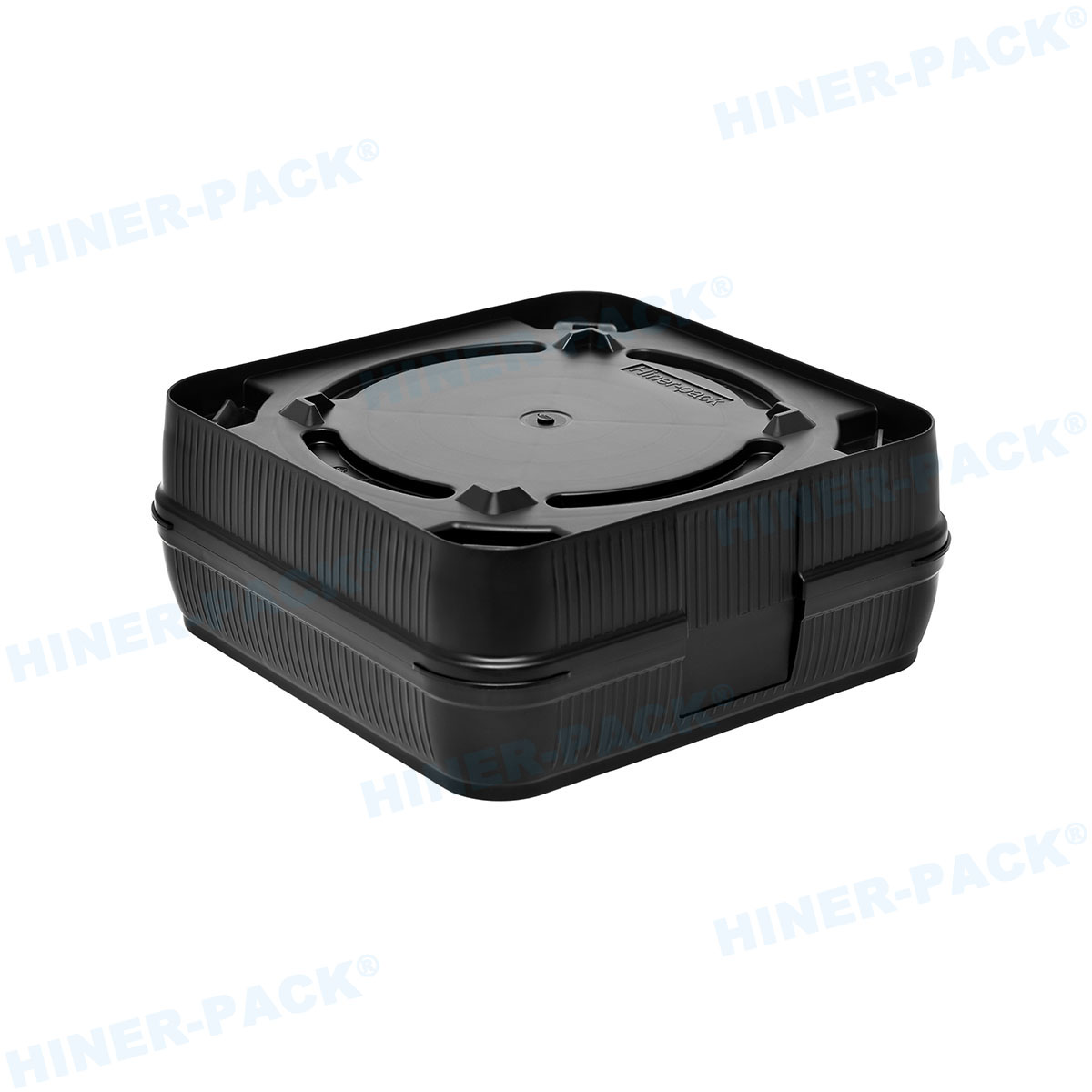
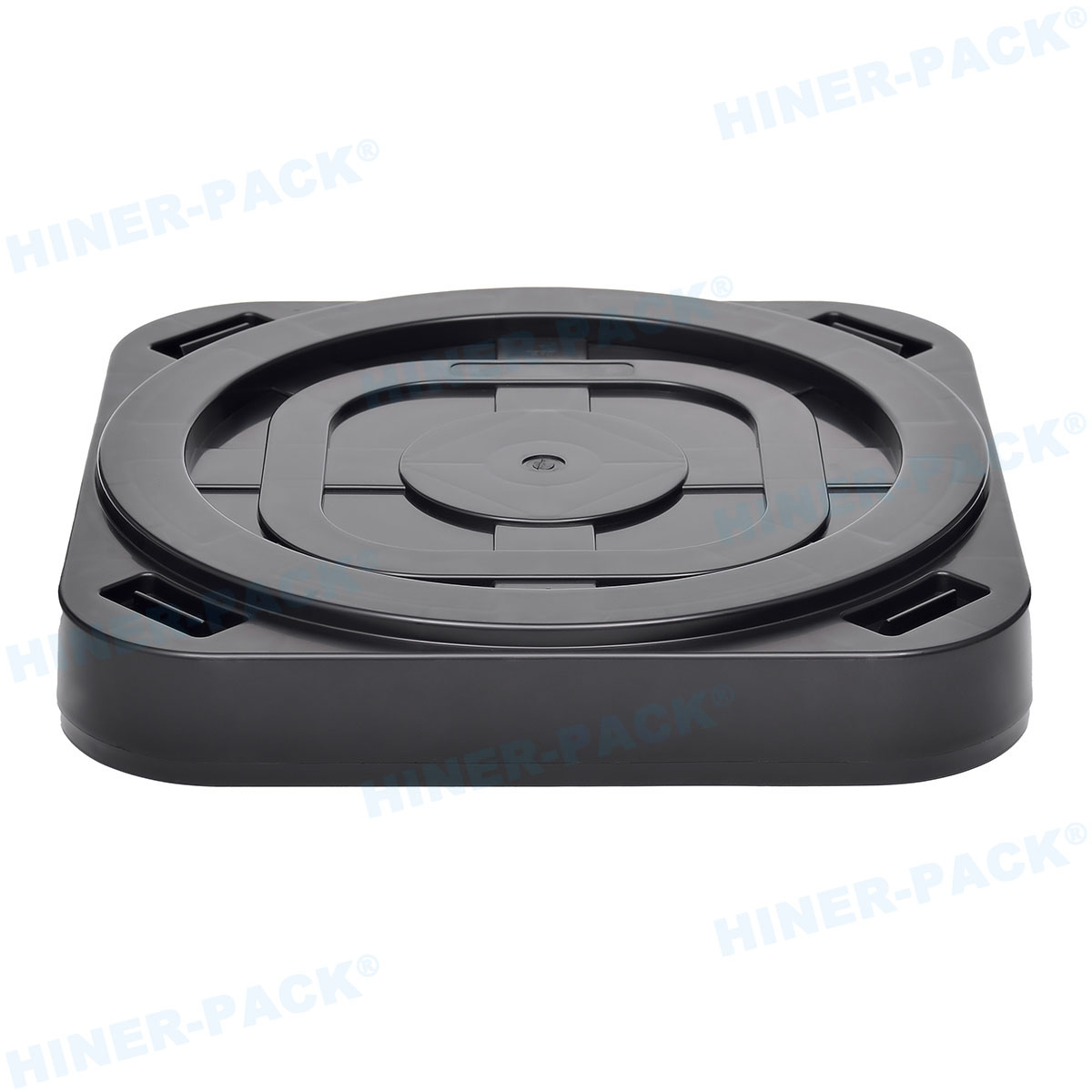
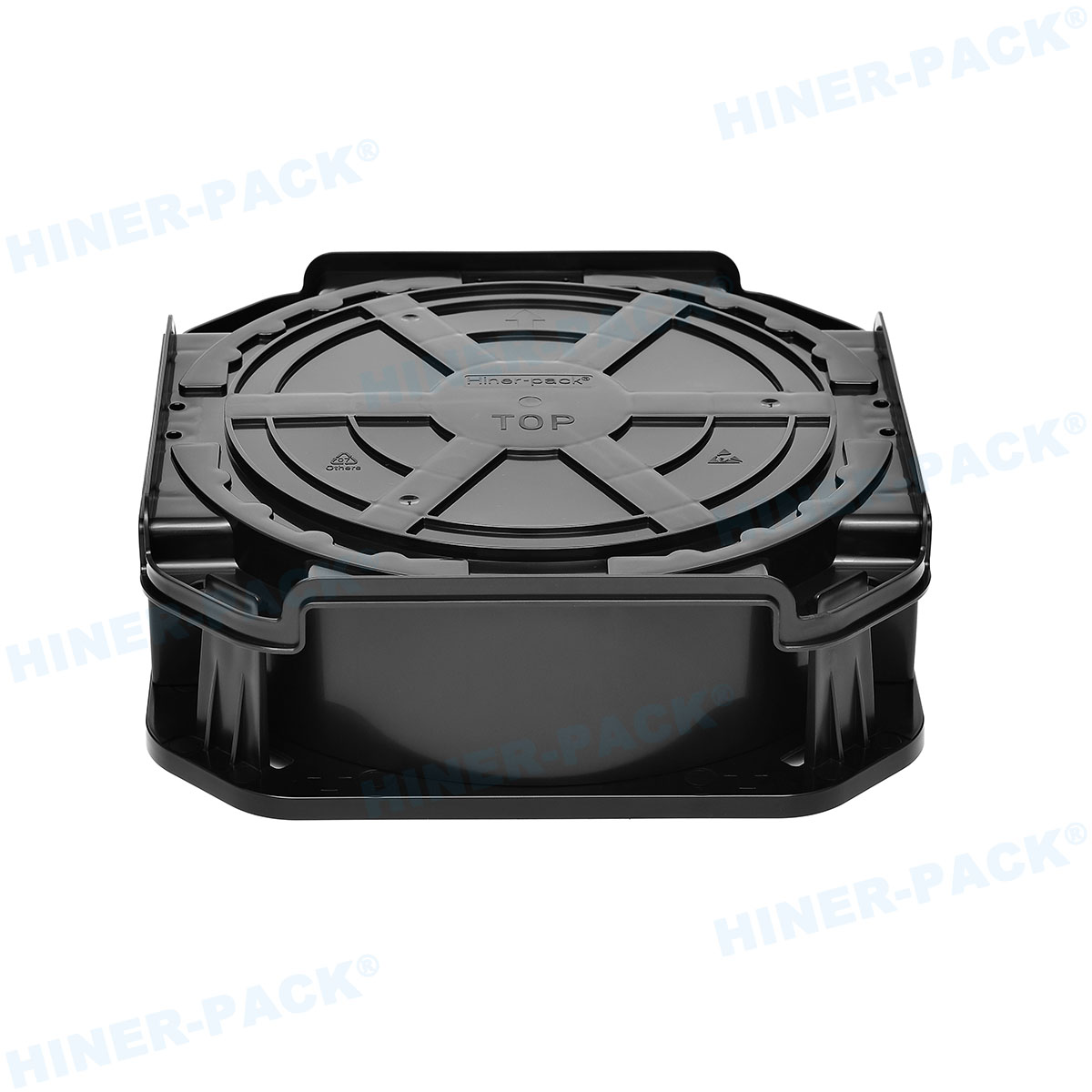
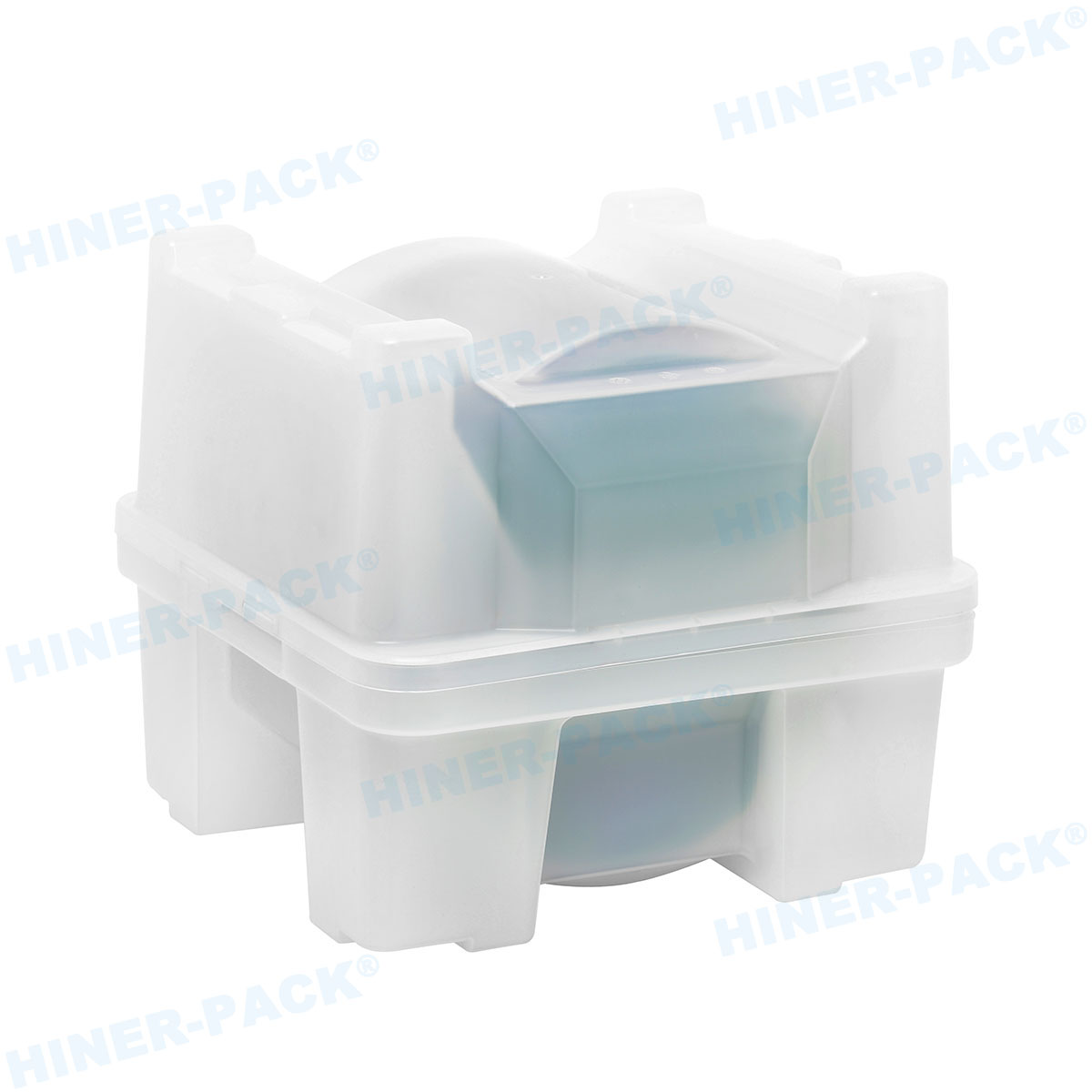
In high-volume IC handling, JEDEC trays transport sensitive components through baking, testing, and surface-mount assembly. The integrity of a stacked tray magazine depends entirely on the retention system used. JEDEC tray clips serve as the primary mechanical interface to secure multiple trays during thermal cycling, vibration-prone conveyors, and robotic magazine loading. This technical reference covers clip geometry standards, performance under 150°C bake cycles, and failure mode analysis. For procurement engineers, selecting the correct clip reduces device shift and handling damage by over 60% in automated lines.
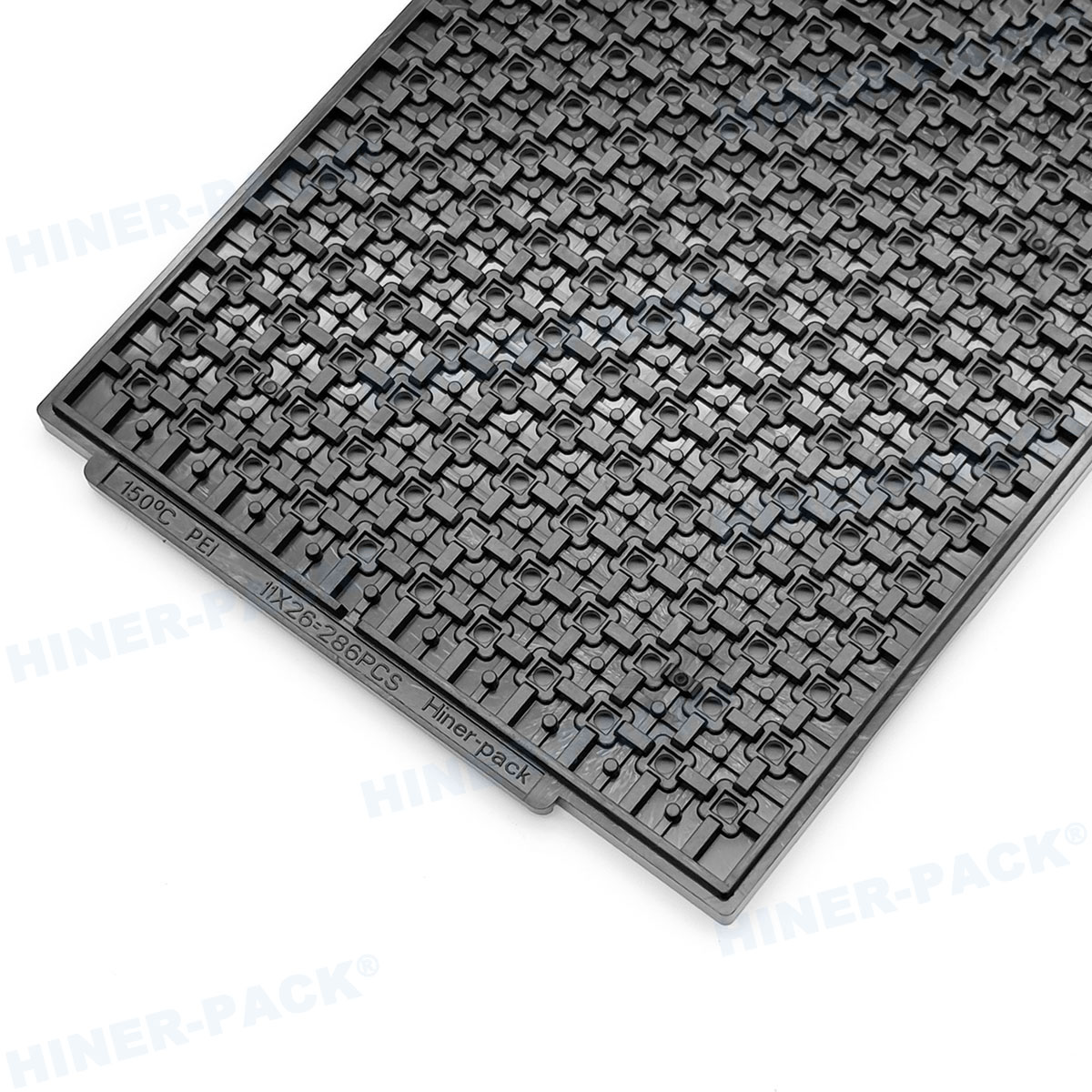
1. Why Dedicated JEDEC Tray Clips Replace Adhesive Tapes or Loose Straps
Many IC subcontractors initially use stretch wrap or elastic bands to hold tray stacks. These methods introduce three documented risks: trapped moisture causing reflow defects, electrostatic discharge (ESD) from non-dissipative polymers, and inconsistent clamping force leading to tray warpage. Engineered JEDEC tray clips eliminate these variables through controlled interference fit and fixed retention depth. Standard clips are injection-molded from carbon-dissipative polymers or stainless steel, matching JEDEC tray corner ramps and edge guides defined in Publication 95.
Clamping force consistency: ±0.5 N repeatability across 10,000 cycles.
Temperature range: -40°C to +150°C continuous.
ESD path: Surface resistivity ≤10⁸ Ω/sq, grounding the tray stack through magazine rails.
Footprint efficiency: Clips add less than 1 mm to stack height, fitting standard 27 mm magazine slots.
Hiner-pack offers JEDEC tray clips fully validated to EIA-541 and ANSI/ESD S20.20. Compared to universal latches, these clips incorporate JEDEC-specific locking tabs that interact with tray notches, preventing rotation during horizontal acceleration.
2. Technical Specifications of JEDEC Tray Clips
Three design families dominate semiconductor fabs: cantilever spring clips, rotating lever clips, and fixed strap clips with ratchet locking. Performance criteria are measured per JEDEC JESD9 (test method for component handling accessories).
2.1 Material Selection for Thermal and ESD Demands
Most JEDEC tray clips are made from polyetheretherketone (PEEK) with conductive filler (carbon black or carbon fibers) for continuous use at 150°C. Lower-cost versions use glass-filled polycarbonate (PC) with antistatic coating, but coating wear after 50 cycles reduces reliability. For cleanroom applications, PEEK clips are preferred because of low particle generation (≤10 particles >0.5 µm per cm², per IEST-RP-CC003.4).
Stainless steel (spring-temper 301 or 304) clips are selected for high-temperature burn-in (200°C+) and corrosive environments (sulfur-rich assembly sites). However, metal clips require an ESD grounding path and may scratch tray surfaces. Hybrid designs – metal clip with polymer overmold – balance durability and non-marring requirements.
2.2 Dimensional Compatibility with JEDEC Trays
Tray corner radius (typically 2.5 mm or 3 mm) and sidewall draft angles (3°–5°) determine clip engagement. A correctly engineered JEDEC tray clip includes a lead-in chamfer of 15° to self-align during manual or robotic attachment. Clip grip range must accommodate tray stack heights from 4 trays (≈20 mm) up to 12 trays (≈60 mm). Common commercial clips provide 5 mm to 20 mm adjustable clamping width via stepped notches.
2.3 Mechanical Life and Retention Force
Specification sheets should list: insertion force ≤15 N, extraction force 8–12 N, and maximum repeated cycles ≥5,000 without permanent deformation (deflection <0.2 mm). Poor quality clips lose 40% of retention force after 500 thermal cycles of 25°C ⇄ 125°C due to stress relaxation. High-performance PEEK compounds maintain >90% of original force. Hiner-pack provides life-test reports per ASTM D638, verifying cycle counts for each production batch of JEDEC tray clips.
3. Integration into Automated IC Handling Systems
Modern SMT lines use magazine loaders (e.g., Mühlbauer, Advantest, Seiko Epson) that automatically destack JEDEC trays. The clips must be compatible with optical sensors (reflective markers) and robotic grippers. Three integration requirements are often overlooked:
Clip profile: No protrusions beyond tray width (322 mm) or length (136 mm).
End-of-arm tooling access: At least 5 mm clearance for vacuum or mechanical grippers.
Magnetic interference: Metal clips affect Hall-effect sensors used for tray presence detection – ferritic stainless steel grades (430) are acceptable; austenitic grades (304) require sensor recalibration.
For fully automated fabs, JEDEC tray clips with embedded RFID tags are available to track stack ID, bake time, and MSL exposure. Hiner-pack supplies these smart clips pre-programmed to JEDEC manufacturing data matrix standards.
4. Industry Pain Points: Clip Failures and Field Remedies
Based on failure analysis reports from three OSATs (outsourced semiconductor assembly and test providers), the top five clip-related issues are:
Pain Point 1 – Clip fracture during -40°C cold
soak
Standard PC clips become brittle below 0°C. Solution: Specify
PEEK or glass-filled PPS with notched Izod impact strength >10 kJ/m² per ISO
180. Hiner-pack validates low-temperature performance for every
shipment.
Pain Point 2 – Loss of clamping force after 150°C
baking
Absorption of moisture and subsequent outgassing alters
polymer viscoelasticity. Solution: Pre-condition clips at 125°C for 4 hours
before first use. Use clips with <0.1% water absorption (PEEK, PEI).
Pain Point 3 – Scratched tray surface causing particle
contamination
Solution: Specify overmolded silicone contact pads on
clip jaws. The pads also increase coefficient of friction (COF >0.5) to
prevent tray sliding.
Pain Point 4 – Incompatibility with JEDEC tray sidewall notches
(varying supplier tolerances)
Solution: Choose clips with
spring-loaded detents that accommodate notch depth variations of ±0.3 mm.
Fixed-position clips cause misfit.
Pain Point 5 – Accidental clip dislodgment during conveyor
transfer
Solution: Secondary locking mechanism – such as a
push-button latch or captive pin – moves the clip from a passive to an active
locked state. Many JEDEC tray clips from
Hiner-pack feature a two-stage engagement that requires 20 N
lateral force to release.
5. Comparison of JEDEC Tray Clips vs. Alternative Stack Retention Systems
Three other methods exist but each has documented drawbacks for RFIC and memory module logistics:
Heat-shrink bands: Inconsistent tension, leave adhesive residues, single-use, not ESD-safe.
Magnetic corner holders: Effective for metal trays but interfere with automated wafer sorters; also create stray fields affecting RF calibration.
Interlocking tray ribs: Require proprietary tray designs, no flexibility for mixed tray heights from different JEDEC suppliers.
Reusable JEDEC tray clips provide the lowest total cost of ownership when amortized over 1,000+ cycles. Each clip can secure up to 12 standard JEDEC trays (e.g., 322x136 mm) with a payload of 2.5 kg. This represents a 70% reduction in consumable costs compared to single-use strapping.
6. Quality Standards, Testing Protocols, and Certifications
Before purchasing JEDEC tray clips, the following documents should be requested from your supplier:
ESD TR53 compliance report – surface resistivity and tribocharge (≤100 V).
JEDEC JESD22-A105C thermal cycling (1,000 cycles -40°C to +150°C) with retention force measurement.
Particle cleanliness per SEMI E46-0317 (≤100 particles >0.5 µm per clip after ultrasonic cleaning).
REACH and RoHS 3 declaration (2015/863/EU).
Hiner-pack maintains a fully documented quality management system (ISO 9001:2015 with IATF 16949 automotive supplement). Every batch of JEDEC tray clips is accompanied by a certificate of conformance listing dimensional measurements from CMM (coordinate measuring machine) and extraction force data from a calibrated force gauge.
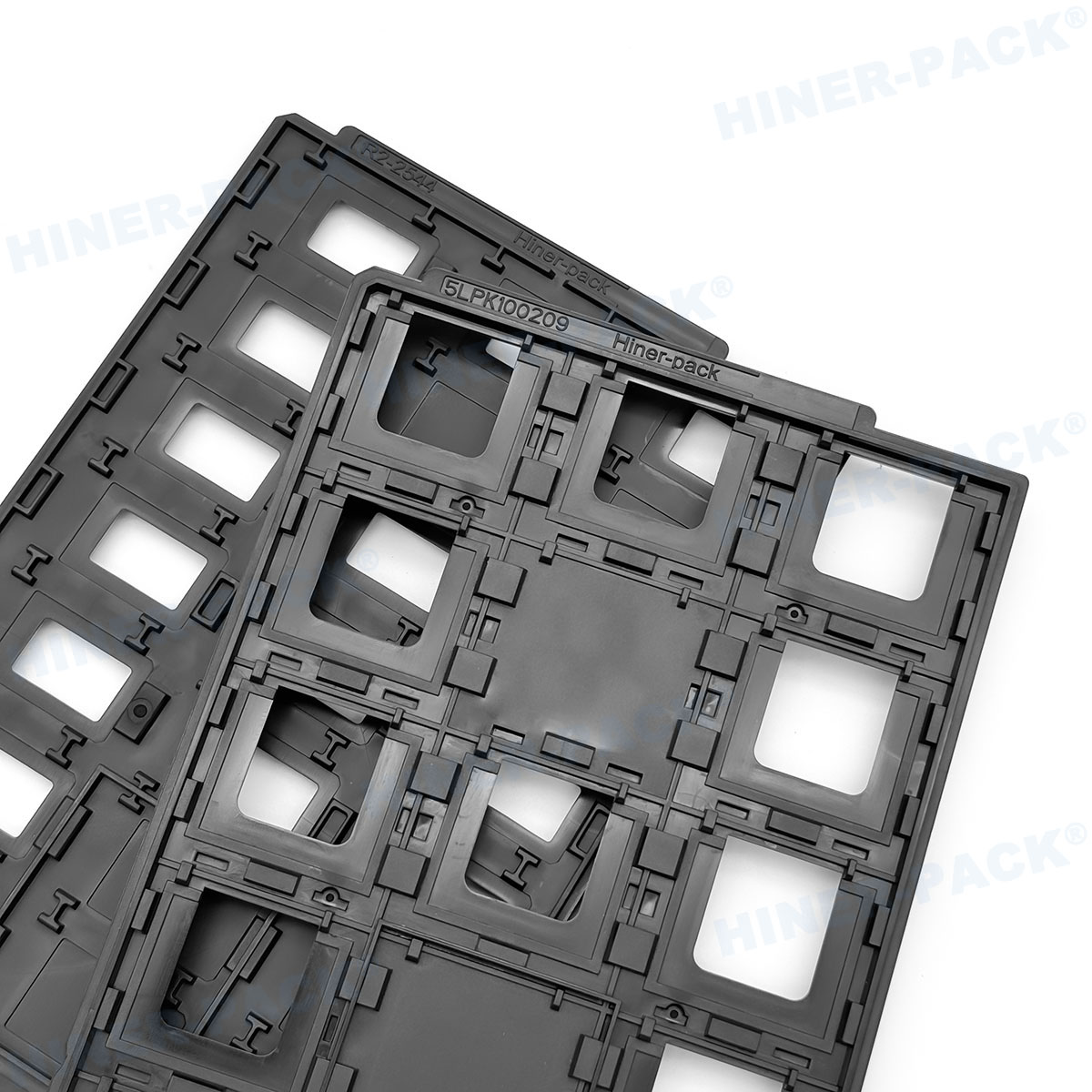
7. Optimizing JEDEC Tray Clip Selection for High-Reliability Applications
Automotive radar RFICs, aerospace FPGAs, and medical ASICs impose stricter requirements. In these segments, clips must also pass:
Tin whisker mitigation (no pure tin plating on metal clips).
Outgassing per ASTM E595 (total mass loss ≤1.0%, collected volatile condensable materials ≤0.1%).
Cleanroom compatibility – clips vacuum-baked and double-bagged in Class 100 environment.
Hiner-pack offers a custom design service: from 3D scanning of your existing JEDEC trays to rapid prototyping (7 days) and injection-molding tooling (14–20 days). This is especially valuable when dealing with non-standard JEDEC outlines from some Asian tray manufacturers.
8. Frequently Asked Questions (FAQs) About JEDEC Tray Clips
Q1: Can JEDEC tray clips be used on trays that have already been
warped by prior baking?
A1: Trays with warpage
>0.3 mm over 100 mm length will not provide a reliable interlock. Test using
a surface plate; if warpage exceeds the clip’s grip range (typically 1 mm
tolerance), replace the trays first. Using clips on warped trays accelerates
clip fatigue.
Q2: Are metal JEDEC tray clips allowed in automated ESD-protected areas? A2: Yes, provided the metal is grounded via a conductive path (e.g., contact with ESD mat or magazine rail). For automated handlers, use stainless steel clips with a dedicated grounding lug, or select carbon-filled polymer clips to avoid ESD risks entirely.
Q3: How do I clean JEDEC tray clips that have flux residue or solder splashes? A3: Immerse in a 10% isopropyl alcohol (IPA) solution for 10 minutes, then scrub with a ESD-safe brush and rinse with deionized water. Do not use chlorinated solvents (e.g., acetone) as they degrade PEEK and polycarbonate. Air-dry at 50°C for 1 hour before reuse.
Q4: What is the standard color coding for JEDEC tray clips? A4: No JEDEC mandate exists. However, industry convention uses: black or blue for dissipative clips (ESD-safe), green for high-temperature (150°C+), and red for cleanroom certified. Color does not affect performance but helps visual sorting in mixed-material environments.
Q5: Can I get JEDEC tray clips with integrated RFID for smart inventory tracking? A5: Yes. Hiner-pack produces clips molded with an epoxy-encapsulated UHF RFID tag (ISO 18000-6C). These store tray stack ID, bake cycle count, and batch numbers. The tag withstands 150°C for 48 hours and can be read from 50 cm distance.
9. Technical Inquiry and Procurement Support
Selecting the correct JEDEC tray clips directly impacts IC handling yield, machine uptime, and compliance with customer ESD audits. Whether you need standard clips for volume memory modules or custom-engineered clips with overmolded silicone pads for delicate RF substrates, validated data sheets and sample testing are necessary before full deployment.
Request a quote or engineering sample kit – Hiner-pack supplies JEDEC tray clips with full material declarations, 5,000-cycle life test reports, and ESD verification. For volume orders, our application engineers will recommend the optimal clip material (PEEK, conductive ABS, stainless steel) based on your thermal profile and handling system. Fill out the inquiry form with your JEDEC tray dimensions, maximum stack height, and required clamping force. Click here to start your technical inquiry → [https://www.waferboxes.com/contact]
© 2026 Hiner-pack – Precision semiconductor logistics hardware.