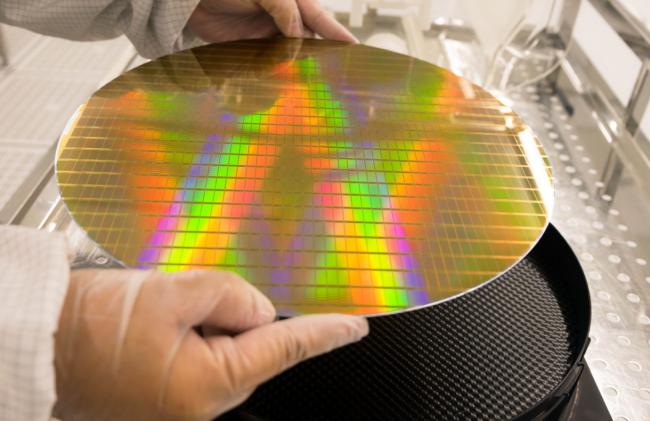
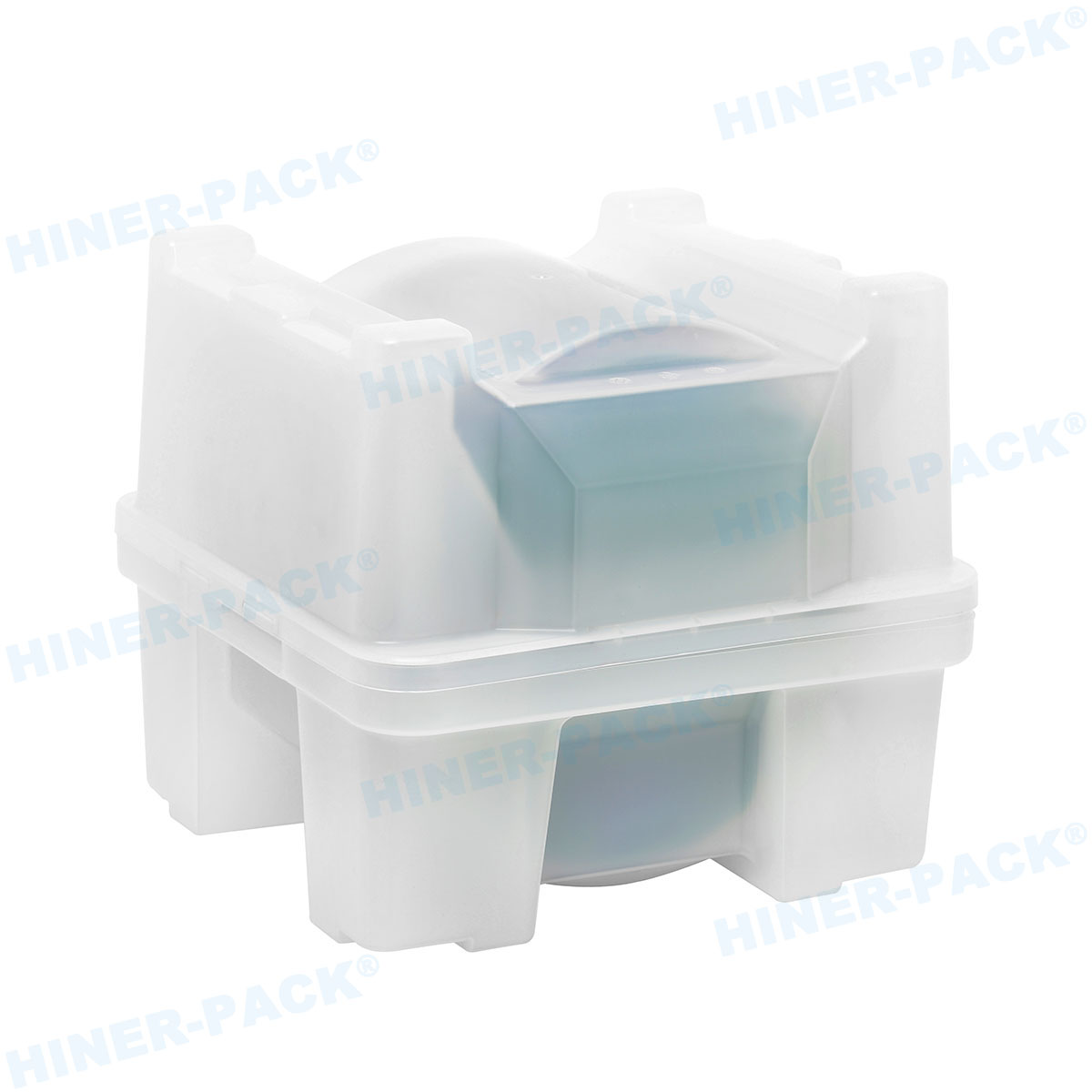
Semiconductor manufacturing requires protecting wafers at every stage. Storage conditions directly impact device yield and performance.
Nitrogen-purged wafer boxes offer a critical solution. They create an inert environment to shield wafers from reactive gases and airborne contaminants.
This method is standard for advanced nodes and sensitive materials. This article explains their operation, benefits, and implementation.
The Critical Need for Inert Storage Environments
Air contains elements that damage semiconductor wafers. Oxygen and water vapor can cause irreversible chemical changes.
Using nitrogen-purged wafer boxes removes these reactive agents. This is essential for preserving wafer integrity during storage and transport.
Risks of Oxidation and Moisture Absorption
Exposed metal layers on wafers can oxidize quickly. Even thin oxide layers alter electrical properties and cause defects.
Moisture absorption is another major concern. It can lead to:
Corrosion of copper interconnects.
Increased surface roughness affecting lithography.
Promotion of organic growth in rare cases.
Limitations of Standard Sealed Containers
Standard sealed boxes only trap ambient air inside. They do not remove the oxygen and moisture already present.
Desiccants can absorb moisture but do not address oxidation. A proactive purge with inert gas is necessary for high-reliability storage.
How Nitrogen-Purged Wafer Boxes Function
These specialized boxes replace internal air with pure nitrogen. The process ensures a clean, dry, and inert atmosphere around the wafers.
The technology for nitrogen-purged wafer boxes involves precise engineering. It balances efficiency, safety, and ease of use.
The Purge Cycle and Sealing Mechanism
A typical purge cycle involves several steps. First, the box is loaded with wafers in a controlled environment.
Key stages include:
Evacuation/Purge: Nitrogen is flowed through the box, displacing lighter ambient air.
Stabilization: The internal environment reaches a target oxygen and moisture level.
Sealing: Valves are closed to maintain the inert atmosphere indefinitely.
Monitoring and Control Features
Advanced systems include sensors and indicators. These monitor internal gas composition and pressure.
Common features are:
Pressure relief valves for safety during transport.
Digital or analog indicators for oxygen concentration.
Quick-connect ports for easy purging at load/unload points.
Key Benefits for Semiconductor Fabrication
Implementing nitrogen-purged storage provides measurable advantages. It protects investment in processed wafers and improves line yield.
The benefits extend beyond basic contamination control. They support the production of more reliable and advanced devices.
Enhanced Yield and Device Reliability
By preventing surface reactions, these boxes reduce parametric failures. This leads to higher yields, especially for backend-of-line (BEOL) processes.
Long-term storage stability is also achieved. Wafers can be held for months without quality degradation.
Support for Advanced Materials and Nodes
New materials like high-k dielectrics and cobalt are highly sensitive. Nitrogen-purged wafer boxes are necessary for their handling.
At nodes below 10nm, even nanoscale oxidation is unacceptable. Inert storage is a mandatory part of the process flow.
Hiner-pack's Solutions for Inert Wafer Storage
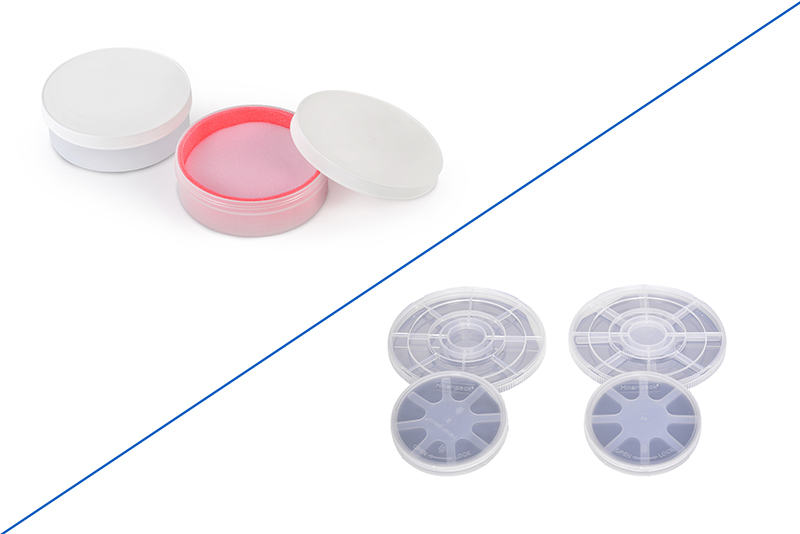
Hiner-pack designs and manufactures reliable wafer storage systems. Their expertise includes robust solutions for inert environments.
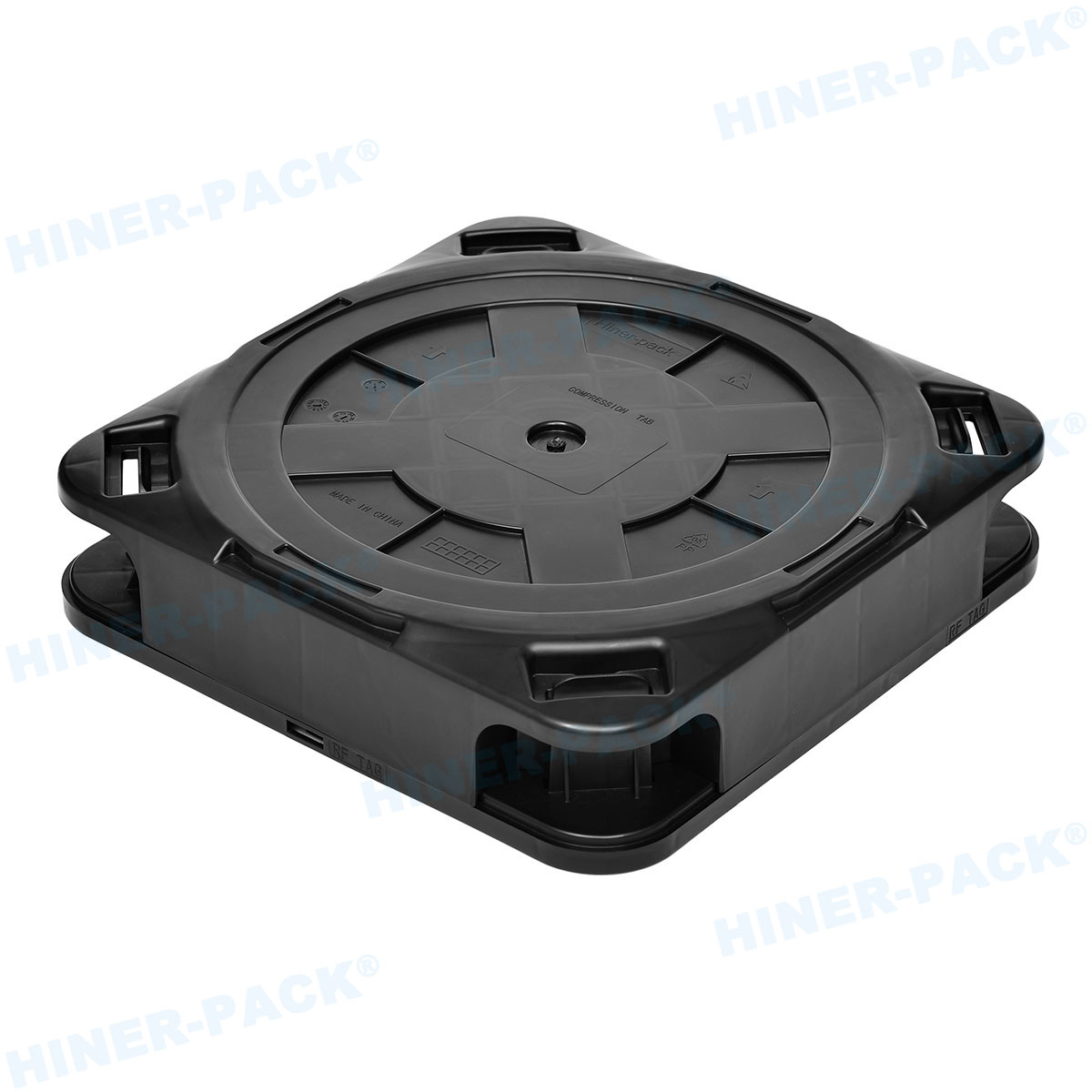
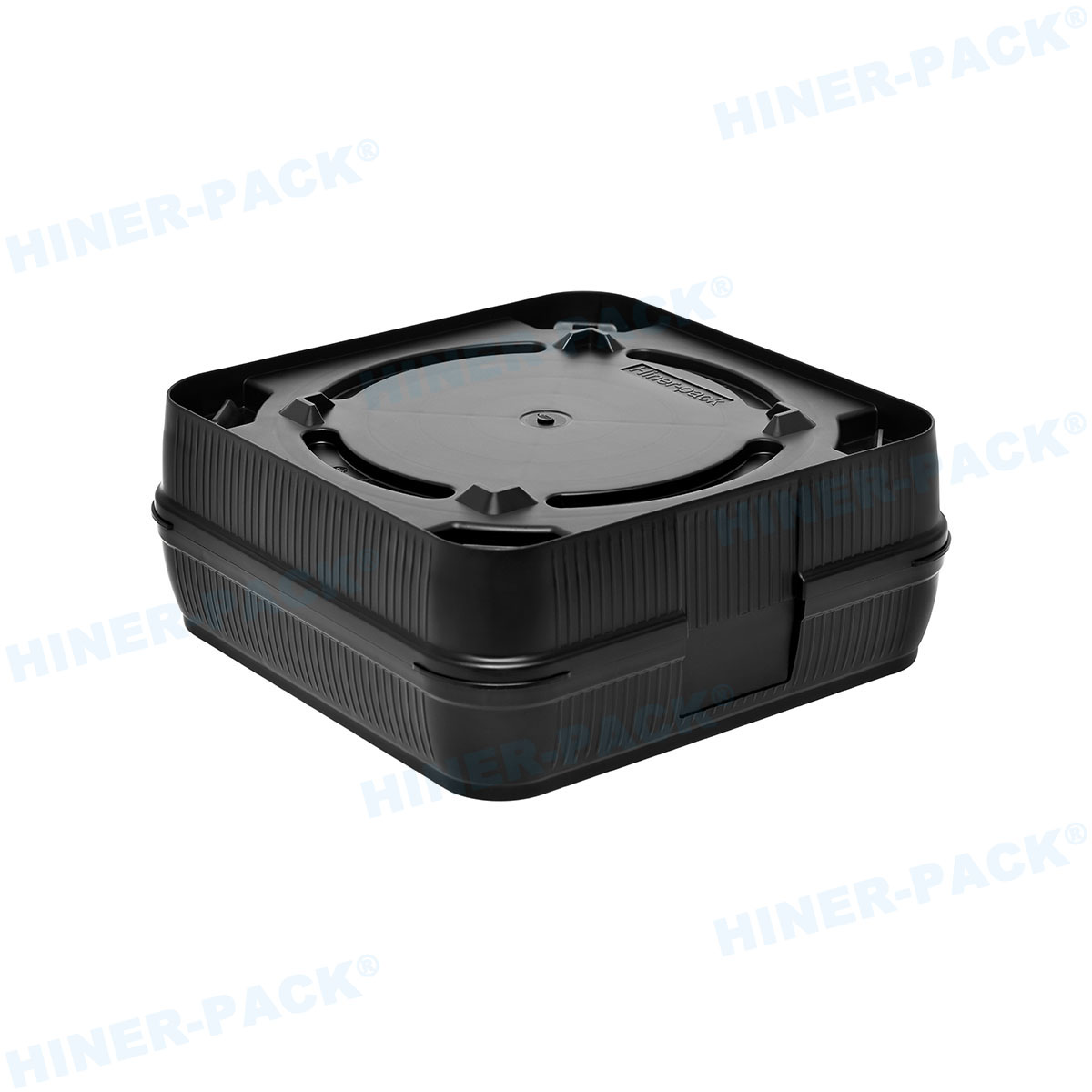
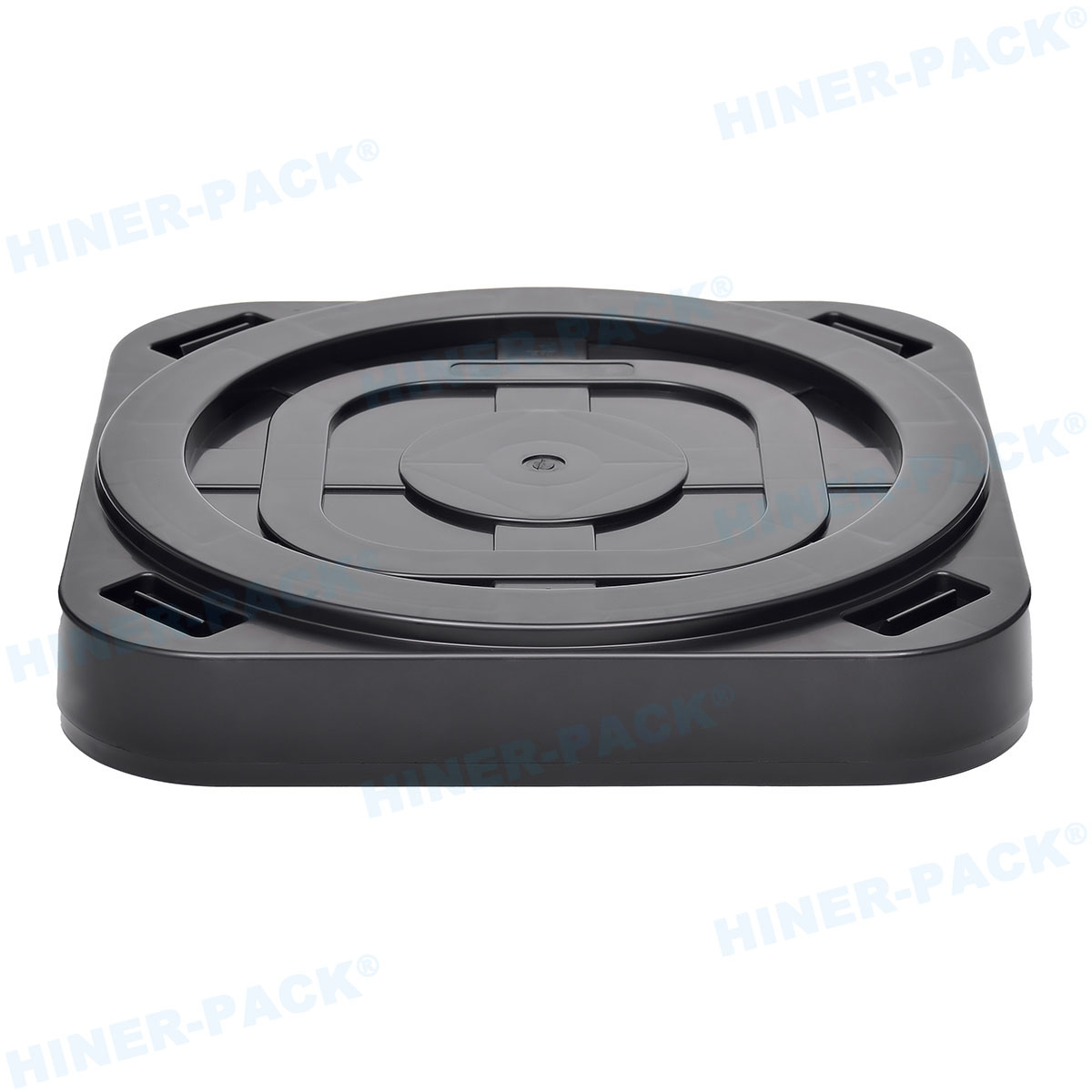
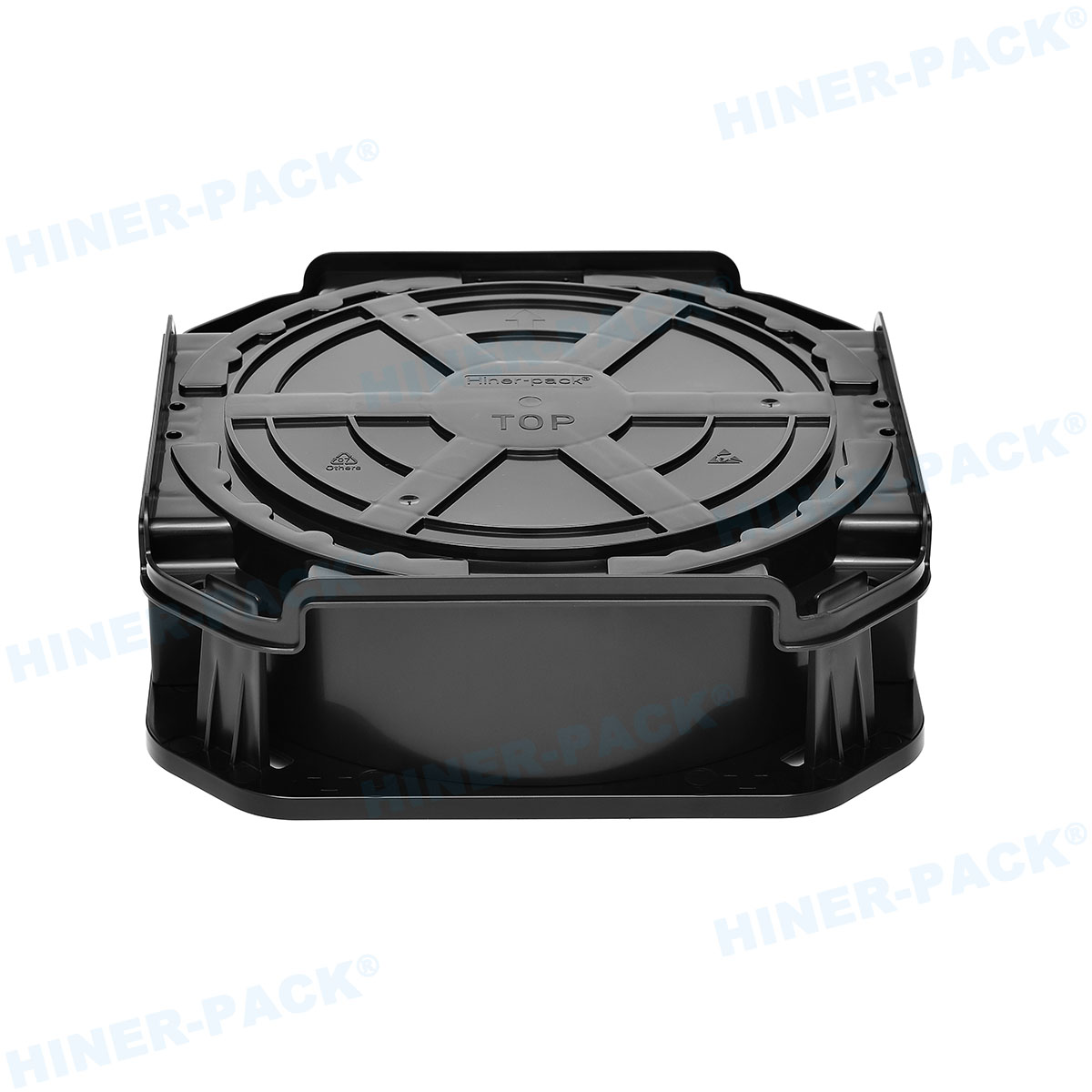
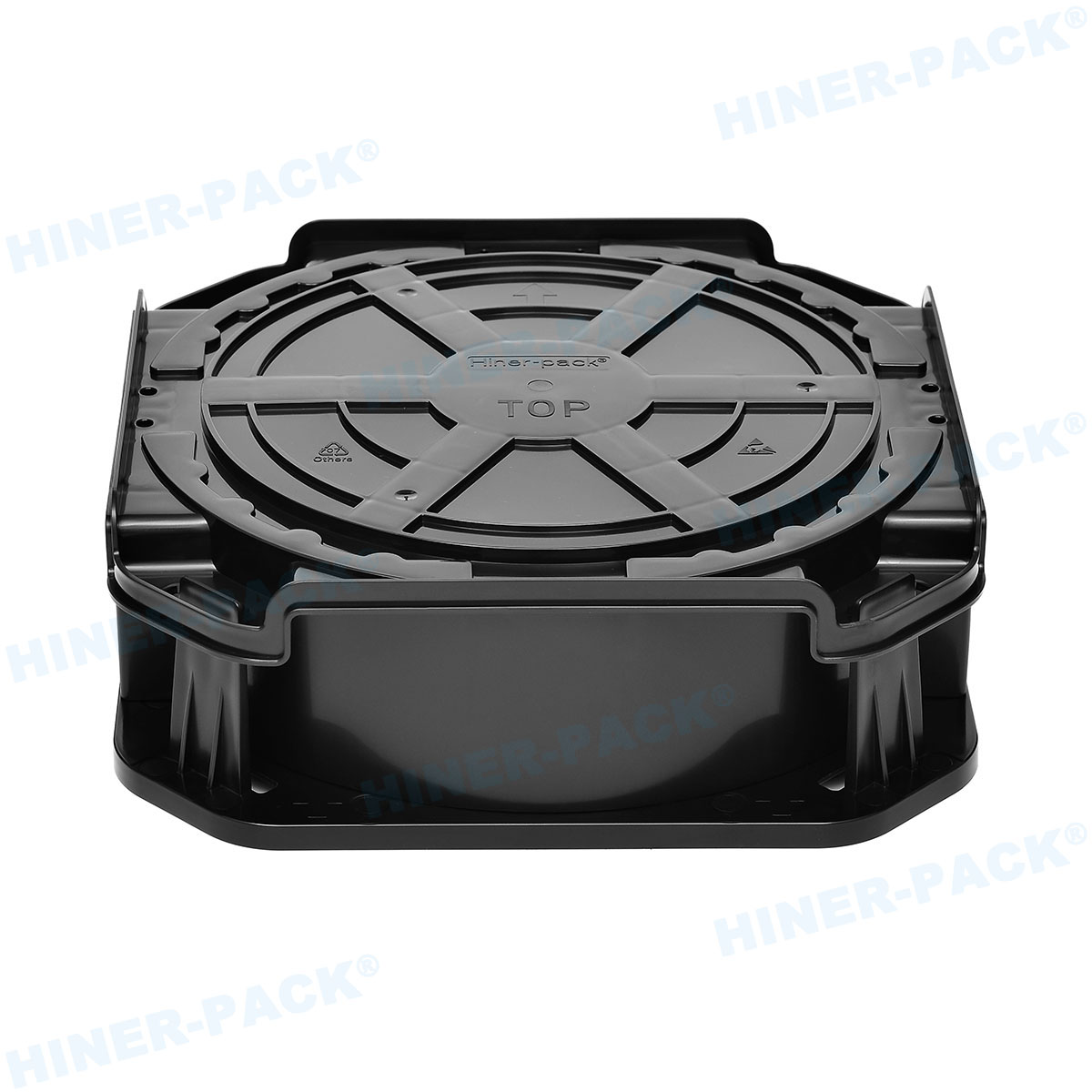
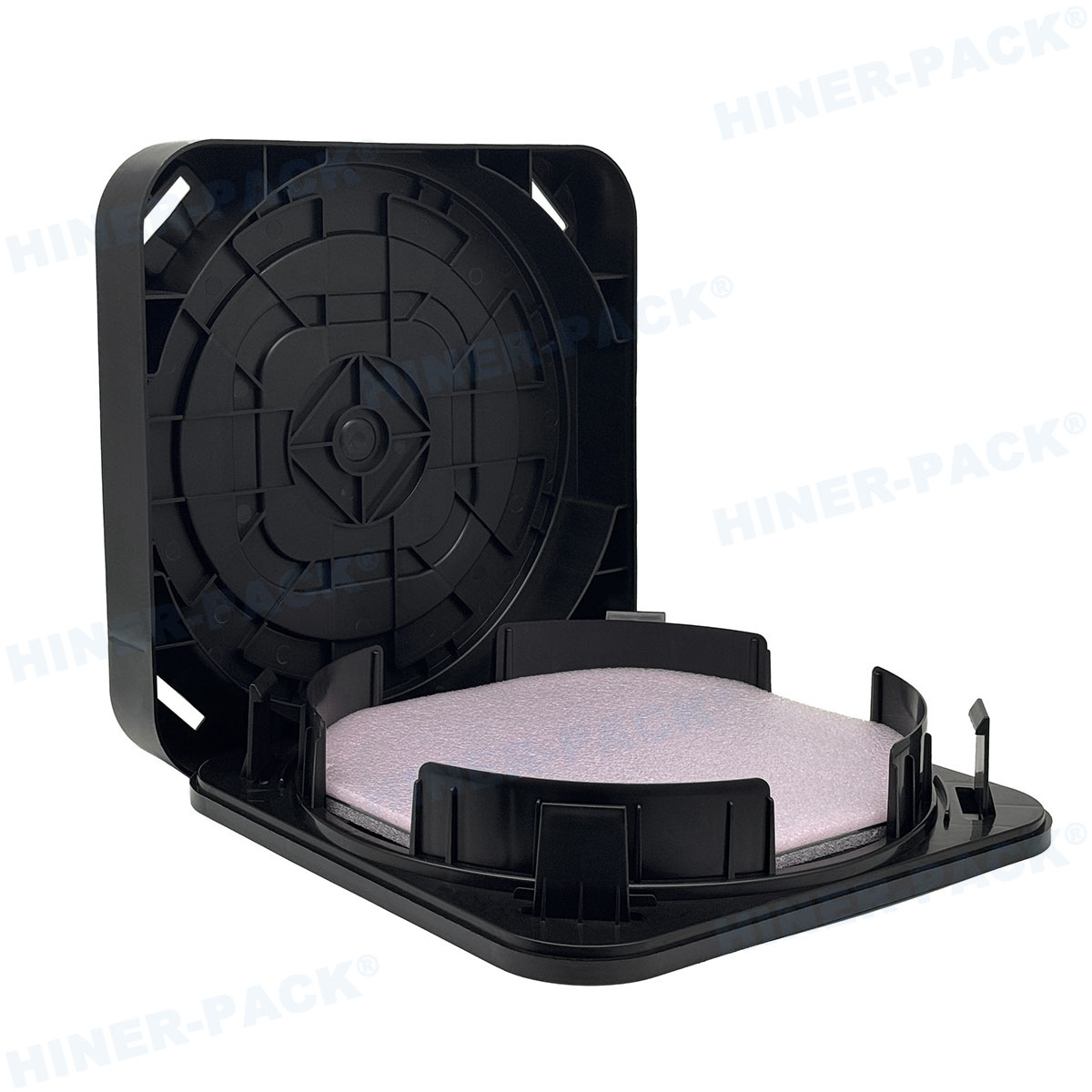
Their nitrogen-purged wafer boxes are built for performance. They integrate seamlessly into automated fab and laboratory settings.
Product Design and Specifications
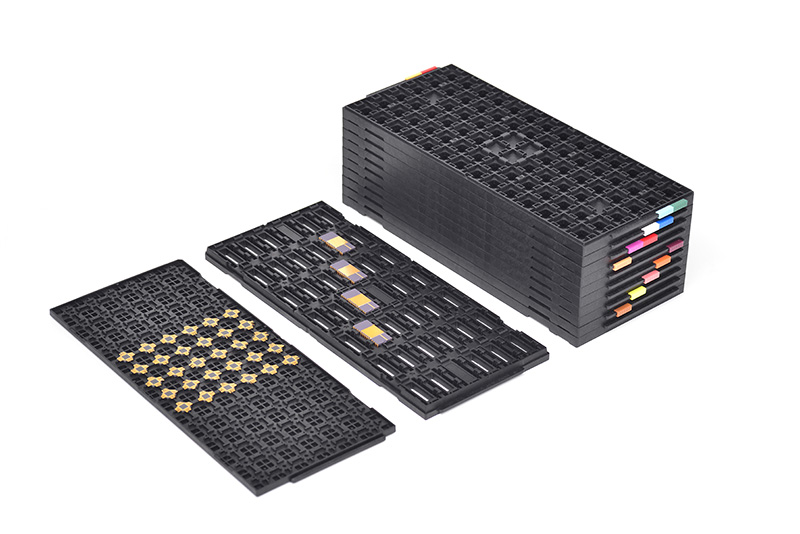
Hiner-pack boxes focus on purity, durability, and user safety. They are constructed from high-quality, low-outgassing materials.
Standard product attributes include:
Compatibility with 150mm, 200mm, and 300mm wafer platforms.
Integrated purge ports and valves for simple operation.
Clear lids or viewing windows for visual inspection without breaking purge.
Stacks securely with other boxes for efficient space use.
Integration with Fab Infrastructure
Hiner-pack works with customers to ensure smooth integration. Their boxes can be adapted to specific purge station designs.
Proper integration involves considering gas purity, flow rates, and factory automation interfaces. This ensures reliable and repeatable purge cycles.
Best Practices for Implementing and Using Purged Boxes
Effective use requires correct procedures and maintenance. Establishing a clear protocol maximizes the benefits of this technology.
Training for operators and technicians is essential. Consistency in handling prevents accidental exposure of wafers.
Standard Operating Procedures (SOPs)
Detailed SOPs should cover every interaction with the box. This minimizes the risk of contamination during wafer transfers.
Critical steps often involve:
Verifying nitrogen purity and dew point at the source.
Following a defined purge sequence and duration.
Confirming seal integrity before moving the box.
Logging box ID, purge time, and operator for traceability.
Maintenance and Quality Assurance
Regular maintenance ensures long-term performance. Seals, valves, and sensors need periodic checks.
A robust QA program may include:
Leak testing boxes at scheduled intervals.
Calibrating internal environment monitors.
Inspecting boxes for physical damage or material wear.
Future Trends in Inert Storage Technology
The drive for smaller, more powerful chips continues. Storage technology must evolve to meet new challenges.
Innovations aim for greater efficiency, intelligence, and integration. The role of nitrogen-purged wafer boxes will remain central.
Innovations on the Horizon
Research focuses on smarter, more sustainable systems. Future boxes may offer enhanced capabilities.
Potential developments include:
Integrated, miniaturized sensors for real-time gas analysis.
Advanced seal materials for even lower permeability.
Lightweight composite materials to reduce shipping costs.
Improved purge cycle efficiency to conserve nitrogen.
Conclusion: A Foundational Tool for Quality
Protecting semiconductor wafers from environmental damage is non-negotiable. Inert storage is a proven and effective method.
Nitrogen-purged wafer boxes provide a controlled, safe environment. They are a key component in the contamination control strategy of any modern fab.
By selecting reliable solutions from providers like Hiner-pack and following best practices, manufacturers safeguard product quality and operational efficiency.
Frequently Asked Questions about Nitrogen-Purged Wafer Boxes
Q1: What is the main purpose of a nitrogen-purged wafer box?
A1: The primary purpose is to create and maintain an inert, dry environment around wafers. This prevents oxidation of metal layers, minimizes moisture-related damage, and reduces airborne molecular contamination during storage and transport.
Q2: How long does the nitrogen environment last inside a sealed box?
A2: Duration depends on the box's seal integrity and material permeability. High-quality boxes from manufacturers like Hiner-pack can maintain a suitable inert atmosphere for several months. Regular leak testing is recommended to ensure performance.
Q3: Are these boxes necessary for all wafer types and process stages?
A3: They are most critical for wafers with exposed, oxidation-prone metals (like copper post-CMP) and for advanced node devices. For bare silicon or blanket films, the need may be less stringent. A risk assessment based on product sensitivity should guide use.
Q4: What purity level of nitrogen is required for effective purging?
A4: Typically, nitrogen with a purity of 99.99% (4.0 grade) or higher is used. The dew point should be -70°C or lower to ensure extreme dryness. The specific requirement may vary based on the wafer process and the target oxygen/moisture levels inside the box.
Q5: Can Hiner-pack's nitrogen-purged boxes be integrated into automated material handling systems (AMHS)?
A5: Yes. Hiner-pack designs boxes with automation in mind. Their nitrogen-purged wafer boxes often feature standard footprints, robotic gripping surfaces, and compatible port locations to integrate smoothly with fab AMHS and overhead transport (OHT) systems.