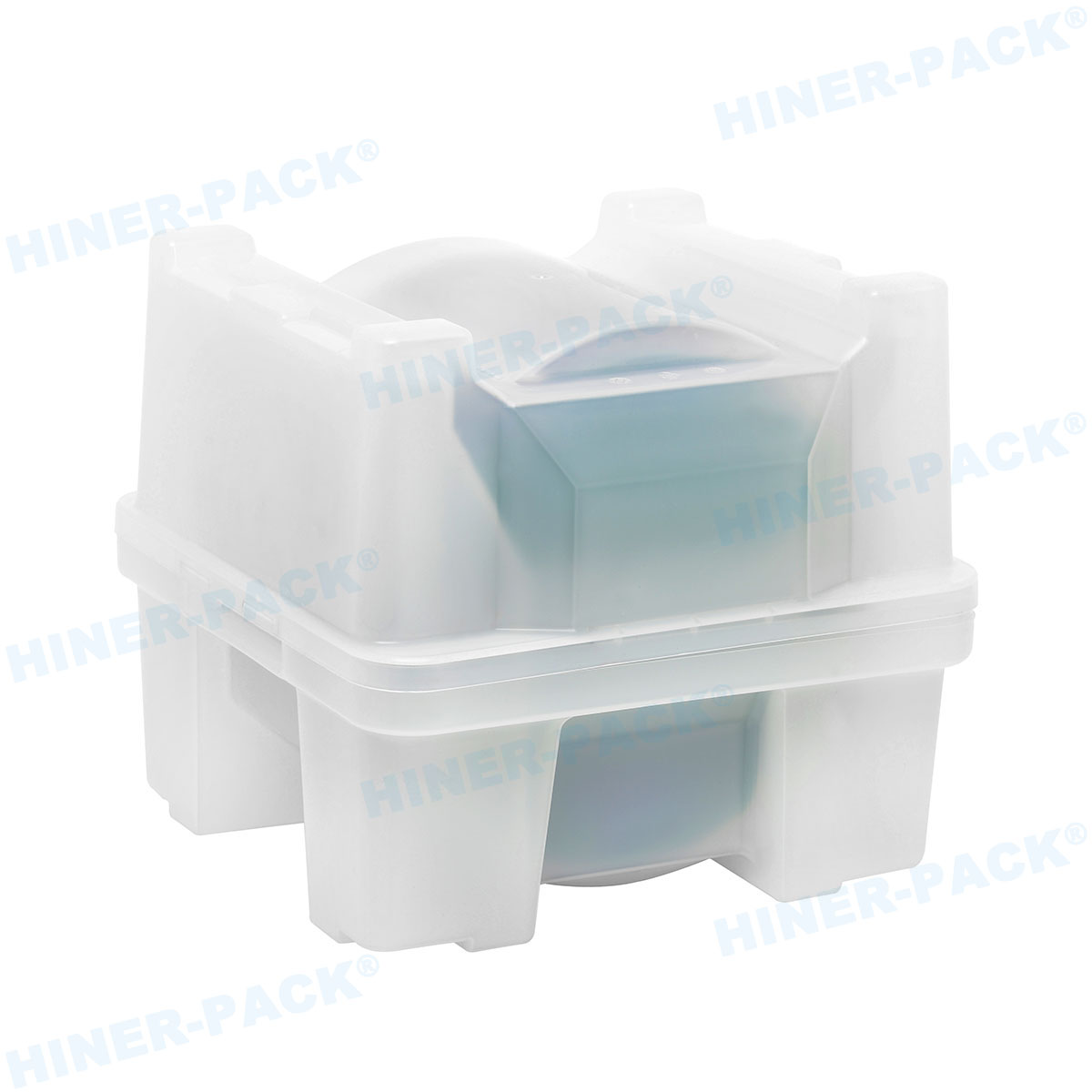
Wafer transport is a critical stage in semiconductor manufacturing. Moving wafers between tools, storage, and measurement stations presents numerous risks. Effective strategies for reducing damage in wafer transport are essential for maintaining high yield, lowering costs, and ensuring product reliability. This article outlines practical steps and considerations to minimize these risks.
Primary Causes of Wafer Damage During Transport
Understanding the sources of damage is the first step toward prevention. Damage often occurs due to a combination of factors.
Mechanical Shock and Vibration
Sudden impacts or constant vibration during movement can cause micro-cracks, chipping, or breakage.
Improper handling by automated or manual systems.
Collisions with equipment surfaces or other cassettes.
Insufficient damping in transport vehicles or carriers.
Particle Contamination and Abrasion
Contact between wafer surfaces and foreign materials leads to defects.
Particles inside cassettes or boxes.
Abrasive contact during loading/unloading.
Wear and tear from carrier components.
Electrostatic Discharge (ESD)
Static buildup can attract particles or cause electrical damage to wafers.
Use of non-conductive transport materials.
Low-humidity environments in cleanrooms.
Rapid movement generating static charge.
Selecting the Right Transport Equipment
Choosing appropriate carriers and systems is fundamental to reducing damage in wafer transport.
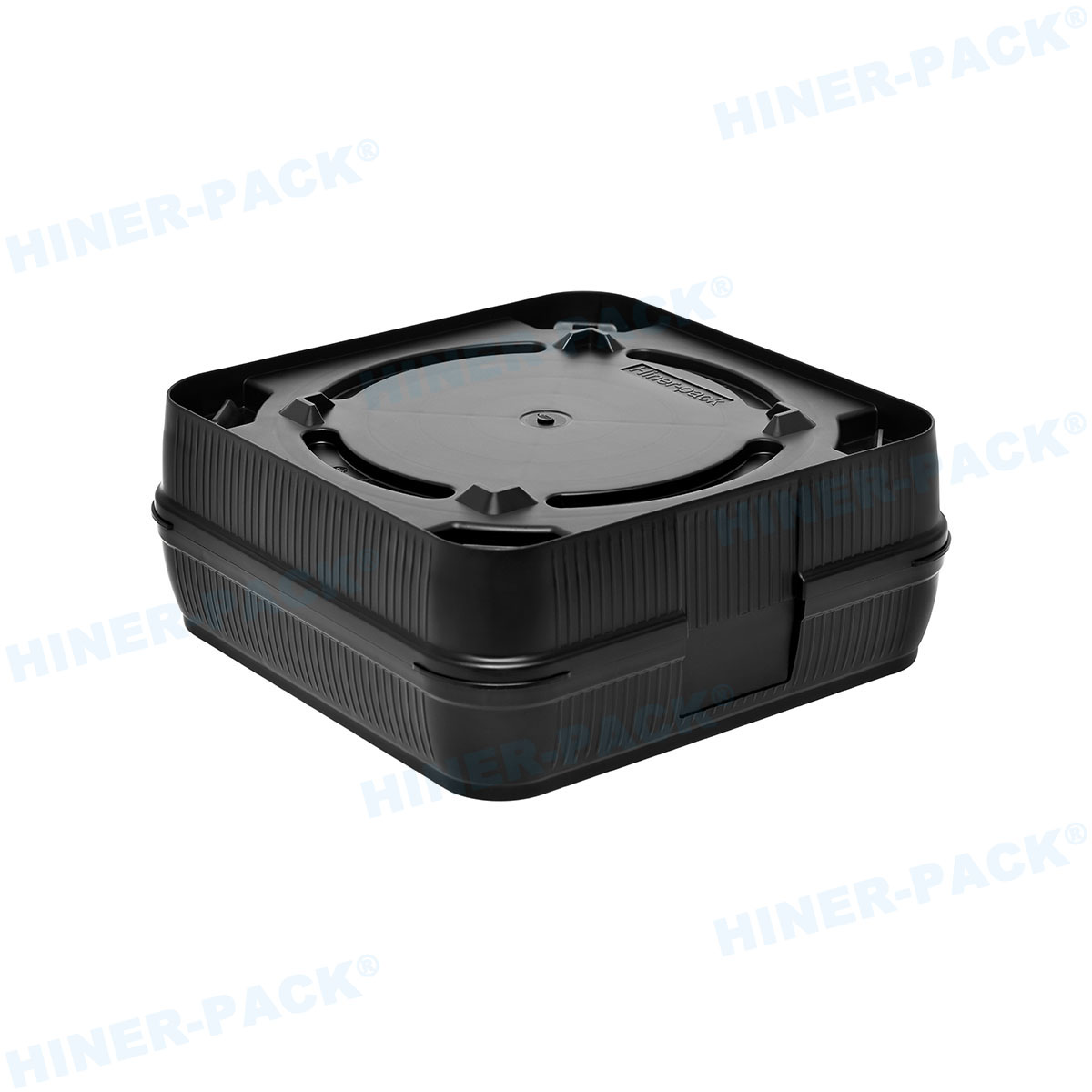
Wafer Cassettes and Carriers
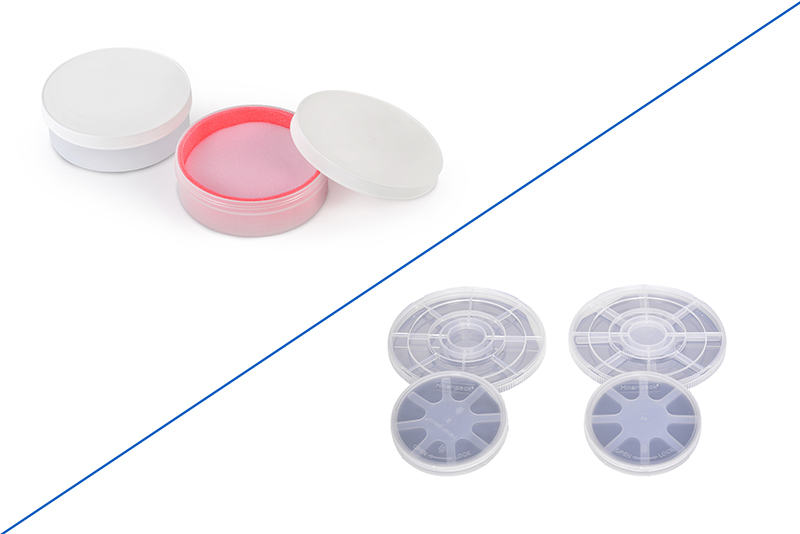
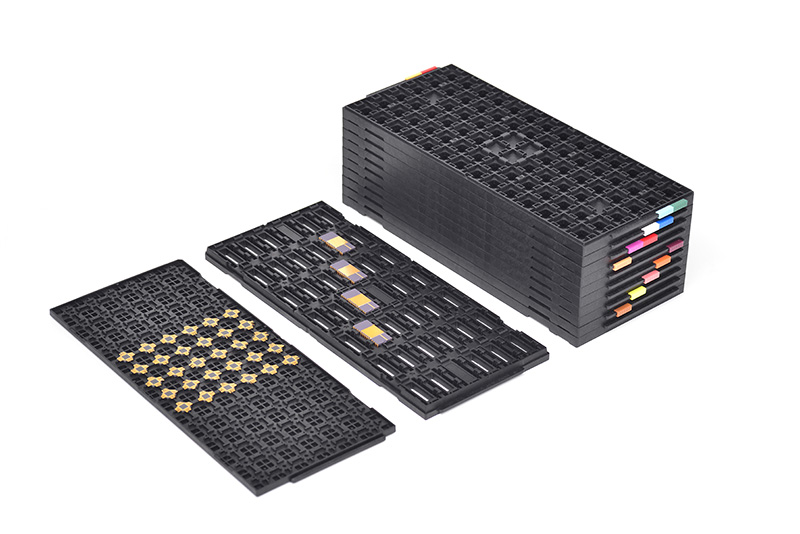
High-quality carriers protect wafers from physical and environmental hazards.
Material: Use static-dissipative or conductive polymers.
Design: Select carriers with secure, gentle wafer support.
Compatibility: Ensure carriers match automated handling systems.
Suppliers like Hiner-pack offer specialized carriers designed for safe transport.
Automated Material Handling Systems (AMHS)
AMHS minimize human contact and provide controlled movement.
Overhead hoist transport (OHT) systems.
Rail-guided vehicles (RGVs).li>
Automated guided vehicles (AGVs).
Regular maintenance of these systems is crucial for smooth operation.
Implementing Safe Handling Protocols
Strict procedures for personnel and automated systems are necessary.
Manual Handling Guidelines
When manual handling is required, follow these rules.
Always wear proper cleanroom attire and gloves.
Handle wafers only at the edge with approved tools.
Move slowly and deliberately to avoid drops.
Never stack or overload transport containers.
Loading and Unloading Procedures
These are high-risk steps that require attention.
Align wafers correctly with cassette slots before insertion.
Use sensors or visual aids to ensure proper placement.
Maintain a clean environment to prevent particle introduction.
Environmental and Process Control
Controlling the transport environment prevents many damage types.
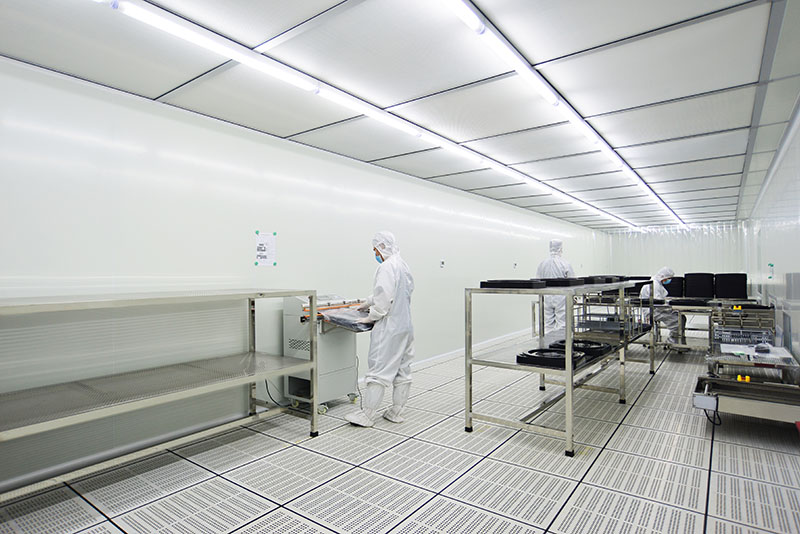
Cleanroom and Airflow Management
Maintain ISO-class cleanroom standards.
Proper laminar airflow to push particles away.
Regular monitoring of particle counts.
Controlled temperature and humidity levels.
Static Control Measures
Implement a comprehensive ESD control program.
Use ionizers in transport pathways.
Employ grounded workstations and tools.
Select ESD-safe packaging and transport boxes.
Monitoring, Inspection, and Maintenance
Proactive checks identify problems before they cause widespread damage.
Regular Equipment Inspection
Schedule routine checks for all transport-related equipment.
Check for wear on robotic end-effectors and carrier surfaces.
Verify alignment of load ports and cassette receivers.
Calibration of sensors and positioning systems.
Wafer and Carrier Tracking
Use tracking systems to monitor transport history.
RFID tags on carriers to log movement and handling.
Monitor for transport events that correlate with yield loss.
This data helps pinpoint failure points in the transport chain.
Training and Culture of Care
Technology alone is insufficient. A well-trained team is vital.
All personnel involved in wafer movement must understand the fragility of wafers and the cost of damage. Regular training updates reinforce best practices. Creating a culture where every individual takes responsibility for reducing damage in wafer transport leads to sustained improvement.
Successfully reducing damage in wafer transport requires a multi-faceted approach. It combines robust equipment, strict procedures, controlled environments, and diligent monitoring. Investing in high-quality transport solutions from reputable suppliers like Hiner-pack forms a solid foundation. By systematically addressing mechanical, particulate, and electrostatic risks, semiconductor manufacturers can significantly enhance yield, reduce costs, and improve overall operational efficiency.
Frequently Asked Questions (FAQs)
Q1: What is the most common type of damage during wafer transport?
A1: Edge chipping and micro-cracking from mechanical shock are extremely common. This often happens during cassette loading/unloading or when carriers are mishandled or bump into obstacles.
Q2: How can I check if my current transport process is causing damage?
A2: Implement incoming and outgoing wafer inspection at key transport points. Use automated inspection tools to scan for edge defects, cracks, and added particles. Tracking yield by tool or process step can also highlight transport-related issues.
Q3: Are front-opening unified pods (FOUPs) better than traditional cassettes for transport?
A3: FOUPs are generally superior for minimizing damage in advanced nodes. They provide a sealed, mini-environment that protects wafers from particles, humidity, and physical contact during inter-bay and intra-bay transport in automated systems.
Q4: What role does packaging play in long-distance wafer shipping?
A4: For shipping, robust packaging is critical. It should include shock-absorbing materials, hermetic sealing for moisture control, and conductive layers for ESD protection. Specialized shipping boxes, often called wafer shippers, are designed for this purpose.
Q5: Can automation completely eliminate transport damage?
A5: While automation greatly reduces risks from human error, it does not eliminate all damage. Automated systems require precise calibration and maintenance. Damage can still occur from system malfunctions, poor carrier design, or environmental factors. A holistic strategy is always needed.