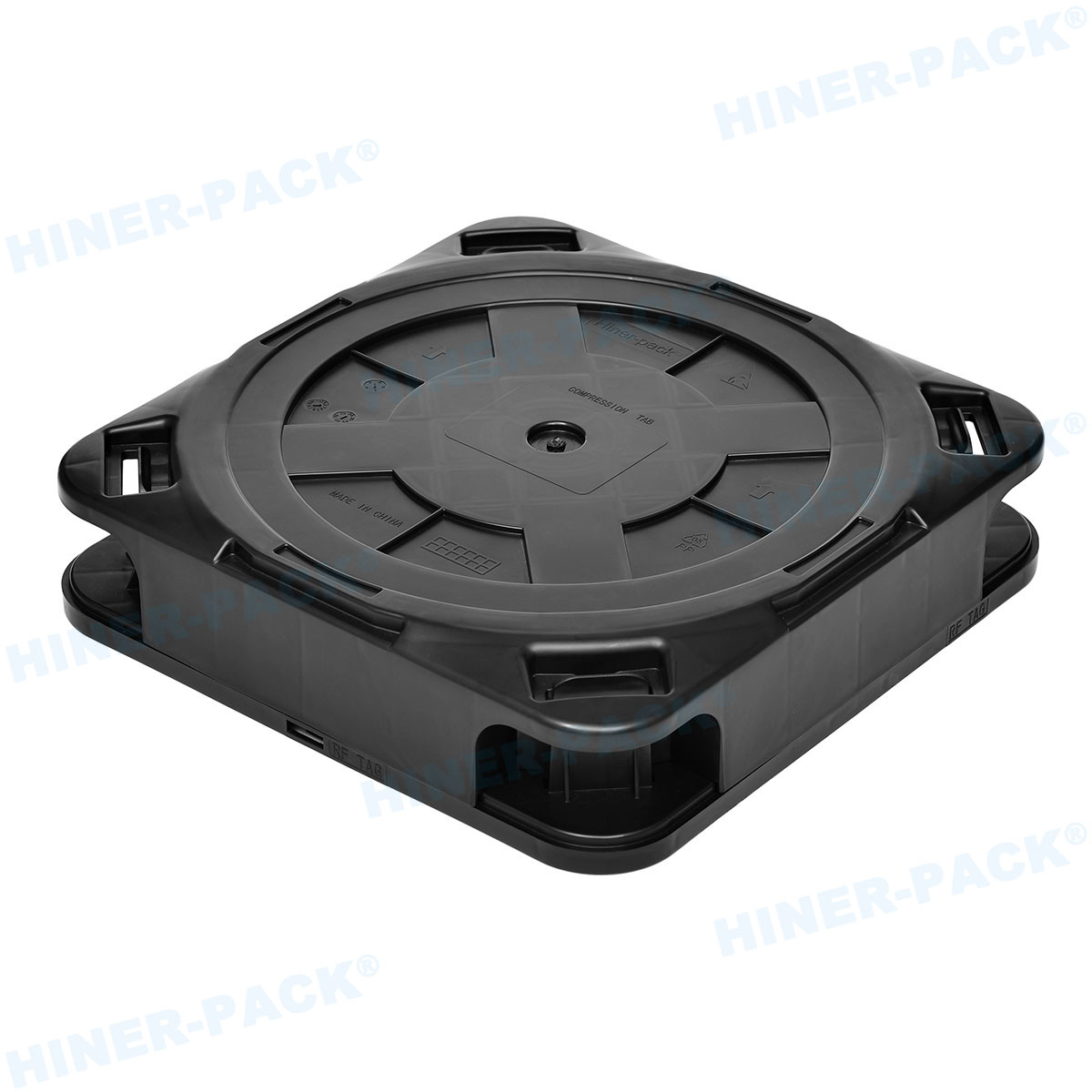
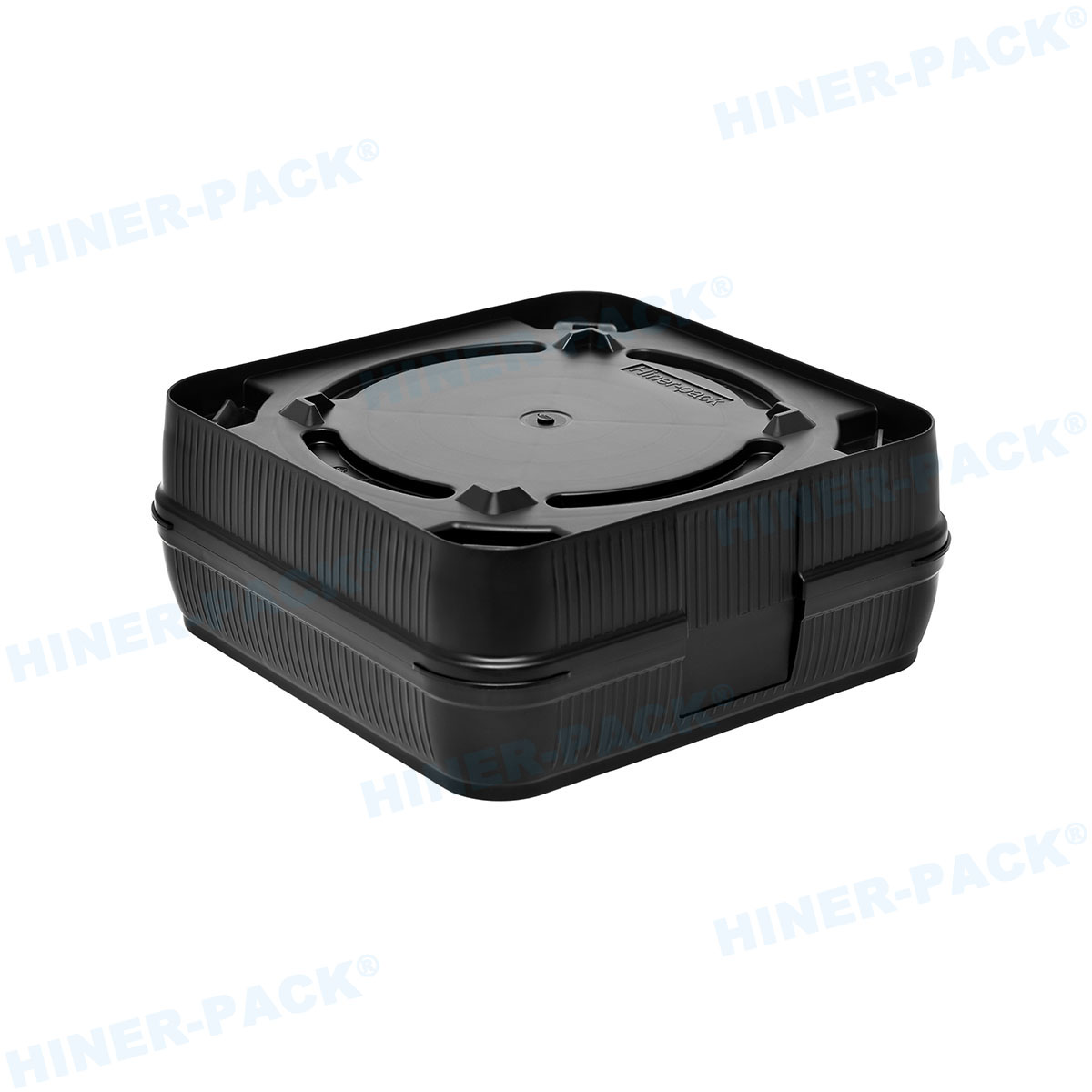
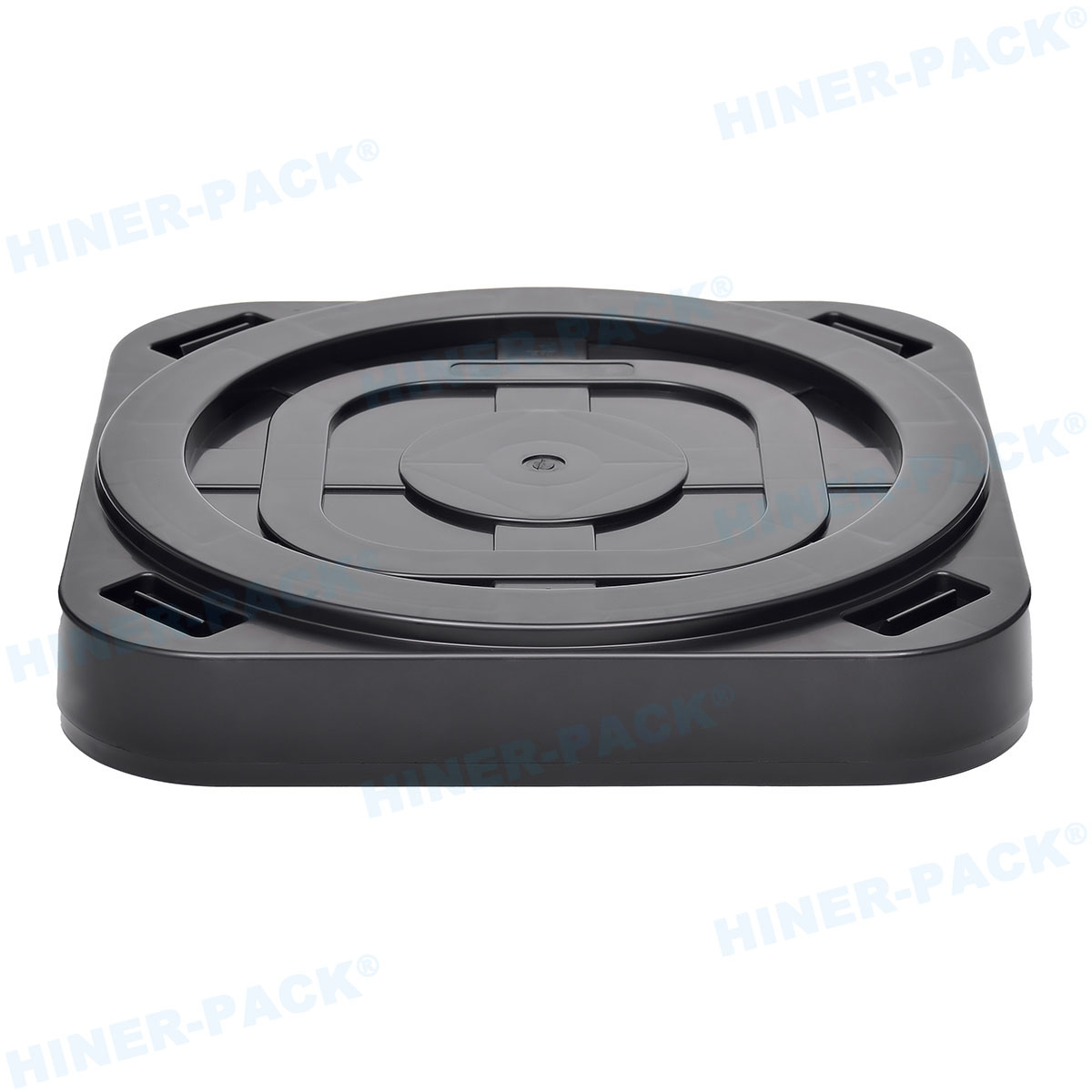
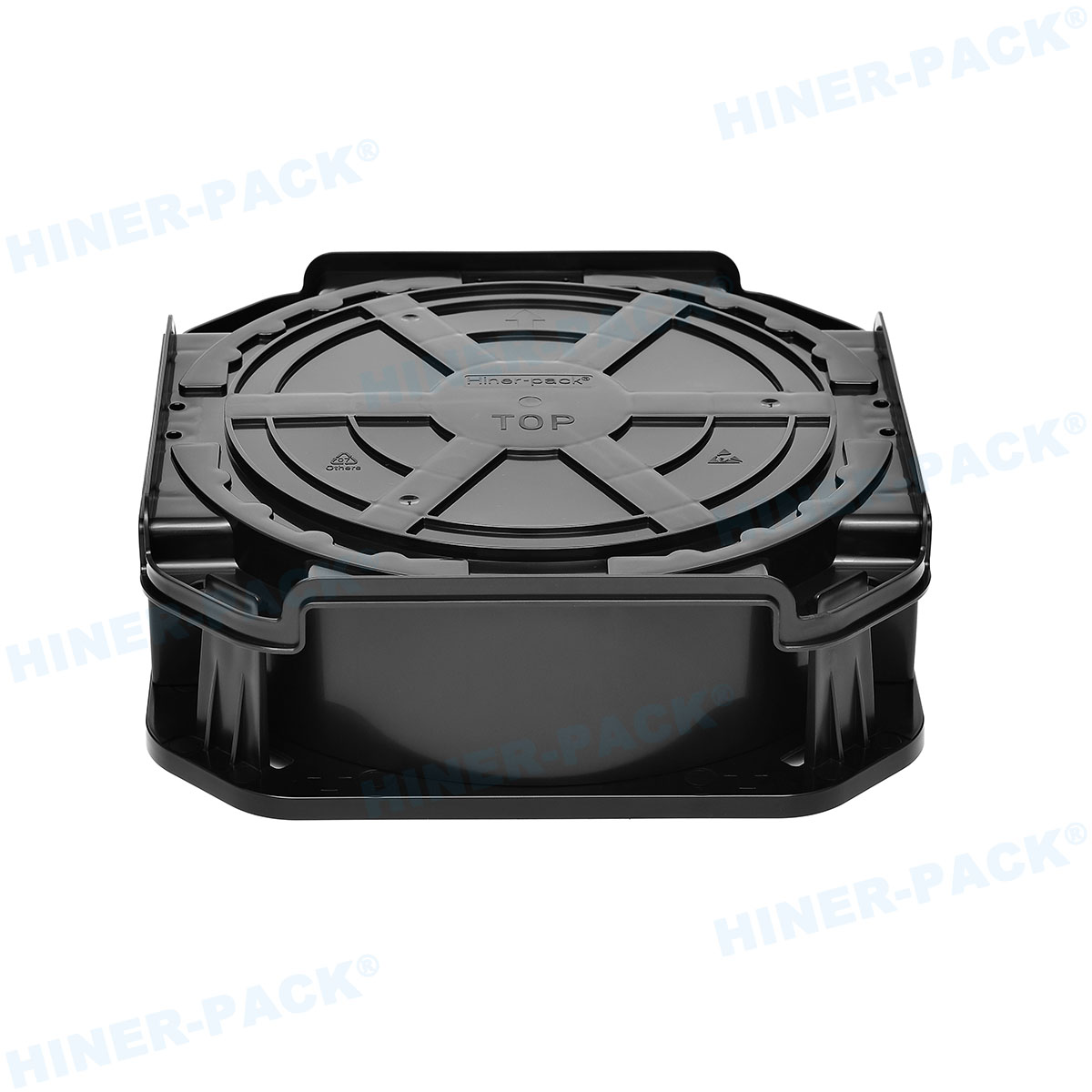
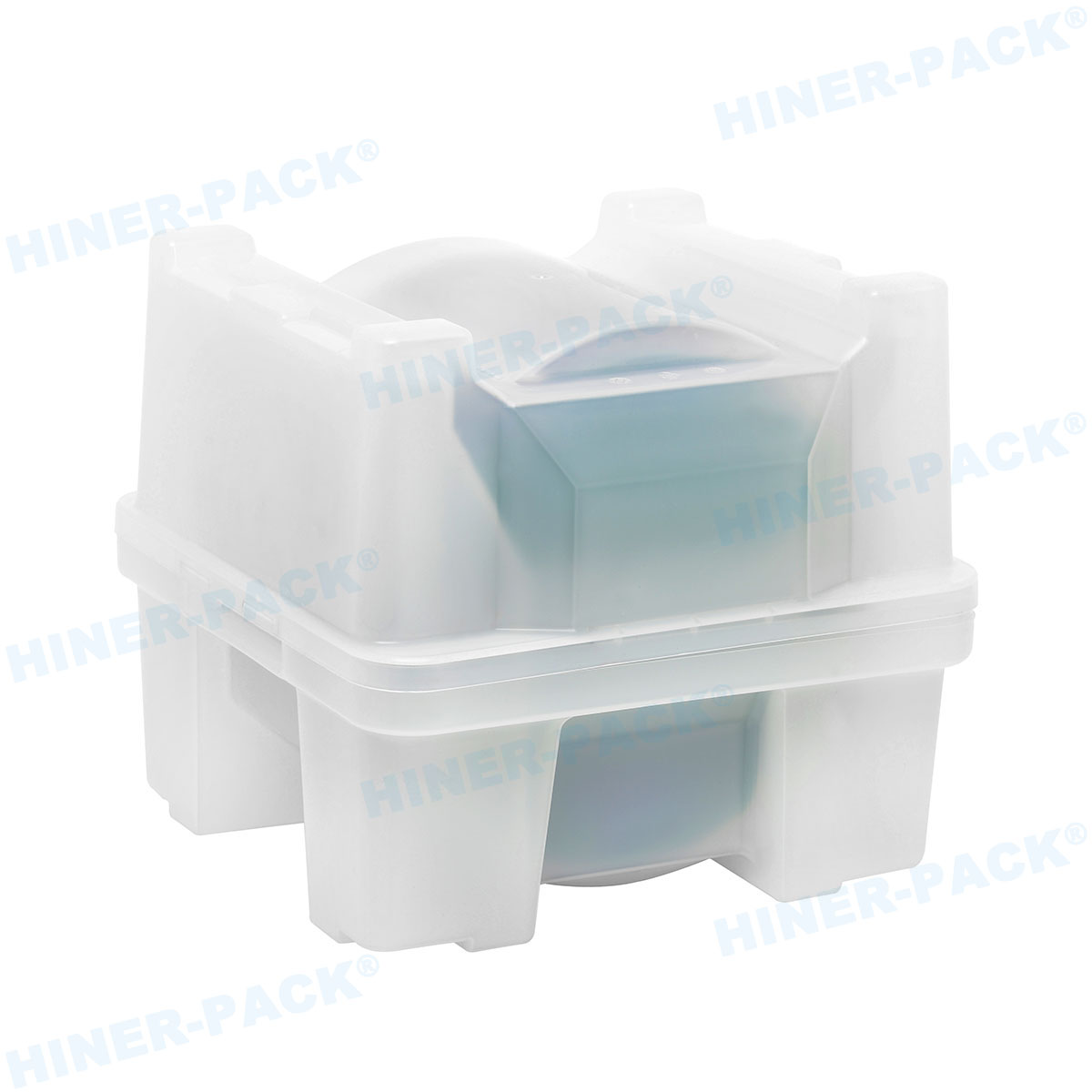
In a 300mm fab with over 10,000 wafer carriers in circulation, locating a specific lot manually is impossible. RFID wafer carriers have become the backbone of automated material handling systems (AMHS), providing real‑time inventory visibility, tool interoperability, and predictive maintenance data. By embedding passive or active RFID tags into FOUPs, FOSBs, and cassettes, fabs achieve near‑100% read accuracy even at high transport speeds. As a trusted supplier to leading IDMs, Hiner‑pack delivers carriers that meet the stringent electrical and mechanical requirements of SEMI E142 and E148 standards.
The Evolution of Identification in Wafer Carriers
Early fabs relied on barcode labels, which required line‑of‑sight and were prone to smudging or tearing. The transition to RFID eliminated these limitations. Today’s RFID wafer carriers integrate ruggedised transponders that withstand 200°C bake processes, ESD events, and chemical exposure. This evolution supports Industry 4.0 initiatives where every carrier becomes a data node on the factory network.
How RFID Technology Integrates with Wafer Carriers
RFID systems for wafer carriers consist of three primary components: the tag (transponder) embedded in the carrier, the reader antenna mounted on load ports or stockers, and the middleware that interfaces with MES. The technical challenges lie in material selection and antenna design to avoid interference from carbon‑fibre composites or metal frames.
Frequency Bands: HF vs. UHF in FOUP Applications
High Frequency (HF) 13.56 MHz: Short read range (10‑30 cm) but excellent resistance to liquids and metals. Widely used for tool‑level identification where precise positioning is possible. SEMI E142 mandates HF for carrier‑to‑tool communication.
Ultra‑High Frequency (UHF) 860‑960 MHz: Longer read range (up to 3 m) and multi‑tag reading. Ideal for stocker inventory and bay‑level tracking. However, UHF requires careful tuning to avoid reflections from metal shelving.
Modern RFID wafer carriers often feature dual‑frequency tags, enabling seamless handoff between wide‑area tracking and close‑range tool verification.
Tag Placement and In‑Mould Labelling
To prevent tag detachment or damage, leading manufacturers like Hiner‑pack employ in‑mould labelling (IML) during carrier production. The RFID inlay is encapsulated between layers of polycarbonate or carbon‑fibre reinforced polymer. This process ensures the tag survives more than 10,000 autoclave cycles and maintains a consistent read range throughout its lifetime.
Technical Specifications and Compliance Standards
Deploying RFID in semiconductor environments requires adherence to rigorous standards. The key parameters verified for every carrier include:
Read Range and Orientation Sensitivity
Minimum read distance: 15 mm (for tool ports) to 1,000 mm (for stocker gates).
Polarisation: circular for UHF to tolerate random carrier orientation on conveyor belts.
Consistency: variation < ±10% across 100,000 reads in anechoic chamber tests.
Environmental Durability
Temperature cycling: −40°C to +150°C (SEMI E62).
Chemical resistance: 10 min immersion in H₂O₂, NH₄OH, or HF mixtures without tag degradation.
ESD immunity: withstand 15 kV air discharge per IEC 61000‑4‑2.
Data Capacity and Protocol
Minimum 128‑bit user memory for lot ID, step history, and time stamps.
Compliance with ISO 18000‑63 (UHF) and ISO 15693 (HF) for global interoperability.
Anti‑collision protocol allowing >50 tags to be read simultaneously in stockers.
Applications Across the Semiconductor Supply Chain
RFID wafer carriers are not limited to in‑fab use. They provide value from epitaxial wafer production to final assembly:
In‑Fab AMHS and Tool Load Ports
When a FOUP arrives at a load port, the HF reader verifies the carrier ID and cross‑checks with the MES before allowing processing. This “last‑mile” verification prevents misprocessing, a common cause of scrapped wafers. Hiner‑pack carriers achieve 100% read reliability in these high‑interference zones.
Inter‑Fab and Supplier Logistics
Shipping boxes equipped with UHF tags allow wafer suppliers and assembly houses to track inventory in real time. Gates equipped with tunnel readers automatically record inbound/outbound shipments, reducing manual scanning labour by 90%.
Predictive Maintenance of Carriers
By storing usage history directly on the carrier’s tag, fab managers can schedule cleaning or requalification based on actual cycles rather than fixed intervals. This condition‑based approach reduces downtime and extends carrier life.
Overcoming Integration Challenges: Metal Interference and Retrofit
One persistent hurdle is the presence of metal frames or electrostatic dissipative (ESD) coatings in carriers. These materials can detune antennas, reducing read range. Hiner‑pack solves this with proprietary “meta‑material” spacers that isolate the antenna from conductive substrates. For legacy carriers, retrofit kits with surface‑mount RFID tags are available, though they require careful validation to avoid altering the carrier’s weight balance.
Industry Standards and Future Directions
SEMI International has published several standards guiding RFID use in wafer carriers. SEMI E142 specifies the air‑interface protocol for HF tags, while SEMI E148 defines the data constructs for carrier history. Emerging standards address secure encryption to prevent counterfeit carriers from entering the supply chain. Hiner‑pack actively participates in these working groups, ensuring our products remain compliant with next‑generation requirements.
Looking forward, the integration of passive sensors with RFID is gaining traction. Temperature, humidity, and shock loggers can now be powered by the reader’s RF field, providing continuous environmental monitoring without batteries. Early adopters report a 15% reduction in yield loss attributed to out‑of‑spec storage conditions.
Quantifiable Benefits of RFID‑Enabled Wafer Carriers
Data from a 300mm logic fab implementing RFID wafer carriers shows:
Inventory accuracy improved from 92% to 99.97%.
Time spent on manual WIP audits reduced by 85%.
Tool misloads decreased by 72%, saving an estimated $2.4M annually.
Carrier lifetime extended by 30% through cycle‑based maintenance.
Selecting the Right RFID Wafer Carrier for Your Fab
Engineers should consider read range requirements, chemical exposure, and compatibility with existing readers. For new fab builds, integrating RFID at the carrier procurement stage is cost‑effective. Hiner‑pack offers a comprehensive range of carriers—from polycarbonate FOUPs to metal reinforced shipping boxes—with pre‑validated RFID inlays from leading chip vendors. Every unit is tested for read performance in an accredited lab before delivery.
Frequently Asked Questions (FAQ)
Q1: What is the difference between HF and UHF RFID in wafer carriers?
A1: HF (13.56 MHz) is typically used for tool‑level communication due to its shorter, controlled read range and better tolerance to nearby materials. UHF (860‑960 MHz) offers longer range for stocker and bay tracking. Many modern RFID wafer carriers incorporate both frequencies.
Q2: Can RFID tags survive the high temperatures of wafer processing?
A2: Yes, specially designed tags with high‑temperature adhesives and ceramic or polyimide substrates can withstand 200°C continuous exposure. Hiner‑pack carriers use tags qualified to 150°C for FOUP applications and higher for specialised processes.
Q3: How many read/write cycles do RFID tags on wafer carriers support?
A3: Passive EEPROM‑based tags typically support 100,000 to 1,000,000 write cycles and unlimited reads. This exceeds the lifetime of most wafer carriers (10‑20 years).
Q4: Do metal or carbon‑fibre carriers interfere with RFID reading?
A4: They can, but proper antenna design and the use of ferrite or dielectric isolation layers mitigate this. Hiner‑pack’s metal carrier series includes embedded RFID mounts that maintain read ranges comparable to plastic carriers.
Q5: What data is typically stored on the carrier’s RFID tag?
A5: Common data includes carrier ID, lot ID, wafer count, last clean date, cumulative cycles, and tool history. The exact data format follows SEMI E148 guidelines to ensure interoperability.
Q6: Are there cybersecurity risks with RFID wafer carriers?
A6: Like any wireless system, unauthorised reading is theoretically possible. To mitigate this, newer standards support tag authentication and encrypted memory. Hiner‑pack offers carriers with “secure access” tags compliant with ISO/IEC 29167.