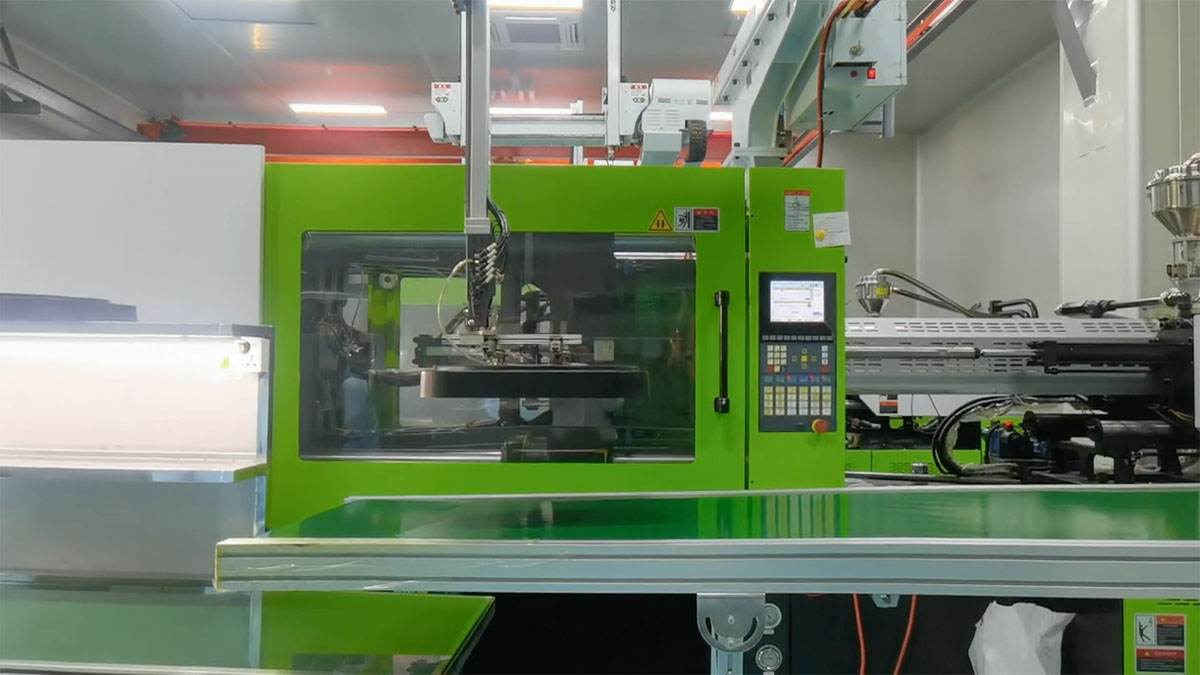
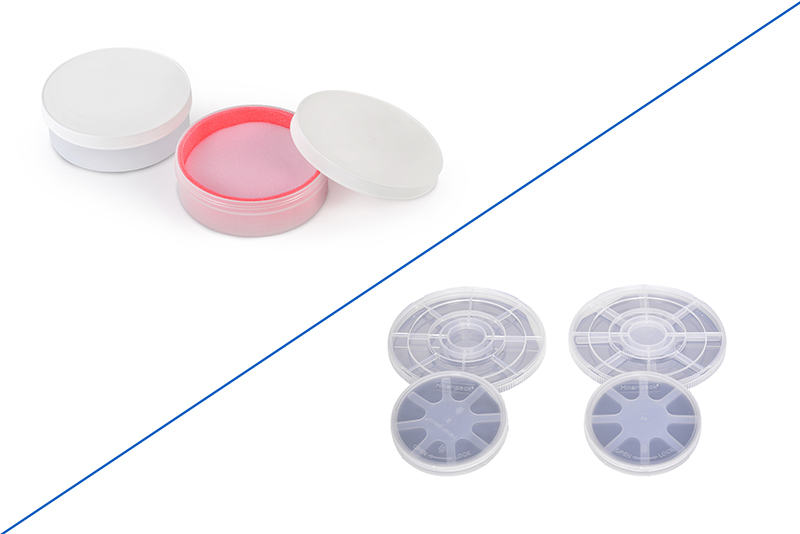
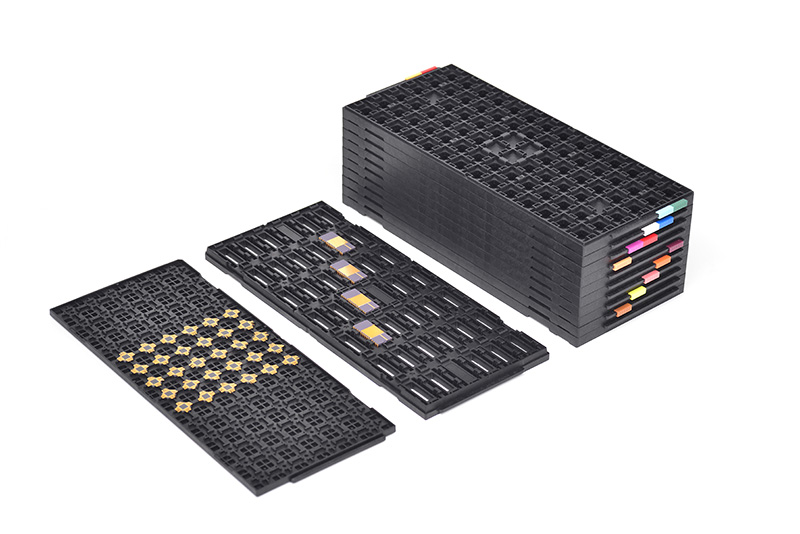
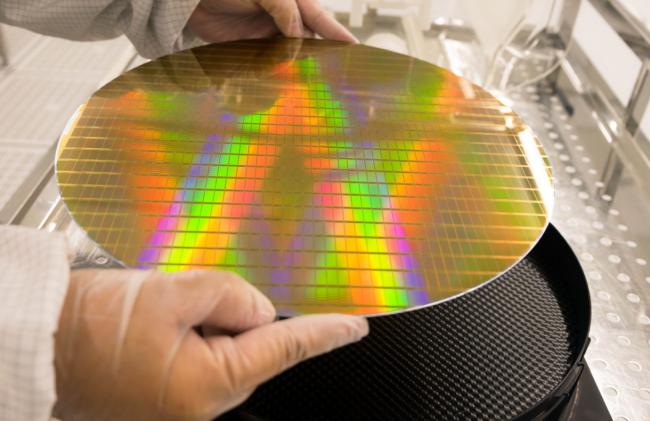
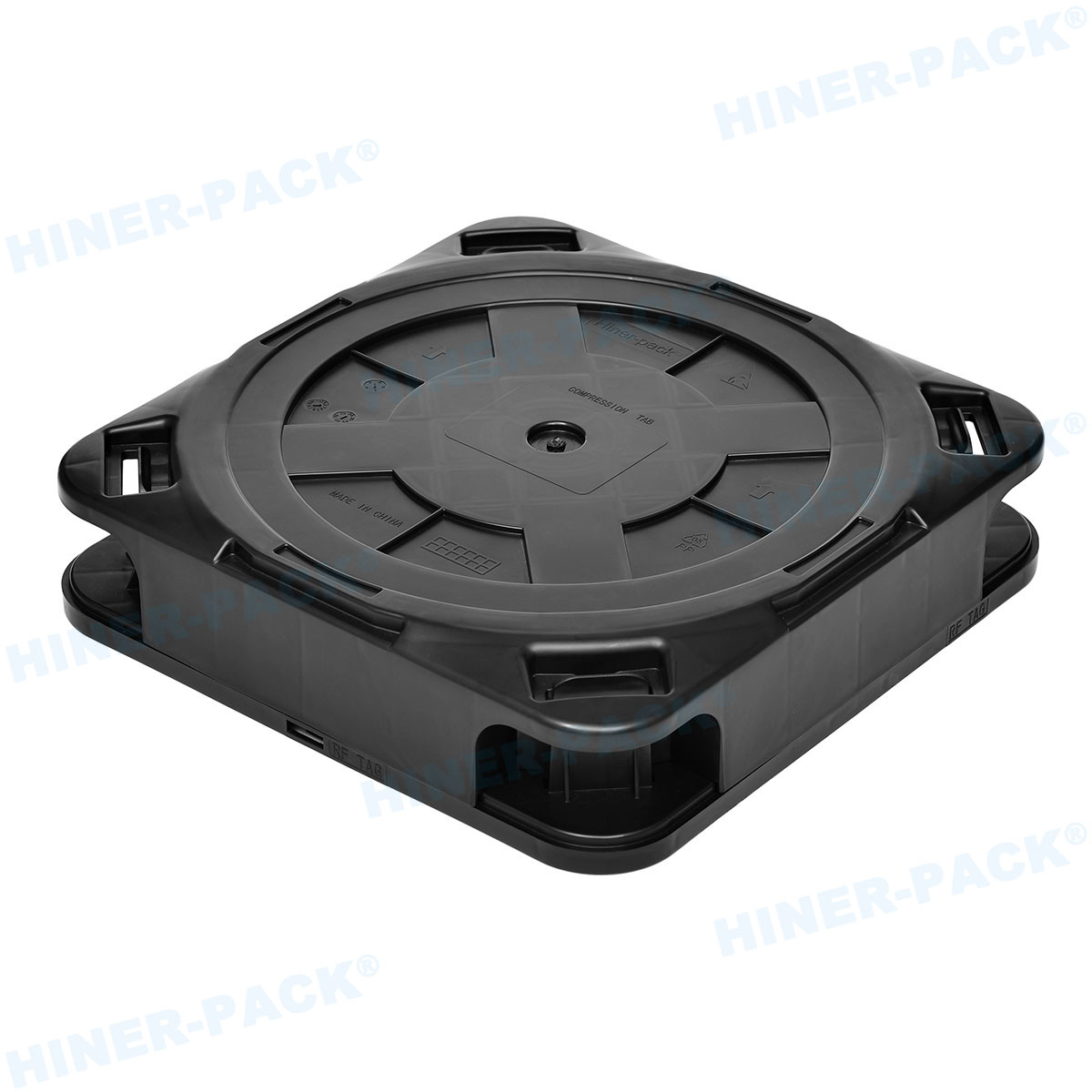
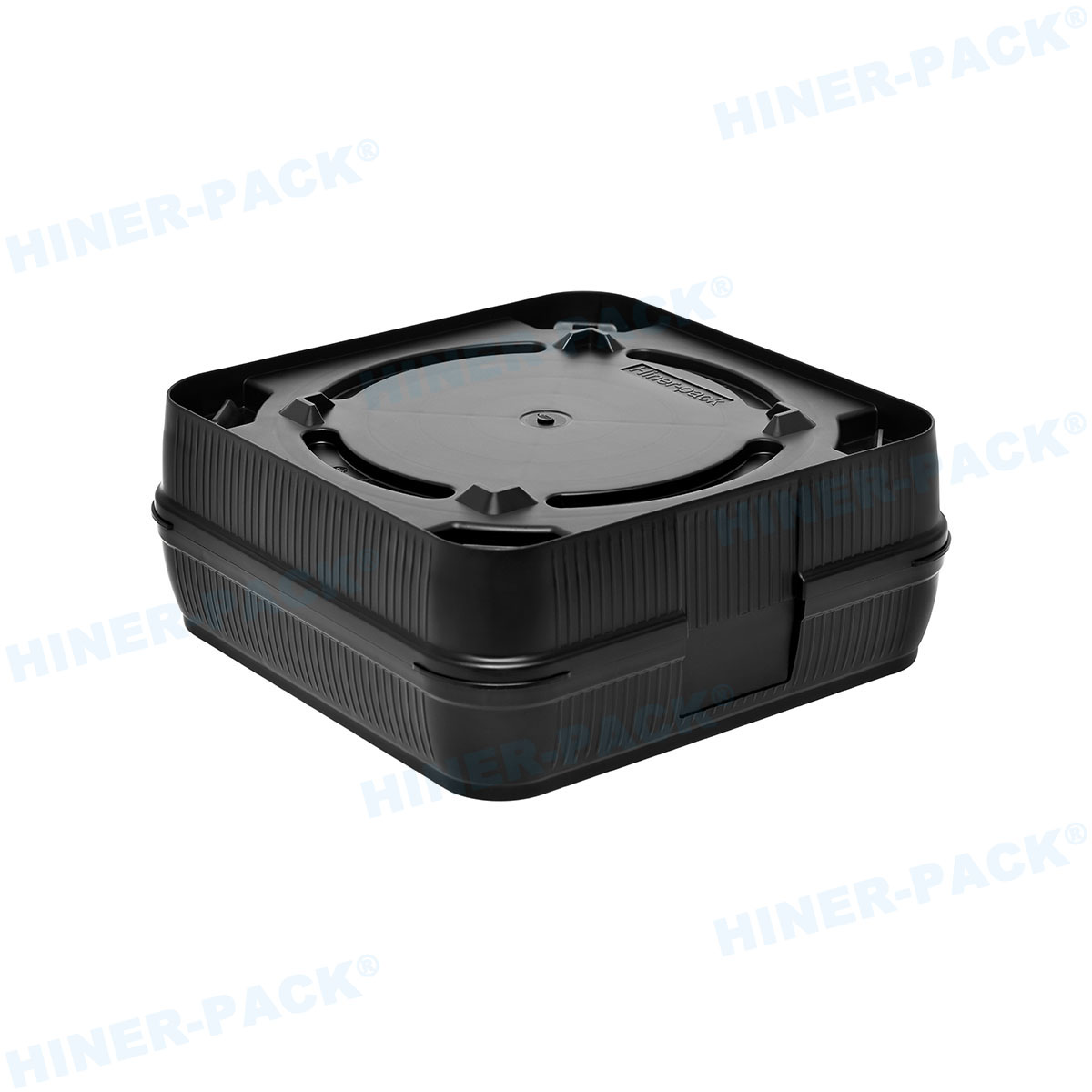
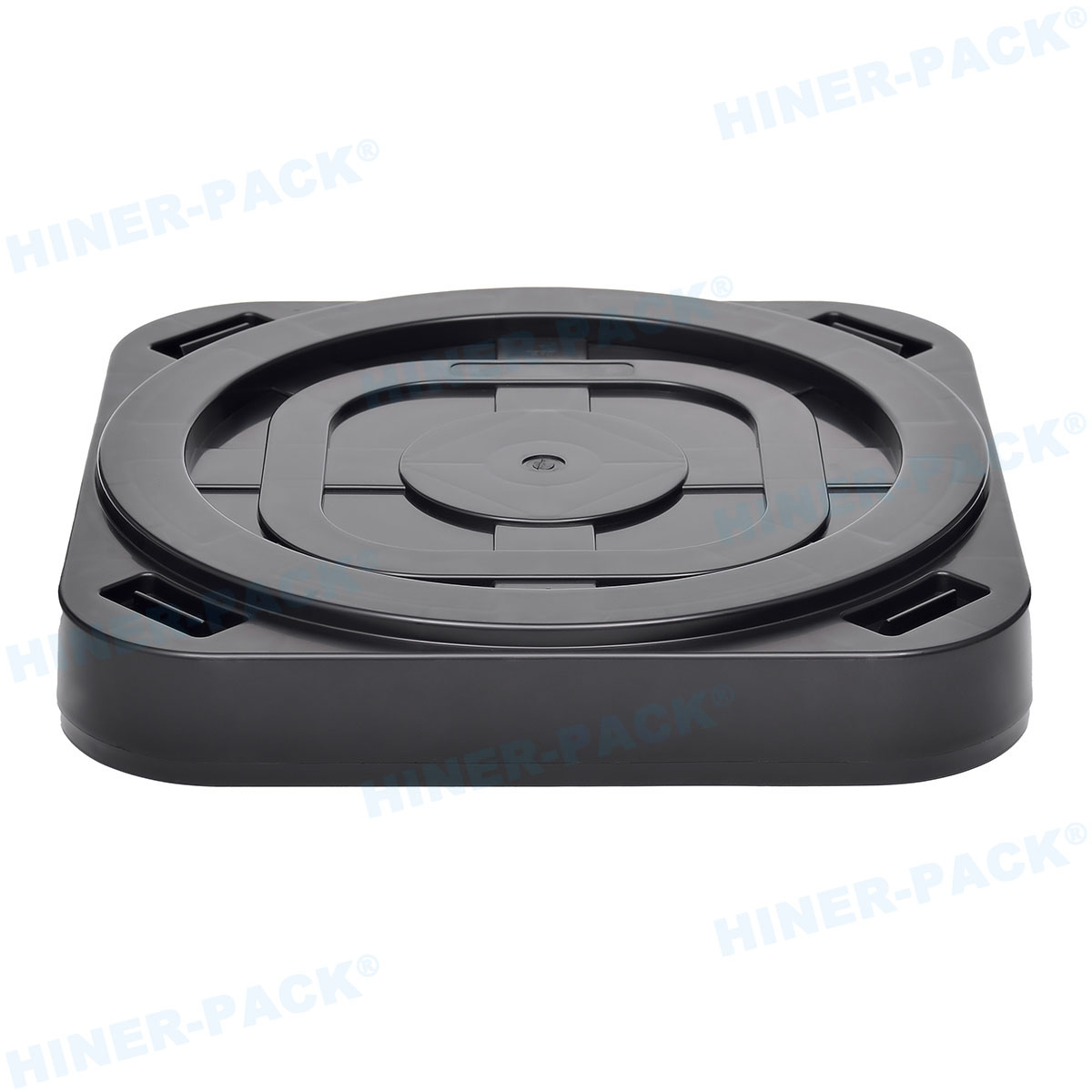
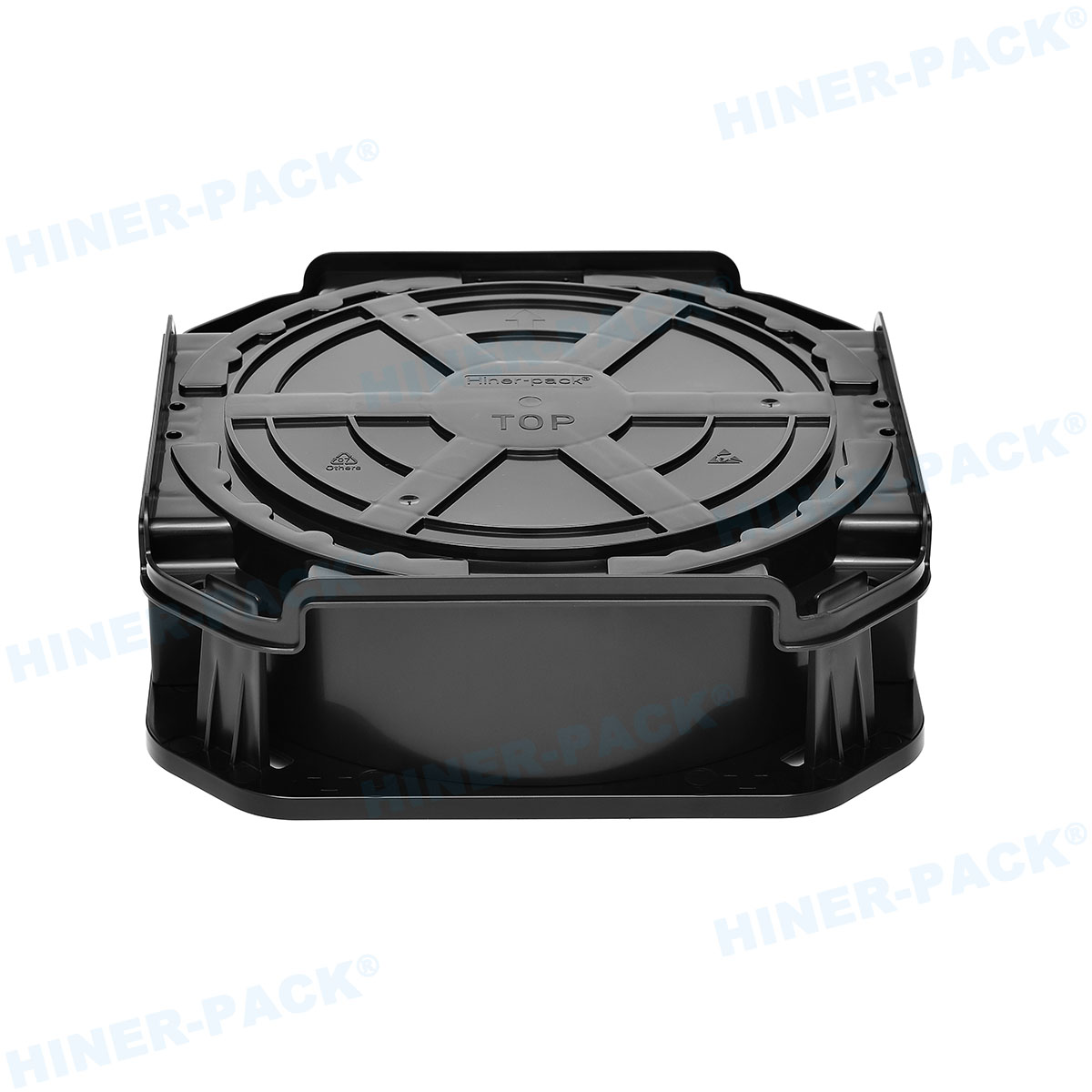
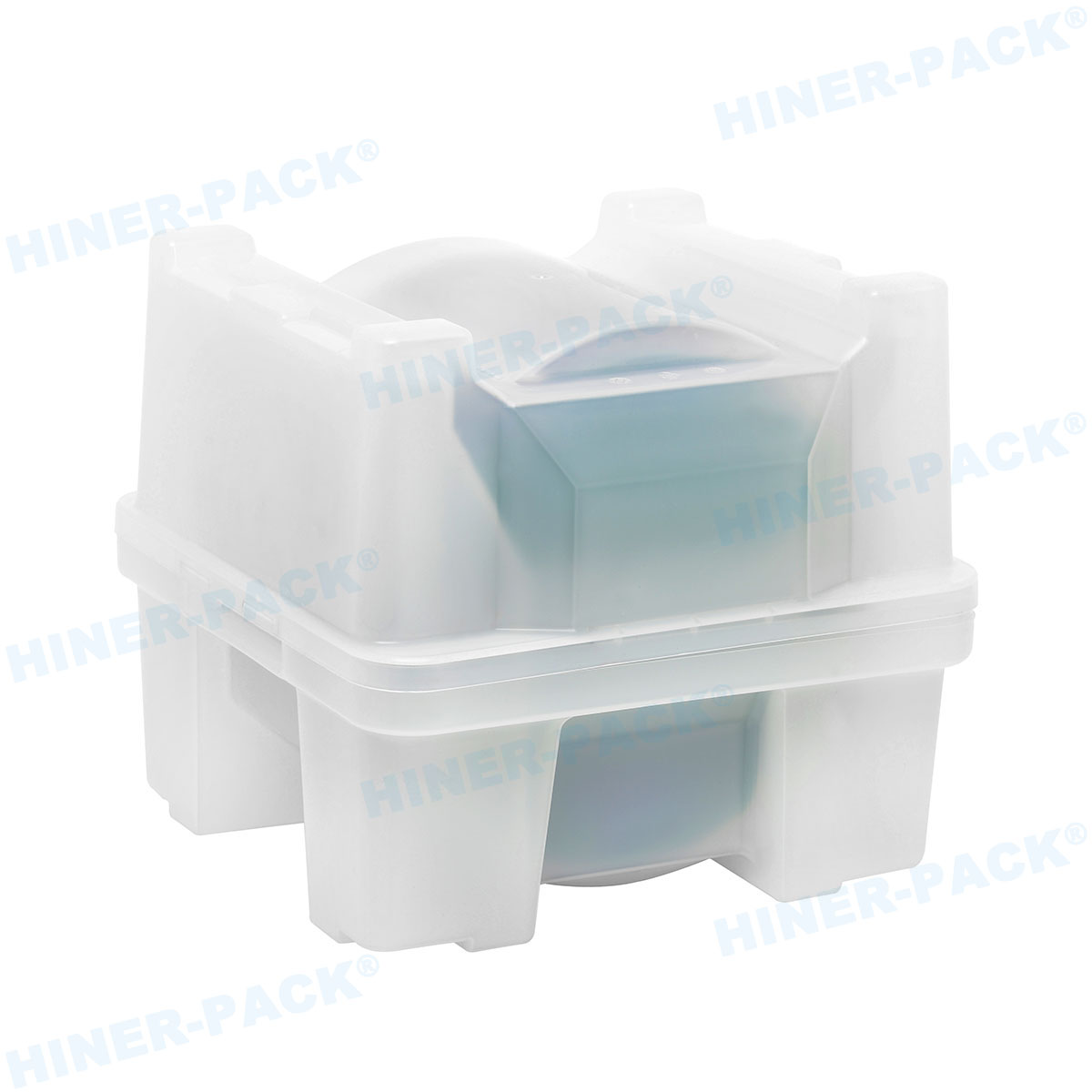
In advanced semiconductor nodes (sub‑7nm), the margin for contamination is zero. Wafer container seals are the first line of defence that isolate 300mm wafers from airborne molecular contaminants (AMCs), moisture, and particles. As a critical component of front‑opening unified pods (FOUPs), FOSBs, and shipping boxes, these seals must meet stringent SEMI standards while enduring repeated autoclave cycles, plasma cleaning, and automated handling. With over two decades of material science expertise, Hiner‑pack provides sealing solutions that achieve < 0.1 particles/ft³ and helium leak rates below 1×10⁻⁶ mbar·l/s.
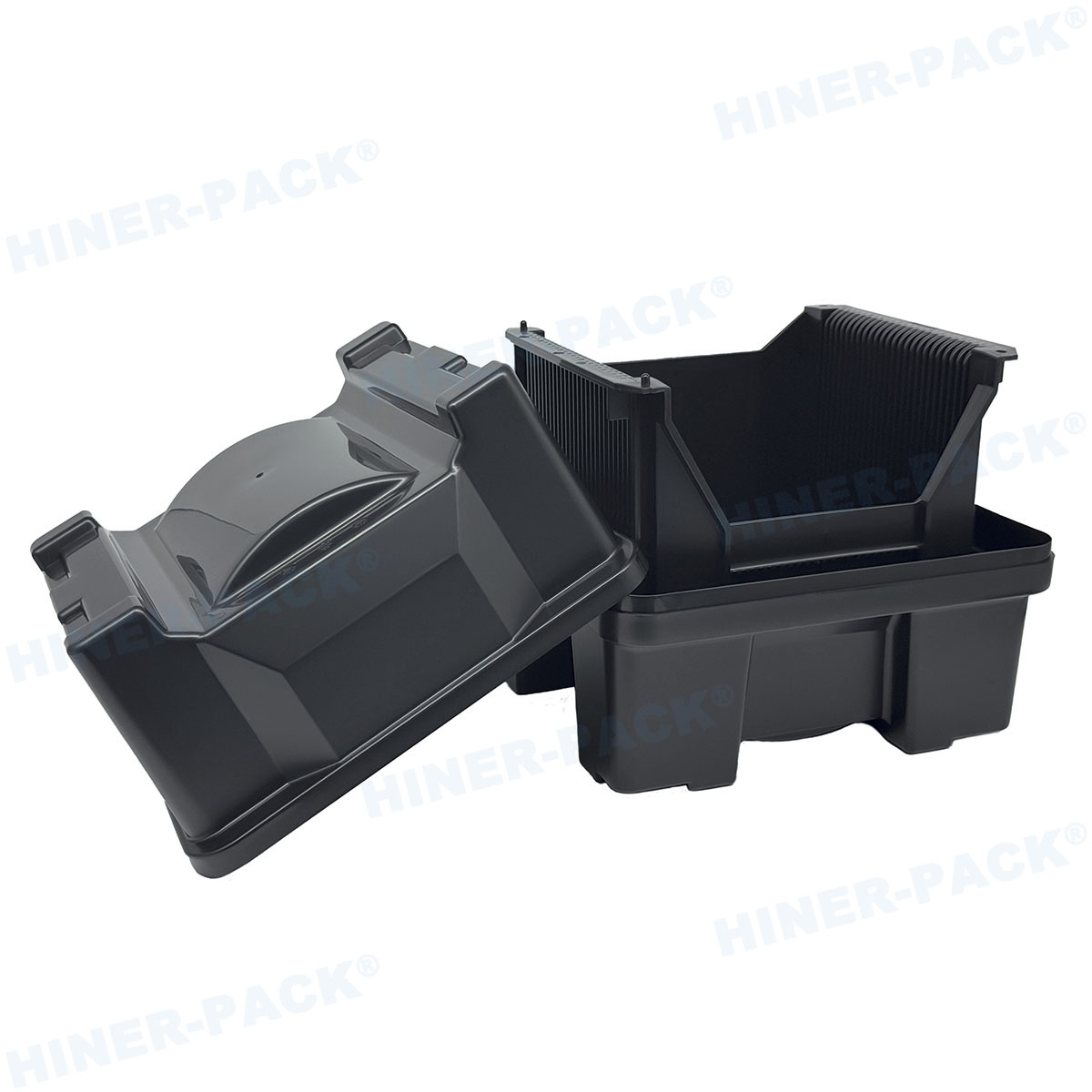
The Critical Role of Wafer Container Seals in Semiconductor Manufacturing
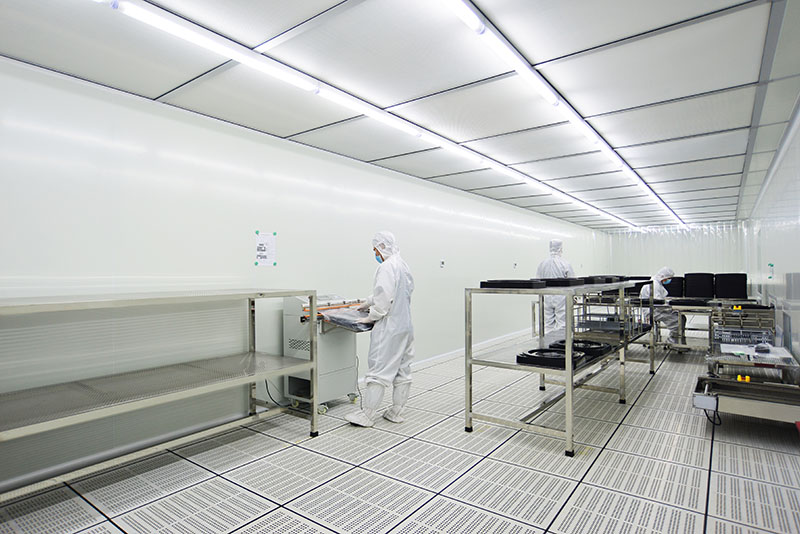
Modern fabs operate under ISO Class 1 cleanroom conditions. Any breach in container integrity directly impacts die yield. Wafer container seals serve three essential functions:
Physical barrier – prevent ingress of particles, moisture, and oxygen during transport and storage.
Chemical buffer – minimise outgassing and sorption of volatile organic compounds (VOCs).
Purge retention – enable controlled N₂ or clean dry air (CDA) environments inside FOUPs.
With the transition to 450mm wafers and extreme ultraviolet (EUV) lithography, seal performance becomes even more critical. A single seal failure can contaminate an entire lot, leading to losses exceeding $500k per incident.
Material Science and Design Considerations for High‑Performance Seals
Selecting the right elastomer and geometry determines long‑term reliability. Below are the dominant materials used in wafer container seals today:
Perfluoroelastomers (FFKM)
FFKM seals offer exceptional chemical resistance and thermal stability (up to 300°C). They are preferred for applications exposed to aggressive plasma cleaning or high‑temperature bake processes. Their low outgassing profile (< 10 µg/g) meets the requirements of advanced logic and memory fabs.
Ethylene Propylene Diene Monomer (EPDM)
EPDM provides excellent resistance to ozone and alkalis, and is widely used in standard FOUP door seals. Modern EPDM formulations with ultra‑low particle shedding are now available, achieving < 0.01 particles/cm² at rest.
Thermoplastic Elastomers (TPE) and Speciality Coatings
For applications requiring electrostatic discharge (ESD) protection, conductive TPE seals or coatings with surface resistivity between 10⁴ and 10⁹ Ω/sq are used. These prevent static accumulation that can attract particles and damage sensitive devices.
Key Performance Metrics: Leak Tightness, Outgassing, and Particle Generation
Quantifying seal performance is essential for process control. The following metrics are routinely verified by Hiner‑pack in accordance with SEMI E47.1 and ASTM F1398:
Leak Tightness
Helium leak tests must demonstrate < 1×10⁻⁶ mbar·l/s for dynamic seals (door interfaces).
Static seals (e.g., purge ports) typically require < 1×10⁻⁸ mbar·l/s.
Outgassing and AMC Contribution
Total mass loss (TML) < 0.1% (ASTM E595).
Collected volatile condensable material (CVCM) < 0.05%.
Specific amines and acids monitored via ion chromatography; < 10 ppb thresholds for advanced nodes.
Particle Shedding
Under mechanical cycling (100,000 operations), particle adders must stay below 0.1 particles ≥ 0.1 µm per sealing surface.
Non‑contact laser surface scanning per SEMI E45.
Application‑Specific Sealing Solutions: FOUPs, FOSBs, and MECs
Different wafer carriers impose unique demands on wafer container seals:
Front‑Opening Unified Pods (FOUPs)
FOUPs require a compliant door seal that maintains integrity through thousands of open/close cycles in AMHS. The seal must also accommodate slight door misalignments without permanent deformation (compression set < 15% after 168 h at 150°C). Hiner‑pack’s metal carrier series integrates a precision‑machined groove design that minimises wear and guarantees consistent sealing force.
Front‑Opening Shipping Boxes (FOSBs)
Shipping containers face broader temperature swings (−40°C to +80°C) and mechanical shocks. Seals must retain flexibility at low temperatures and resist hydrolysis. Advanced FOSB seals often incorporate a dual‑lip profile to provide redundancy.
Mask and Reticle Enclosures (MECs)
For EUV reticles, particle contamination is even more critical. Seals here are often made of conductive FFKM to avoid electrostatic discharge that can damage fragile absorber patterns.
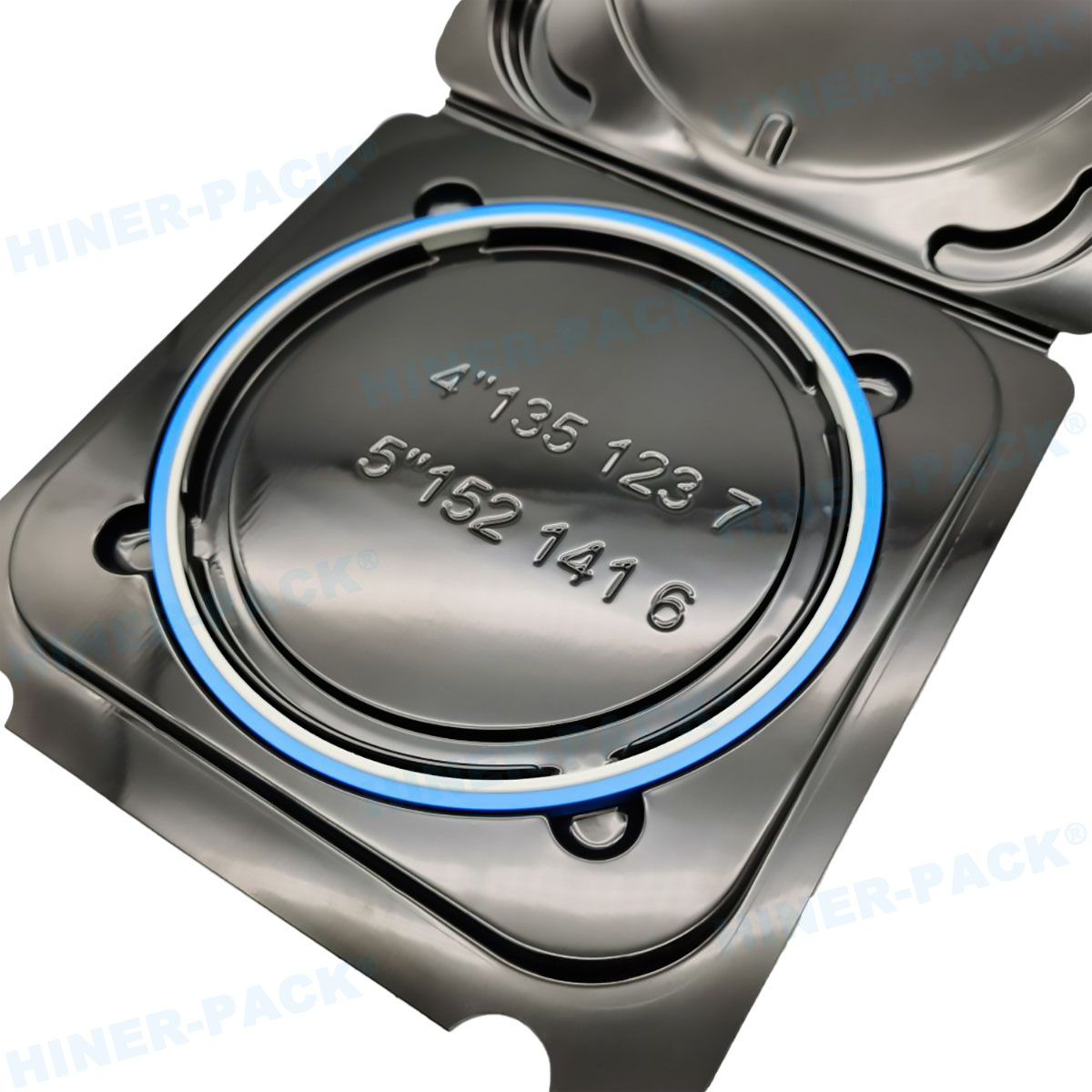
Addressing Industry Pain Points: Contamination, Wear, and Chemical Compatibility
Semiconductor manufacturers consistently face three main challenges with wafer container seals:
Micro‑contamination from Seal Degradation
Even premium elastomers can shed particles if the surface becomes rough due to friction against the container lid. The solution lies in optimising surface finishes (Ra < 0.4 µm on mating surfaces) and applying anti‑friction coatings such as PTFE infusion. Hiner‑pack validates seal friction coefficients below 0.25 to reduce wear.
Chemical Attack in Harsh Environments
FOUPs are periodically cleaned with aggressive chemicals (H₂O₂, O₃, or HF vapour). Standard seals may swell or crack. Perfluoroelastomers with tailored cross‑link densities offer resistance to more than 1,000 cleaning cycles without measurable change in hardness or leakage.
Moisture Ingress During Extended Storage
Water vapour transmission rates (WVTR) for container seals must be below 0.005 g/day per container to maintain dry interior conditions. Multi‑component seals incorporating metallic or polymeric barrier layers are emerging to meet these requirements.
Innovations and Future Directions in Wafer Container Seal Technology
The industry is moving toward “smart” seals embedded with RFID or thin‑film sensors that continuously monitor humidity, pressure, and seal engagement. Early prototypes from Hiner‑pack have demonstrated real‑time detection of micro‑leaks before they impact wafers. Additionally, bio‑based elastomers with ultra‑low environmental impact are under evaluation for next‑generation green fabs.
Why Choose Hiner‑pack for Advanced Wafer Container Seals
With a dedicated cleanroom manufacturing line and in‑house testing laboratories, Hiner‑pack provides fully traceable seals that meet the most demanding 300mm and 450mm specifications. Our metal carrier series is engineered for zero particle adders and features a modular seal cartridge that simplifies requalification. Every production batch is validated for outgassing, particle shedding, and leak tightness – ensuring that our customers achieve the highest possible yields.
Frequently Asked Questions (FAQ)
Q1: What are the most common materials used in wafer container seals
today?
A1: The primary materials are perfluoroelastomers (FFKM) for
aggressive environments, EPDM for general FOUP use, and thermoplastic elastomers
with conductive fillers for ESD control. The choice depends on chemical
exposure, temperature range, and particle budget.
Q2: How often should wafer container seals be replaced?
A2:
Replacement intervals vary by usage. In high‑volume fabs, dynamic seals on FOUPs
are typically requalified every 6–12 months or after 10,000 open/close cycles.
Wafer container seals in shipping containers
may last 2–5 years, but regular helium leak checks are recommended.
Q3: Can a degraded seal affect the internal atmosphere of a
FOUP?
A3: Absolutely. Cracks or permanent compression set allow moisture
and oxygen ingress, while outgassing from a worn seal can release VOCs. Both
scenarios lead to crystal defects or oxidation, directly impacting yield.
Q4: What SEMI standards apply to wafer container seals?
A4: Key
standards include SEMI E47.1 (specification for FOUP seal interfaces), SEMI E111
(method for particle contribution), and SEMI F108 (assessment of AMC from
materials). Hiner‑pack’s seals are routinely tested against these protocols.
Q5: How do I select the right seal for 300mm wafer shipping
containers?
A5: Consider the shipping environment (air or ocean),
expected temperature extremes, and required shelf life. For intercontinental
transport, a dual‑durometer seal combining a rigid core and soft sealing lip
often provides the best trade‑off between closure force and leak tightness.
Always request test data for particle shedding at −40°C.