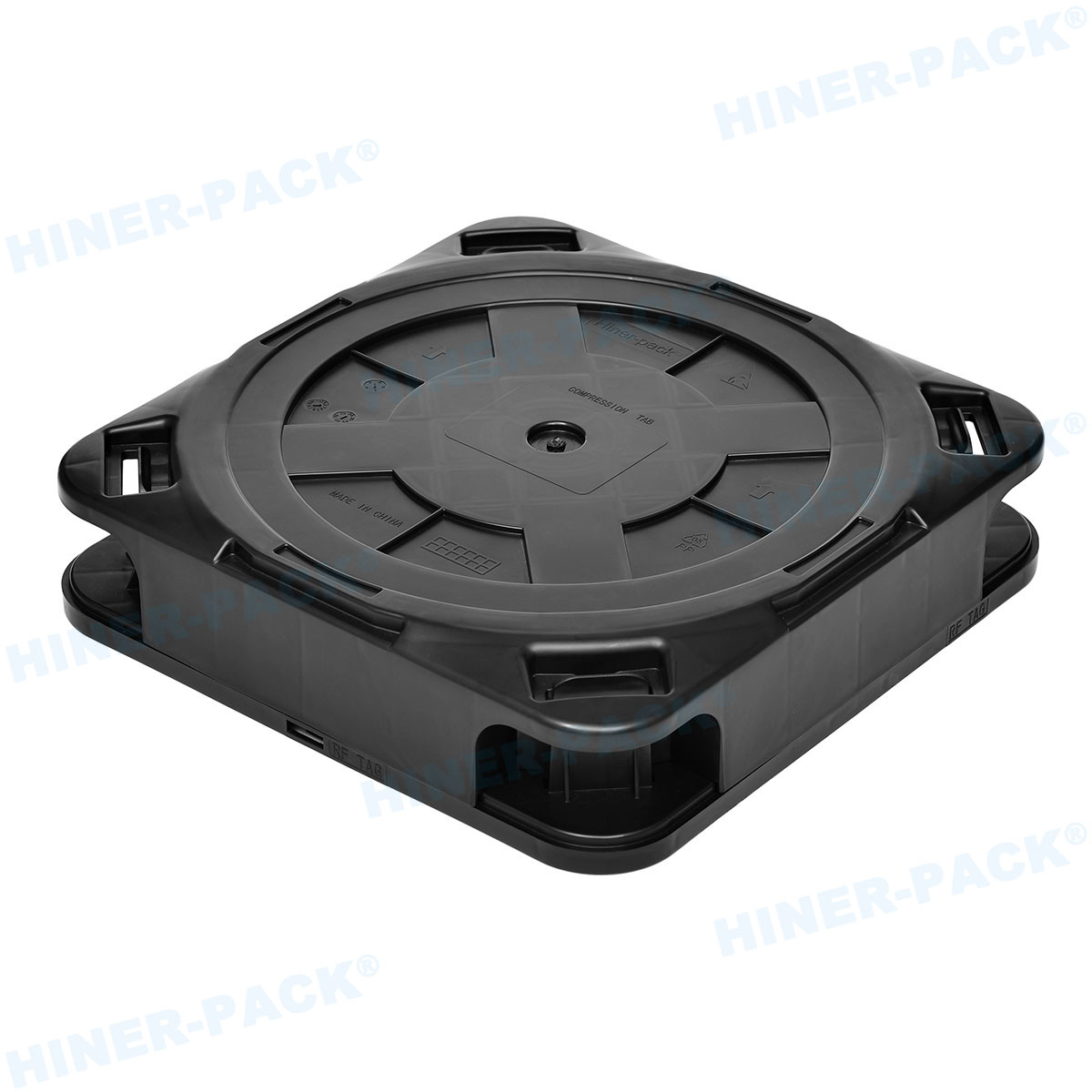
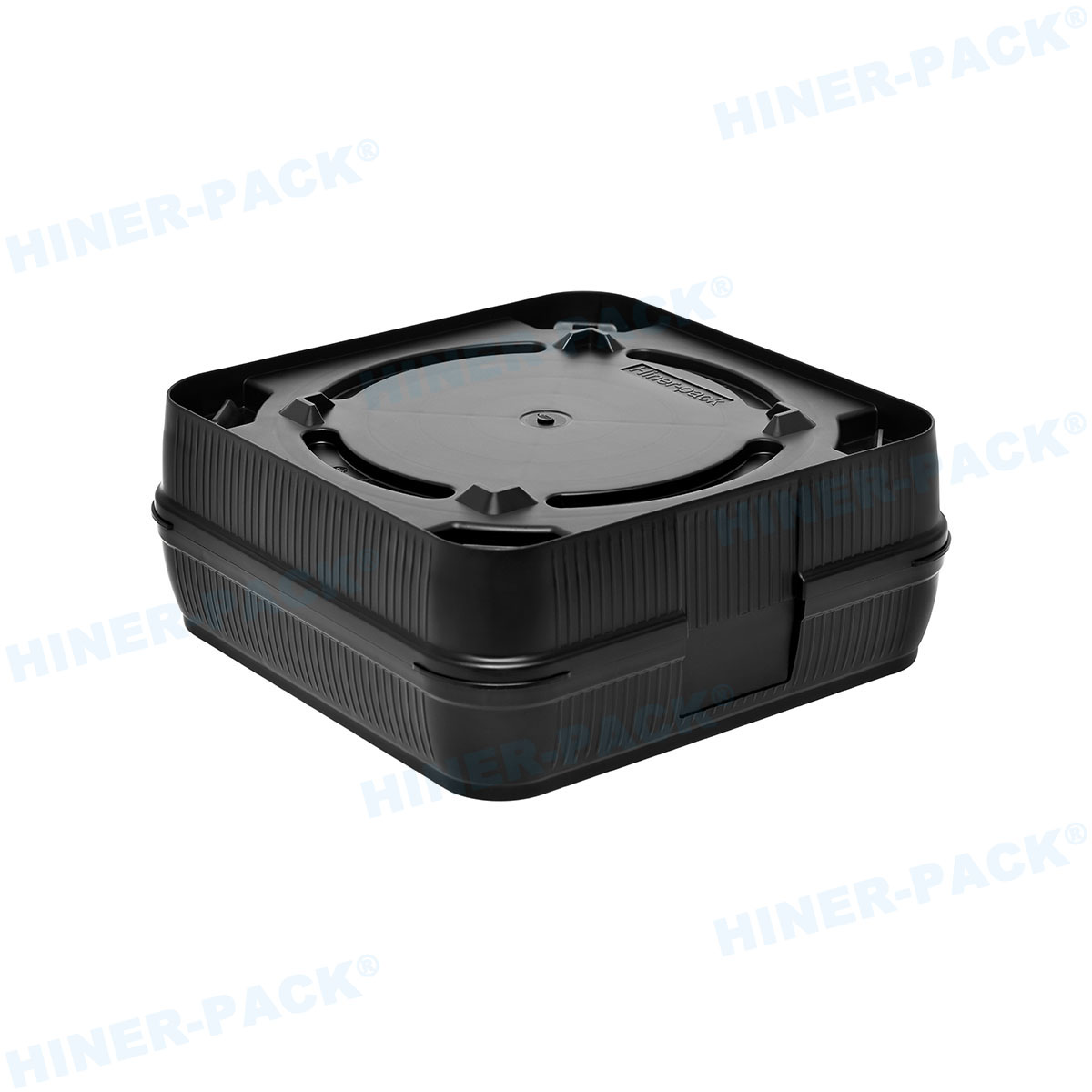
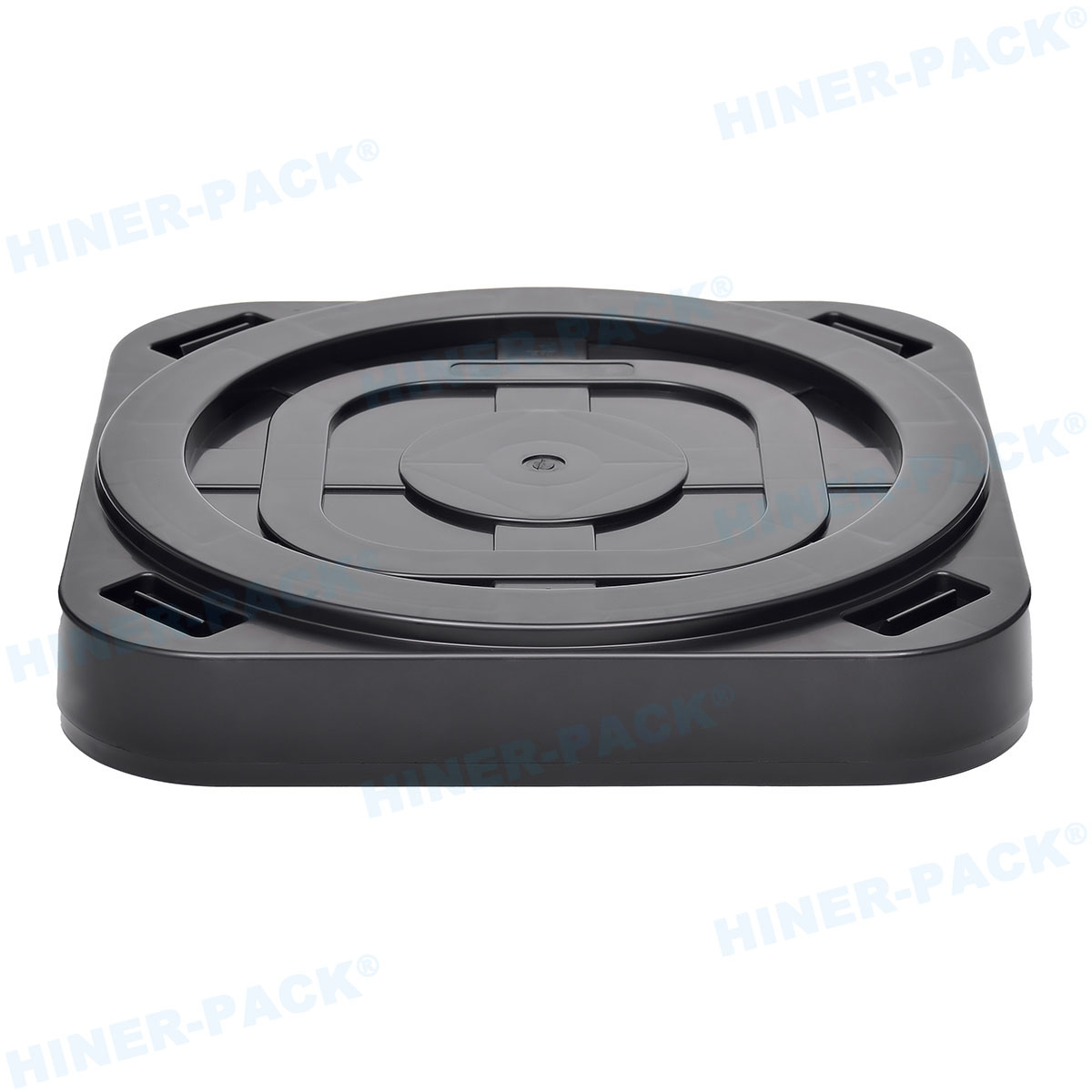
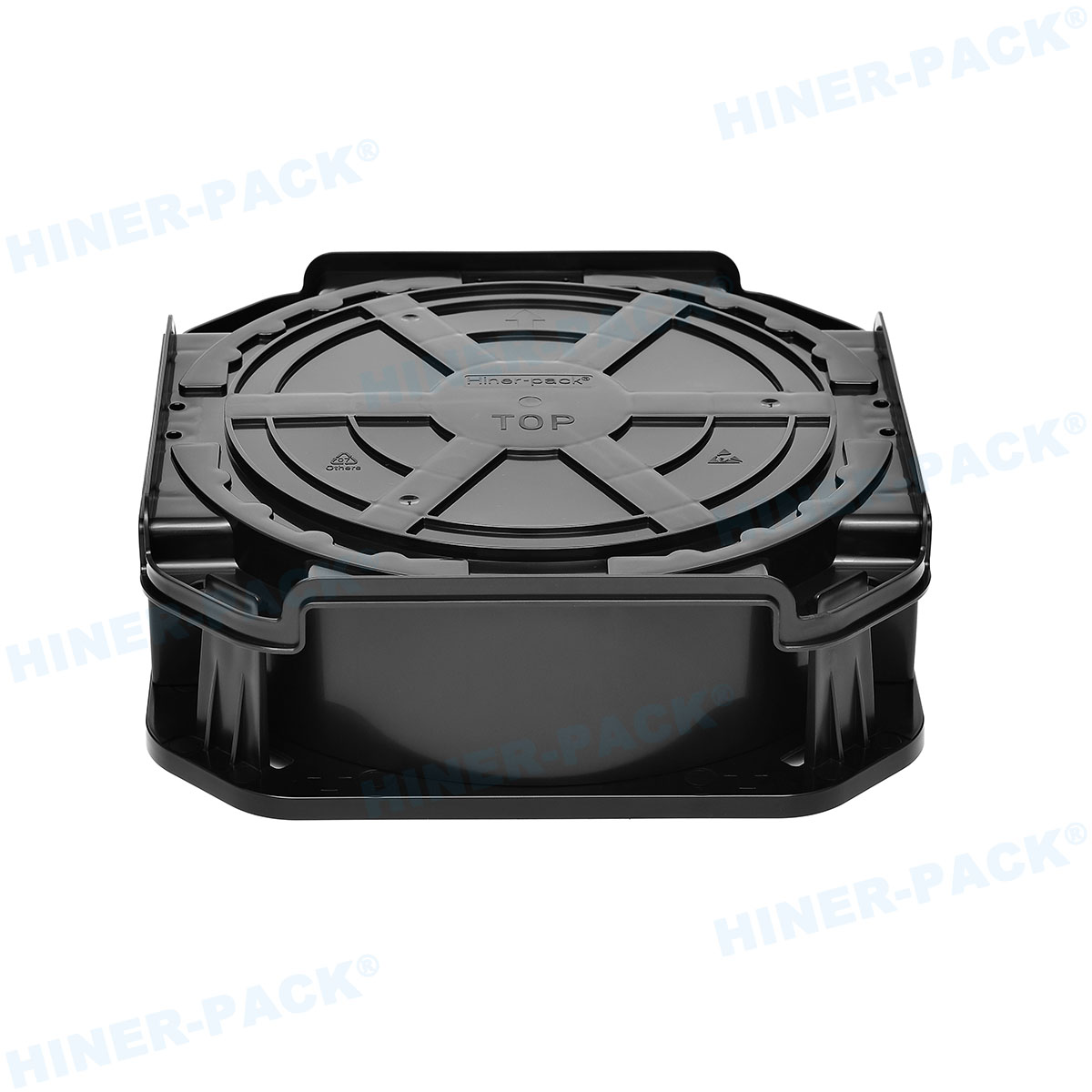
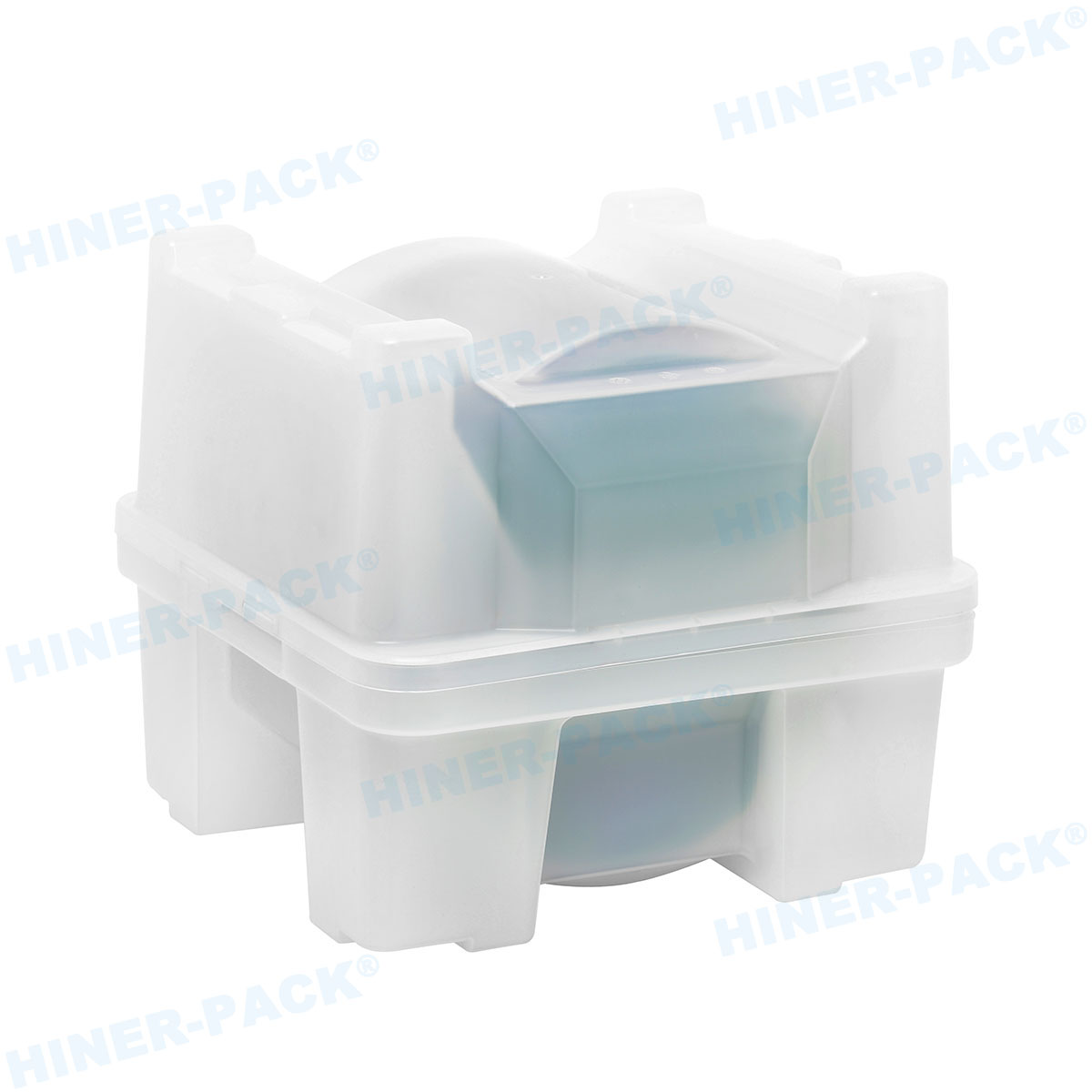
Semiconductor wafer boats are fundamental to the fabrication of integrated circuits. These precision engineered carriers hold wafers vertically or horizontally during high‑temperature processes such as diffusion, oxidation, and annealing. Made from ultra‑pure materials, they ensure minimal contamination and consistent thermal uniformity. For state‑of‑the‑art wafer handling solutions, Hiner‑pack provides a comprehensive portfolio of wafer boats and carriers designed for 200 mm and 300 mm processes.
The performance of a semiconductor wafer boat directly influences yield, particle control, and thermal budget. Fabrication facilities rely on these components to maintain the integrity of wafers through repeated cycles. With the increasing complexity of nodes, the demand for defect‑free boats has never been higher.
Understanding Semiconductor Wafer Boats: Design and Function
At its core, a semiconductor wafer boat is a slotted structure that supports wafers edge‑on. The slots are precisely machined to hold wafers without touching the active surface. This design minimises mechanical stress while allowing maximum gas flow during processing. Boats are used in furnaces, rapid thermal annealers, and wet benches.
Horizontal boats: used in horizontal furnaces; wafers lie flat, supported by quartz rods.
Vertical boats: employed in vertical furnaces; wafers stand upright, enabling higher density.
Cantilever and paddle designs: integrated with automation for reduced vibration.
Modern fabs often select Semiconductor wafer boats that match specific thermal profiles. Finite element analysis is used to optimise slot pitch and rib geometry.
Material Selection for Extreme Environments
Quartz (fused silica) remains the most common material because of its thermal shock resistance and purity. However, for processes above 1000 °C or aggressive chemistries, silicon carbide (SiC) is preferred. SiC boats offer higher rigidity and longer lifetime.
Clear quartz: low OH content, ideal for diffusion and oxidation.
Sapphire (Al₂O₃): used in special applications requiring extreme chemical resistance.
Silicon carbide: provides excellent thermal conductivity and durability.
Hiner‑pack offers boats in all these materials, ensuring compatibility with next‑generation processes. Their engineering team assists in material validation before production.
Key Properties of High‑Performance Semiconductor Wafer Boats
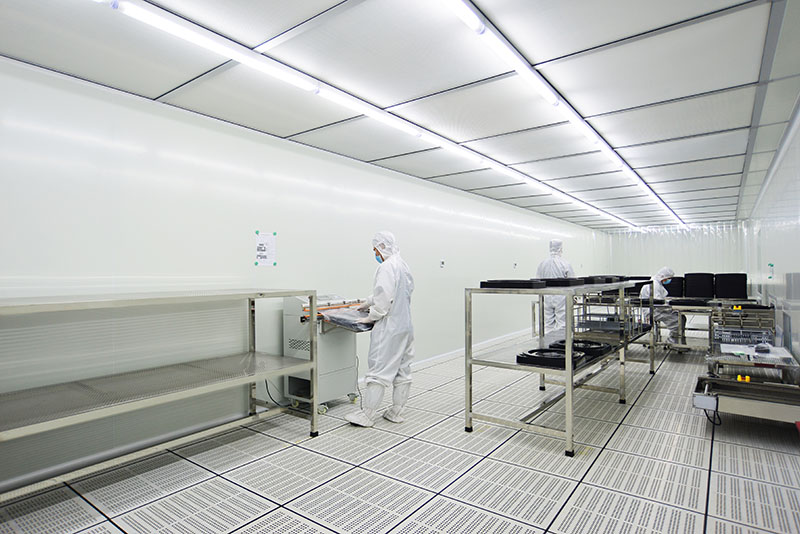
Thermal uniformity is paramount. Boats must not warp or devitrify after hundreds of cycles. Dimensional stability guarantees that wafers remain centred, preventing slip dislocations. Another critical property is cleanliness: boats are manufactured in ISO Class 4 cleanrooms and packaged in double bags.
Particle generation is minimised by smooth surfaces and rounded edges. Some advanced Semiconductor wafer boats incorporate surface coatings to reduce metal contamination. For example, a thin layer of polysilicon on quartz can trap mobile ions.
Process Compatibility and Automation
Today’s semiconductor wafer boats often feature automation interfaces. Robotic tweezers grip the boat without touching the wafers. Alignment notches and RFID tags are embedded for tracking. This integration reduces human error and increases throughput.
Hiner‑pack supplies boats with custom automation features, such as grip pads and bar‑code areas, tailored to specific OEM equipment.
Selecting the Right Semiconductor Wafer Boat
Choosing a boat involves several factors: wafer size (150 mm, 200 mm, 300 mm), process temperature, chemistry, and furnace type. Below is a practical checklist:
Temperature range: Quartz works up to 1150 °C; SiC up to 1350 °C.
Chemical exposure: HCl, H₃PO₄, or HF vapours require SiC or coated quartz.
Load capacity: Number of wafers per run (typically 25, 50, or 100).
Slot pitch: Standard 4.76 mm or custom for thicker wafers.
Always request a dimensional report and cleanroom certification. Reliable suppliers like Hiner‑pack provide these documents with every order.
Cleaning and Maintenance of Semiconductor Wafer Boats
Contamination builds up over time. Particles, films, or residual layers must be removed without damaging the boat. Typical cleaning methods include:
Wet chemical baths (HF‑based for quartz, or NH₄OH/H₂O₂ for SiC).
Ultrasonic agitation to dislodge particles.
High‑pressure DI water rinsing followed by Class 10 drying.
Inspection under UV light helps detect residual stress or micro‑cracks. Hiner‑pack also offers a reconditioning service that extends boat life by 30–50 %. Proper maintenance ensures that Semiconductor wafer boats perform consistently over thousands of runs.
Future Trends in Wafer Boat Technology
As the industry moves to 450 mm wafers and new materials like GaN, boat designs evolve. Finite element modelling now predicts sagging and thermal gradients. Additive manufacturing (3D printing) is explored for complex, lightweight structures. Moreover, active heating boats that directly control wafer temperature are in R&D.
Hiner‑pack participates in several consortia to develop these next‑generation carriers. Their engineering team collaborates with fabs to prototype and validate new concepts.
Why Partner with Hiner‑pack for Semiconductor Wafer Boats?
Hiner‑pack has over two decades of experience in precision quartz and ceramics. Their manufacturing facilities are equipped with 5‑axis CNC machining and laser metrology. Every semiconductor wafer boat is serialised and traceable. They offer rapid prototyping, emergency replacement services, and global logistics. By choosing Hiner‑pack, fabs reduce downtime and improve process stability.
In summary, the reliability of Semiconductor wafer boats directly impacts yield and throughput. Partnering with experienced suppliers like Hiner‑pack guarantees access to advanced designs and durable materials. As process nodes shrink and wafer sizes increase, the role of precision carriers will only grow more critical.
Frequently Asked Questions
Q1: What exactly are semiconductor wafer boats used for?
A1: They are carriers that hold silicon wafers during high‑temperature processes such as diffusion, oxidation, and LPCVD. The boats keep wafers separated and stable, allowing uniform gas flow and heat distribution.
Q2: Which materials are commonly used for semiconductor wafer boats?
A2: The most common materials are high‑purity fused quartz (for up to 1150 °C) and silicon carbide (for extreme temperatures and harsh chemistries). Sapphire and coated quartz are also used for specialised applications.
Q3: How often should semiconductor wafer boats be cleaned?
A3: Cleaning frequency depends on the process. In diffusion areas, boats are typically cleaned after 50–100 runs. Particle monitors and visual inspections help decide the interval. Hiner‑pack recommends a certified cleaning process to avoid damaging the boat.
Q4: Can I use the same boat for both 200 mm and 300 mm wafers?
A4: No, boats are size‑specific. The slot pitch, overall dimensions, and handling features are designed for one wafer size. Mixing sizes would cause misalignment and breakage. Always match the boat to the exact wafer diameter.
Q5: Does Hiner‑pack offer custom designs for semiconductor wafer boats?
A5: Yes, Hiner‑pack specialises in custom‑engineered boats. They work from your drawings or develop a design based on your furnace and automation requirements. Prototypes are delivered with full dimensional and cleanliness reports.
Q6: What is the typical lead time for a quartz wafer boat?
A6: For standard models, lead time is usually 2–3 weeks. Custom designs may take 4–6 weeks, including engineering validation. Hiner‑pack also offers an express service for urgent replacement needs.
Q7: How can I verify that a semiconductor wafer boat is free from contamination?
A7: Reputable suppliers like Hiner‑pack provide a certificate of cleanliness with each boat, often including particle count data and metallic contamination analysis (using ICP‑MS). You can also perform your own inspection with a UV lamp or dark‑field illumination.