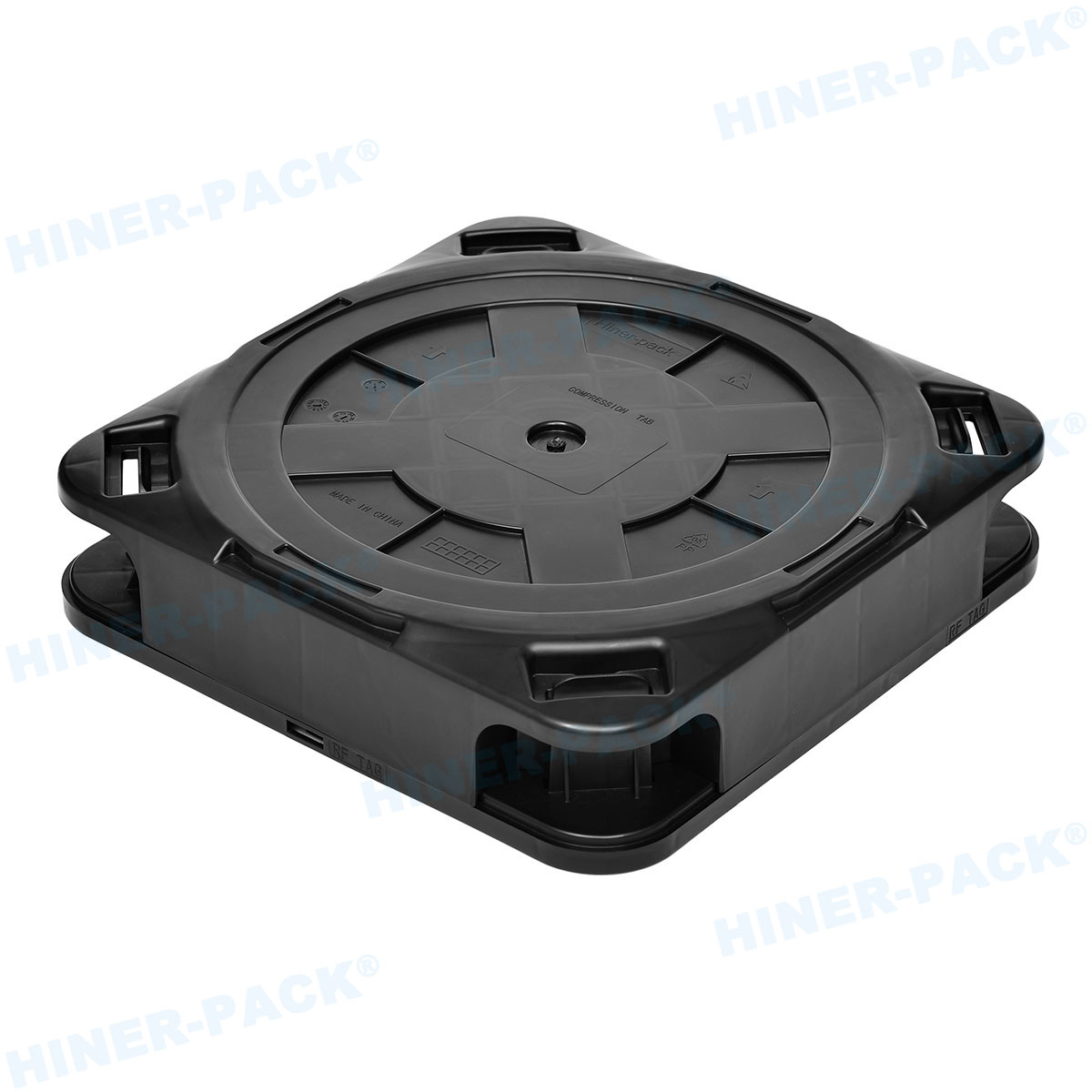
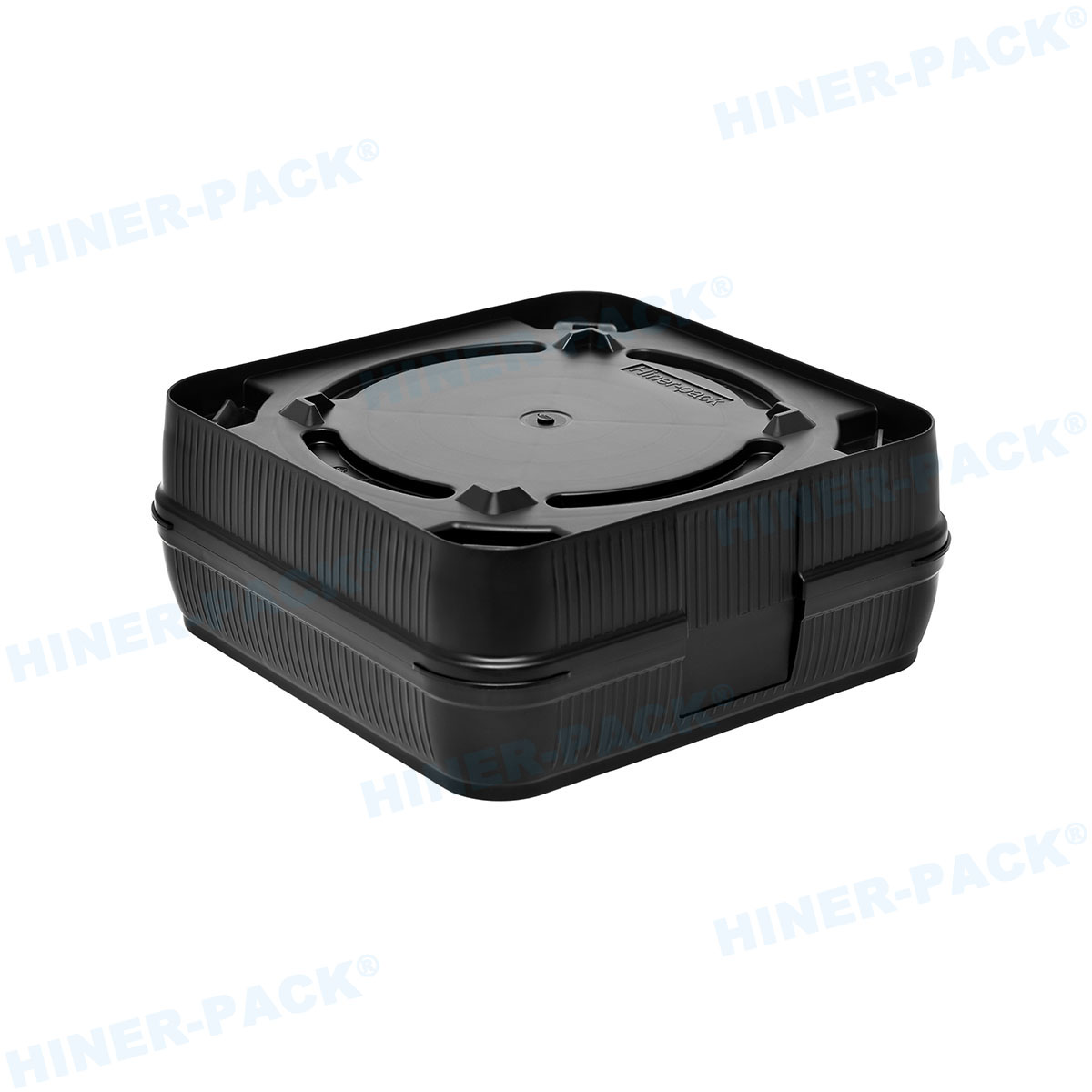
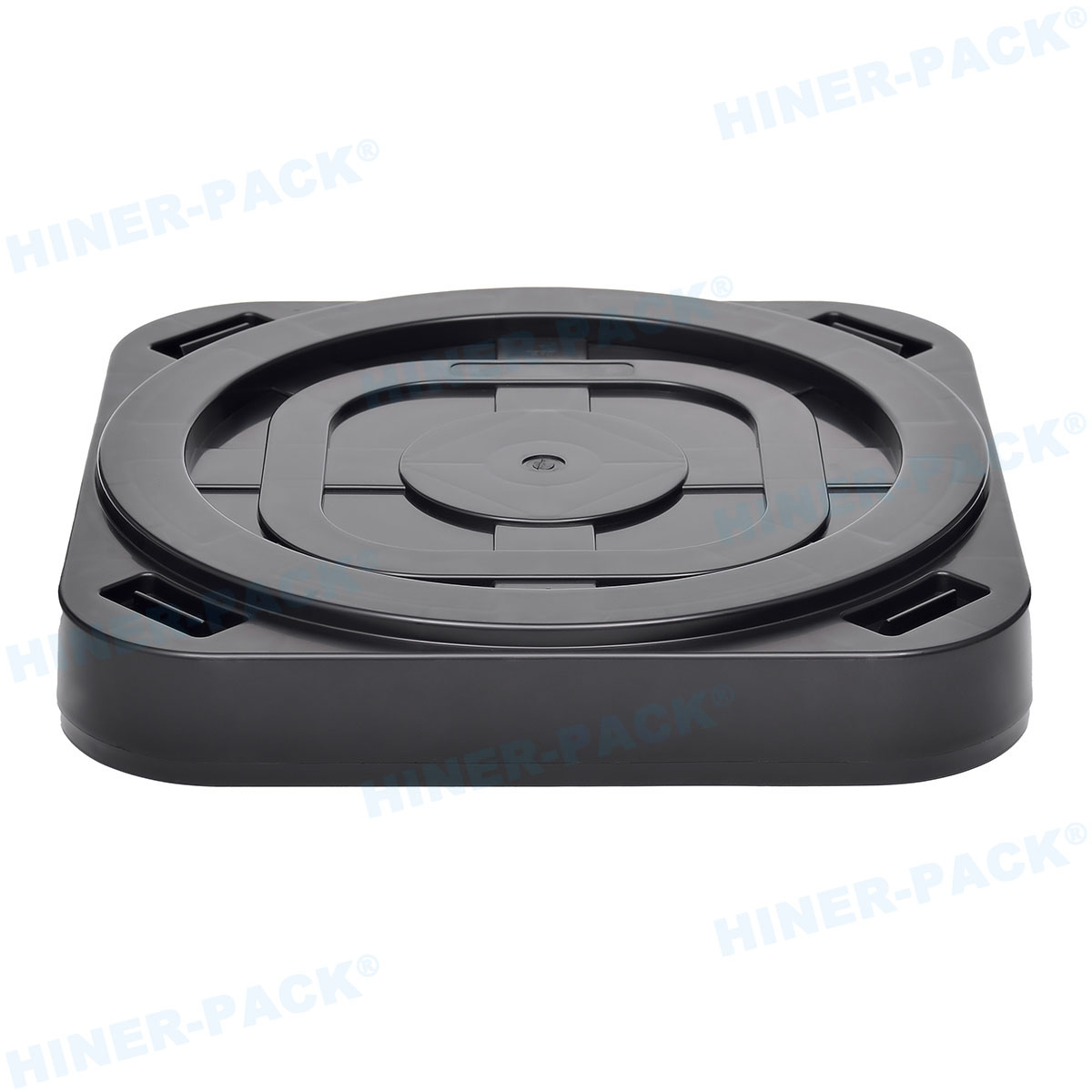
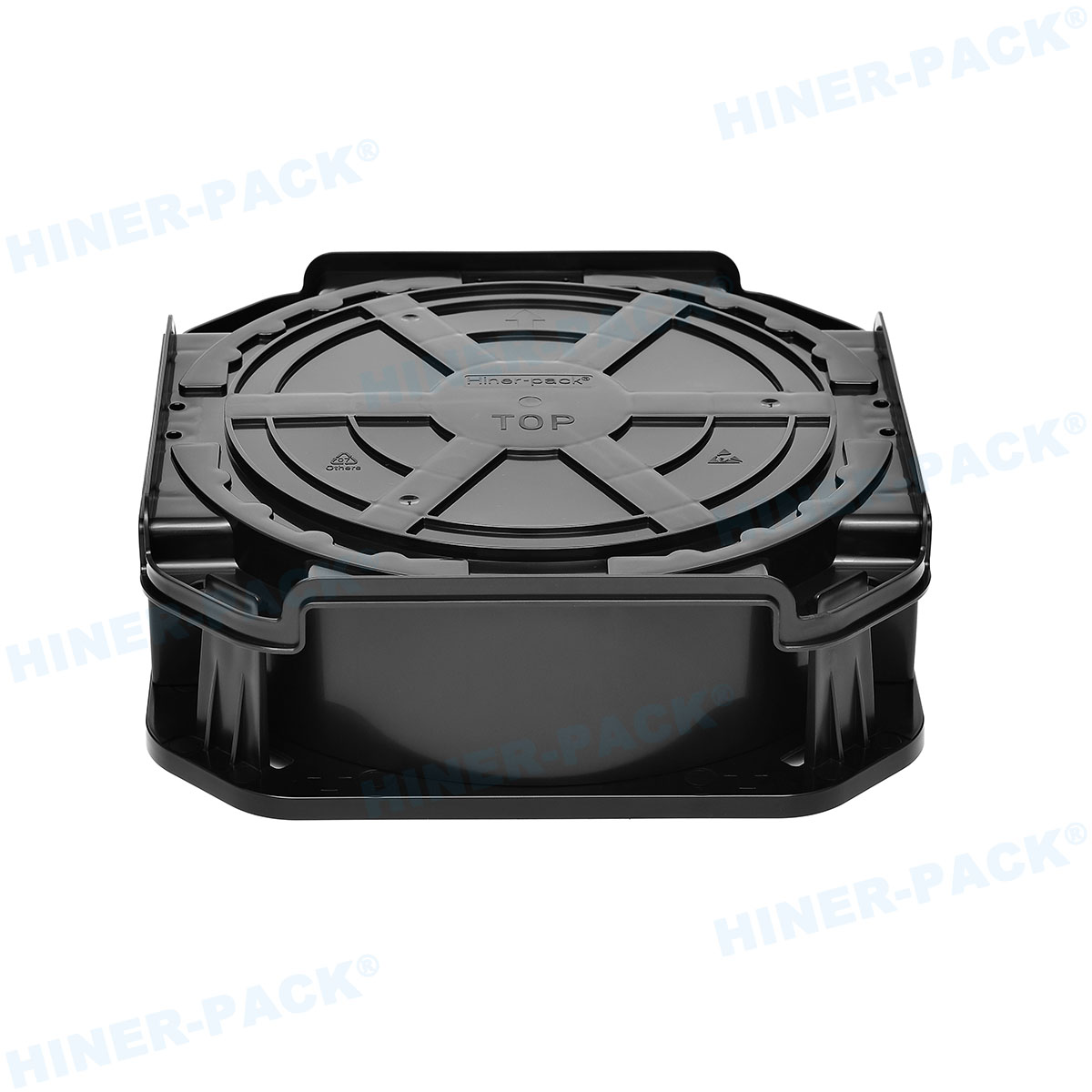
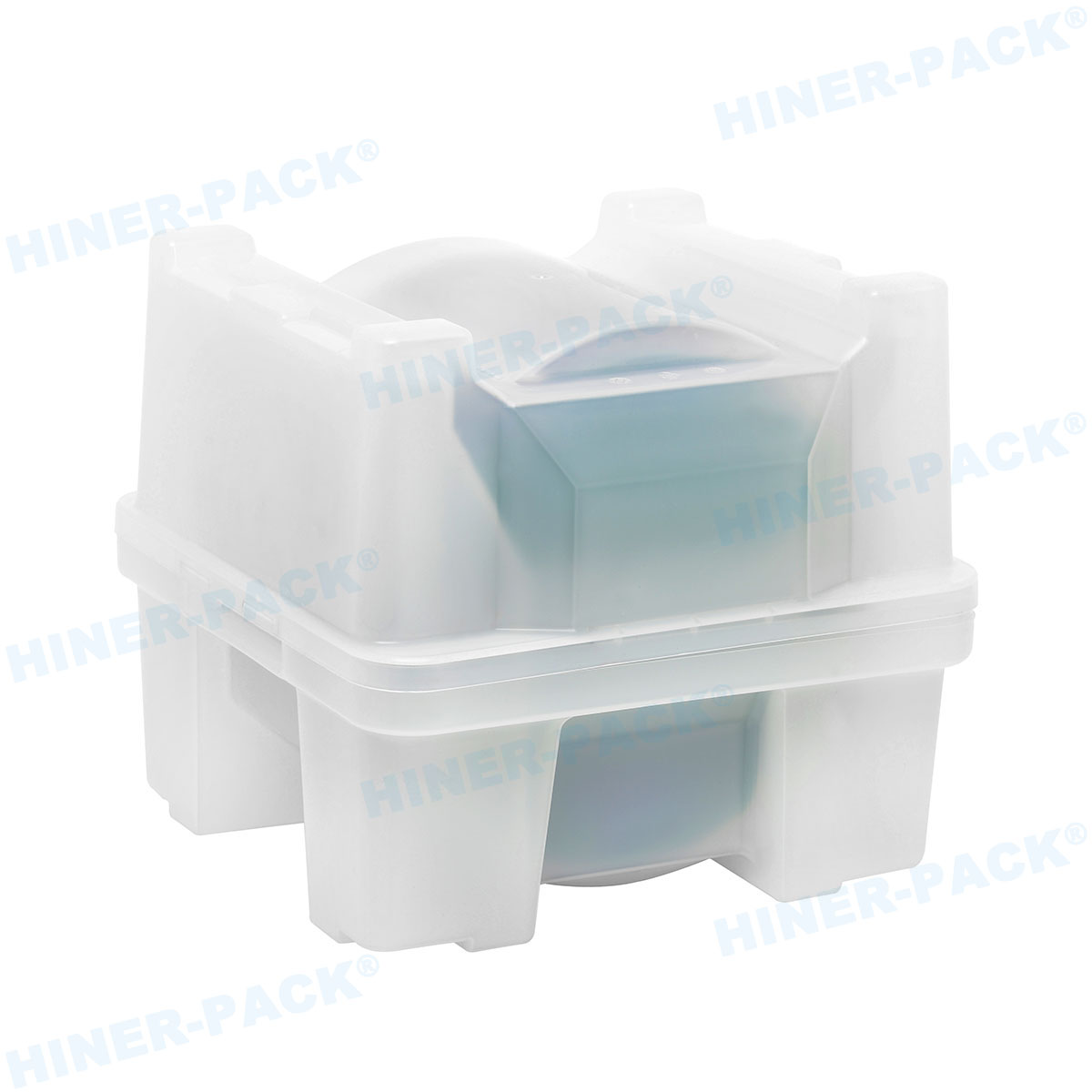
For semiconductor fabs, OSATs, and wafer-level packaging lines, the wafer shipper price is a frequent procurement concern, yet the initial dollar amount often hides critical technical variables. ESD protection, particle shedding rates, reuse cycles, and SEMI certifications each drive costs in different directions. This article provides a transparent, engineering-driven breakdown of every component that forms the final wafer shipper price. We examine material science, manufacturing processes, compliance levels, and volume scaling – enabling buyers to match spending with actual process requirements.
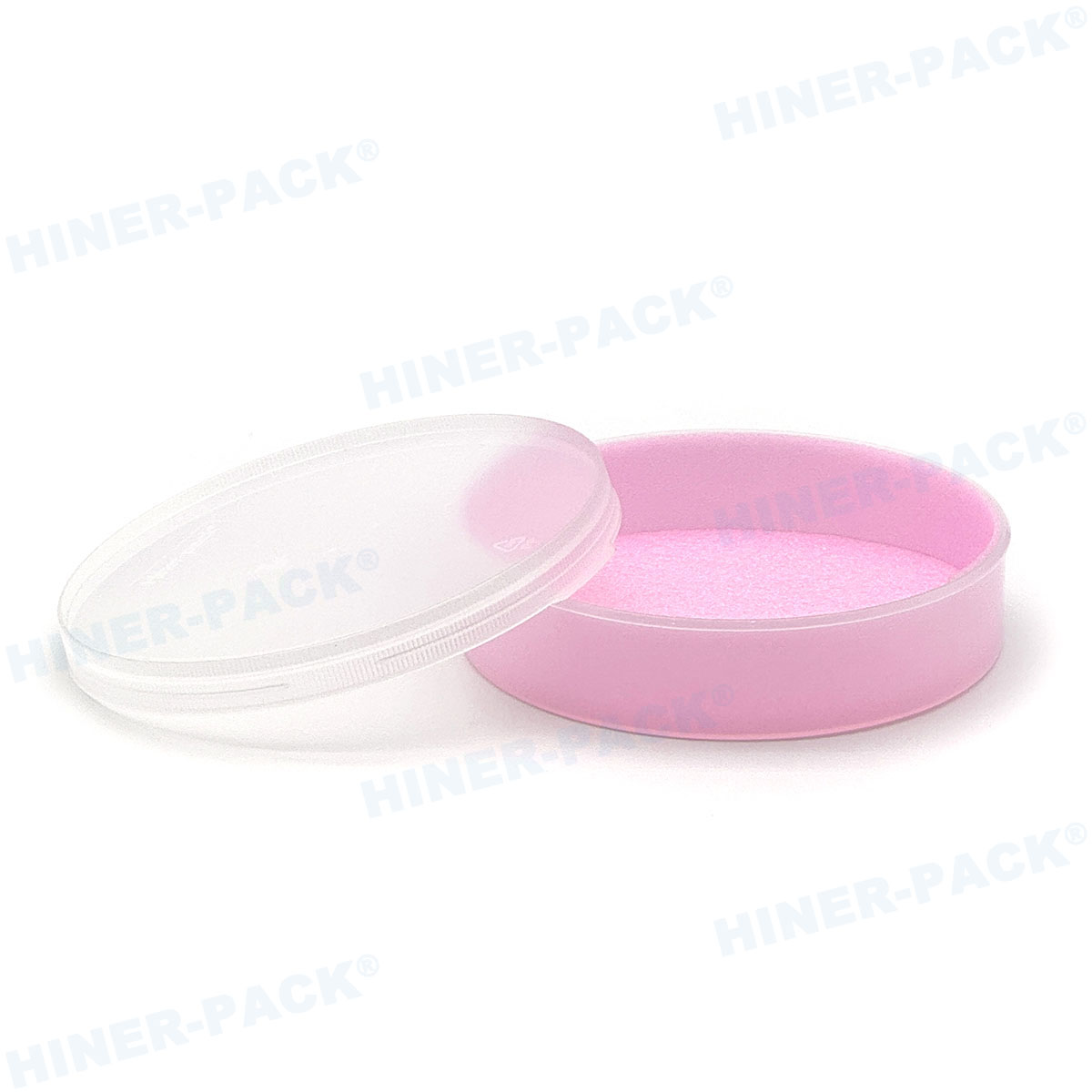
1. Primary Material Impact on Wafer Shipper Price
The polymer used for the shipper body and inserts directly determines both performance and cost. Below are the common material families and their associated price ranges (per unit, for 200mm or 300mm multi‑slot designs, based on production volumes of 1,000+ pieces):
Conductive Polypropylene (PP) – Lowest entry cost. Carbon‑filled PP offers surface resistivity 10⁴ – 10⁶ Ω/sq. Typical price: $9 – $18 per shipper. Trade‑offs: limited reuse cycles (40–80 before ESD properties degrade), higher particle generation after multiple washes.
ESD‑safe Polycarbonate (PC) – Balanced mechanical strength and transparency. Price range: $22 – $48. Provides better impact resistance than PP, often specified for 300mm shippers needing SEMI E15.1 compliance. Suitable for 150–300 reuse cycles with proper cleaning.
PEEK (Polyetheretherketone) – High‑end engineering material. Extremely low outgassing, excellent chemical resistance, and dimensional stability over ‑40°C to +120°C. Price range: $95 – $180. Justified for thin wafers (<100µm), vacuum processes, or applications requiring >300 reuse cycles without performance loss.
Conductive foam inserts (polyurethane or EVA) – Added to any base shipper. Foam density (35–60 kg/m³) and die‑cut precision affect cost. Insert price: $3 – $18 per shipper, depending on pocket complexity and antistatic properties.
When comparing a wafer shipper price from different suppliers, request material certificates including surface resistivity per ANSI/ESD STM11.11 and outgassing data per SEMI E108. Price differences often reflect testing rigor rather than identical raw materials.
2. Cleanroom Assembly and Particle Control – Cost Adders
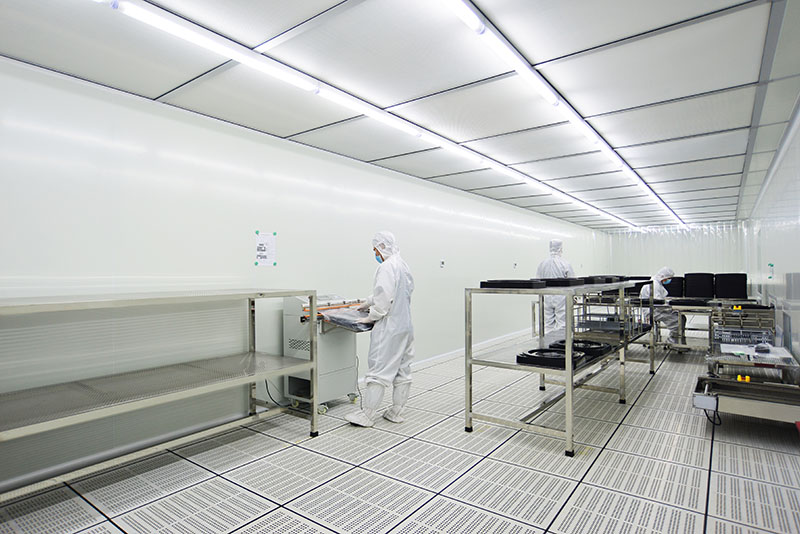
Wafer shippers destined for ISO Class 4 or Class 5 environments undergo extra processing that significantly raises the final price. Standard PP shippers without cleanroom certification may cost $12, while the same geometry with Class 5 assembly and individual particle testing can reach $30–$38. Typical cost increments include:
Ultrasonic cleaning with deionized water + isopropyl alcohol (IPA) rinse – removes mold‑release agents. Adder: $0.80 – $2.20 per unit.
Double vacuum‑bagging in Class 1 cleanroom – prevents re‑contamination. Adder: $1.00 – $3.00 per shipper.
Individual particle count certification (SEMI E126) – using laser particle counter. Lot fee equivalent: $0.40 – $0.90 per unit for medium batches.
Ionic contamination report by ion chromatography – required for MEMS or silicon photonics. Adds $0.60 – $1.20 per shipper.
Procurement teams should align cleanliness specifications with actual process sensitivity. Over‑specifying to ISO Class 3 adds cost without yield benefit for mature nodes, while under‑specifying for advanced logic (7nm and below) creates field failure risks.
3. Single‑Wafer vs. Multi‑Wafer Configurations – Price per Position
The wafer shipper price expressed on a per‑wafer basis varies dramatically with slot count. Below are typical market ranges (FOB Asia, standard ESD PP material, without custom foam):
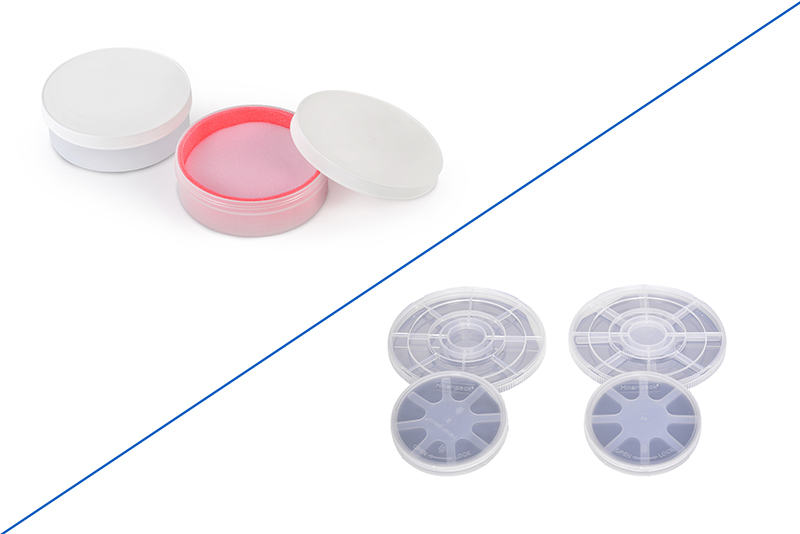
Single‑wafer shipper (150–300mm): $8 – $35 each → price per wafer = $8 – $35.
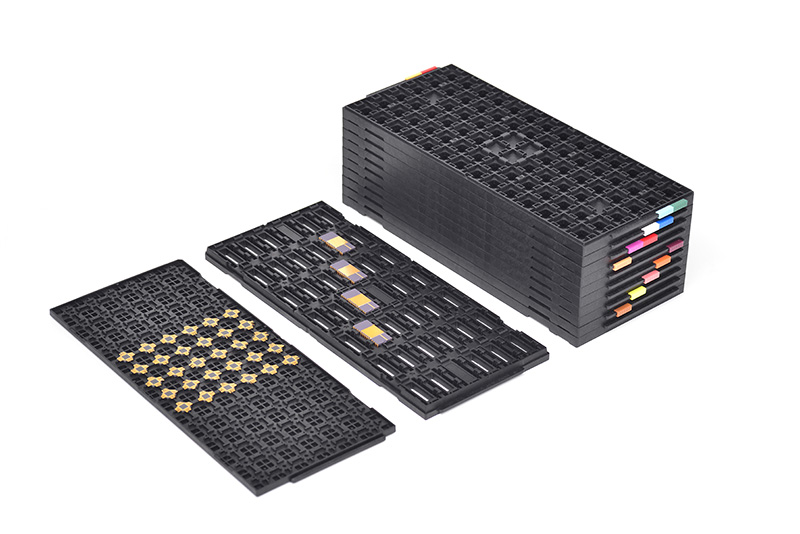
13‑slot multi‑wafer (200mm): $22 – $50 total → $1.69 – $3.85 per slot.
25‑slot multi‑wafer (300mm): $40 – $95 total → $1.60 – $3.80 per slot.
50‑slot stackable (for thin wafers with separators): $80 – $165 total → $1.60 – $3.30 per slot.
High‑slot‑count shippers achieve the lowest per‑wafer cost but require automated loading/unloading systems to prevent edge damage. For mixed‑lot R&D or known‑good‑die shipments, the flexibility of single‑wafer shippers overrides the higher per‑unit price.
4. Volume Tiers and Economies of Scale
Supplier pricing is highly sensitive to annual volume commitments. Typical brackets for a standard 200mm 25‑slot conductive PP shipper (basic spec, no cleanroom bagging):
Sample quantity (1–10 pcs): $32 – $52 each (includes handling and low‑volume NRE).
Prototype batch (50–200 pcs): $16 – $26 each.
Production volume (500–2,000 pcs): $11 – $16 each.
High volume (5,000+ pcs/year): $8.50 – $12.50 each, often with consignment stock options.
For custom tooling (non‑standard wafer diameters, warped wafer fixtures, or RFID pockets), tooling amortization typically adds $0.50 – $2.00 per unit across the first 10,000 pieces. Hiner-pack provides clear volume pricing tables and can advise on optimal order quantities to minimize the effective wafer shipper price for mixed‑size wafer handling.
5. Reusable vs. Single‑Use – Total Cost of Ownership (TCO) Model
A reusable polycarbonate shipper may list at $45, compared to a single‑use PP version at $12. However, when reuse cycles and recertification costs are included, the economics invert:
Reusable (PC, 150 cycles): $45 upfront + ($1.20 cleaning/recert per cycle × 150) = $45 + $180 = $225 total over life → $1.50 per shipment.
Single‑use (PP, 1 cycle): $12 per shipment → over 150 shipments = $1,800.
Additional TCO factors include breakage/loss rate (reusables require return logistics; loss above 5% per quarter impacts cost significantly) and cleaning facility availability. For high‑volume closed‑loop fabs, reusable shippers deliver lower per‑use cost after 6–9 months. Low‑volume or geographically dispersed OSATs often prefer limited‑use shippers to avoid reverse logistics.
6. SEMI and ESD Compliance – Certification Costs
Shippers without documented SEMI compliance appear cheaper, but they introduce audit risks and potential yield issues. Required certifications and their contribution to the wafer shipper price:
SEMI E15.1 (300mm mechanical interface): adds $0.50 – $1.20 per unit for inspection documentation.
SEMI E76 ESD protection: full surface and volume resistivity testing per batch adds $0.70 – $1.50 per shipper.
SEMI E126 particle contribution test: expensive per test, but spread over high volume adds $0.20 – $0.50 per unit.
UL 94 V-0 flammability rating: adds $0.30 – $0.80 per shipper.
Fully certified 300mm shippers often have a 25–35% higher upfront price than uncertified alternatives. However, for any fab with TSMC, Samsung, or equivalent quality audits, non‑compliant shippers are not permissible.
7. Customization Features That Modify Wafer Shipper Price
Standard catalog shippers are the most economical, but many wafer types require modifications. Typical price adders:
Custom foam pockets for warped wafers (bow > 1mm): +$2 – $7 per shipper.
RFID‑ready housing (passive tag slot): +$1.20 – $3.00.
Heavy‑duty latch with 5000‑cycle testing: +$0.80 – $2.00.
Color pigmentation for lot identification (ESD‑safe): +$0.40 – $1.20.
Moisture barrier bag (aluminum foil laminate with desiccant): +$1.00 – $2.80 per bag.
For N2 purge ports or humidity indicator integration, mold changes increase NRE cost. Hiner-pack offers engineering consultation to estimate exact customization costs before tooling.
8. Regional Price Variations and Logistics
The landed wafer shipper price includes manufacturing origin, freight, tariffs, and warehousing. Asian suppliers (China, Malaysia, Taiwan) typically have 20–35% lower base prices due to resin supply chains and labor costs. However, lead times (4–6 weeks) and air freight surcharges must be considered. US or European suppliers offer faster turnaround and easier audits, but base prices are higher. For small volumes, local distributors may hold stock, avoiding tooling NRE. Always request a DDP (Delivered Duty Paid) quotation for accurate comparison.
9. Benchmark Price Table (2026, USD, 500‑unit lots, FOB Asia)
200mm, 13‑slot, PP conductive, ISO 6: $13 – $18
200mm, 25‑slot, PC with ESD, SEMI E15.1: $26 – $40
300mm, 25‑slot, PEEK, low outgassing, Class 5: $105 – $155
150mm single‑wafer with conductive foam: $7 – $14
300mm stackable 50‑slot, PC with RFID: $90 – $130
These ranges serve as reference; actual quotes depend on certification depth, order volume, and shipping terms.
10. Frequently Asked Questions – Wafer Shipper Price and Procurement
Q1: Why does the wafer shipper price from two vendors differ by 40%
for what looks like the same product?
A1: Common
reasons: use of regrind (recycled) carbon material vs. virgin resin, lack of
batch‑to‑batch ESD testing, lower cleanroom assembly standard (ISO 7 vs ISO 5),
and exclusion of particle certification from the quote. Always request an
itemized technical specification.
Q2: Is the lowest wafer shipper price acceptable for shipping 300mm
wafers for automotive grade IATF 16949 lines?
A2: No. Automotive customers require strict traceability, ESD compliance per
AEC‑Q100, and low particle generation. Expect to pay $30–$55 per multi‑wafer
shipper with full documentation. Cheaper units would fail PPAP submissions.
Q3: Can we lower the wafer shipper price by buying used or
refurbished shippers?
A3: Used shippers can be
40–60% cheaper, but they must be requalified: particle test, surface resistivity
check, and visual inspection for cracks. Without requalification, they risk
cross‑contamination. Some suppliers, including Hiner-pack,
offer certified recertified shippers with limited warranty.
Q4: What hidden fees often inflate the initial wafer shipper price
quotation?
A4: Look for separate tooling
amortization (listed as NRE), export packing ($2–$6 per unit), certification
document issuance fee ($50–$250 per order), and minimum order surcharges. Ask
for an “all‑inclusive delivered price”.
Q5: Does wafer thickness (e.g., 50µm thin vs. 800µm thick) affect the
wafer shipper price?
A5: The plastic shell price
remains similar, but foam inserts for thin wafers require higher‑density foam
and precision die‑cutting to avoid edge contact. This can add $3–$10 per
shipper. For very thin or large‑diameter wafers, custom pocket designs may
involve mold modifications.
Conclusion – Making Informed Wafer Shipper Purchasing Decisions
The wafer shipper price is best understood as a multivariate equation: material type + cleanroom grade + certification scope + volume + reuse strategy. Short‑sighted cost minimization often results in higher yield loss or audit failures. Instead, align each parameter with your process node and logistics flow. Engage suppliers that provide transparent cost breakdowns and sample testing.
Ready to optimize your wafer shipping cost structure? Send your technical requirements to Hiner-pack’s semiconductor logistics team. They will provide a detailed quotation, compliance documentation, and a TCO simulation based on your monthly wafer output and cleanroom class. Use the contact page below to initiate an inquiry.
Request a customized wafer shipper quote → https://www.waferboxes.com/contact.html (include wafer size, estimated annual volume, and required cleanroom class for accurate pricing).