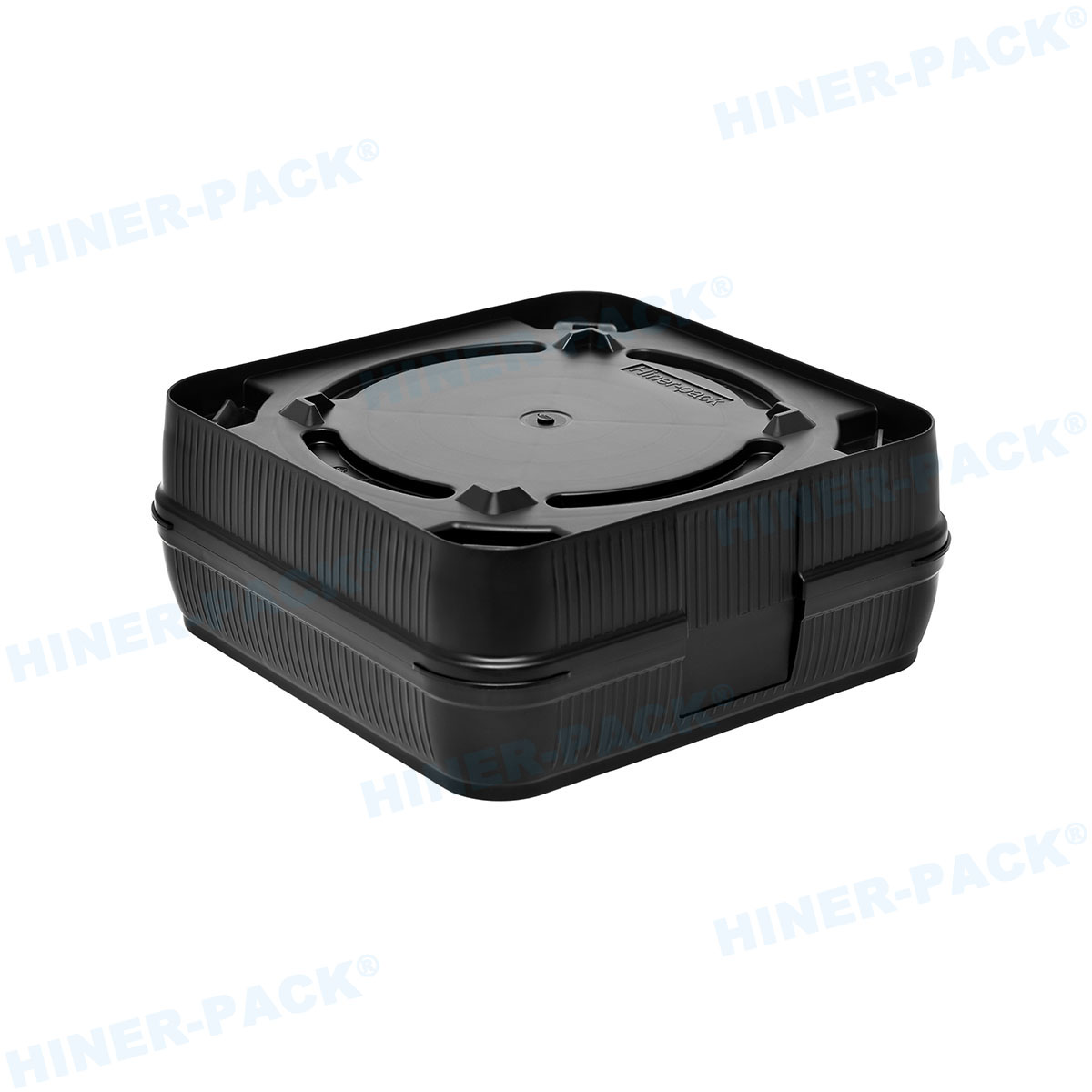
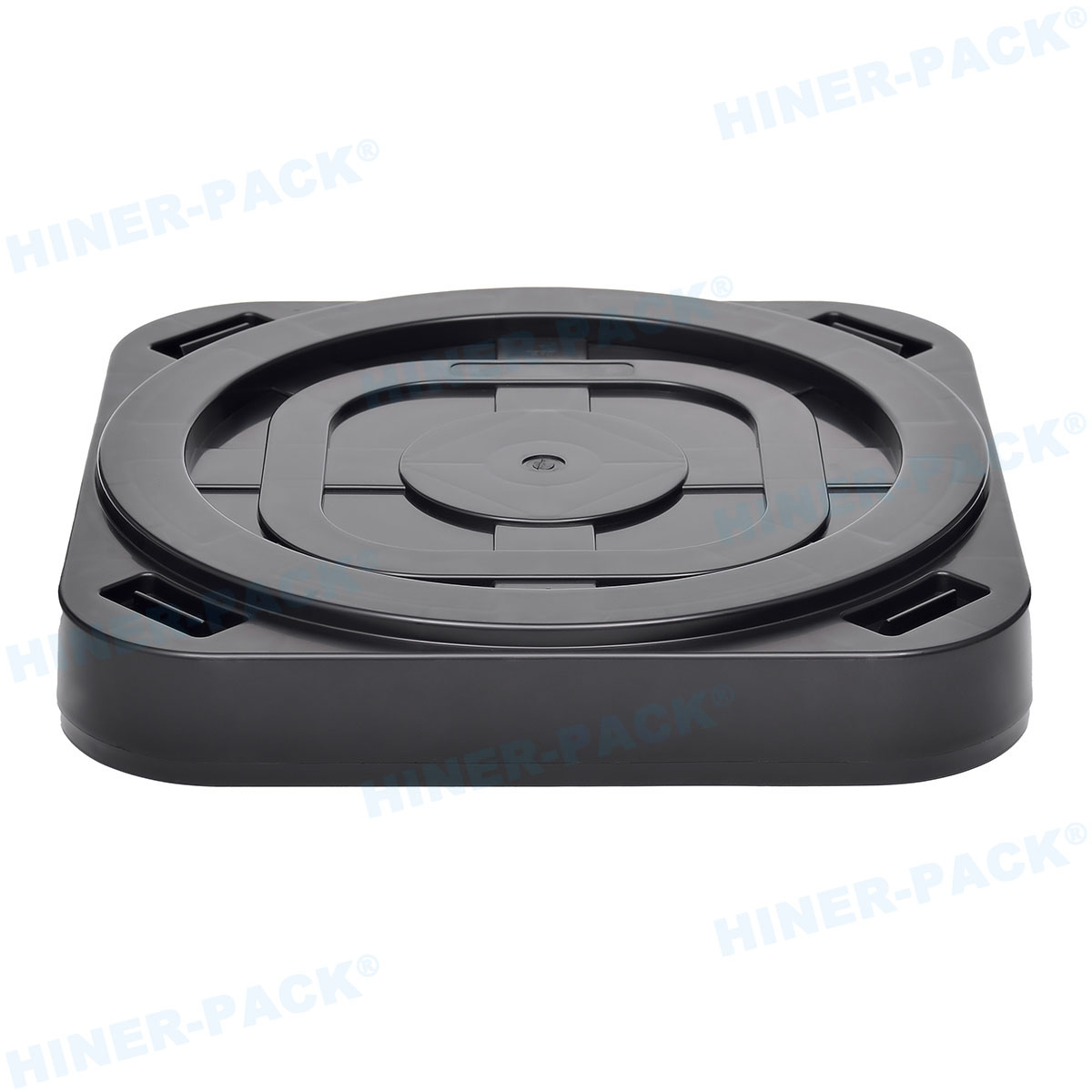
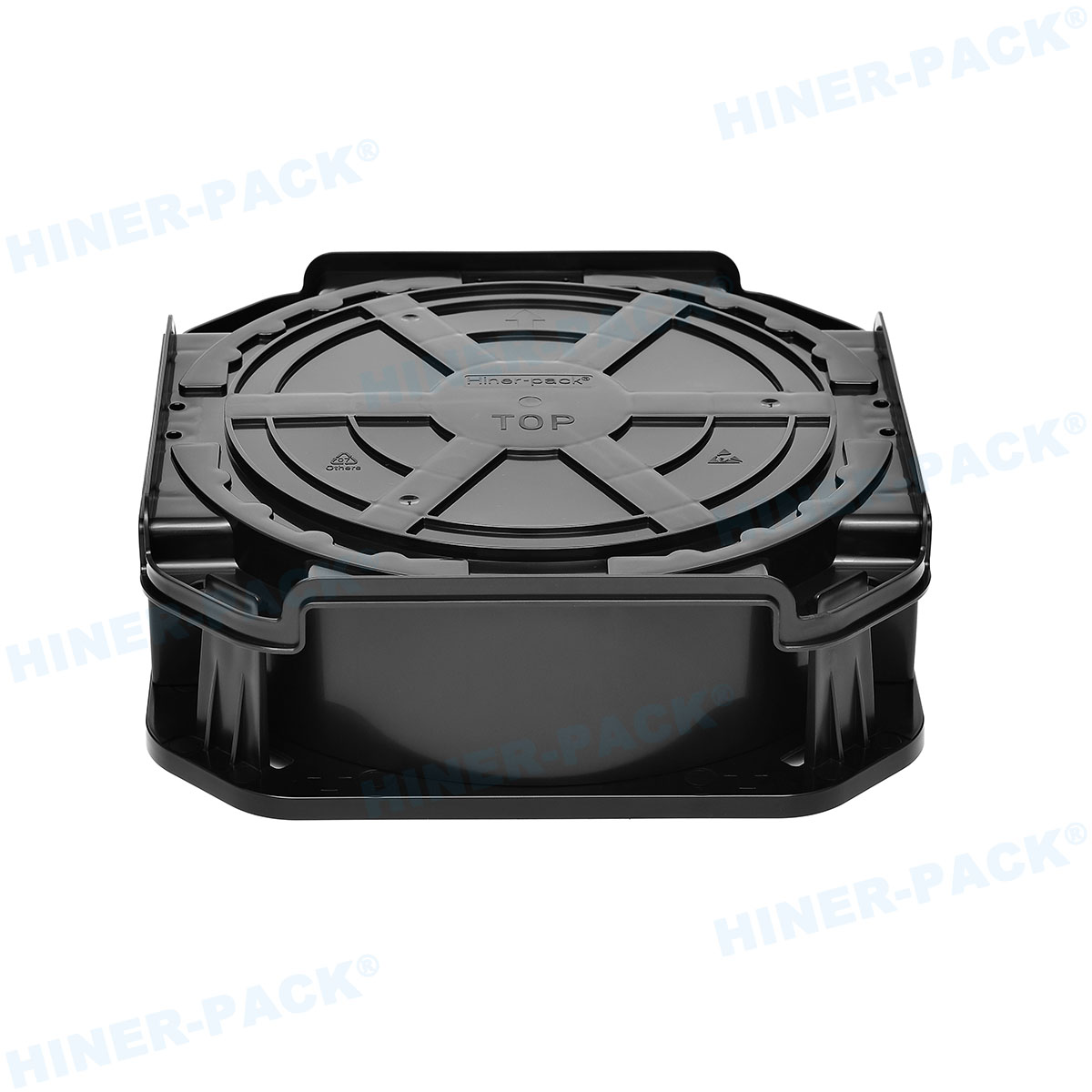
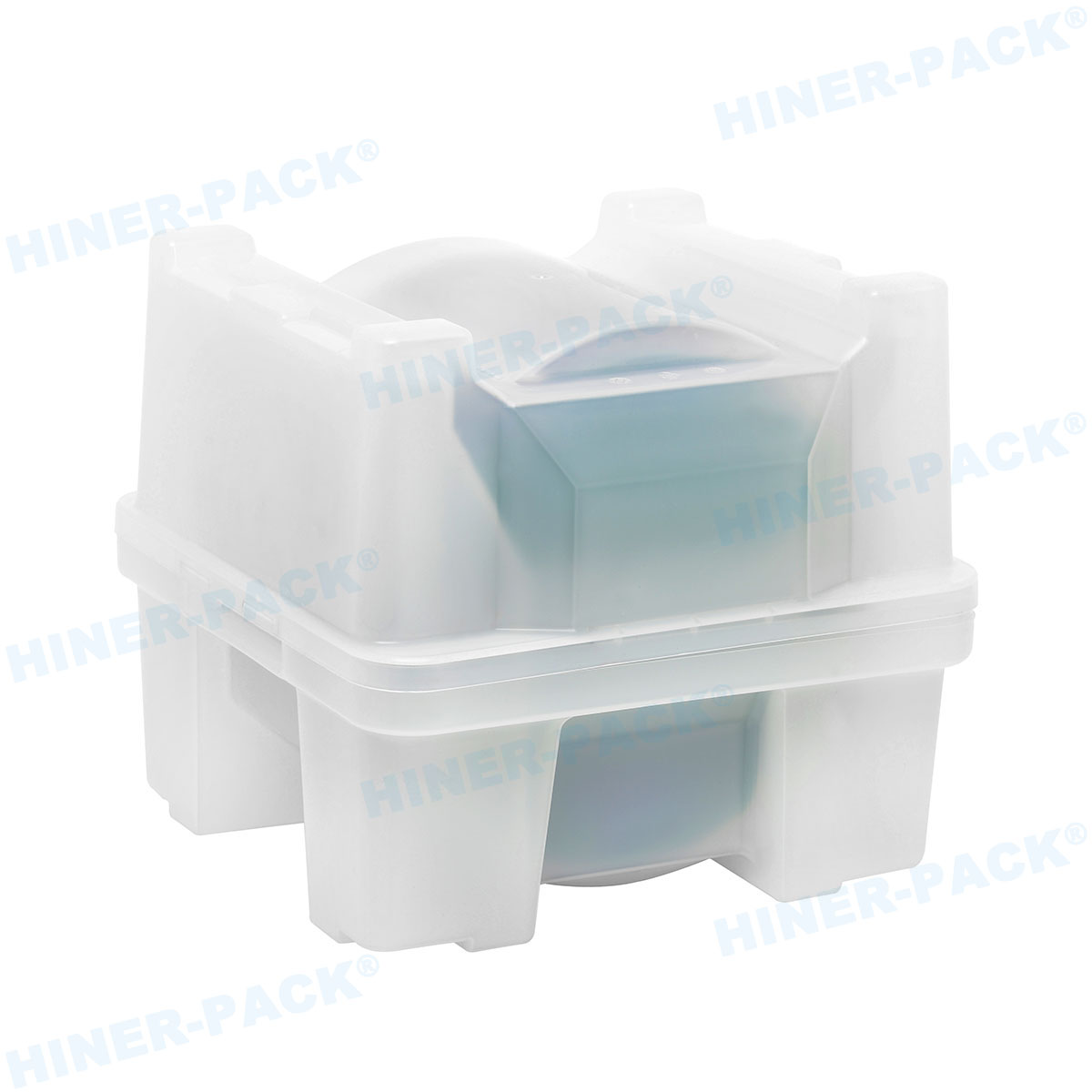
In the highly precise world of semiconductor manufacturing, every component, no matter how seemingly simple, plays a vital role in the success of the final product. Among these essential components is the 6 inch wafer carrier. While the silicon wafers themselves and the complex lithography machines often steal the spotlight, without a reliable 6 inch wafer carrier, the entire production process would be at risk. This article delves deep into the purpose, design, and critical importance of this fundamental piece of equipment.
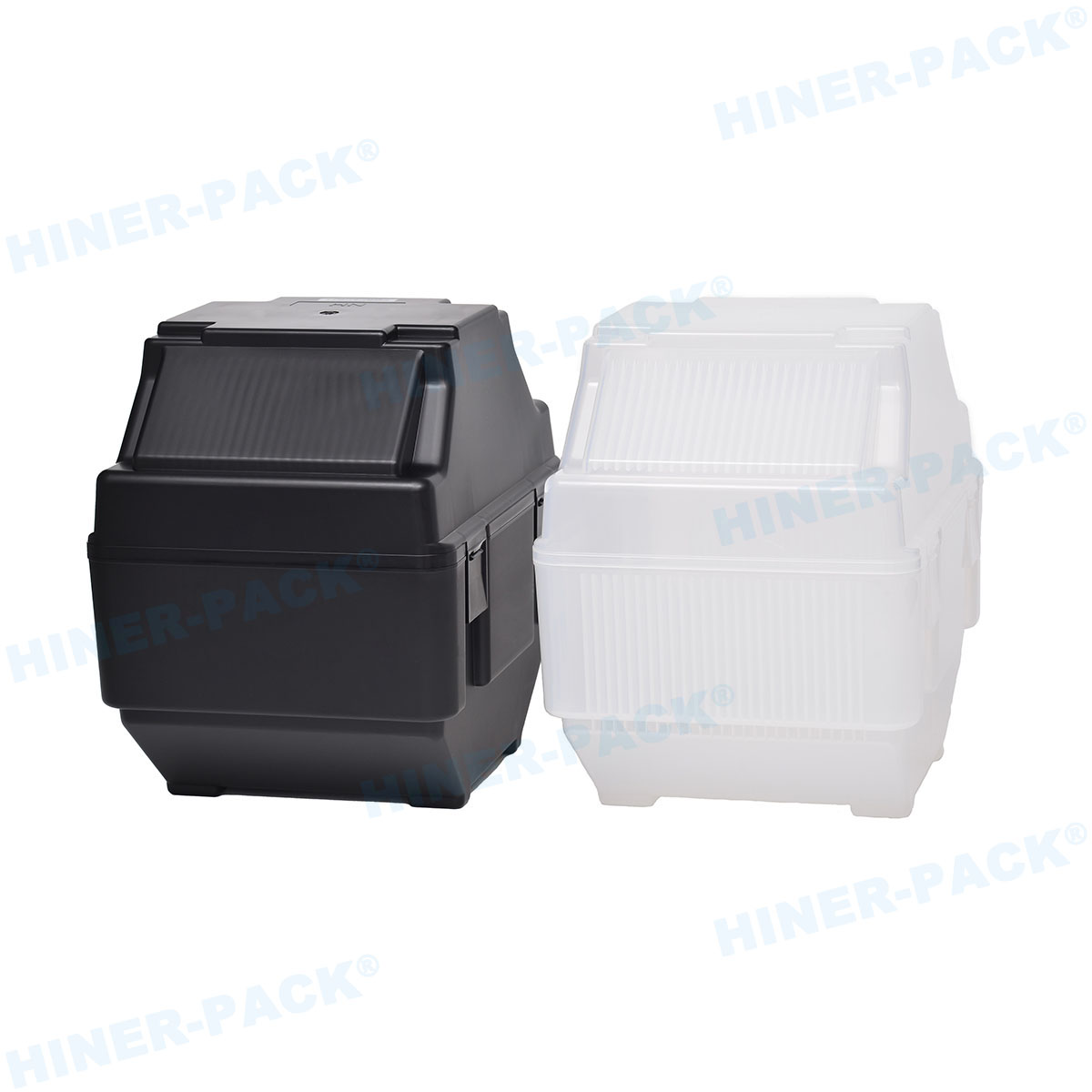
What Is a 6 Inch Wafer Carrier? Defining its Core Function
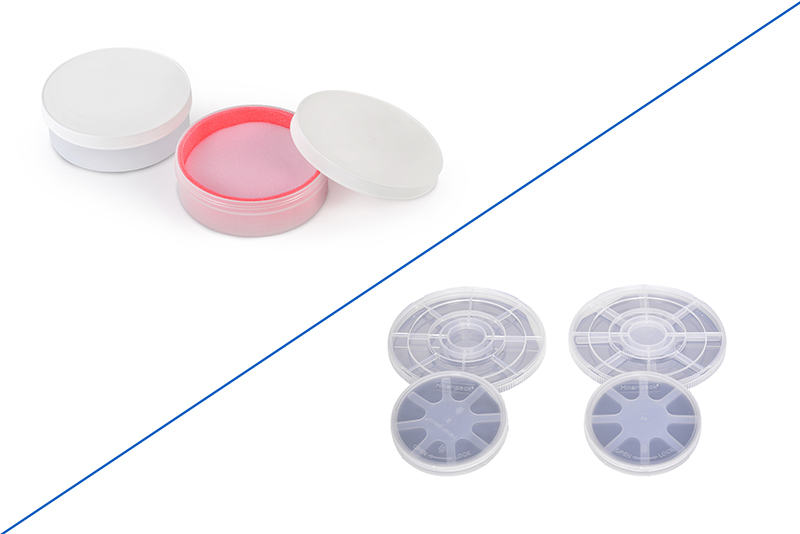
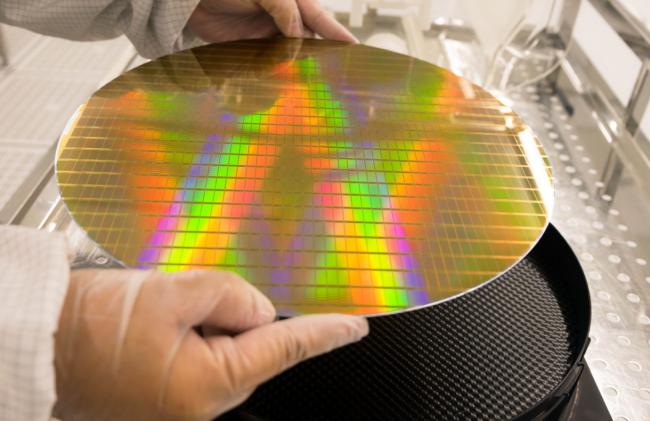
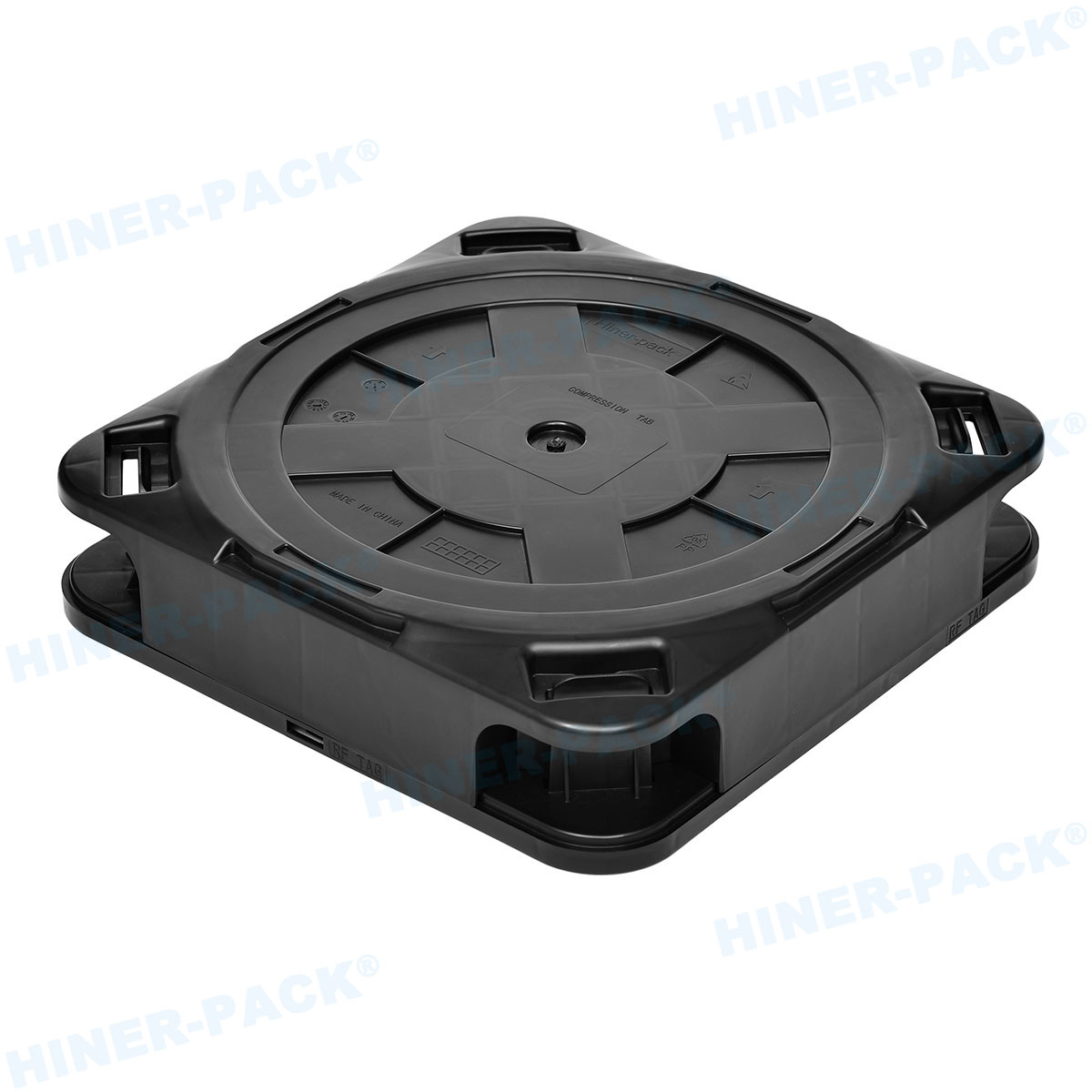
A 6 inch wafer carrier, also commonly known as a wafer cassette or a FOUP (Front-Opening Unified Pod) for more advanced environments, is a specialized container designed to securely hold and transport multiple 150mm (6-inch) silicon wafers. Its primary function is to protect these highly sensitive and expensive substrates from physical damage, contamination, and environmental factors throughout the manufacturing lifecycle—from fabrication and metrology to cleaning and storage.
Think of a 6 inch wafer carrier as a high-tech, precision-engineered bookshelf, where each "book" is a wafer worth thousands of dollars. The carrier must not only store them but also ensure they remain in a pristine, particle-free state, with each wafer perfectly separated and accessible for robotic handling systems. The reliability of a 6 inch wafer carrier directly impacts yield, making it a cornerstone of semiconductor production lines.
The Materials Matter: What Is a 6 Inch Wafer Carrier Made From?
The choice of material for a 6 inch wafer carrier is not arbitrary; it is a critical decision based on the need for purity, structural integrity, and chemical resistance. The most common materials include:
Polypropylene (PP) and Polycarbonate (PC): These high-purity, engineering-grade plastics are standard for many 6 inch wafer carrier models. They are selected for their excellent chemical resistance to the harsh acids and solvents used in cleaning processes, their low particulate generation, and their inherent static-dissipative properties to prevent electrostatic discharge (ESD) from damaging the wafers' micro-circuits.
PFA (Perfluoroalkoxy alkane): For the most demanding applications, particularly those involving ultra-high temperature or aggressive chemical processes, a PFA 6 inch wafer carrier is often used. PFA is a premium fluoropolymer known for its exceptional purity and near-universal chemical resistance.
Advanced Composites: In modern fabs, where minimizing contamination is paramount, carriers may incorporate specialized carbon-filled composites that offer superior strength, static control, and minimal outgassing.
The material ensures that the 6 inch wafer carrier itself does not become a source of contamination, thereby safeguarding the multi-million dollar production process.
Precision Engineering: The Design and Structure of a 6 Inch Wafer Carrier
The design of a 6 inch wafer carrier is a masterpiece of precision engineering. Every aspect is optimized for safety and efficiency:
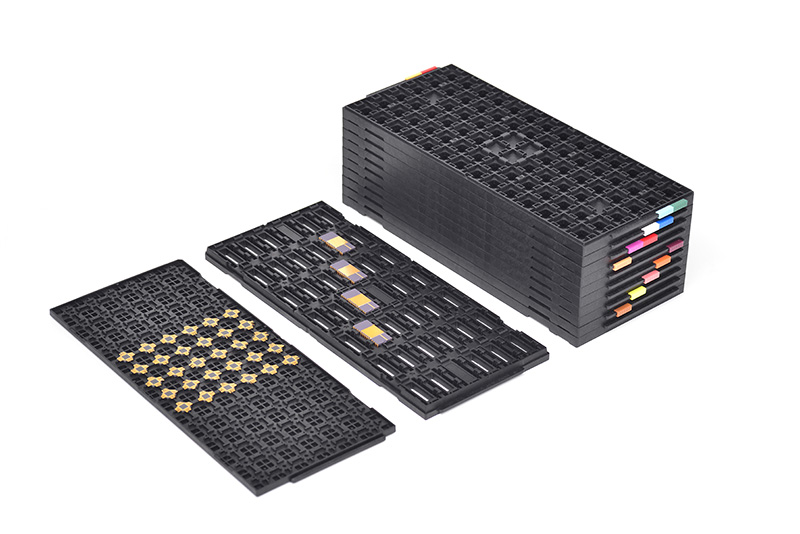
Slot Design: The interior features precisely spaced, vertical slots. Each slot is designed to cradle a single wafer by its edges only, preventing any contact with the critical patterned surface. The spacing is calculated to prevent wafers from touching each other during transport or vibration.
Robotic Handling Interfaces: A standard 6 inch wafer carrier is built to integrate seamlessly with automated material handling systems (AMHS). This includes standardized footprints, kinematic coupling features for precise location on tools, and specific geometries for robotic arms to grip and transfer the carrier.
Ventilation and Purge Ports: To manage the internal environment, many carriers include ventilation channels or ports. These allow for purging with inert gases like nitrogen to create a controlled, moisture-free, and particle-free atmosphere inside the 6 inch wafer carrier.
Identification Features: Carriers are typically equipped with areas for barcode labels or RFID tags. This allows the Manufacturing Execution System (MES) to track the entire lot of wafers throughout the fab, ensuring traceability and process control.
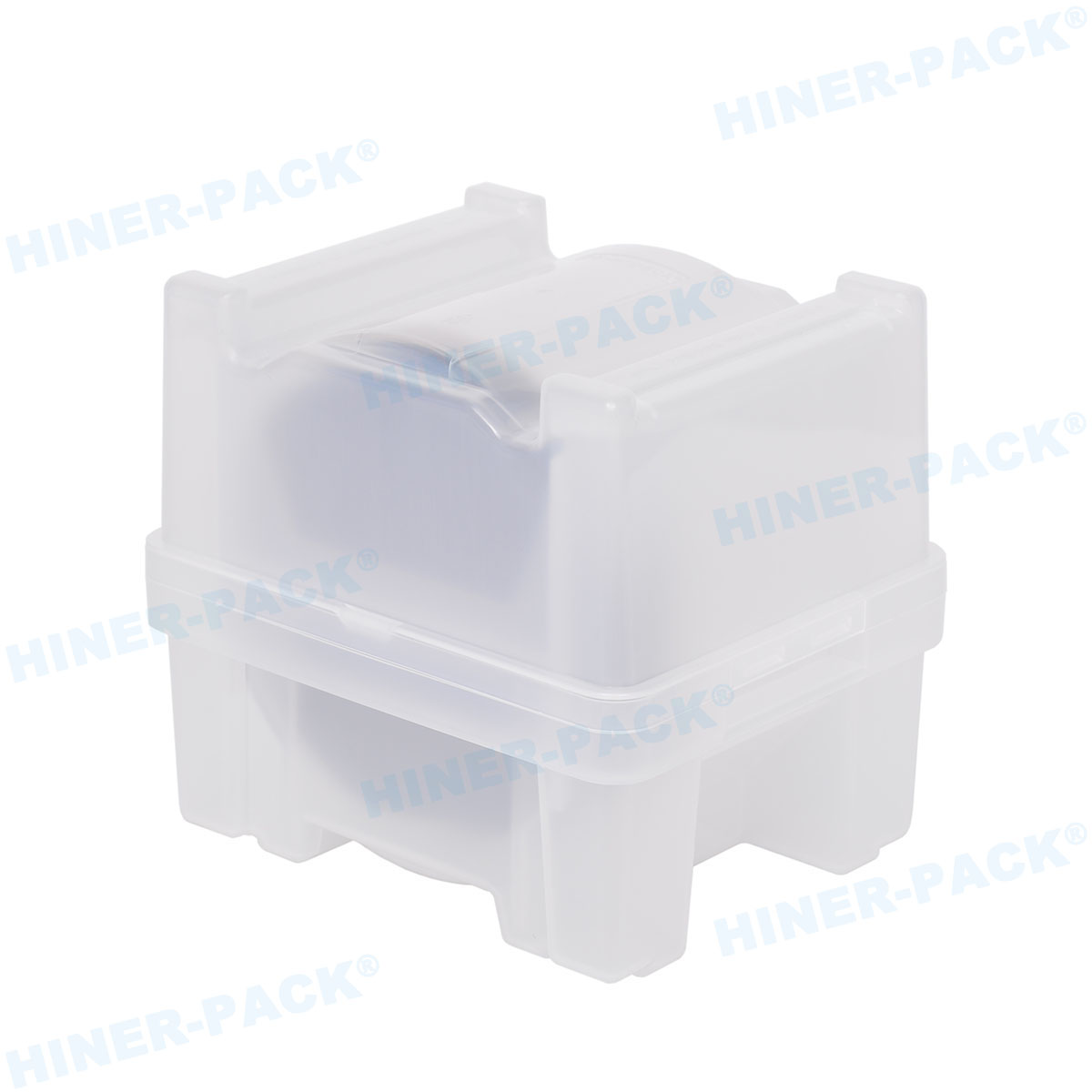
Different Types of 6 Inch Wafer Carriers for Different Applications
Not all wafer carriers are created equal. The specific application dictates the type of 6 inch wafer carrier required:
Standard Open Cassettes: These are the most common type, used in wet benches and tools where the wafers need to be directly accessed by processors or robots. They are open-structured for easy access.
Shipping Cassettes: Designed for inter-facility or international transport, these are sturdier and often come with a sealed protective pod to provide a robust physical and environmental barrier.
FOUPs (Front-Opening Unified Pods): While more common for 300mm wafers, the concept applies to mini-environments for 6-inch wafers. These are sealed containers that open only when mated with a process tool, maintaining the wafer in a pristine, isolated environment.
Specialty Carriers: These include carriers designed for specific processes like lithography, which may have unique handling requirements, or for wafer grinding and thinning, which require enhanced support to prevent breakage.
How to Choose the Right 6 Inch Wafer Carrier: A Buyer's Checklist
Selecting the appropriate 6 inch wafer carrier is crucial for operational efficiency. Here are key factors to consider:
Material Compatibility: Ensure the carrier material is resistant to all chemicals and temperatures it will encounter in your process flow.
SEMI Compliance: Verify that the 6 inch wafer carrier complies with relevant SEMI (Semiconductor Equipment and Materials International) standards. This guarantees interoperability with equipment from different manufacturers.
Particulate and AMC Performance: For advanced nodes, look for data on particle adders and protection against Airborne Molecular Contamination (AMC).
Static Control: Evaluate the surface resistivity and ESD protection levels to prevent circuit damage.
Durability and Longevity: Assess the mechanical robustness and the carrier's ability to withstand repeated use and cleaning cycles without degrading.
Investing in a high-quality 6 inch wafer carrier is a direct investment in higher production yield and lower operational risk.
The 6 inch wafer carrier is far more than a simple box. It is a critical, precision-engineered component that ensures the safety, purity, and traceability of semiconductor wafers. As the industry continues to push the boundaries of miniaturization, the role of the 6 inch wafer carrier in contamination control and automated handling will only grow in importance. Understanding its function and specifications is essential for anyone involved in the complex dance of semiconductor fabrication.
Frequently Asked Questions (FAQs)
Q1: Can a 6 inch wafer carrier be used for wafers of other sizes, like 4-inch or 8-inch?
A1: No, absolutely not. A 6 inch wafer carrier is specifically designed and dimensioned for 150mm wafers. Using it for smaller wafers would result in improper support and potential breakage, while using it for larger wafers is physically impossible. Each wafer size requires a dedicated carrier that meets its specific diameter and thickness specifications.
Q2: How often should a 6 inch wafer carrier be cleaned and how is it done?
A2: The cleaning frequency depends on the process step and the fab's cleanliness protocols. Carriers used in dirty processes may be cleaned after every use, while others may follow a scheduled cycle. Cleaning is typically performed in specialized wafer cleaning machines using ultra-pure water (UPW), chemicals like SC1 (Ammonium Hydroxide/Hydrogen Peroxide), and sometimes megasonic energy to dislodge particles, followed by drying in a clean, particle-free environment.
Q3: What is the typical capacity of a standard 6 inch wafer carrier?
A3: The most common capacity for a standard 6 inch wafer carrier is 25 wafers. This has become an industry standard, balancing density with safe handling and access. However, carriers with smaller capacities (e.g., 13 wafers) are also available for specific applications or R&D purposes.
Q4: What are the biggest risks of using a low-quality or damaged wafer carrier?
A4: The risks are severe and costly. A low-quality or damaged 6 inch wafer carrier can generate particulate contamination, leading to defective chips. It can cause misalignment in tools, resulting in broken wafers. Scratches on the wafer surface, electrostatic discharge damage, and improper robotic handling are other major risks that can scrap entire lots of wafers, resulting in significant financial loss.
Q5: Is there a difference between a wafer cassette and a wafer carrier?
A5: The terms are often used interchangeably, especially in the context of a 6 inch wafer carrier. However, there can be a subtle distinction. "Cassette" often refers to the open-style container that holds wafers directly within a process tool. "Carrier" is a more general term that can also encompass the sealed pods (like FOUPs) used for transport and storage. In practice, for 6-inch wafers, "carrier" and "cassette" are frequently synonymous.