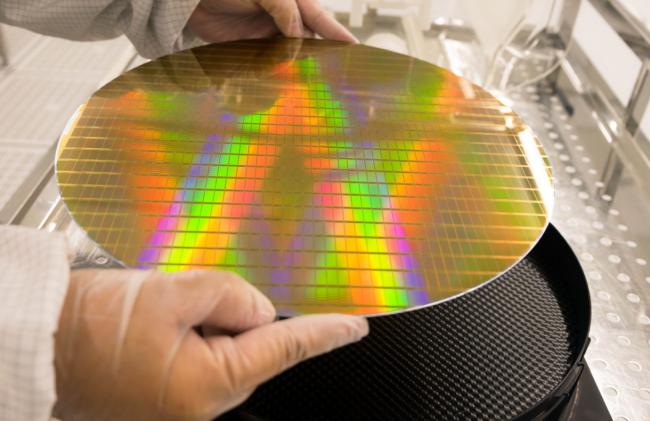
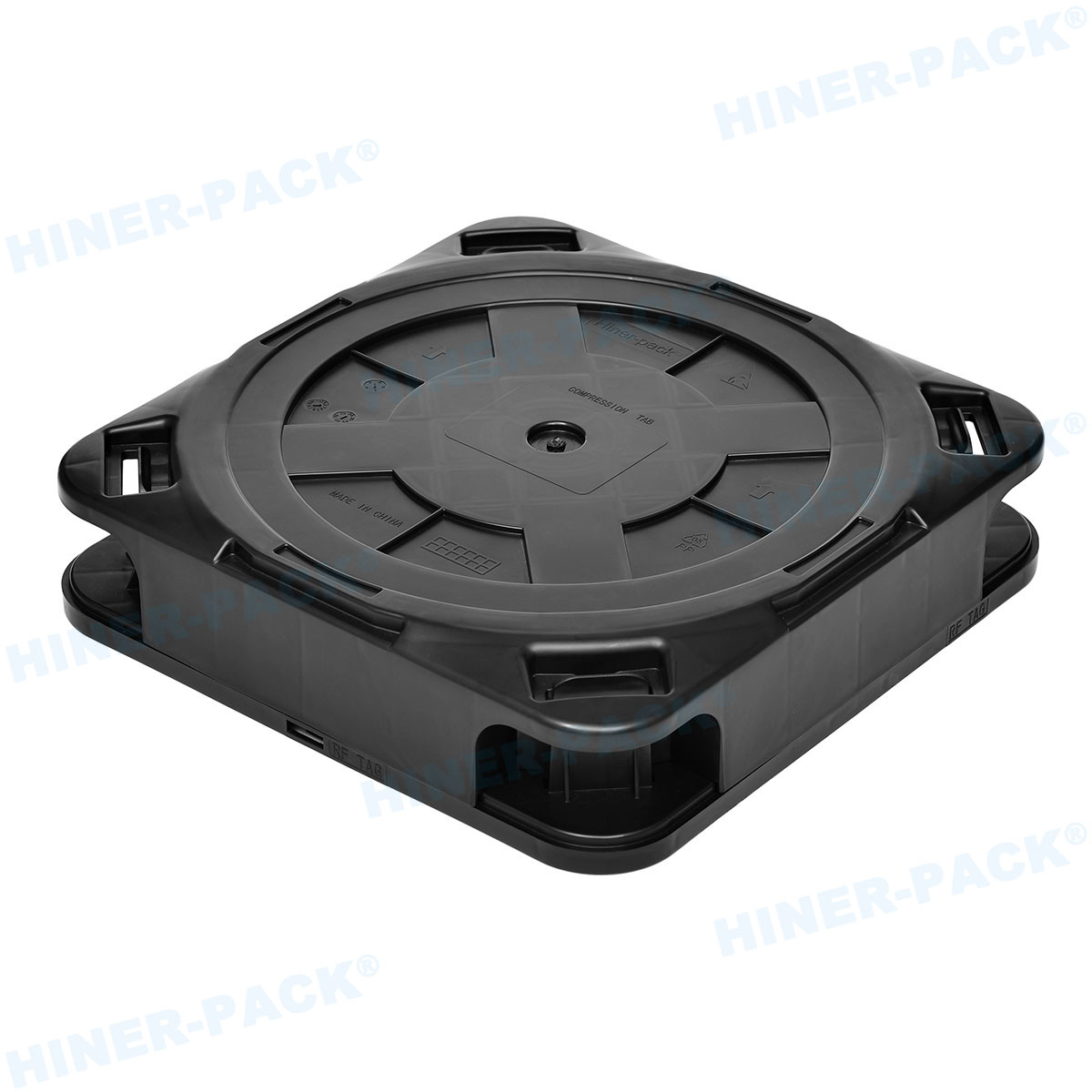
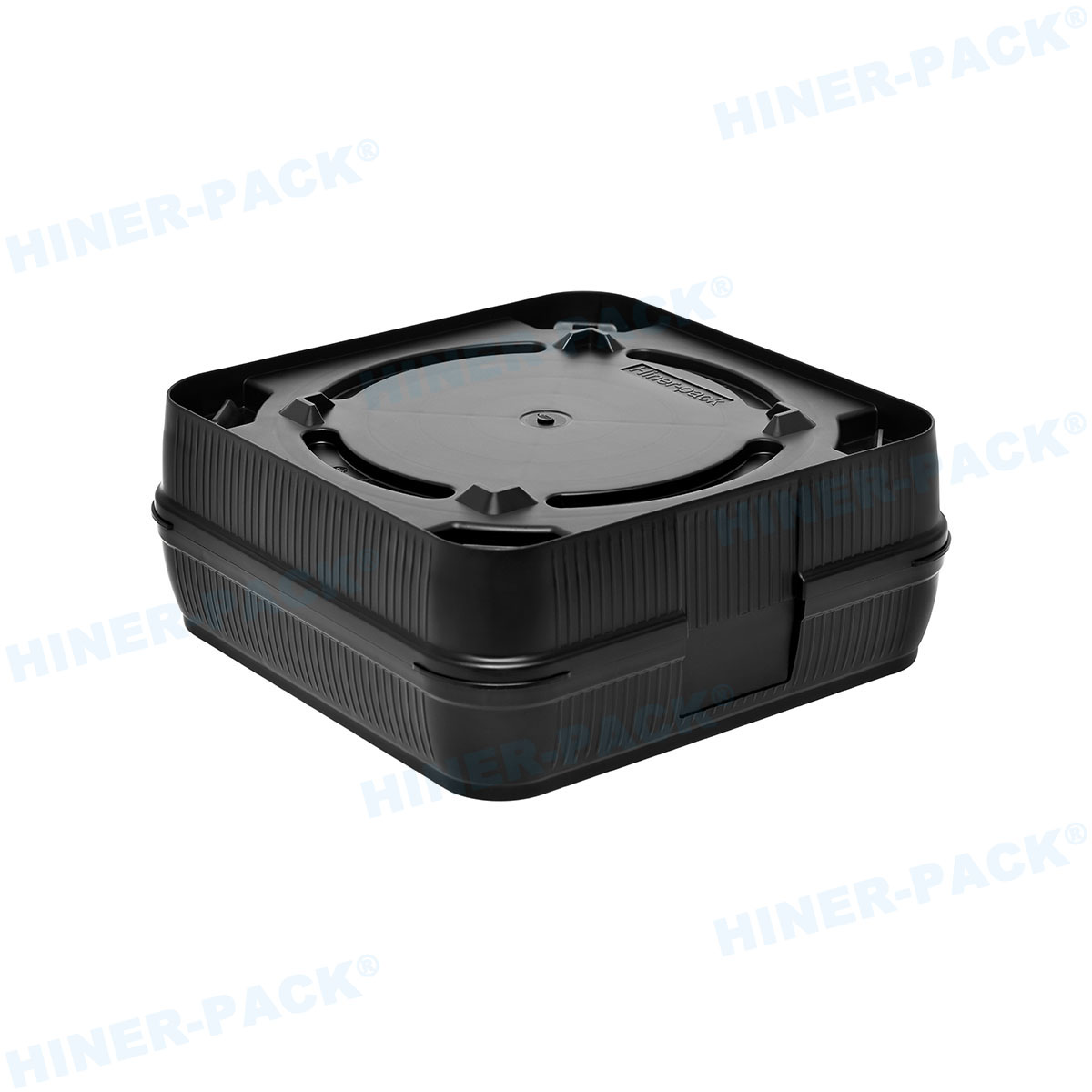
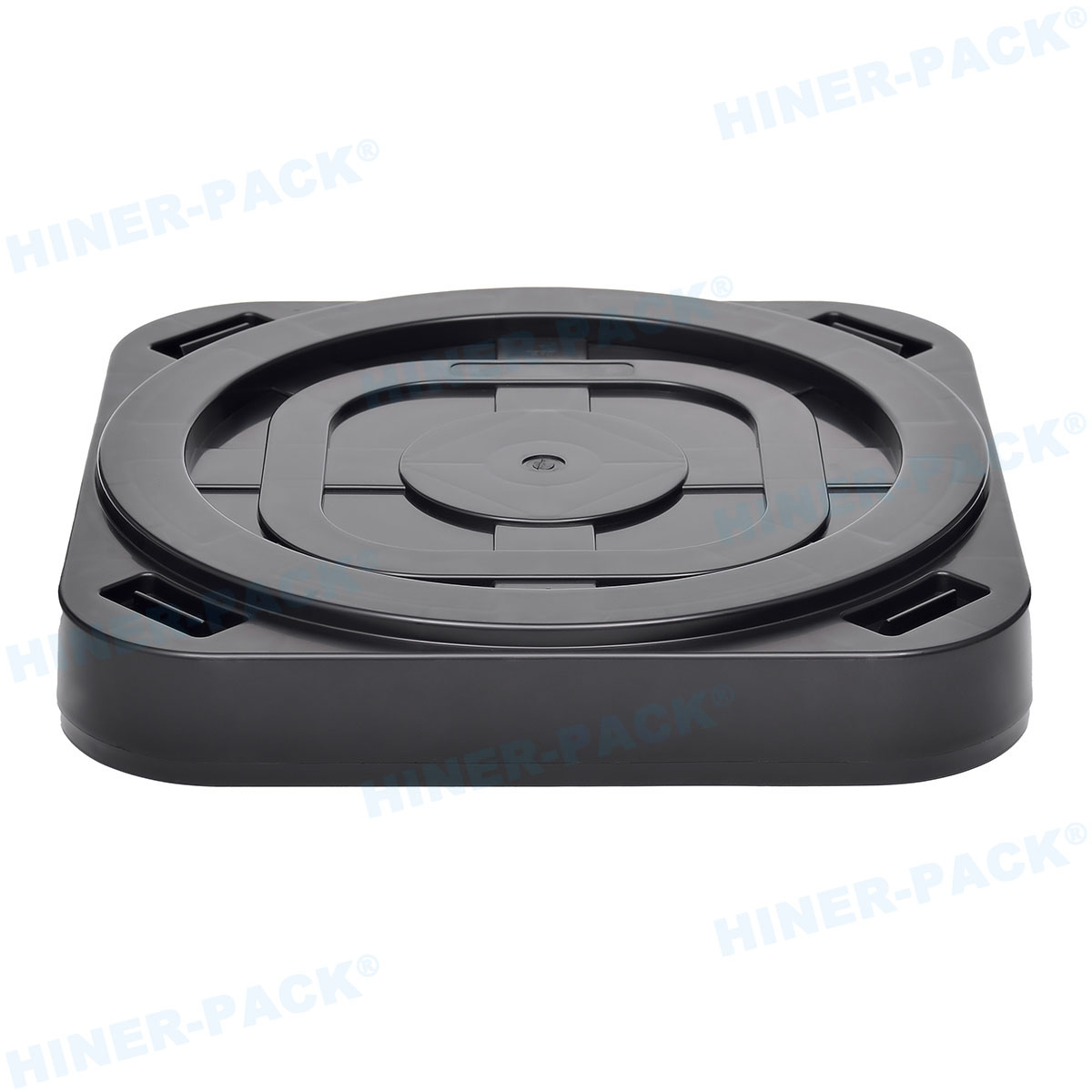
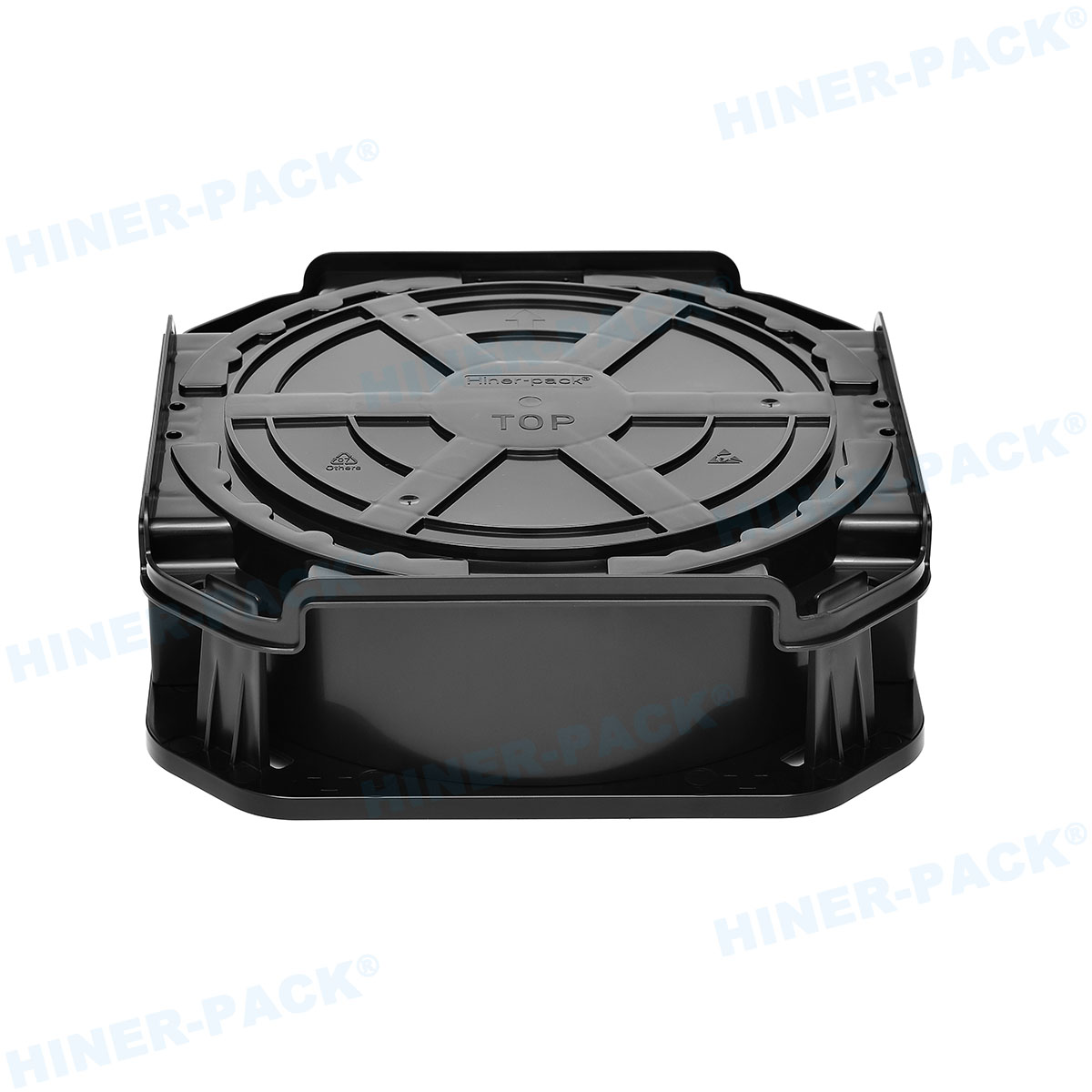
The relentless drive for smaller, more powerful semiconductors places immense value on every single wafer. A single contaminant particle or physical shock during transit can render thousands of dollars in fabrication value useless. This is where the precision engineering of a 12-inch Horizontal Wafer Shipper becomes not just a container, but a critical link in the supply chain. For fabs moving delicate 300mm wafers between facilities, or from manufacturer to end-user, selecting the right transport solution is a direct investment in yield protection.
Unlike vertical storage, horizontal shippers are designed for the physical movement of wafers. They address the unique challenges of road and air freight, where vibrations, pressure changes, and sudden impacts are constant threats. A robust 12-inch Horizontal Wafer Shipper acts as a mobile cleanroom, safeguarding wafer integrity from point A to point B.
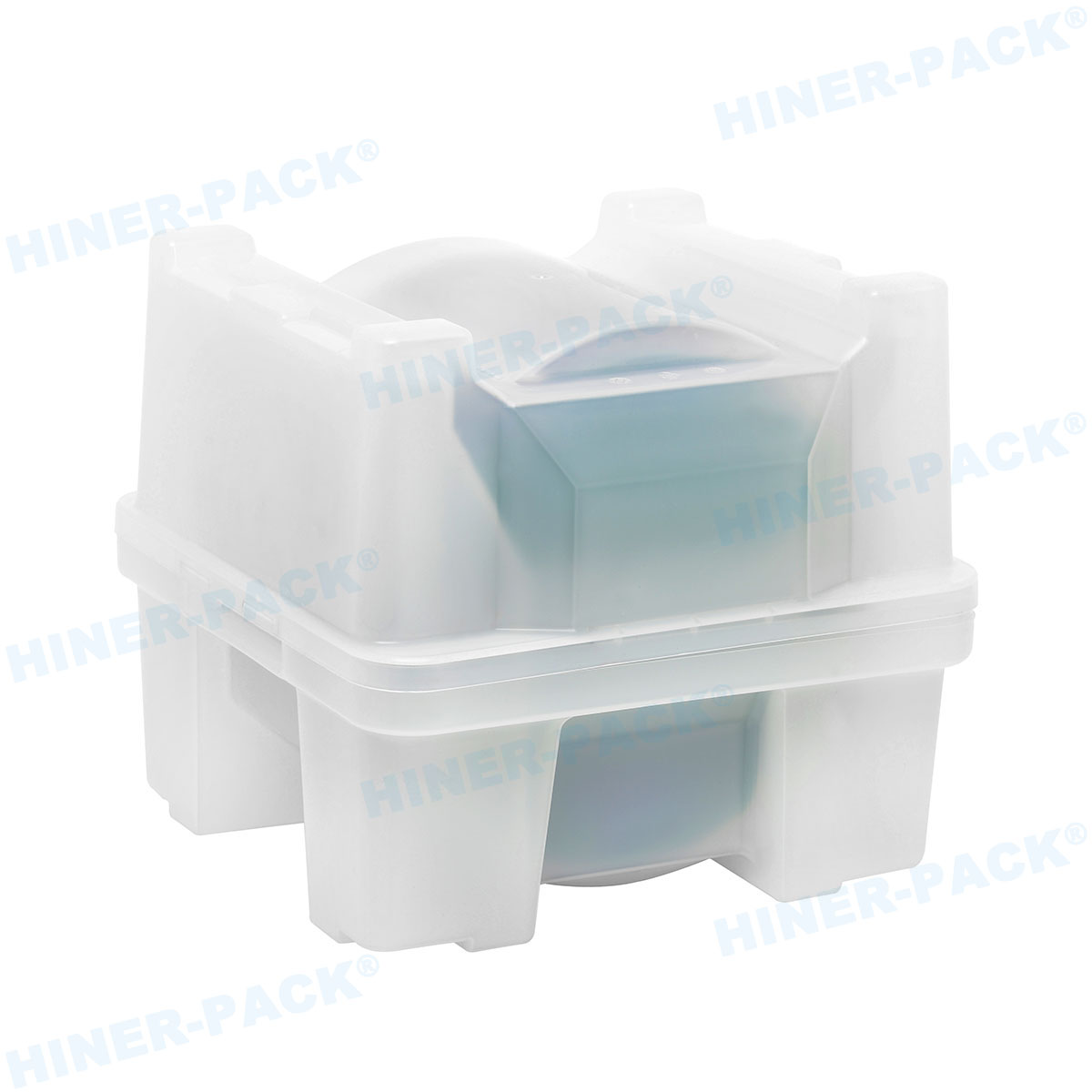
The Critical Role of Wafer Shipping in Semiconductor Manufacturing
Semiconductor manufacturing is globally distributed. A wafer may be fabricated in one country, undergo specialized processing in another, and be assembled in a third. Each handoff between fabrication plants, OSAT providers, and end users introduces risk.
The primary mission of any wafer shipper is to minimize this risk. It must provide mechanical stability to prevent wafer movement, generate minimal particles, and shield wafers from environmental hazards like moisture, static, and physical compression. Failure in any of these areas leads to scratches, breakage, or contamination, resulting in catastrophic financial loss and production delays.
Design and Engineering of a Modern 12-inch Horizontal Wafer Shipper
The design of a high-quality 12-inch Horizontal Wafer Shipper is a feat of applied physics and materials science. Leading providers like Hiner-pack focus on several core engineering principles.
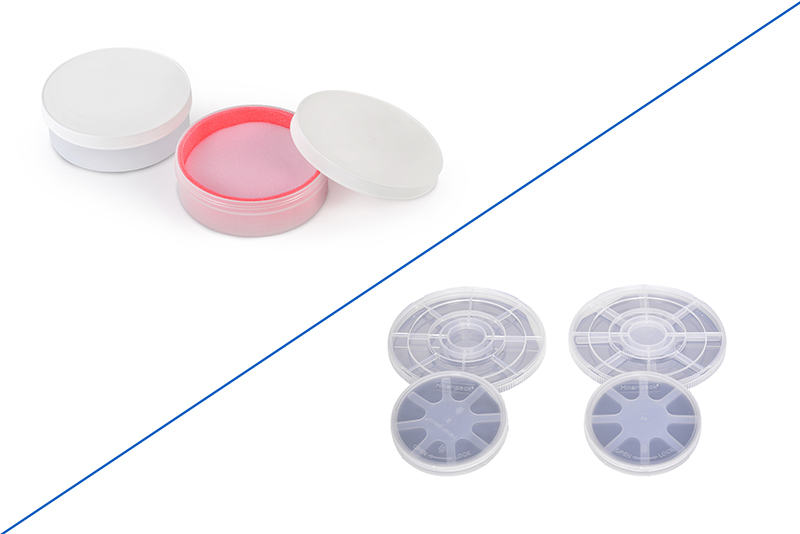
First is mechanical shock and vibration damping. Internally, wafers are secured in a horizontal plane using precision-molded cushions or clamping mechanisms. These components are designed to absorb and dissipate energy, preventing it from transferring to the wafers. The outer shell, often made from advanced polymers or composites, provides a rigid first line of defense against impacts.
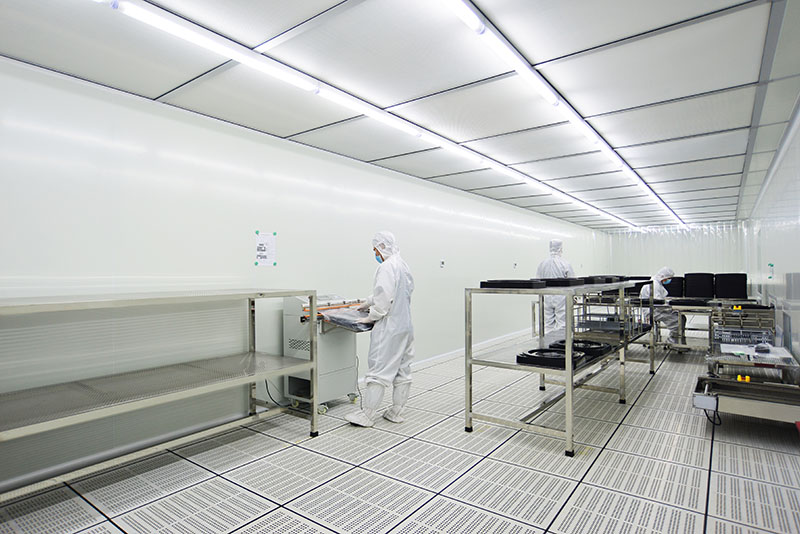
Second is contamination control. All internal materials must be certified for cleanroom use. They are non-shedding and resistant to outgassing. The closing mechanism ensures a secure, particle-free seal. Many Hiner-pack shippers incorporate built-in vents with filters. These allow for pressure equalization during air transport without letting contaminants inside.
Material Science: Building a Clean and Durable Shell
The choice of materials directly impacts performance and longevity. Premium shippers use static-dissipative materials to prevent electrostatic discharge (ESD), which can damage sensitive circuits. Materials must also be chemically inert, non-corrosive, and capable of withstanding repeated cleaning cycles with harsh chemicals like IPA.
Hiner-pack utilizes advanced polymer blends that offer an optimal balance. They provide the necessary stiffness for crush resistance while maintaining a relatively light weight to minimize shipping costs. The internal foam or tray system is often a multi-density design, with a softer interface for the wafer and a firmer support structure.
Compliance and Standards: Meeting Industry Benchmarks
The semiconductor industry operates on strict standards. A reliable 12-inch Horizontal Wafer Shipper must comply with several key benchmarks.
It must meet or exceed SEMI standards for wafer carriers and shipping systems. This includes dimensional specifications for wafer spacing and carrier geometry. For international transport, the design must be rigorously tested against ISTA (International Safe Transit Association) procedures, simulating real-world vibration, drop, and compression hazards.
Furthermore, shippers used for air transport must comply with airline and IATA regulations regarding pressure equalization and containment. Hiner-pack designs undergo this full battery of testing, providing customers with documented compliance for their quality and logistics systems.
The Economic Argument: Reducing Cost of Ownership
While the upfront cost of a high-performance shipper is a consideration, the true metric is Total Cost of Ownership (TCO). A cheap, unreliable shipper can lead to wafer loss, which costs far more than the carrier itself.
Durable shippers from brands like Hiner-pack are built for hundreds of round trips. Their design facilitates easy, thorough cleaning, extending service life. Reliability also reduces insurance costs and eliminates the delays and expedite fees associated with wafer failure. Investing in proven shipping technology is a strategic decision for cost control.
Hiner-pack's Approach to Wafer Logistics Security
Hiner-pack has established itself by focusing on the nuances of wafer logistics. Their 12-inch Horizontal Wafer Shipper solutions are developed in close consultation with leading semiconductor manufacturers.
This collaboration ensures their products solve real-world problems. Features may include intuitive, tool-free latching mechanisms for operator safety and efficiency. Clear labeling areas and RFID tag integration support supply chain visibility. The modular design of some systems allows for customization of cushioning sets for different wafer thicknesses or product types.
Integration with Factory Automation and SMIF Systems
Modern fabs are highly automated. A shipper shouldn’t be a bottleneck. The best horizontal shippers are designed for compatibility with Standard Mechanical Interface (SMIF) systems and factory automation.
This means precise external dimensions and features that allow robotic arms to easily pick, place, and open the containers. Hiner-pack designs with these interfaces in mind, ensuring smooth integration into automated material handling systems, enabling a seamless flow from shipment receipt to tool loading.
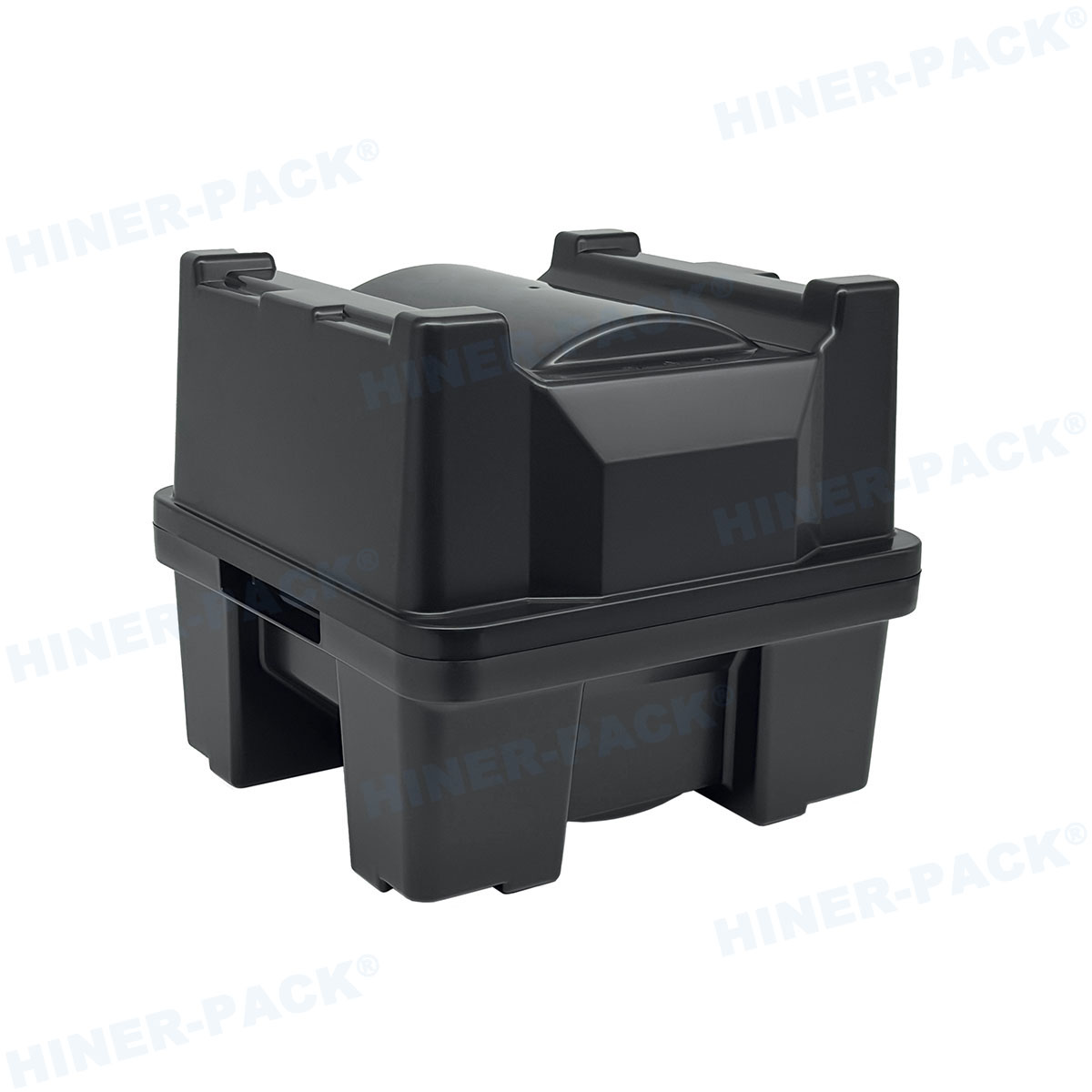
Conclusion: A Foundational Element for Supply Chain Integrity
In the high-stakes world of semiconductor manufacturing, there are no minor details. The safe passage of 300mm wafers across global supply chains is a fundamental requirement for success. The 12-inch Horizontal Wafer Shipper is a specialized piece of equipment engineered to meet this exact challenge.
By combining robust mechanical design, advanced clean materials, and strict adherence to industry standards, products like those from Hiner-pack provide the assurance fabs need. They protect valuable inventory, reduce total operational costs, and serve as a reliable, repeatable link in the complex journey of a semiconductor wafer.
Frequently Asked Questions (FAQs)
Q1: What is the main advantage of a horizontal wafer shipper over a vertical one for transport?
A1: Horizontal shippers are specifically engineered for the dynamics of transportation. They secure wafers in the horizontal plane, which is far more effective at mitigating the forces of vibration, shock, and potential drops encountered during shipping. Vertical carriers are designed for stationary storage and tool interfaces, not for the rigors of transit.
Q2: How often do the internal cushions or trays need to be replaced in a 12-inch horizontal wafer shipper?
A2: Replacement frequency depends on usage intensity and cleaning cycles. High-quality cushions from manufacturers like Hiner-pack are designed for long-term use, often lasting for 50-100 trips or more with proper care. Regular inspection for wear, compression set, or particle generation is recommended, and they should be replaced immediately if any damage is detected.
Q3: Can a single 12-inch horizontal shipper accommodate different wafer thicknesses?
A3: Many standard shippers are designed for the most common wafer thickness. However, leading suppliers often offer adjustable or interchangeable cushion sets. Hiner-pack, for example, may provide modular internal components that can be swapped out to safely accommodate various thicknesses, such as standard thickness, thinned wafers, or those with backside films.
Q4: What certifications should I look for when selecting a wafer shipper?
A4: Key certifications include compliance with relevant SEMI standards (e.g., SEMI E62 for carriers). For shipping validation, look for ISTA test reports (like ISTA 3A). The materials should have cleanroom certification (low particle count, non-outgassing). For complete assurance, the supplier should provide a Certificate of Compliance detailing these specs.
Q5: Are these shippers compatible with automated material handling systems (AMHS) in the fab?
A5: Yes, many modern horizontal shippers are designed with automation in mind. Features like precise external dimensions, standardized gripping surfaces, and compatible latching mechanisms allow them to be handled by factory AMHS and robotic systems. It is crucial to confirm the specific mechanical interface requirements with your automation team or the shipper provider like Hiner-pack.