Wafer movement is a constant, critical risk during shipping. Even minor vibration can cause delicate 8-inch substrates to shift within their cassette slots. This leads to edge contact, chipping, and particle generation. For high-value wafers, this is unacceptable.
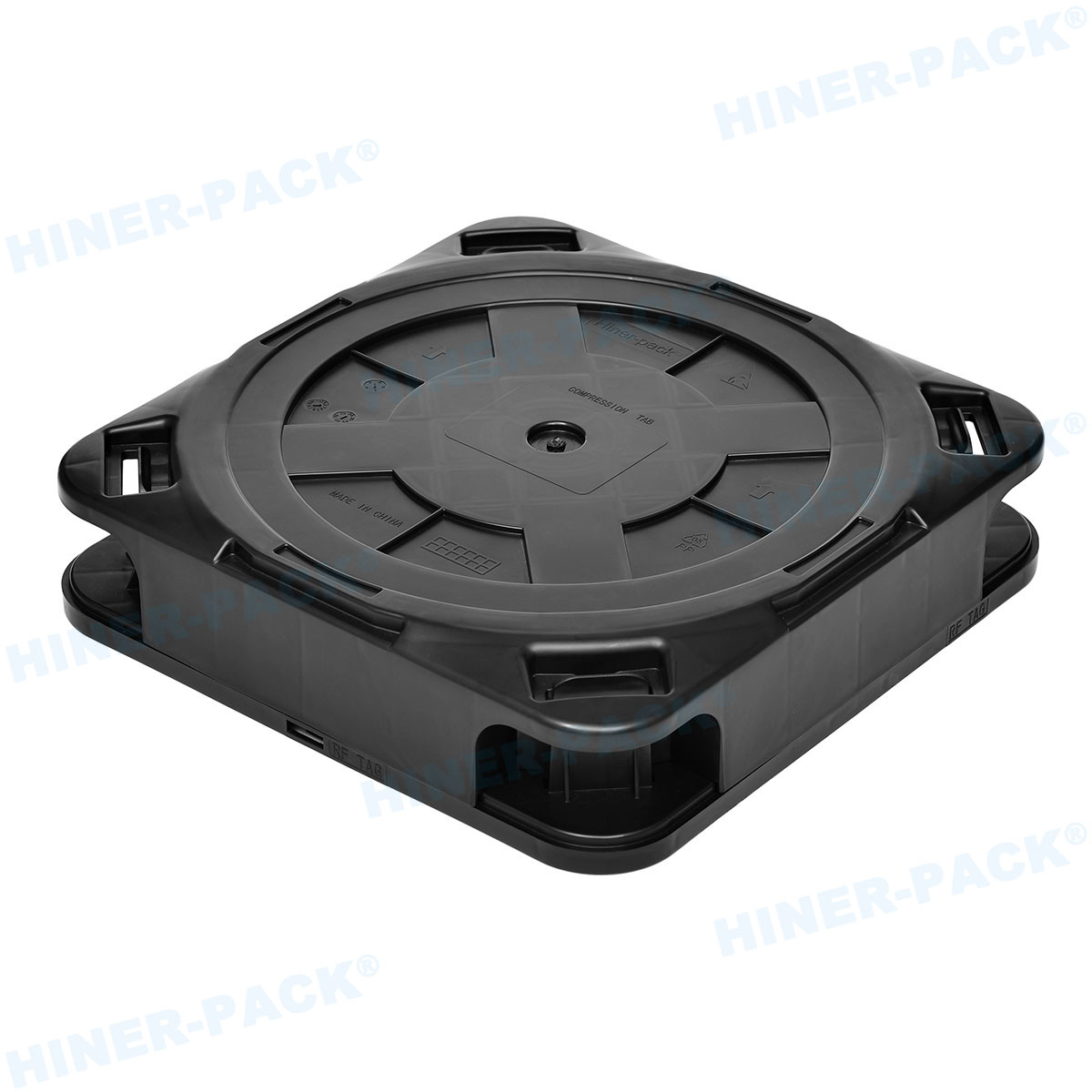
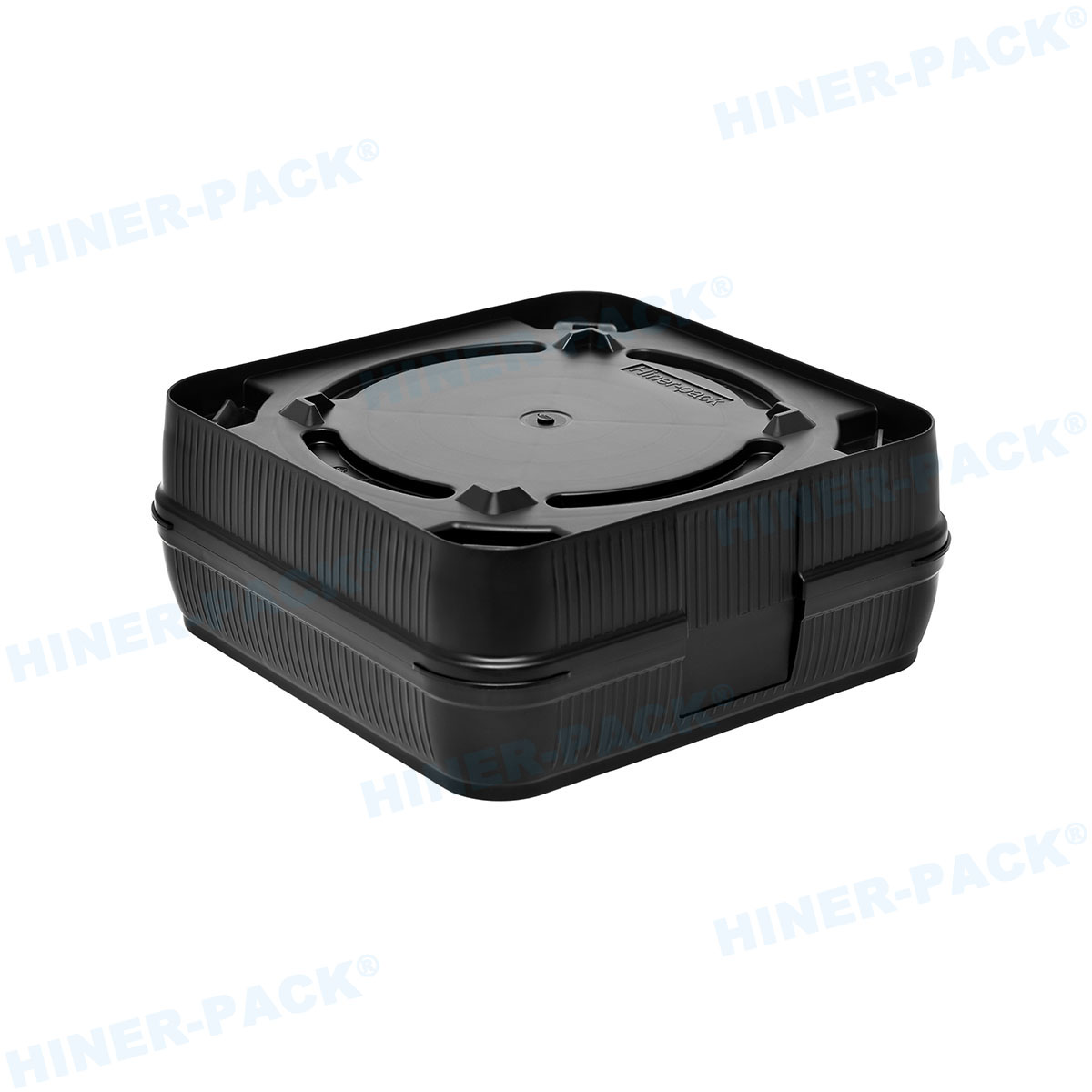
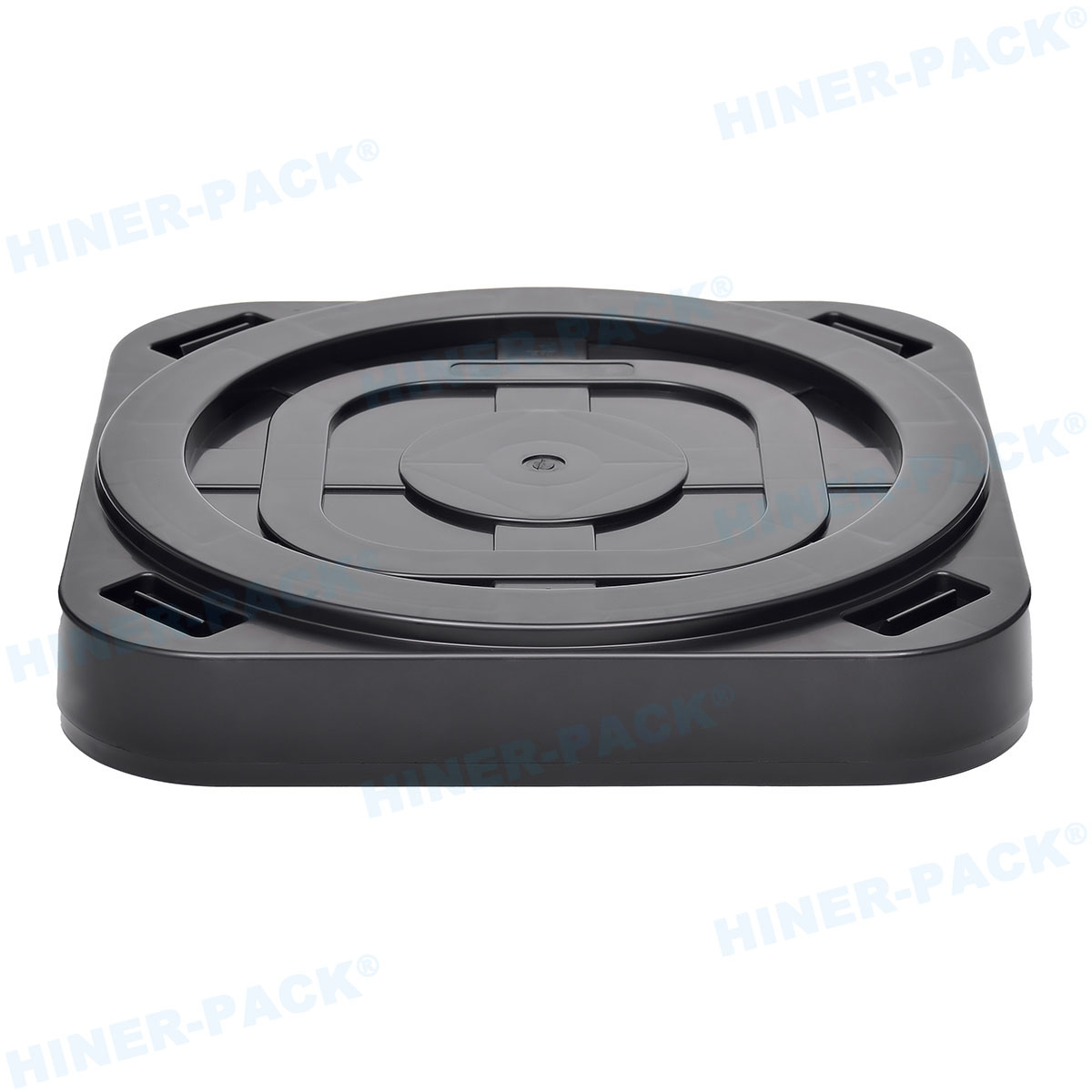
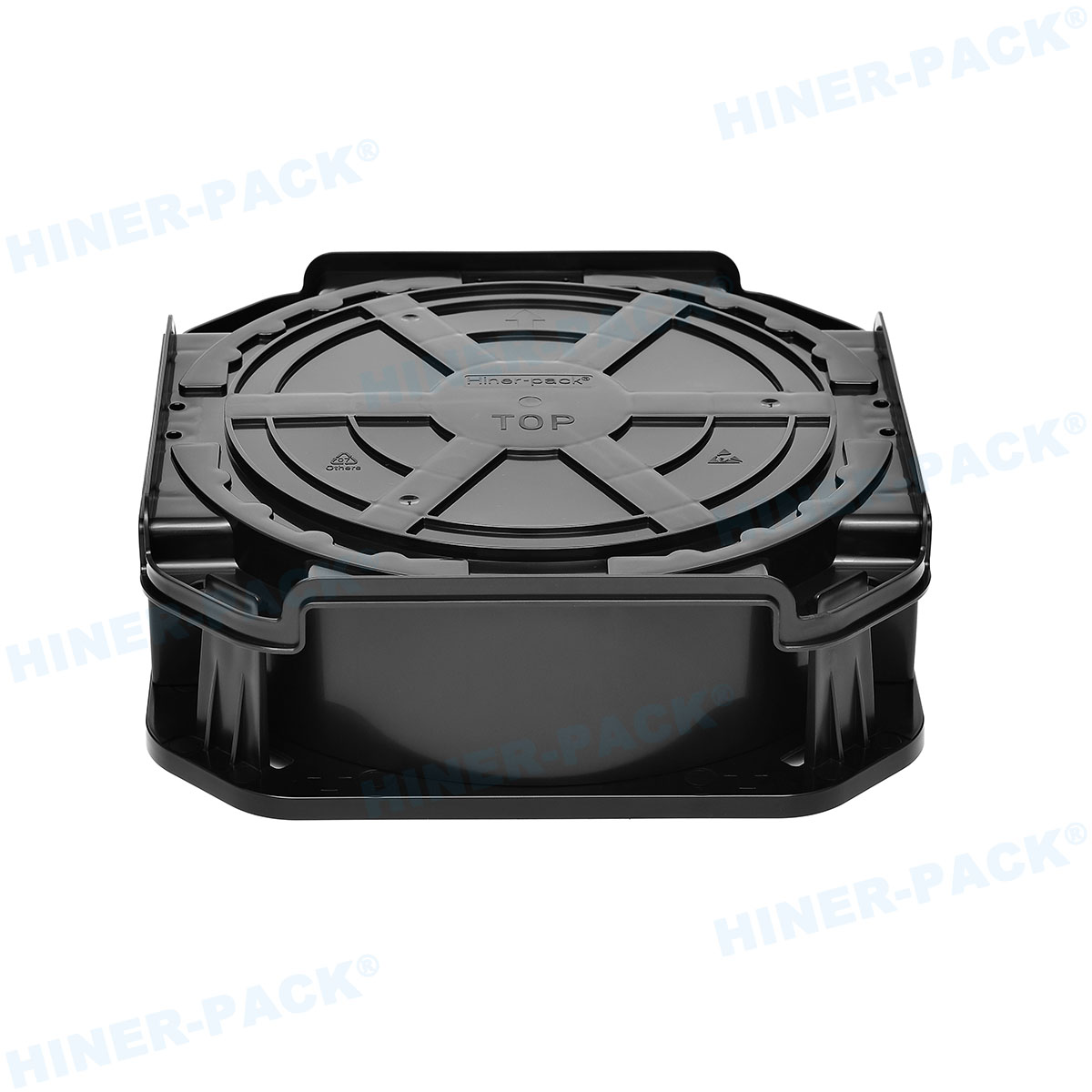
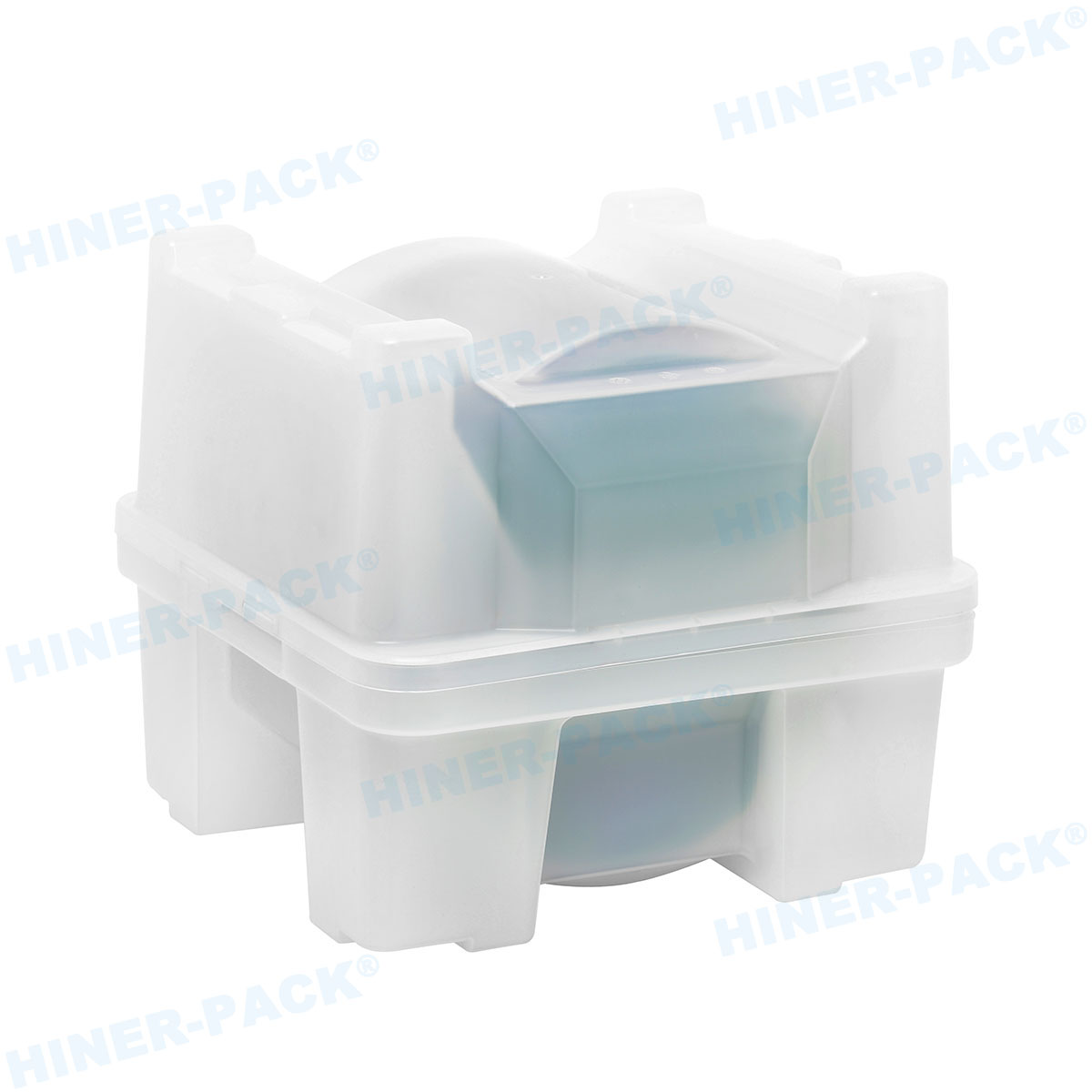
A standard wafer shipper can only do so much. For superior immobilization, the 8-inch Horizontal Clamp Ring Wafer Shipper has become the trusted solution. It directly tackles the core problem of in-transit wafer movement, offering a higher level of security for sensitive processes.
This article explains how clamp ring technology works, why it matters, and what to look for in a robust design.
The Problem of Wafer Slippage
During road or air transport, packages endure sustained vibrations and occasional sharp impacts. In a standard horizontal carrier, wafers sit in a cassette’s slots with minimal lateral restraint.
They can subtly rock back and forth. This motion, called “wafer walk,” causes friction. Friction generates particles. These particles contaminate the wafer surface, leading to potential die yield loss.
In severe cases, wafers can shift enough to touch each other or the cassette walls, causing catastrophic physical damage. The 8-inch Horizontal Clamp Ring Wafer Shipper is engineered to eliminate this risk at its source.
How a Clamp Ring Mechanism Works
The core innovation is a simple yet precise mechanical component: the clamp ring. This is a flat, rigid disc, often made from advanced engineering plastics like PEEK or Ultem.
It sits directly on top of the wafers inside the cassette. When the shipper’s door is closed and secured, an integrated mechanism applies gentle, uniform downward pressure through this ring.
This pressure is carefully calibrated. It is strong enough to immobilize the entire stack of wafers, preventing any lateral movement. Yet, it is precisely controlled to avoid applying excessive force that could bow or stress the wafers themselves.
The result is a fully locked stack, immune to vibration.
Key Design Advantages for 200mm Wafers
Why is this specifically valuable for the 200mm ecosystem? Many 8-inch wafers are used for advanced analog, power, and MEMS devices. These often have backside films or are thinner than standard specs for certain applications.
They are especially prone to movement. The clamp ring design provides peace of mind for these challenging scenarios. It ensures that every wafer arrives in exactly the same position it was loaded.
This is crucial for automated handling at the receiving facility. Robots expect wafers to be perfectly aligned. A shifted wafer can cause a misload, resulting in tool downtime and breakage.
Hiner-pack’s Engineering Approach to Immobilization
At Hiner-pack, we view the clamp ring as a system, not just a part. Our 8-inch Horizontal Clamp Ring Wafer Shipper features a patented, spring-less pressure mechanism.
We found that traditional spring-based systems can apply uneven force or degrade over time. Our design uses a precisely machined cam action integrated into the door. This delivers consistent, repeatable pressure with every single closure.
Our clamp rings are manufactured to exceptional flatness standards. They are also static-dissipative to prevent charge build-up. The material is chosen for its low outgassing properties, ensuring it doesn’t become a contamination source itself.
We test this system on vibration tables that simulate thousands of miles of truck and air transport. The goal is zero measurable wafer movement. Consistently achieving this is what defines our product.
Applications Demanding the Highest Security
Not every shipment requires this level of protection. However, several key scenarios make the clamp ring shipper the clear choice:
- Shipping Thinned Wafers: Wafers thinned for 3D packaging or power devices are more flexible and prone to vibration-induced damage.
- High-Value Final Wafers: Transporting finished wafers with a complete, valuable die pattern. Any loss at this stage is extremely costly.
- Long-Distance or Multi-Modal Logistics: Shipments involving ocean freight, long-haul trucking, or multiple plane changes experience complex vibration profiles.
- Sensitive Backside Films: Wafers with metallic or delicate coatings on the backside must avoid any abrasion caused by sliding in the cassette.
In these cases, the added security of a clamp ring directly protects the bottom line.
Selecting a Clamp Ring Shipper: What Matters
When evaluating an 8-inch Horizontal Clamp Ring Wafer Shipper, consider these factors beyond the basic shipper specs.
First, examine the pressure mechanism. Is it smooth, repeatable, and free of parts that can wear out quickly? Ask for lifecycle test data.
Second, request contamination data. The clamp ring will be in direct, though gentle, contact with the wafers. It must be cleaner than the wafers it protects. Hiner-pack provides certified test reports for particles and outgassing.
Third, ensure compatibility. The internal dimensions must still accommodate standard 25-wafer cassettes with the ring in place. The design should not compromise the shipper’s external dimensions or sealing capability.
Finally, consider serviceability. Can the ring be easily removed for cleaning or replaced if necessary? A good design facilitates maintenance without specialized tools.
Integration with Existing Processes
Adopting a clamp ring system is straightforward. It does not require changes to existing wafer loading procedures. The cassette is loaded as normal.
The clamp ring is then placed on top of the wafer stack. The loaded cassette and ring are placed into the shipper body. Closing and latching the door activates the locking mechanism.
The process adds only seconds but provides a significant upgrade in protection. Training for operators is minimal, focusing mainly on the correct placement of the ring.
The Hiner-pack Difference: Reliability by Design
Our commitment is to total reliability. We understand that a shipper is a long-term asset. The Hiner-pack 8-inch Horizontal Clamp Ring Wafer Shipper is built for thousands of cycles.
Every component, from the main latch to the smallest fastener, is selected for endurance. We use marine-grade stainless steel for all metal parts to resist corrosion. Our seals are made from perfluoroelastomer for consistent performance across a wide temperature range.
This focus on durability ensures your investment pays off over many years of secure shipments.
For high-value 8-inch wafers, passive protection is no longer sufficient. Proactive immobilization is the standard for secure logistics. The 8-inch Horizontal Clamp Ring Wafer Shipper provides an engineered solution to a well-known risk.
By choosing a meticulously designed system like the one from Hiner-pack, manufacturers can eliminate wafer slippage as a variable, protecting yield and ensuring seamless production flow across a distributed supply chain.
Frequently Asked Questions (FAQs)
Q1: How does a clamp ring shipper differ from using foam inserts or padding?
A1: Foam inserts can restrict movement but may generate particles through friction and outgassing. A clamp ring is a clean, rigid, mechanical solution. It applies precise, downward pressure to lock wafers in place without generating contamination, offering a more reliable and cleanroom-compatible method of immobilization.
Q2: Is the clamping pressure adjustable for different wafer thicknesses or types?
A2: In high-quality designs like Hiner-pack’s, the pressure mechanism is engineered to accommodate a standard range of wafer and cassette stack heights without adjustment. It self-compensates to apply safe, effective pressure. For non-standard stacks, consult the manufacturer for specific guidance.
Q3: What are the cleaning procedures for the clamp ring itself?
A3: The clamp ring should be cleaned as meticulously as the cassette and shipper interior. Use standard cleanroom solvents and protocols. Hiner-pack rings are designed for easy cleaning, with smooth surfaces and no hard-to-clean crevices. Always follow the manufacturer’s specific cleaning instructions.
Q4: Can the clamp ring mechanism wear out and lose its effectiveness over time?
A4: A well-engineered mechanism, built with durable materials like stainless steel and high-performance polymers, is designed for tens of thousands of cycles with minimal wear. Regular inspection as part of your preventative maintenance schedule is recommended to ensure continued performance. Hiner-pack designs specifically for long-term reliability.
Q5: Are these shippers compatible with all standard 8-inch FOUPs and cassettes?
A5: Yes, a properly designed clamp ring shipper will accommodate all standard SEMI-compliant 200mm cassettes and FOUPs. The clamp ring sits on the wafers inside the cassette, so it is independent of the cassette type. Always verify internal dimensional specifications with the shipper manufacturer for your specific cassette model.