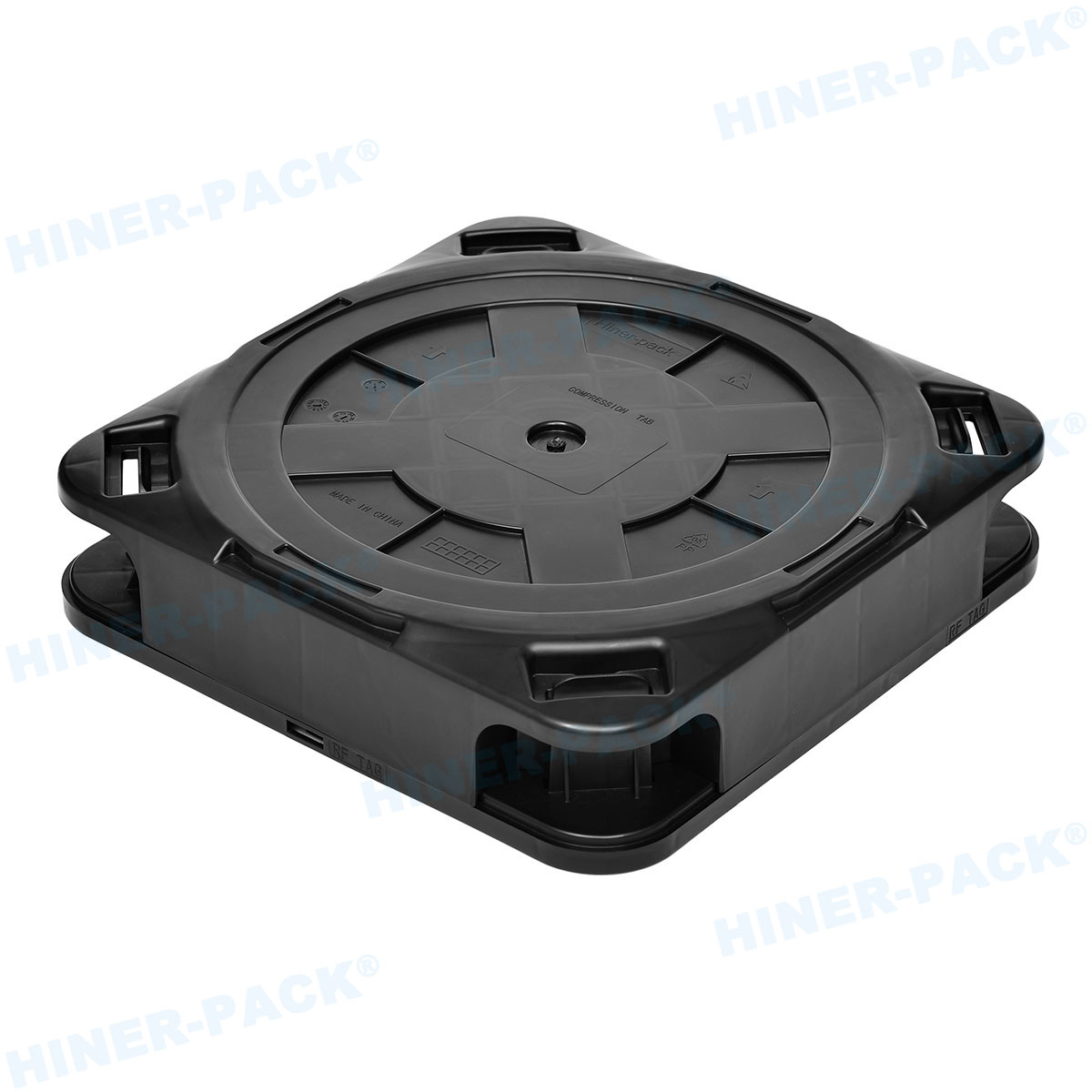
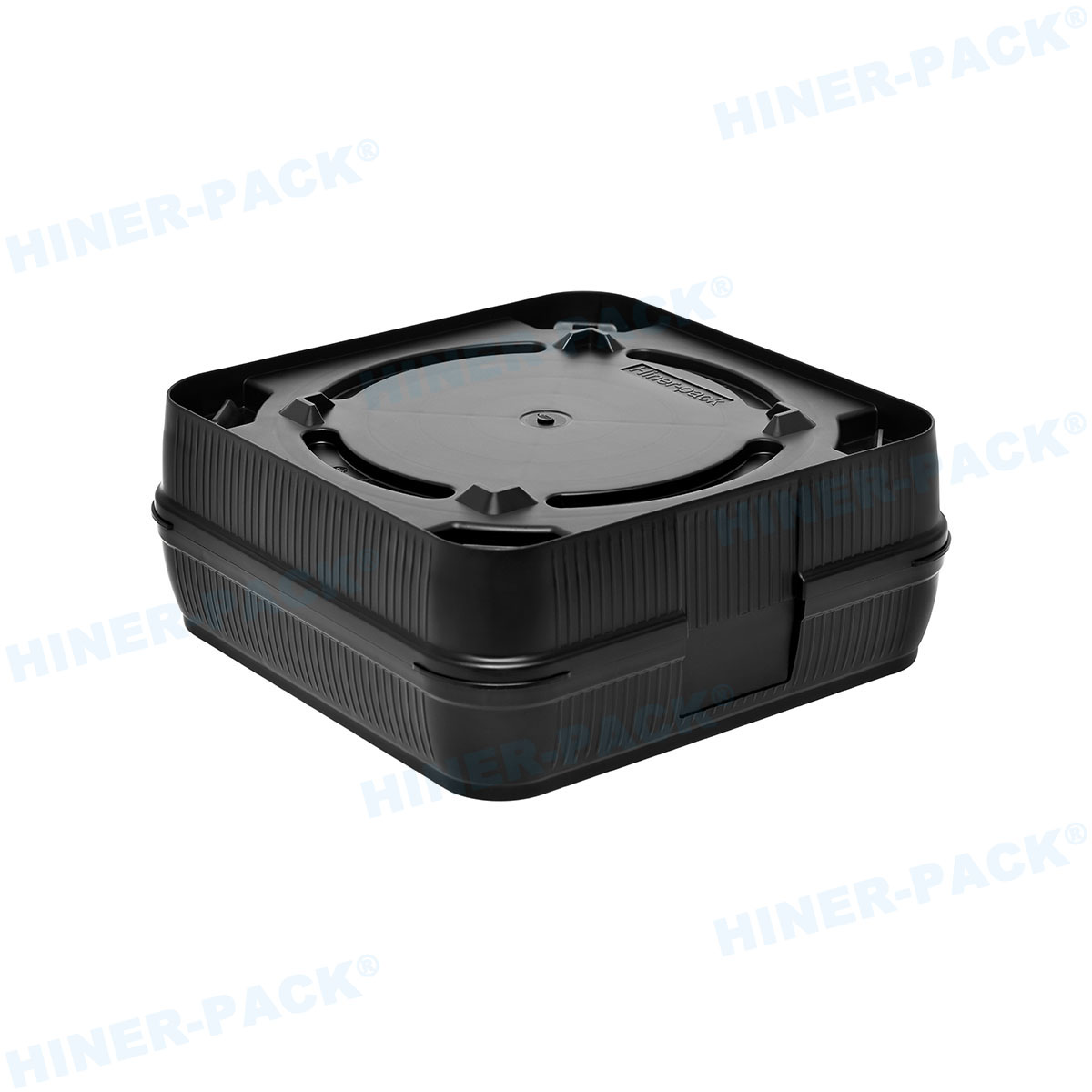
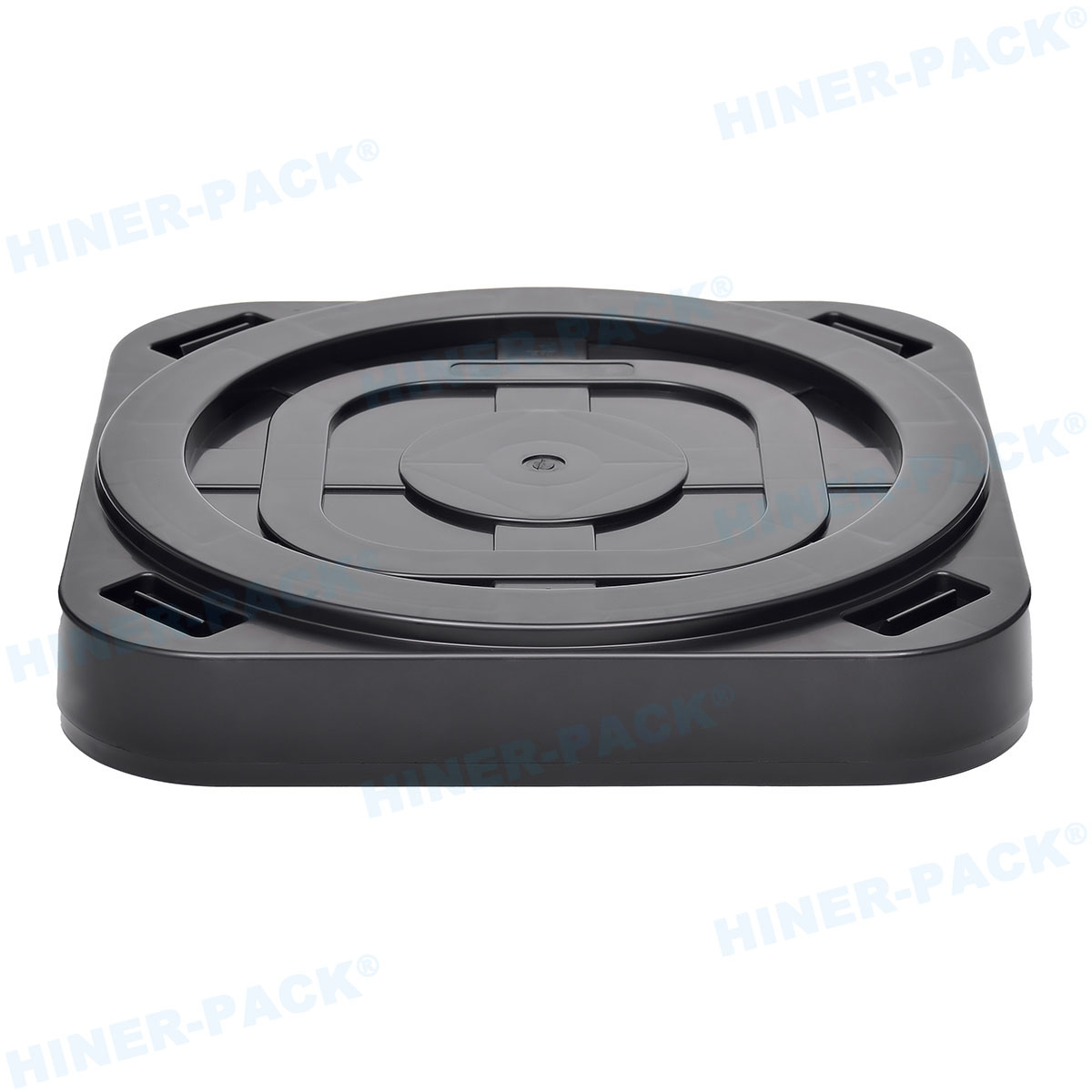
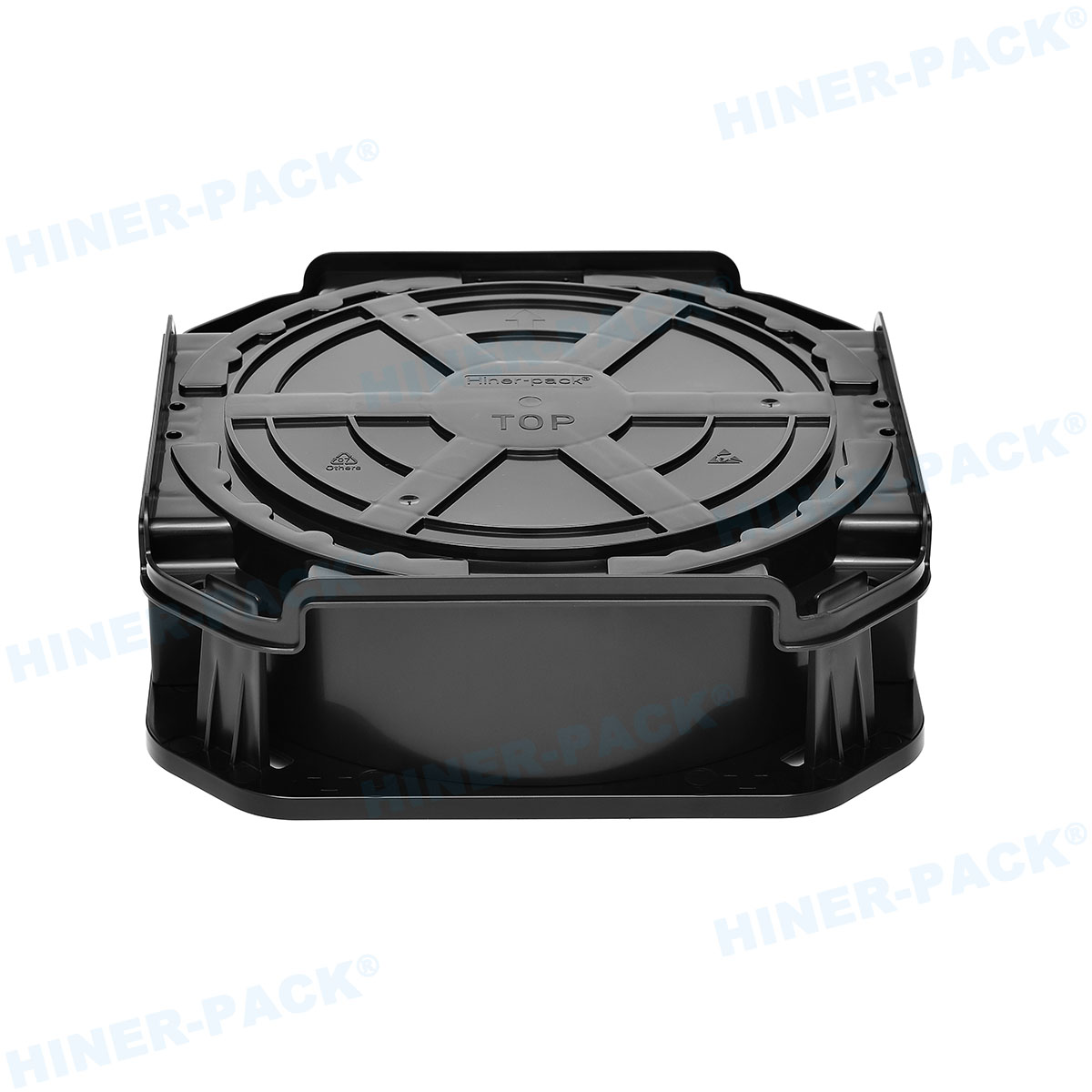
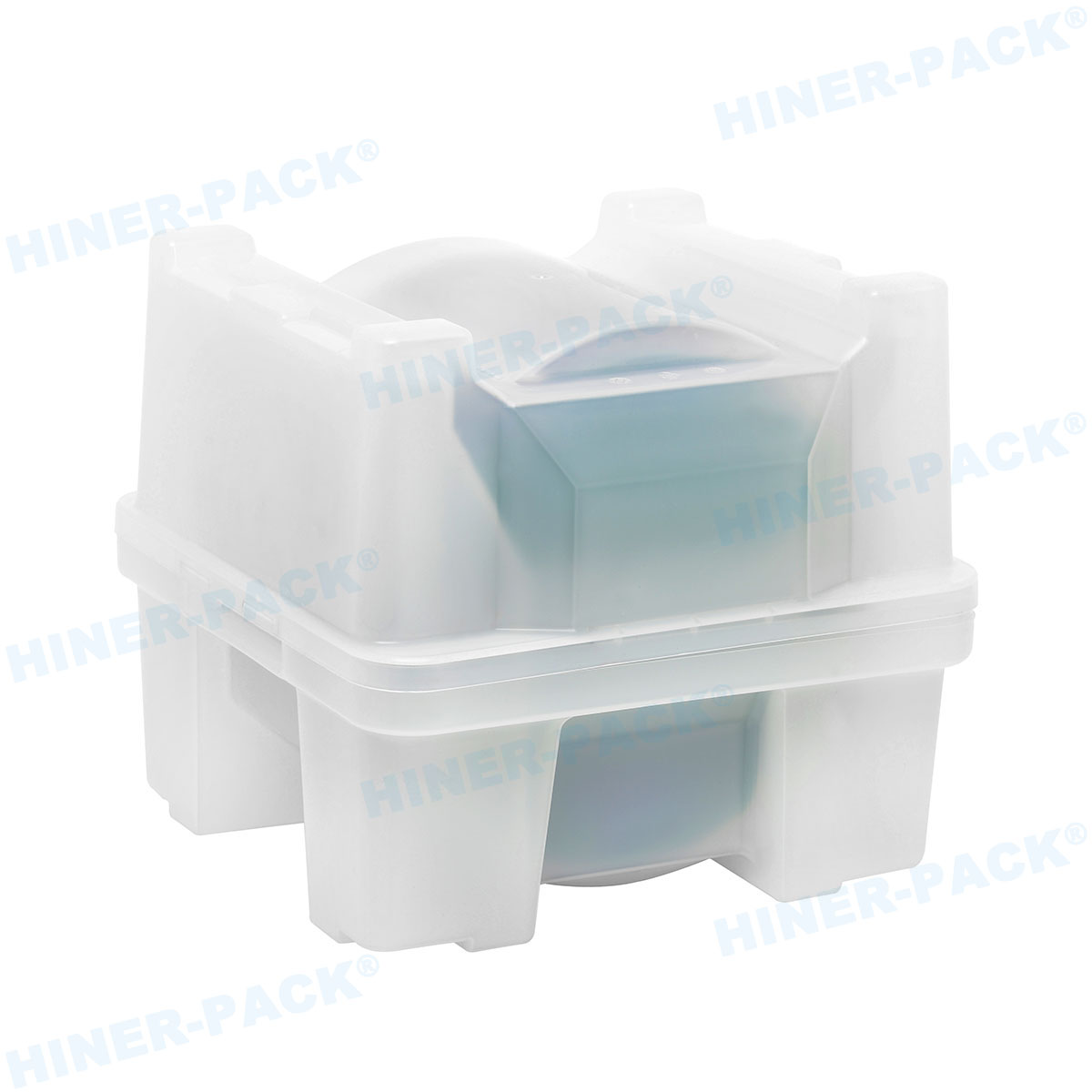
The transport of 300mm wafers represents a critical link in the global semiconductor supply chain. These wafers are high-value assets containing thousands of potential chips. Any damage during logistics results in significant financial loss. Specialized containers, known as 300mm wafer shippers, are engineered to provide maximum protection. This guide details their design, function, and selection criteria.
Core Design and Protective Functions
Unlike standard front-opening unified pods (FOUPs) used within a fab, wafer shippers are built for the harsh external environment. They address multiple risk factors simultaneously.
Mechanical Shock and Vibration Isolation
The primary purpose is to absorb physical forces encountered during shipping and handling.
Rigid Outer Shell: Typically made from high-impact structural foam or engineered plastic to resist crushing.
Customized Inserts: Precision-molded foam or plastic liners that cradle the FOUP or cassette, preventing any movement.
Cushioning Design: Engineers the entire package to dampen specific vibration frequencies common in air and road transport.
Environmental Sealing and Contamination Control
Creating a stable, clean internal microenvironment is equally important.
Hermetic Seals: Gaskets and latches create an airtight barrier against moisture, dust, and atmospheric pollutants.
Desiccant Integration: Chambers for desiccant packs to control humidity levels inside the container.
Internal Cleanliness: Materials and manufacturing processes ensure the interior is particle-free.
Effective 300mm wafer shippers must excel in both mechanical and environmental protection.
Key Components and Materials
The performance of a shipper depends on the quality and properties of its constituent parts.
Structural Materials
Structural Foam: Common for the shell, offering an excellent strength-to-weight ratio and good insulation properties.
Rigid Plastics: Used in higher-performance models for increased durability and repeated use.
Sealing and Latching Mechanisms
Clamp Latches: Provide uniform pressure around the lid for a consistent seal.
Silicone Gaskets: Ensure long-term elasticity and reliability for maintaining the seal over multiple cycles.
Pressure Relief Valves: Some models include these to manage pressure changes during air transport without breaking the seal.
Internal Cradle and Support
The insert is custom-designed for the specific 300mm carrier being transported, such as a FOUP or a standard cassette. It must hold the carrier securely at multiple points.
Compliance with Industry Standards
Adherence to global standards is mandatory for safe and accepted shipments.
SEMI Standards
SEMI International has defined key specifications for wafer shipping containers.
SEMI E47: Covers mechanical and dimensional specifications for carriers used to transport and store 300mm wafers.
SEMI E1.9: Relates to physical dimensions of 300mm FOUPs, which directly influences shipper interior design.
Air Transport Regulations
Shippers must be designed and tested to meet International Air Transport Association (IATA) and airline requirements for containing fragile, high-value goods.
Operational Workflow: From Packing to Unpacking
Correct procedures are essential to realize the full protective value of the shipper.
Packing Procedure
Place the charged desiccant into its designated slot.
Insert the sealed FOUP or cassette into the custom cradle inside the shipper base.
Ensure it is fully seated and does not move.
Close the lid, engage all latches, and verify the seal is even.
Unpacking and Verification
Upon receipt, inspect the shipper for external damage.
Check the humidity indicator card (HIC) before opening to verify the seal was maintained.
Open latches and remove the internal carrier in a clean environment.
Selecting a Supplier: Critical Factors
Choosing a reliable manufacturer for 300mm wafer shippers involves several technical and commercial considerations.
Proven Design and Testing
Look for suppliers that perform and document rigorous testing.
Drop tests, vibration tests, and compression tests.
Seal integrity tests over temperature cycles.
Material Quality and Consistency
High-quality, consistent materials prevent failures and ensure multi-trip durability.
Global Support and Service
A supplier with a global footprint, like Hiner-pack, understands international logistics challenges and can provide timely support and replacement parts worldwide.
For 300mm wafers, the journey between facilities is as critical as the processes within them. Robust 300mm wafer shippers are engineered solutions that mitigate the risks of shock, vibration, and contamination inherent in global logistics. Investing in well-designed, compliant shippers from a reputable supplier such as Hiner-pack is a direct investment in protecting yield, reducing costly losses, and ensuring a reliable supply chain.
Frequently Asked Questions (FAQs)
Q1: What is the typical lifespan of a 300mm wafer shipper?
A1: With proper care, a high-quality shipper can be reused 50 to 100 times or more. Lifespan depends on handling severity, material fatigue, and the integrity of the sealing gaskets, which should be inspected regularly.
Q2: Can one shipper model accommodate both FOUPs and open cassettes?
A2: Generally, no. FOUPs and cassettes have different form factors and require different internal cradles for secure fitment. Some shipper systems offer interchangeable inserts, but the outer shell is usually sized for a specific carrier type.
Q3: How is shipment integrity verified upon arrival?
A3: The primary method is checking the Humidity Indicator Card (HIC) visible through a window or upon opening. A color change indicates moisture ingress. Physical inspection for damage and, for some high-value shipments, verifying a intact vacuum seal (if applicable) are also standard.
Q4: Are there weight or stacking limitations for loaded shippers?
A4: Yes. Manufacturers specify a maximum gross weight and a safe stacking height (e.g., 5 high). Exceeding these can compromise the lower containers in a stack. Always follow the manufacturer's guidelines printed on the shipper.
Q5: What is the lead time for procuring custom or replacement shippers?
A5: Lead times vary. For standard models from a supplier with stock, it could be a few weeks. For fully custom designs, it may take several months for tooling and qualification. Planning spares procurement well in advance is recommended for supply chain continuity.