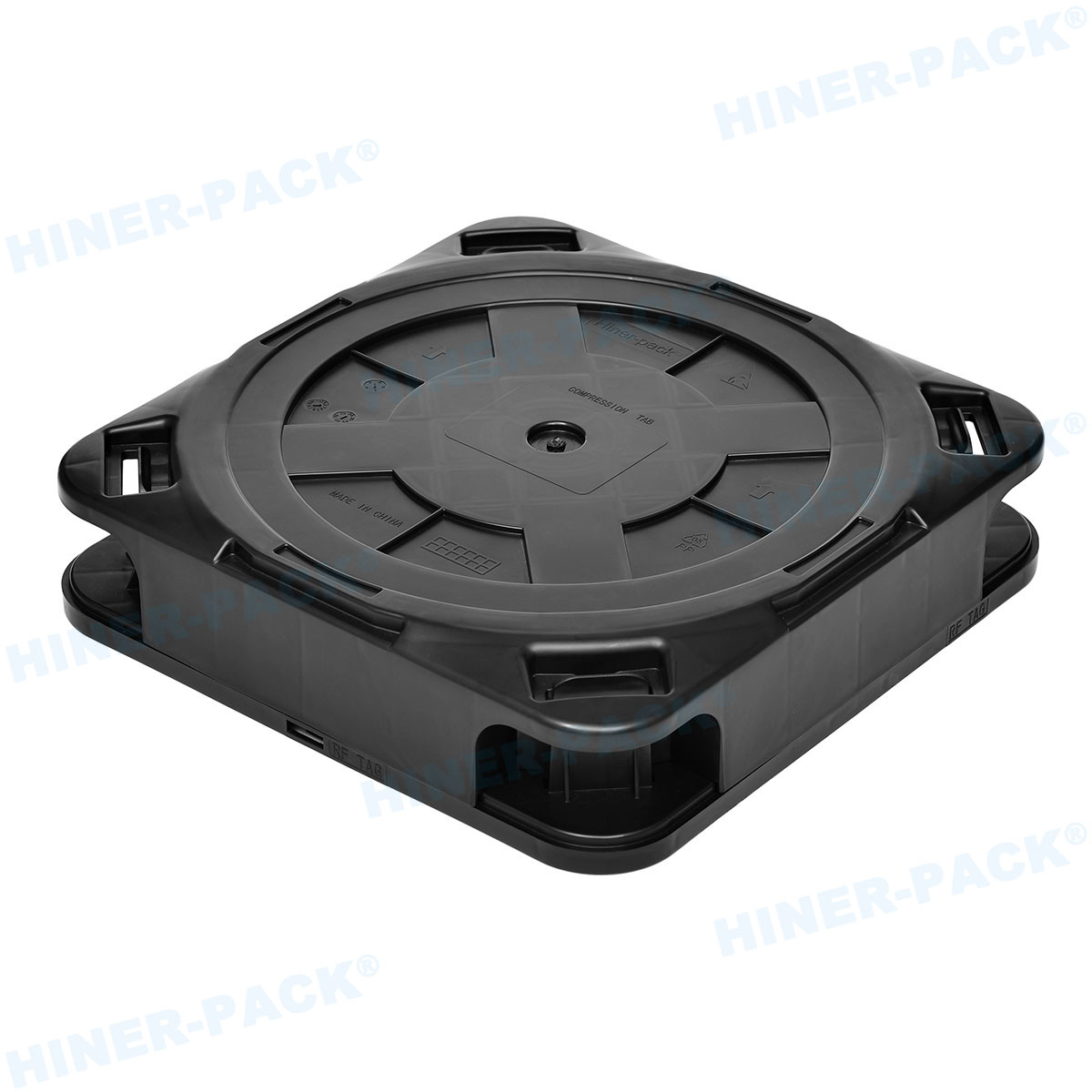
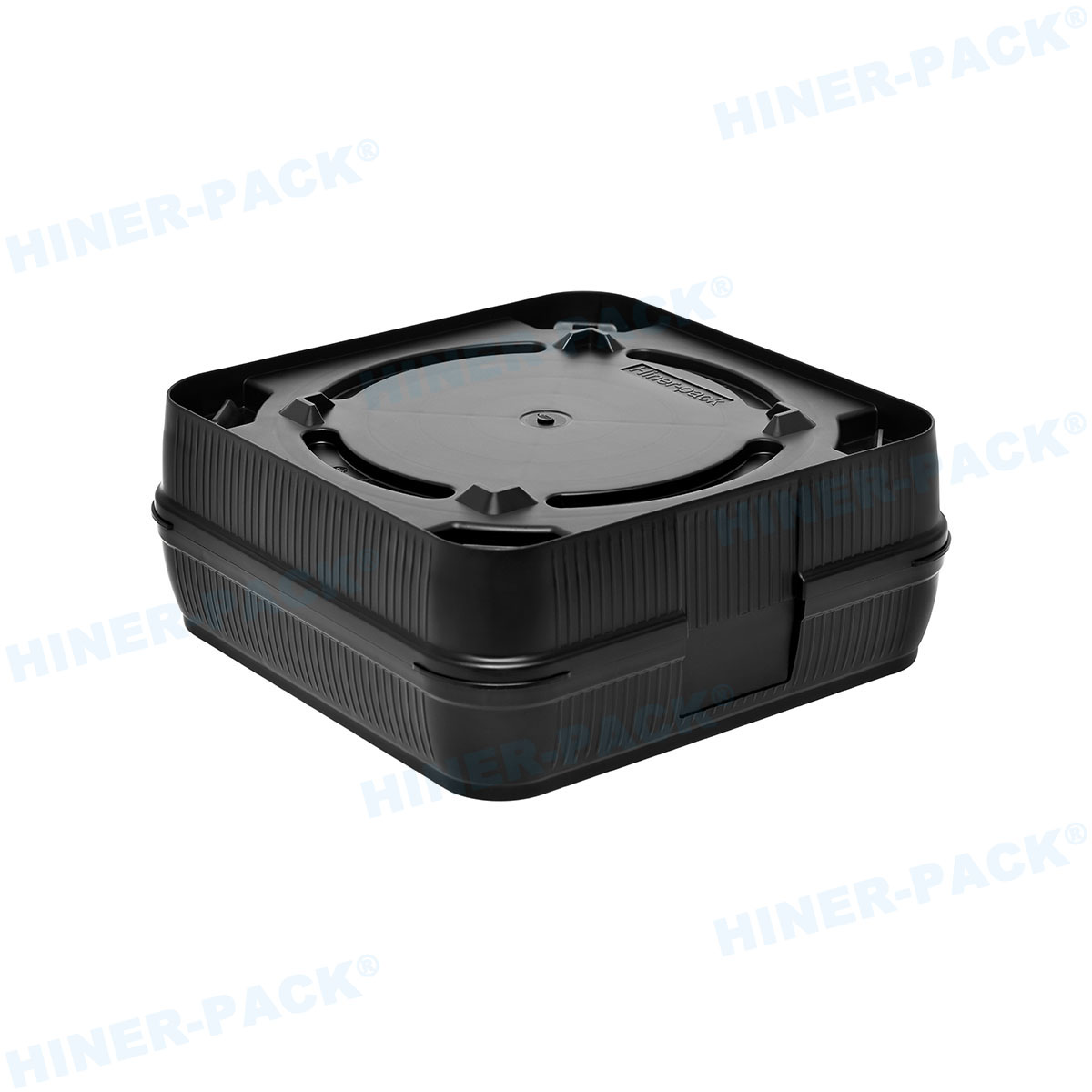
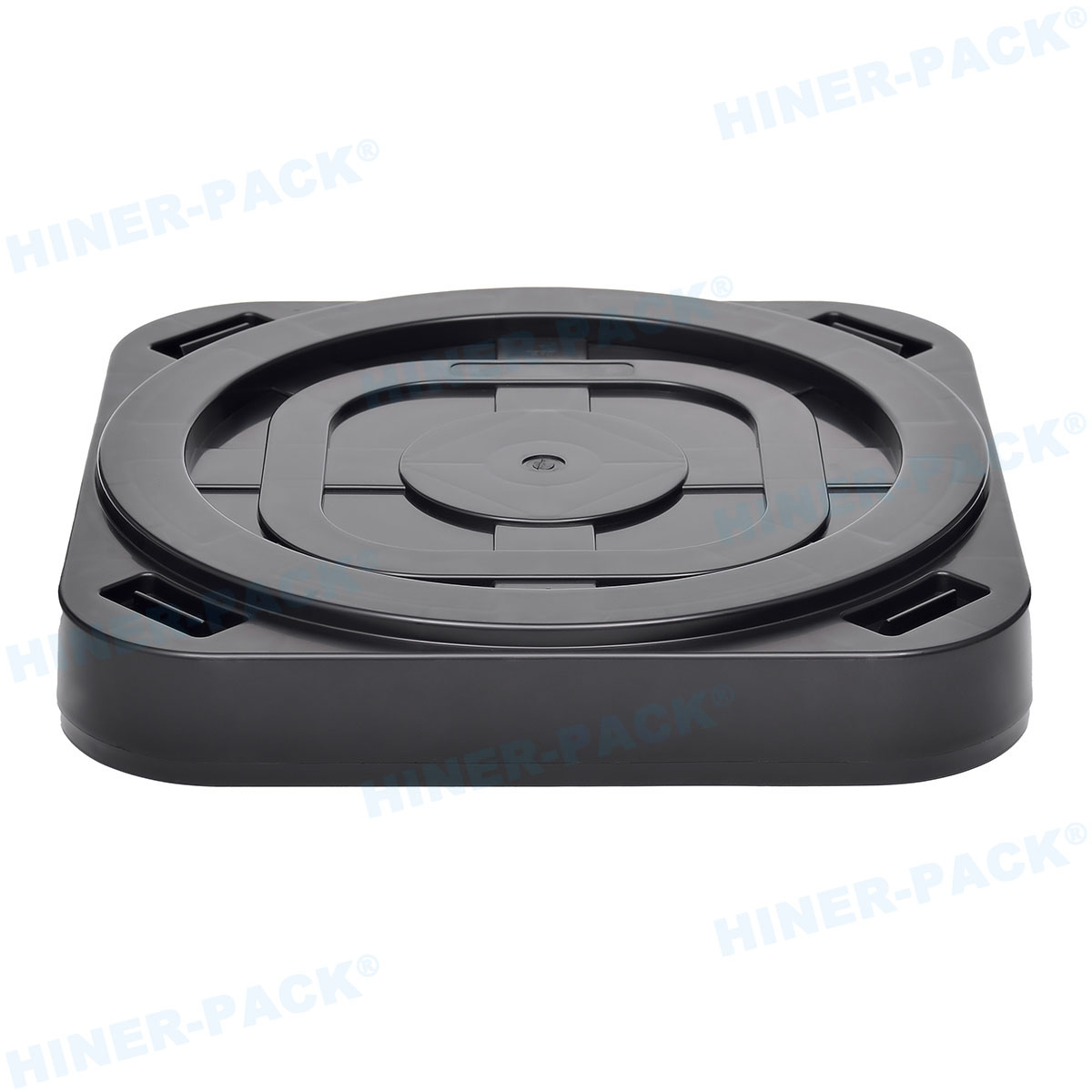
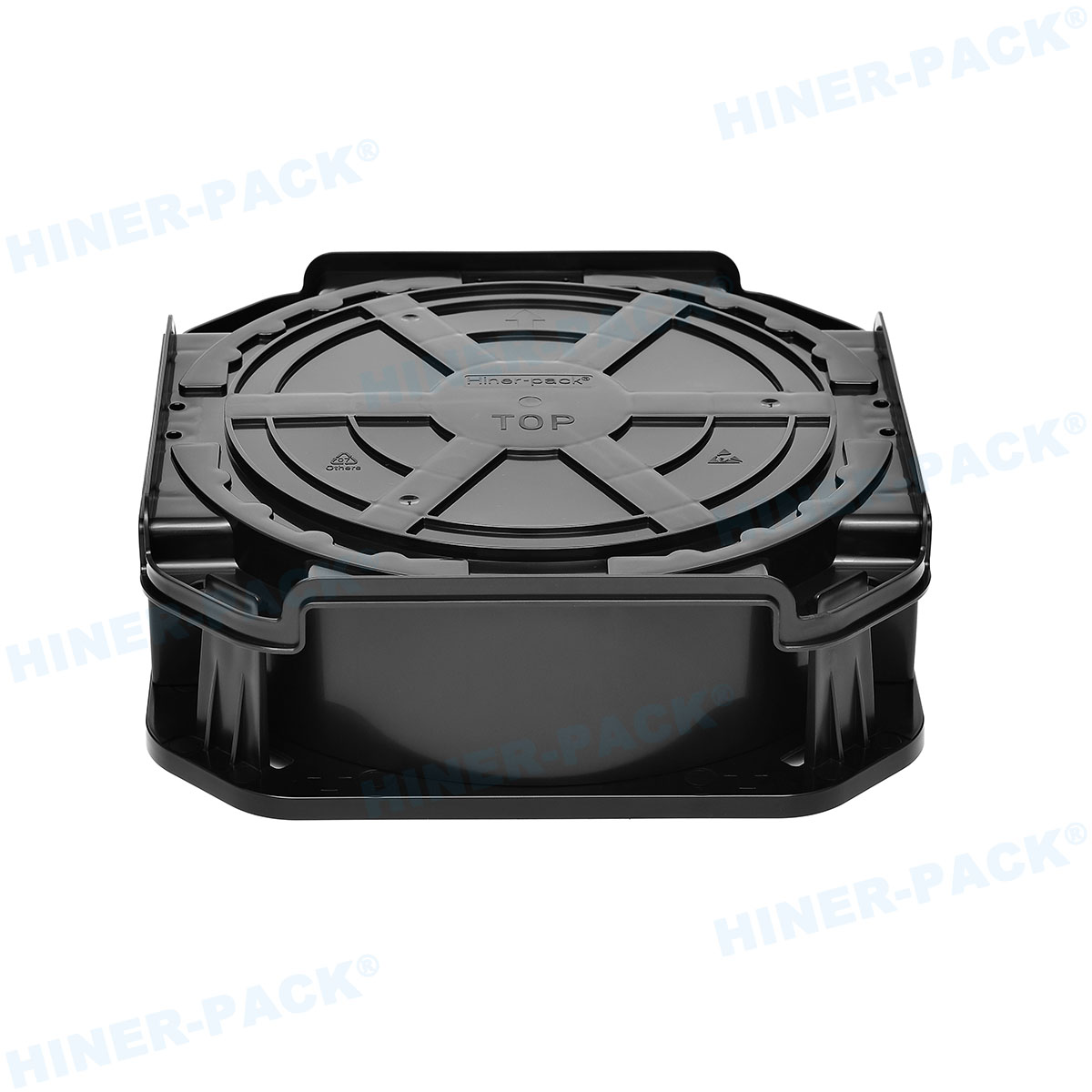
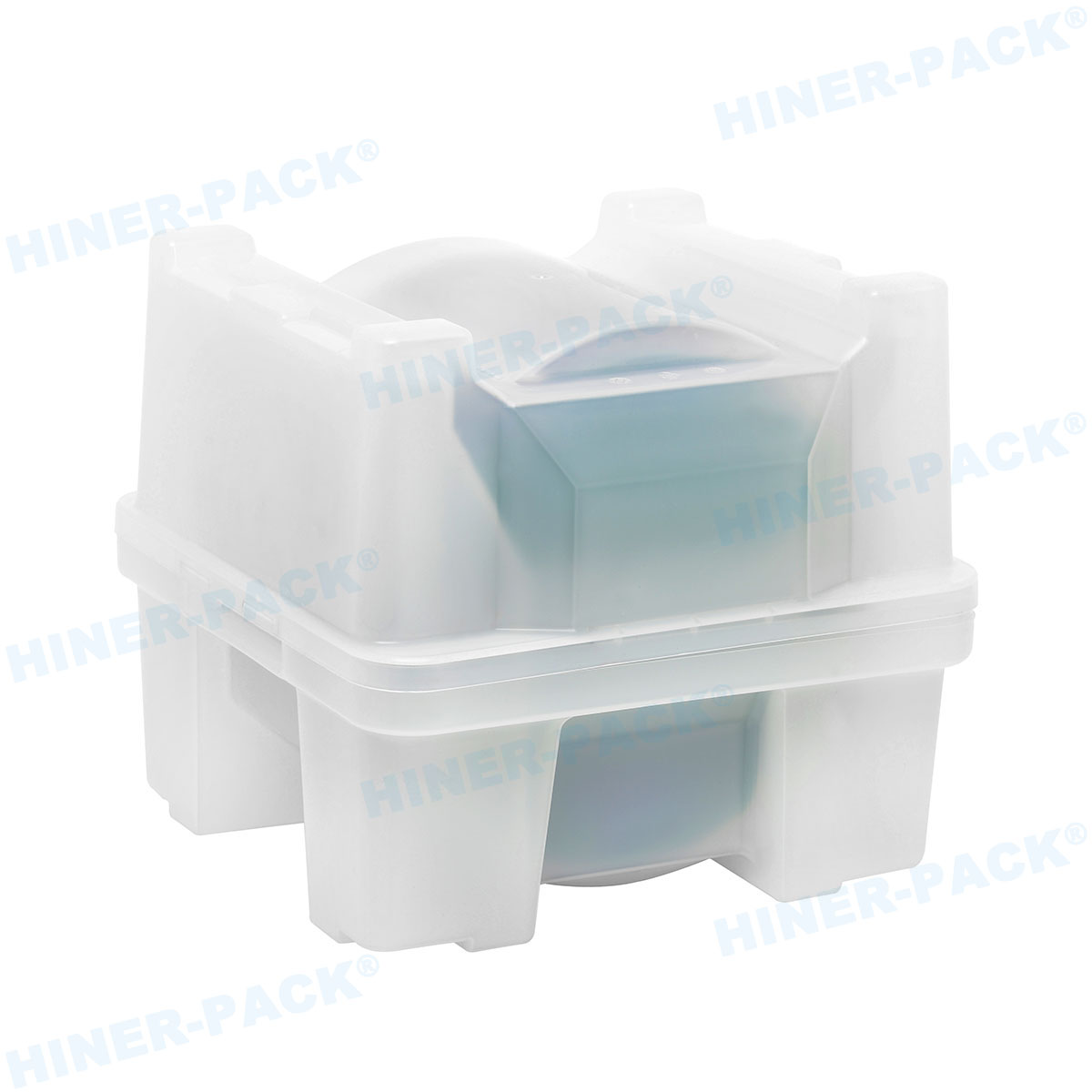
In semiconductor logistics, protecting delicate components during transport and storage is a constant challenge. Traditional rigid carriers can sometimes allow movement, leading to damage. A specialized solution exists in the form of Gel Pak boxes for semiconductors. These packages use a proprietary gel layer to immobilize devices, offering unique protection. This article explores their key benefits and applications in the industry.
1. Superior Device Immobilization and Vibration Damping
The primary function of a Gel Pak box is to hold components completely stationary. This is achieved through a non-sticky, pressure-sensitive gel surface.
How the Gel Technology Works
Devices are gently pressed onto the gel surface. The gel conforms to the shape of the component, creating a custom pocket that prevents any lateral or vertical movement.
Eliminates "device walking" or shifting during transit.
Absorbs and dampens vibrations and shocks from handling.
Protects delicate wire bonds and solder bumps from stress fatigue.
2. Enhanced Protection for Delicate and Irregular Components
Traditional trays require specific cavities. Gel Pak boxes are versatile and can accommodate a wide range of component types without custom tooling.
Ideal Applications
Thin and Fragile Dies: Bare dies or thinned wafers that are prone to cracking.
Components with Protrusions: Devices with tall heat spreaders, lids, or irregular shapes that don't fit standard trays.
Low-Volume/High-Mix Production: Perfect for prototyping, engineering samples, or small batches of diverse parts.
This flexibility makes Gel Pak boxes for semiconductors invaluable for R&D and low-volume manufacturing.
3. Effective Control of Particulate Contamination
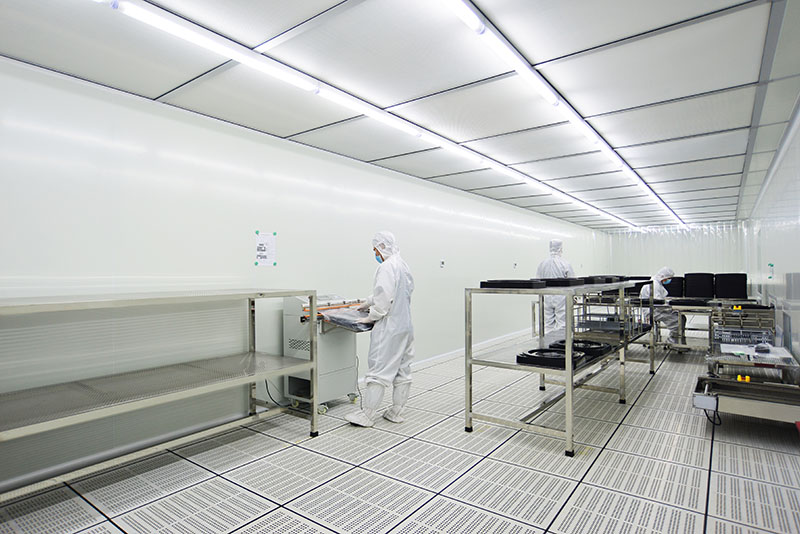
The gel surface is designed to be cleanroom-compatible and minimizes particle generation.
Cleanroom Compatibility
The gel is formulated to be non-shedding and low-outgassing.
It does not leave residue on components when properly removed.
Boxes can be sealed to create a mini-environment, further protecting contents.
4. Streamlined Handling and Process Flow
These boxes integrate smoothly into existing semiconductor workflows.
Ease of Use
Loading: Components are simply placed onto the gel. No complex alignment into cavities is needed.
Unloading: Devices are removed with a gentle, vertical lifting motion using a vacuum pen or tweezers.
Inspection: The clear lid allows for quick visual inspection without opening the box.
Compatibility with Automation
Standard sizes are compatible with automated handling equipment. The rigid outer box can be picked and placed by robots, while the gel secures the device inside during movement.
5. Cost-Effectiveness for Specific Use Cases
While not always the lowest-cost option per unit, Gel Pak boxes offer significant value in certain scenarios.
Eliminates Custom Tooling Costs: No need for expensive molds for non-standard parts.
Reduces Damage-Related Losses: The protection they offer prevents costly scrap of high-value components.
Saves Time: Faster loading/unloading compared to fiddling with tight-tolerance trays for odd-shaped parts.
Key Considerations for Implementation
To maximize benefits, users should follow best practices.
Selecting the Correct Gel Formulation
Different gels have varying tack levels and temperature resistances. Choose one appropriate for your device weight and any post-packaging processes (e.g., baking).
Proper Loading and Unloading Technique
Training is essential. Pressing too hard can make removal difficult, while not pressing firmly enough won't secure the device. A smooth, vertical removal is key.
Partnering with a Knowledgeable Supplier
Working with an experienced supplier like Hiner-pack ensures you get the right box and gel type for your application and receive guidance on proper use.
For protecting sensitive, irregular, or high-value semiconductor components, Gel Pak boxes for semiconductors offer a unique and effective solution. Their advantages in immobilization, versatility, and contamination control make them an essential tool in specific segments of the industry. By understanding their proper application and working with a trusted provider such as Hiner-pack, manufacturers can significantly reduce handling damage and improve logistics for delicate devices.
Frequently Asked Questions (FAQs)
Q1: Does the gel leave any residue on my components?
A1: When used correctly with the appropriate gel formulation and removal technique, high-quality Gel Pak boxes should not leave a residue. It's important to use a clean, vertical lifting motion for removal and to test with non-critical parts first.
Q2: Can Gel Pak boxes be used for long-term storage?
A2: They can be used for medium-term storage. For very long-term storage (years), it's advisable to consult the manufacturer about gel stability and potential outgassing over extended periods. The sealed box environment helps preserve the components.
Q3: What is the temperature range for these boxes?
A3: Standard gel formulations typically have an operating range from -40°C to 70°C or higher. Special high-temperature gels are available for processes like baking. Always check the specifications from your supplier, such as Hiner-pack, for the exact rating.
Q4: Are Gel Pak boxes ESD-safe?
A4: Yes, the boxes are manufactured from static-dissipative materials. The gel itself is also non-conductive but does not generate static charge. The overall package provides a safe environment for ESD-sensitive devices.
Q5: How do I dispose of used Gel Pak boxes?
A5: Follow your local regulations for plastic waste. The boxes are typically made of recyclable plastics (like PETG), but the gel layer may complicate recycling. Some suppliers or specialized waste handlers may have take-back or disposal programs.