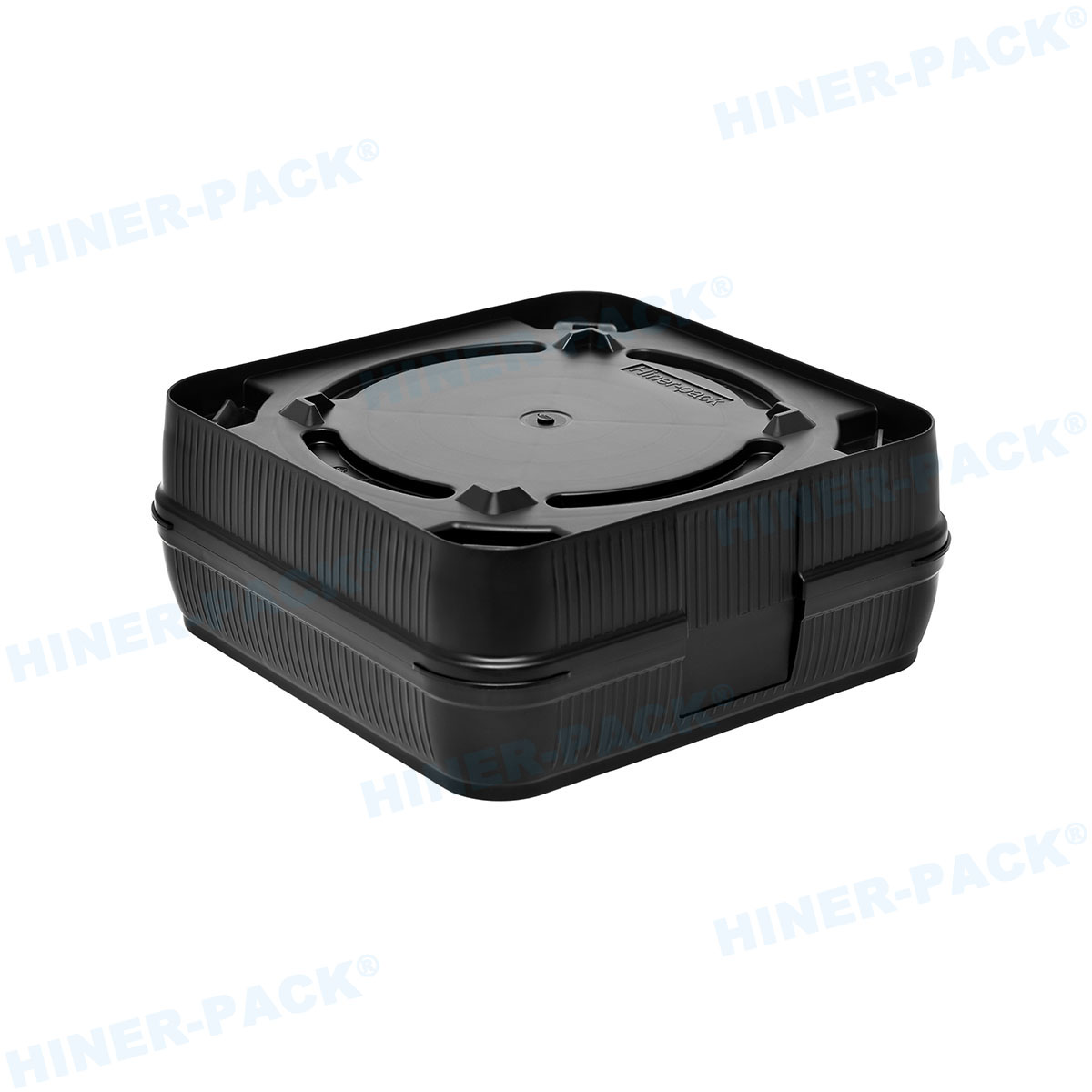
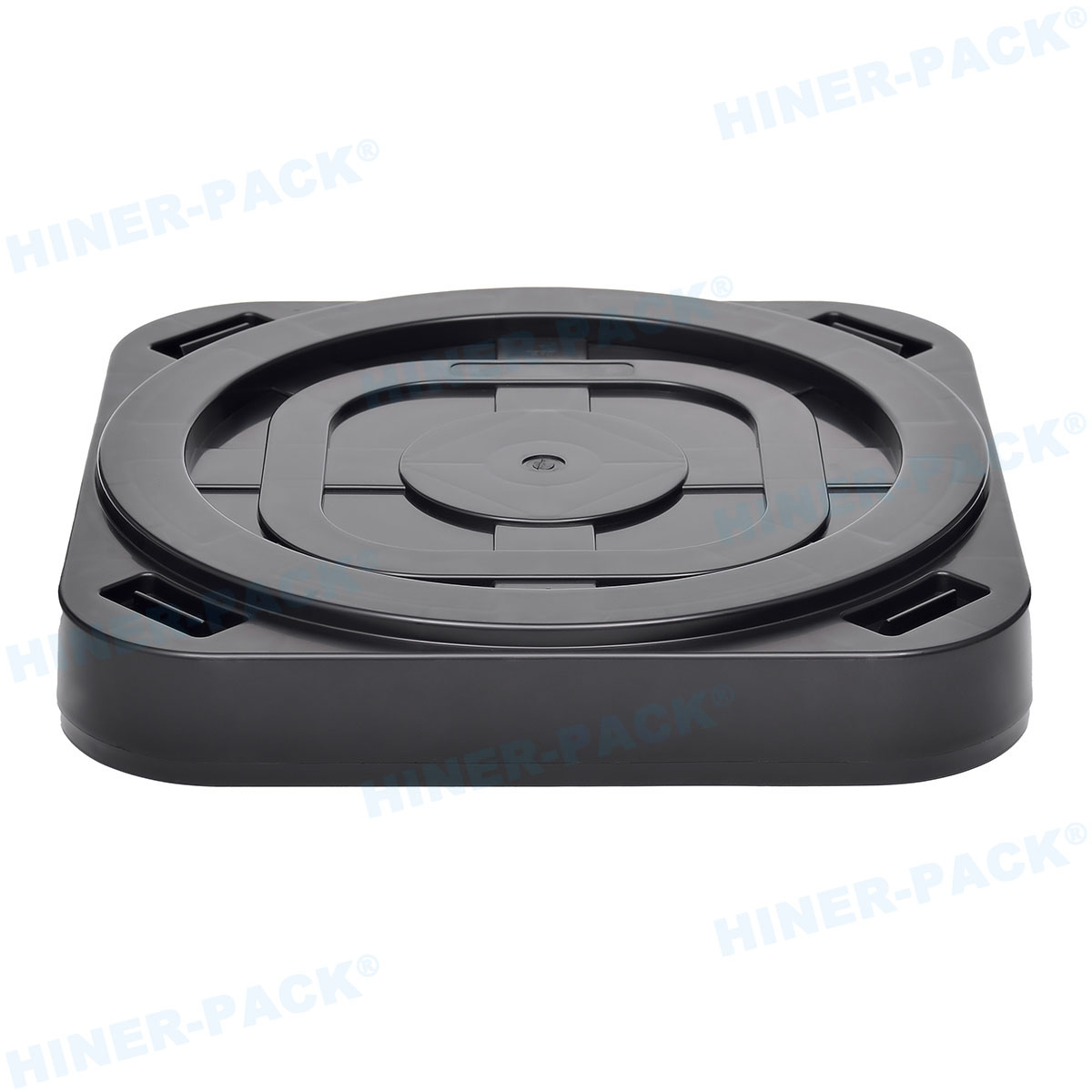
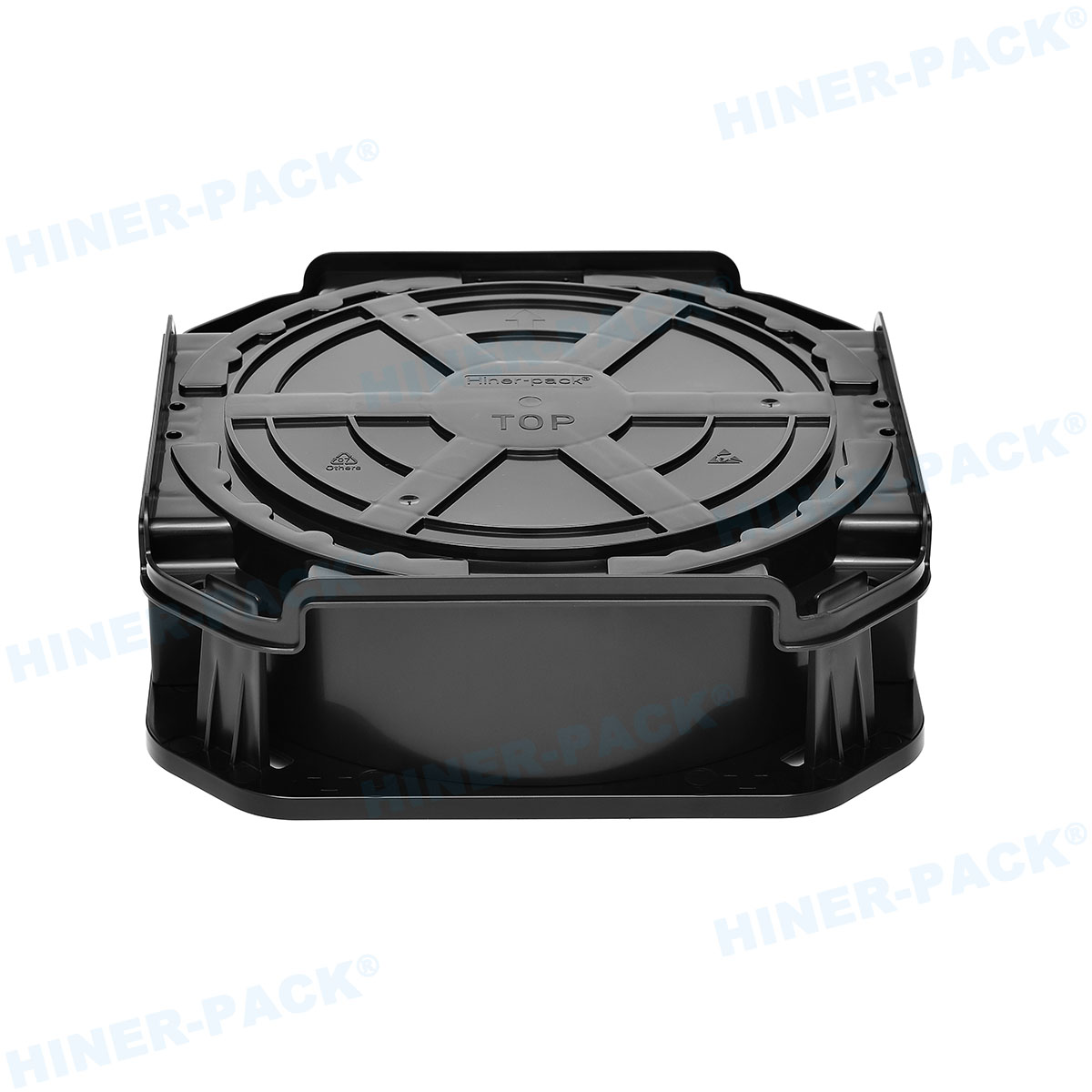
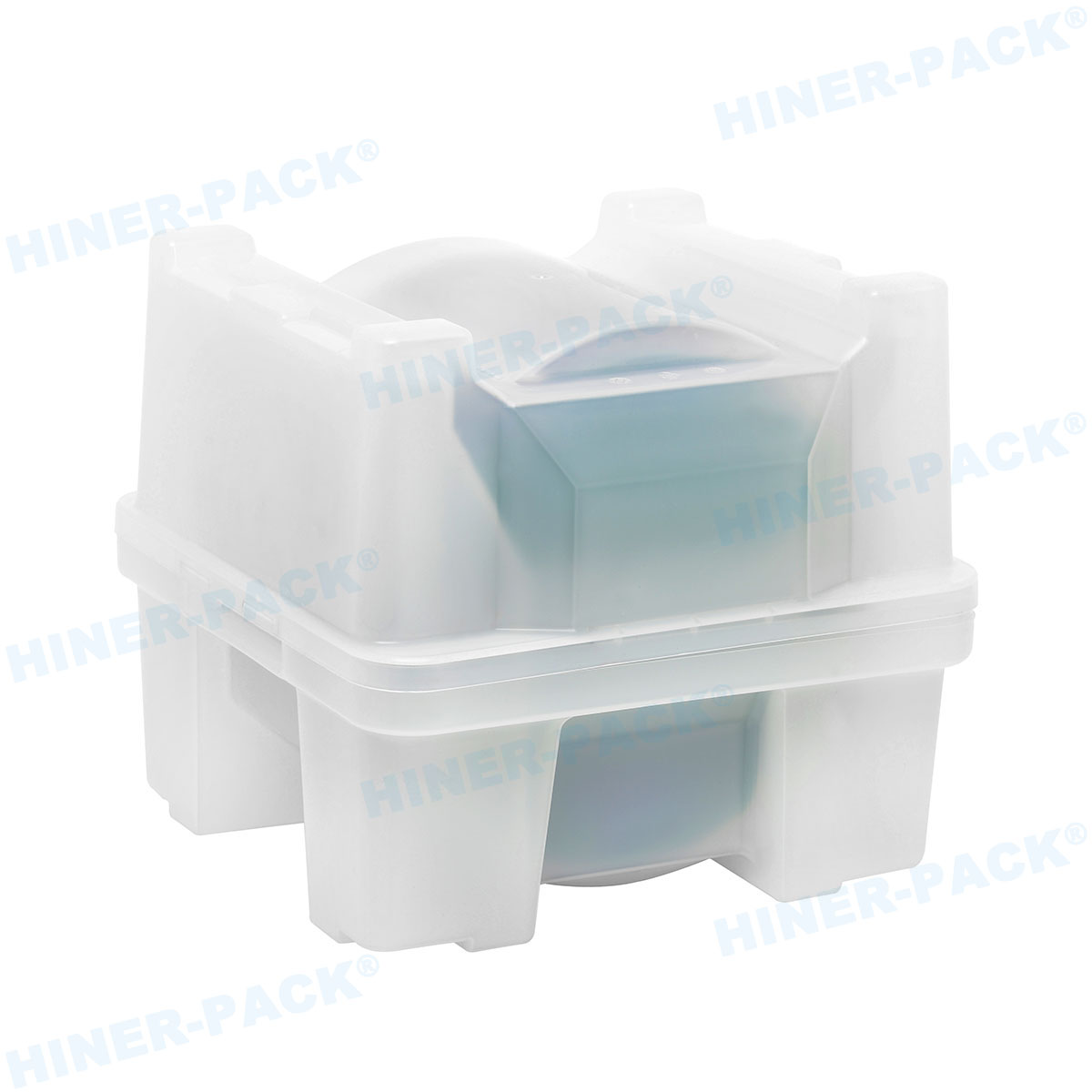
The semiconductor industry's long-anticipated transition to 450mm wafers presents both opportunities and complex logistical challenges. While the wafer size upgrade promises significant die-per-wafer economies, the infrastructure required—particularly the front-opening unified pod (FOUP) and other carriers—remains a high-stakes investment. For fab managers and procurement specialists, understanding the 450mm wafer carrier price landscape is critical to budgeting and technology roadmapping. This article dissects the multifaceted variables influencing these prices, offers current market benchmarks, and provides actionable strategies for cost optimization, drawing on insights from industry leaders like Hiner-pack.
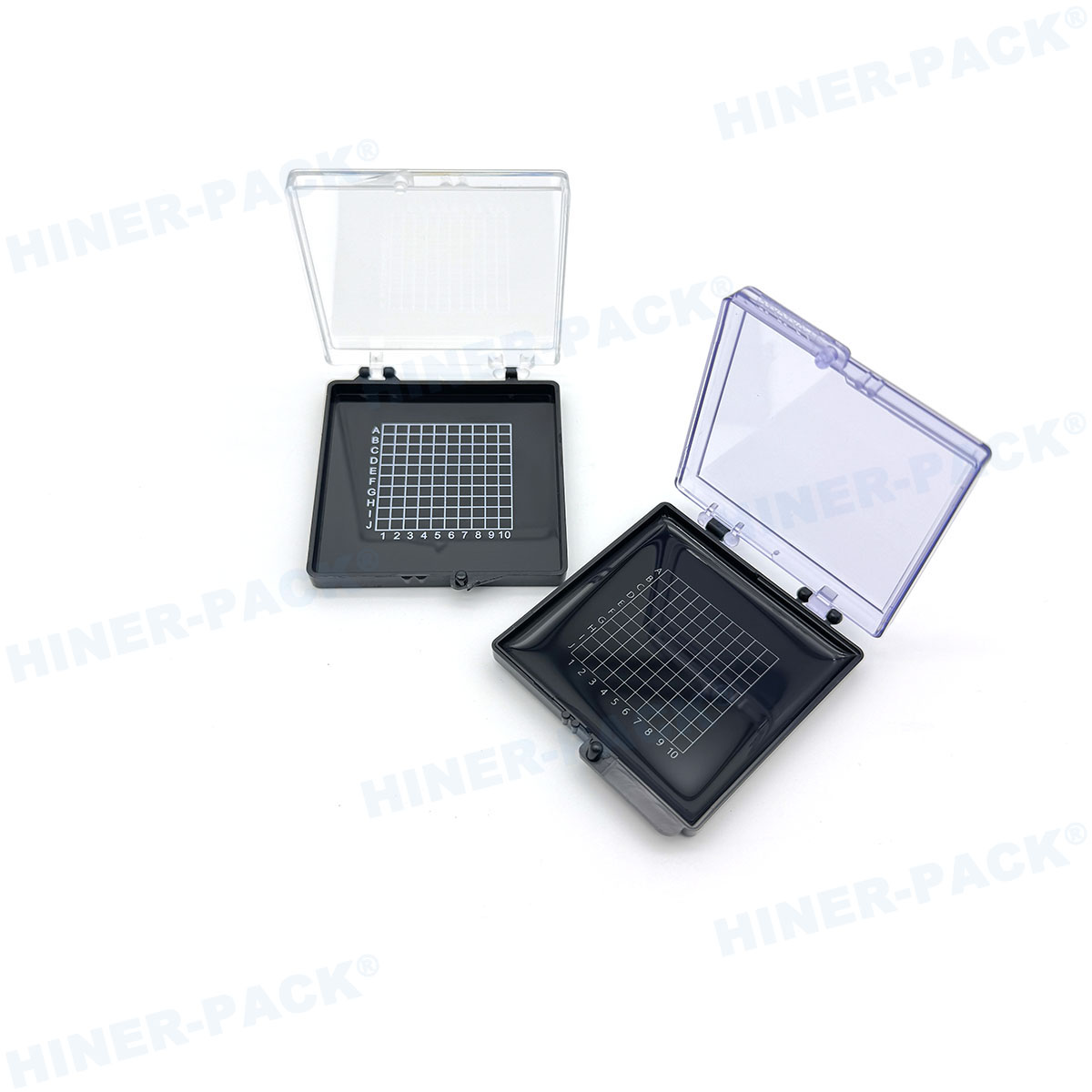
1. The 450mm Wafer Carrier Ecosystem: Beyond Simple Containment
To grasp the 450mm wafer carrier price, one must first appreciate the engineering complexity of these components. Unlike their 300mm predecessors, 450mm carriers must handle significantly heavier payloads (up to 2.5x the weight) while maintaining identical or tighter contamination control and automation interface standards. This necessitates:
Material Science Advancements: High-purity polyether ether ketone (PEEK) and carbon-fiber-reinforced composites are increasingly used to achieve the required stiffness-to-weight ratio, directly impacting raw material costs.
Precision Molding and Metrology: The larger form factor amplifies warpage risks during injection molding. In-line metrology and statistical process control (SPC) are mandatory, adding to manufacturing overhead.
Automation Compatibility: SEMI standards for equipment front-end modules (EFEM) and overhead hoist transports (OHT) dictate exacting kinematic coupling and grip-pin geometries, driving design and validation expenses.
These foundational factors mean that the 450mm wafer carrier price is not merely a scaled-up version of 300mm costs; it represents a new pricing tier altogether.
2. Key Determinants of 450mm Wafer Carrier Price
2.1 Material Costs and Supply Chain Volatility
The shift to 450mm has coincided with increased volatility in specialty polymer markets. Resins meeting SEMI F57 standards for outgassing and extractable metals command premium pricing. Furthermore, the need for electrostatic dissipative (ESD) properties requires specialized compounding, often with carbon nanotubes or other advanced fillers, which can account for 30-40% of the carrier's base material cost. Any fluctuation in these specialty chemical supply chains directly translates to 450mm wafer carrier price adjustments.
2.2 Design Complexity and Customization
While SEMI standards provide a framework, fabs often require customization for specific automation protocols or process chemistries. For example, carriers intended for high-temperature processes may need alternative polymer blends. This level of customization breaks economies of scale. Unlike the mature 300mm market where off-the-shelf FOUPs dominate, the 450mm market currently relies heavily on engineered-to-order solutions, significantly elevating unit costs.
2.3 Cleanliness and Particle Control Performance
As design nodes shrink below 10nm, the allowable particle adders on a wafer carrier become vanishingly small. Achieving these cleanliness levels requires class-100 cleanroom assembly, ultrasonic cleaning, and individual particle certification. This labor-intensive process can add 15-25% to the final 450mm wafer carrier price compared to non-certified equivalents.
3. Current 450mm Wafer Carrier Price Range and Market Benchmarking
Given that 450mm wafers are still in the R&D and pilot-line phase (primarily at consortia like IMEC and CNSE), commercial pricing is not as transparent as the 300mm market. However, based on industry procurement data and supplier quotations, we can establish estimated benchmarks:
Standard 450mm FOUP (prototype/pilot quality): $1,800 - $2,500 per unit.
450mm FOSB (shipping box) with multi-wafer capacity: $900 - $1,400 per unit.
450mm open cassette (for specific process tools): $600 - $1,000 per unit.
These prices are approximately 3-5x higher than equivalent 300mm carriers. It is important to note that these are base prices; expedited lead times or specialized coatings can further inflate the 450mm wafer carrier price.
4. Cost-Saving Strategies for 450mm Wafer Carrier Procurement
Navigating this high-cost environment requires a strategic approach. Leading suppliers such as Hiner-pack offer pathways to mitigate expenses without compromising performance.
4.1 Early Supplier Involvement (ESI) and Design for Manufacturability
Engaging carrier manufacturers during the fab tool design phase can identify cost drivers early. By collaborating on kinematic coupling tolerances or door latching mechanisms, fabs can avoid expensive re-engineering later. Hiner-pack has demonstrated success in using ESI to reduce per-unit costs by 12-18% through design simplification.
4.2 Volume Commitment and Long-Term Agreements
Although 450nm wafer volumes are currently low, fabs can negotiate better 450mm wafer carrier price points by committing to multi-year purchase agreements. Suppliers are more willing to invest in dedicated tooling and optimized production runs when demand visibility is clear.
4.3 Standardization of Common Interfaces
Where possible, fabs should push for industry-wide standardization of carrier features. Proprietary designs limit supplier competition and inflate costs. Participating in SEMI task forces helps ensure that future standards are cost-conscious.
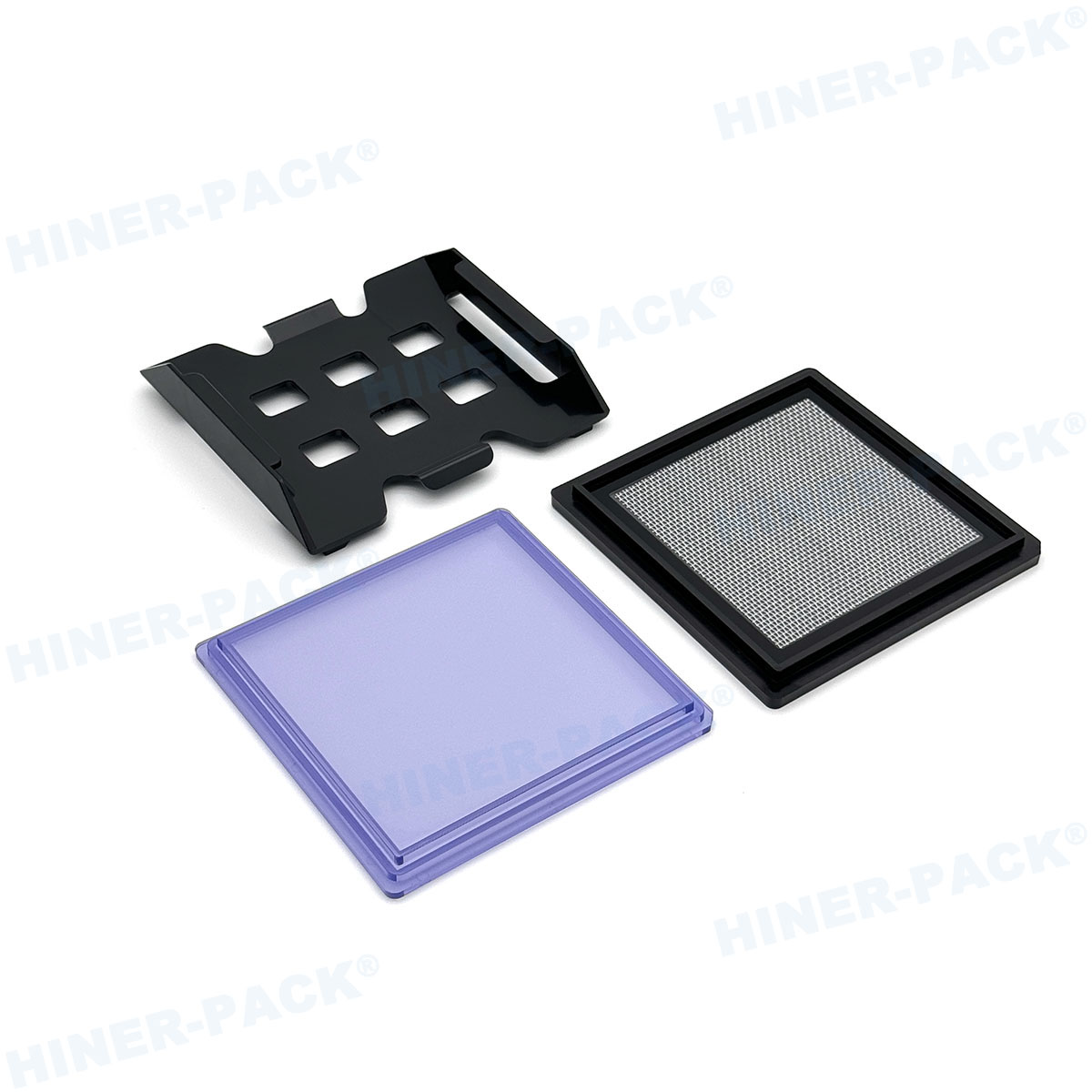
5. Case Study: 450mm Wafer Carrier Price vs. Total Cost of Ownership (TCO)
A common pitfall is focusing solely on the initial purchase price. A comprehensive TCO analysis for 450mm carriers must include:
Cleaning Frequency and Durability: Higher-priced carriers using advanced composites often withstand more cleaning cycles (e.g., 50+ cycles vs. 30 cycles for standard polymers), reducing replacement frequency.
Yield Impact: A carrier with superior particle performance can prevent defects worth thousands of dollars per wafer lot. A slightly higher 450mm wafer carrier price that improves yield by 0.1% can pay for itself in weeks.
Maintenance and Repair: Modular designs allow for door or latch replacement without discarding the entire shell, lowering long-term consumables costs.
In a recent pilot line analysis, a carrier priced at $2,200 (higher than the $1,800 baseline) but with 40% longer lifespan and 15% lower particle adders actually delivered a 22% lower TCO over three years compared to cheaper alternatives.
6. Future Outlook: 450mm Wafer Carrier Price Projections for 2025-2030
The trajectory of 450mm wafer carrier price will follow the classic semiconductor equipment cost curve. As the industry moves from pilot lines to high-volume manufacturing (HVM) around 2027-2028, we anticipate:
Price Erosion of 15-20% per year during the first three years of HVM as suppliers achieve economies of scale.
Increased competition from new entrants in Asia, particularly China and Korea, which could accelerate price declines.
Premium pricing for "smart" carriers embedded with RFID and sensors for predictive maintenance, creating a bifurcated market between basic and intelligent carriers.
However, raw material inflation and the complexity of 450mm logistics may cap the downside, stabilizing prices at approximately 2.5x the 300mm level in the long term.
Frequently Asked Questions (FAQ)
Q1: Why is the 450mm wafer carrier price so much higher than 300mm versions?
A1: The price differential stems from several factors: the use of advanced, high-purity materials to handle increased weight; stringent cleanliness requirements for sub-10nm nodes; low-volume, customized production runs; and the high cost of certifying carriers for automation compatibility. The economies of scale present in the 300mm market do not yet exist for 450mm.
Q2: Are there any standardized price lists for 450mm wafer carriers?
A2: No, standardized public price lists are rare because most 450mm carriers are engineered-to-order for specific fabs or R&D consortia. Pricing is typically negotiated bilaterally based on specifications, volume, and delivery terms. The ranges provided in this article are estimates based on industry sourcing data.
Q3: How can I get a competitive quote for 450mm wafer carriers?
A3: Start by providing detailed specifications including material grade, dimensional tolerances, cleanliness class, and any SEMI standards compliance. Engage with multiple suppliers like Hiner-pack who have demonstrated 450mm prototyping capability. Consider requesting a total cost of ownership (TCO) analysis rather than just a unit price.
Q4: Does the carrier price include intellectual property licensing?
A4: In some cases, yes. Certain carrier designs incorporate patented latch mechanisms or door seal technologies. If a supplier licenses these from a third party, a portion of the 450mm wafer carrier price may include royalty fees. It is advisable to clarify IP ownership and licensing costs during procurement.
Q5: How will the shift to High-NA EUV lithography affect carrier prices?
A5: High-NA EUV tools impose even stricter vibration and particle control requirements. Carriers for these processes will likely require enhanced damping materials and cleaner internal environments, potentially adding a 10-15% premium to the 450mm wafer carrier price for fabs adopting leading-edge nodes.
Q6: Can I use refurbished or aftermarket carriers to save costs?
A6: The 450mm market is too nascent for a robust aftermarket. Refurbished carriers are not yet available due to the low installed base. For the foreseeable future, only new, OEM-qualified carriers will meet the rigorous demands of 450mm pilot lines.