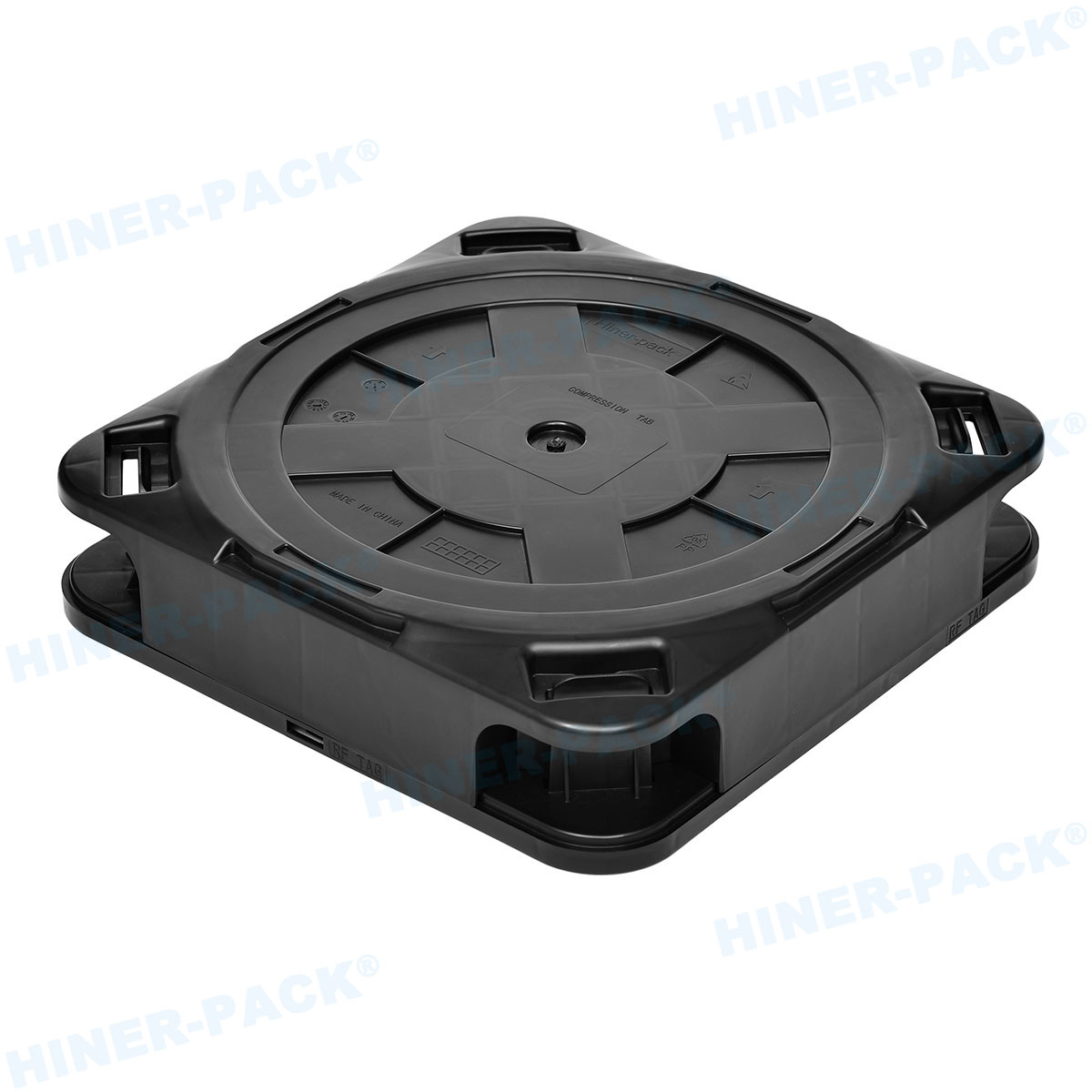
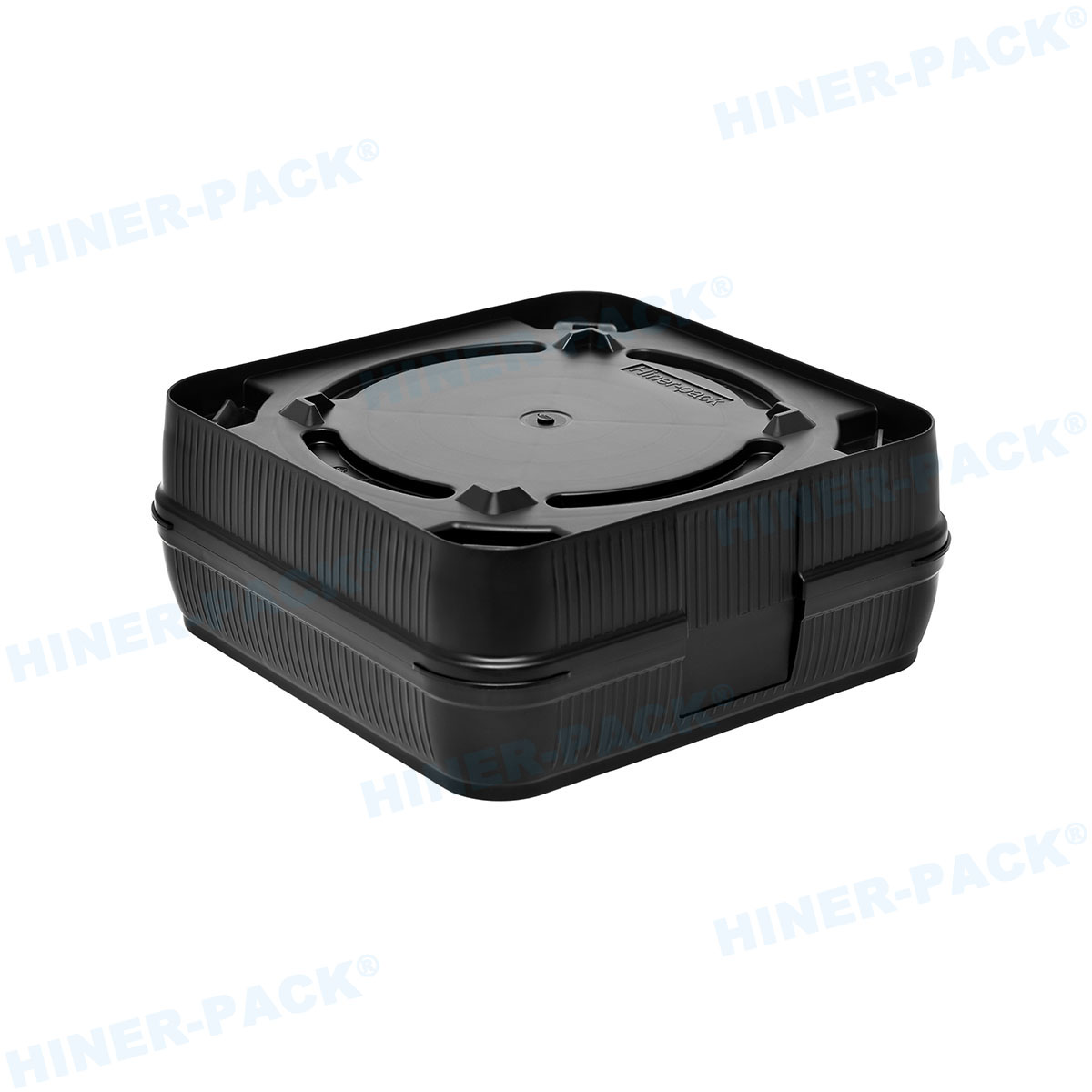
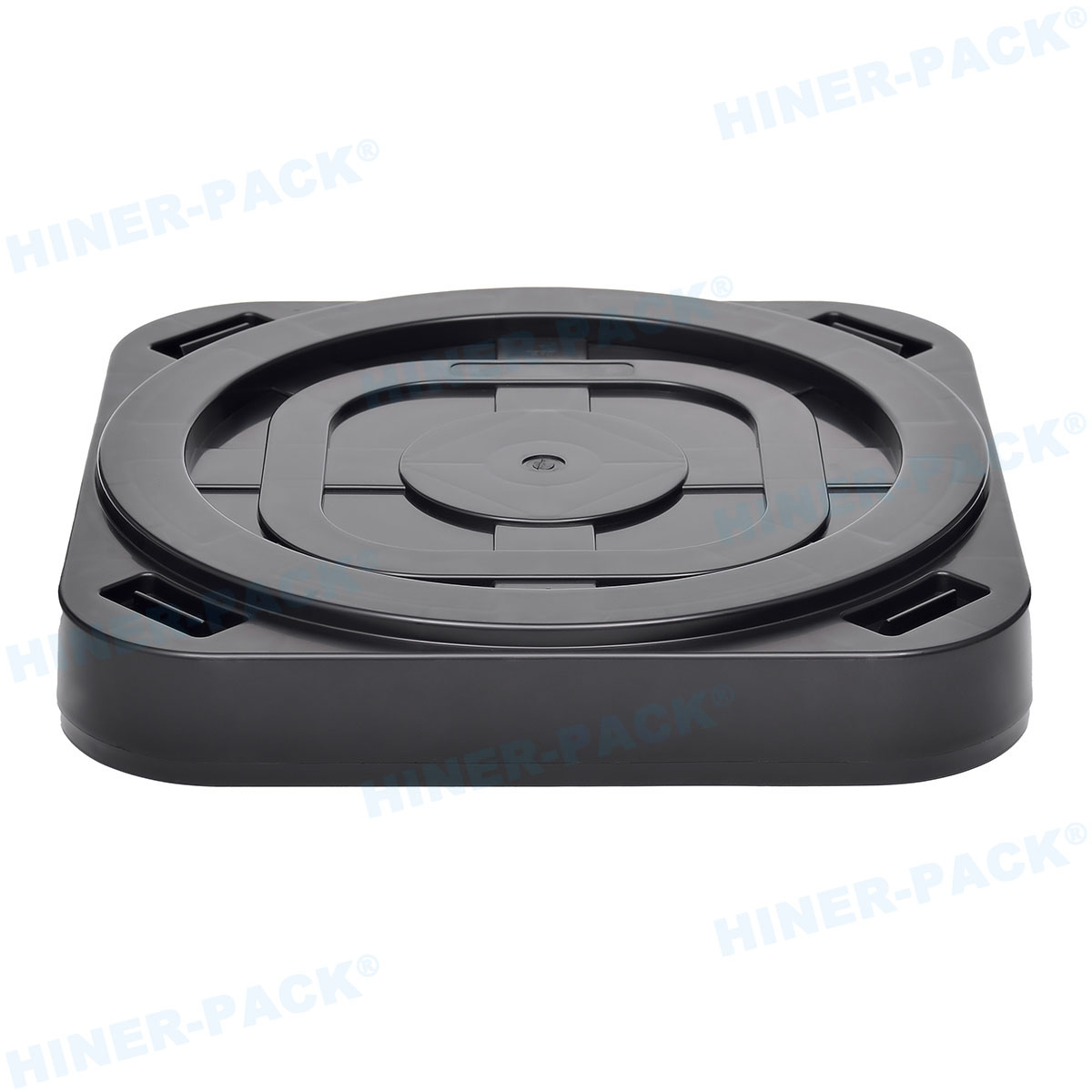
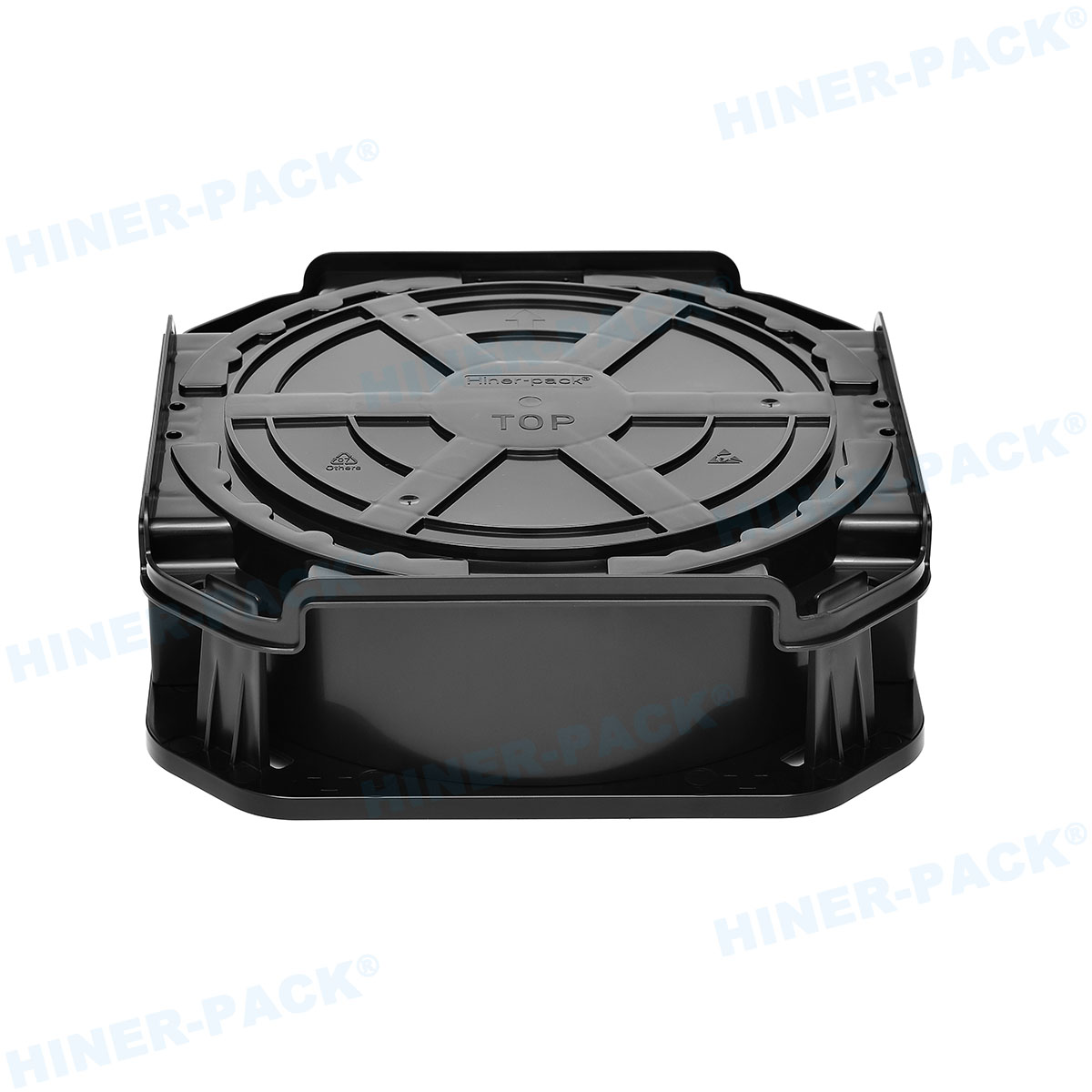
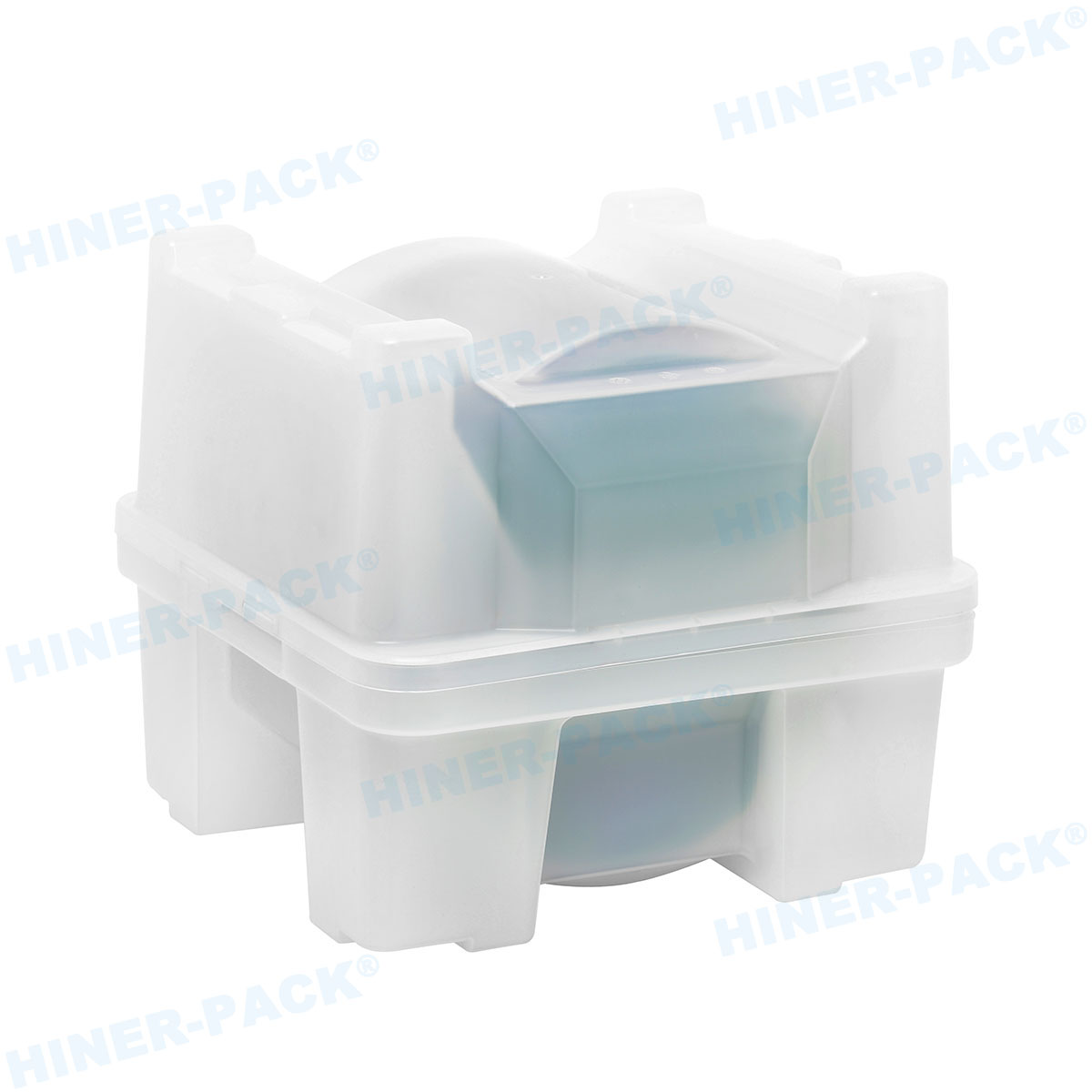
In the semiconductor supply chain, the humble chip tray is a critical component for protecting integrated circuits during dicing, testing, shipping, and surface-mount assembly. As margin pressures intensify across the industry, the demand for low-cost chip trays that do not sacrifice ESD safety, cleanliness, or mechanical integrity has become a strategic priority. This article examines the engineering trade-offs, material innovations, and manufacturing techniques that enable cost-effective tray solutions, with insights from industry specialists at Hiner-pack.
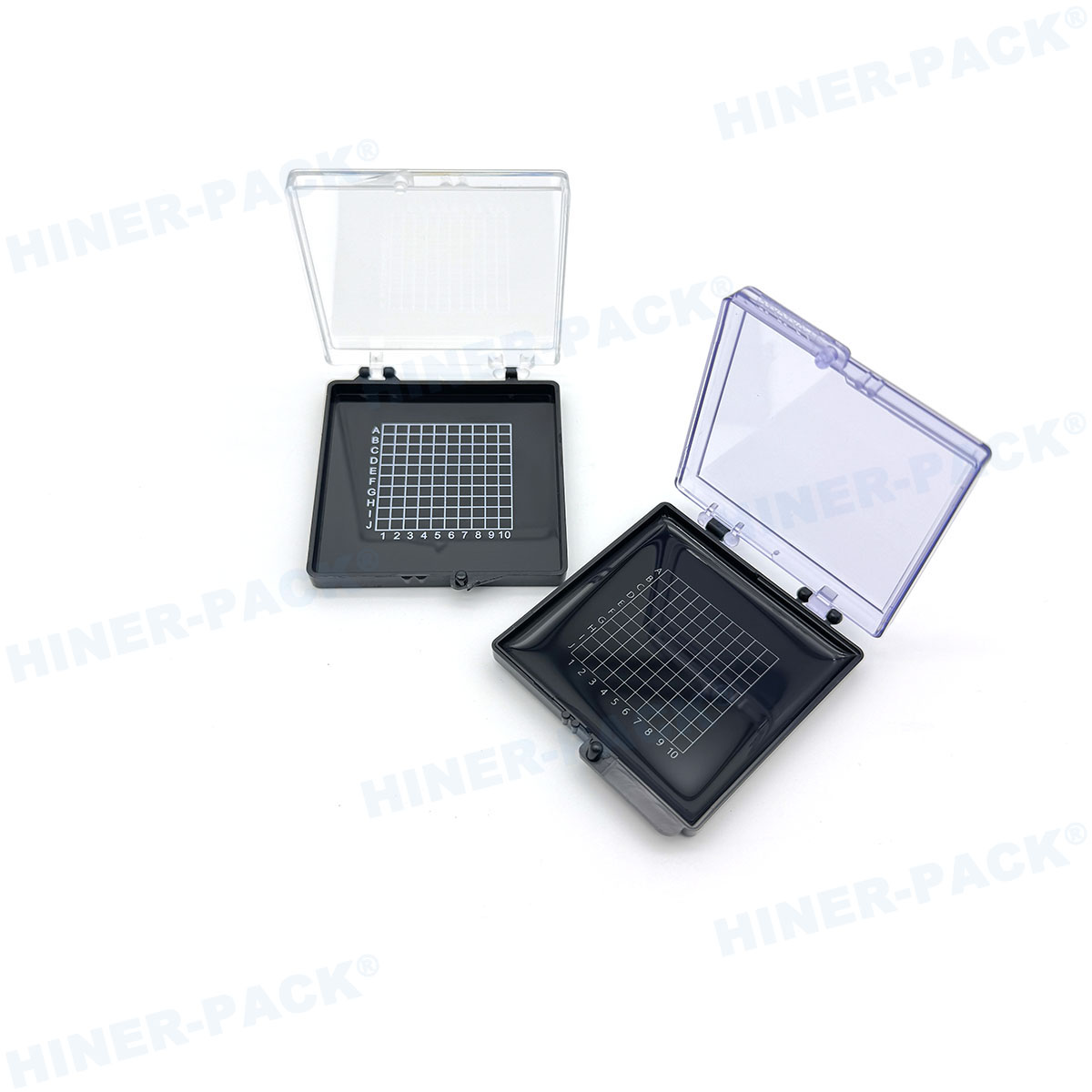
1. The Economic Imperative for Low-Cost Chip Trays
Semiconductor packaging and test operations consume millions of trays annually. A typical OSAT (Outsourced Semiconductor Assembly and Test) facility may use several hundred thousand trays per month. Even a marginal reduction in unit cost translates into significant annual savings. However, the pursuit of low-cost chip trays must be tempered by stringent technical requirements: surface resistivity between 10⁶ and 10¹¹ Ω/sq to dissipate electrostatic discharge, dimensional stability to prevent jams in automated handling equipment, and chemical purity to avoid ionic contamination. Achieving this balance requires a holistic approach spanning material science, design engineering, and supply chain optimization.
2. Material Innovations Driving Cost Reduction
The choice of base resin and conductive additives determines up to 70% of the tray's cost. Recent advances in polymer compounding allow manufacturers to meet ESD specifications while reducing material expenses.
2.1 Conductive Polypropylene (PP) and Polyethylene (PE)
For non-critical applications such as in-process handling within a single fab, carbon-black filled polypropylene offers an economical alternative to traditional polycarbonate (PC) or ABS. These materials are easily injection molded and provide volume resistivity in the desired range. However, carbon black can shed particles; therefore, cleanroom-grade compounds with encapsulated carbon are preferred.
2.2 Permanent Anti-Static (PAS) Compounds
Permanent anti-static additives, such as ethoxylated alkylamines, migrate to the surface and attract moisture to create a dissipative layer. Unlike topical coatings, they do not wear off easily, extending tray life. While slightly more expensive than carbon-black compounds, they eliminate the risk of carbon sloughing and are often used in class 100 and cleaner environments.
2.3 Recycled and Bio-Based Resins
To further lower material costs and meet sustainability goals, suppliers are incorporating post-industrial recycled (PIR) plastics. Hiner-pack offers a line of low-cost chip trays made from certified recycled PP, maintaining consistent ESD properties through advanced compounding techniques. Bio-based polyethylene derived from sugarcane is also emerging as a cost-competitive option where carbon footprint reduction is prioritized.
3. Design for Manufacturability (DFM) and Cost Optimization
Beyond material selection, intelligent design can significantly reduce per-unit cost. Thin-wall molding, stackability, and standardization are key levers.
3.1 Thin-Wall Molding and Rib Structures
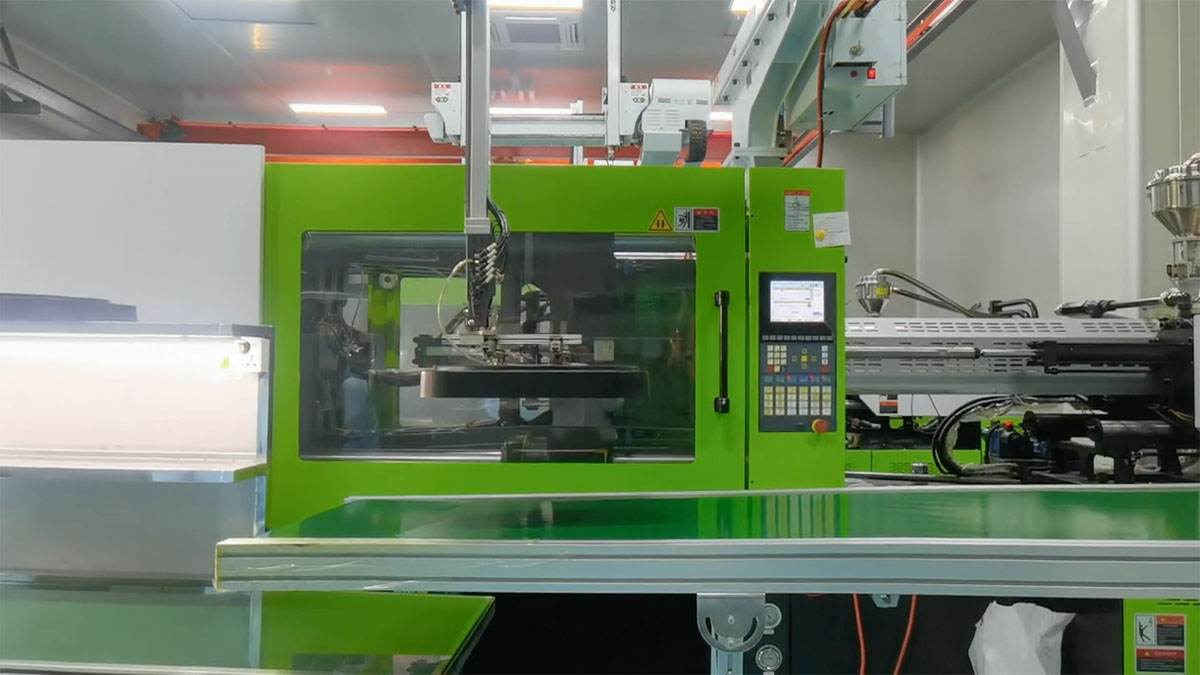
Modern injection molding machines with high injection pressures allow wall thicknesses as low as 0.8 mm in chip trays, compared to traditional 1.5–2 mm. Finite element analysis (FEA) is used to optimize rib patterns that maintain stiffness while reducing resin usage. A 30% reduction in material weight directly translates to cost savings.
3.2 Nesting and Stackability
Designing trays that nest when empty (for return logistics) and stack securely when loaded reduces shipping volume and warehouse footprint. This is especially important for low-cost chip trays used in high-volume manufacturing, where reverse logistics costs can offset initial savings.
3.3 JEDEC Standard Compatibility
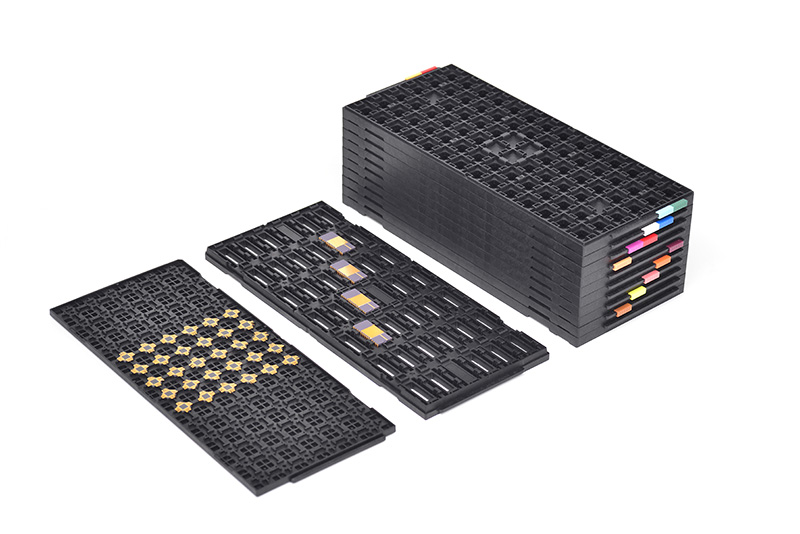
Adhering to JEDEC Publication 95 (e.g., matrix tray formats) ensures compatibility with automated pick-and-place equipment. Non-standard designs may incur higher costs due to custom handling requirements. Therefore, the most cost-effective trays are often those that comply with industry standards while being manufactured in high volumes.
4. Application-Specific Low-Cost Chip Tray Solutions
Different stages of the semiconductor lifecycle impose unique demands on chip trays. Tailoring the tray design to the specific application can avoid over-engineering and reduce costs.
4.1 Test and Burn-In Trays
Burn-in ovens require trays that withstand temperatures up to 150°C. Polyetherimide (PEI) or PES are typical, but they are expensive. For lower-temperature burn-in (<125°c), high-heat="" polycarbonate="" blends="" offer="" a="" cost-effective="" alternative.="">Hiner-pack has developed a proprietary PC/ABS alloy that maintains dimensional stability at 125°C while costing 20% less than PEI.
4.2 Shipping and Storage Trays
For inter-fab or overseas shipment, trays must protect against vibration and shock. Here, corrugated plastic trays (fluted polypropylene) are gaining traction. They are thermoformed rather than injection molded, offering lower tooling costs and quick design changes. While not as durable as injection-molded trays, they are ideal for one-way shipments and are fully recyclable.
4.3 In-Process Transfer Trays
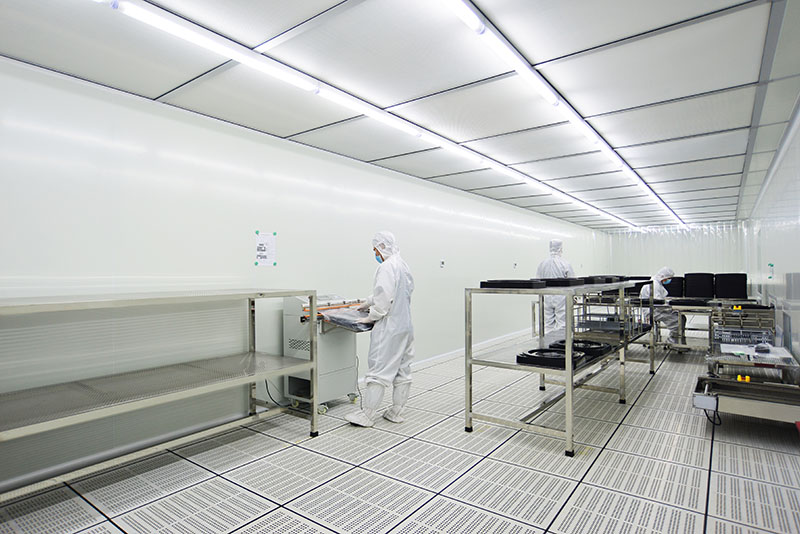
Within a cleanroom, trays are often used to transport wafers or singulated dies between stations. Here, low-cost chip trays can be made from conductive polypropylene with simple pocket geometries. The emphasis is on ESD safety and low particle generation, not long-term durability. These trays are often replaced after a few cycles, so minimizing unit cost is paramount.
5. Addressing Industry Pain Points Without Raising Costs
Engineers frequently cite three major concerns with low-cost trays: inadequate ESD protection, particle shedding, and poor dimensional tolerance. Advances in manufacturing and quality control are overcoming these issues.
5.1 Consistent ESD Performance
Carbon loading must be precisely controlled; too little carbon results in insulative spots, too much can cause carbon rubbing. Modern compounding lines use online resistivity monitoring to ensure batch-to-batch consistency. Some suppliers offer trays with a co-extruded skin layer that encapsulates the carbon core, eliminating particle release while maintaining conductivity.
5.2 Low Particle Generation
Mold polishing and the use of anti-static additives that do not bloom excessively reduce the risk of particles. Cleanroom-compatible materials are tested per ASTM E595 for outgassing. Low-cost chip trays from reputable suppliers now achieve ISO Class 5 cleanliness levels, suitable for most back-end processes.
5.3 Dimensional Precision
Shrinkage in low-cost resins can cause warpage. Mold flow analysis and the use of fillers (e.g., talc or glass fiber) can improve dimensional stability without significantly increasing cost. Tray suppliers often hold tolerances of ±0.1 mm on critical pocket dimensions, ensuring reliable device pick-up.
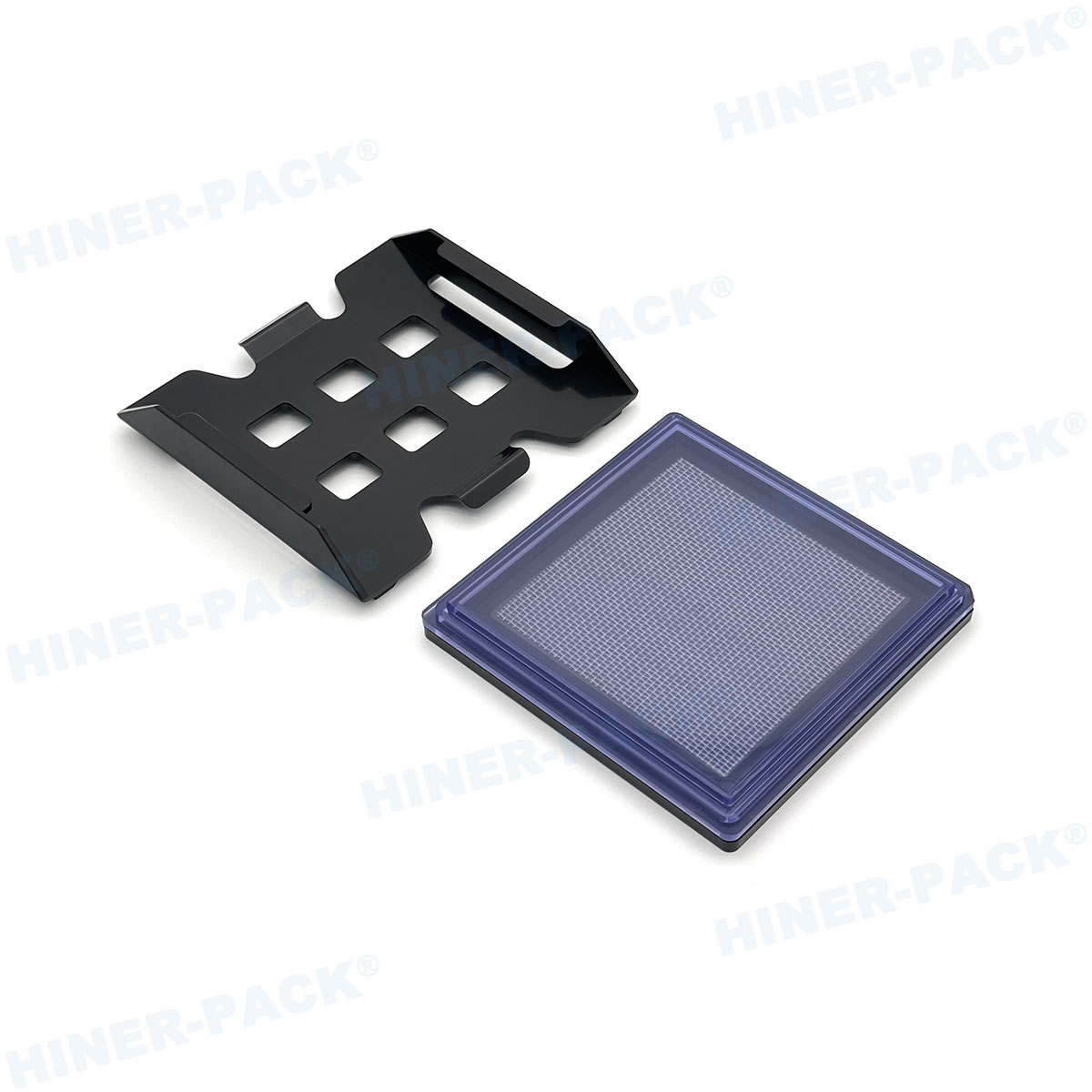
6. Sustainability and Total Cost of Ownership (TCO)
A narrow focus on purchase price can overlook long-term costs. A slightly more expensive tray that lasts 50 cycles instead of 10 may be more economical overall. However, for single-use applications, such as trays shipped to contract manufacturers who do not return them, absolute low cost is king.
Reusable tray programs require robust logistics and washing infrastructure. Some companies are adopting a "tray-as-a-service" model, where the supplier retains ownership and manages cleaning and recirculation. This shifts the cost from capital expense to operational expense and ensures that trays are replaced before they degrade.
7. Selecting a Supplier for Low-Cost Chip Trays
When evaluating suppliers, consider their compounding capabilities, quality certifications (ISO 9001, cleanroom certification), and design support. Hiner-pack combines in-house material science with high-volume manufacturing to deliver low-cost chip trays that meet the electrical, mechanical, and cleanliness requirements of leading IDMs and OSATs. Their engineering team collaborates with customers to optimize tray geometry for both cost and performance, often achieving 15-25% savings compared to off-the-shelf alternatives.
Frequently Asked Questions (FAQ)
Q1: What is the typical price range for low-cost chip trays, and what factors influence the cost?
A1: Prices vary widely based on material, size, and order volume. Simple injection-molded trays made from conductive PP can range from $0.50 to $2.00 per tray for volumes above 10,000 units. Key cost drivers include resin type (virgin vs. recycled), wall thickness, mold complexity, and any secondary operations (e.g., cleaning, bagging).
Q2: Can low-cost chip trays provide adequate ESD protection for sensitive devices?
A2: Yes, if properly formulated. Look for trays with surface resistivity between 10⁶ and 10¹¹ Ω/sq, measured per ANSI/ESD STM11.11. Avoid trays that rely solely on topical anti-static coatings, as these wear off. Instead, choose trays with uniformly distributed conductive fillers or permanent anti-static additives.
Q3: Are there low-cost chip trays that are also cleanroom compatible?
A3: Absolutely. Many suppliers offer trays molded in ISO Class 7 or better cleanrooms, using materials that meet low-outgassing specifications (ASTM E595). These trays are suitable for class 1000 cleanrooms and are often used in die attach and wire bonding areas.
Q4: How many times can a low-cost chip tray be reused?
A4: It depends on the material and handling conditions. High-quality injection-molded trays made from durable compounds can withstand 20–50 wash cycles if properly cleaned. Thin-wall or thermoformed trays may be designed for single use. The supplier should provide guidance based on accelerated life testing.
Q5: What are the minimum order quantities (MOQs) for custom low-cost chip trays?
A5: MOQs vary by supplier. For injection-molded trays, mold costs ($5,000–$20,000) are the main barrier, so MOQs often start at 10,000–20,000 pieces to amortize tooling. Thermoformed trays have lower tooling costs ($1,000–$3,000) and can be economical at 2,000–5,000 pieces. Some suppliers, including Hiner-pack, offer stock designs that can be customized with low-cost insert changes, reducing MOQ.
Q6: Are there environmentally friendly options for low-cost chip trays?
A6: Yes. Recycled-content trays are increasingly available. Also, mono-material designs (e.g., all-polypropylene) facilitate recycling at end of life. Bioplastics like PLA are used in some non-ESD applications, but their thermal and ESD properties are limited. For ESD-sensitive devices, recyclable conductive PP is the most practical green option.
The market for low-cost chip trays is maturing, with suppliers offering sophisticated solutions that do not compromise on technical specifications. By leveraging advanced materials, smart design, and efficient manufacturing, it is possible to achieve significant cost savings while maintaining the ESD protection, cleanliness, and mechanical reliability required by modern semiconductor processes. Whether for one-way shipment or reusable in-plant logistics, the right tray can contribute to both the bottom line and operational excellence.