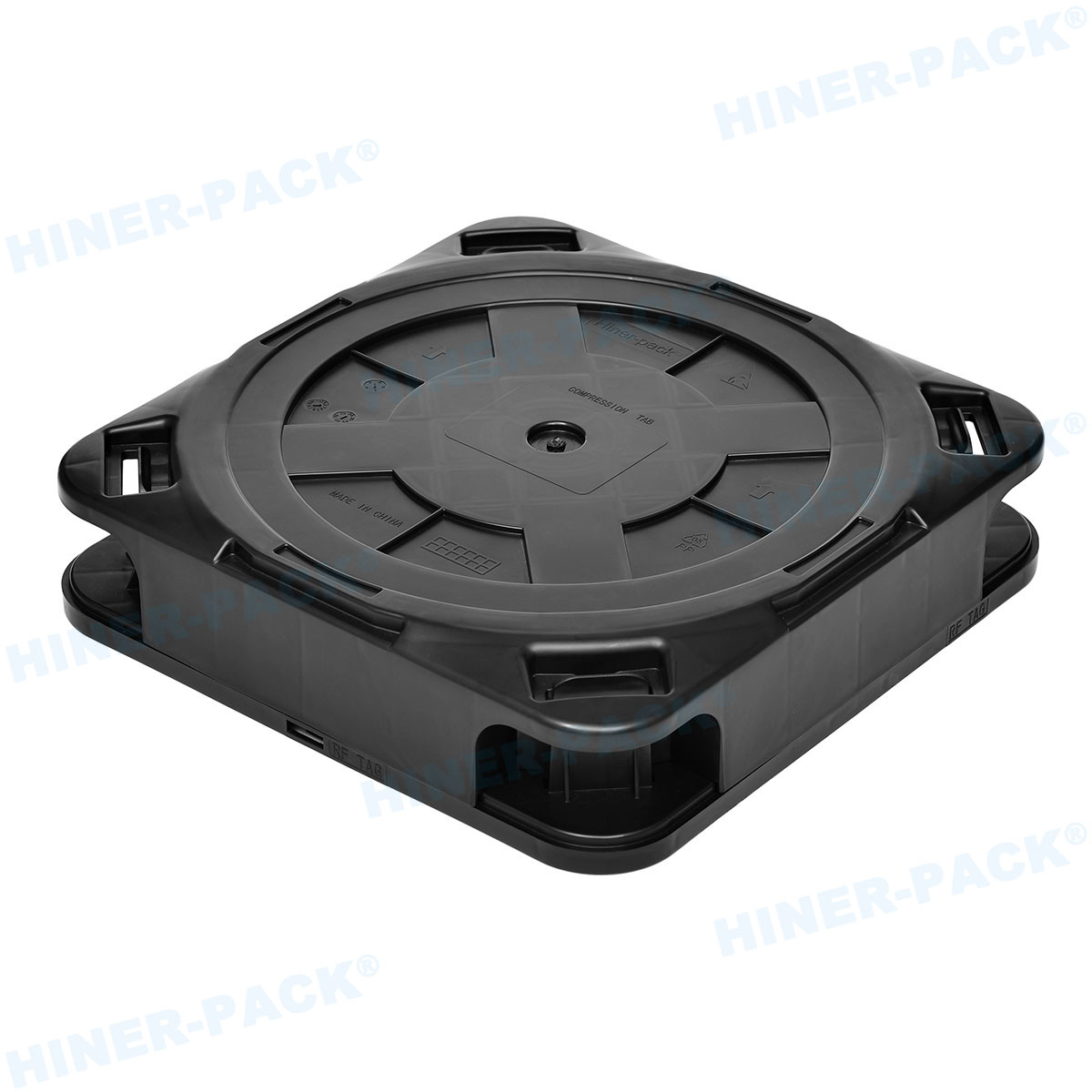
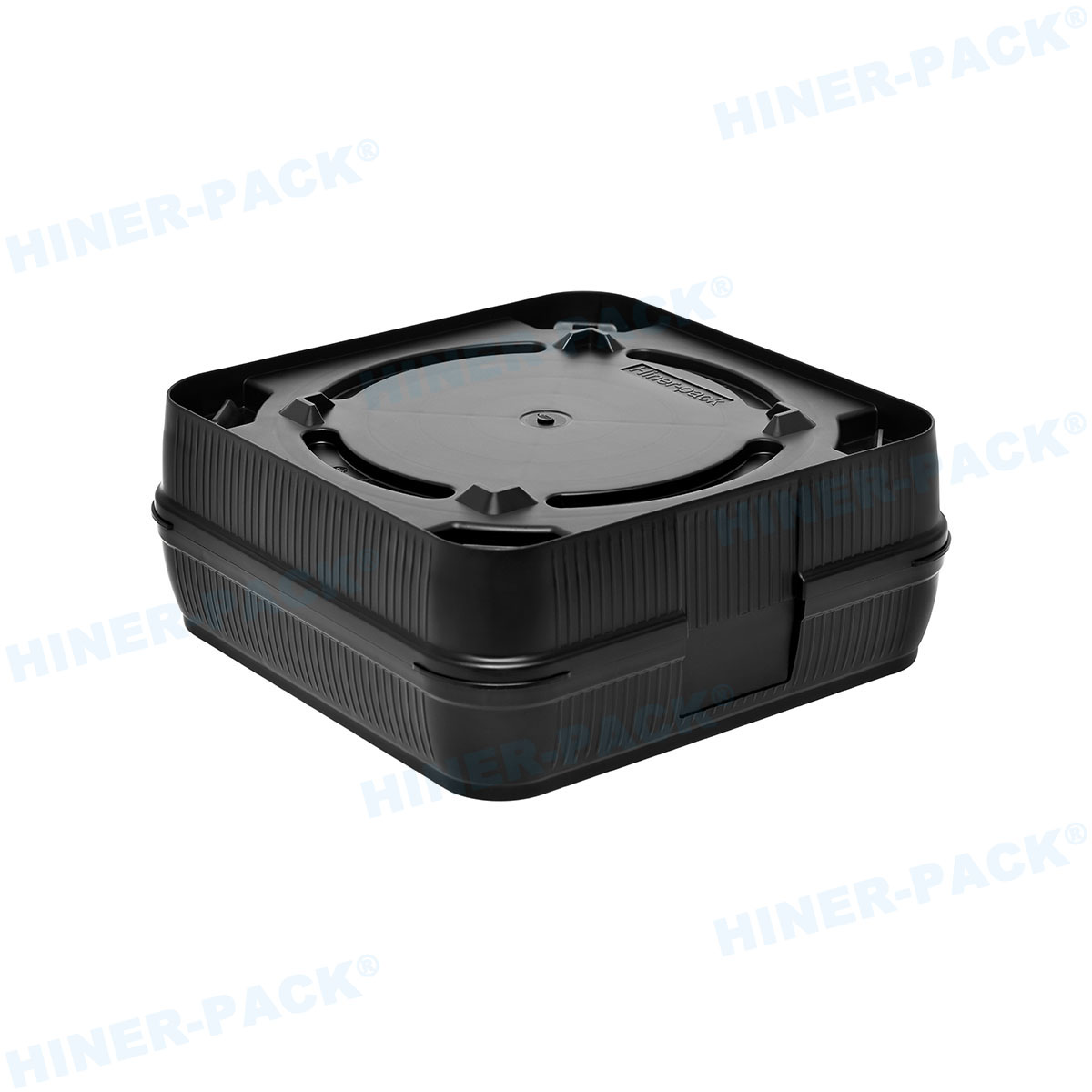
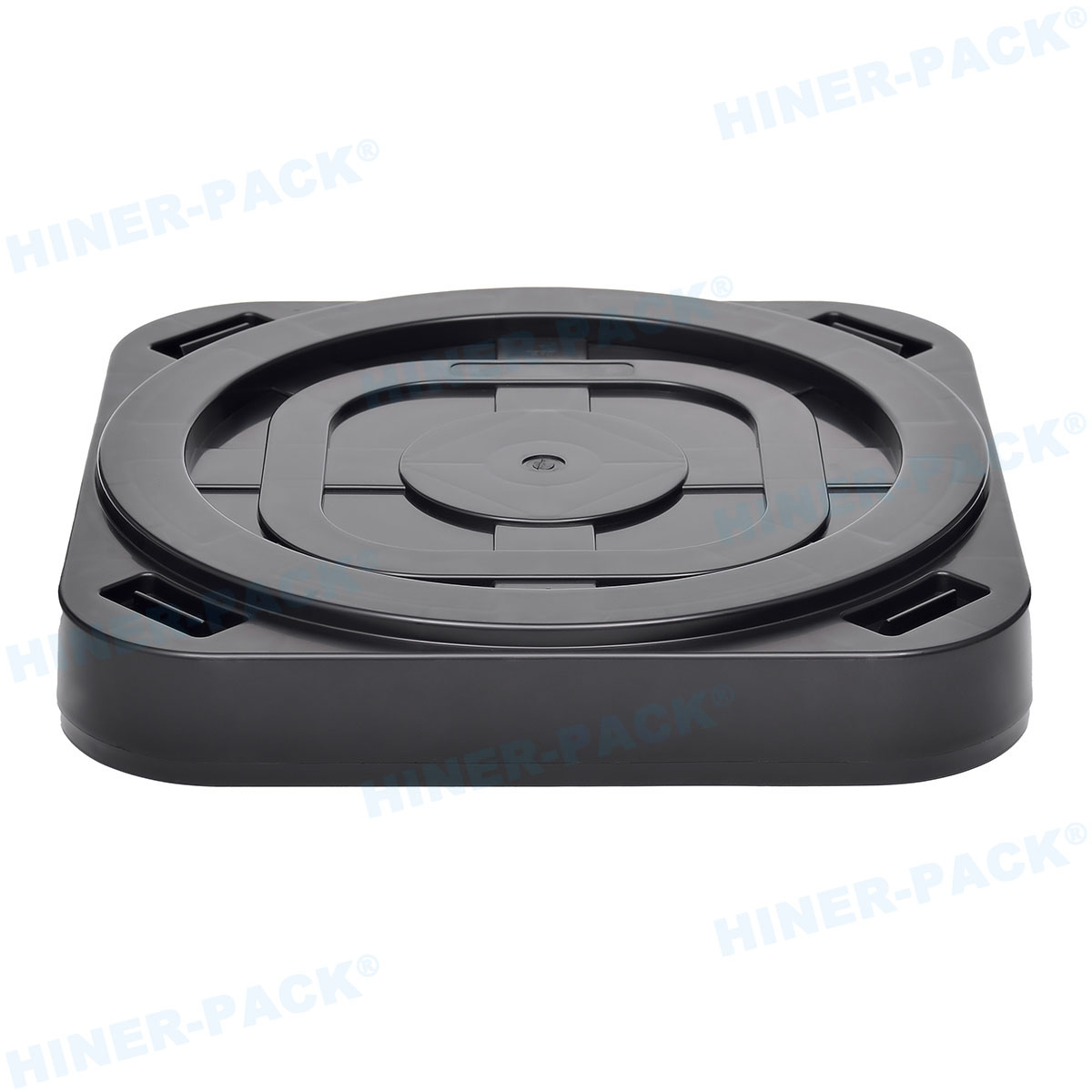
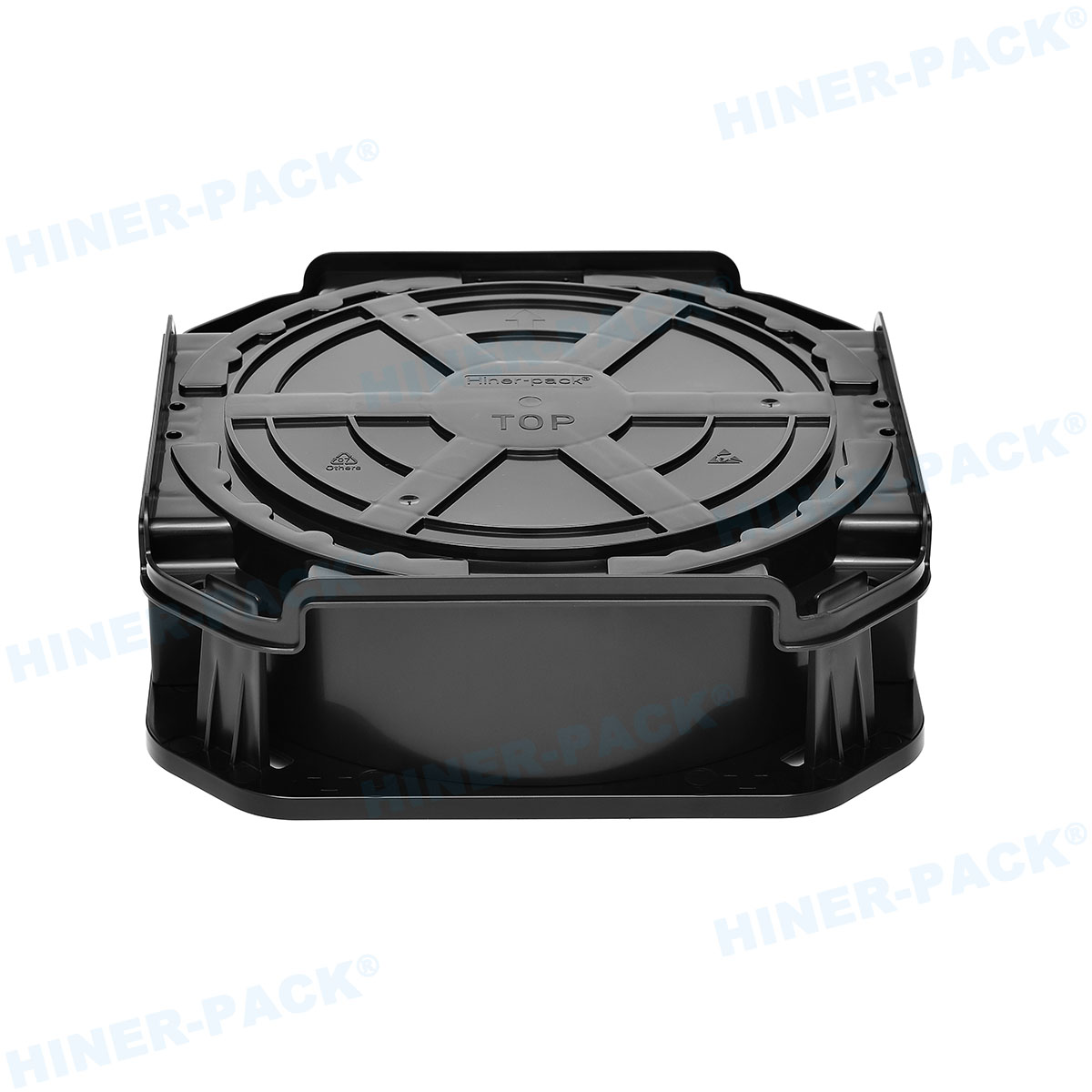
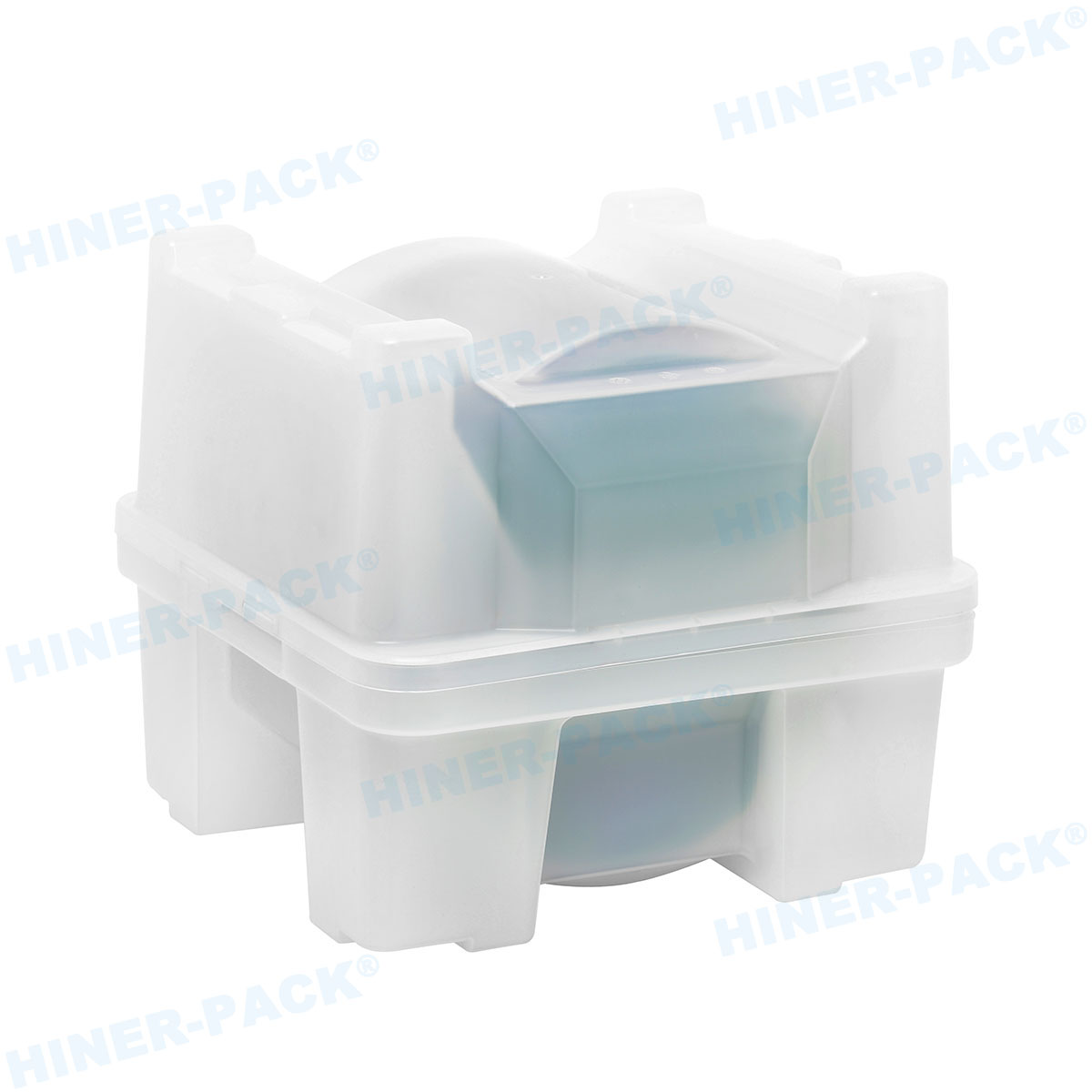
In semiconductor logistics, selecting the right carrier is a decision that directly impacts yield, cost, and process flow. Two prominent solutions dominate discussions for handling sensitive components: the specialized Gel Pak vs. JEDEC trays debate. While both are essential in fab and OSAT environments, they serve distinct purposes and are governed by different design philosophies. JEDEC trays offer standardized, rigid housing for packaged parts. Gel Pak trays provide conformal, secure holding for bare die and ultra-sensitive surfaces. Understanding their differences isn't about finding a winner, but about applying the right tool for the job. This article breaks down the key distinctions to guide your material handling strategy, with insights from Hiner-pack's expertise in both domains.
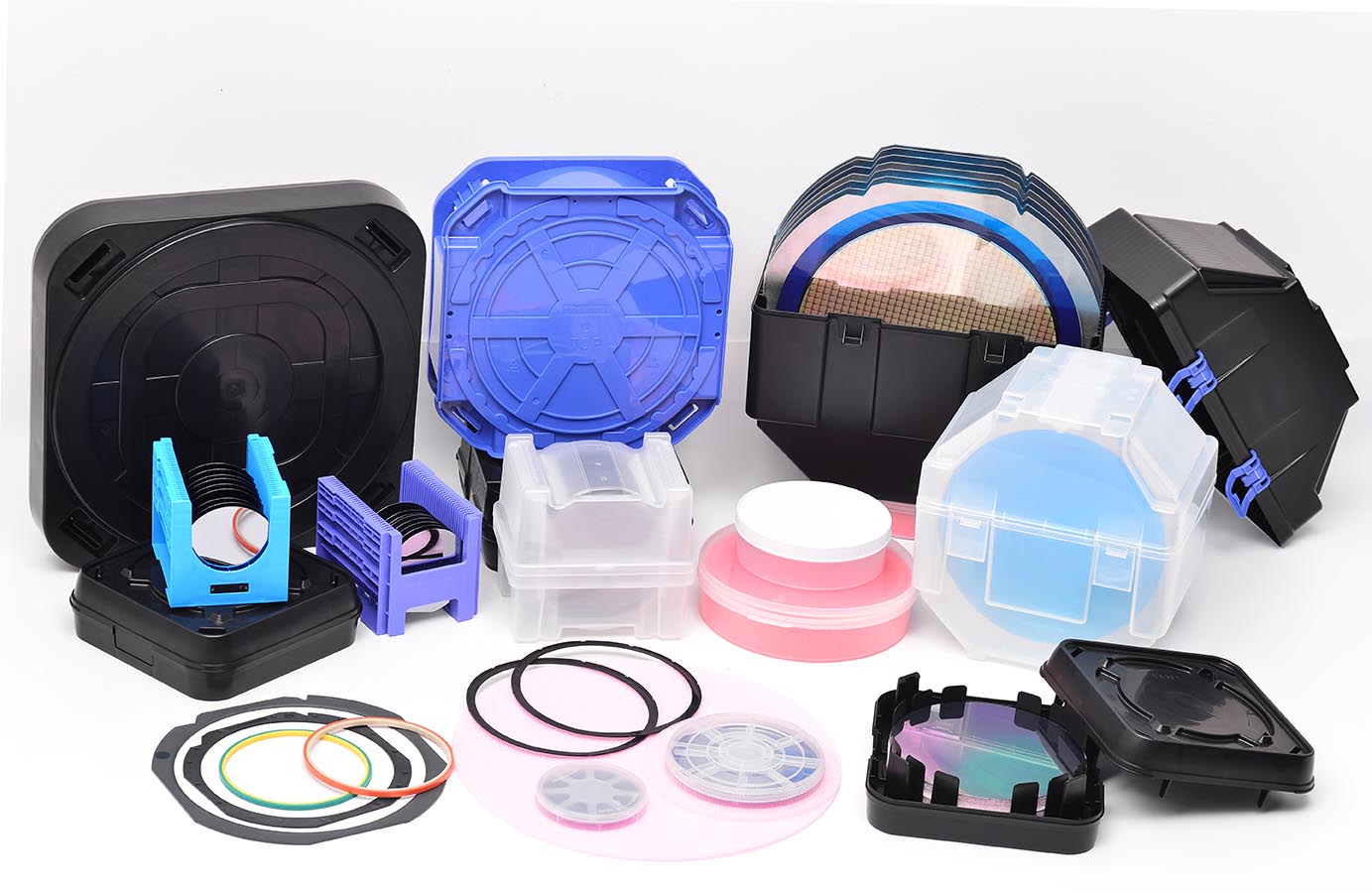
1. Fundamental Design Philosophy and Mechanism
The core difference lies in how each tray secures its contents.
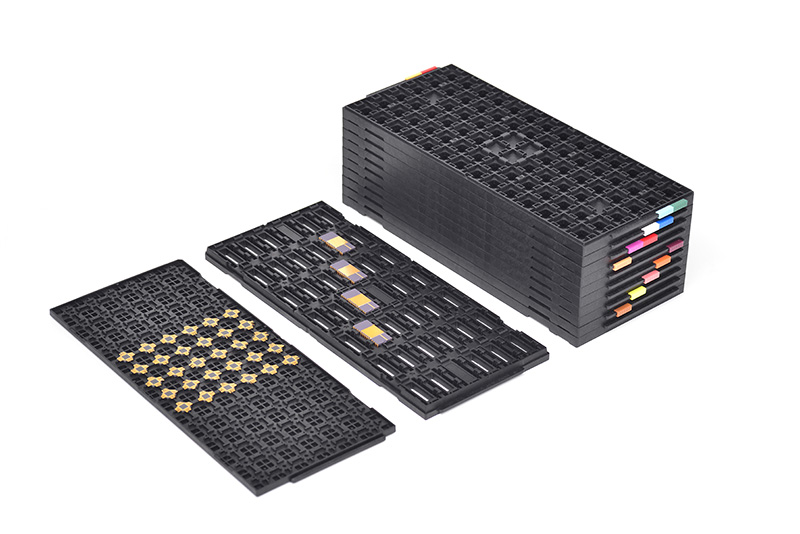
A JEDEC tray is a precision-molded plastic matrix. It features an array of pockets or cavities designed to the exact dimensions of a specific integrated circuit (IC) package outline. The component sits within this pocket, often loosely or with minimal retention features. It is a mechanical, geometric solution.
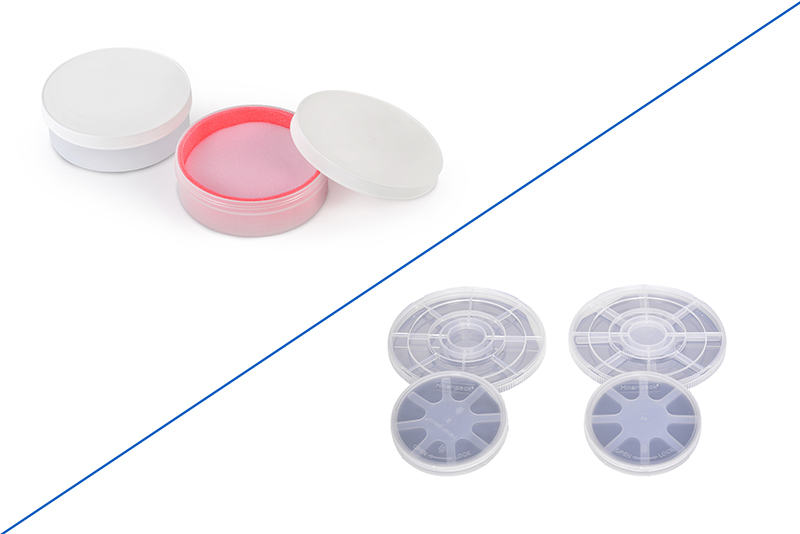
A Gel Pak tray uses a different principle. A layer of soft, non-tacky, cleanroom-grade gel sits within a rigid frame. The component is gently pressed onto the gel surface. The gel conforms, creating a slight suction that holds the part firmly in place without mechanical stress on its edges or top.
This makes the Gel Pak vs. JEDEC trays comparison one of active, conformal retention versus passive, geometric placement.
2. Primary Application and Component Suitability
Your component type dictates the clear choice.
JEDEC trays are the industry standard for packaged parts. Think of QFNs, BGAs, QFPs, or CSPs after they've been molded and trimmed. They are ideal for automated handling, testing, and shipping of finished goods. The trays stack and interlock securely, protecting leads and solder balls.
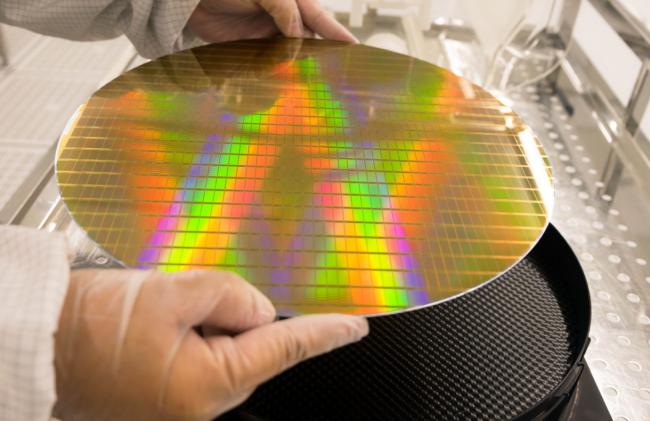
Gel Pak trays are engineered for bare, unpackaged, and fragile devices. Their domain is bare die (known good die - KGD), thin wafers, MEMS devices, LED chips, and laser bars. The gel protects the active surface from scratches and particles, and prevents movement that could cause edge chipping. They are essential in wafer-level packaging and die banks.
3. Protection Profile: Physical and Electrostatic
The protection offered varies significantly.
A JEDEC tray primarily provides mechanical spacing and lead protection. It prevents packaged parts from touching each other. High-quality versions are ESD-safe (dissipative or conductive) to protect against static discharge. Its protection is structural.
A Gel Pak tray offers conformal cushioning and superior particulate control. The gel acts as a shock absorber. It also encapsulates the device, minimizing air flow and reducing the chance of airborne particles settling on the critical surface. Like JEDEC trays, they are manufactured to strict ESD standards. This makes the Gel Pak vs. JEDEC trays decision a matter of needed protection: physical spacing vs. surface-level safeguarding.
4. Automation and Handling Compatibility
Both integrate into automated lines, but in different ways.
JEDEC trays are the backbone of pick-and-place automation for packaged parts. Their standardized outer dimensions (e.g., 150mm, 210mm) fit directly into automated test handlers, vision inspection systems, and tape-and-reel feeders. Robots use vacuum nozzles to pick components from the open cavities.
Gel Pak trays are compatible with automation for die-level processes. However, the pick process requires breaking the gel's suction. This demands consistent gel formulation and precise pick-up force from the robotic collet. Hiner-pack ensures its gel provides reliable, repeatable release characteristics for high-volume throughput without device cracking or pop-off.
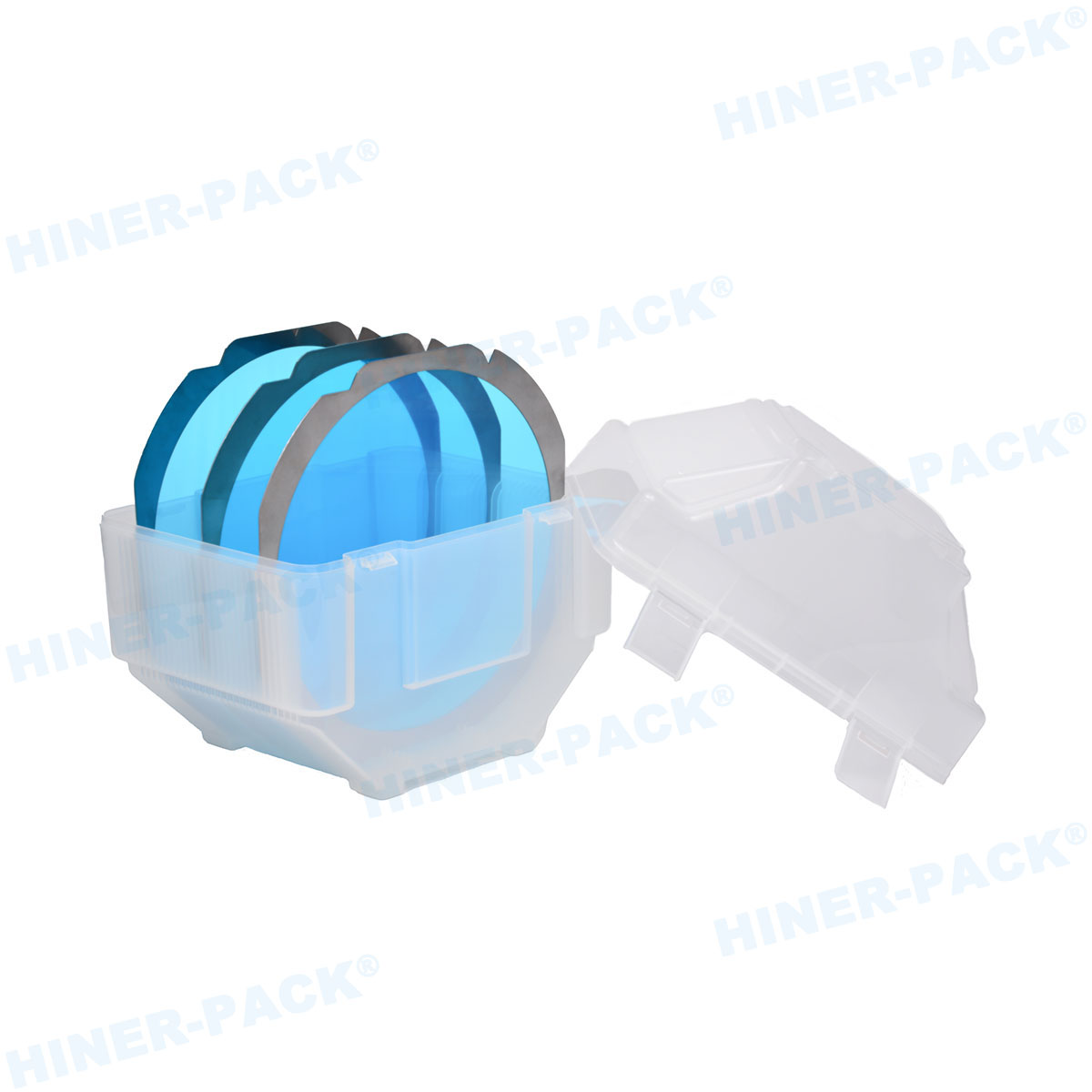
5. Cost, Reusability, and Cleanroom Considerations
The operational cost model differs.
JEDEC trays are often viewed as a semi-disposable or highly reusable commodity. They are relatively low-cost, mass-produced, and can be washed and reused many times for non-critical applications. For high-reliability sectors, single-use may be mandated.
Gel Pak trays represent a higher initial investment per unit. The gel material and stringent cleanroom manufacturing add cost. However, they are designed for multiple reuses in sensitive applications. Cleaning requires care—typically dry air or nitrogen blows—as solvents can degrade the gel. Their value is justified by protecting high-value, unpackaged silicon.
Navigating the Hybrid and Custom Solutions
The line between Gel Pak vs. JEDEC trays isn't always absolute. Hybrid solutions exist. Hiner-pack designs custom carriers that may combine a JEDEC-standard tray footprint with gel-lined pockets for holding KGD within a package-outline format. This is crucial for multi-chip module (MCM) assembly where different die are kitted together.
Customization is often key. While JEDEC outlines are standardized, pocket layouts can be custom. Gel Pak trays can be tailored with specific gel firmness (durometer), cavity depth, and frame material to suit unique device geometries or handling processes.
Conclusion: Strategic Selection for Optimal Workflow
Ultimately, the Gel Pak vs. JEDEC trays discussion underscores a principle: precision handling requires purpose-built tools. For transporting, testing, and shipping robust packaged ICs, the standardized, cost-effective JEDEC tray remains unbeatable. For safeguarding the vulnerable, high-value surfaces of bare semiconductors from singulation through assembly, the conformal security of a Gel Pak tray is indispensable.
Partnering with an experienced manufacturer like Hiner-pack ensures access to both solutions, plus the engineering support to design custom carriers that bridge both worlds. By correctly applying each tray type, you minimize damage, maximize yield, and streamline your semiconductor production flow.
Frequently Asked Questions (FAQ)
Q1: Can a Gel Pak tray be used for packaged components like BGAs?
A1: It is technically possible but generally inefficient and not recommended. Packaged parts have robust casings and are designed for mechanical handling. The gel offers no advantage and may slow down automated pick-up compared to a standard JEDEC tray. The cost is also significantly higher.
Q2: Are JEDEC trays ever suitable for bare die?
A2: Almost never. Bare die placed in a standard JEDEC cavity will slide around, leading to edge damage and surface abrasion. The lack of conformal holding also exposes the active surface to particles. Special, costly cavities with elastomer liners might be used, but a purpose-built Gel Pak is the superior solution.
Q3: Which tray type is better for long-term storage of sensitive devices?
A3: For long-term storage, especially of moisture-sensitive devices (MSDs), Gel Pak trays inside a sealed moisture barrier bag are often preferred. The gel provides a more stable, movement-free environment and better particulate isolation than a loose-fitting JEDEC tray cavity.
Q4: How does cleaning differ between the two tray types?
A4: JEDEC trays can often be washed in aqueous or ultrasonic cleaners with appropriate detergents, then dried. Gel Pak trays require gentler cleaning: primarily using compressed dry air or nitrogen to dislodge particles. Wiping the rigid frame with IPA is okay, but solvents should not contact the gel, as they can cause swelling or degradation.
Q5: Can Hiner-pack provide trays that meet both JEDEC mechanical outlines and have gel holding features?
A5: Yes, this is a common request. Hiner-pack frequently engineers custom carriers with a standard JEDEC outer footprint (for compatibility with automation equipment) but with customized pockets that incorporate gel or other soft linings. This is ideal for houses assembling hybrid modules or handling non-standard packaged parts that need extra cushioning.