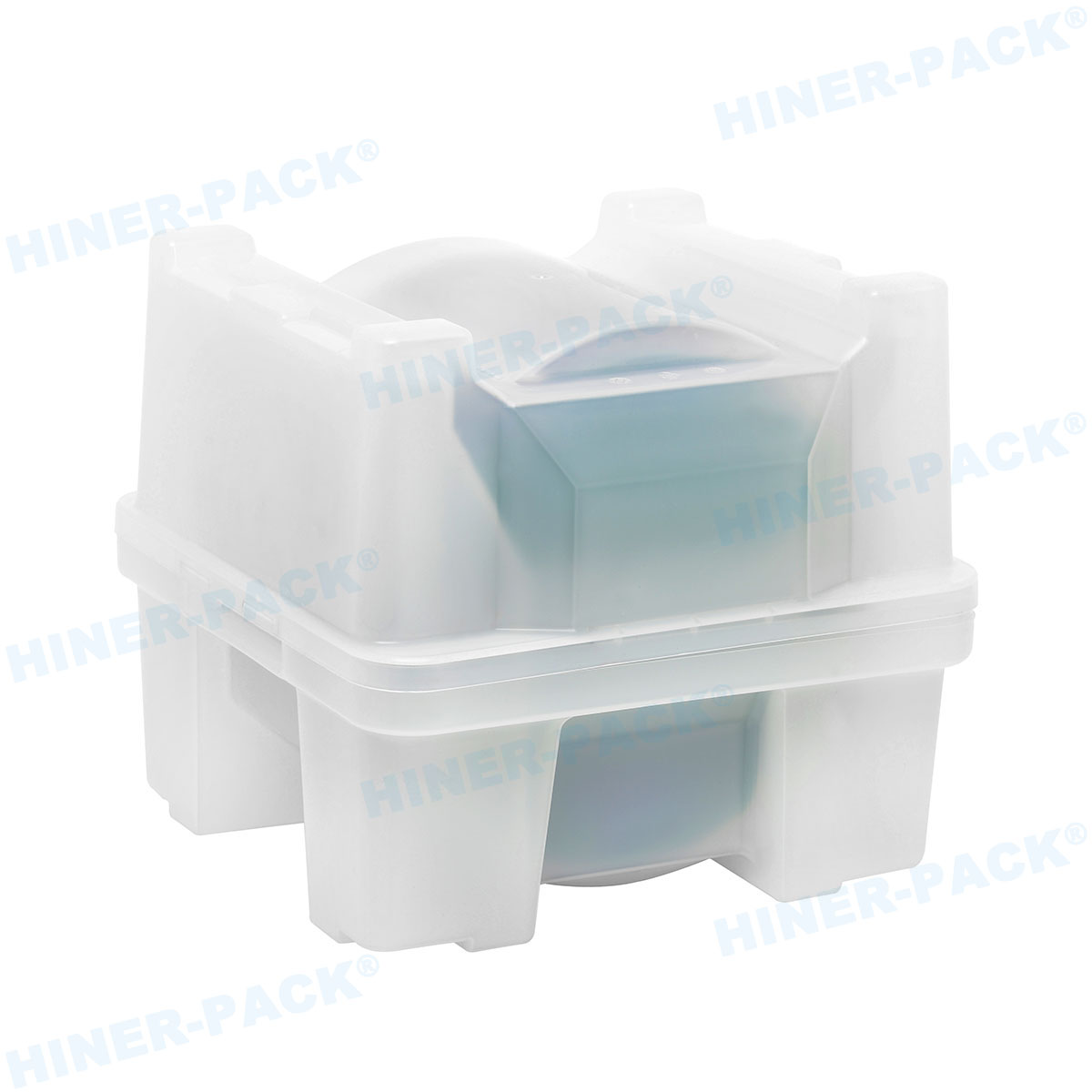
In the tightly choreographed dance of semiconductor manufacturing, efficiency and protection are paramount. Once a chip is packaged, its journey is far from over. It moves through testing, handling, shipping, and assembly. This is where standardized packaging becomes essential. While off-the-shelf JEDEC trays are common, many situations demand a tailored solution. Choosing the right custom JEDEC trays is a decision that directly impacts yield, throughput, and cost.
A standard JEDEC tray provides a common footprint, but what happens when your component is unique, your process is specialized, or your automation demands perfection? That’s when a custom design moves from an option to a necessity.
The Role of JEDEC Trays in the Supply Chain
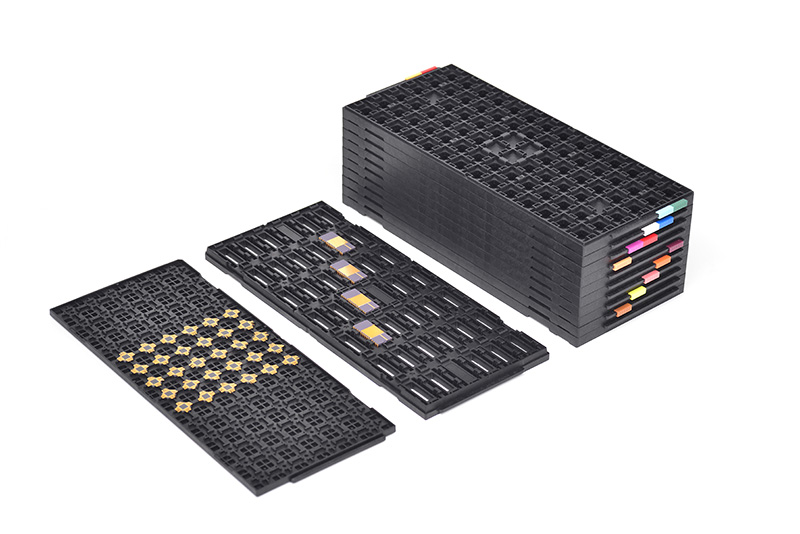
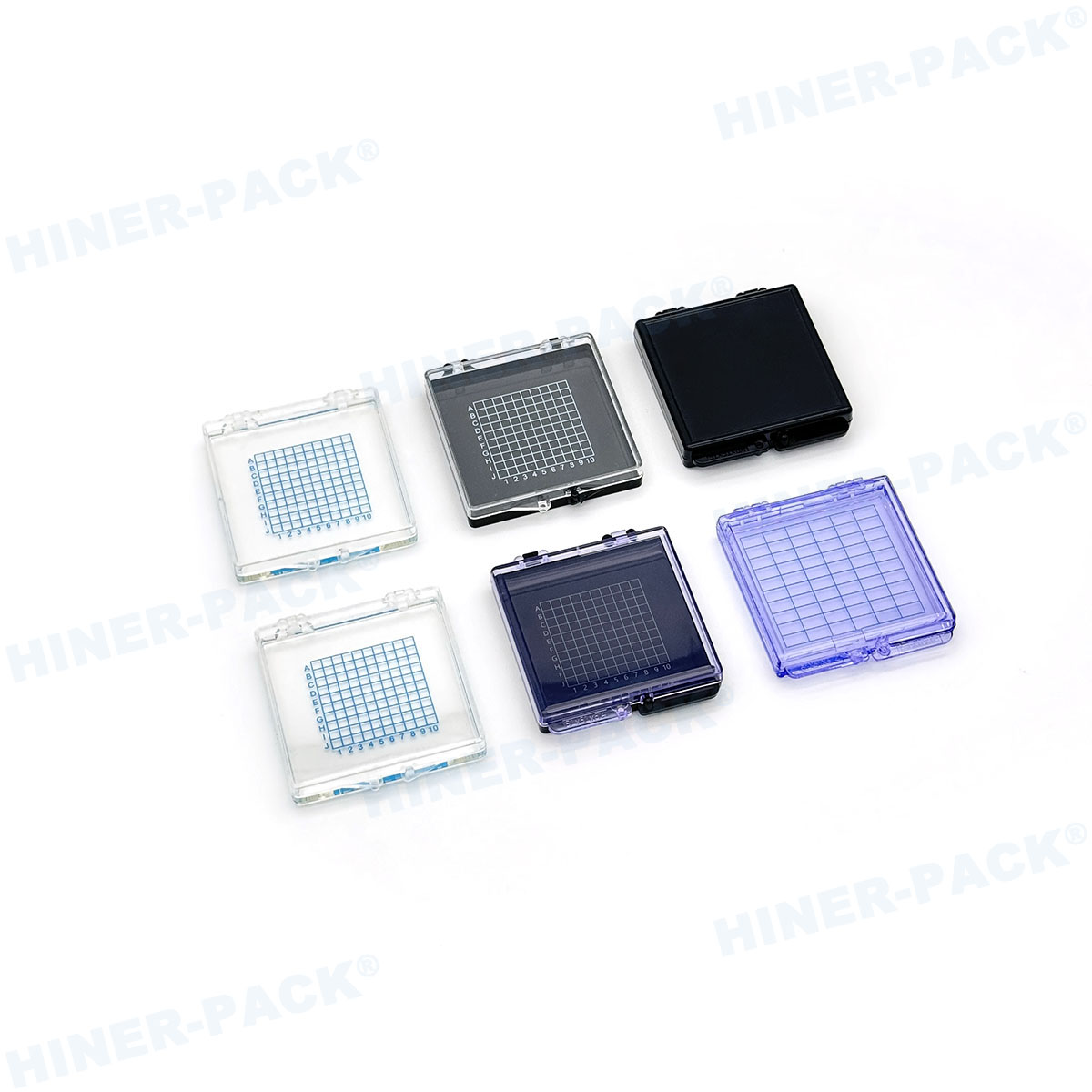
JEDEC trays are the workhorses of the back-end semiconductor process. They are standardized plastic carriers defined by JEDEC publication JESD30-C. These trays hold integrated circuits (ICs) securely, allowing for safe, organized, and automated handling.
They enable robotic pick-and-place, facilitate visual inspection, and protect components during transit between facilities. The standard outline ensures compatibility with automated handling equipment across different manufacturers and assembly houses globally. But standardization has its limits.
When Do You Need Custom JEDEC Trays?
A standard JEDEC tray works for common package types. You need custom JEDEC trays when your requirements fall outside the norm.
Consider them if your package has a non-standard footprint or thickness. Or if your component has a lid, heatsink, or irregular geometry that a standard pocket can’t accommodate. High-precision applications, where even micron-level movement during transport is unacceptable, also demand a custom fit.
Special handling needs, like trays designed for cleanroom unpacking or compatible with specific vacuum pickup nozzles, are another reason. Finally, optimizing for density—fitting more units per tray without compromising safety—often requires a custom layout that a standard tray cannot provide.
Key Design Considerations for Custom Trays
Designing a custom JEDEC tray is an engineering task. Several factors must be balanced to create an effective solution.
Material Selection is the first critical choice. The material must be static-dissipative to prevent ESD damage. It needs dimensional stability to not warp under temperature changes during baking or shipping. It must be durable enough for hundreds of cycles, yet have a low particle generation profile. Common materials include filled polycarbonate, PEEK, or advanced static-dissipative polymers.
Pocket Design and Retention is where the custom tray truly shines. The pocket must cradle the component snugly, preventing “scooting” or rotation during vibration. However, it must not be so tight that insertion or removal is difficult or damaging. Features like slight tapers, corner radii, and engineered ribs are used to achieve perfect retention. For lidless or delicate packages, support ribs under the device may be necessary.
Automation Compatibility cannot be an afterthought. The tray must maintain the critical external dimensions (length, width, thickness) and features (notches, chamfers) specified in JESD30-C. This ensures it will stack correctly, interface with conveyors, and be picked up by standardized automation handlers. The design must also consider the robot’s gripper or vacuum nozzle clearance.
Thermal and Process Resilience is vital. Will the tray go through a high-temperature burn-in process? It must not warp or outgas. Will it be washed? The material must withstand chemical exposure. The custom JEDEC trays must be tested and validated for the specific process flows they will encounter.
The Benefits of a Well-Designed Custom Tray
Investing in properly engineered custom JEDEC trays pays dividends across the production line. The most immediate benefit is a drastic reduction in handling damage. Scratches, chipped corners, and cracked substrates from loose-fitting trays become rare.
Throughput increases. Automated equipment runs smoother and with fewer pick errors when components are presented in a perfectly aligned, predictable location. This reduces machine stoppages and improves overall equipment effectiveness (OEE).
You also gain logistical efficiency. Custom trays can be designed to optimize shipping cube utilization, fitting more units per box and reducing freight costs per device. Furthermore, you protect your intellectual property. A custom tray for a unique package can act as a small but meaningful barrier to reverse engineering.
The Development Process: From Concept to Production
Getting a custom JEDEC tray right requires a collaborative process. It typically starts with a detailed package drawing and a clear list of requirements. These include process temperatures, handling methods, and desired capacity.
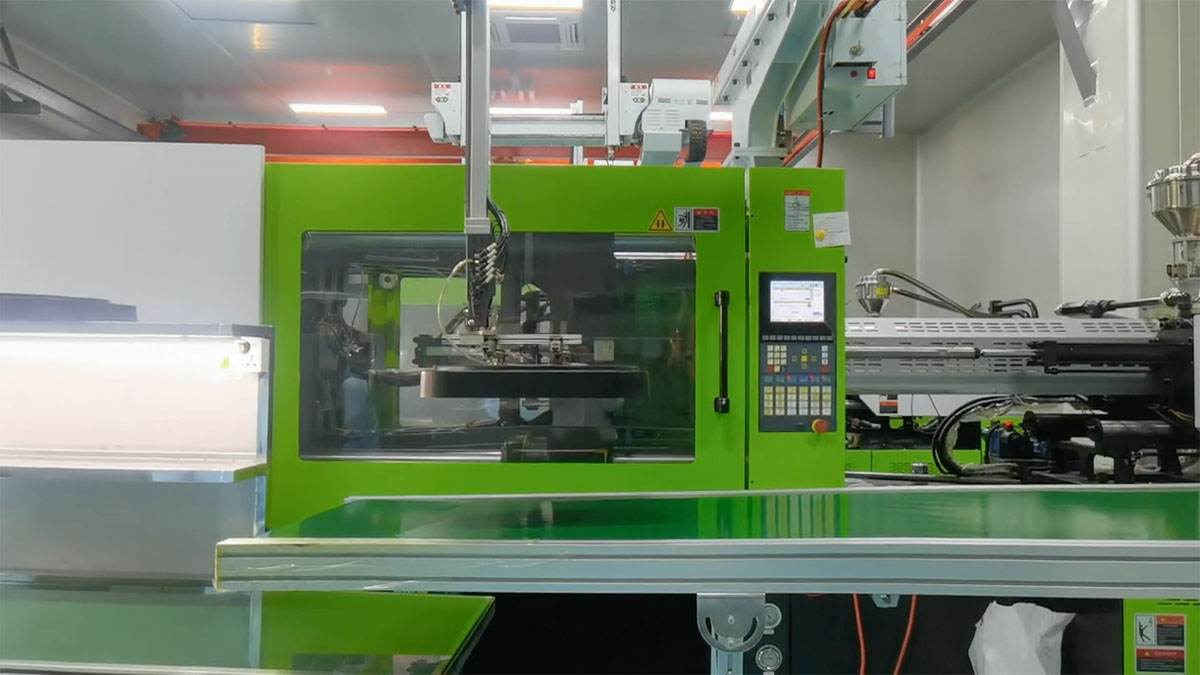
The supplier then creates a 3D CAD model and often a rapid prototype. This prototype is used for a fit check with actual devices. It’s tested in the actual automation equipment to validate handling.
After feedback and adjustments, a final design is approved. Production molds are fabricated. The first articles from the production mold are rigorously tested before full-scale manufacturing begins. This phased approach de-risks the investment.
Cost Analysis: Custom vs. Making Do
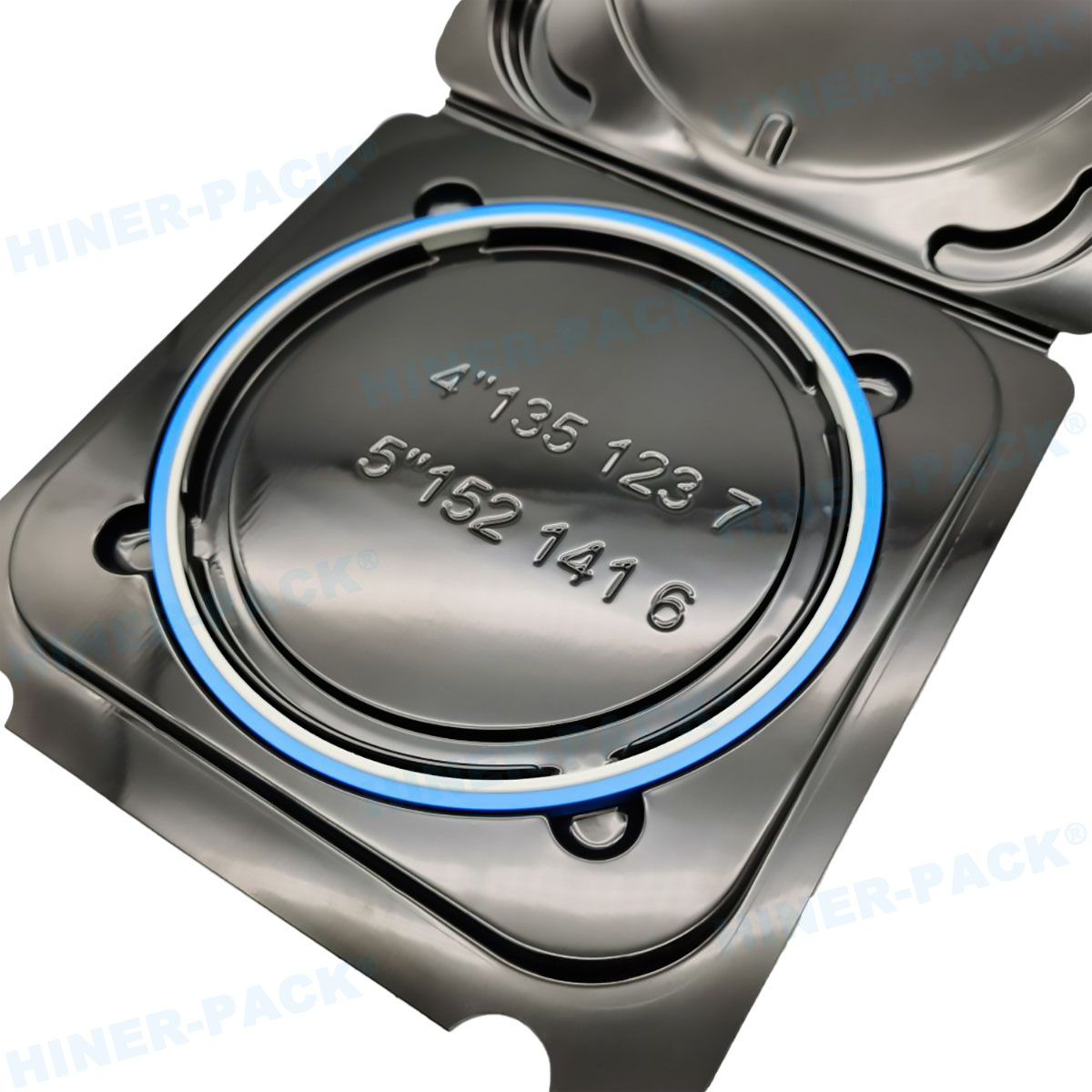
The upfront cost of a custom JEDEC tray is higher than a standard tray. You are paying for design time, mold tooling, and low-volume production. This cost must be weighed against the hidden expenses of using an ill-fitting standard tray.
Calculate the cost of yield loss from damaged devices. Factor in the downtime from machine jams or pick errors. Consider the labor involved in manual reorientation or inspection. Often, the total cost of ownership (TCO) for a custom solution is lower, even with higher initial piece price.
For long-running products or those with high unit value, the custom tray is almost always the more economical choice in the long run.
Frequently Asked Questions (FAQs)
Q1: How long does it take to develop and receive custom JEDEC trays?
A1: The timeline varies based on complexity. From initial design to first production samples typically takes 8 to 14 weeks. This period includes design iteration, prototype testing, mold fabrication, and first article approval. Planning this lead time into your product introduction schedule is crucial.
Q2: Are custom JEDEC trays compatible with standard automation equipment?
A2: Yes, if designed correctly. A competent supplier will ensure the external dimensions and critical features (like stack pins and chamfers) fully comply with the JESD30-C standard. This guarantees mechanical compatibility with handlers, stackers, and conveyors. Only the internal pocket geometry is customized.
Q3: Can you make custom trays that are compatible with high-temperature processes?
A3: Absolutely. This is a common requirement. Special high-temperature thermoplastics, such as certain grades of PEEK or high-temperature polycarbonate blends, are used. These materials are specified to maintain dimensional stability and not emit contaminants during sustained exposure to temperatures exceeding 125°C or even 150°C.
Q4: What is the typical lifespan or reusability of a custom JEDEC tray?
A4: A well-made tray from quality material can withstand hundreds of cycles. Lifespan depends on the harshness of the process (e.g., frequent high-temperature cycling is more stressful) and handling care. For typical factory handling and shipping, 200-500 uses is a common expectation before wear like pocket loosening or corner damage becomes significant.
Q5: Is the mold tooling cost for custom trays prohibitive for low-volume projects?
A5: It can be a consideration. For very low volumes, suppliers sometimes offer "family molds" or modified standard molds to reduce cost. Alternatively, rapid prototyping methods for short-run production can be explored. The key is to discuss your annual volume forecasts openly with the supplier; they can often propose a cost-effective manufacturing strategy to match.