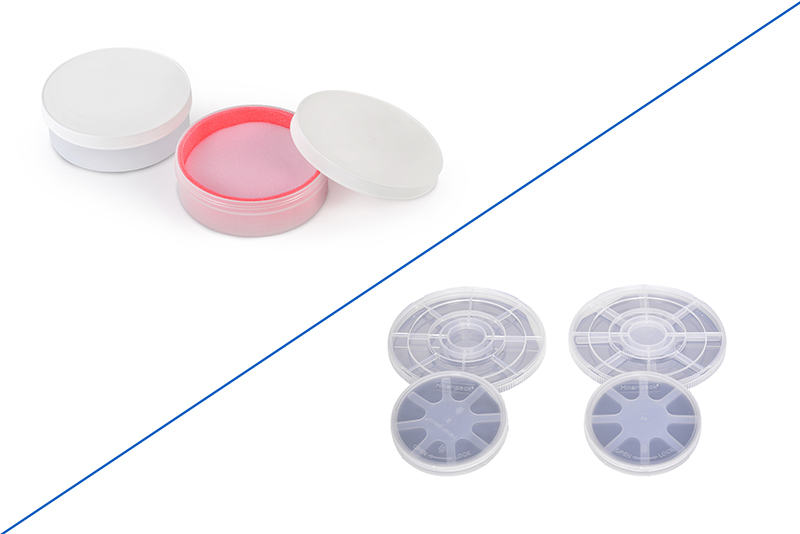
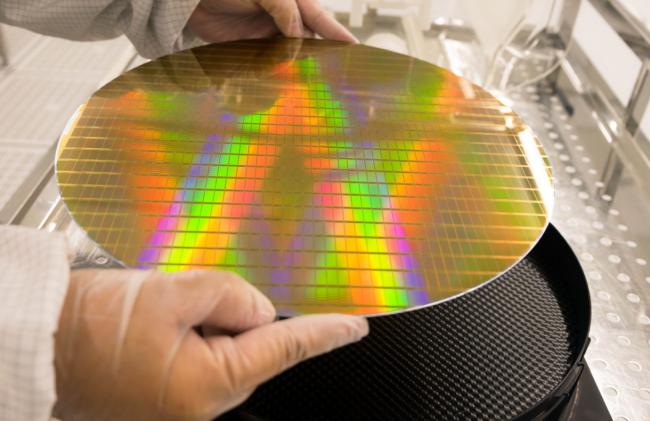
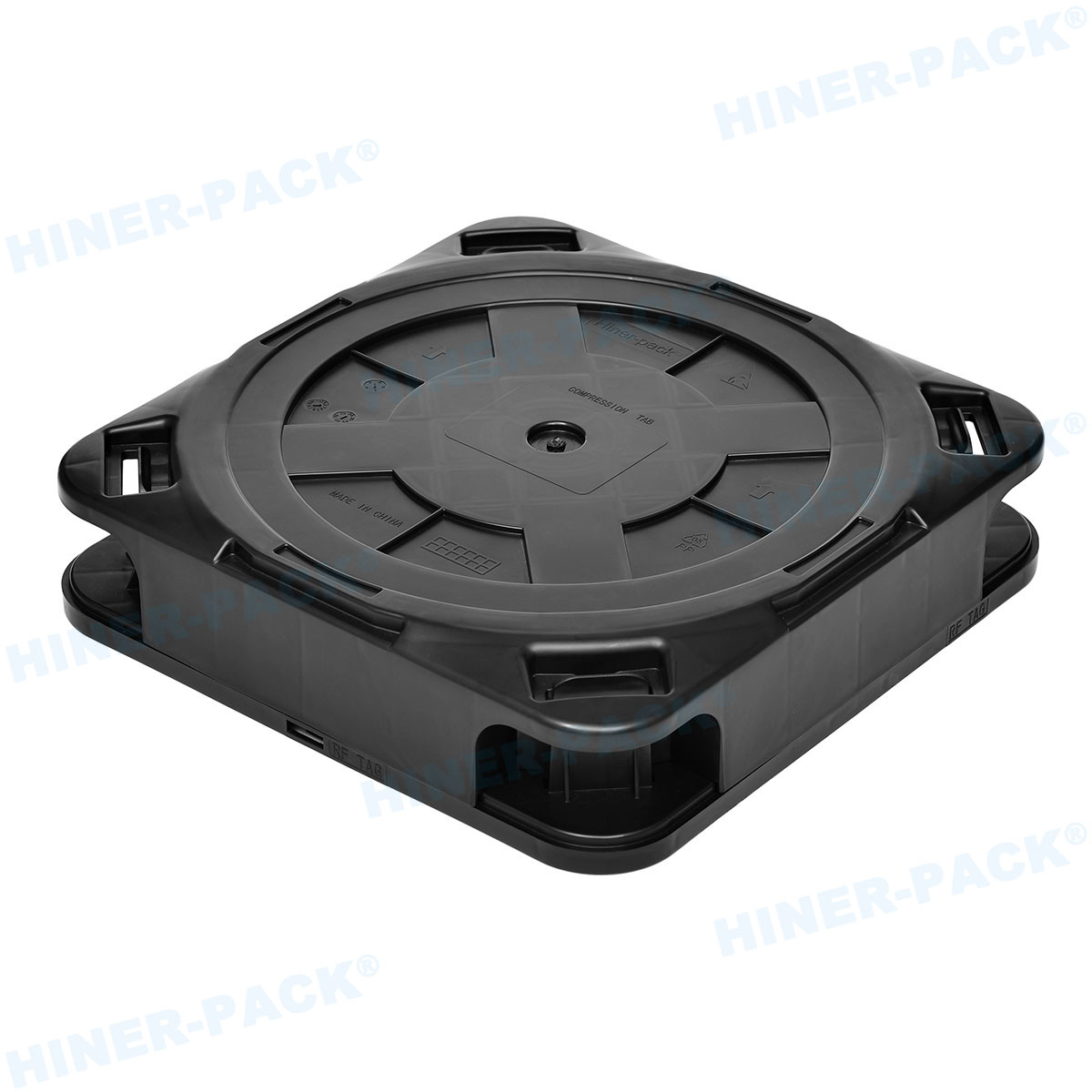
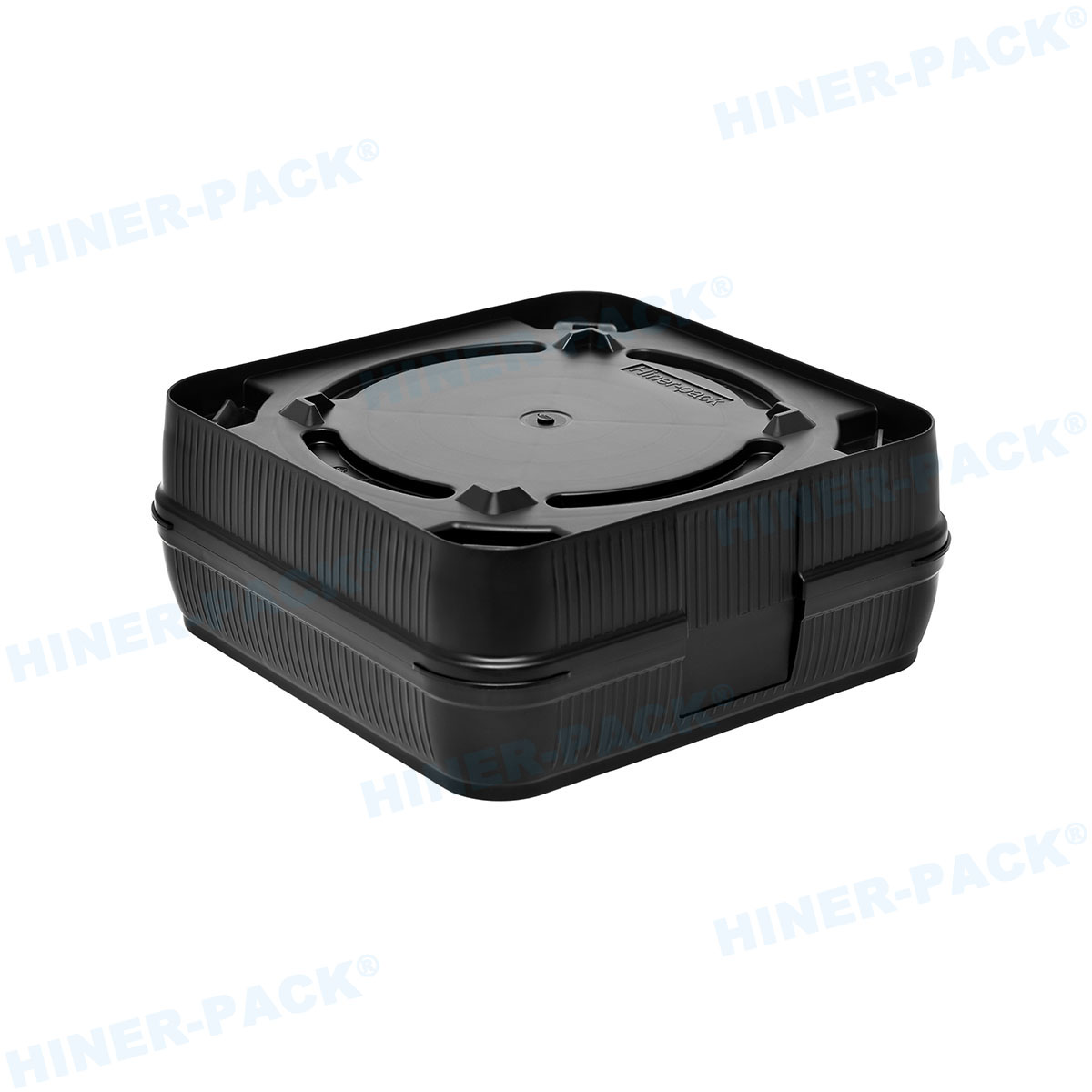
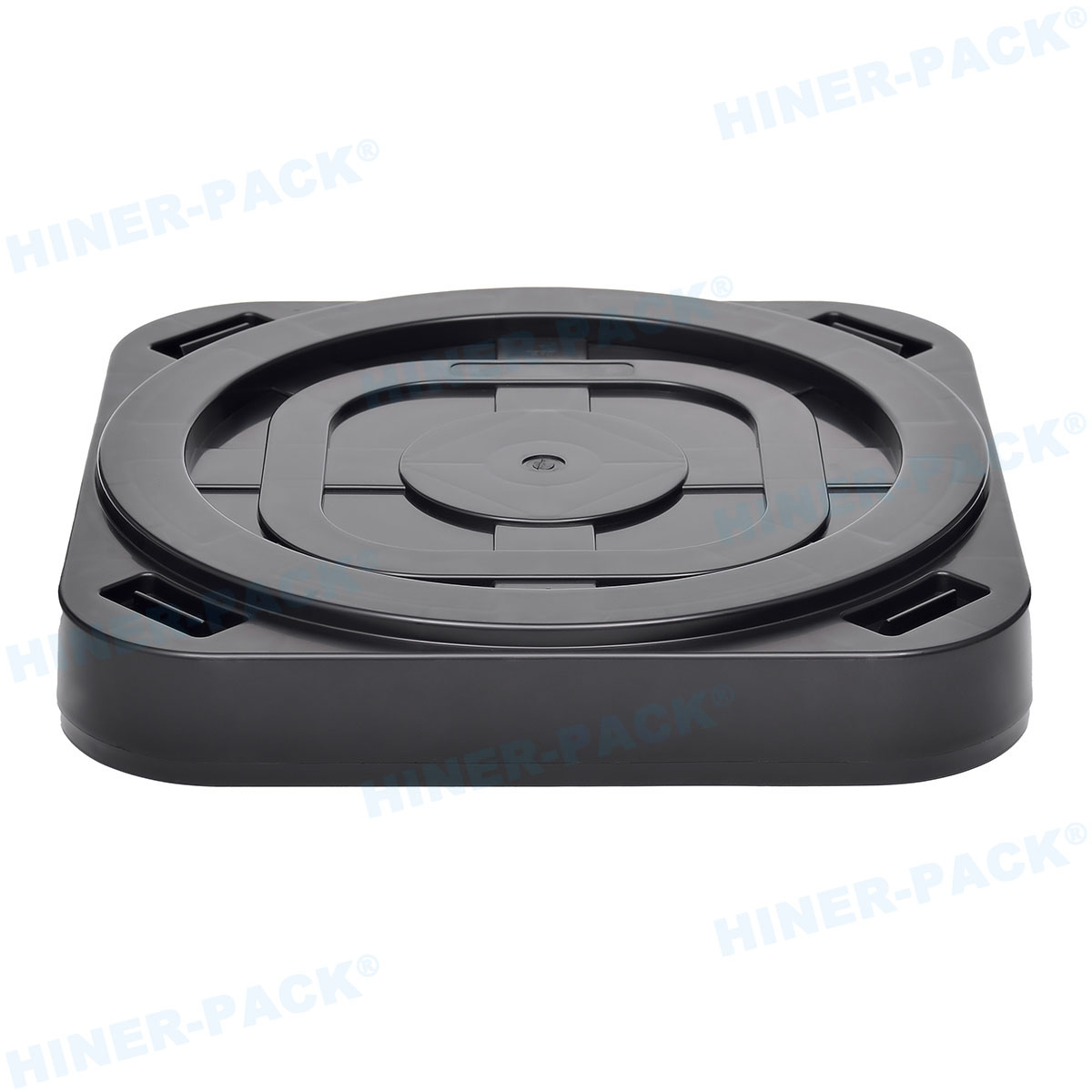
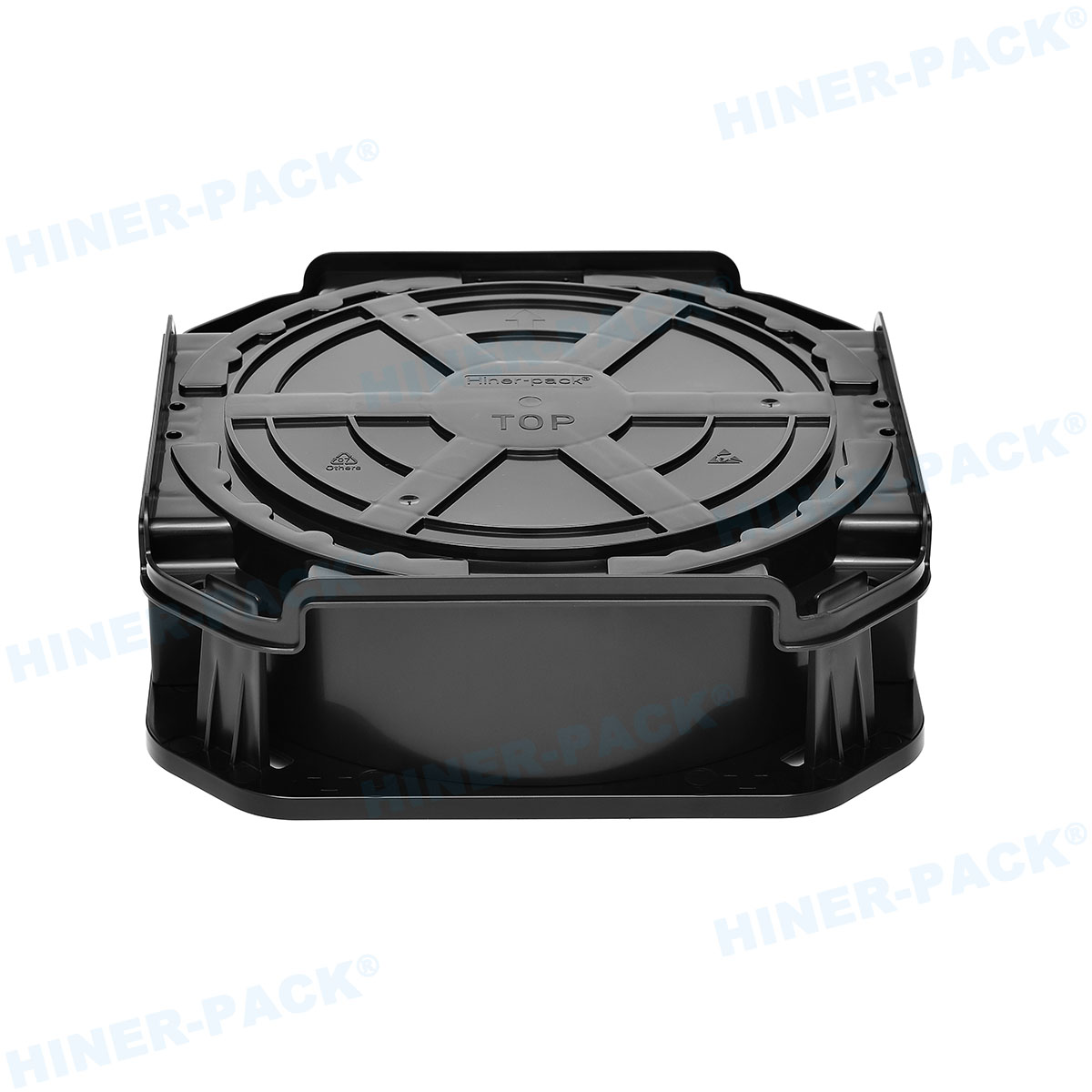
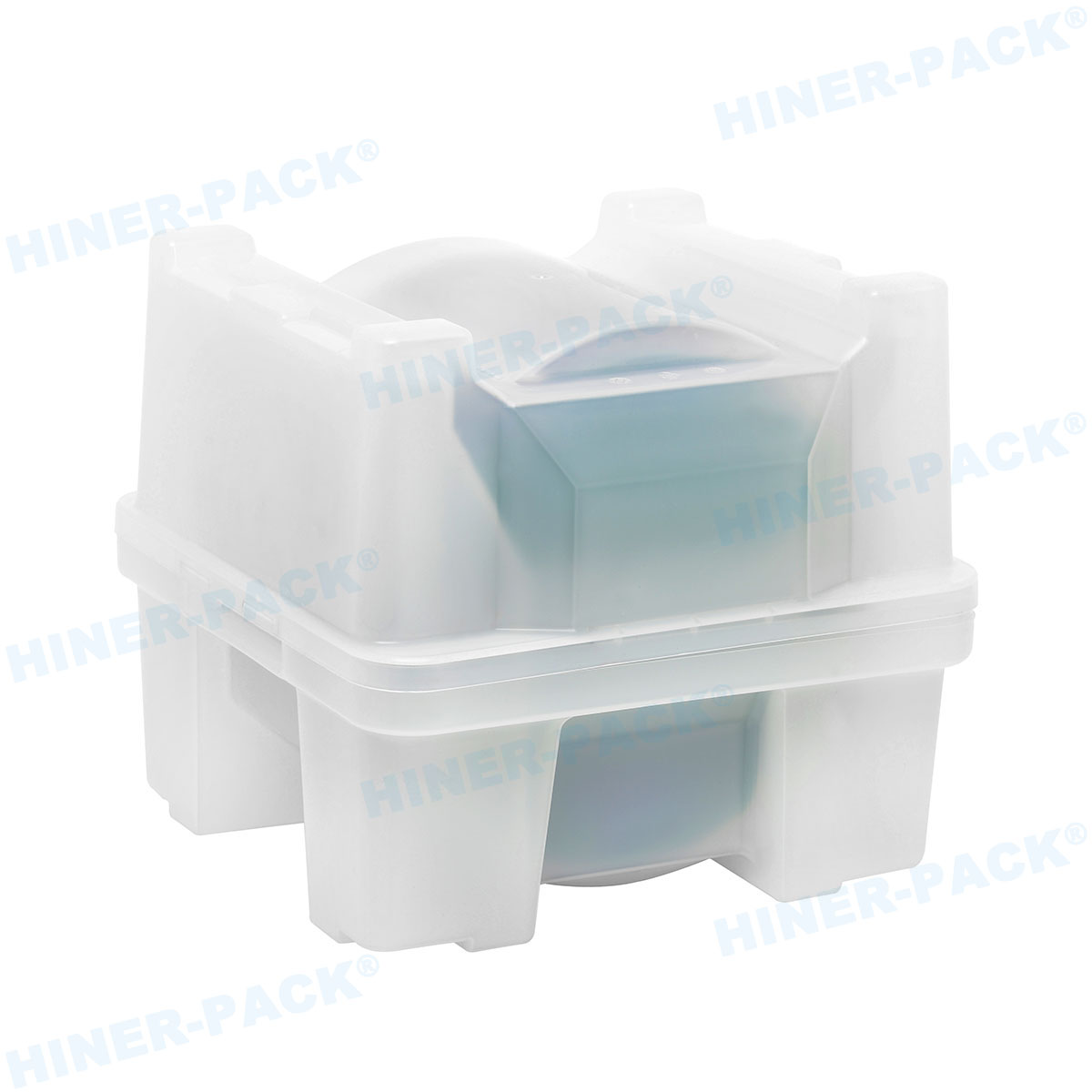
In semiconductor manufacturing, controlling the environment is crucial. Wafers are highly sensitive to humidity, which can lead to oxidation, metal corrosion, and device failure. **Moisture barrier wafer boxes** are specialized containers designed to create a stable, dry micro-environment for wafers during storage and transport. This article explains their importance and how they protect valuable production output.
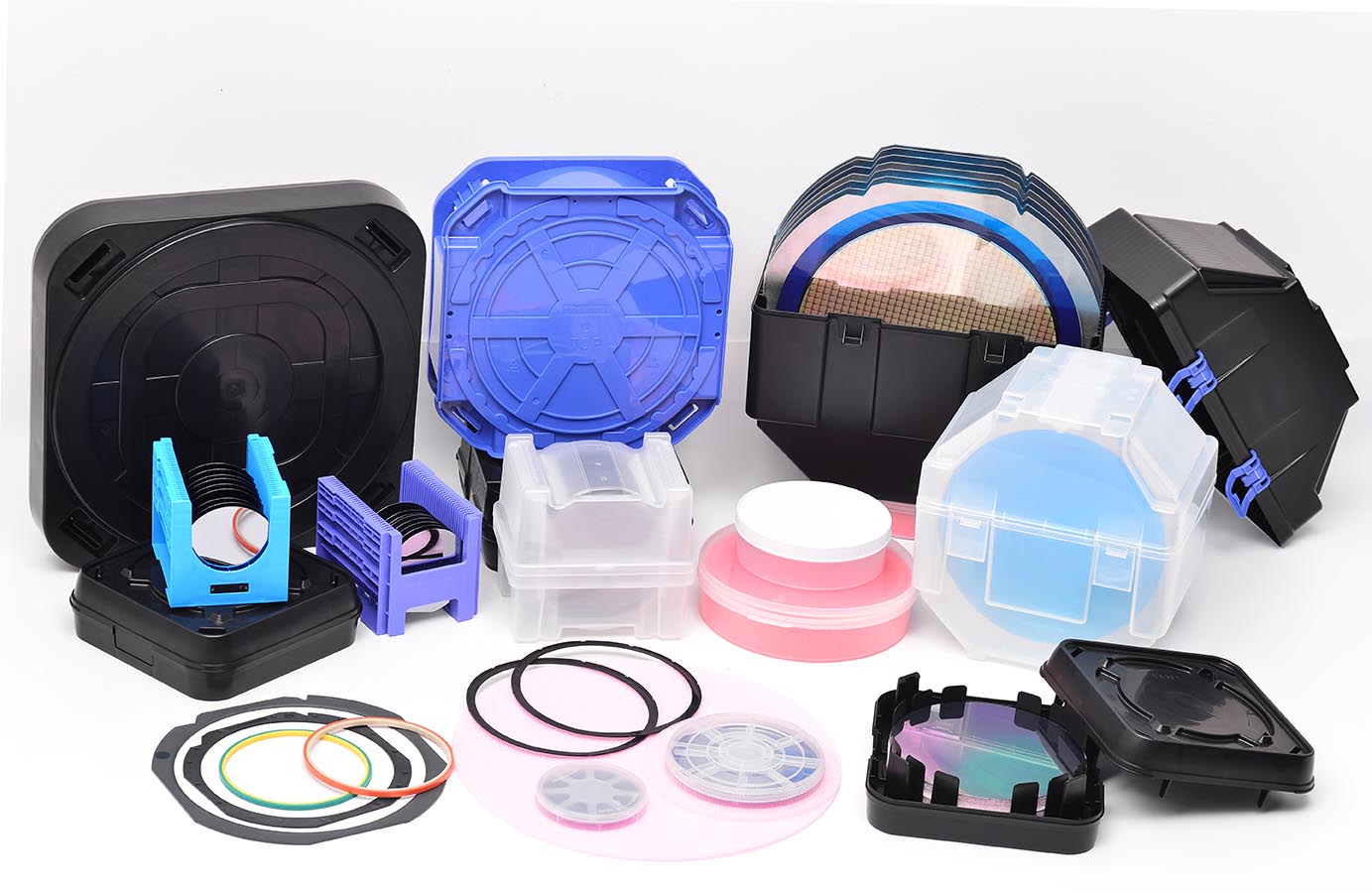
Why Moisture Protection is Non-Negotiable in Fab Operations
Water vapor is a persistent threat in cleanrooms and storage facilities. Even at low levels, humidity can initiate chemical reactions on wafer surfaces.
The consequences of moisture exposure include:
Oxidation: Unwanted growth of oxide layers on surfaces.
Corrosion: Degradation of metallic interconnects and bond pads.
Organic Growth: Risk of micro-organism or mold in extreme cases.
Bonding Failures: Moisture can weaken adhesion in subsequent packaging steps.
Electrical Leakage: Increased current leakage paths, impacting device performance.
Using reliable **moisture barrier wafer boxes** is a primary defense line against these costly failures.
Core Materials and Sealing Technologies
The effectiveness of a box is determined by its materials and how well it seals. Not all plastic containers offer sufficient protection.
High-Barrier Polymers
Standard polycarbonate or PP boxes are not enough. High-performance boxes use advanced resins.
PFA or PCTFE: These fluoropolymers offer excellent inherent moisture barrier properties.
Multi-Layer Co-extrusions: Layers of different plastics combine strength with high barrier performance.
Desiccant-Integrated Polymers: Some materials have moisture-absorbing compounds embedded within them.
Sealing Mechanisms
A perfect seal is as important as the material itself.
Gasket Seals: Silicone or TPV gaskets on the lid flange ensure an airtight closure.
Double-Wall Designs: Creates an insulating air gap for better environmental stability.
Latching Systems: Secure, uniform pressure latches maintain seal integrity during handling.
How to Select the Right Moisture Barrier Wafer Box
Choosing the correct box requires evaluating several technical specifications against your process needs.
Key Performance Indicators (KPIs)
Water Vapor Transmission Rate (WVTR): The primary metric. A lower WVTR (e.g., <0.005 g/m²/day) indicates a better barrier.
Chemical Compatibility: Must withstand cleaning solvents like IPA without degrading.
Mechanical Strength: Should protect wafers from physical shock and stack safely.
Cleanroom Compliance: Must be made from low-outgassing, particle-free materials.
Matching the Box to the Wafer and Process
Consider these application-specific factors:
Wafer size (200mm, 300mm, 450mm) and thickness.
Required storage duration (days, months, or years).
Ambient humidity conditions in the facility and transit routes.
Compatibility with automated material handling systems (AMHS).
Brands like Hiner-pack provide detailed test data and support to help match their **moisture barrier wafer boxes** to specific operational environments.
Integration with Desiccants and Monitoring
Boxes are often part of a larger protection system. Desiccants and sensors provide active control and verification.
Role of Desiccants
Desiccant packs or tablets are placed inside the box to actively absorb any residual or incoming moisture.
Common types include silica gel and molecular sieve.
They are selected based on capacity and the required dew point inside the box.
Proper placement is crucial to avoid contact with wafers.
Humidity Indicator Cards (HICs)
These small cards with moisture-sensitive spots provide a visual check of internal humidity levels. They are a simple, cost-effective way to verify the integrity of the **moisture barrier wafer boxes** before opening.
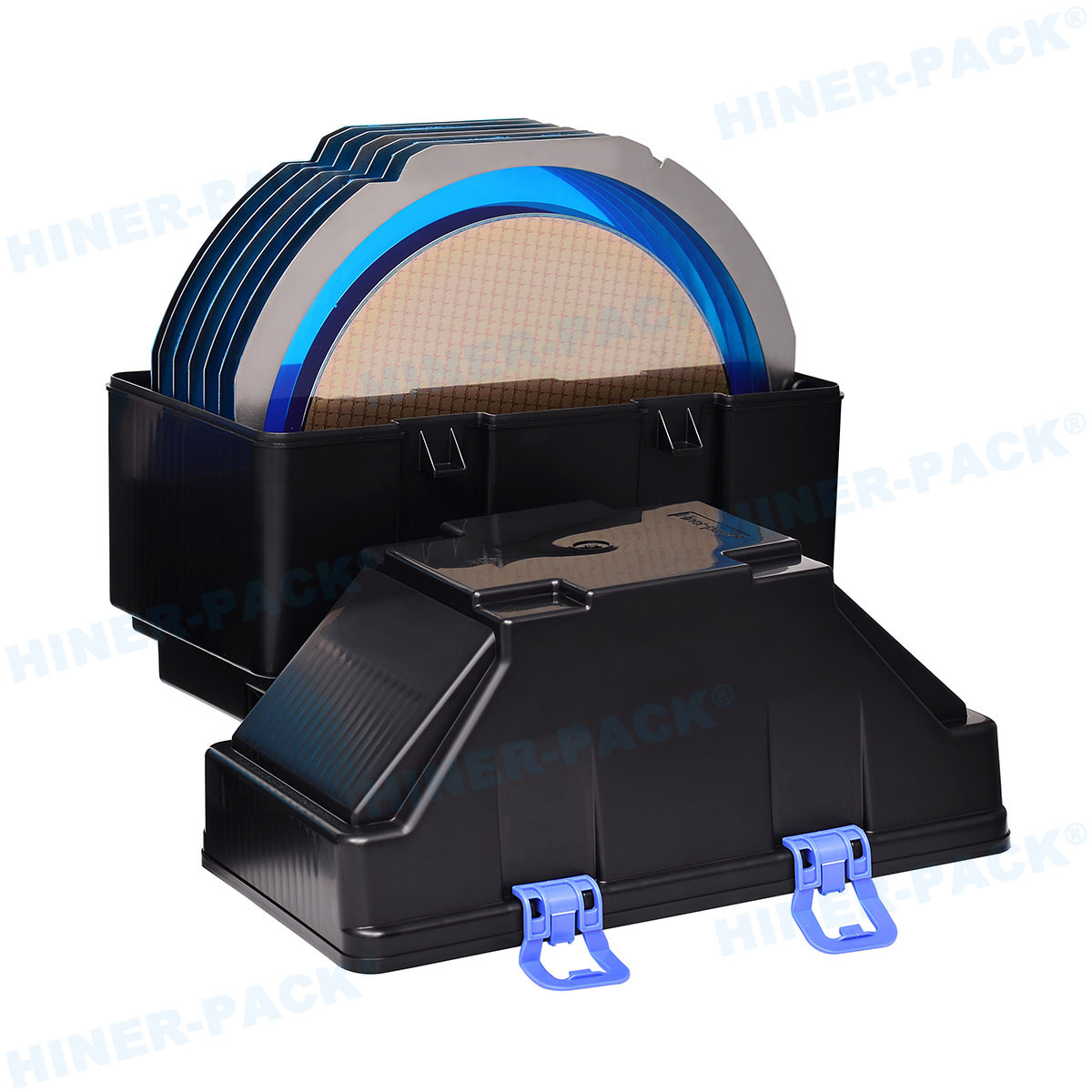
Applications Across the Semiconductor Supply Chain
These boxes are vital not just in the fab, but at every step where wafers are handled.
Long-Term Archival Storage: Preserving engineered wafers or qualified device batches.
Inter-Process Storage: Holding wafers between fabrication steps that have long queue times.
Transport: Securing wafers during air or ground shipment between facilities or to OSAT partners.
Post-Dicing: Protecting sensitive die before packaging and assembly.
Maintenance, Cleaning, and Validation
To ensure long-term performance, proper care of the boxes is necessary.
Cleaning Protocols
Use only recommended, non-abrasive cleaning solutions.
Inspect gaskets regularly for wear, tears, or particle buildup.
Allow boxes to dry completely in a clean environment before reuse.
Periodic Validation
The moisture barrier performance should be checked periodically. This can involve measuring the WVTR of sample boxes or using data loggers to record internal humidity over time during test storage.
As semiconductor nodes shrink and device complexity grows, environmental control becomes more critical. Investing in high-performance **moisture barrier wafer boxes** is a direct investment in yield protection and product reliability. By understanding the technology, specifications, and proper usage, manufacturers can make informed choices. Suppliers like Hiner-pack are instrumental in providing solutions that meet the stringent demands of modern semiconductor production.
Frequently Asked Questions (FAQs)
Q1: What is the main difference between a standard wafer cassette box and a moisture barrier wafer box?
A1: A standard box provides basic physical protection. A moisture barrier box is engineered with special high-barrier materials and sealing mechanisms to actively prevent water vapor ingress, offering a controlled dry environment essential for sensitive processes.
Q2: How long can wafers safely be stored in these boxes?
A2: Storage duration depends on the box's WVTR rating, the effectiveness of the internal desiccant, and the external environment. With proper selection and sealing, storage can reliably extend from several months to multiple years for archival purposes.
Q3: Are moisture barrier boxes also ESD-safe?
A3: Typically, yes. Most high-quality **moisture barrier wafer boxes**, including those from Hiner-pack, are manufactured from static-dissipative or conductive materials that meet ESD standards (e.g., ANSI/ESD S20.20), providing dual protection.
Q4: Can these boxes be used in vacuum or nitrogen purged environments?
A4: Many are designed for such applications. It is important to select a box model rated for vacuum or positive pressure and with seals that can maintain integrity under those conditions. Always confirm with the supplier for specific use cases.
Q5: How do I know when to replace the desiccant inside the box?
A5: The most common method is using a Humidity Indicator Card (HIC). When the indicator spots change color (e.g., from blue to pink), it signals that the internal relative humidity has risen above a set threshold, and the desiccant needs replacement.