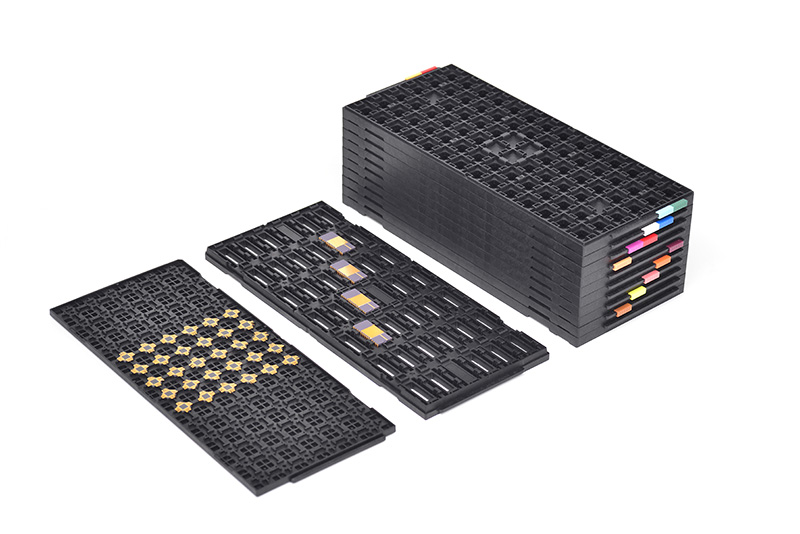
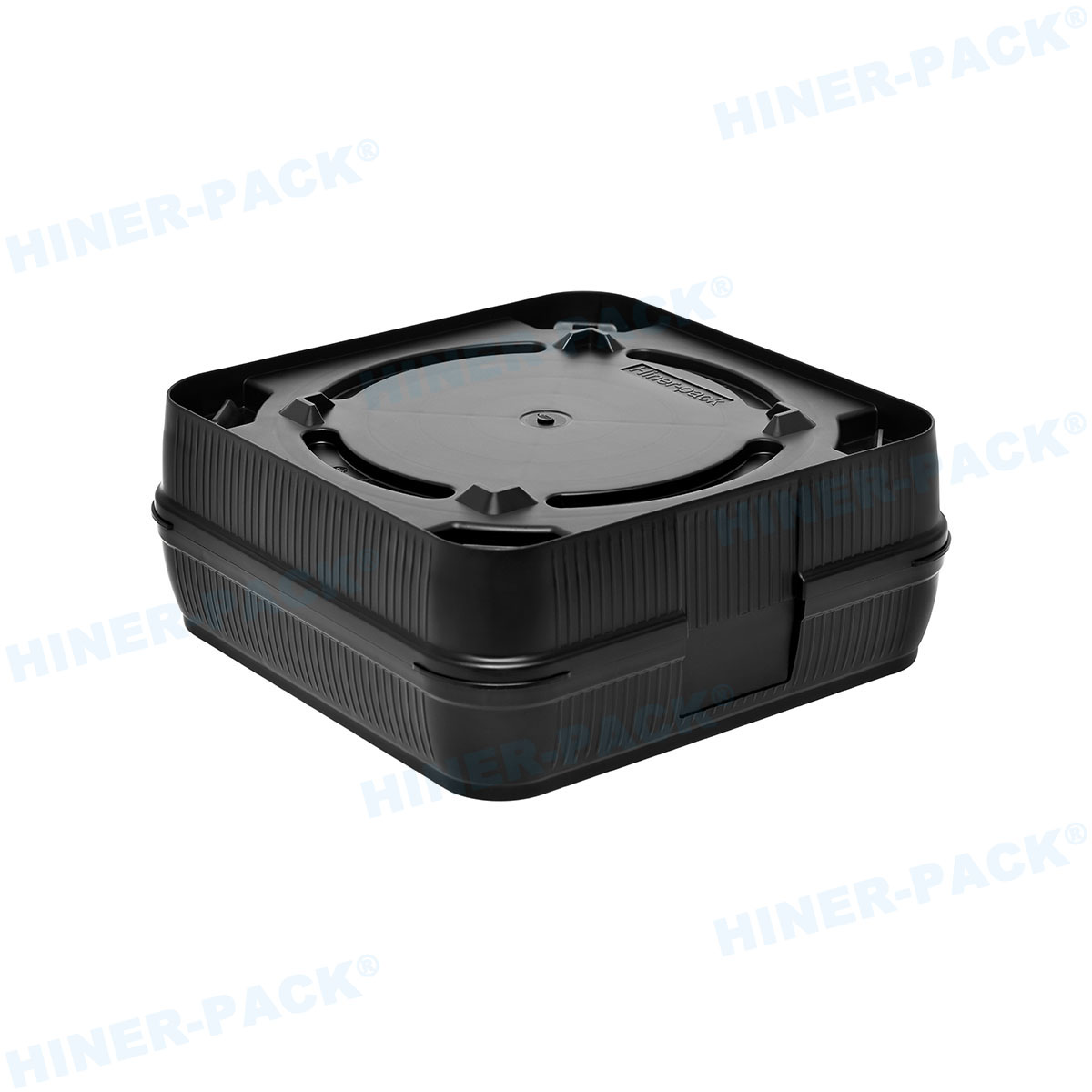
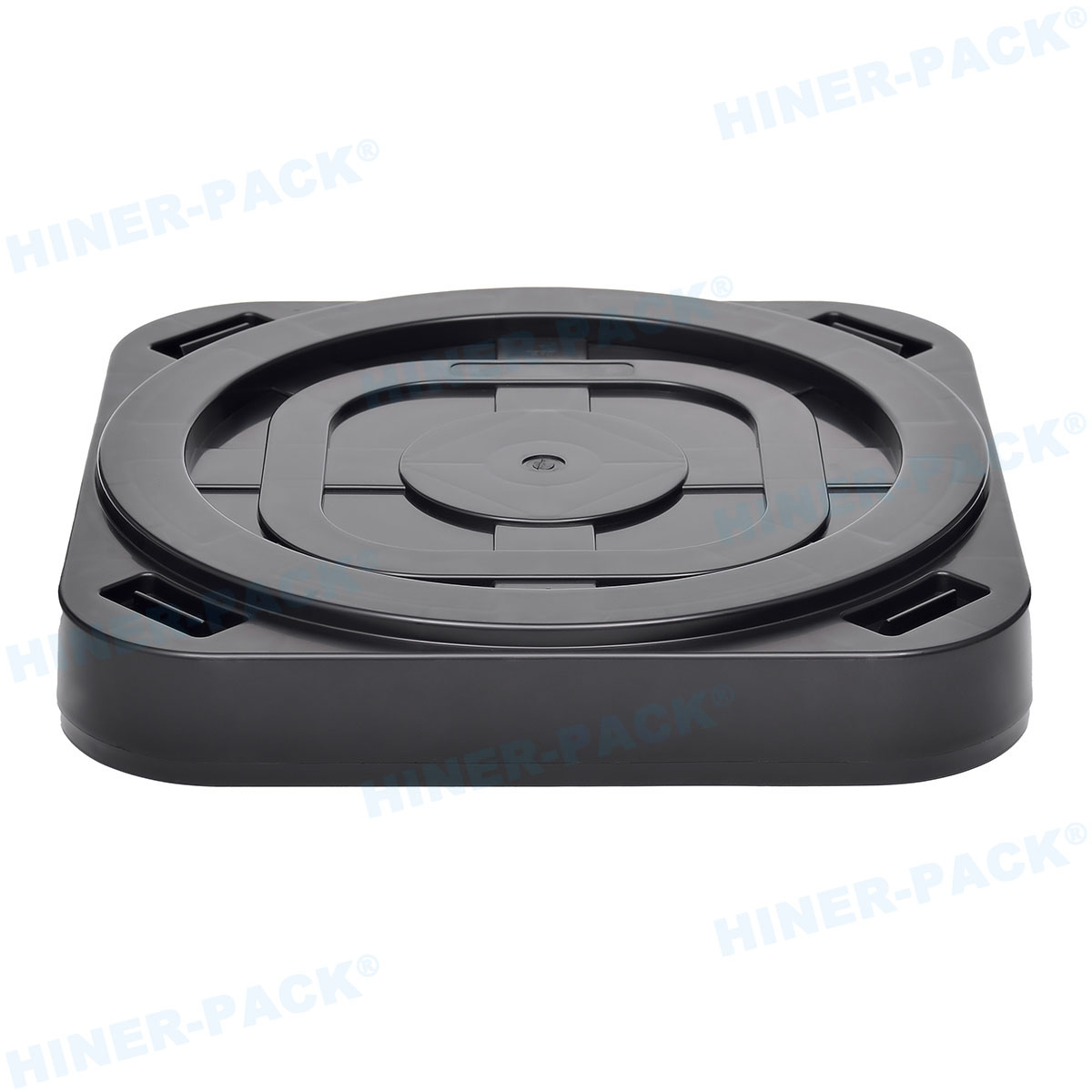
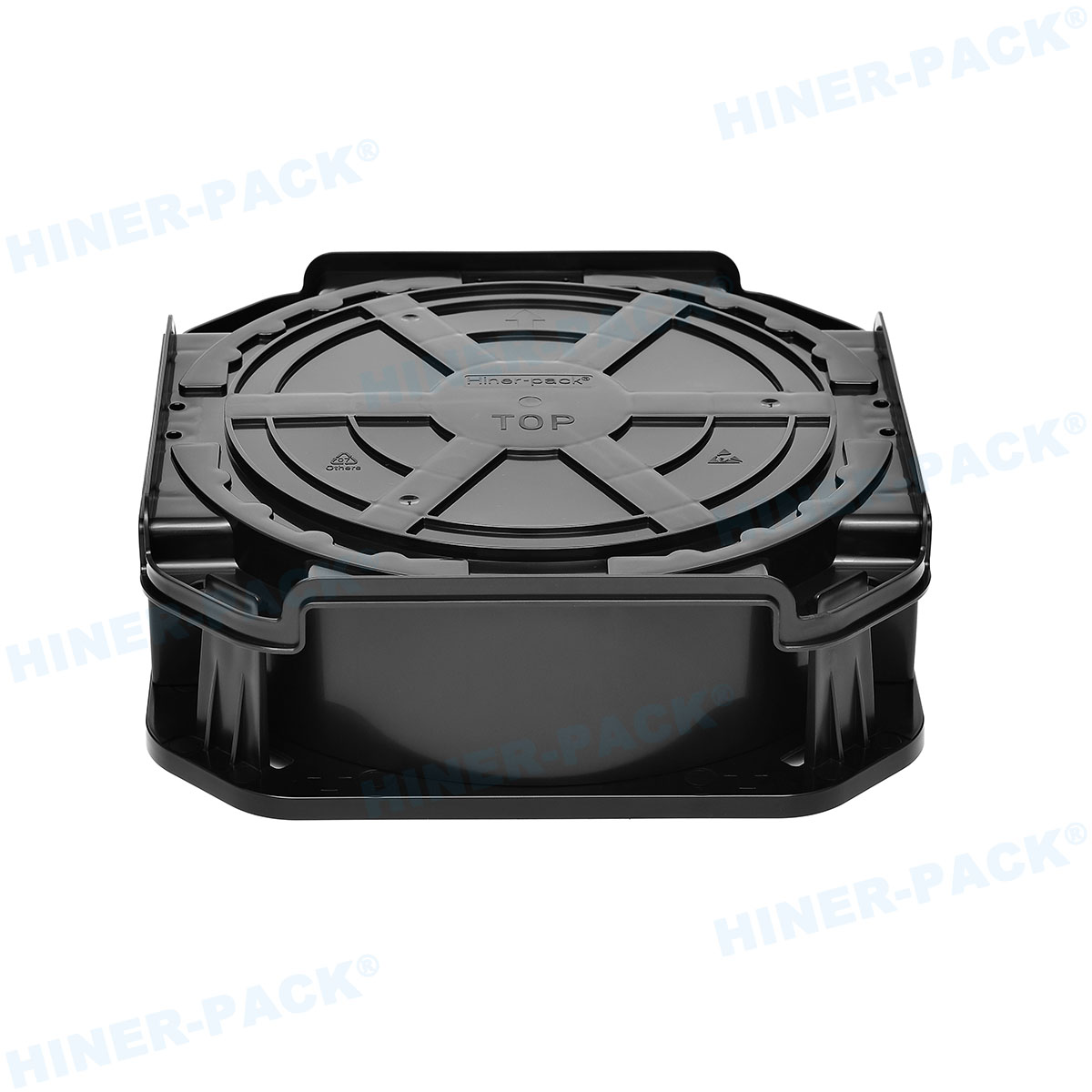
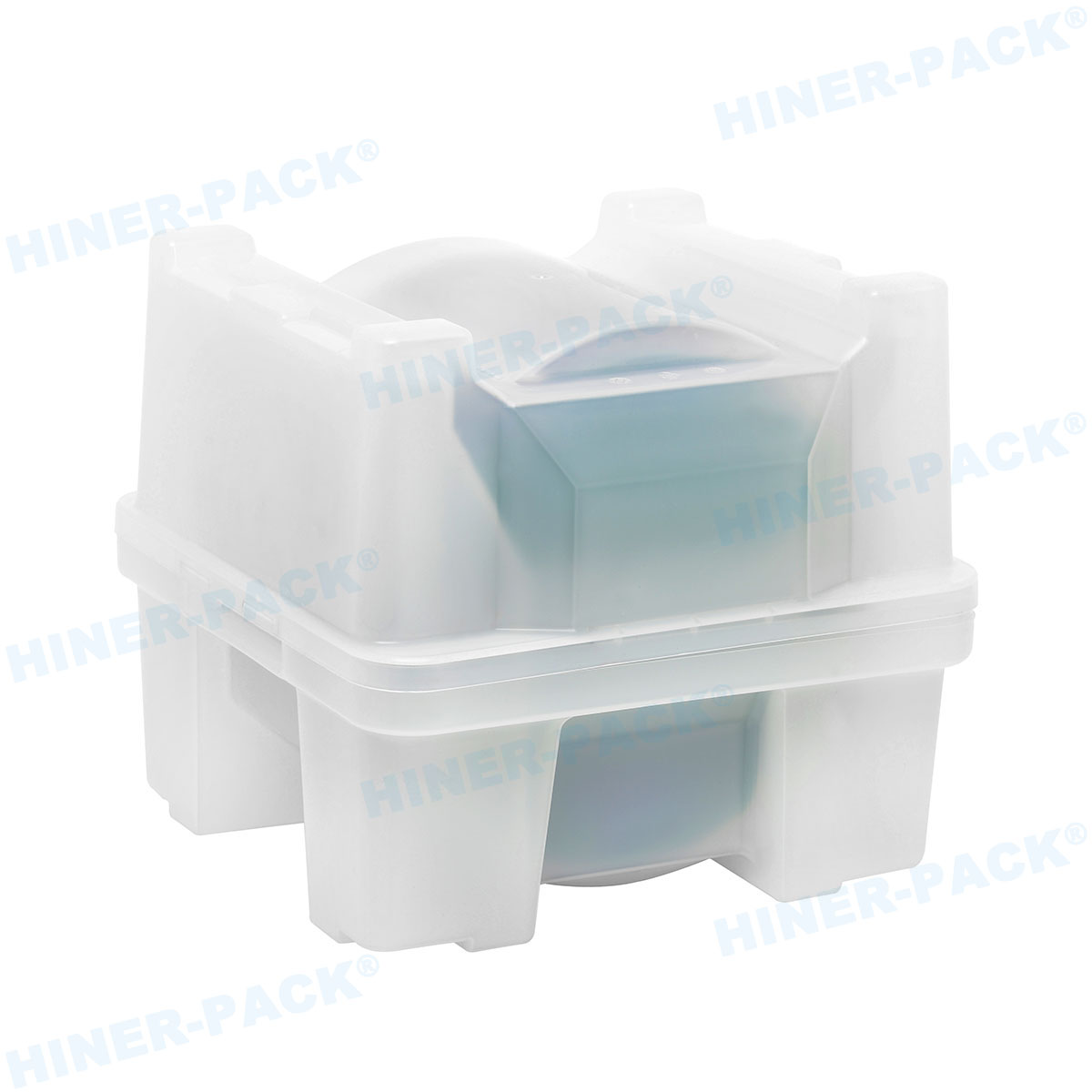
In the high-stakes world of semiconductor manufacturing and handling, consistency isn't just a goal—it's the absolute foundation. From the moment a delicate integrated circuit (IC) is singulated to its final placement on a board, every step introduces risk. This is where the unassuming yet indispensable carrier plays a pivotal role. For ensuring global interoperability, safeguarding yield, and enabling seamless automation, JEDEC compliant trays are the unsung heroes of the supply chain. They are far more than simple plastic containers; they are precision-engineered components governed by globally recognized standards.
This article delves into the essential aspects of these trays, explaining why compliance is non-negotiable and how choosing the right partner, like Hiner-pack, can protect your valuable components and streamline your operations.
1. The Non-Negotiable Role of Standardization in Semiconductor Handling
Imagine a world where every IC tray had a slightly different pocket size, thickness, or stacking pin location. Assembly houses would need endless custom equipment, components would suffer from movement and damage, and the entire global electronics ecosystem would grind to a halt.
The JEDEC Solid State Technology Association, a key standards body for the microelectronics industry, exists to prevent this chaos. Their standards for trays (primarily the JESD30 series) create a universal language for physical component handling.
Using JEDEC compliant trays means your components will fit perfectly into automated handling equipment anywhere in the world. It ensures safe transport and storage by defining precise dimensions, materials, and performance criteria. This standardization is the bedrock of efficiency, reducing machine conversion times and eliminating a major source of physical damage.
2. What "JEDEC Compliance" Actually Covers: Beyond the Outline
Compliance is a comprehensive specification, not just a general shape. Key elements defined by JEDEC standards include:
- Dimensional Accuracy: Every single dimension is specified—overall length and width, pocket size and depth, corner radii, and the critical positioning of stacking pins and anti-tilt lugs. This precision ensures stable stacking and prevents tray warpage.
- Material Properties: Standards dictate required material characteristics such as static dissipation (to prevent ESD damage), thermal stability (to withstand reflow and other processes), and chemical resistance. Materials are classified, for example, as conductive, dissipative, or insulating.
- Mechanical Performance: A compliant tray must meet strict criteria for warpage, flatness, and load-bearing capacity. It must not deform under weight when stacked in a shipping box or during robotic pick-and-place operations.
- Marking and Identification: Trays must include specific markings for material type, manufacturer, and other traceability information, often through molded-in labels or barcodes.
3. Material Choices and Their Impact on Component Safety
The material of a JEDEC compliant tray is selected based on the component's sensitivity and the process environment. The three primary categories are:
- Carbon-Loaded Conductive Polymers: These offer the highest level of ESD protection (typically < 1.0 x 10^4 ohms/sq). They are essential for the most static-sensitive devices, providing a Faraday cage effect that shields components from external static fields.
- Static-Dissipative Polymers: This is the most common choice for general handling. They control the rate of static charge decay (usually in the range of 1.0 x 10^5 to 1.0 x 10^11 ohms/sq), preventing sudden discharges that can damage ICs.
- High-Temperature Polymers: Materials like PCTFE or high-grade PEI are engineered to withstand the extreme heat of lead-free solder reflow profiles without warping or releasing contaminants. These are critical for "tape-and-reel" or tray-based reflow processes.
Hiner-pack specializes in manufacturing trays across all these material classes, ensuring each meets the exacting electrical and thermal requirements of the JEDEC standard for its intended application.
4. The Automation Imperative: Trays as a Machine Interface
Modern SMT assembly lines are highly automated. Robotic arms, vision systems, and conveyor handlers interact directly with trays. A non-compliant tray is not just a container; it's a machine interface failure waiting to happen.
JEDEC compliant trays guarantee:
- Reliable Pick-and-Place: Precise pocket location allows vision systems to accurately locate components for robotic pickup.
- Stable Stack Handling: Standardized stacking pins and anti-tilt features allow automated stackers/de-stackers to operate smoothly without jams or drops.
- System Integration: They feed seamlessly into tray elevators, feeders, and handling systems from any major equipment manufacturer.
Using non-standard trays forces costly machine reprogramming, custom tooling, and creates constant risk of line stoppages.
5. Selecting a Supplier: Compliance is Just the Starting Point
Choosing a supplier for JEDEC compliant trays requires looking beyond a simple claim of compliance. A partner like Hiner-pack brings critical additional value:
- Certified Documentation: They provide material certification sheets and compliance statements, giving you auditable proof for your quality management system.
- Consistency in High-Volume Production: Maintaining dimensional and material tolerances across millions of trays is an engineering challenge. Expertise in injection molding and process control is paramount.
- Support for Customization: While the carrier area is standardized, companies often need custom labeling, barcoding, or minor adaptations. A good supplier can accommodate these needs without compromising core compliance.
- Deep Technical Knowledge: They can advise on the optimal tray material and design for specific components, such as large QFNs, BGAs, or sensitive MEMS devices.
Conclusion: An Investment in Yield and Reliability
In an industry where a single particle of dust or an unseen electrostatic discharge can ruin a high-value component, there is no room for compromise in handling. JEDEC compliant trays represent a fundamental investment in protecting your yield, ensuring line efficiency, and maintaining the integrity of your products through the supply chain.
They are a small component with an outsized impact on operational success. By partnering with a dedicated and knowledgeable manufacturer like Hiner-pack, you secure more than just trays—you secure a critical link in your quality chain, built on precision, standardization, and reliability.
Frequently Asked Questions (FAQs) About JEDEC Compliant Trays
Q1: What is the main consequence of using a non-JEDEC compliant tray in an automated SMT line?
A1: The primary consequence is a high risk of machine jams, pick-up errors, and line stoppages. Non-compliant trays can misalign in feeders, cause vision systems to fail, and lead to damaged components or robotic tools, resulting in significant downtime and yield loss.
Q2: Can a tray be JEDEC compliant if it’s made from a non-standard color, like black instead of blue?
A2: Yes, color is not a compliance factor defined by JEDEC standards. Compliance is based on dimensional, mechanical, and electrical properties. However, the industry uses color conventions (blue for dissipative, black for conductive) for quick visual identification, which is a recommended best practice.
Q3: How do I know if a "high-temperature" tray is suitable for my specific reflow process?
A3: You must request the supplier's detailed thermal performance data. Key metrics include the Heat Deflection Temperature (HDT) and the maximum continuous use temperature. Reputable suppliers like Hiner-pack provide this data and can confirm if their tray material (e.g., PCTFE, PEI) will withstand your process's peak temperature and profile without warping.
Q4: Are JEDEC trays reusable, and how many cycles can I expect?
A4: Yes, high-quality JEDEC compliant trays are designed for multiple reuses. The number of cycles depends heavily on the material and the handling environment. A robust tray from a quality manufacturer can typically withstand dozens of trips through the supply chain and automated handling if treated properly. Inspection for wear, warpage, and contamination is necessary before each reuse.
Q5: We have a unique component size. Can we get a custom JEDEC tray?
A5: The tray's outer dimensions, pin locations, and handling features must remain compliant to interface with standard equipment. However, the interior pocket array can often be customized to fit your specific component outline. Specialist manufacturers can design a compliant carrier with a custom pocket layout, ensuring you maintain automation compatibility while securing your unique device.