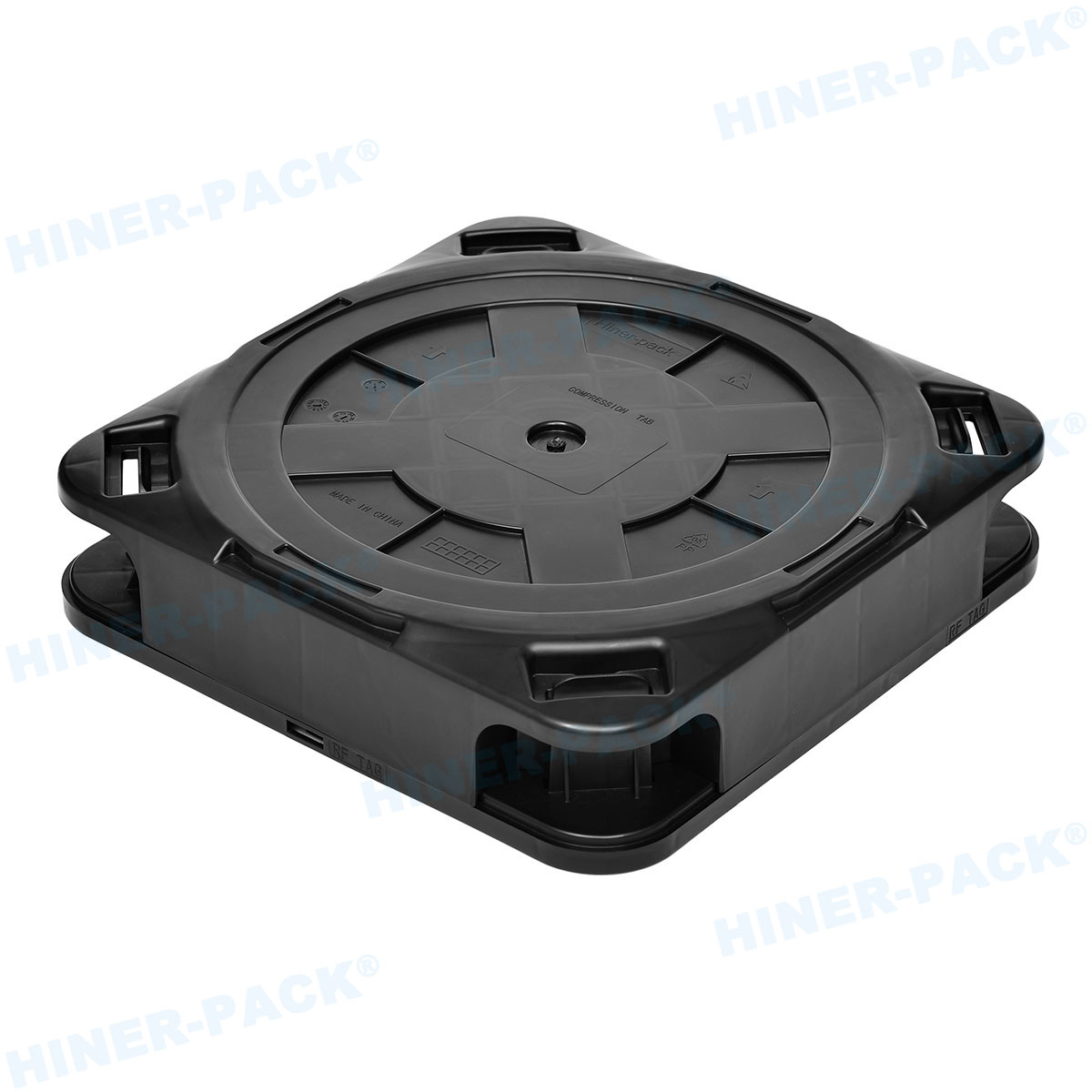
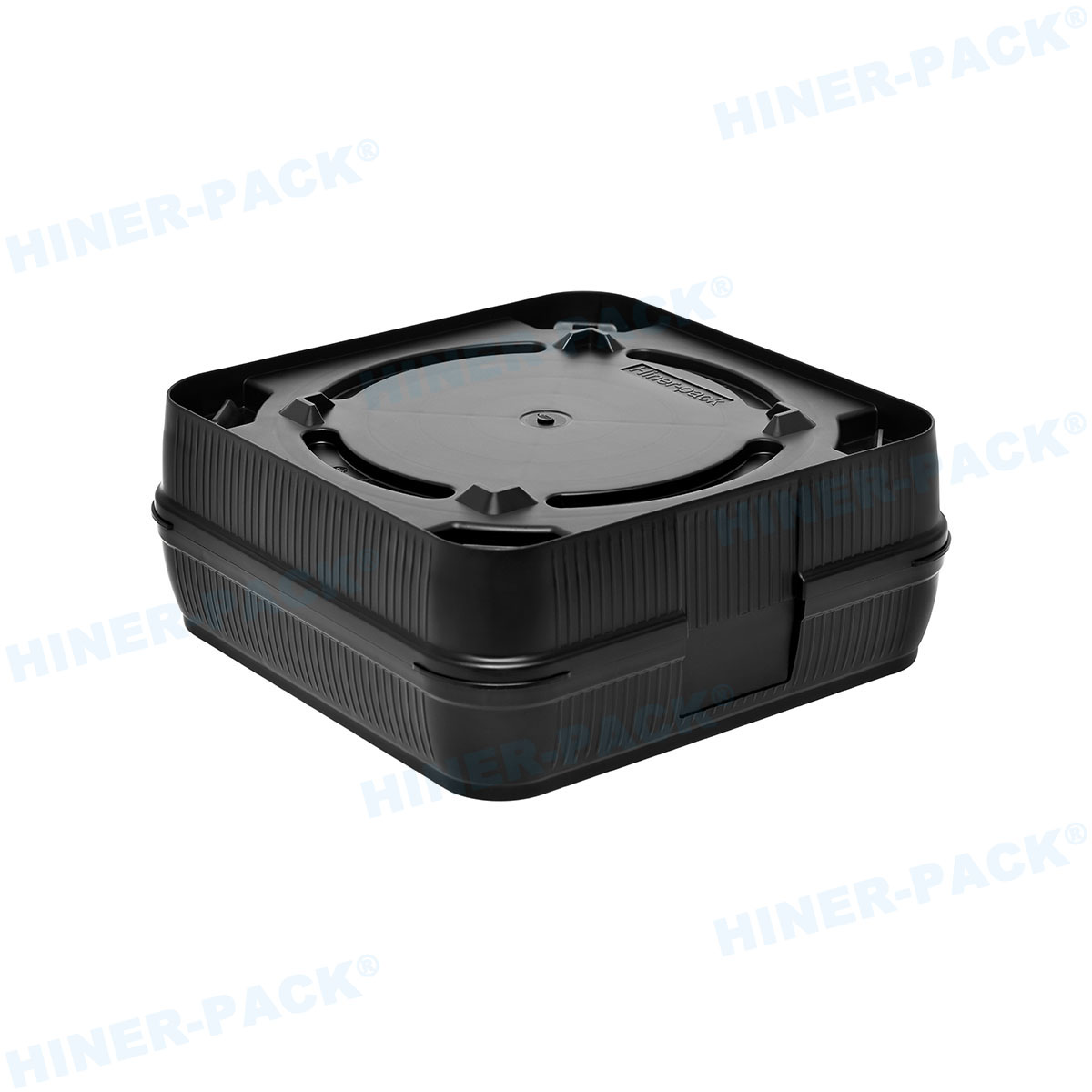
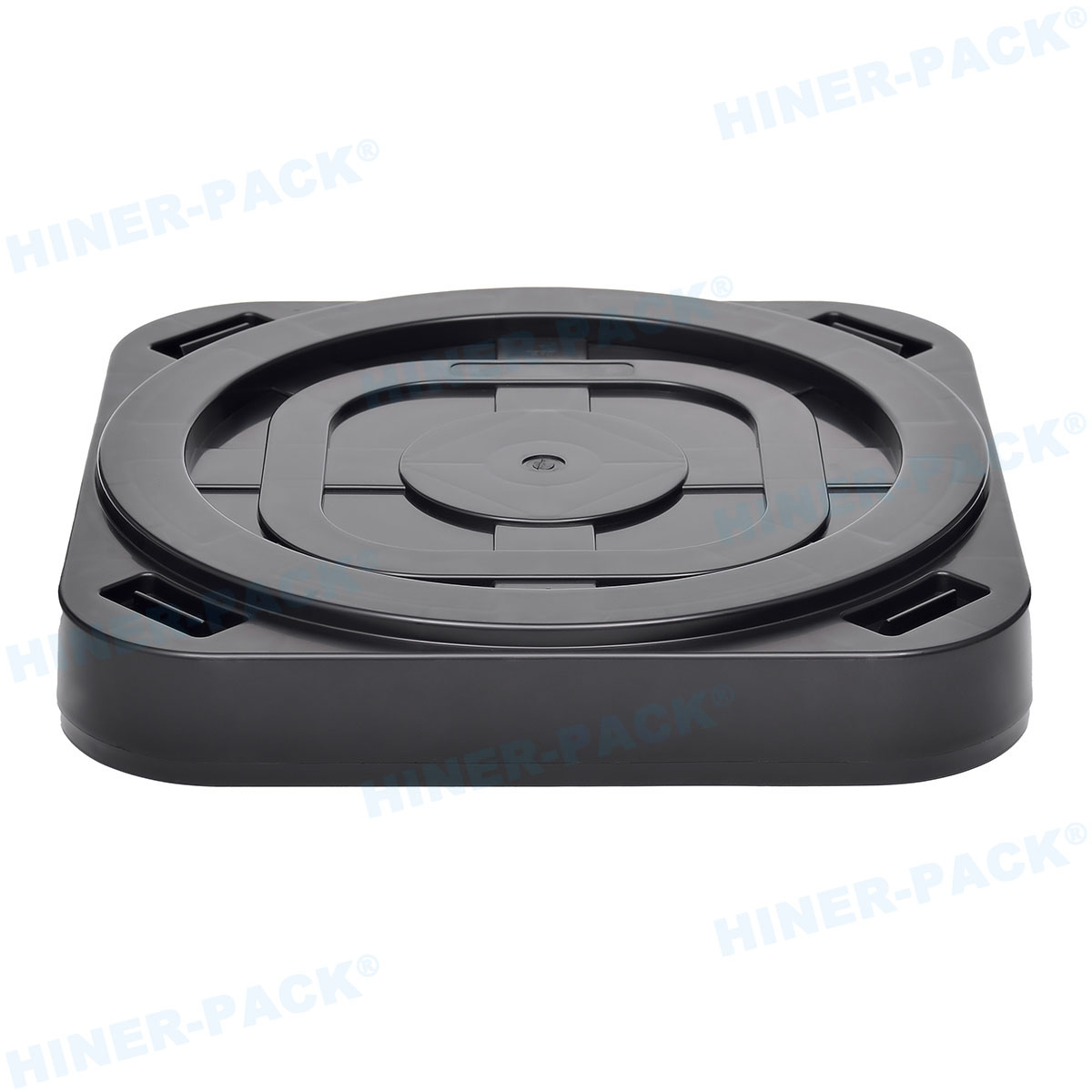
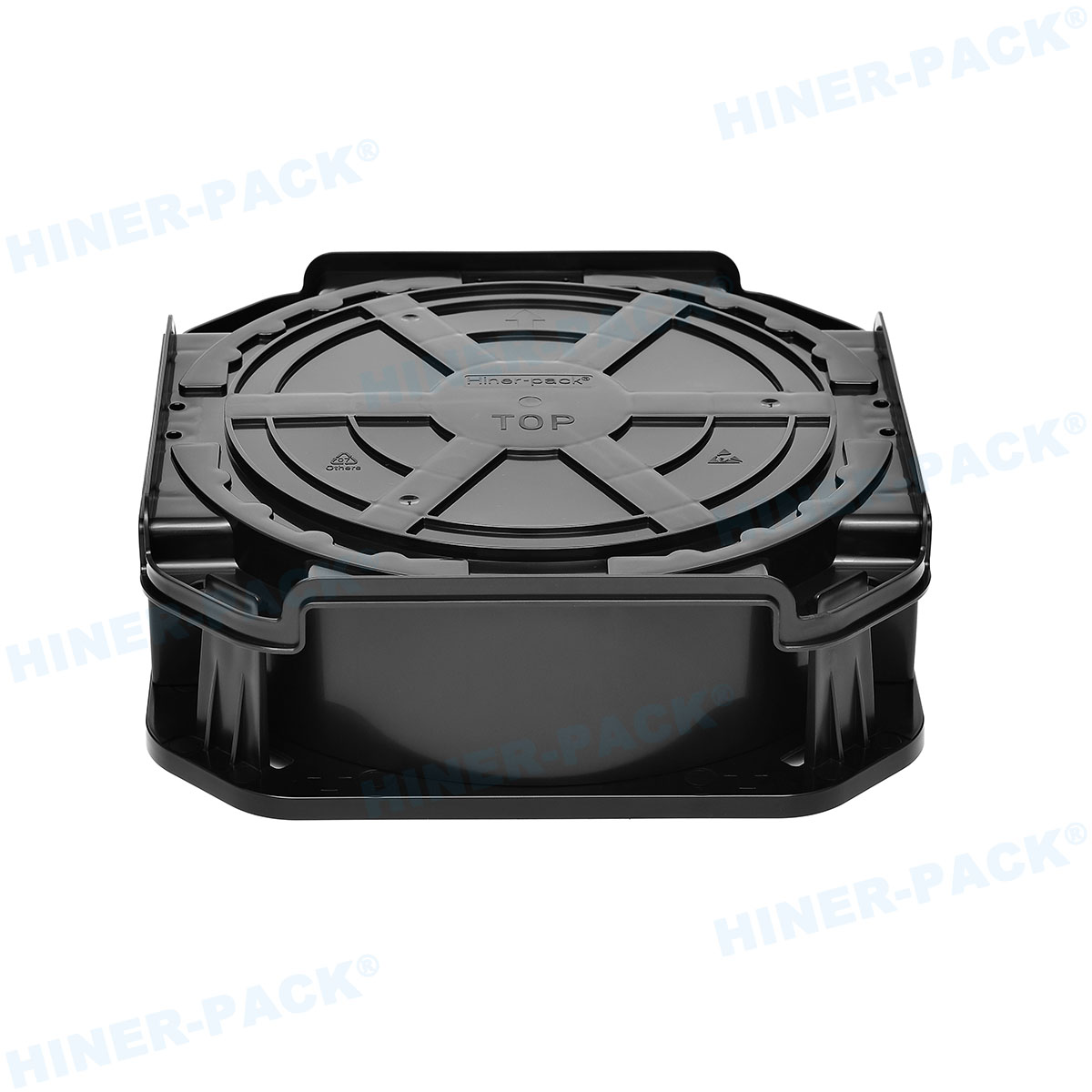
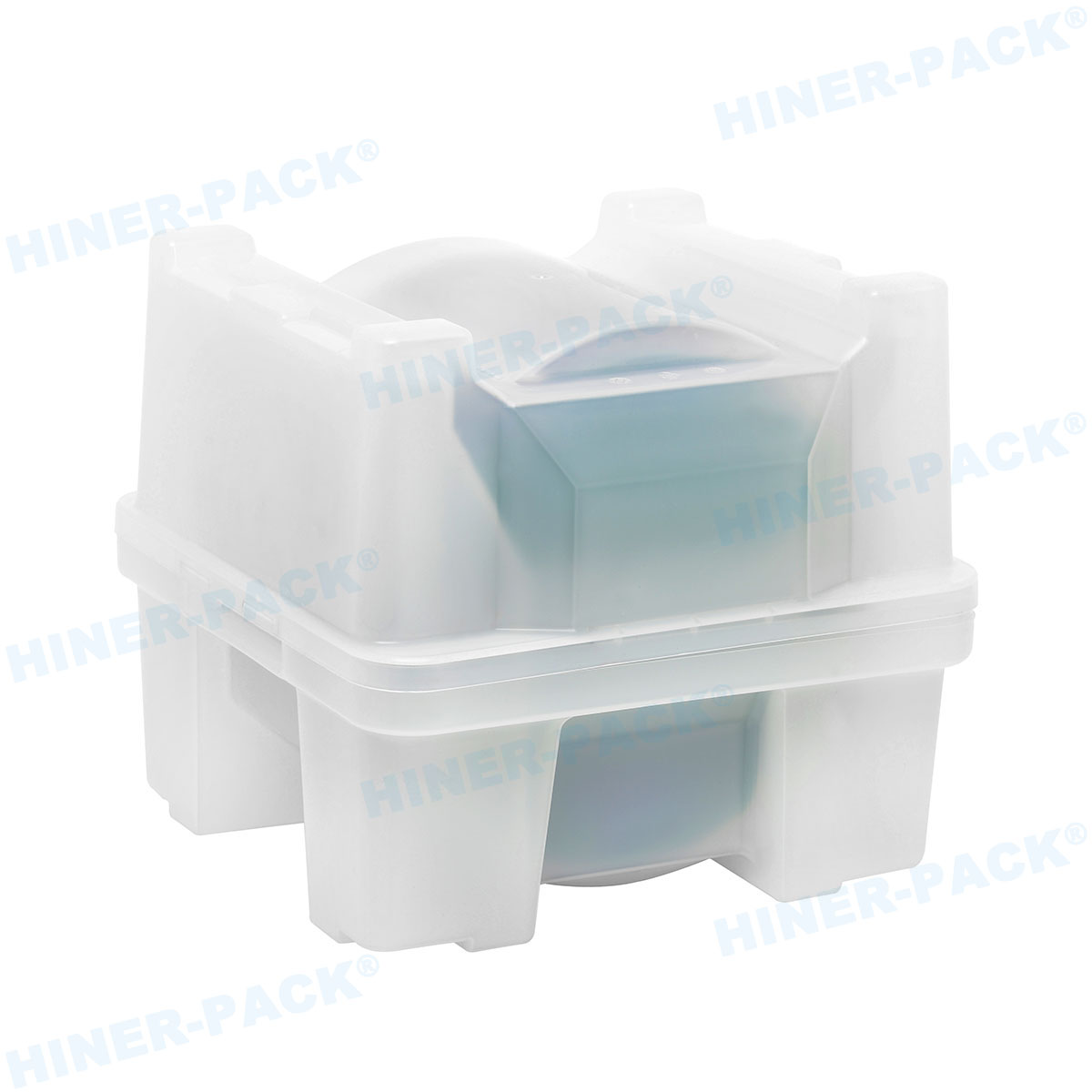
Wafer carriers, including FOUPs, FOSBs, and cassettes, are critical for protecting silicon wafers. Over time, components wear out or break, leading to contamination and handling risks. Procuring the right replacement wafer carrier parts is vital for maintaining yield, ensuring equipment compatibility, and controlling costs. This guide outlines key considerations for effective parts management.
Common Replacement Parts and Their Functions
Understanding which parts typically require replacement helps in planning and inventory management. These components ensure the carrier's mechanical, environmental, and safety functions.
Seals and Gaskets
These are the most frequently replaced items. They maintain the carrier's internal mini-environment.
Door Seals: Create an airtight seal between the carrier door and body.
Port Door Seals: Interface with the tool load port to prevent particle ingress.
Importance: Worn seals compromise cleanliness and can cause tool interlocks.
Latches and Locking Mechanisms
These parts secure the carrier door and ensure safe transport.
Manual or automatic latches can wear, fail to engage, or become brittle.
Replacement is necessary to prevent accidental door opening and wafer spills.
Particle-Generating Components
Parts with moving surfaces or contact points are prone to wear.
Rollers and Rails: Facilitate smooth movement on AMHS. Wear creates debris.
Wafer Supports/Ribs: Direct contact points inside the cassette that can degrade.
Kinematic Couplings: Ensure precise positioning on the tool; damage affects alignment.
Selecting the Correct Replacement Parts
Using incorrect parts can lead to tool downtime and wafer damage. Precise selection is critical.
Compatibility and Specifications
Always match the part to your specific carrier model and generation.
Carrier Model: Know the OEM and model number (e.g., Entegris, Shin-Etsu, specific FOUP type).
Part Number: Use the OEM part number when available for exact matching.
Material: Ensure the material (e.g., specific PBT, PEEK, silicone) matches for chemical and thermal compatibility.
Sourcing high-quality replacement wafer carrier parts from a reliable supplier like Hiner-pack ensures compatibility and performance.
Quality and Certification
Part quality directly impacts your process.
Material Purity: Parts must be suitable for cleanroom use and not outgas.
Dimensional Accuracy: Precision is non-negotiable for proper fit and function.
Documentation: Certificates of Compliance (CoC) and material safety data sheets (MSDS) are often required.
Sourcing Strategies: OEM vs. Third-Party
You have options for procurement, each with advantages and considerations.
Original Equipment Manufacturer (OEM) Parts
Pros: Guaranteed compatibility, full traceability, and OEM support.
Cons: Typically higher cost, potentially longer lead times.
Qualified Third-Party Parts
Pros: Significant cost savings, often faster availability, performance can meet or exceed OEM specs.
Cons: Requires thorough qualification to ensure it does not void warranties or cause issues.
A reputable third-party supplier provides a reliable alternative for many common replacement wafer carrier parts.
Best Practices for Parts Management and Maintenance
Proactive management extends carrier life and prevents unplanned downtime.
Establish a Preventive Maintenance (PM) Schedule
Don't wait for parts to fail. Base PM intervals on:
Manufacturer recommendations.
Historical wear data from your facility.
Carrier usage intensity (number of tool docks per day).
Maintain a Critical Spares Inventory
Keep essential parts on hand to minimize production interruptions.
High-wear items (seals, latches).
Parts with long lead times.
Parts common to your most widely used carrier models.
Proper Installation and Documentation
Follow procedures to ensure correct installation.
Use proper tools and cleanroom protocols.
Document the replacement date, part lot number, and which carrier it was installed on.
This creates a maintenance history for each carrier.
The Impact of Using Non-Conforming Parts
Cutting corners on part quality carries substantial risks.
Tool Contamination: Poor-quality materials can shed particles or outgas, contaminating process tools.
Wafer Damage: Improperly fitting parts can cause misalignment, leading to wafer chipping or breakage.
System Downtime: A failed part can cause a carrier to jam in an AMHS or tool load port.
Increased Total Cost: The cost of wafer loss or tool downtime far exceeds the savings from a cheap part.
Effectively managing replacement wafer carrier parts is a strategic activity that protects your capital investment in wafers and tools. By understanding the critical parts, selecting based on quality and compatibility, and implementing a proactive maintenance program, fabs can ensure high yield and continuous operation. For a dependable source of compatible, high-quality components, consider partnering with established suppliers like Hiner-pack.
Frequently Asked Questions (FAQs)
Q1: How do I know when a wafer carrier part needs replacement?
A1: Signs include visible wear or cracking, increased particle counts from that carrier, difficulty latching/unlatching, failure to achieve a proper seal (tool sensor alerts), or the carrier failing automated equipment tests. Regular inspection is key.
Q2: Can I use third-party replacement parts without voiding my carrier's OEM warranty?
A2: This depends on the OEM's warranty terms. Using third-party parts can sometimes void the warranty. It is important to check your warranty agreement and, if necessary, qualify third-party parts thoroughly to ensure they do not cause damage that would be attributed to an unauthorized modification.
Q3: What is the most important factor when choosing a seal material?
A3: Chemical and thermal compatibility with your process environment is paramount. The seal must withstand exposure to any cleaning chemicals, process gases, and temperature ranges it will encounter without degrading, hardening, or outgassing.
Q4: Are there standardized part numbers for wafer carrier components?
A4: While there are common part types (like door seals), exact part numbers are typically proprietary to the carrier OEM. The safest approach is to use the OEM part number for initial sourcing. Qualified third-party suppliers will cross-reference these numbers for their compatible solutions.
Q5: How should I dispose of old or worn wafer carrier parts?
A5: Follow your facility's chemical and plastic waste disposal protocols. Many carrier parts are made of specialized plastics. They should not be treated as ordinary waste. Some suppliers or specialized recycling firms may offer take-back programs for used semiconductor plastics.