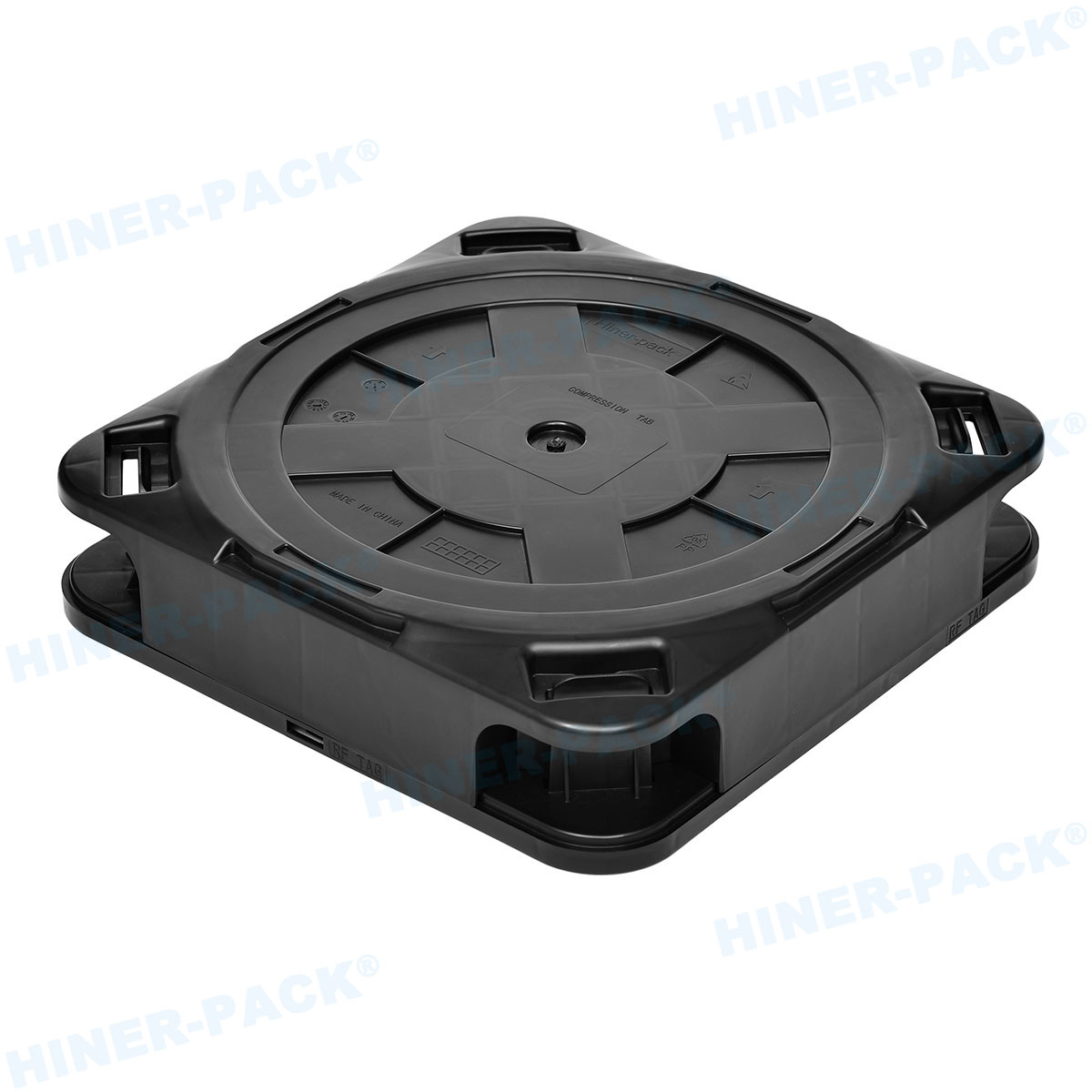
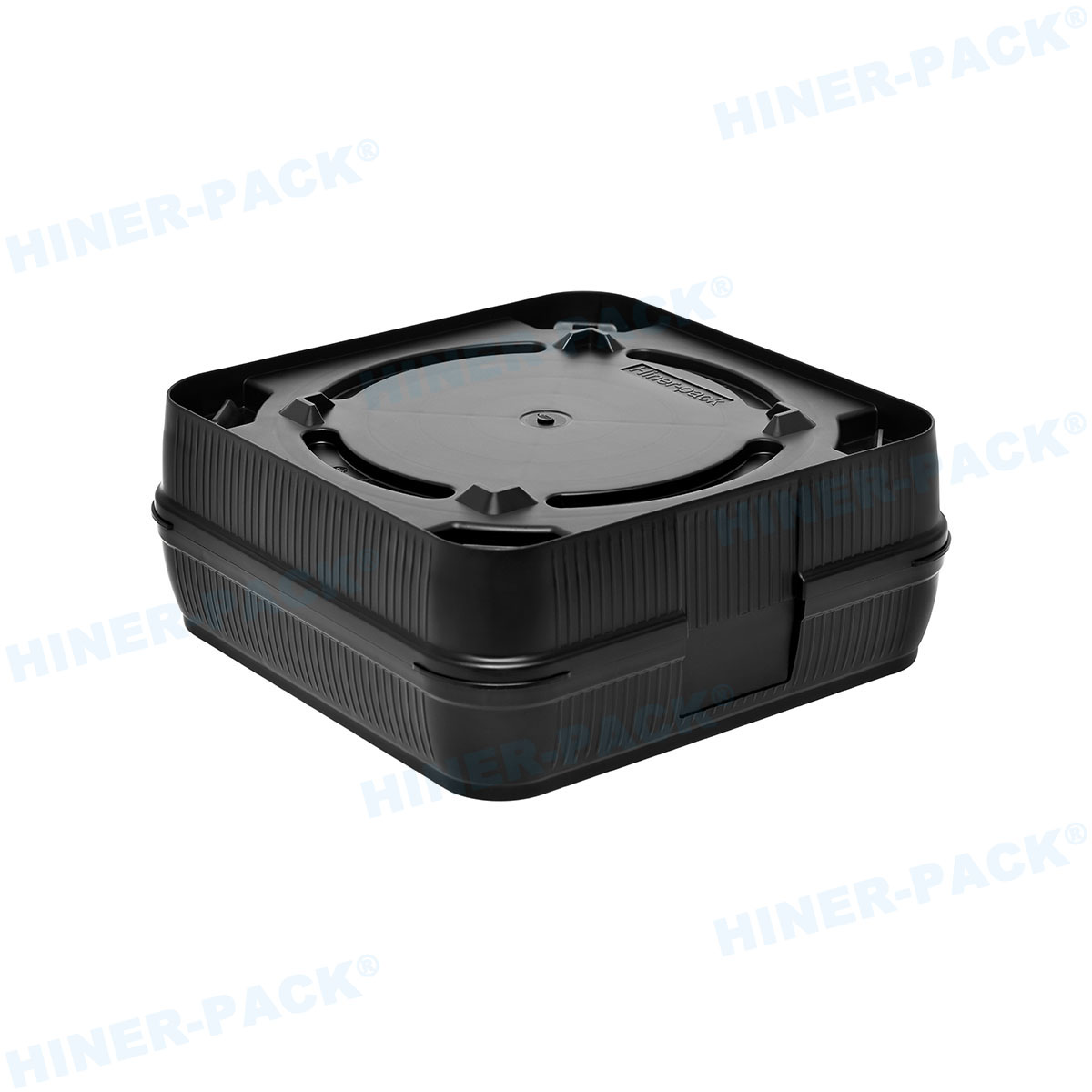
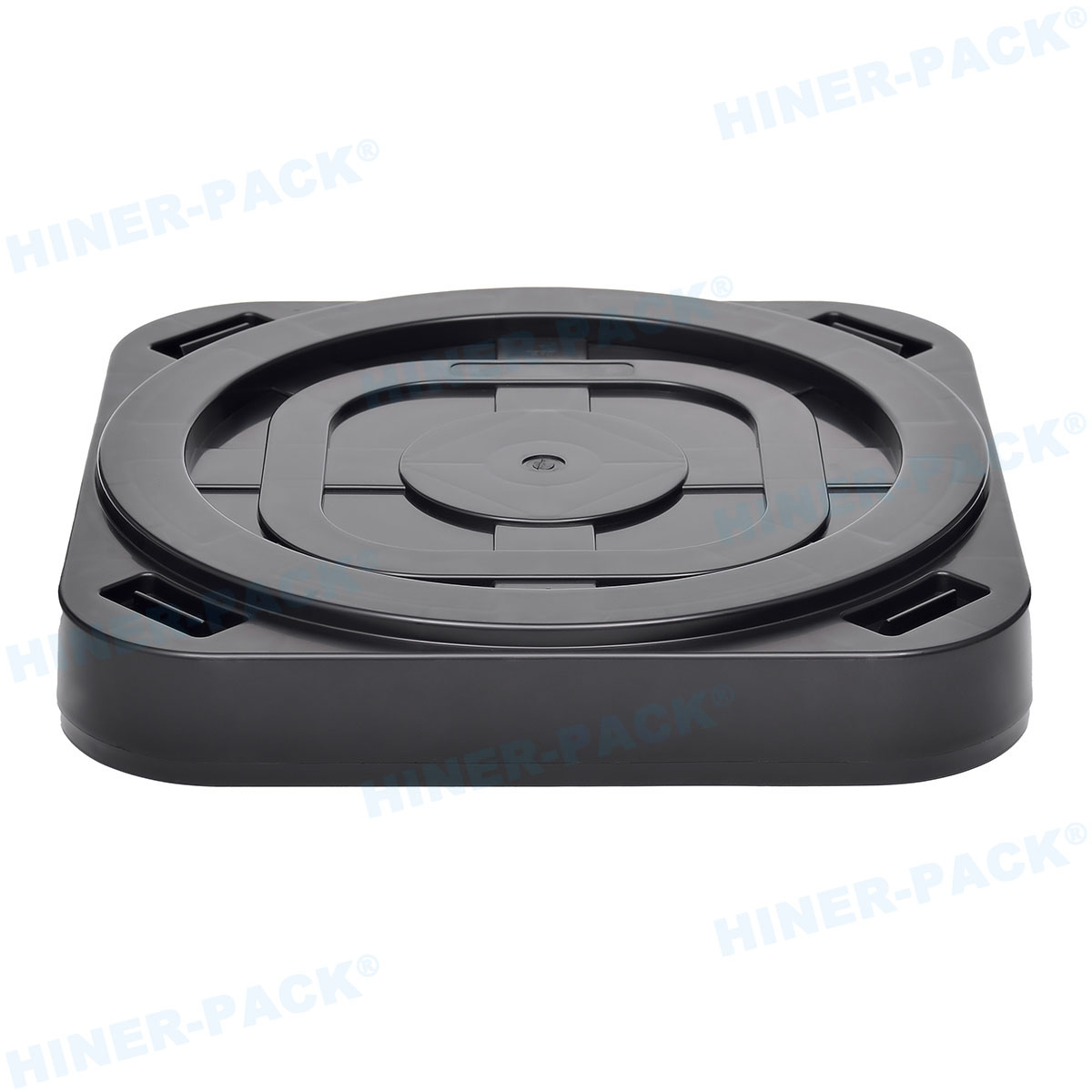
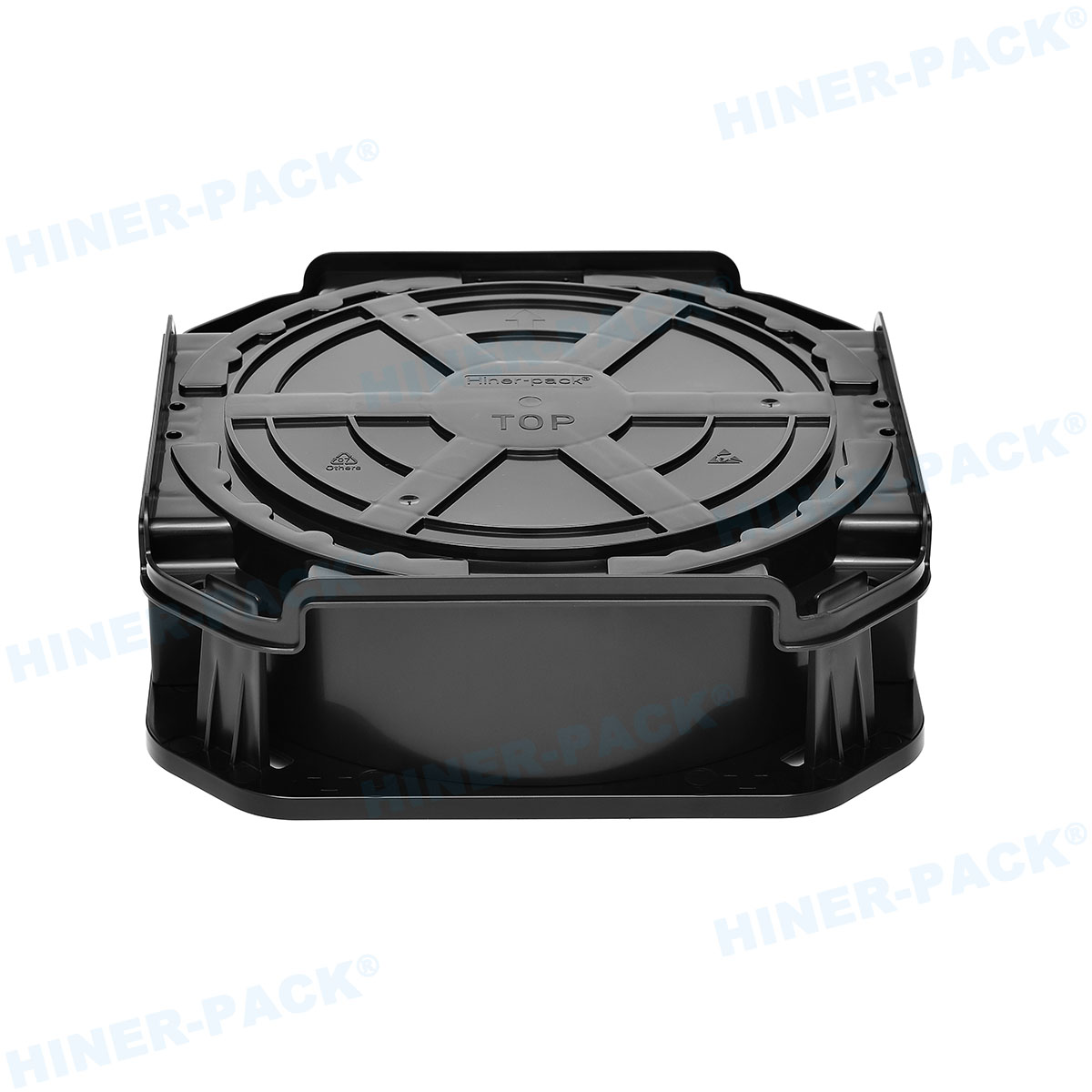
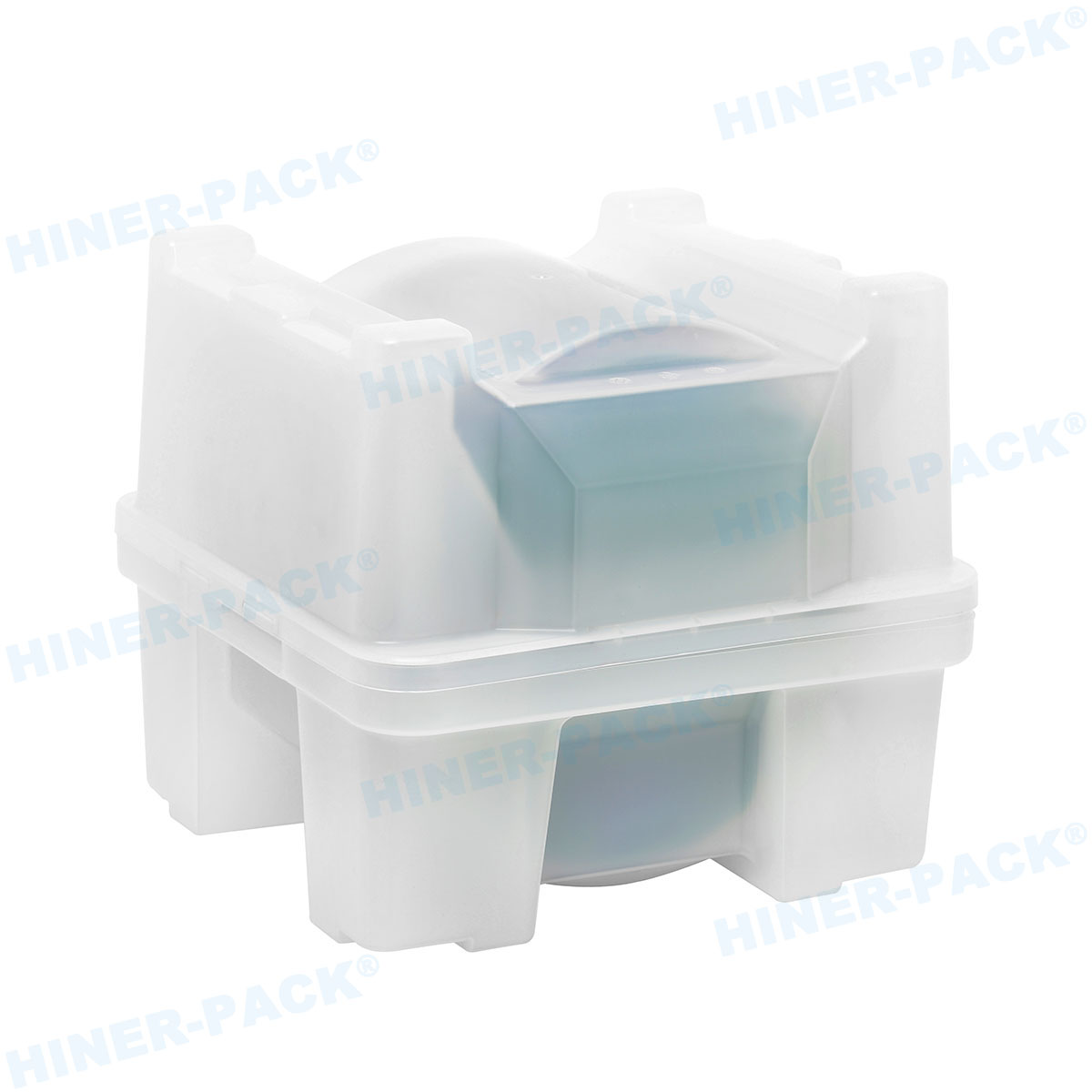
In the semiconductor industry, the safe transport and handling of delicate integrated circuits (ICs) and wafers is paramount. Vibration during shipping and handling poses a significant threat, potentially causing micro-fractures, bond wire fatigue, or latent defects. Implementing effective anti-vibration wafer tray solutions is a critical step in preserving yield and ensuring device reliability from fab to end-user.
The Impact of Vibration on Semiconductor Devices
Vibration is a constant force in logistics, originating from vehicle engines, road irregularities, conveyor systems, and even manual handling. For sensitive semiconductors, the consequences can be severe.
Types of Vibration-Induced Damage
Mechanical Stress: Continuous shaking can stress solder joints, leading to cracking or failure.
Microcracking: In silicon dies or wafers, resonant vibrations can initiate or propagate tiny cracks.
Particle Generation: Abrasion between device leads and tray cavities can generate conductive debris.
Device Shifting: Components can move within their pockets, causing misalignment or bent leads.
Core Principles of Anti-Vibration Tray Design
Effective anti-vibration wafer tray solutions are engineered around specific principles to dissipate or isolate kinetic energy.
Material Damping and Cushioning
The tray material itself plays a crucial role in absorbing vibrations.
Viscoelastic Polymers: Specialized plastics that convert vibrational energy into minimal heat.
Composite Materials: Layers of different materials can disrupt vibration wave transmission.
Flexible Cavity Design: Pocket walls with some compliance can cradle devices without rigid contact.
Mechanical Isolation Features
Design elements that physically separate the device from external vibrations.
Integrated Suspension: Internal structures that allow the device-holding area to float slightly within the tray frame.
Shock-Absorbing Corners: Enhanced material or design at stress points to dampen impacts.
Secure Device Retention
Preventing movement is as important as damping.
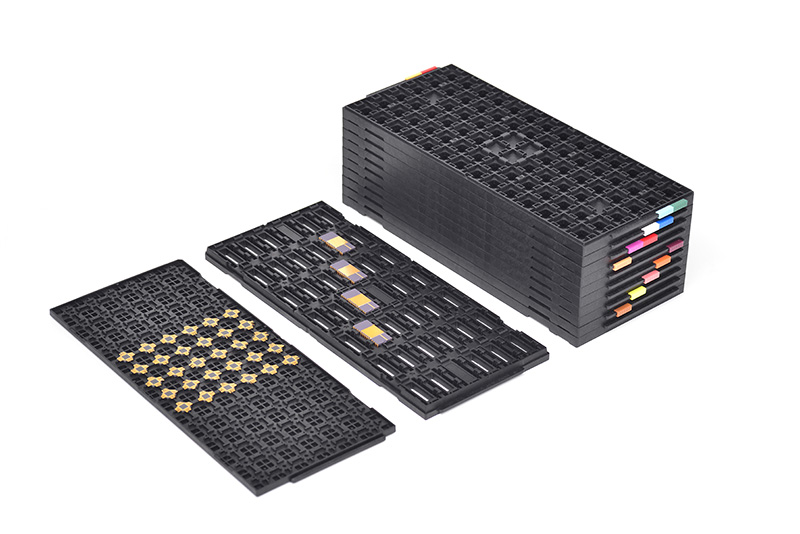
Custom-Formed Pockets: Cavities that match the device footprint precisely, minimizing free space.
Gentle Clamping Features: Soft tabs or lips that hold the device without applying damaging pressure.
Key Material Technologies for Vibration Control
The choice of material is fundamental to achieving both ESD protection and vibration damping.
Static-Dissipative Foams and Composites
These materials combine electrical safety with excellent cushioning properties.
Polyurethane Foams: Can be formulated to specific densities and dissipation properties.
Conductive Elastomers: Provide both ESD safety and high damping coefficients.
High-Damping Thermoplastics
Advanced engineered polymers are designed to reduce vibration transmission.
These materials maintain structural rigidity for stacking while effectively damping mid-to-high frequency vibrations common in transport.
Applications and Integration in the Supply Chain
Anti-vibration trays are deployed at several critical junctures where risk is highest.
Long-Distance and Multimodal Shipping
For air, sea, and road freight where vibration spectra are complex and unpredictable.
Inter-Facility Transport
Moving devices between fabrication, assembly, test, and packaging facilities.
Internal Factory Logistics
On automated guided vehicles (AGVs), conveyors, and during manual transfer between workstations.
Evaluating and Selecting the Right Solution
Choosing the appropriate tray requires a technical assessment of your specific needs.
Vibration Profile Analysis
Understand the specific vibration frequencies and amplitudes in your transport environment through measurement or carrier data.
Device Sensitivity Assessment
Consider the fragility of your components. Larger dies, fine-pitch BGAs, or devices with stacked dies have lower tolerance.
Tray Performance Validation
Look for suppliers that provide or can reference test data. Key tests include:
Random Vibration Testing (per MIL-STD-883 or similar).
Mechanical Shock Testing.
ESD Performance Verification.
Partnering with an experienced supplier like Hiner-pack ensures access to proven anti-vibration wafer tray solutions that have been validated in real-world conditions.
Best Practices for Implementation
Maximizing the benefit of these trays involves proper handling protocols.
Correct Loading: Ensure devices are fully seated in their designated pockets.
Stacking Compliance: Adhere to the manufacturer's maximum stack height to avoid over-compression.
Companion Use: Use trays in conjunction with other protective measures, such as cushioning in outer shipping boxes.
Regular Inspection: Check trays for wear, tear, or permanent deformation that can reduce effectiveness.
As semiconductor devices become more complex and fragile, the risks posed by vibration during logistics grow correspondingly. Proactively implementing specialized anti-vibration wafer tray solutions is a necessary investment to reduce costly damage and returns. By focusing on material science, intelligent design, and rigorous testing, manufacturers can select trays that provide effective damping and secure retention. For reliable, high-performance options that meet stringent industry standards, companies can turn to specialized providers such as Hiner-pack, ensuring their products are protected throughout the global supply chain.
Frequently Asked Questions (FAQs)
Q1: Can standard JEDEC trays provide adequate anti-vibration protection?
A1: Standard JEDEC trays offer basic physical protection and ESD safety but are not specifically engineered for vibration damping. For high-value or sensitive devices, or in harsh transport environments, trays with dedicated anti-vibration design and materials are recommended.
Q2: How do I know if my devices need anti-vibration trays?
A2: Consider anti-vibration solutions if you are shipping sensitive or high-value devices, experiencing an unexplained increase in field failures linked to mechanical stress, or if your logistics route involves known high-vibration segments (e.g., certain air cargo or long-haul trucking).
Q3: Are anti-vibration trays reusable, and how does their performance degrade over time?
A3: Yes, most are designed for multiple uses. Performance can degrade if the damping material becomes permanently compressed (takes a set) or if the tray is physically damaged. Follow the manufacturer's guidelines for lifecycle and inspect trays regularly for signs of wear.
Q4: Do anti-vibration trays require special handling or storage?
A4: They should be stored in a clean, climate-controlled environment away from direct sunlight or extreme temperatures, which can affect material properties. Avoid stacking them beyond their rated height when empty to prevent premature deformation.
Q5: Can anti-vibration trays be customized for non-standard device shapes?
A5: Yes, leading suppliers like Hiner-pack often offer customization. This includes creating custom cavity molds for unique package outlines and tailoring material formulations to target specific vibration frequency ranges relevant to your logistics.