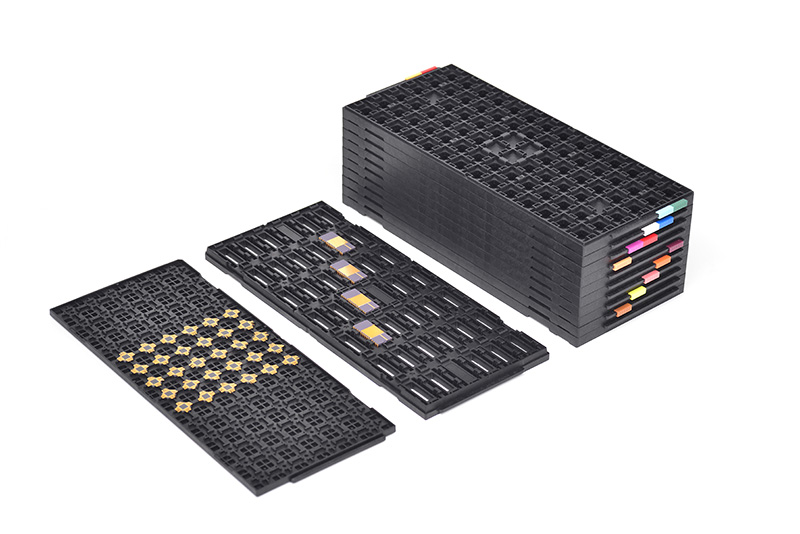
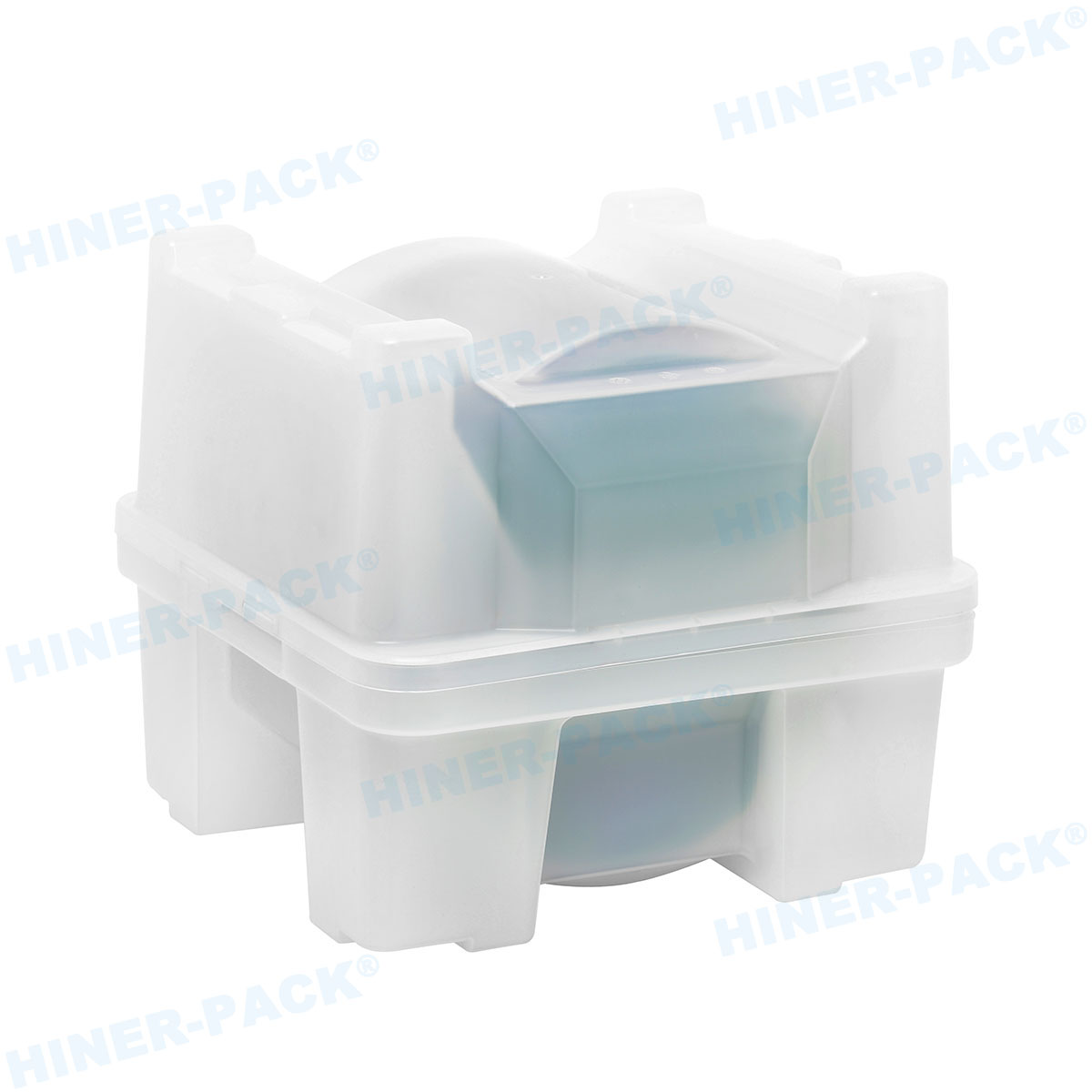
JEDEC trays are indispensable in the semiconductor industry for handling, transporting, and storing integrated circuits. The quality and reliability of these trays directly impact production yield and operational efficiency. Selecting the right partner from the many available JEDEC tray suppliers requires careful consideration. This guide outlines the crucial factors to ensure your supplier meets technical, quality, and logistical demands.
1. Adherence to Standards and Quality Systems
Consistent quality is non-negotiable. Suppliers must demonstrate strict adherence to industry norms.
JEDEC Standard Compliance
Trays must conform precisely to the relevant JEDEC outlines (e.g., MO-048, MO-220).
Dimensional accuracy ensures compatibility with automated handling equipment globally.
Precision in cavity dimensions prevents device movement and damage.
Material and ESD Specifications
Materials must meet exact electrical and physical properties.
Certified static-dissipative or conductive materials to prevent ESD damage.
Consistency in material batches to avoid performance variation.
Reliable JEDEC tray suppliers provide full material traceability and certification.
2. Manufacturing and Technical Capabilities
The supplier's production process determines the final product's reliability.
Injection Molding Expertise
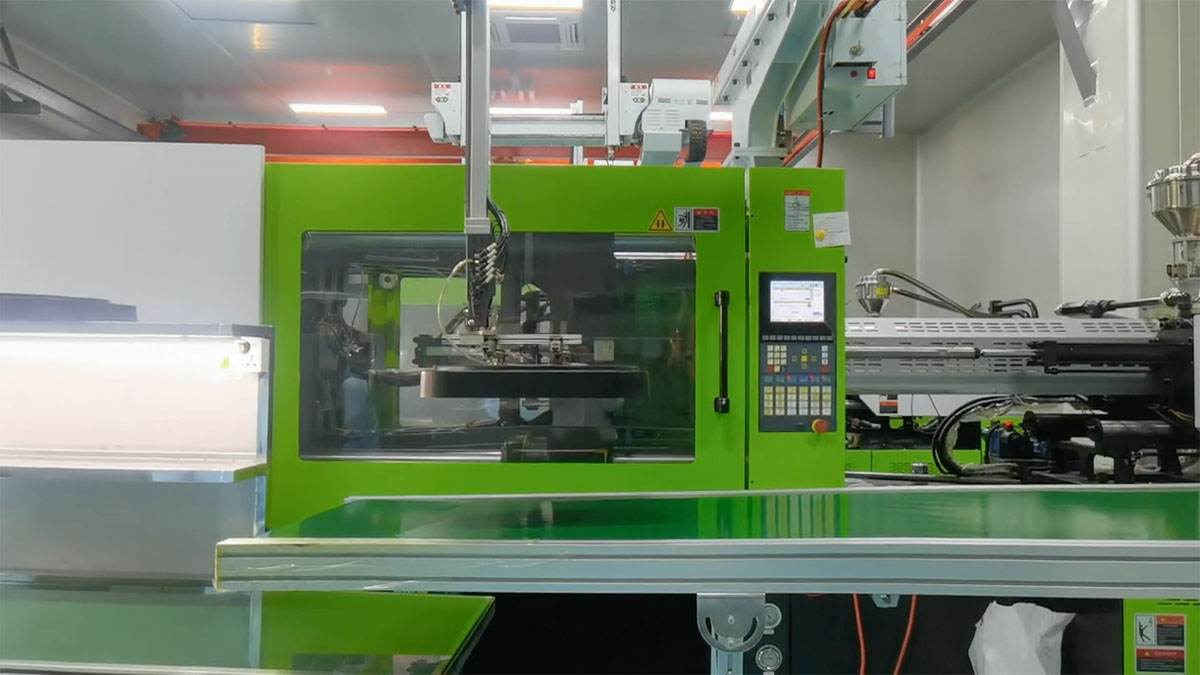
High-precision molding is essential for complex tray geometries.
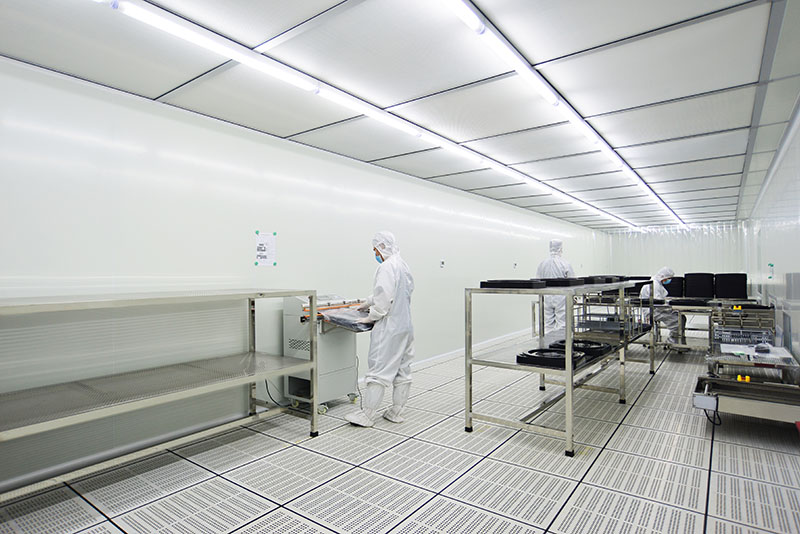
Cleanroom or controlled environment molding minimizes particulate contamination.
Advanced tooling with tight tolerances for features like interlocking stack posts.
In-House Quality Control
Robust inspection processes should be integrated into manufacturing.
Use of coordinate measuring machines (CMM) for dimensional verification.
Regular ESD resistance testing and visual inspections.
3. Supply Chain Stability and Scalability
A supplier must be a reliable partner that can support your production volume.
Production Capacity and Lead Times
Evaluate if the supplier can meet both current and forecasted demand.
Consistent ability to fulfill large and rush orders.
Transparent lead times and on-time delivery history.
Raw Material Sourcing
A stable supply of high-grade polymers is critical.
Relationships with reputable raw material producers.
Contingency plans for supply chain disruptions.
4. Cost Structure and Value Analysis
Price is important, but total cost of ownership (TCO) is the true metric.
Evaluating TCO
Consider factors beyond the unit price per tray.
Durability and reuse cycle count of the tray.
Costs avoided by preventing device damage or line downtime.
Minimum order quantities and logistics expenses.
Pricing Transparency
Clear, consistent pricing without hidden fees builds a trustworthy partnership.
5. Customer Support and Service
Technical and responsive support is vital for resolving issues quickly.
Technical Expertise and Responsiveness
Availability of application engineers to discuss specific needs.
Quick response times for technical inquiries and problem-solving.
Sample Program and Validation Support
A good supplier facilitates a smooth evaluation process.
Willingness to provide samples for testing and qualification.
Support in generating any required compliance documentation.
6. Certifications and Industry Recognition
Formal certifications provide objective evidence of a supplier's commitment to quality.
ISO 9001: Indicates a certified quality management system.
ISO 14001: Demonstrates environmental management commitment.
Industry-Specific Audits: Successful audits by major semiconductor manufacturers are a strong positive signal.
7. Customization and Development Ability
Standard trays may not suit every need. The ability to customize is a key differentiator.
Design and Engineering Support
For non-standard devices or unique process requirements.
In-house design and prototyping capabilities.
Experience in developing trays for new package types.
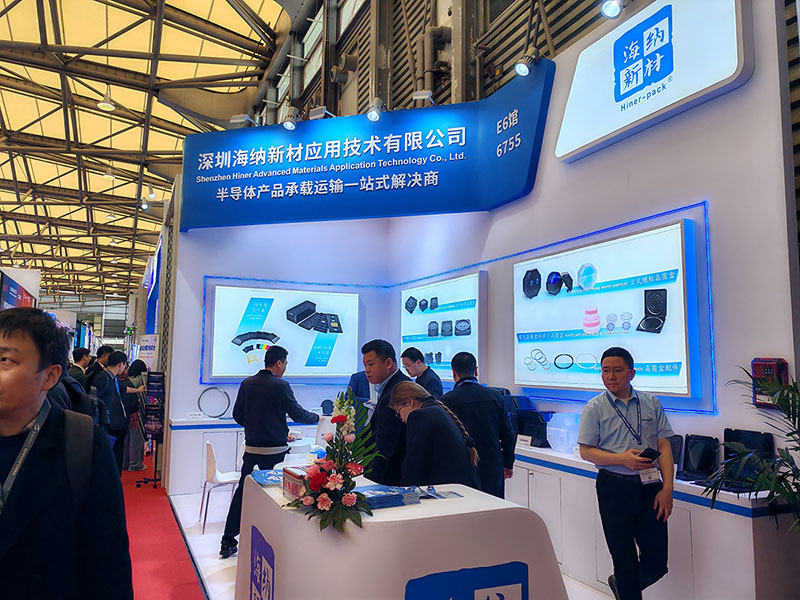
A supplier like Hiner-pack often offers this flexibility alongside their standard product lines, making them a strong candidate among JEDEC tray suppliers.
Choosing among various JEDEC tray suppliers is a strategic decision. By systematically evaluating factors such as quality systems, technical capability, supply chain reliability, and support services, you can select a partner that ensures product integrity and supports seamless manufacturing. Investing time in this selection process mitigates risk and contributes directly to sustained production yield and efficiency.
Frequently Asked Questions (FAQs)
Q1: What is the difference between a major OEM and a specialized third-party supplier for JEDEC trays?
A1: Major OEMs often produce trays as part of a broader portfolio. Specialized third-party suppliers focus exclusively on carrier products. These specialists may offer more competitive pricing, greater flexibility for customization, and deep expertise in tray-specific materials and manufacturing, as seen with suppliers like Hiner-pack.
Q2: How do I validate the quality of trays from a new supplier?
A2: Conduct a thorough qualification. This includes dimensional checks (CMM), ESD performance testing, material certification review, and a real-world production trial. Monitor for particle generation, device damage rates, and handling performance in your automated equipment.
Q3: What are the warning signs of a low-quality JEDEC tray?
A3: Signs include visible flashing or mold lines, inconsistent color (indicating material issues), warping, loose or tight stacking features, and high particle counts upon unpacking. Poor ESD performance, leading to device failures, is a critical functional warning sign.
Q4: Can a supplier's location significantly impact my operations?
A4: Yes. Geographic proximity can reduce shipping costs and lead times, which is crucial for just-in-time manufacturing. However, a distant supplier with a robust global logistics network and regional warehouses can also be highly effective. Evaluate based on total landed cost and reliability.
Q5: What should I expect during the initial inquiry and sample request process?
A5: A professional supplier will ask detailed questions about your device package type (JEDEC outline), required material specifications (ESD level), volume needs, and application. They should provide clear data sheets and willingly send samples for your evaluation, typically with a reasonable lead time.