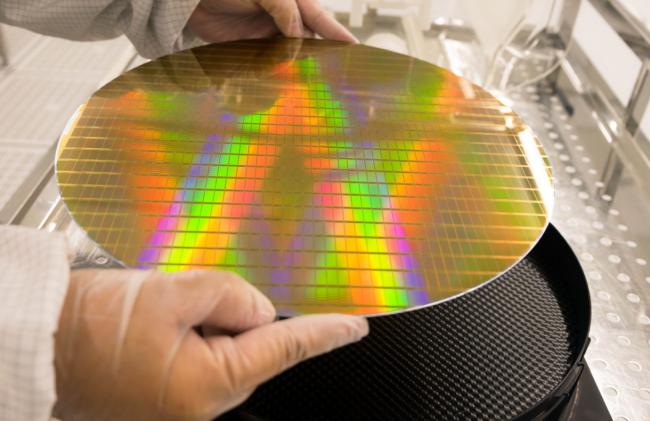
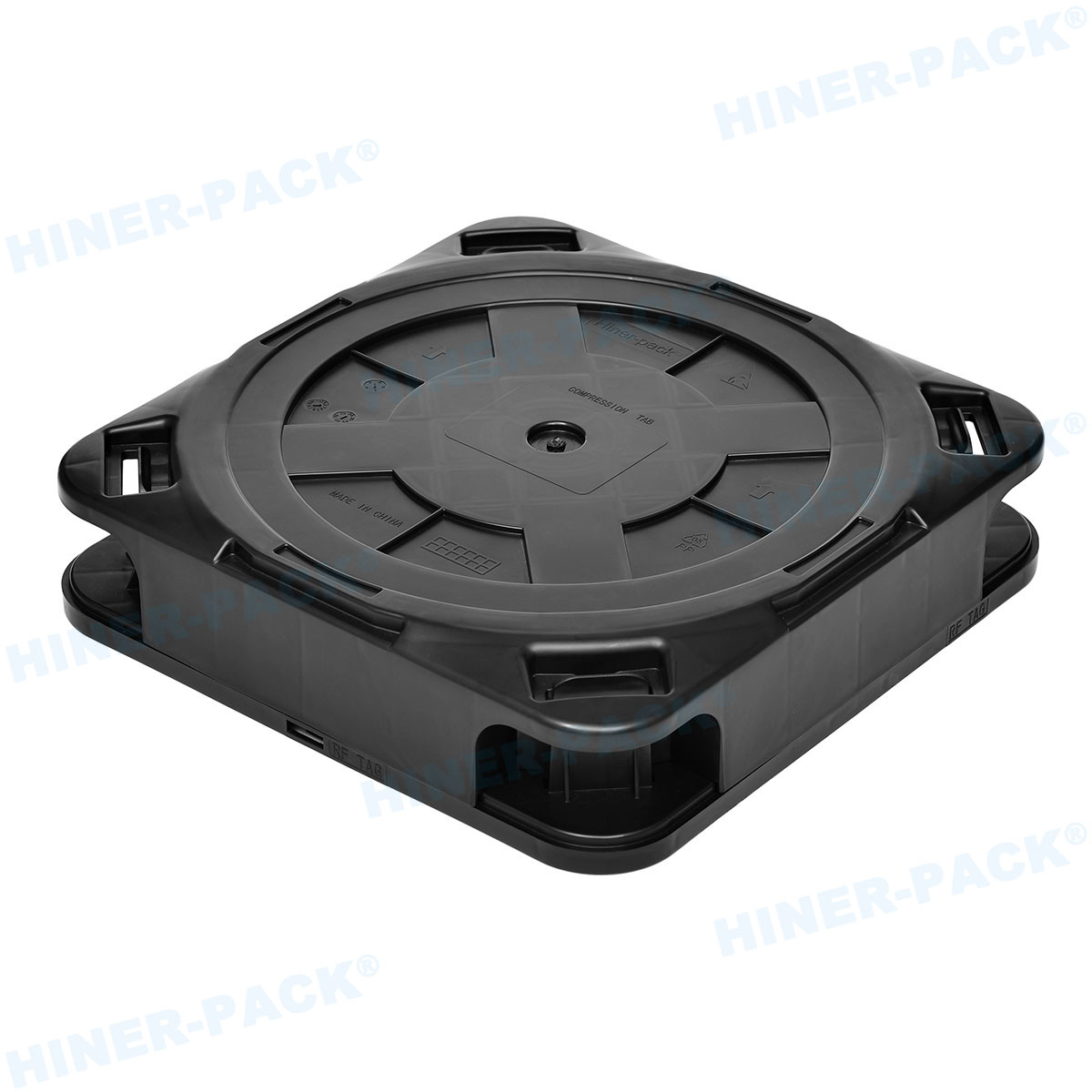
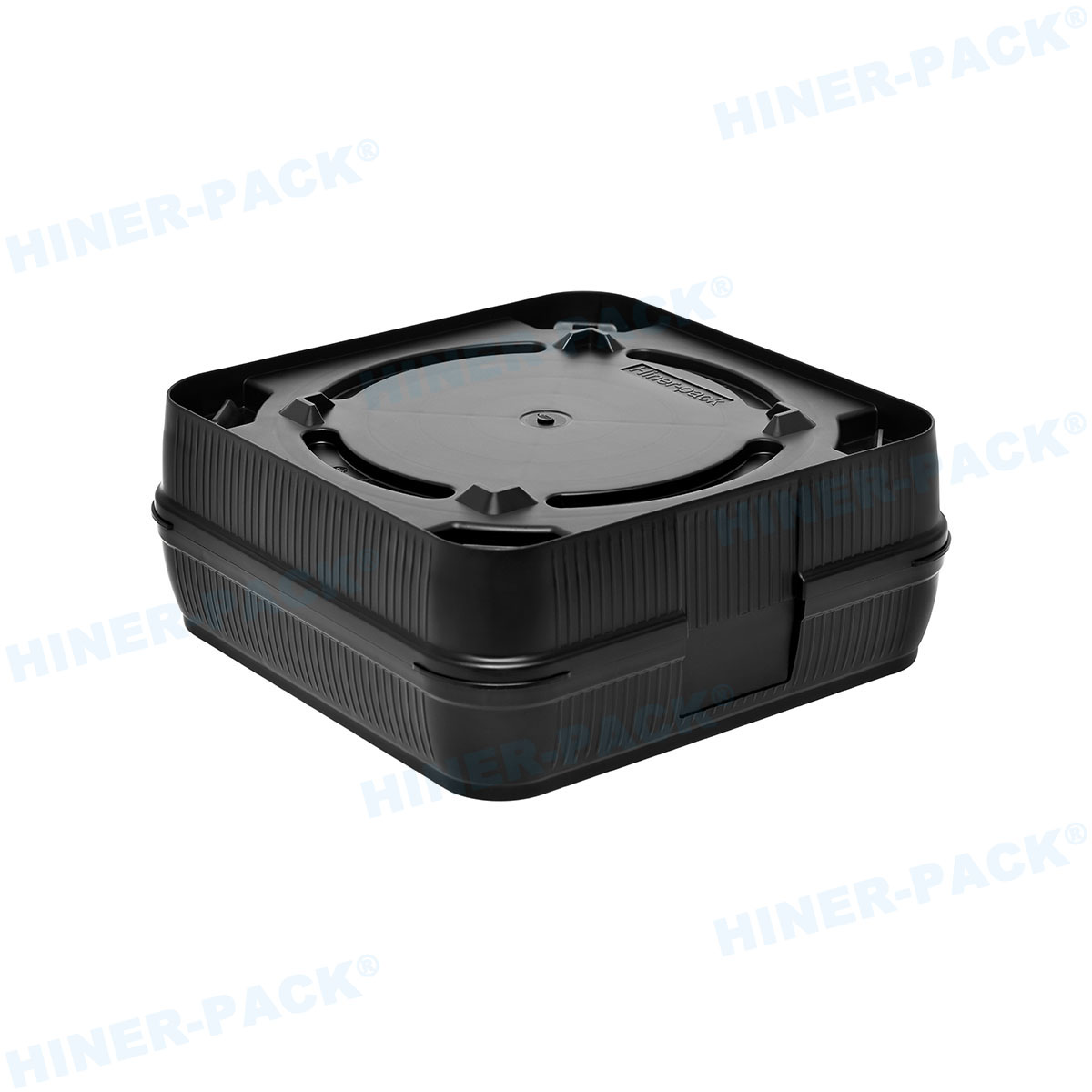
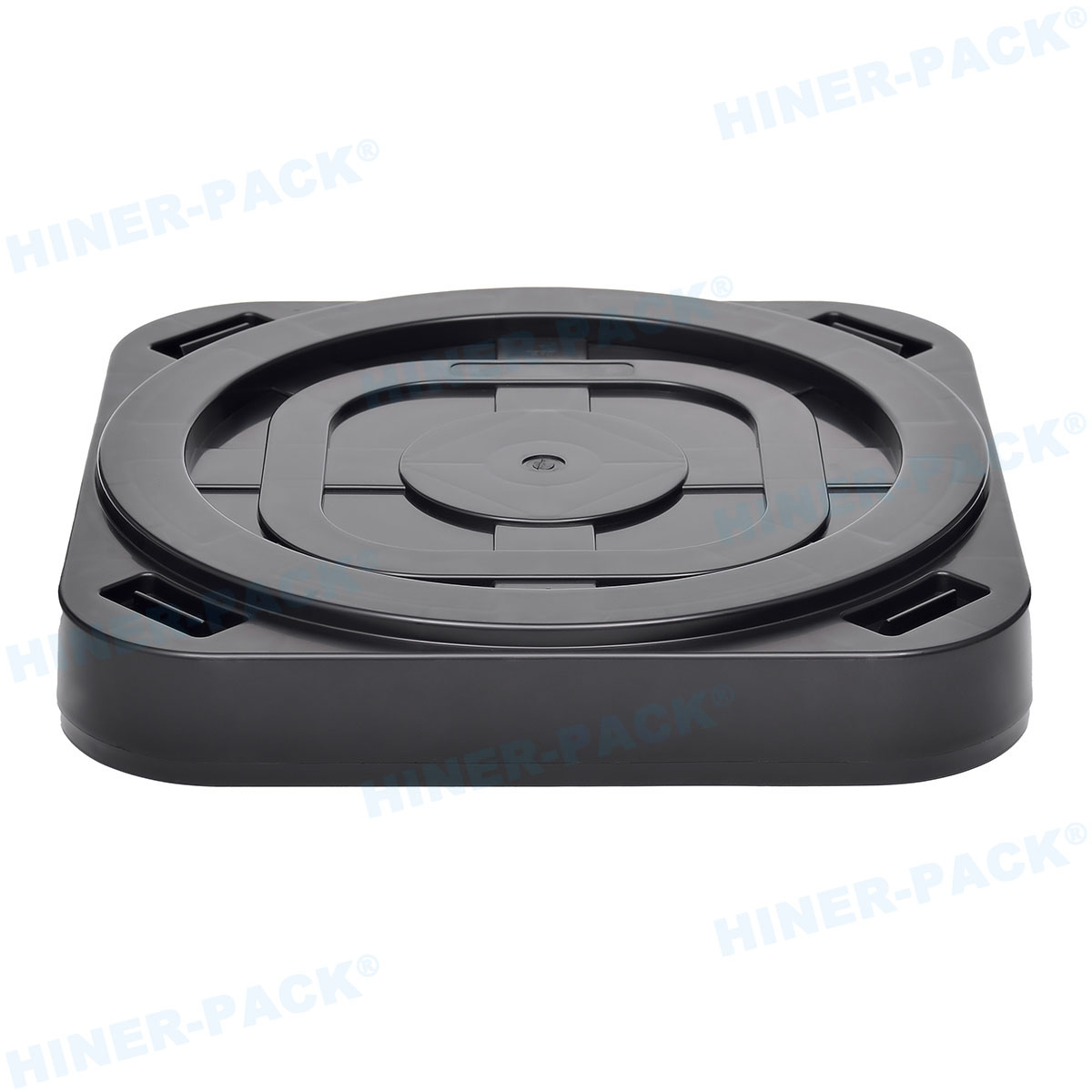
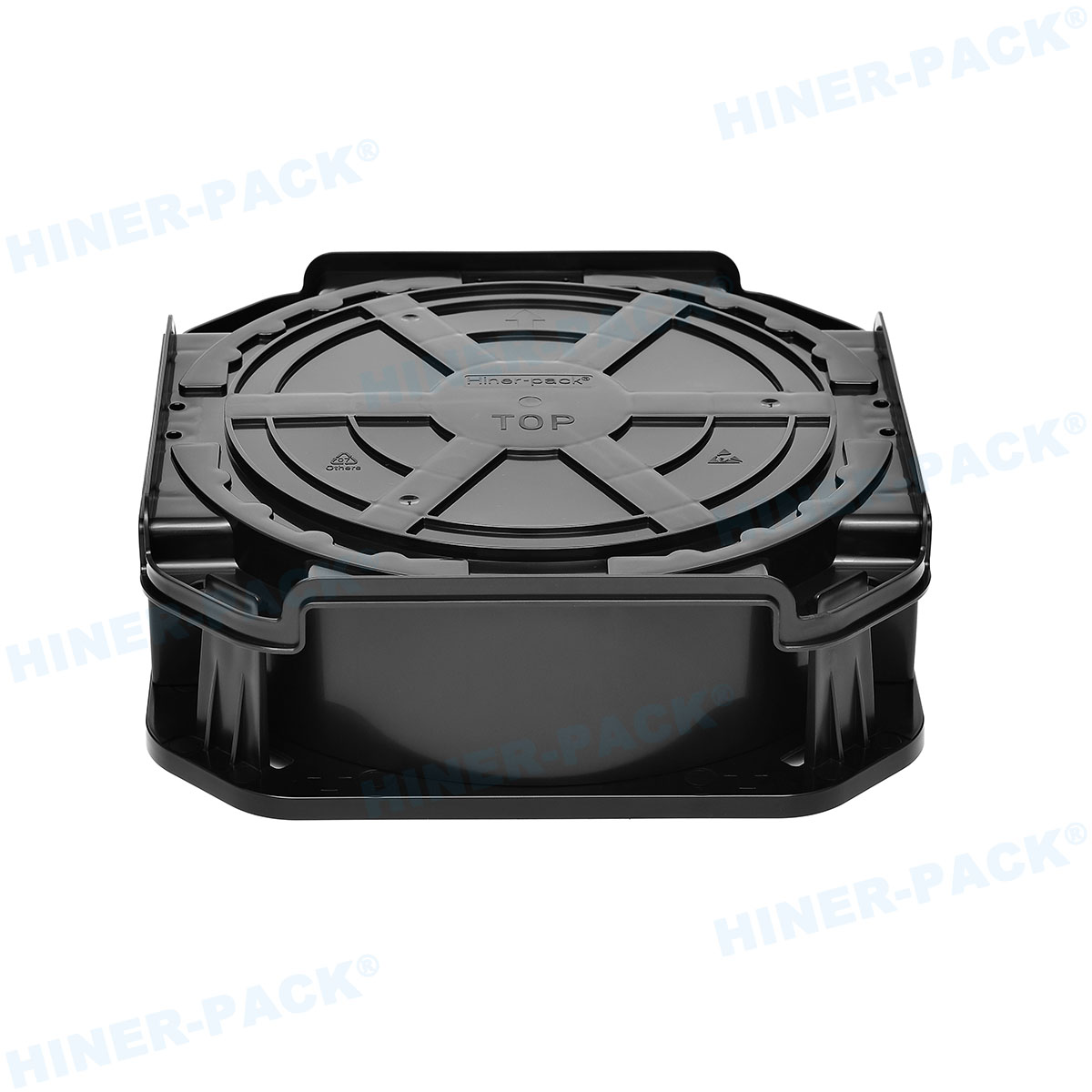
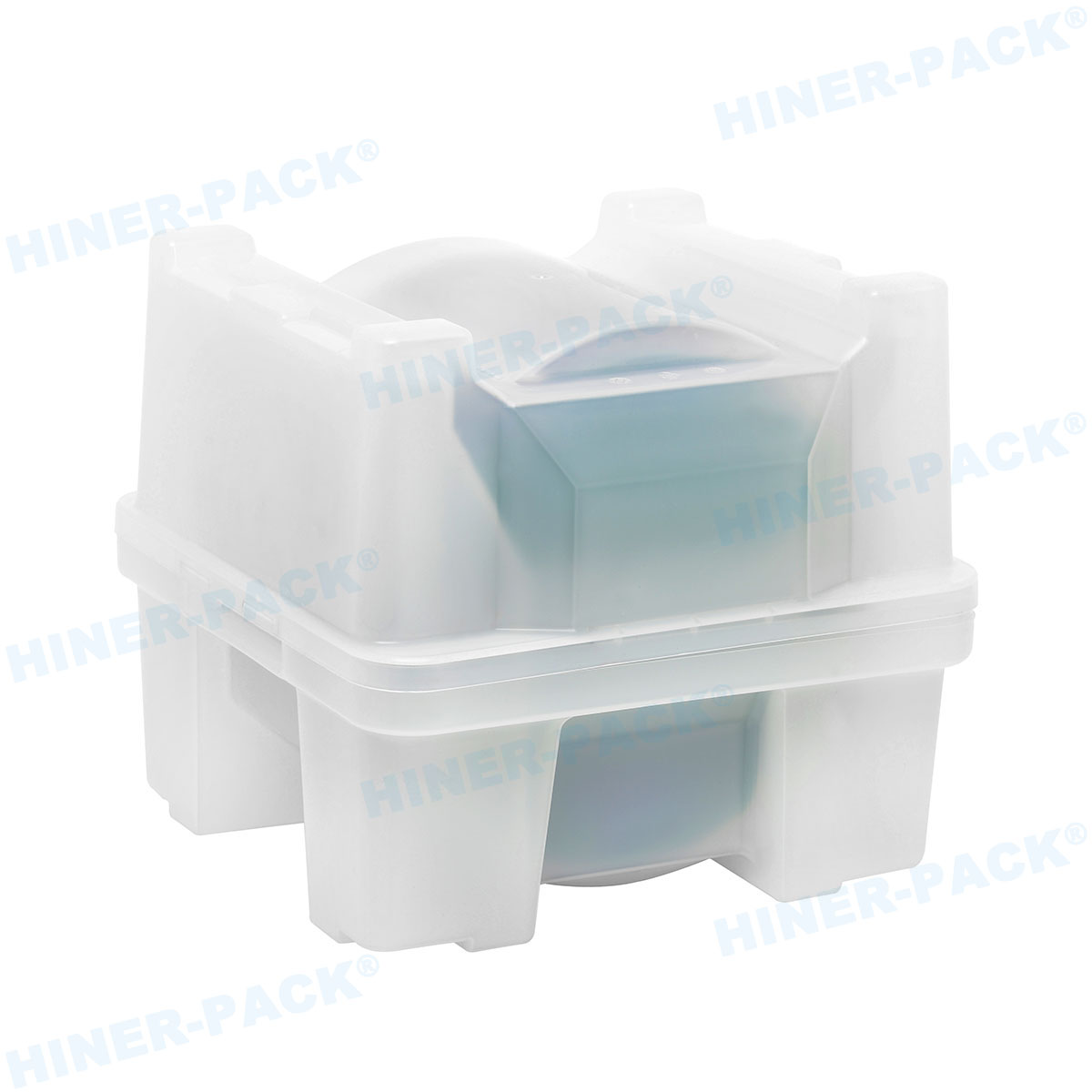
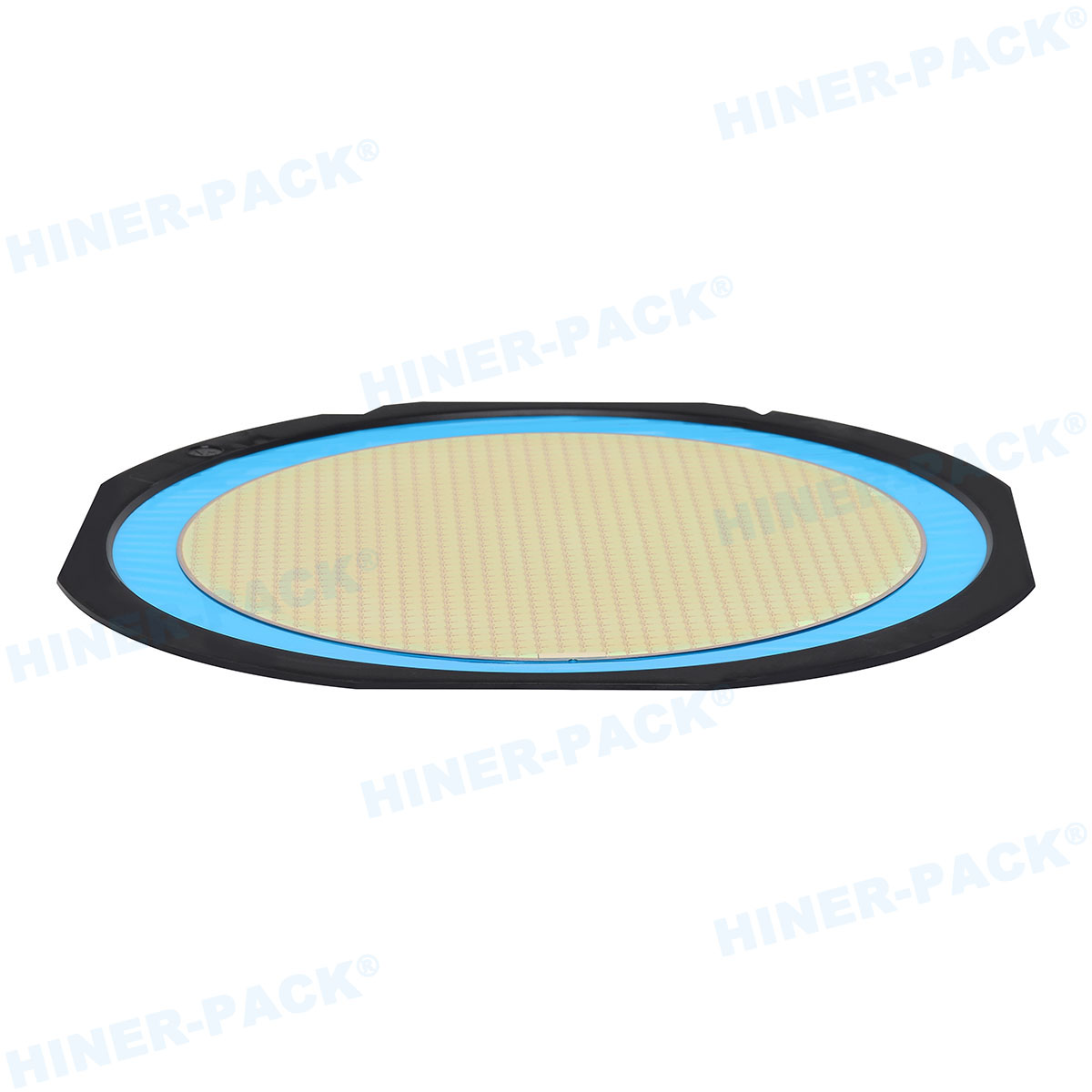
In the precision-driven field of semiconductor fabrication, the secure transport of silicon substrates is a primary concern for yield management. The silicon wafer, often carrying thousands of microscopic circuits, is vulnerable to mechanical shock, electrostatic discharge, and molecular contamination. Therefore, the selection of transport containers is not merely a procurement task but a specialized engineering decision. Understanding the wafer shippers price requires a deep dive into the material science and manufacturing tolerances that these containers must satisfy to meet global industry standards.
As microchip architectures shrink toward sub-5nm nodes, the tolerance for environmental interference reaches near-zero levels. This necessitates advanced packaging solutions that can maintain a controlled micro-environment during international transit. Organizations like Hiner-pack have focused on developing high-purity shipping solutions that address these complex requirements while ensuring mechanical integrity throughout the supply chain.
1. The Role of Material Science in Pricing Structures
The primary driver of the wafer shippers price is the polymer composition used in the molding process. Not all plastics are suitable for semiconductor environments. The industry demands materials that exhibit low outgassing, high chemical resistance, and stable electrostatic properties.
Polypropylene (PP) and Polycarbonate (PC) Applications
Standard transport boxes often utilize high-purity Polypropylene due to its balance of flexibility and chemical inertness. However, for more demanding applications where transparency and impact resistance are required, Polycarbonate is the preferred choice. The procurement of medical-grade or electronic-grade resins increases the raw material investment, which is reflected in the final market valuation. These polymers must be free from heavy metals and halogens to prevent any potential leaching onto the silicon surface.
Carbon-Filled Resins for ESD Protection
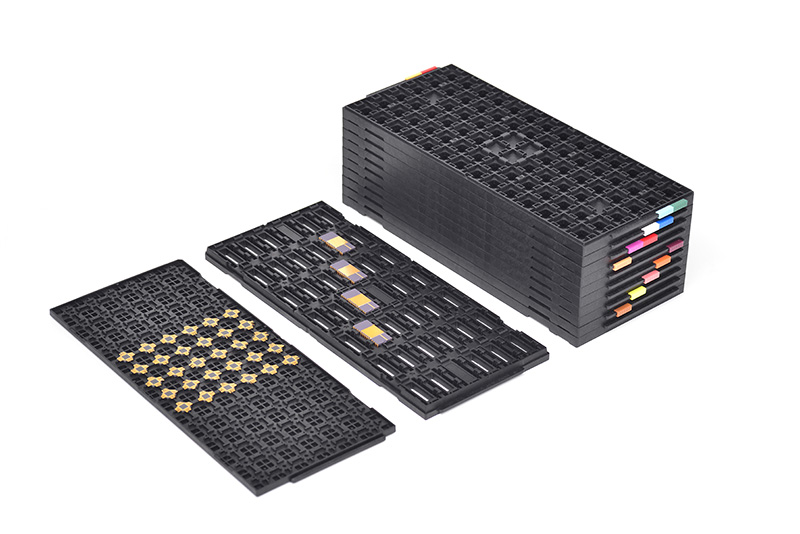
Electrostatic Discharge (ESD) is a silent threat to semiconductor yield. To mitigate this, manufacturers integrate conductive or dissipative carbon additives into the polymer matrix. This specialized engineering ensures that the surface resistivity remains within the requisite range of 10^4 to 10^9 ohms per square. The precision required to achieve a uniform distribution of carbon particles throughout the container walls significantly influences the wafer shippers price, as any "hot spots" in resistivity can lead to catastrophic component failure.
2. Engineering Design and Mechanical Dampening Systems
The structural architecture of a wafer shipper is designed to counteract the physical stresses of global logistics. This includes vibration during air transit and sudden G-force impacts during ground handling. A robust design must prevent the wafer from shifting within its slot, which would otherwise lead to edge chipping or surface scratching.
Horizontal vs. Coin-Style Architecture
Multi-Wafer Horizontal Shippers: Designed for high-volume transport, these containers utilize internal combs or "teeth" to keep wafers separated. The precision of these molds must be within microns to accommodate various wafer thicknesses and prevent rattling.
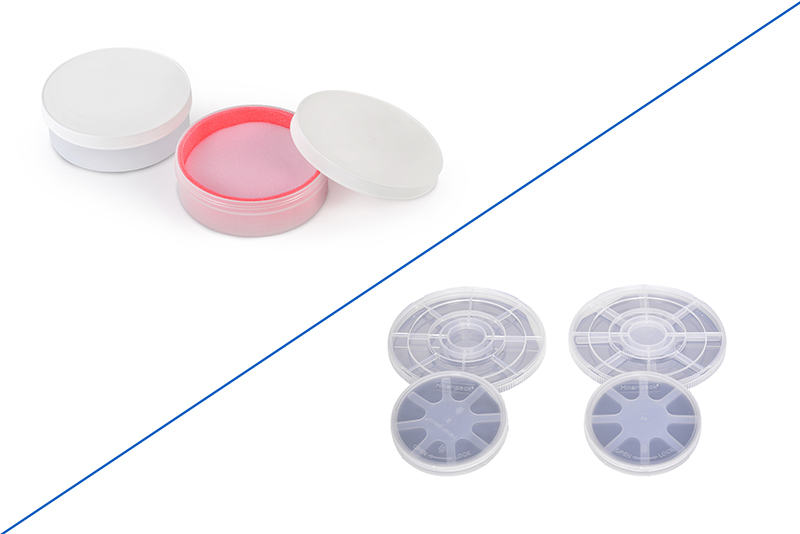
Single-Wafer Coin Shippers: Often used for high-value compound semiconductors like Gallium Nitride (GaN) or Silicon Carbide (SiC), these provide a secure, individualized environment. The complexity of the screw-down or snap-fit lid mechanism plays a role in the wafer shippers price.
Cushioning and Separation Material
To further protect the delicate surface of the wafer, specialized interleaf materials or cushions are often employed. These materials must be high-purity, lint-free, and antistatic. The integration of these secondary components requires rigorous testing to ensure they do not introduce particles or volatile organic compounds (VOCs) into the sealed environment. Hiner-pack emphasizes the use of specialized elastomer cushions that provide superior shock absorption without compromising the cleanliness of the container.
3. Contamination Control and Cleanroom Manufacturing Standards
Semiconductor wafers are highly sensitive to Airborne Molecular Contamination (AMC) and particulate matter. Therefore, the environment in which the shippers are produced is a fundamental factor in the wafer shippers price. A container that is molded and packaged in a standard industrial facility is unsuitable for high-end semiconductor use.
ISO Class Cleanroom Requirements
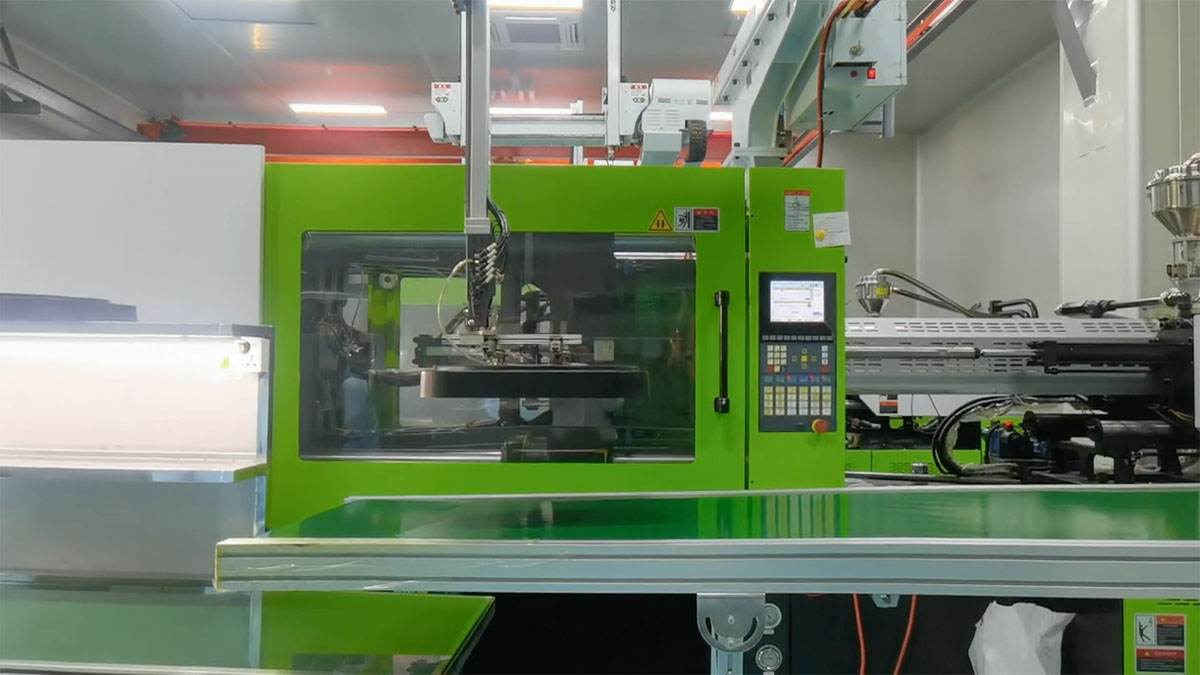
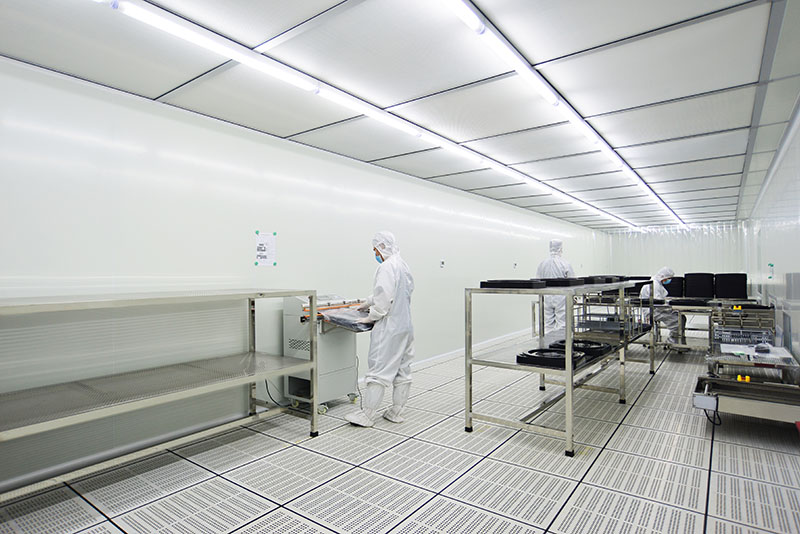
Top-tier shippers are manufactured in ISO Class 5 or Class 6 cleanrooms. This ensures that the containers are "clean-out-of-the-box," reducing the need for extensive pre-washing by the end-user. The operational overhead of maintaining these ultra-clean environments—including high-frequency HEPA filtration, specialized garment protocols, and deionized water systems for cleaning—contributes to the overall valuation of the product.
Outgassing and Haze Prevention
When wafers are stored for extended periods, the risk of "haze" formation due to outgassing increases. Specialized low-outgassing materials are engineered to minimize the release of molecules that could condense on the wafer surface. Testing for these properties requires advanced gas chromatography and mass spectrometry (GC-MS), adding a layer of quality assurance that differentiates professional-grade shippers from low-cost alternatives.
4. Compatibility with Automated Fab Infrastructure
The transition toward Industry 4.0 and fully automated fabs has standardized the physical requirements for wafer handling. Shipping boxes must be compatible with Equipment Front End Modules (EFEM) and robotic vacuum wands. This standardization is governed by SEMI (Semiconductor Equipment and Materials International) guidelines.
SEMI Standard Compliance
Adherence to SEMI standards—such as M1 for wafer dimensions and various standards for carrier geometry—ensures that the shipping containers can be seamlessly integrated into automated sorting and inspection lines. The investment in high-precision molds that meet these global specifications is a significant factor. Containers that fail to meet these tolerances can cause robotic handling errors, leading to line stoppages and potential hardware damage.
By providing products that strictly follow these dimensions, Hiner-pack ensures that their solutions are ready for immediate deployment in advanced manufacturing facilities globally. The reliability of these dimensions is a pivotal component of the wafer shippers price, as it guarantees operational continuity.
5. Longevity and Multi-Cycle Usage
While the initial procurement focus is often on the immediate cost, the durability of the shipper determines its long-term utility. High-quality shippers are designed to be washed and reused across multiple shipping cycles. This requires materials that can withstand the chemical stress of industrial surfactants and the thermal stress of drying processes without losing their structural or ESD properties.
Abrasion Resistance: The internal slots must resist wear even after repeated loading and unloading of wafers.
Structural Rigidity: The container must not warp or deform over time, as this would compromise the seal integrity and robotic compatibility.
Environmental Stability: The ability to maintain protection levels across varying temperatures and humidity levels during international logistics is a hallmark of a high-performance shipping solution.
Prioritizing Quality in Semiconductor Logistics
The evaluation of wafer shippers price must be approached through the lens of risk mitigation. In an industry where a single contaminated lot can represent a loss of millions of dollars, the shipping container is a necessary safeguard. From the selection of carbon-loaded polymers to the precision of SEMI-compliant molding, every aspect of these shippers is engineered to protect the most valuable assets in the microelectronics supply chain.
As the sector continues to evolve with the rise of AI, 5G, and automotive electronics, the demand for high-integrity transport solutions will only grow. Selecting a partner that understands the nuance of contamination control and mechanical protection is a crucial step for any semiconductor manufacturer or assembly house.
Are you looking to optimize your wafer logistics with high-purity, engineered shipping solutions? Contact our specialized team today to receive a detailed quotation and technical consultation tailored to your specific substrate requirements.
Frequently Asked Questions (FAQ)
Q1: What is the main factor that causes variations in wafer shippers price between different suppliers?
A1: The most significant factors are the grade of the raw polymer, the cleanroom classification used during manufacturing, and adherence to SEMI standards. Higher-purity materials with documented low-outgassing properties and ESD-stable additives naturally command a higher market value due to the specialized manufacturing processes involved.
Q2: Can I use standard plastic boxes for transporting 300mm wafers?
A2: No. 300mm wafers are extremely heavy and fragile. They require specific Front Opening Shipping Boxes (FOSB) or specialized horizontal shippers that manage the weight distribution and provide mechanical dampening. Using non-specialized containers risks both physical breakage and chemical contamination.
Q3: How does ESD protection in these shippers degrade over time?
A3: In high-quality shippers where carbon is integrated into the polymer matrix, the ESD properties are typically very stable. However, surface-treated antistatic coatings can wear off or wash away. This is why "permanent" ESD materials are preferred for multi-trip logistics despite the higher initial investment.
Q4: Why is outgassing such a concern for wafer transport?
A4: Outgassing occurs when volatile molecules are released from the plastic container. In a sealed environment, these molecules can deposit onto the wafer, creating a film that interferes with etching or bonding processes. Low-outgassing materials are requisite for maintaining surface energy and cleanliness.
Q5: Are there custom solutions available for non-standard wafer thicknesses?
A5: Yes. While standard wafers follow SEMI specifications, specialized applications like MEMS or thinned wafers for 3D packaging may require custom internal supports or cushions to prevent vertical movement. Manufacturers like Hiner-pack can often provide customized inserts for these specific needs.
Q6: How should wafer shippers be cleaned before reuse?
A6: Shippers should be cleaned using automated ultrasonic systems with deionized water and specialized surfactants. It is crucial to ensure that the drying process does not introduce new particulates and that the temperature does not exceed the polymer’s heat deflection point.