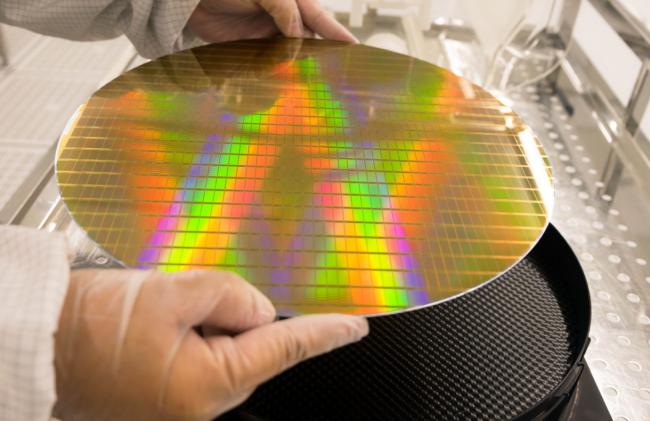
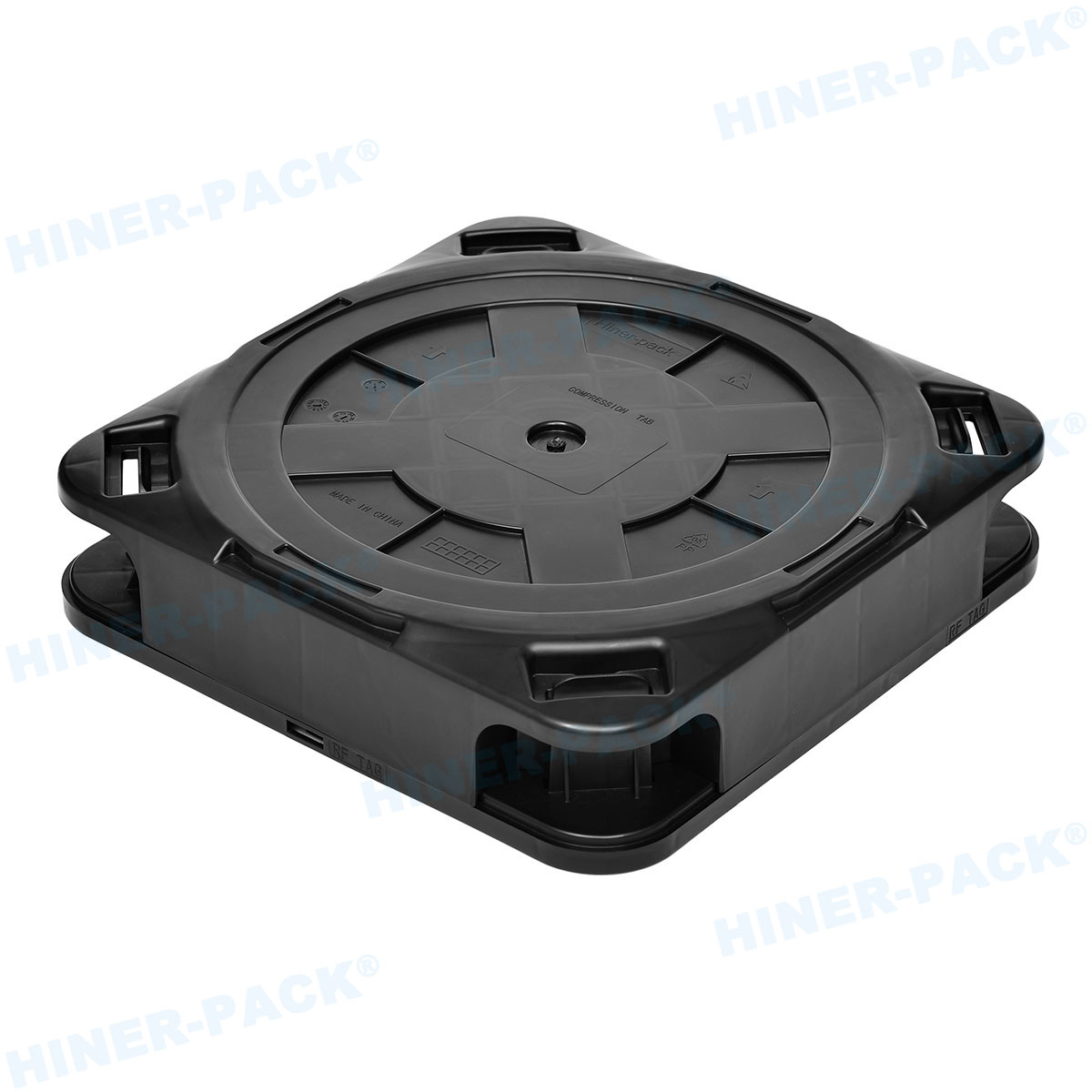
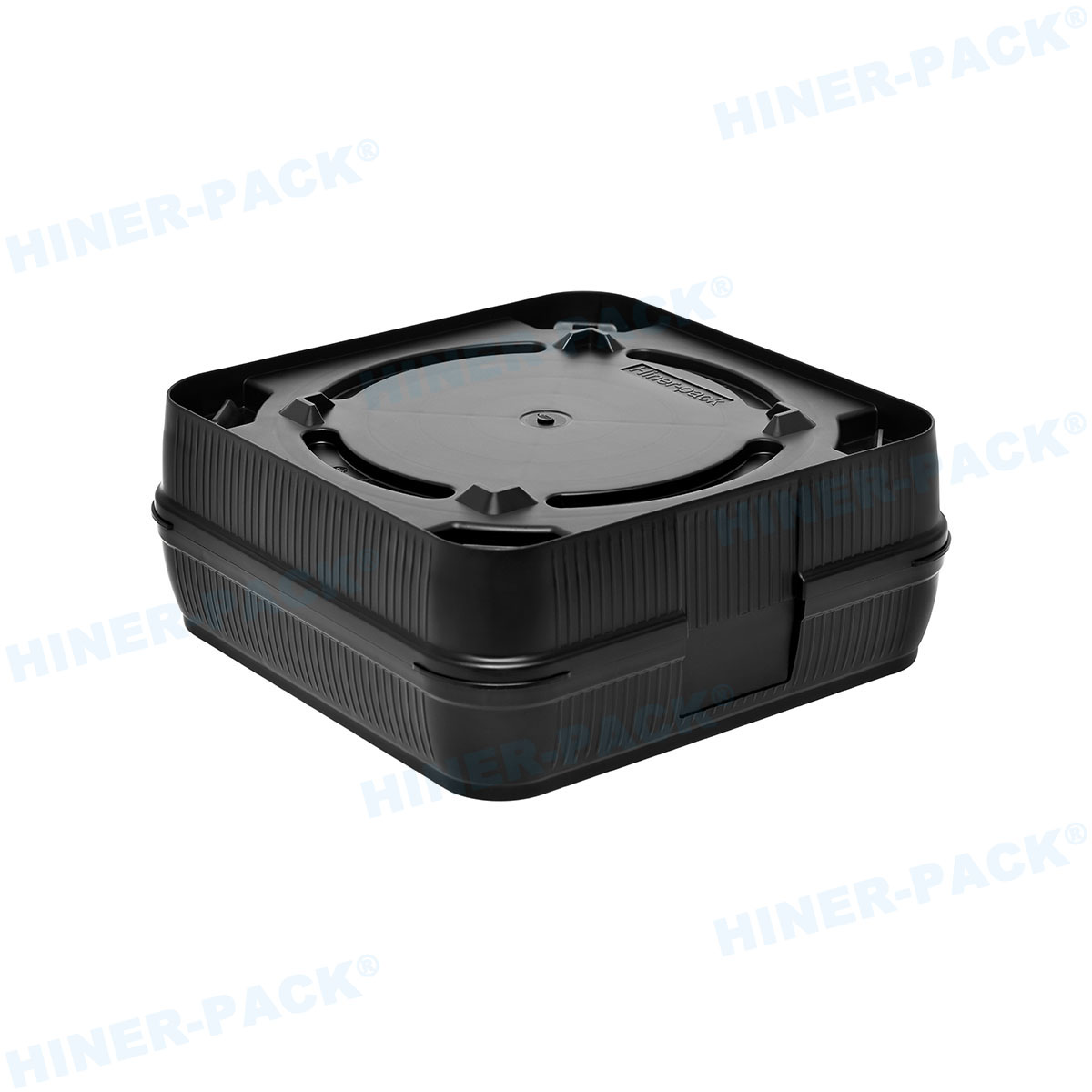
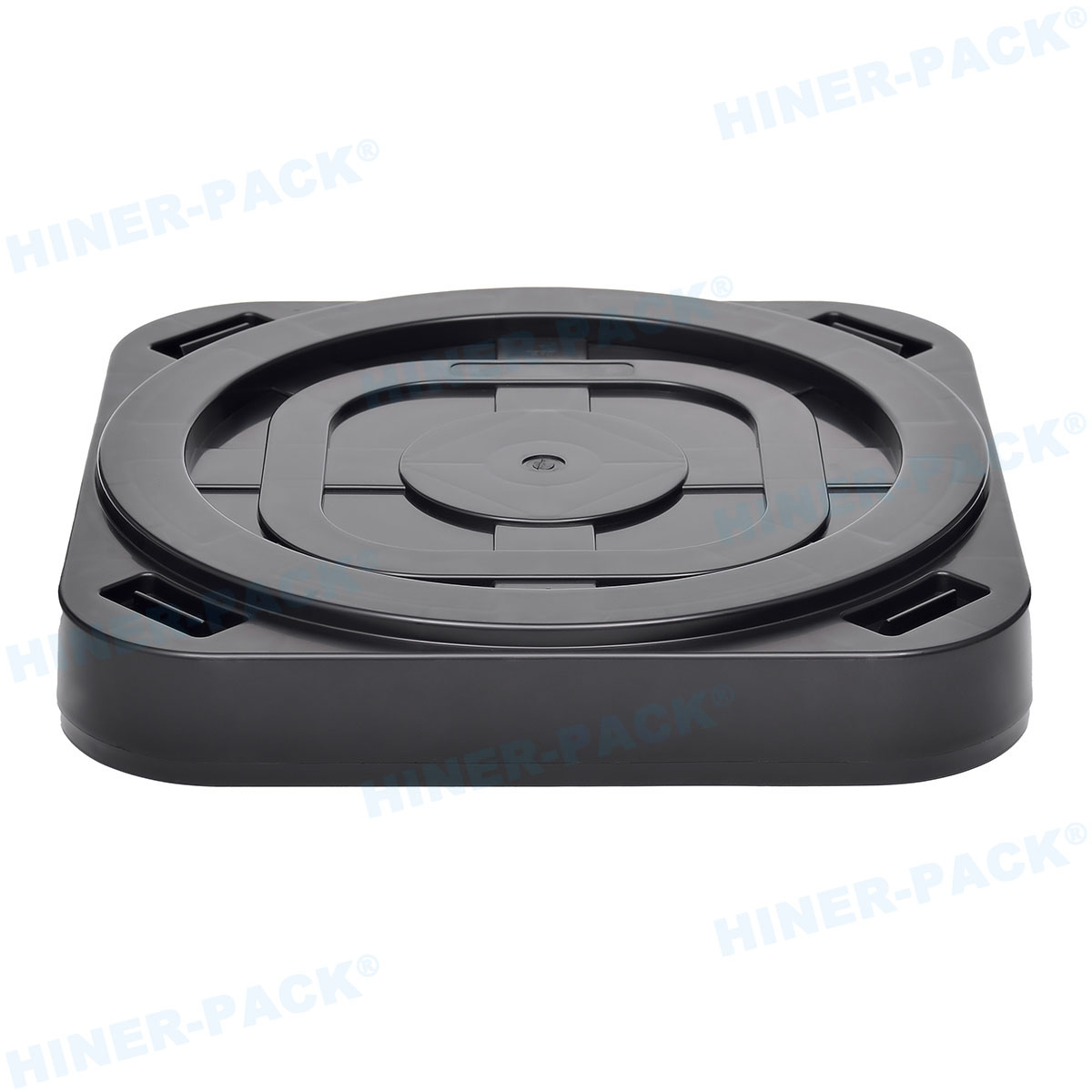
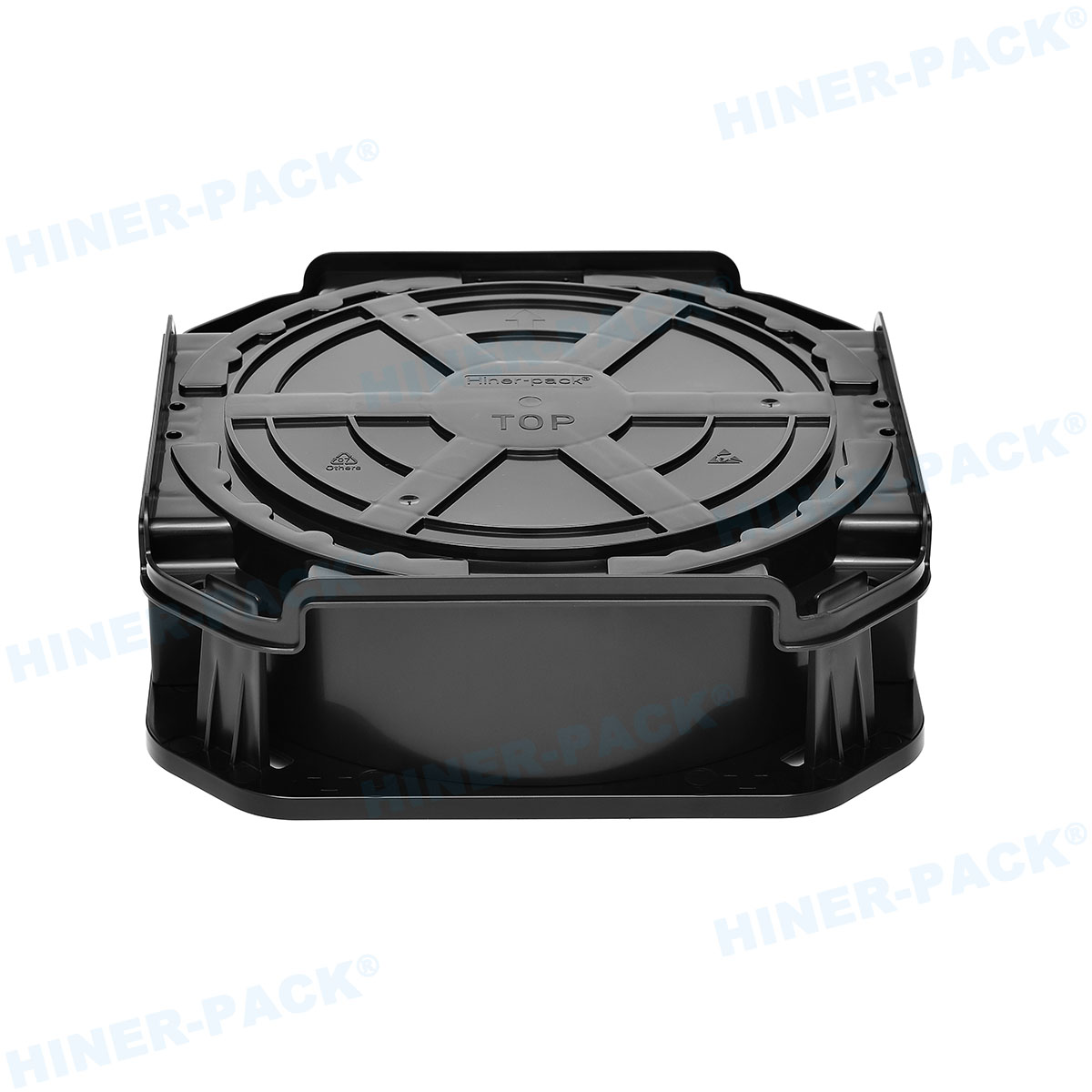
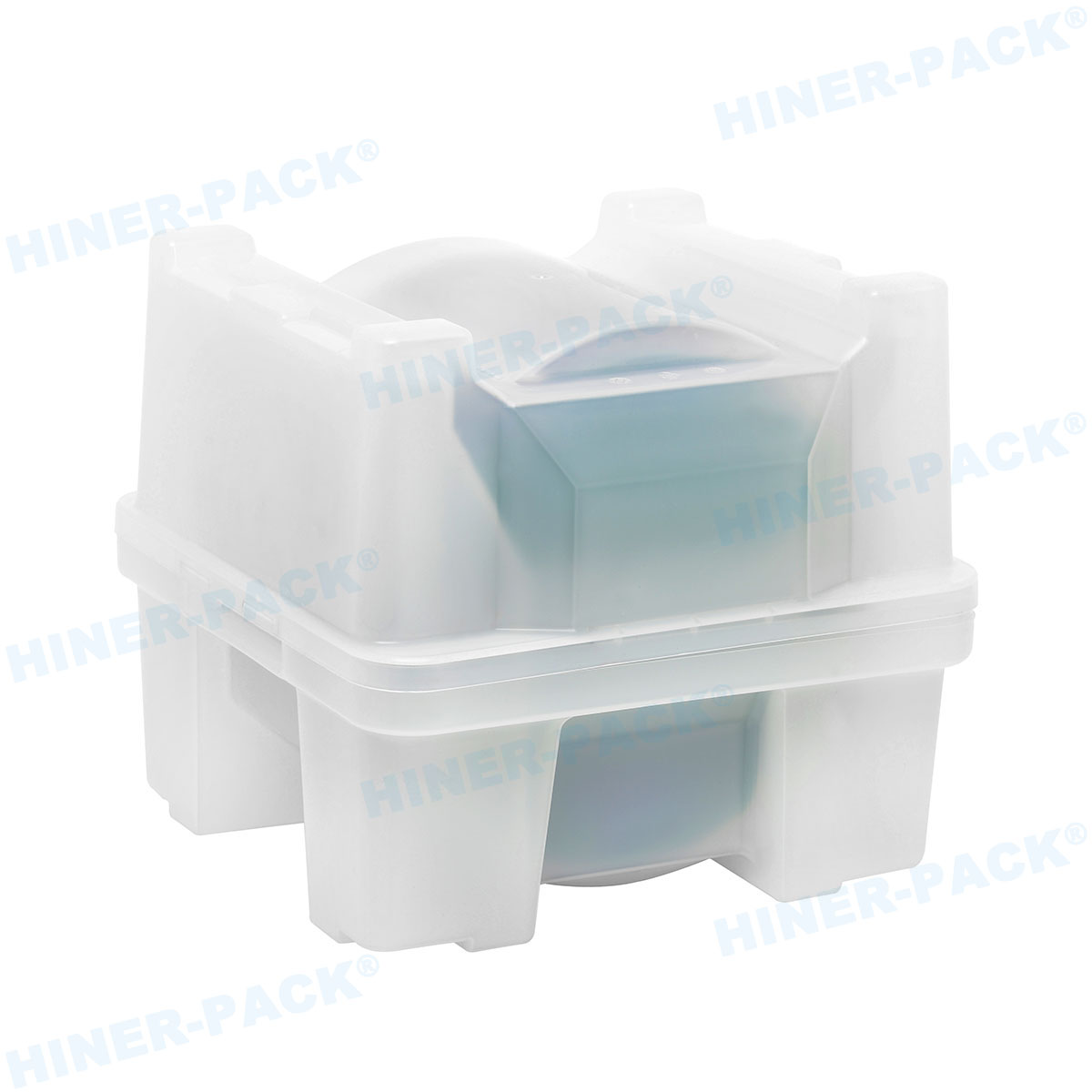
In semiconductor front-end and back-end facilities, the safe transport of bare silicon wafers, bumped dies, or thinned wafers requires purpose‑built packaging. A poorly chosen shipper leads to edge chipping, micro‑cracks, or particulate contamination – all resulting in scrapped devices. Obtaining an accurate wafer shippers quotation involves more than price comparison. Material properties, ESD control, cleanroom certification, and packaging interface matter equally. Hiner-pack supplies engineering‑graded wafer transport systems. This article walks through the factors that influence a wafer shippers quotation and how to match specifications to your process requirements.
Why Standard Shippers Fail – Common Pain Points in Wafer Transport
Even experienced engineers underestimate the mechanical and environmental stresses of inter‑facility or international shipping. The most frequent issues encountered include:
Edge damage: Rigid retention ribs or undersized wafer supports cause chipping during vibration.
Static discharge: Non‑dissipative materials allow charge accumulation, destroying gate oxides on CMOS devices.
Outgassing contamination: Low‑grade polymers release siloxanes or plasticizers that condense on wafer surfaces, altering contact angle and wire bonding adhesion.
Moisture ingress: Non‑sealed shippers allow humidity to corrode exposed aluminum pads or cause delamination in thin‑film stacks.
Incompatibility with automated handling: Shippers without standard flanges or barcode slots disrupt robotic pod openers.
A comprehensive wafer shippers quotation must address these failure modes, not just the box dimensions.
Critical Technical Parameters When Requesting a Wafer Shippers Quotation
When you approach suppliers for a wafer shippers quotation, include the following specifications to ensure apples‑to‑apples comparisons.
1. Wafer Diameter and Thickness Range
150mm (6 inch), 200mm (8 inch), 300mm (12 inch) are standard. Some shippers accommodate 100mm or 450mm.
Thickness: standard 675 µm (150mm), 725 µm (200mm), 775 µm (300mm). Thinned wafers down to 50 µm require additional support (e.g., internal foam or vacuum‑assisted shippers).
2. Material Composition
Polycarbonate (PC): Transparent, impact‑resistant, moderate ESD properties (surface resistivity 10⁶–10⁹ Ω/sq). Suitable for inspection without opening.
Polyetheretherketone (PEEK): High temperature resistance (up to 260°C) and low outgassing. Used for shipping wafers that go directly into high‑temp processes.
Static dissipative ABS or PP: Loaded with carbon or conductive fillers. Permanent ESD protection, but color is opaque black – requires separate window for visual ID.
Perfluoroalkoxy (PFA): Cleanroom compatible, chemical resistant. For wet process transport.
3. ESD Protection Level
Semiconductor devices require packaging that dissipates static charge slowly (surface resistivity between 10⁵ and 10¹¹ Ω/sq) and avoids electrostatic discharge (ESD) above 100 V. Shippers often specify ESD classification per ANSI/ESD S541. Provide your device sensitivity level (HBM, CDM) to the supplier when requesting a wafer shippers quotation.
4. Cleanroom Compatibility
Shippers must be certified for ISO Class 4–6 environments. Requirements include:
Non‑shedding material – no loose particles after handling.
Extractable ion content (chlorides, fluorides, sulfates) below 10 ppb.
Outgassing per SEMI S2 or SEMI S23 guidelines.
5. Mechanical Design Features
Wafer pockets with radiused corners and gentle retaining clips.
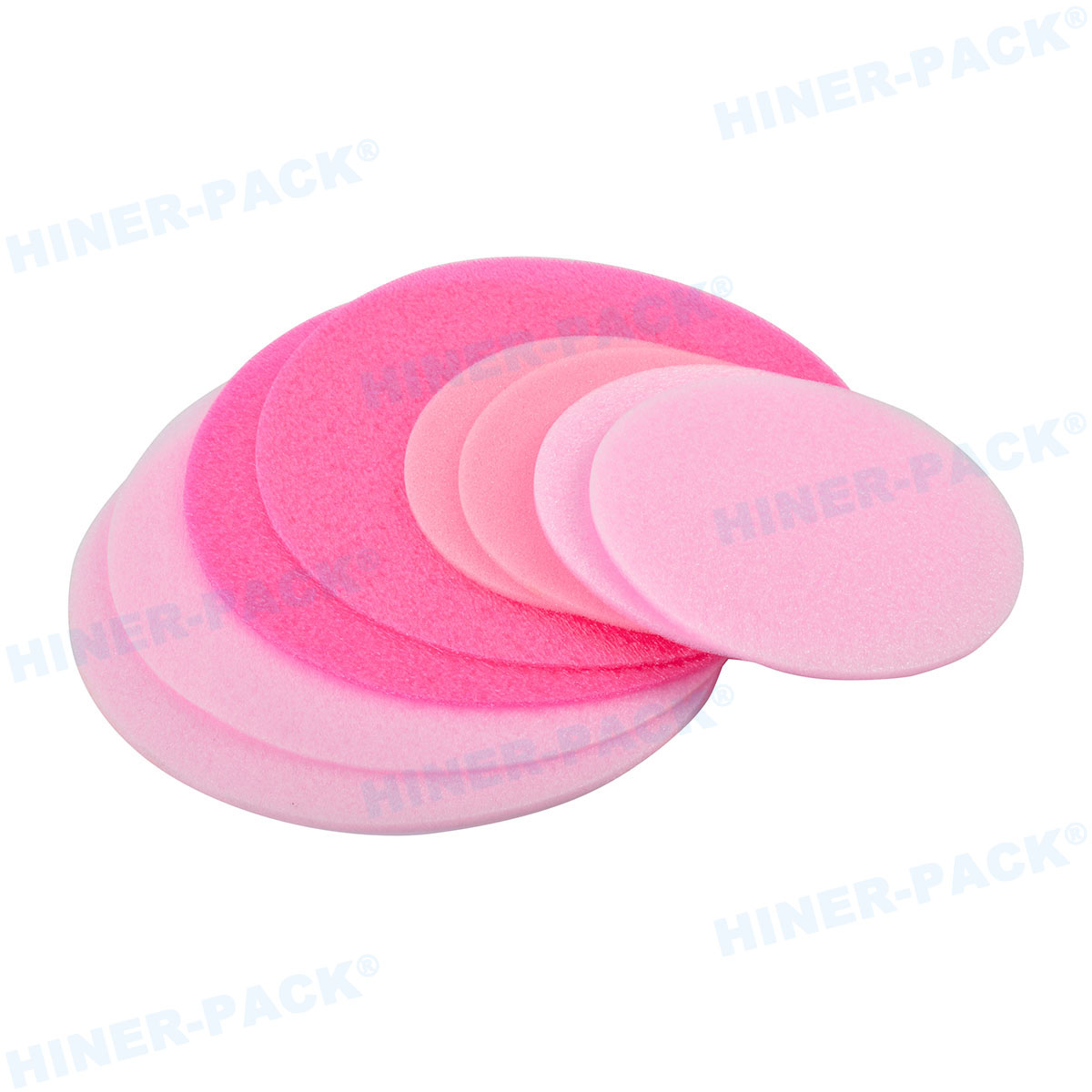
Gel‑filled or foam‑lined lids to dampen vibration.
Integrated handles and stacking ribs for palletizing.
Barcode or RFID slots for tracking.
Types of Wafer Shippers and Their Use Cases
Different logistics scenarios demand different shipper designs. Your wafer shippers quotation should specify which style is required.
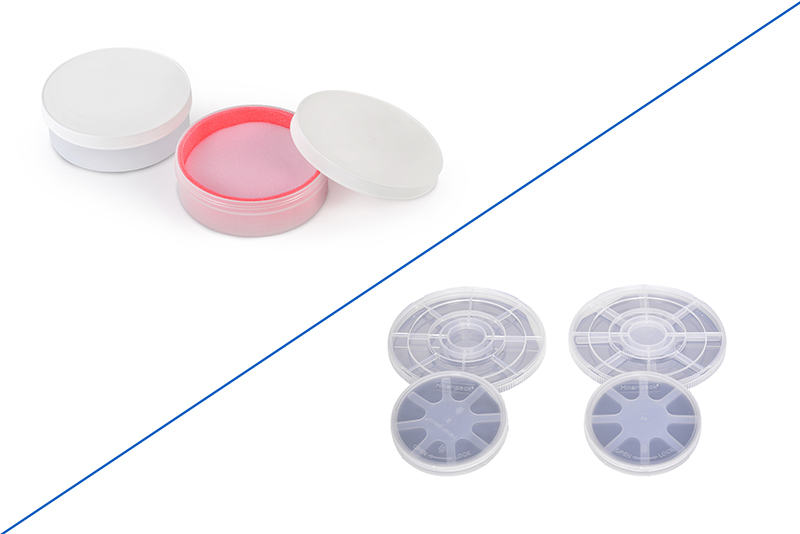
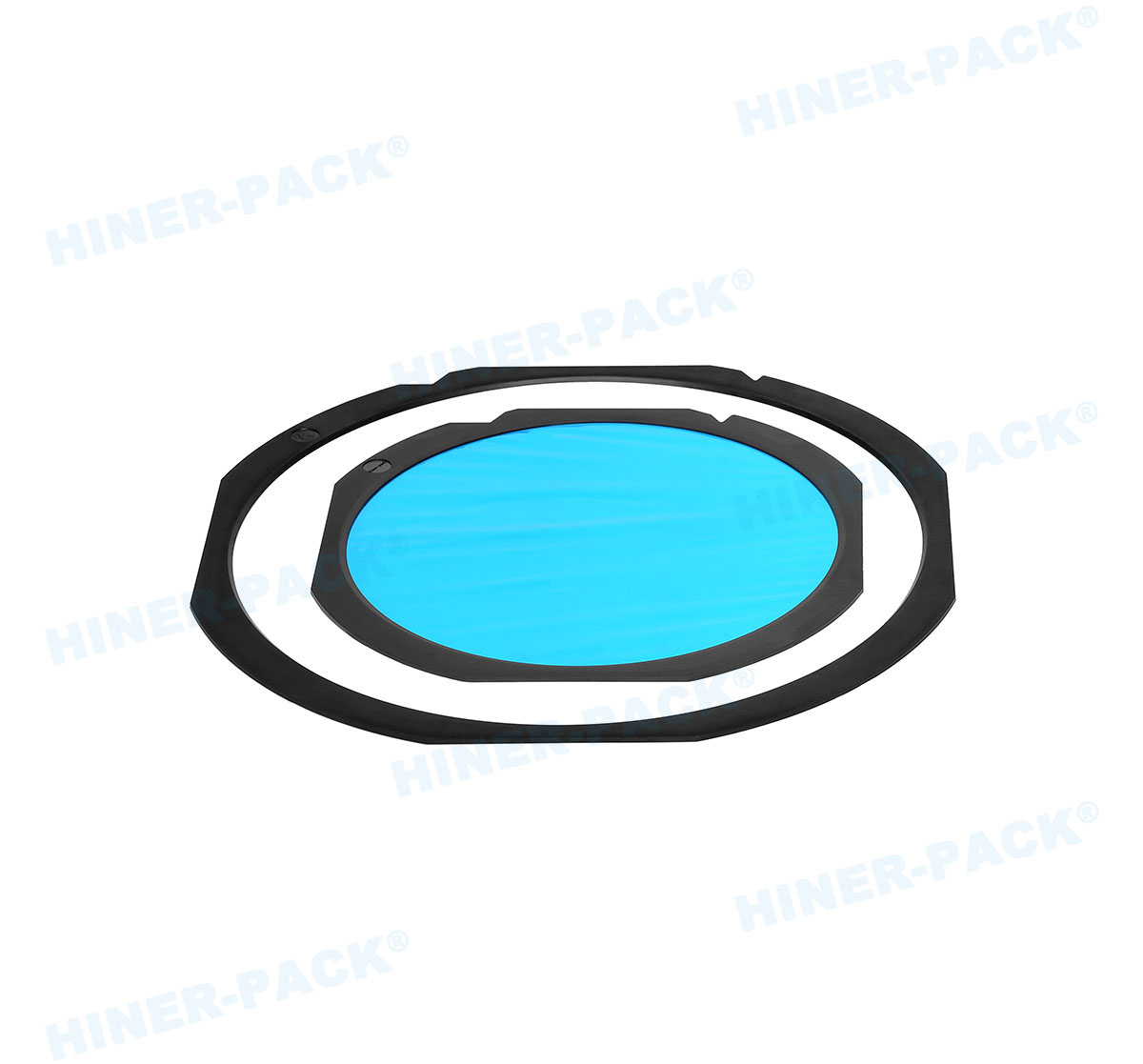
Single‑wafer shippers: Protective clamshell for high‑value wafers (e.g., reticles, engineered substrates). Often includes a moisture barrier bag.
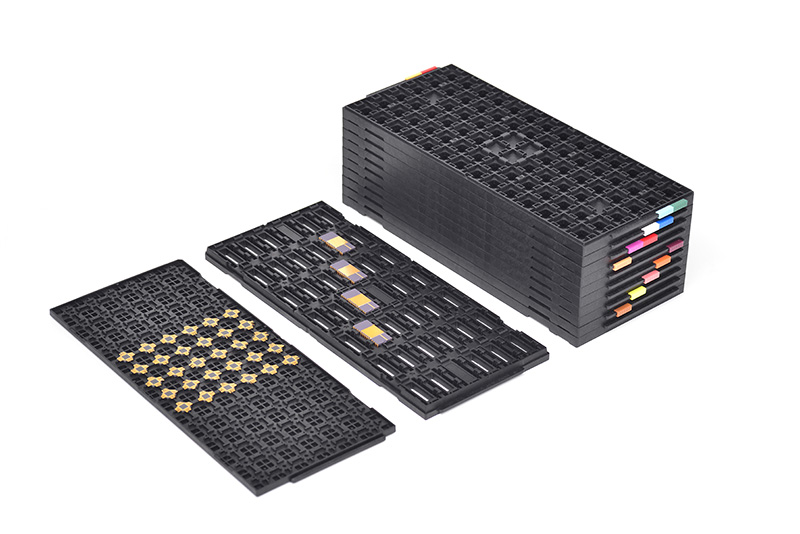
Multi‑wafer horizontal shippers: Stackable trays holding 6–25 wafers, foam interleaves between each wafer. Common for 150mm and 200mm.
Vertical wafer shippers (pizza‑box style): Wafers stand on edge in individual slots. Reduces footprint and allows automated loading. Standard for 300mm.
Vacuum‑sealed shippers: For long‑term storage or air‑sensitive devices (e.g., MEMS, uncapped MEMS). Maintains inert atmosphere or vacuum.
What Affects the Final Wafer Shippers Quotation: Engineering Factors
When you ask for a wafer shippers quotation, suppliers will consider these cost drivers:
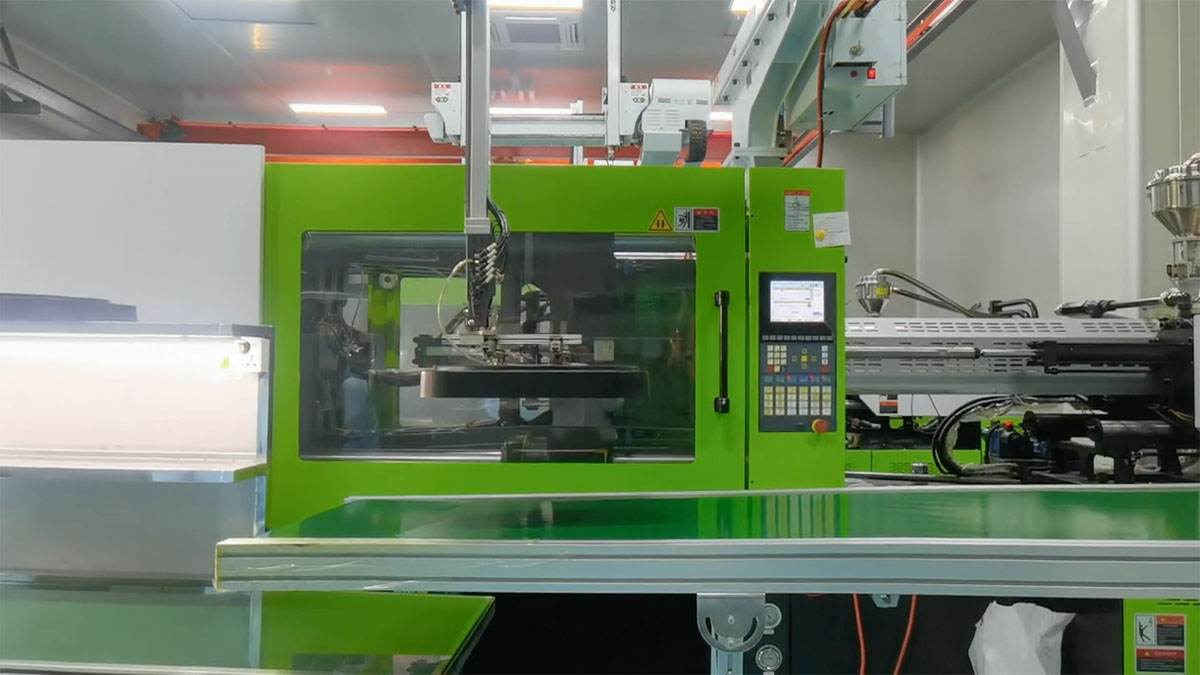
Mold tooling amortization: Custom pocket geometry or logo embossing requires injection molds ($3,000–$15,000). Large volume orders spread the tooling cost.
Material grade: PEEK is 5–7x more expensive than polycarbonate. High‑purity grades (without mold release or slip agents) also add cost.
Surface treatment: Anti‑static coating (permanent vs. topical), hydrophilic/hydrophobic finish, or gamma sterilization for medical applications.
Accessories: Foam inserts, desiccant packs, humidity indicators, or sealing films increase unit price.
Cleanroom assembly and double‑bagging: Shippers assembled in ISO 5 (Class 100) environment with documentation cost extra but necessary for device‑makers shipping to fabs.
Certification package: Lot‑specific particle count, ionic contamination, and ESD test reports add an engineering fee.
Hiner-pack provides transparent wafer shippers quotation with all options listed separately, allowing customers to select only the needed features.
Logistics Considerations Affecting Your Wafer Shipping Strategy
The physical shipper is only half the equation. Shipping lanes, temperature excursions, and handling at intermediate hubs add risk.
Vibration and shock: ISTA 2A or 3A testing simulates parcel delivery. For air freight, request ISTA 3H. Ensure the wafer shippers quotation includes validation data.
Temperature range: Standard shippers operate from -40°C to +70°C. For cold chain (e.g., dry ice shipping), select materials that remain ductile at low temperatures – PC becomes brittle below -20°C; PP or PE is better.
ESD bag overwrap: The shipper must be placed inside a shielded metal‑in pouch before outer carton. Verify bag specification in quotation.
Returnable vs. single‑trip: Some foundries use reusable shippers with cleaning protocols. The quotation should reflect deposit programs or cleaning service fees.
How to Prepare a Complete Request for Wafer Shippers Quotation
To receive accurate and comparable quotes, provide the following information to each supplier, including Hiner-pack:
Wafer diameter, thickness, and any edge profile (e.g., notch, flat).
Number of wafers per shipper (single or multi).
ESD sensitivity class (0, 1, 2, or 3).
Cleanroom class requirement for the shipper surface.
Annual quantity and expected replenishment frequency.
Transportation mode (road, air, sea) and expected shock/vibration levels.
Need for traceability (RFID, barcode) or moisture barrier sealing.
Any compatibility with automation (robotic end‑effector clearance).
With this data, suppliers can propose the most economical material and design without over‑specifying or under‑performing.
Validation and Qualification Steps
Before committing to a large order, request samples from the shortlisted supplier and perform:
Mechanical shock & vibration testing: Use a real wafer (dummy or test) with accelerometers.
Particle contamination test: Wash shipper surfaces with DI water, then count particles ≥0.1 µm.
Outgassing analysis: GC‑MS after heating at 85°C for 24 hours.
ESD decay test: Measure static dissipation time from ±1000 V to ±100 V (should be <2 seconds).
A trustworthy supplier will include these test results in their wafer shippers quotation package upon request.
Frequently Asked Questions (FAQs) on Wafer Shippers Quotation
Q1: How long does it take to receive a custom wafer shippers quotation?
A1: For standard sizes (150/200/300mm) with existing tooling, a detailed quotation is provided within 2‑3 business days after receiving specifications. For fully custom designs requiring new injection molds, allow 2 weeks for tooling engineering and pricing.
Q2: What is the minimum order quantity (MOQ) typically seen in a wafer shippers quotation?
A2: MOQ varies by supplier. For off‑the‑shelf shippers, MOQ can be as low as 10–50 units. For molded custom parts, MOQ often starts at 500–1000 units to amortize mold costs. Hiner-pack offers low MOQ for standard designs and can consolidate orders for smaller foundries.
Q3: Can I reuse wafer shippers after cleaning, and does that affect the quotation?
A3: Yes, many shippers are designed for multiple cycles. Specify "reusable" in your request. The quotation will then include options for material that withstands ultrasonic cleaning (e.g., PEEK, PP) and repeated autoclaving. Single‑use shippers (typically polycarbonate) are quoted at lower unit price but higher per‑trip cost.
Q4: How do I know if a quoted shipper is compatible with my automated wafer handling system?
A4: Provide the supplier with your equipment make/model (e.g., Brooks, Rorze, or Mecs) and the end‑effector dimensions. The wafer shippers quotation should include a mechanical drawing showing key clearances (slot pitch, opening angle, and pick‑and‑place window). Request a 3D STEP file for virtual fitting.
Q5: What ESD certifications should I look for in a wafer shipper quotation?
A5: Look for compliance with ANSI/ESD STM11.11 (surface resistance) and ANSI/ESD STM11.31 (volume resistance). The packaging should be labeled as ESD‑protective according to ESD TR20.20. For export to Europe, IEC 61340‑5‑1 conformity is required. The quotation must clearly state tested values, not just “ESD safe”.
Next Step: Request a Customized Wafer Shippers Quotation for Your Fab
Choosing the right wafer shipper impacts yield, logistics efficiency, and compliance with customer ESD requirements. Hiner-pack provides engineering support to match material, ESD, and cleanliness parameters to your specific device sensitivities. Whether you need a single‑wafer shipper for high‑value MPW runs or high‑volume 300mm vertical shippers for daily foundry transfers, our team delivers a detailed wafer shippers quotation with 3D drawings, test data, and delivery lead times.
Submit your inquiry now: https://www.waferboxes.com/contact – Provide your wafer size, quantity, and ESD class. We will respond with a comprehensive proposal within 2 business days.