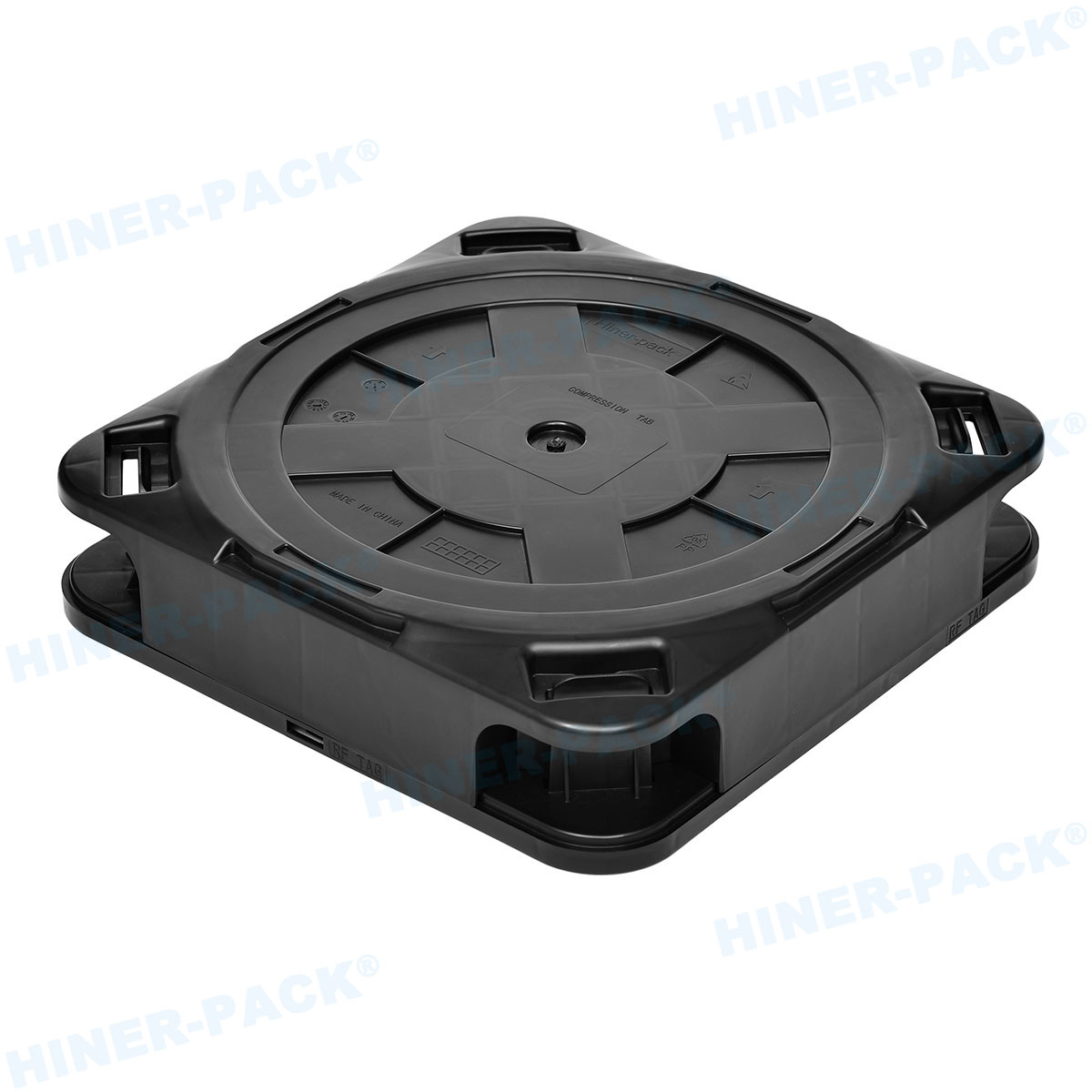
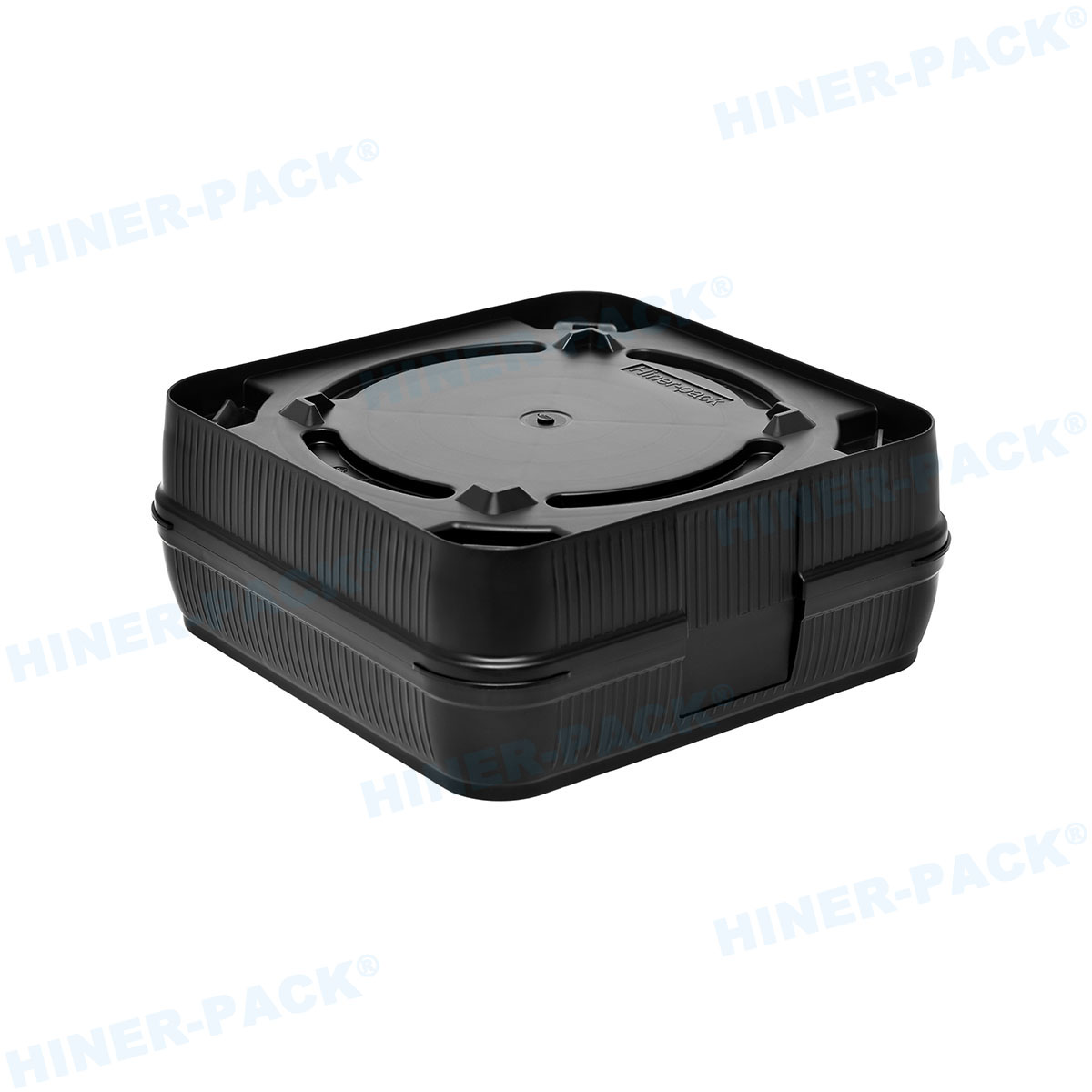
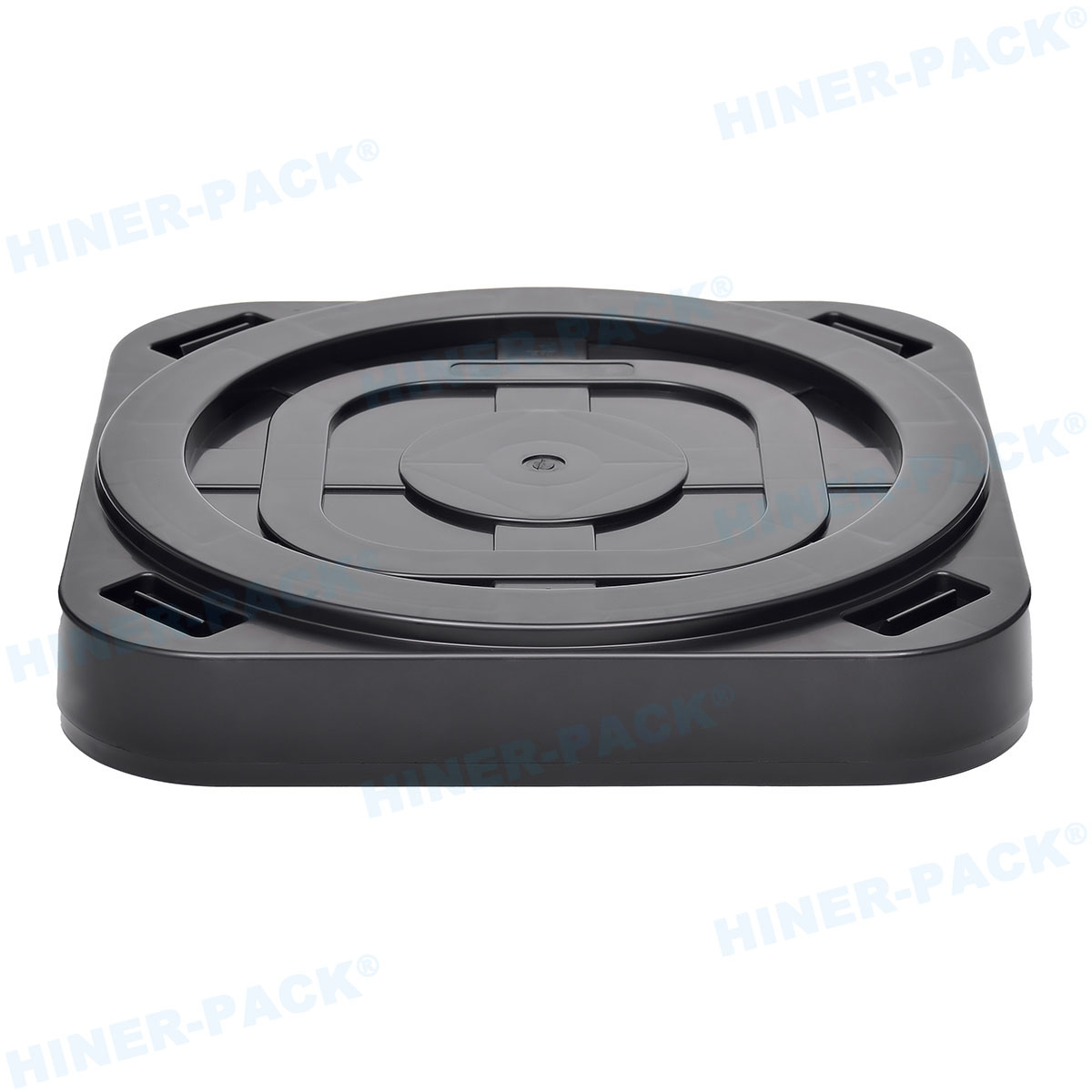
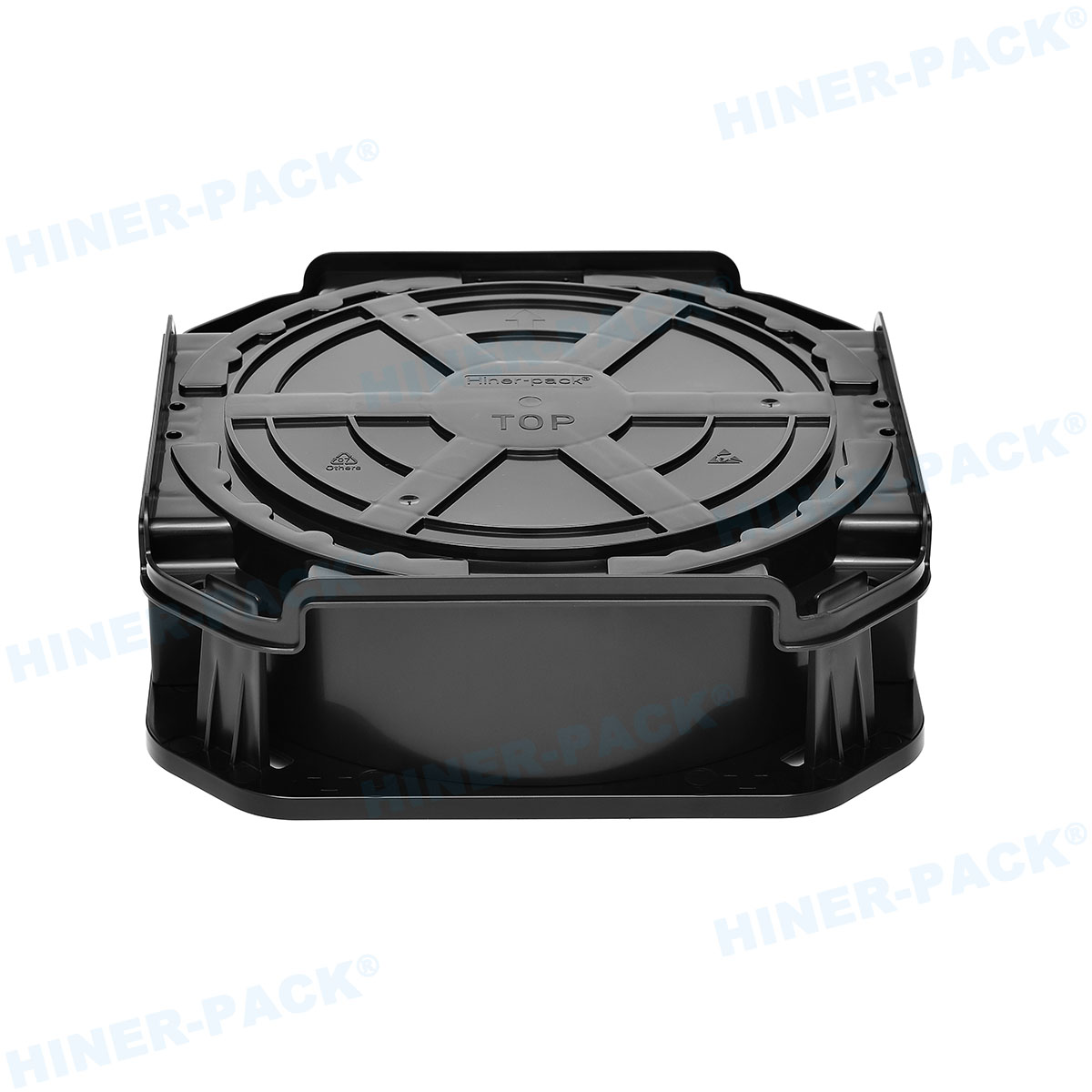
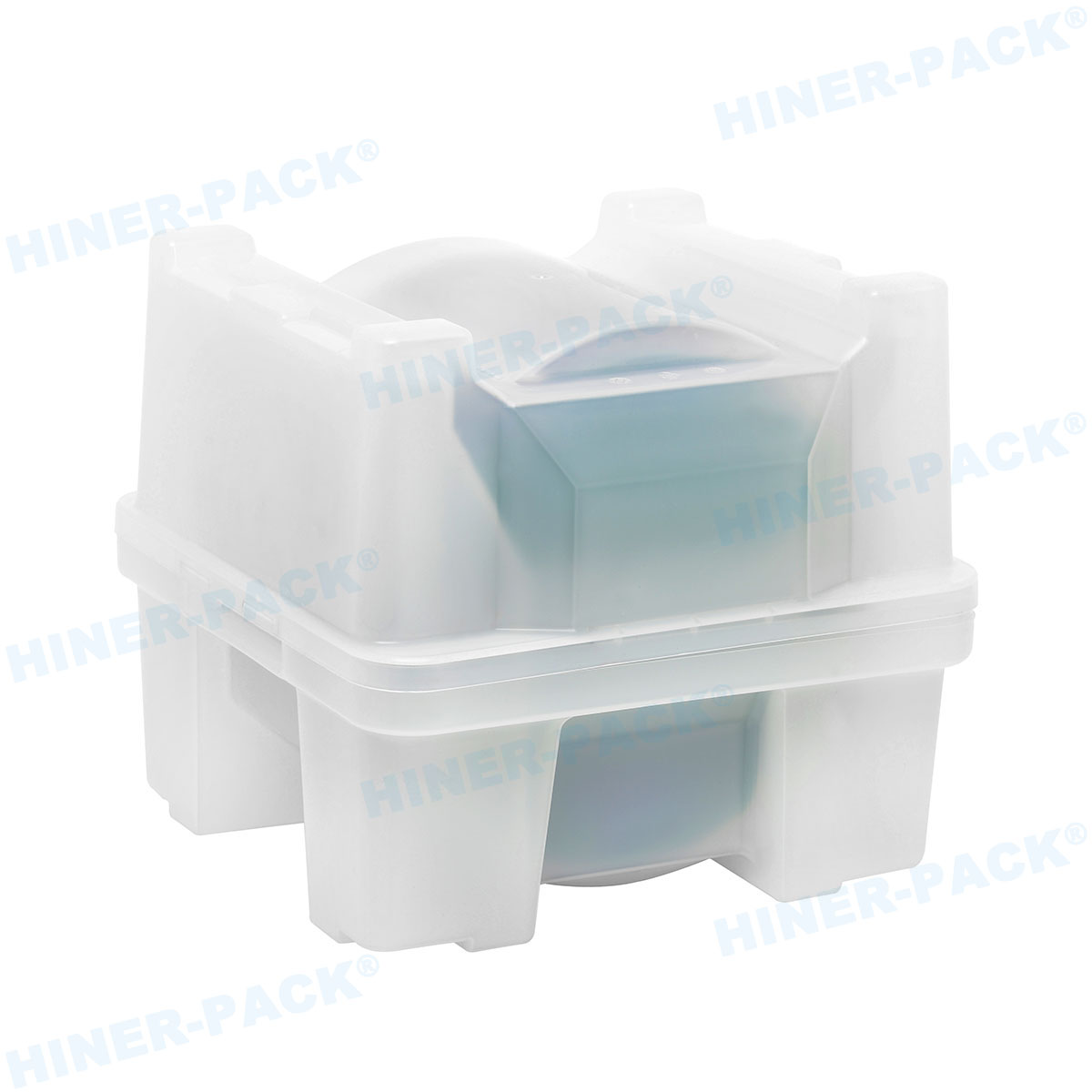
In the high-precision environment of semiconductor manufacturing, the journey of a processed wafer from the fabrication plant to the assembly and test facility is fraught with potential hazards. Any compromise in the integrity of the transport container can lead to catastrophic yield loss. As global demand for high-performance microelectronics continues to surge, the industry requires more than just simple storage boxes. Procuring the right wafer shippers for sale involves a sophisticated understanding of polymer science, mechanical vibration dampening, and stringent contamination control protocols.
Modern integrated circuits, with their nanometer-scale features, are susceptible to even the most minute environmental stresses. Whether dealing with 200mm or 300mm wafers, the packaging must serve as a mobile cleanroom. This article examines the fundamental engineering requirements that define high-tier transport solutions and how industry leaders like Hiner-pack address these complex challenges through material innovation and structural design.
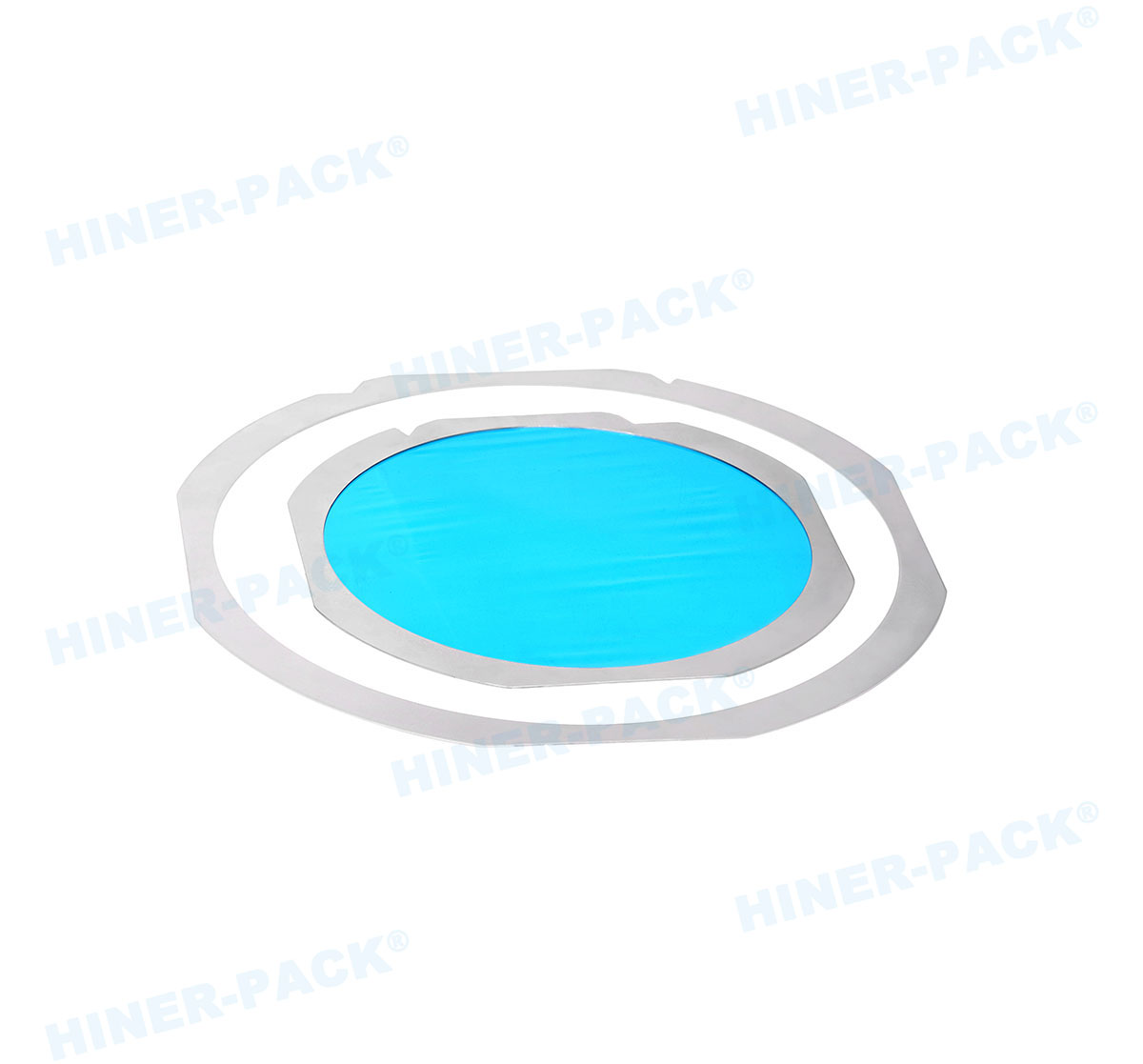
1. Material Science and ESD Mitigation in Wafer Transport
The choice of material for a wafer container is the first line of defense against both physical and electrical damage. Standard polymers used in consumer goods are insufficient for the semiconductor sector. Instead, manufacturers utilize specialized blends of Polypropylene (PP), Polycarbonate (PC), or PEEK (Polyetheretherketone) to ensure structural rigidity and chemical inertness.
Electrostatic Discharge (ESD) Protection
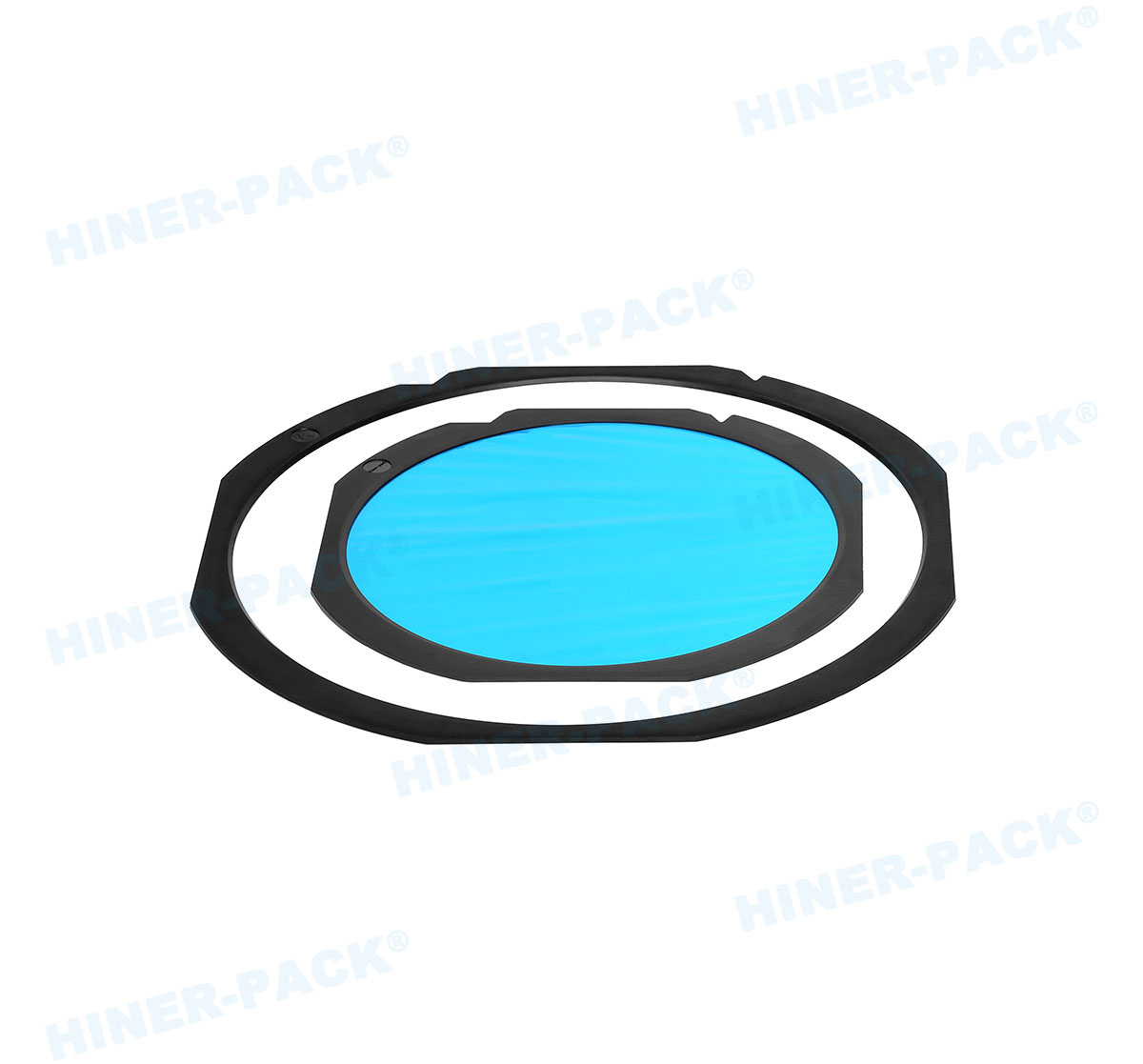
One of the primary concerns during transport is the buildup of static electricity. Friction between the wafer and the container, or the container and the external environment, can generate significant voltages. If this charge discharges through the wafer, it can destroy the delicate circuitry. High-performance wafer shippers for sale are typically engineered with Carbon-Filled (CF) or Carbon-Powdered resins to achieve specific surface resistivity ranges.
Antistatic: Provides a slow decay of static charges.
Static Dissipative: Allows charges to flow to ground in a controlled manner, preventing sudden sparks.
Conductive: Offers the fastest grounding but must be used carefully to avoid rapid discharge scenarios.
Outgassing and Chemical Purity
A second, often overlooked material property is outgassing. Many plastics release volatile organic compounds (VOCs) over time. In a sealed wafer container, these molecules can condense onto the wafer surface, causing "haze" or interfering with subsequent lithography or deposition steps. Manufacturers such as Hiner-pack prioritize low-outgassing materials that meet SEMI (Semiconductor Equipment and Materials International) standards to maintain a pristine micro-environment for the silicon substrate.
2. Structural Design for Mechanical Stability and Vibration Dampening
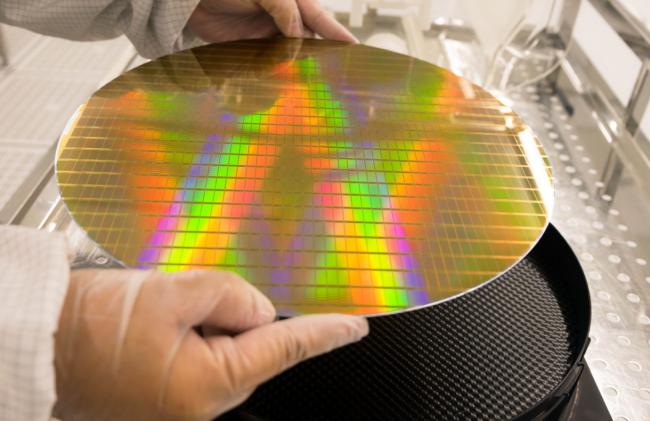
During air or ground transit, wafers are subjected to a wide spectrum of vibration frequencies and sudden mechanical shocks. A wafer is essentially a thin, brittle glass-like disc; even minor resonance can cause edge chipping or micro-fractures. When evaluating wafer shippers for sale, the internal architecture is just as vital as the external shell.
The Role of Cushions and Separators
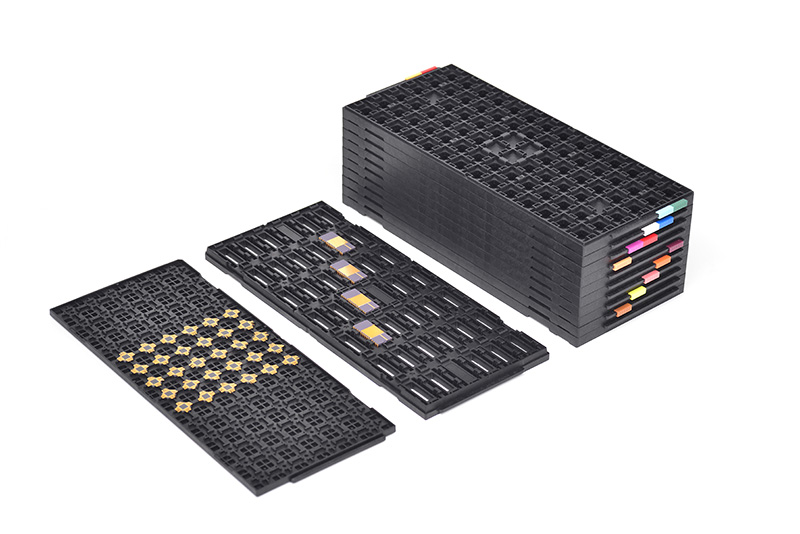
Horizontal wafer shippers often incorporate internal cushioning systems. These are not merely soft pads but are precision-engineered components designed to absorb specific kinetic energy profiles. High-purity foams or specialized elastomer springs are used to suspend the wafer stack, ensuring that the G-forces experienced by the container do not reach the silicon itself. The spacing between wafers must be maintained with absolute precision to prevent "nesting" or surface-to-surface contact during turbulent transport conditions.
Coin-Style vs. Multi-Wafer Carriers
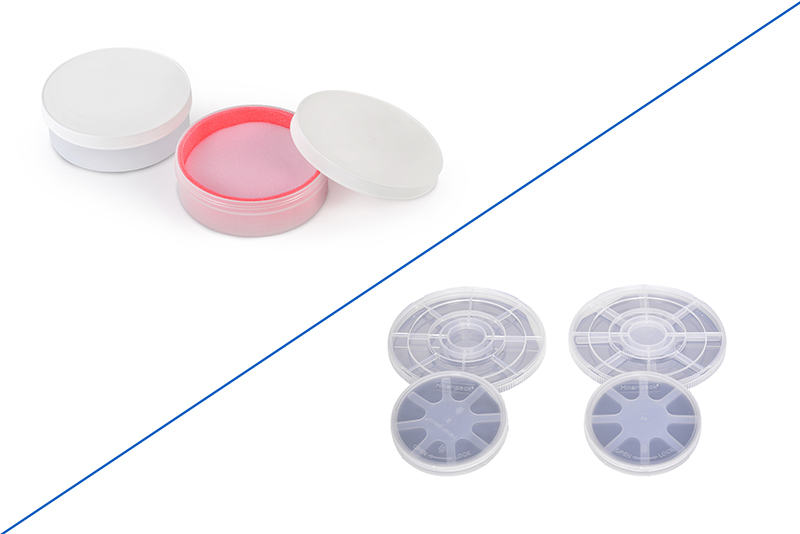
The design philosophy differs based on the volume and type of wafer. For single-wafer transport, often used for high-value R&D or compound semiconductors (like GaN or SiC), "coin-style" shippers are preferred. These feature a screw-top or snap-on lid that applies a controlled downward force, securing the wafer against a flat, non-marring base. For volume production, multi-wafer canisters or horizontal shippers allow for the efficient movement of 25-wafer lots while maintaining the same level of individual protection.
3. Contamination Management: The Silent Yield Killer
In the semiconductor world, a particle measuring 0.1 microns can be the difference between a functional chip and a piece of scrap. The shipping container must not only be clean when it leaves the factory but must actively prevent the ingress of external particles and the generation of internal wear debris.
Sealing Integrity
The interface between the lid and the base of the shipper must be perfectly engineered. This often involves high-purity gaskets made of silicone or fluoropolymers. A hermetic or near-hermetic seal prevents moisture vapor from entering the container. High humidity can lead to the oxidation of metal layers on the wafer, particularly in advanced nodes where copper or cobalt interconnects are exposed. When sourcing wafer shippers for sale, verifying the Moisture Vapor Transmission Rate (MVTR) is a fundamental step for quality assurance teams.
Abrasion Resistance
Every time a wafer is loaded or unloaded, there is a risk of mechanical abrasion between the wafer edge and the shipper's internal slots. This friction can generate carbon particles or plastic micro-shards. Advanced shippers utilize "low-sloughing" materials and polished contact surfaces to minimize particle generation. This focus on "clean-by-design" is what separates professional-grade logistics solutions from generic plastic containers.
4. Operational Compatibility with Automated Handling Systems
The modern fab is a sea of automation. Wafers are moved by Overhead Hoist Transport (OHT) systems and loaded into tools by Equipment Front End Modules (EFEM). Therefore, the physical dimensions of the shipping container must adhere to rigid SEMI standards (such as M1 for wafer dimensions and dimensions for carriers).
FOSB and FOUP Integration
For 300mm manufacturing, the Front Opening Shipping Box (FOSB) is the standard. These containers are designed to be handled by robotic grippers and feature precise kinematic coupling pins on the bottom to ensure they are seated correctly on the load port. While Hiner-pack provides various types of carriers, the industry trend is moving toward increasing the intelligence of these containers, integrating RFID tags for real-time tracking of wafer lots through the global supply chain. This connectivity reduces manual handling errors and provides a complete chain of custody for every wafer produced.
5. Environmental Considerations and Longevity
While the focus is often on the immediate protection of the wafer, the sustainability and longevity of the shipping solution are increasingly relevant in the B2B sector. High-quality shippers are designed for multiple reuse cycles. This requires materials that can withstand rigorous cleaning processes, involving deionized water and specialized surfactants, without degrading or losing their ESD properties.
Rigorous testing protocols, including drop tests, stackability tests, and thermal cycling, ensure that the wafer shippers for sale can survive the harsh environments of international shipping docks and pressurized aircraft cargo holds. A container that fails after a single trip is not only a waste of resources but a risk to the fragile cargo it carries.
6. Identifying High-Performance Solutions in a Crowded Market
When procurement managers look for wafer shippers for sale, they must look beyond the price tag. The real value lies in the reduction of risk. A single broken wafer in a 300mm lot can cost tens of thousands of dollars in lost revenue, not to mention the potential for downstream contamination in the fabrication tools.
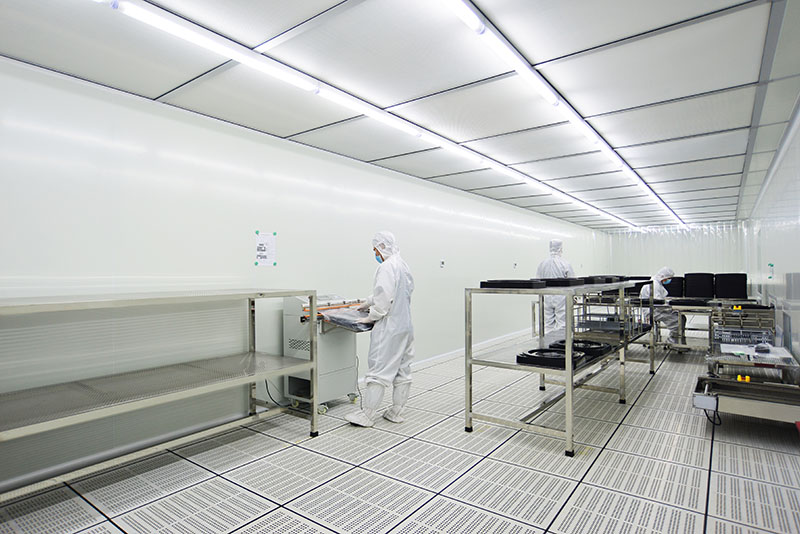
Supplier Audits: Ensure the manufacturer operates within ISO Class 5 or Class 6 cleanrooms for the final assembly and packaging of the shippers.
Compliance Documentation: Request detailed reports on surface resistivity, outgassing profiles, and particle counts.
Customization Capabilities: Sometimes, standard sizes do not fit specific substrate thicknesses or fragile MEMS devices. Partnering with a flexible manufacturer like Hiner-pack allows for tailored solutions that meet unique engineering requirements.
Securing the Future of Semiconductor Yield
The logistics of semiconductor wafers is an exercise in microscopic risk management. From the moment a wafer is diced or polished to the second it is bonded in its final package, its safety depends on the container that holds it. By focusing on material science, mechanical dampening, and strict contamination control, manufacturers can ensure that their innovations reach their destination in perfect condition.
As the industry pushes toward 2nm nodes and beyond, the requirements for transport containers will only become more stringent. Selecting a partner who understands the nuance of silicon transport is mandatory for maintaining a competitive edge in the global market.
For organizations seeking reliable, high-purity transport containers, we invite you to consult with our engineering team to discuss your specific requirements. Protect your investment with industry-leading shipping solutions.
Frequently Asked Questions (FAQ)
Q1: What is the primary difference between a wafer carrier and a wafer shipper?
A1: A wafer carrier is typically used for in-process handling within the cleanroom and is often open-air or designed for chemical baths. A wafer shipper is a secondary, sealed container designed to protect the wafers during external transport, providing enhanced mechanical protection and environmental sealing.
Q2: Why is ESD protection vital for unpatterned wafers?
A2: While unpatterned wafers (prime wafers) do not have circuits yet, static charges can attract airborne molecular contamination and particulates to the surface. These particles can cause "killer defects" during the first lithography steps of the fabrication process.
Q3: How often can a high-quality wafer shipper be reused?
A3: This depends on the cleaning protocol and the material. Polycarbonate and PEEK shippers can often be reused dozens of times, provided they undergo validated cleaning and inspection to ensure the ESD properties and structural integrity remain intact.
Q4: Can these shippers be used for glass substrates or sapphire wafers?
A4: Yes, while they are designed for silicon, they are compatible with any substrate of the same diameter and thickness. For specialized materials like sapphire or GaAs, custom internal cushions may be recommended due to different brittle-fracture points.
Q5: What certifications should I look for when purchasing wafer shipping containers?
A5: Look for SEMI standard compliance (specific to the size of your wafer), RoHS and REACH compliance for material safety, and ISO 9001 certification for the manufacturer’s quality management system.
Q6: How do you prevent wafers from rattling during air transport?
A6: High-end shippers use a "top-pressure" design or specialized separators that apply a gentle, constant force to the wafer stack, neutralizing the gap between the wafer and the container wall, which prevents movement during turbulence.