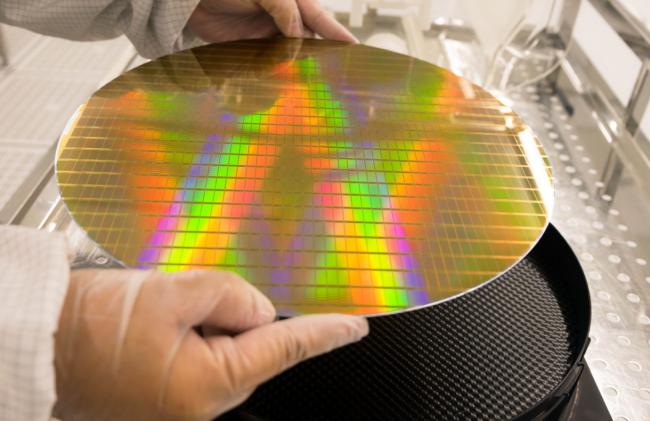
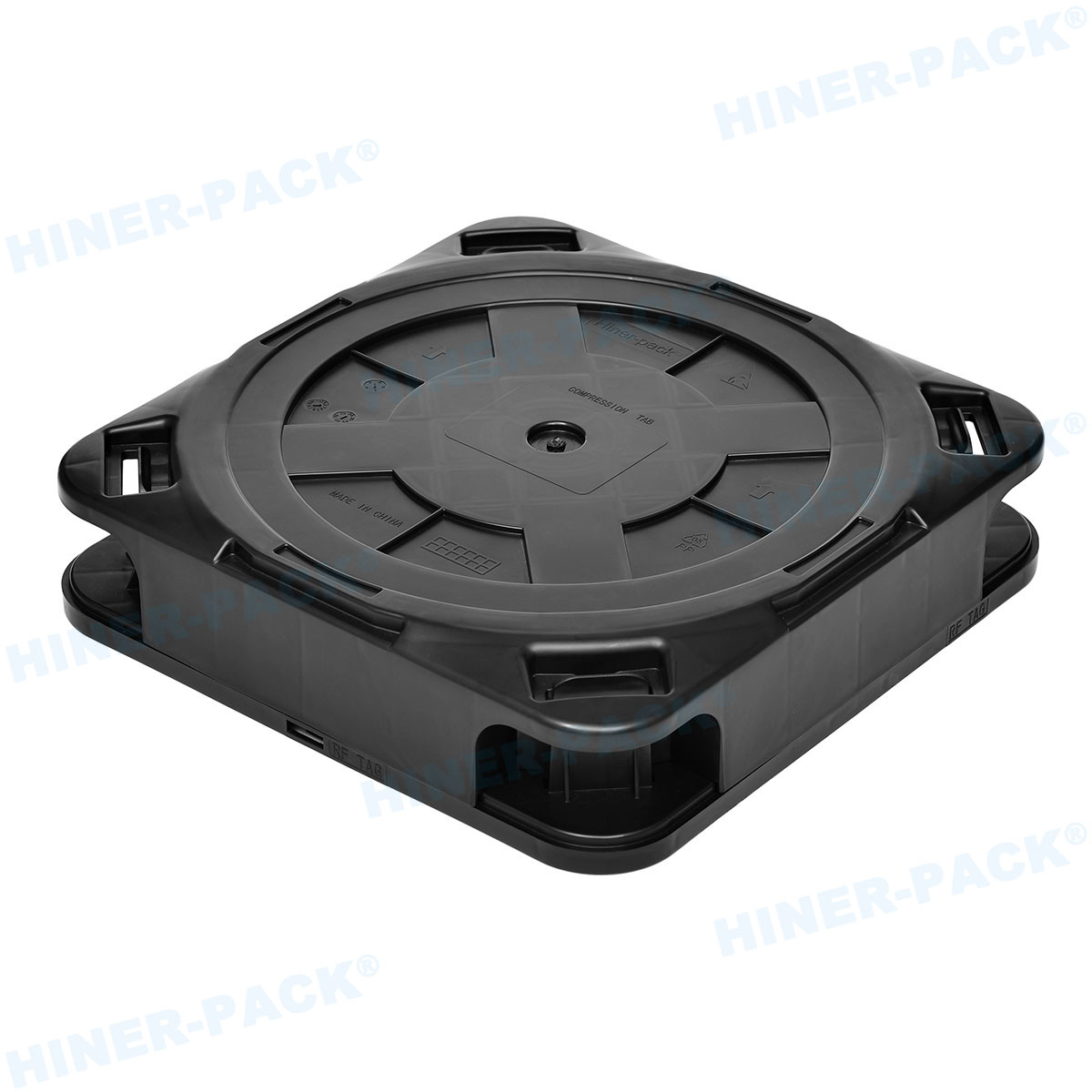
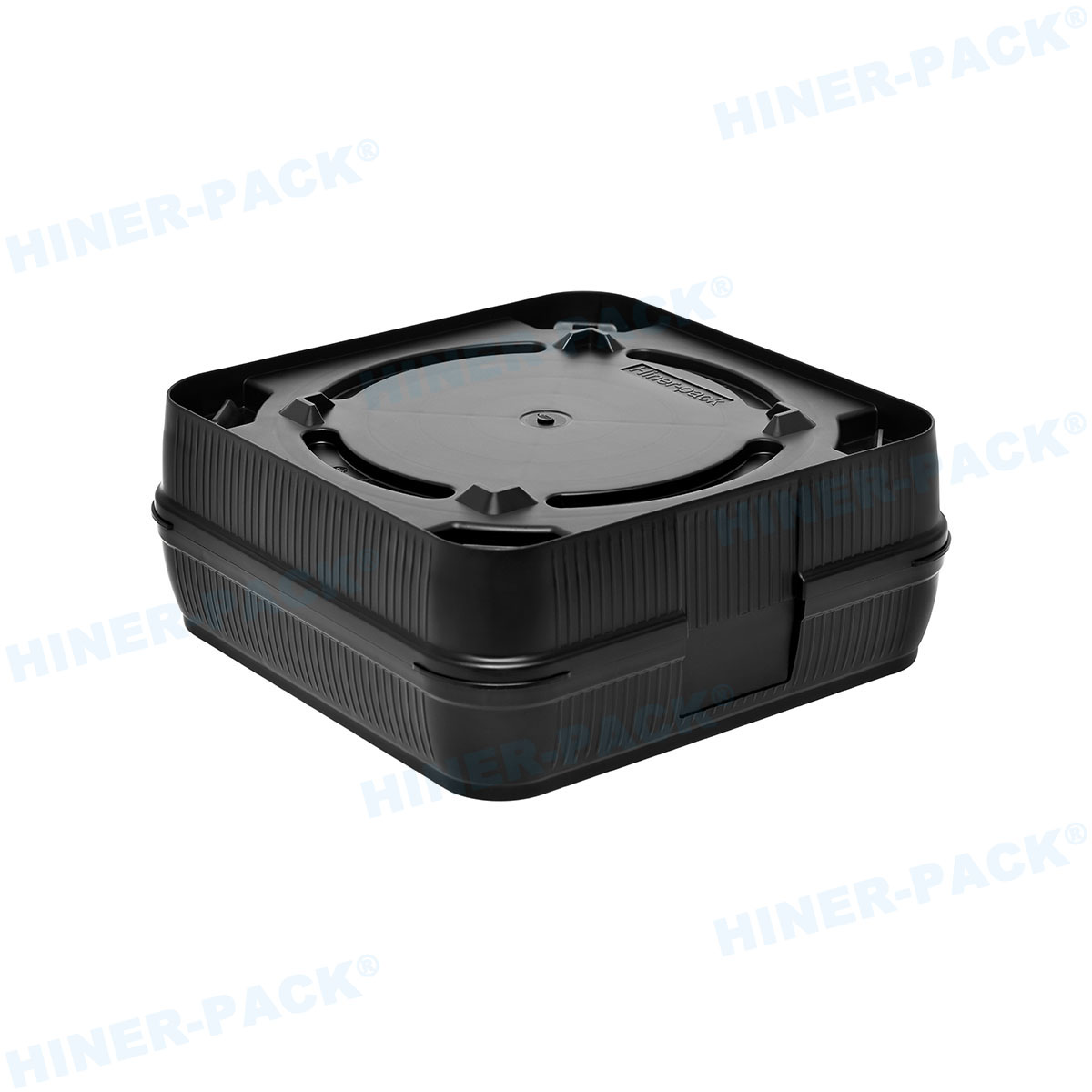
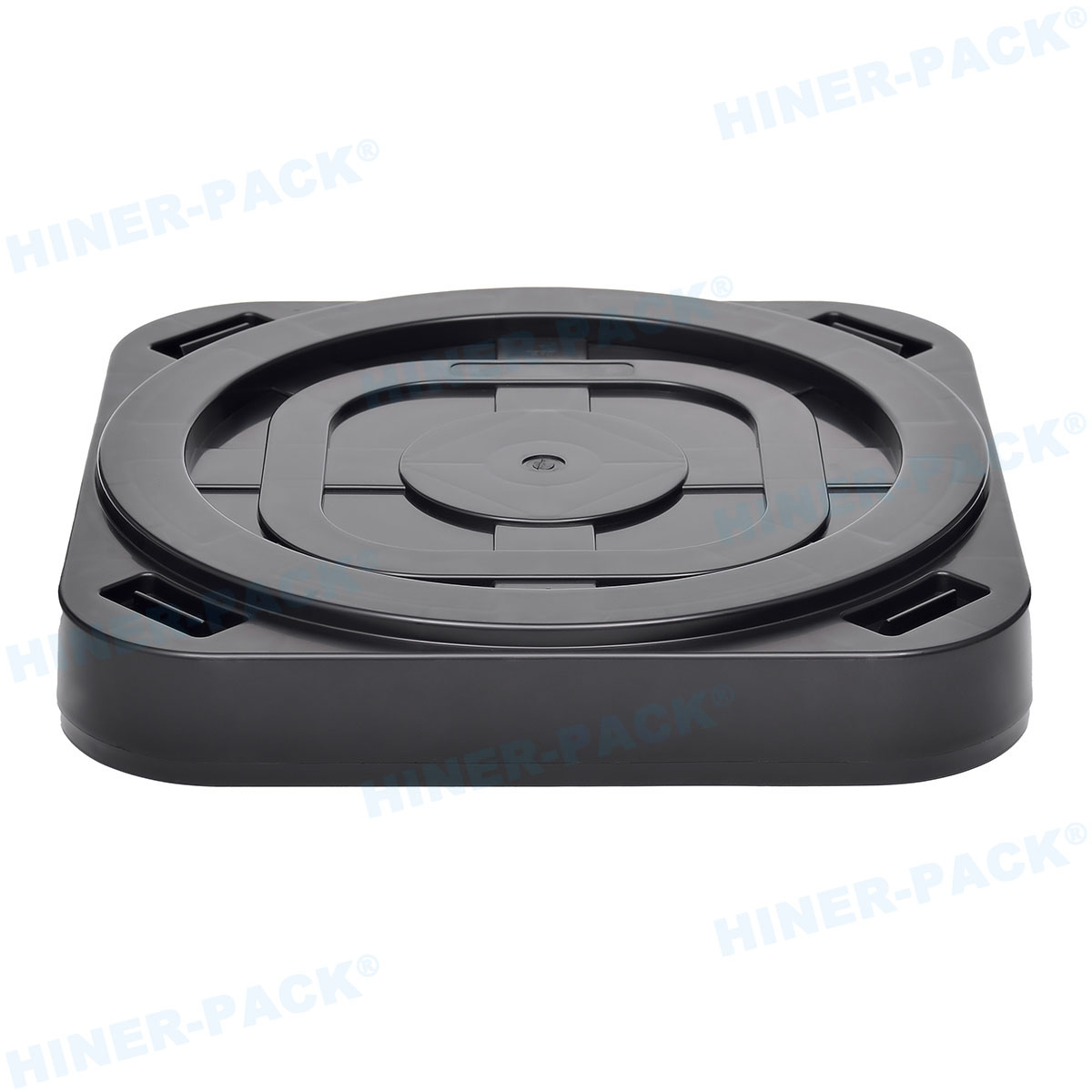
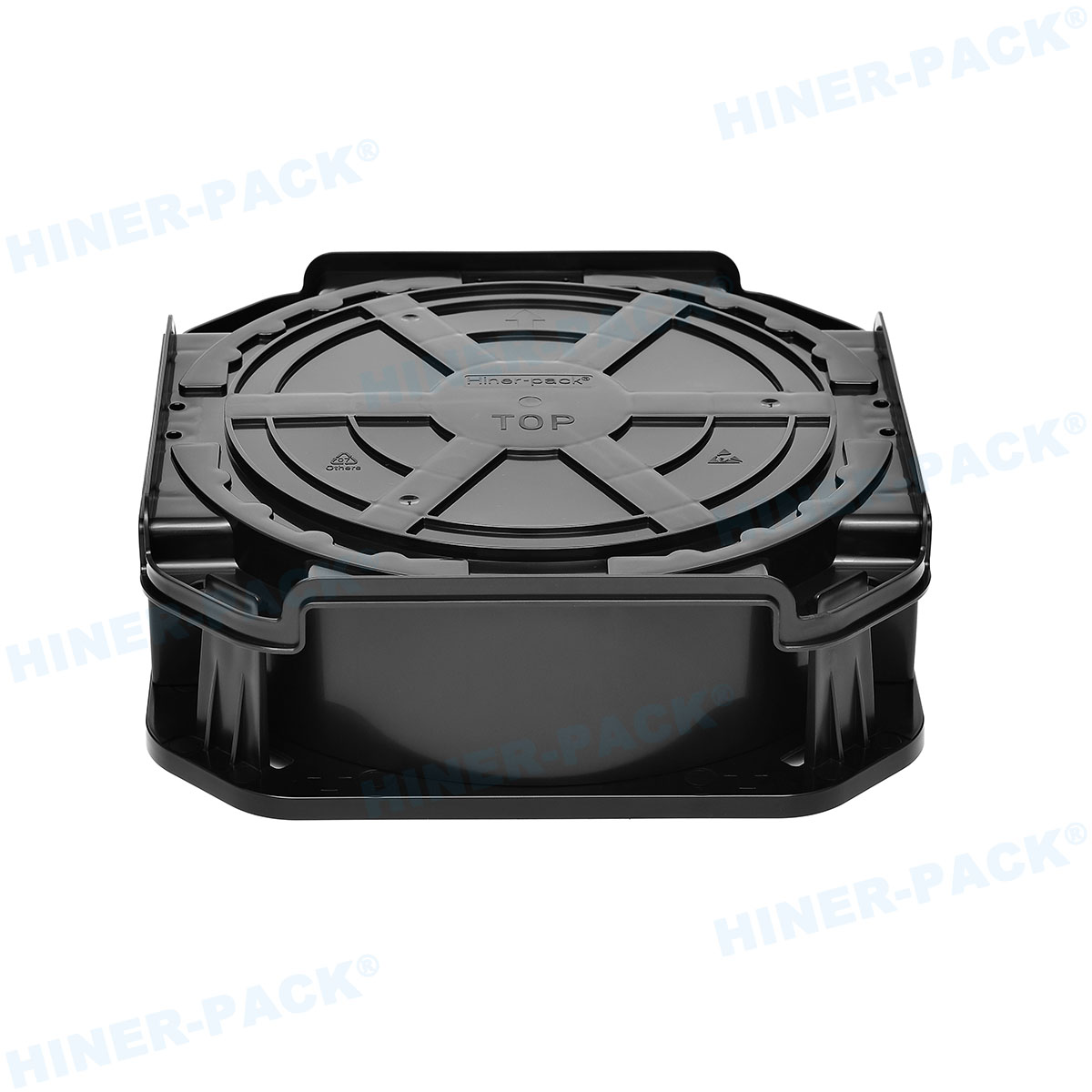
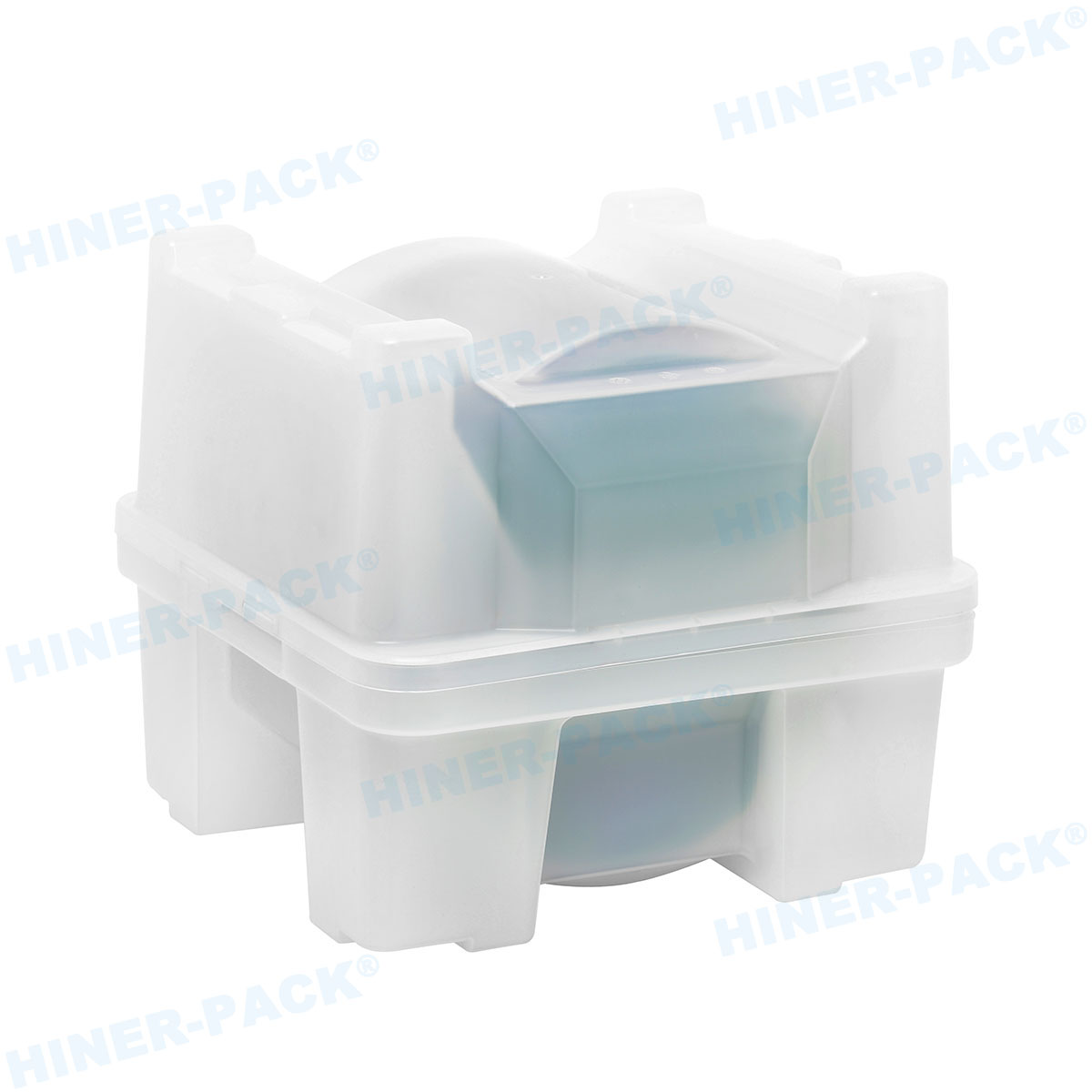
In the high-precision environment of semiconductor fabrication, the journey from the front-end-of-line (FEOL) to the back-end-of-line (BEOL) involves numerous transport phases. Silicon wafers, the foundation of modern electronics, are exceptionally fragile and susceptible to microscopic contamination. The selection of a wafer shippers manufacturer is therefore a decision that directly impacts product yield and operational profitability. Professional-grade transport solutions must provide more than just physical containment; they must serve as a mobile cleanroom environment capable of mitigating mechanical stress, electrostatic discharge (ESD), and chemical outgassing.
Engineering these containers requires a deep understanding of polymer science and structural mechanics. As wafer diameters have increased to 300mm and thicknesses have decreased for advanced 3D packaging, the technical requirements for transport systems have become more stringent. Leading firms such as [Hiner-pack] have addressed these challenges by developing high-purity shipping solutions that adhere to the most rigorous SEMI standards. This guide provides an in-depth analysis of the technical benchmarks necessary to evaluate the capabilities of a modern semiconductor packaging partner.
1. Material Science and ESD Protection Protocols
The primary concern for any wafer shippers manufacturer is the selection of raw materials. The polymers used must possess specific mechanical properties while maintaining a strict electrical profile. Silicon is a semiconductor, and the buildup of static electricity during transport can lead to Electrostatic Discharge events, which can destroy sensitive circuitry or attract airborne molecular contaminants (AMC) to the wafer surface.
Surface Resistivity and Dissipative Properties
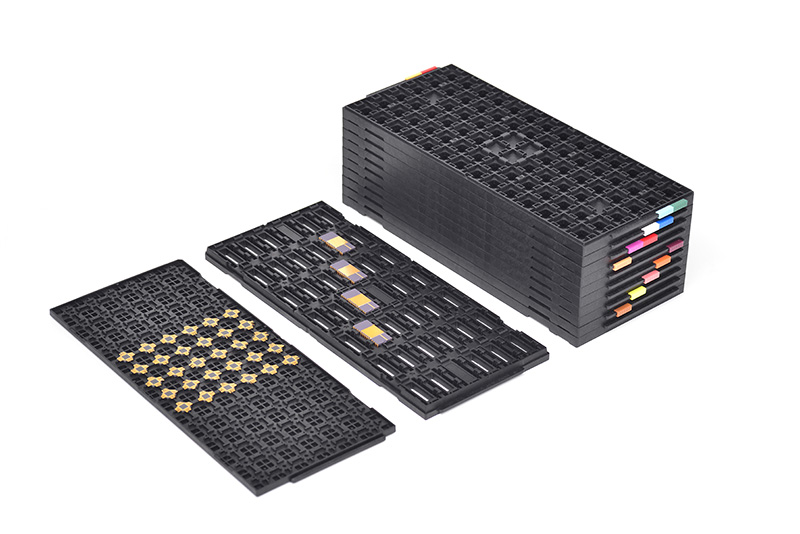
To prevent ESD, materials are typically infused with carbon fibers or specialized anti-static agents to achieve a surface resistivity within the dissipative range, generally between 10^4 and 10^11 ohms per square. Carbon-filled Polypropylene (PP) or Polycarbonate (PC) are the industry standards for their balance of rigidity and electrical performance. High-purity PEEK (Polyetheretherketone) is often reserved for high-temperature applications or environments where the lowest possible particle shed is mandatory.
Polymer Purity and Chemical Resistance
Beyond electrical properties, the material must be chemically inert. Shippers are frequently exposed to cleaning agents and residual chemicals from the fabrication process. A high-quality manufacturer ensures that the polymers do not degrade or leach metallic ions when in contact with IPA (Isopropyl Alcohol) or other common solvents. This chemical stability is fundamental for maintaining the integrity of the wafers over long-duration international shipping cycles.
2. Contamination Control and Outgassing Mitigation
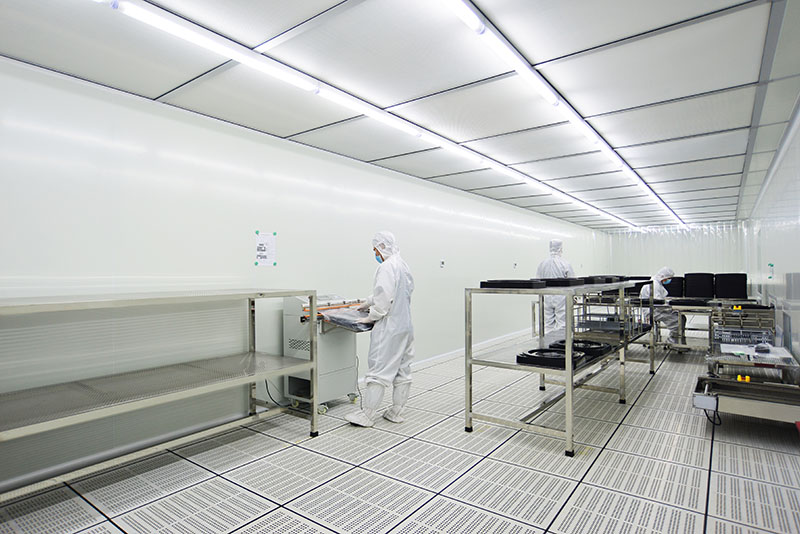
The semiconductor industry operates at a scale where a single organic molecule can cause a catastrophic failure in a transistor. A wafer shippers manufacturer must therefore implement rigorous contamination control measures during the production phase. This begins with manufacturing in ISO Class 5 or Class 6 cleanrooms to ensure that the "as-shipped" particle count is near zero.
Understanding Volatile Organic Compounds (VOCs)
Outgassing refers to the release of volatile gases from the plastic components of the shipper. These gases can condense on the wafer surface, creating a film that interferes with lithography or etching. Professional suppliers utilize specialized vacuum-bake processes or select low-outgassing resins to minimize Total Organic Carbon (TOC) levels. Testing for outgassing involves sophisticated Gas Chromatography-Mass Spectrometry (GC-MS) to identify and quantify trace amounts of phthalates, silicones, and other harmful organics.
Sealing Technology and Particle Ingress
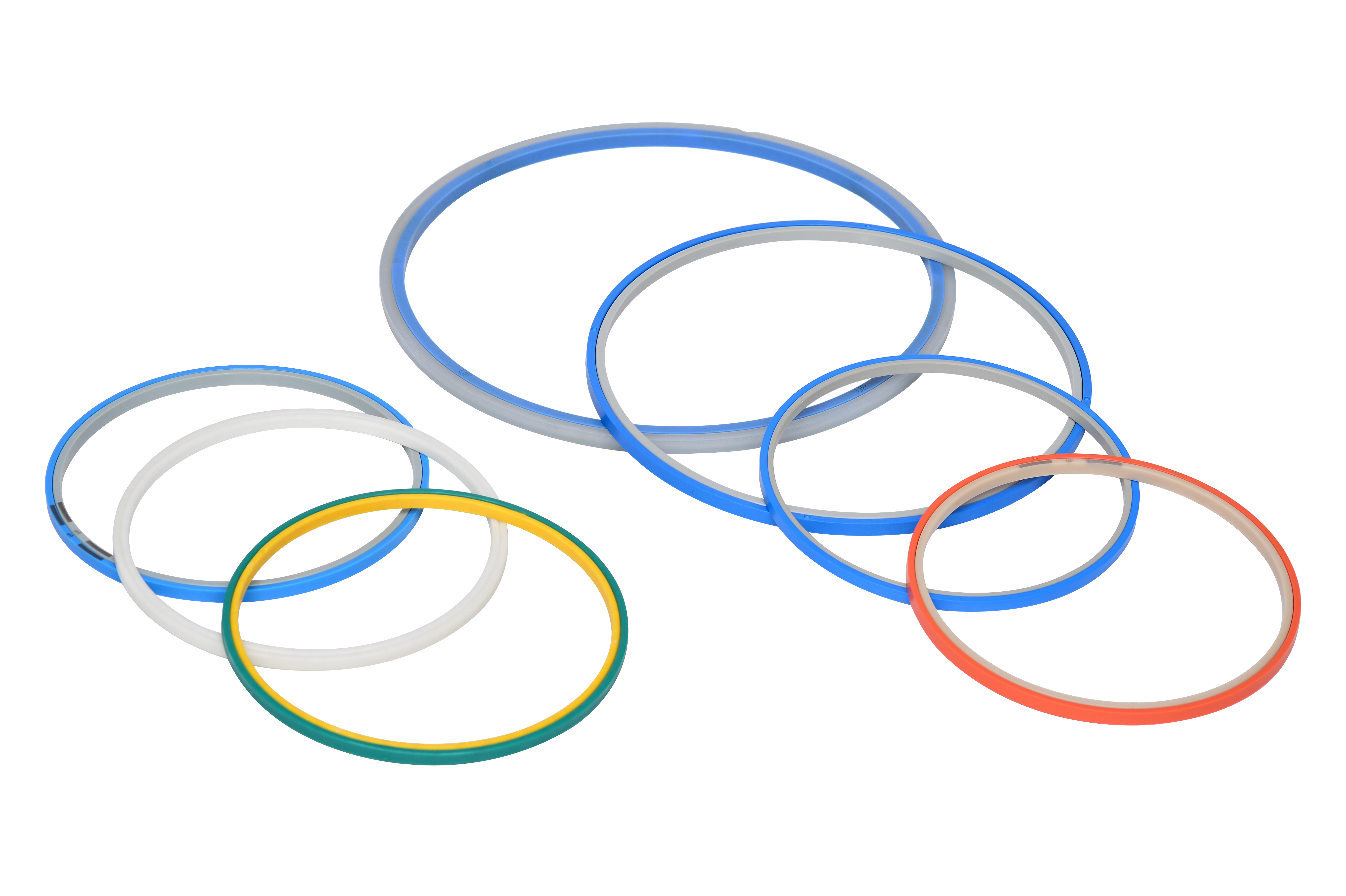
The interface between the shipper lid and the base must be engineered to prevent the ingress of external particles. High-performance shippers utilize high-purity elastomer gaskets or precision-machined "labyrinth" seals. These designs ensure that even when subjected to the pressure changes of air freight, the internal environment remains isolated from ambient pollutants.
3. Mechanical Stress and Vibration Dampening
During logistics, wafers are subjected to various mechanical forces, including high-frequency vibrations and sudden shocks. A wafer shippers manufacturer must design the internal architecture of the box to absorb these forces without transferring them to the silicon substrate.
Coin-Stack vs. Vertical Configurations
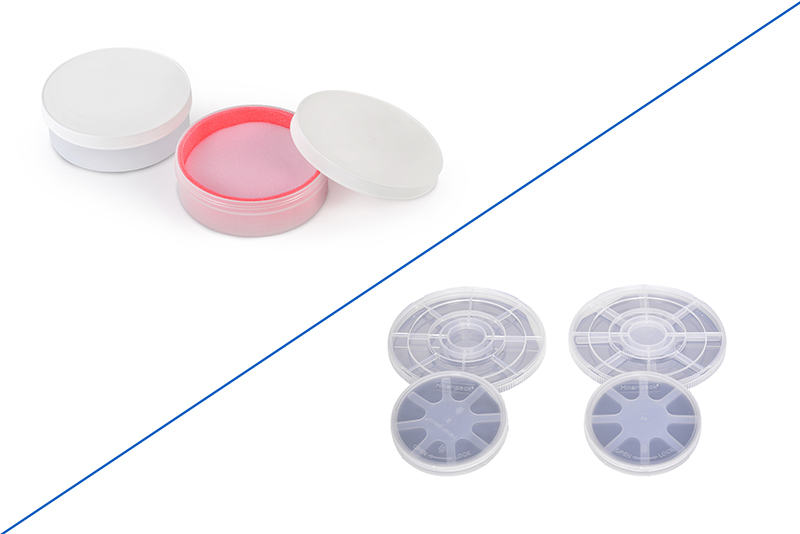
For smaller wafers (100mm to 150mm), "coin-stack" shippers are common, where wafers are layered horizontally with interleaf spacers. However, for 200mm and 300mm wafers, vertical shipping is often preferred to reduce the risk of "bowing" or structural fracture. The "wafer cushions" or "retainers" located at the top and bottom of the container are designed with specific spring constants to provide a secure grip while allowing for enough flex to dampen kinetic energy.
G-Force Resilience Testing
Advanced manufacturers subject their designs to rigorous drop tests and vibration table simulations. These tests measure the G-forces experienced by a dummy wafer inside the container. By optimizing the geometry of the wafer slots and the thickness of the outer shell, companies like [Hiner-pack] can guarantee that wafers remain intact even under the harshest transport conditions. This structural engineering is particularly vital for thinned wafers, which have significantly lower fracture toughness.
4. SEMI Standards and Automation Compatibility
In a modern "Lights Out" fab, human contact with wafers is non-existent. All transport containers must be compatible with Automated Material Handling Systems (AMHS). This requires the wafer shippers manufacturer to adhere strictly to SEMI (Semiconductor Equipment and Materials International) standards.
SEMI M1 and M12 Compliance
These standards dictate the precise dimensions, notch orientations, and fiducial markings required for automation. A shipper that deviates from these measurements by even a fraction of a millimeter can cause a tool jam, leading to significant downtime. High-end shipping boxes, such as FOSBs (Front Opening Shipping Boxes), must feature precision-engineered kinematic couplings and robotic lifting flanges that allow for seamless handoffs between overhead hoist transports (OHT) and stockers.
Identification and Tracking
Modern shippers often integrate RFID (Radio Frequency Identification) tags or high-contrast laser-etched barcodes. This allows for real-time lot tracking throughout the global supply chain. The integration of these tracking elements must be done in a way that does not introduce new contamination risks or interfere with the box’s ESD shielding.
5. Specialized Solutions for Thin and Fragile Wafers
The rise of Heterogeneous Integration (HI) and Fan-Out Wafer-Level Packaging (FOWLP) has led to the widespread use of wafers thinned to less than 100 microns. These wafers are prone to warping and "potato chipping." A specialized wafer shippers manufacturer must provide solutions tailored to these fragile substrates.
Taiko Wafer Support: Specialized shippers that accommodate the thicker outer ring of Taiko wafers while protecting the thinned inner area.
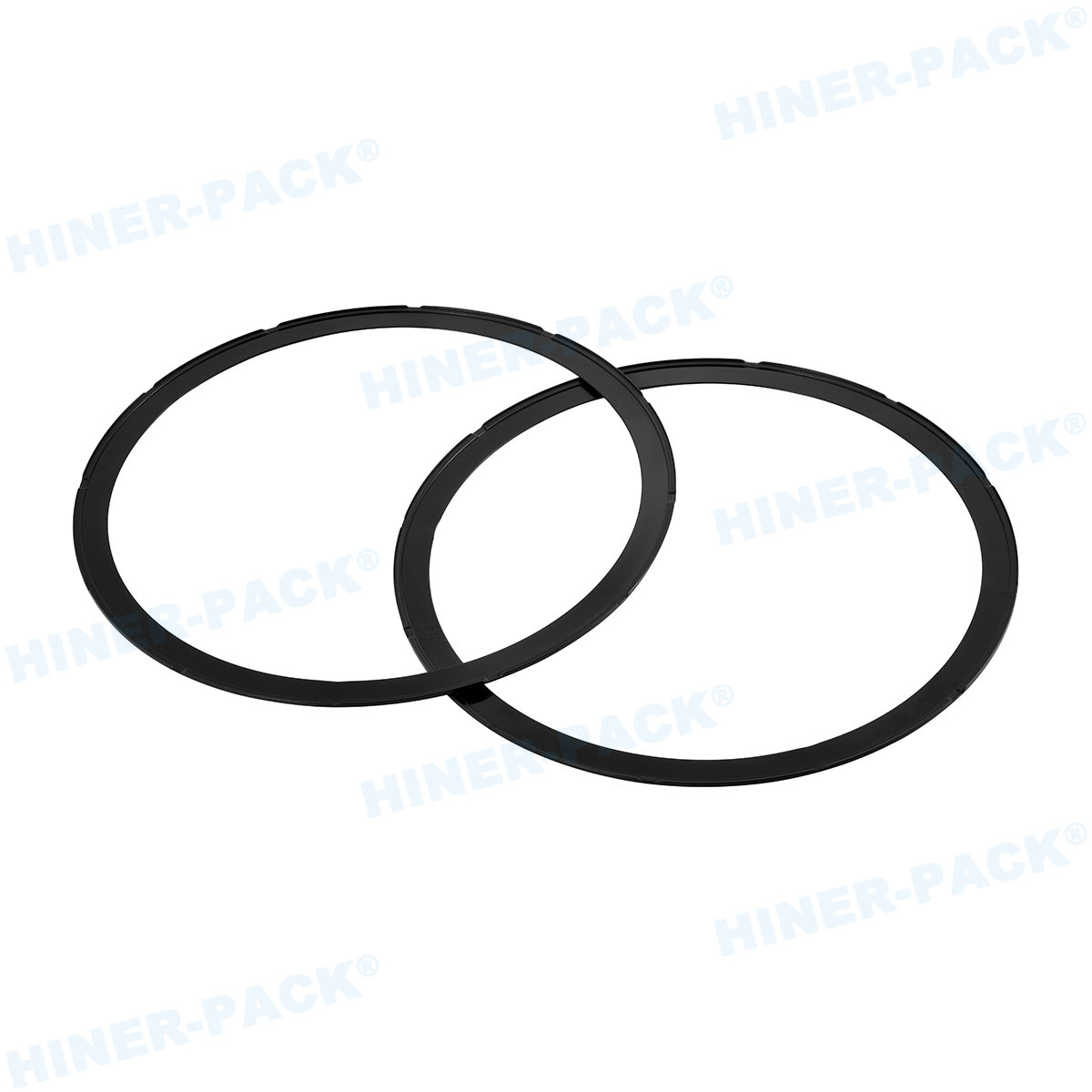
Interleaf Materials: The use of non-woven, lint-free, and anti-static interleaf discs to prevent surface-to-surface contact in coin-stack configurations.
Vacuum-Compatible Designs: Some advanced wafers must be shipped under vacuum or in an inert nitrogen environment. This requires shippers with integrated valves and high-integrity hermetic seals.
6. Application Scenarios Across the Semiconductor Lifecycle
The requirements for wafer transport vary significantly depending on the stage of production and the end-user requirements. A versatile manufacturer must offer a catalog that spans the entire lifecycle.
Ingot-to-Wafer Transport
Initial silicon wafers, post-sawing and polishing, require bulk transport solutions. These are often high-capacity "cassette-in-box" designs that prioritize volume efficiency and basic protection. The focus here is on preventing surface scratches during the transition from the wafering house to the fab.
In-Process Fab Inter-Bay Transport
Within the fab, wafers move between different tool sets (photolithography, ion implantation, CMP). This requires FOUPs (Front Opening Unified Pods) that are designed for high-frequency robotic access and are often integrated with nitrogen purging systems to prevent the oxidation of copper layers between process steps.
Global Logistics and Foundry-to-OSAT Shipping
When completed wafers are sent from a foundry to an Outsourced Semiconductor Assembly and Test (OSAT) provider, the shipping container becomes the final line of defense against the external world. These shippers must be rugged enough for international air freight while maintaining the internal purity levels achieved in the cleanroom. [Hiner-pack] specializes in these high-reliability shipping solutions, ensuring that the value added during the fabrication process is not lost during transit.
The role of a wafer shippers manufacturer extends far beyond simple plastic molding. It is a discipline that combines advanced material science, precision mechanical engineering, and rigorous contamination control. As the semiconductor industry moves toward smaller process nodes and more complex 3D architectures, the importance of secure, high-purity transport will only increase.
Choosing the right partner requires a thorough evaluation of their cleanroom capabilities, their adherence to SEMI standards, and their ability to provide specialized solutions for thinned and fragile wafers. By focusing on these technical benchmarks, B2B procurement and engineering teams can ensure that their silicon assets are protected throughout the global supply chain, ultimately safeguarding their yield and brand reputation in a highly competitive market.
Frequently Asked Questions
Q1: What is the typical shelf life of a wafer shipper's ESD properties?
A1: For shippers using permanent carbon-filled polymers, the ESD properties are typically as long-lived as the plastic itself. However, for shippers utilizing topical anti-static coatings, the properties may degrade after 6-12 months or after multiple cleaning cycles. It is recommended to verify surface resistivity periodically.
Q2: Can wafer shippers be reused, and what is the protocol?
A2: Yes, many shippers are designed for multiple cycles. However, they must undergo a validated aqueous cleaning process in a cleanroom environment to remove accumulated particles and organic residues. The number of reuses depends on the wear of the mechanical retainers and the stability of the polymer.
Q3: How does outgassing affect the wafer during long-term storage?
A3: Long-term storage (over 3 months) in a high-outgassing container can lead to "haze" on the wafer surface. This haze is actually a thin layer of condensed organic compounds that can cause adhesion failures in subsequent processing steps. Low-outgassing materials are mandatory for long-term storage.
Q4: What is the difference between a FOUP and a FOSB?
A4: A FOUP (Front Opening Unified Pod) is primarily used for internal fab transport and is designed to interface directly with process tools. A FOSB (Front Opening Shipping Box) is designed for external shipping between facilities; it often lacks some of the complex internal mechanisms of a FOUP but offers superior mechanical protection for logistics.
Q5: Why is Polycarbonate (PC) often preferred over Polypropylene (PP) for 300mm shippers?
A5: Polycarbonate offers superior dimensional stability and rigidity. For 300mm wafers, the weight and size require a container that will not flex or warp, as even slight deformations can interfere with robotic sensors and kinematic couplings. PC also tends to have lower outgassing profiles for certain organic species.
Are you seeking a technical partner for your semiconductor packaging and transport needs?
At Hiner-pack, we understand the high stakes of semiconductor logistics. Our engineering team is dedicated to providing high-purity, SEMI-compliant shipping solutions that protect your technological investments. Whether you require custom inserts for thinned wafers or high-volume FOSB solutions, we have the expertise to deliver. Contact us today to discuss your specific technical requirements and learn how we can optimize your transport yield.