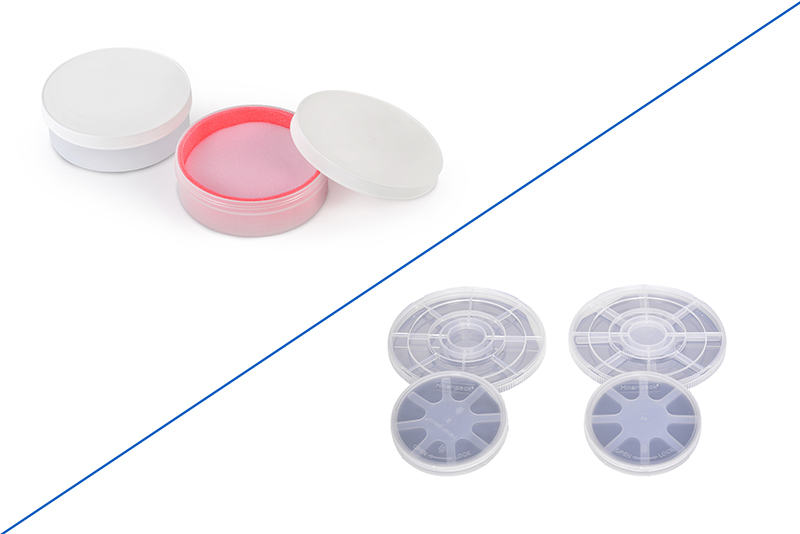
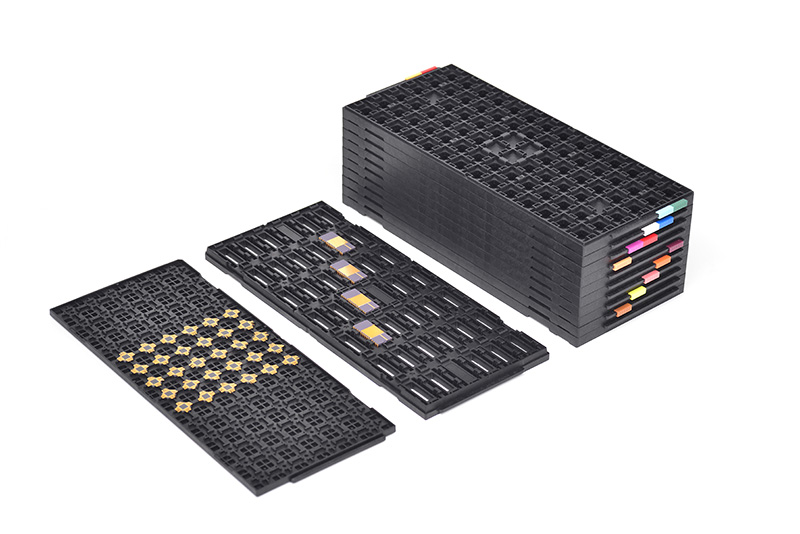
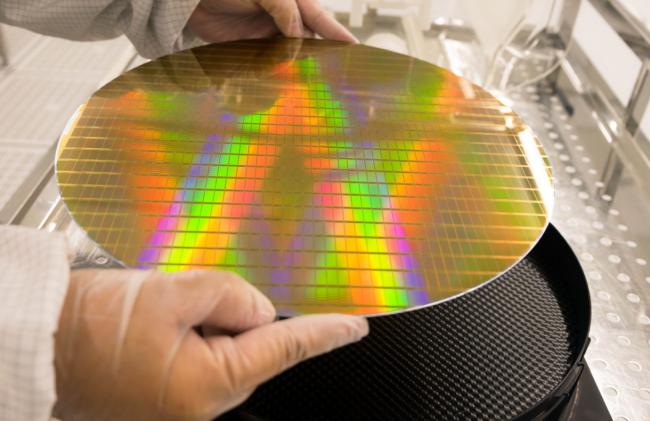
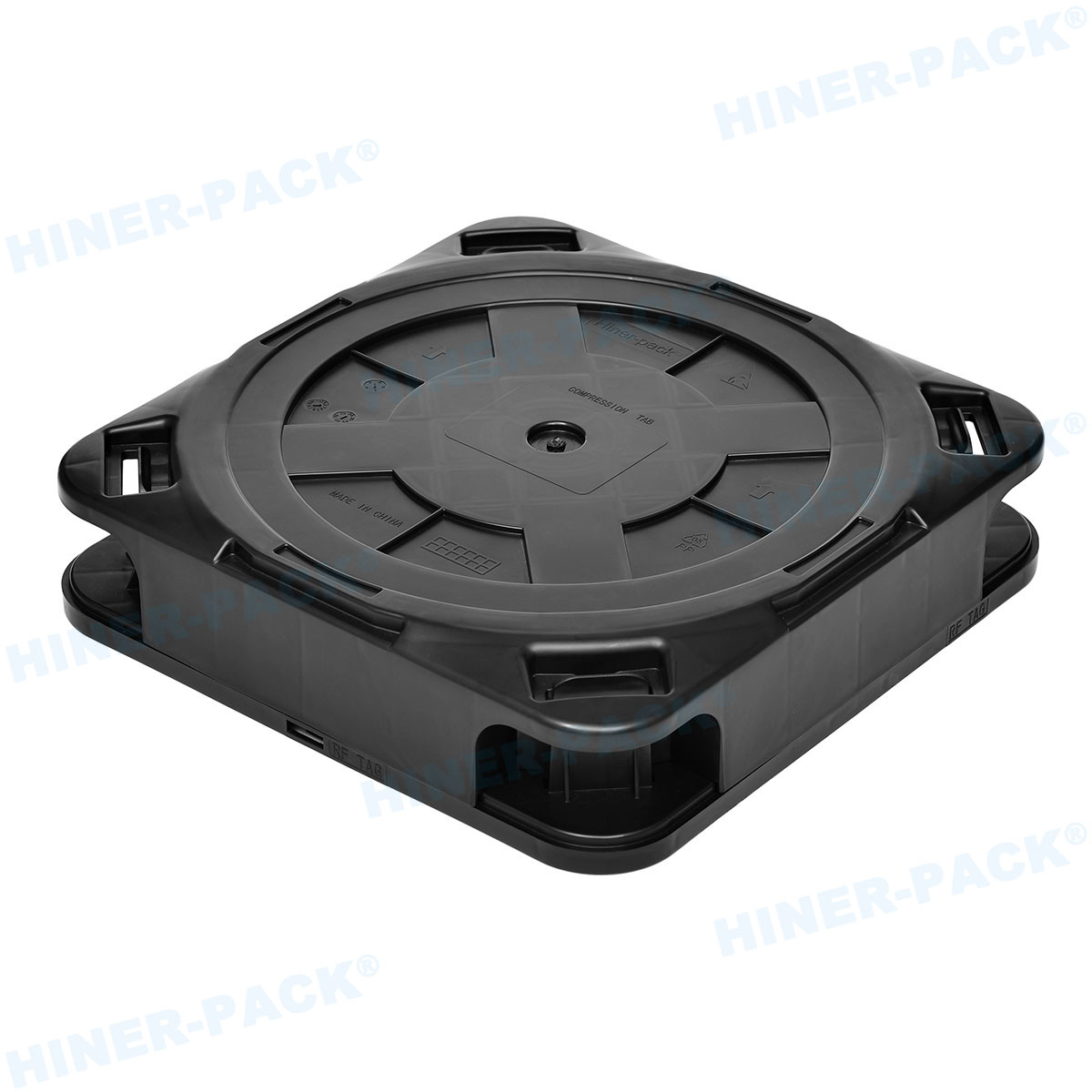
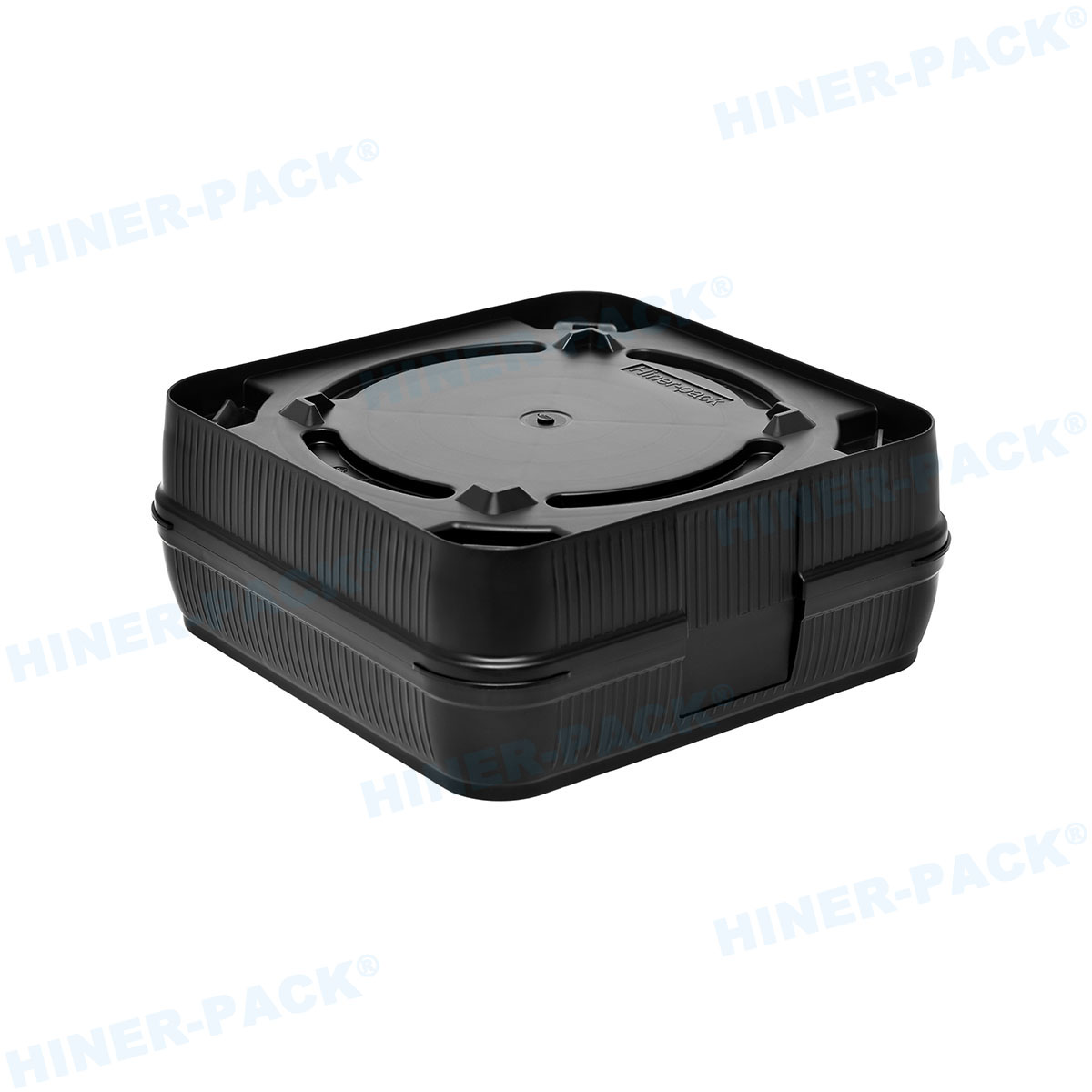
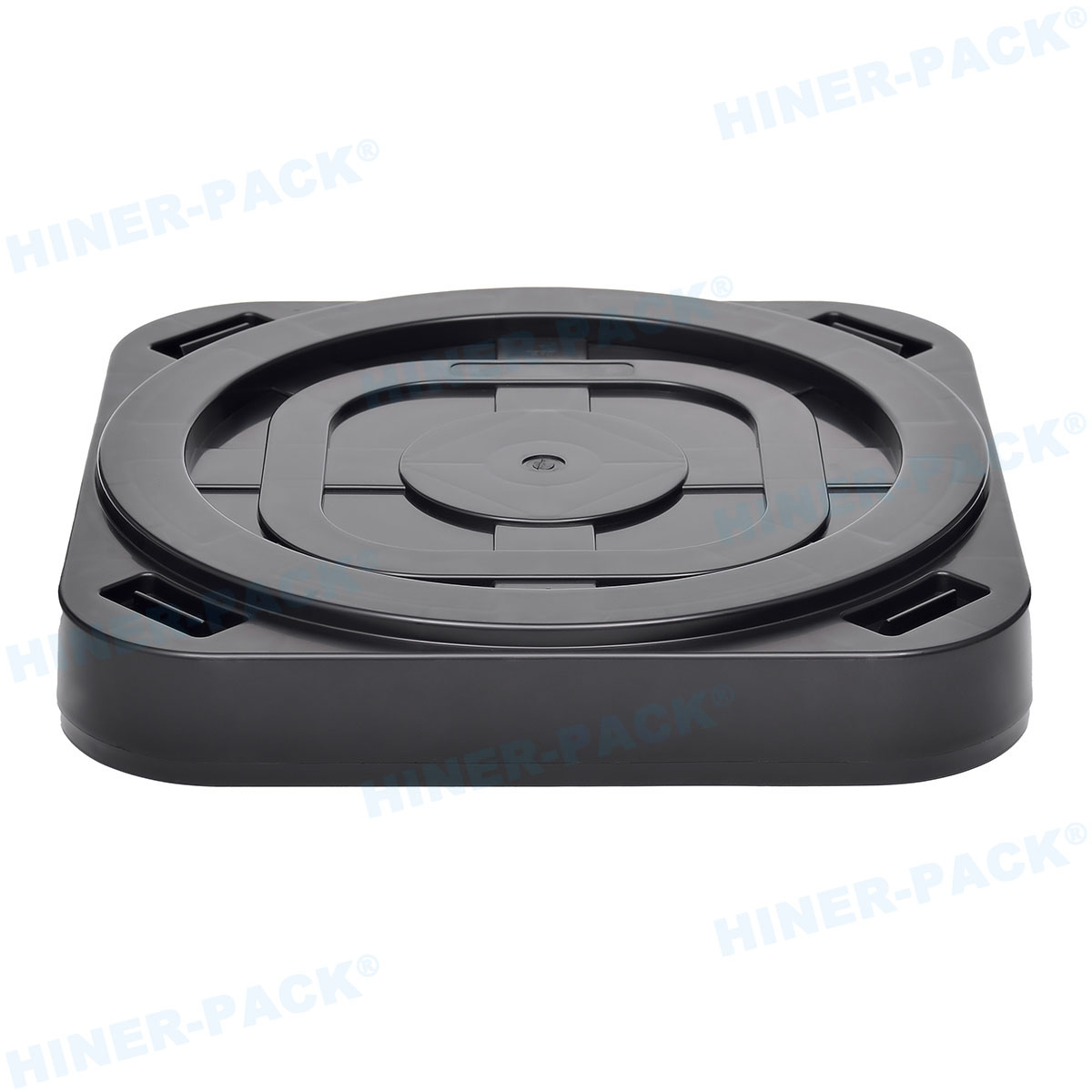
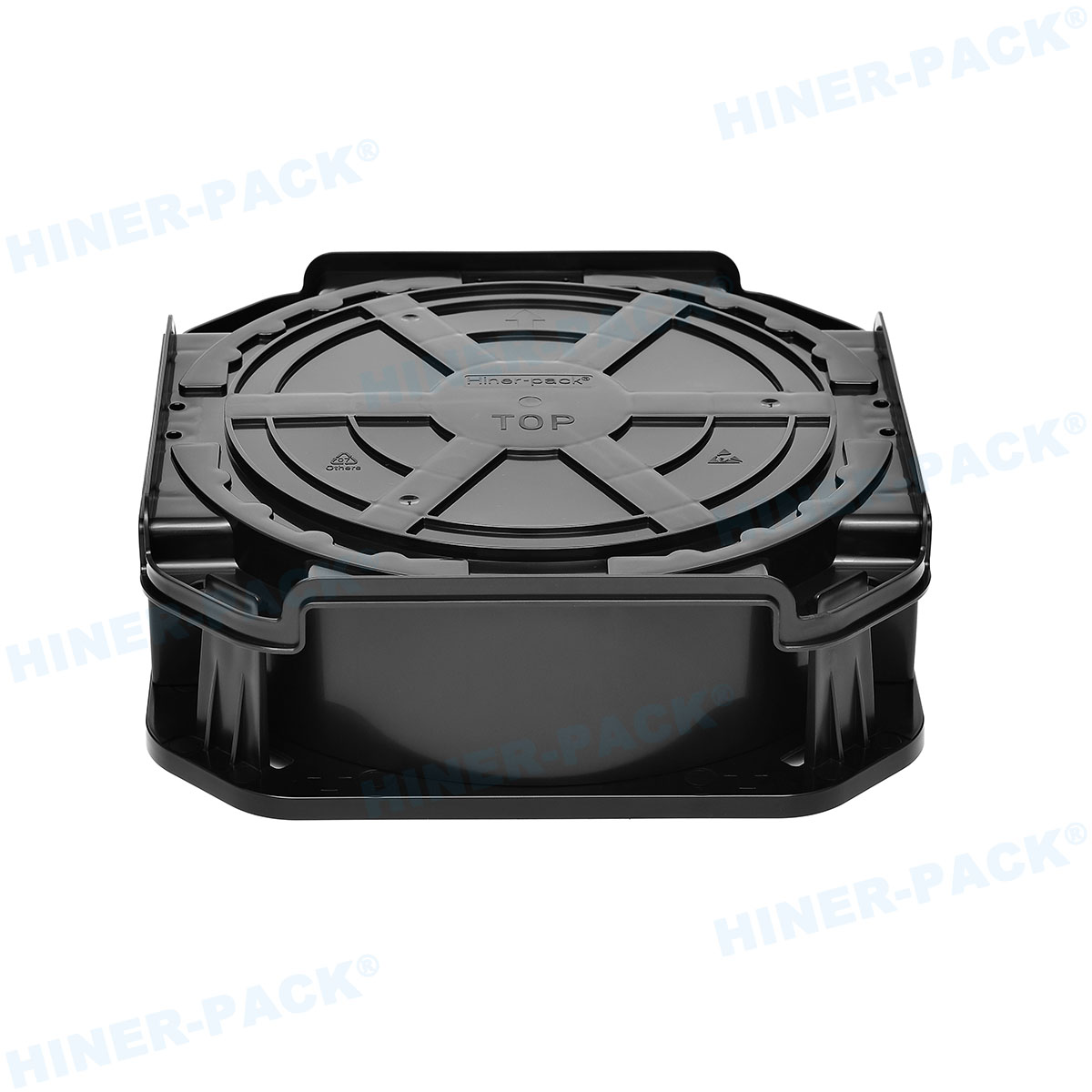
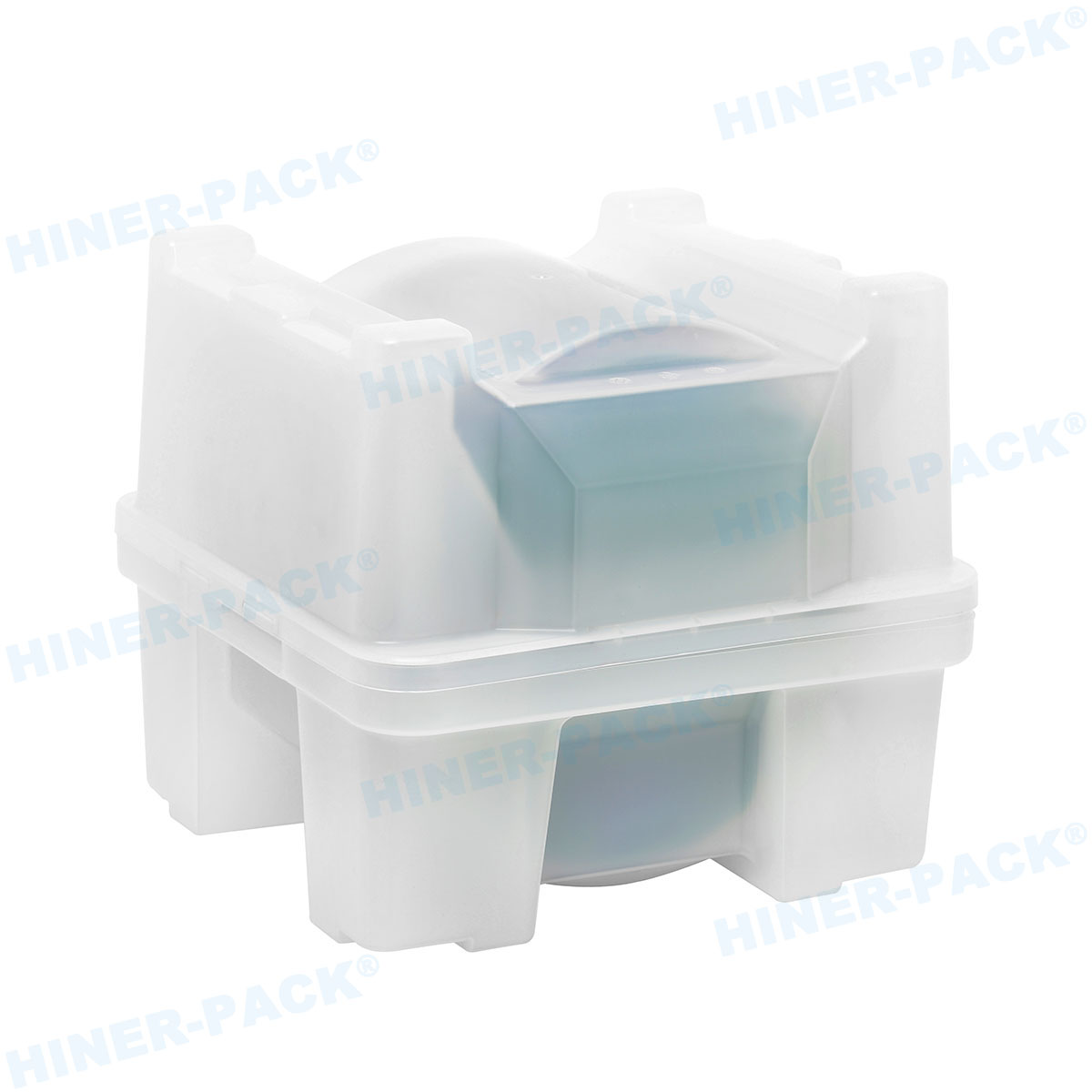
The semiconductor industry operates at the threshold of physical possibility, where features are measured in nanometers and purity is defined by parts per trillion. In this context, the infrastructure of the supply chain is just as vital as the lithography tools themselves. A wafer shippers factory serves as a high-precision manufacturing node, responsible for producing the protective environments that house silicon wafers during international transit and internal fab movement. These containers are not merely plastic boxes; they are sophisticated instruments designed to prevent contamination, mitigate mechanical shock, and ensure compatibility with advanced robotic handling systems.
For B2B procurement managers and packaging engineers, the choice of a manufacturing partner involves a rigorous audit of technical capabilities. The transition toward larger wafer sizes and thinner substrates has placed immense pressure on packaging providers to innovate. Leading organizations such as [Hiner-pack] have responded by integrating advanced polymer science with automated cleanroom production. This article examines the technical benchmarks that define excellence in the production of wafer transport solutions, from the molecular level of the raw materials to the mechanical tolerances of the finished product.
1. Cleanroom Manufacturing Infrastructure
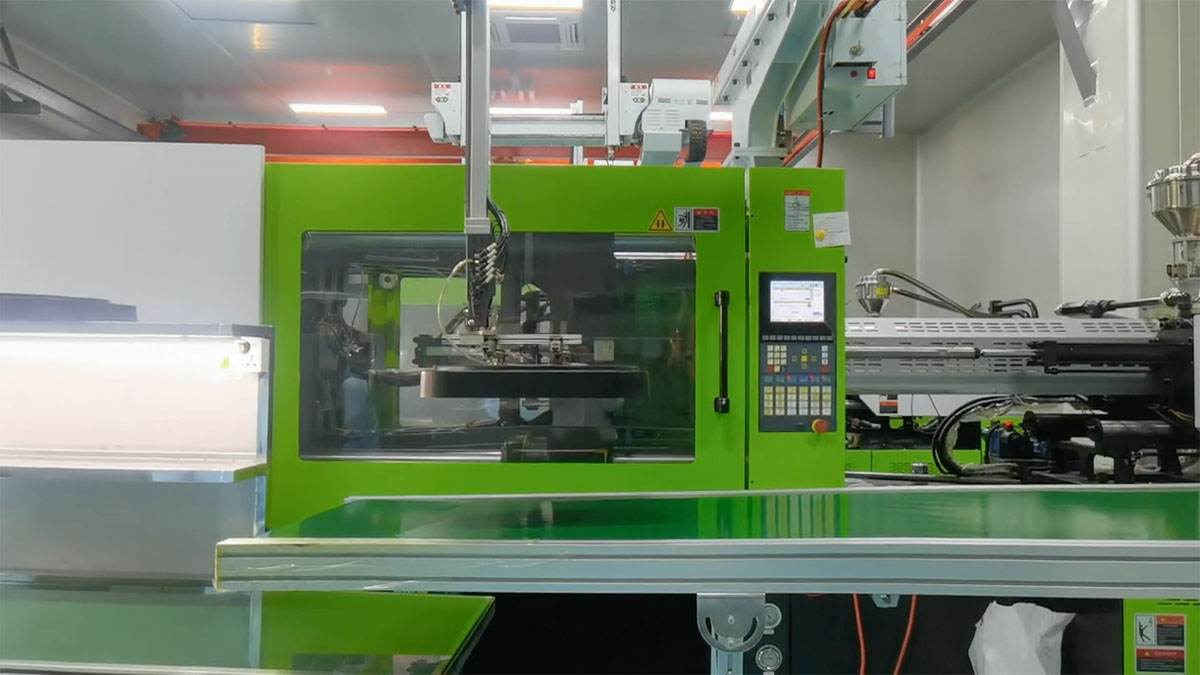
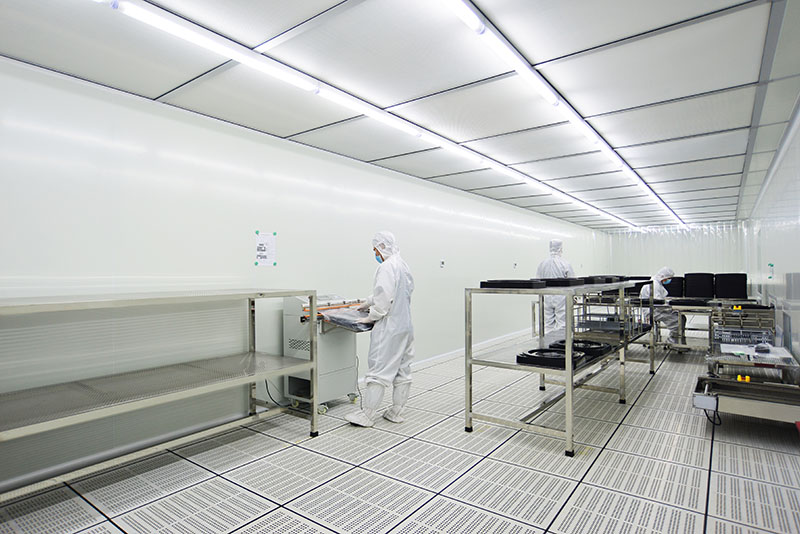
The core of a high-performance wafer shippers factory is its controlled environment. Because wafer shippers are used in the most sensitive areas of a semiconductor fab, they must be produced in an environment that matches or exceeds the cleanliness of the end-user's facility. A standard factory layout often separates the high-heat injection molding process from the final assembly and packaging phases.
ISO Class 5 and 6 Integration
Modern production lines utilize ISO Class 5 (Class 100) or Class 6 cleanrooms for the assembly of Front Opening Shipping Boxes (FOSB) and Front Opening Unified Pods (FOUP). This ensures that no airborne particulates are trapped inside the container during the sealing process. High-efficiency particulate air (HEPA) filtration systems must maintain constant laminar flow over the assembly stations, and the air change rates must be monitored continuously to prevent the accumulation of microscopic debris.
Automated Molding Environments
Precision injection molding for wafer carriers requires a stable ambient environment to ensure dimensional consistency. Variations in temperature or humidity during the molding process can cause slight warpage in the plastic, leading to failures in robotic automation interfaces. Advanced factories utilize closed-loop feedback systems on their molding machines to adjust for environmental fluctuations in real-time, ensuring that every unit produced meets the exact mechanical specifications required by SEMI standards.
2. Advanced Polymer Science and Outgassing Mitigation
The choice of material determines the protective capability of the shipper. A wafer shippers factory must possess the expertise to work with high-performance engineering plastics, each chosen for its specific chemical and physical properties.
Polycarbonate (PC): Known for its high impact resistance and dimensional stability. It is the industry standard for 300mm FOSB shells, providing a rigid frame that protects against physical deformation.
Polyetheretherketone (PEEK): Utilized for wafer-contact components such as teeth and retainers. PEEK offers exceptional wear resistance and is capable of withstanding the high temperatures associated with certain fab processes without degrading.
Carbon-Fiber Additives: These are integrated into the polymer matrix to provide permanent electrostatic discharge (ESD) protection, ensuring that the surface resistivity remains within the dissipative range (10^4 to 10^10 ohms/sq).
One of the most crucial technical hurdles in material selection is the management of Airborne Molecular Contaminants (AMC). Volatile organic compounds (VOCs) can outgas from the plastic and condense on the wafer surface, causing "haze" and affecting lithography yields. Professional manufacturers utilize vacuum-drying protocols and low-outgassing resins to ensure that the total organic carbon (TOC) levels remain within acceptable industry limits.
3. Precision Mechanical Design and SEMI Compliance
In a modern automated fab, a wafer shipper is more than a container; it is a robotic interface. Compliance with SEMI (Semiconductor Equipment and Materials International) standards is the most important requirement for any wafer shippers factory. These standards, such as SEMI M1 and E15.1, define the precise dimensions for kinematic couplings, robotic flanges, and wafer slot spacing.
Kinematic Coupling Accuracy
The three-point kinematic coupling at the base of a FOUP or FOSB must be manufactured with sub-millimeter precision. This interface allows a robotic load port to "know" the exact position of the container. Any deviation in the molding of these points can result in a robotic mispick, leading to shattered wafers and massive financial losses. Quality control in the factory involves using Coordinate Measuring Machines (CMM) to verify the geometric tolerances of every batch.
Wafer Constraint Systems
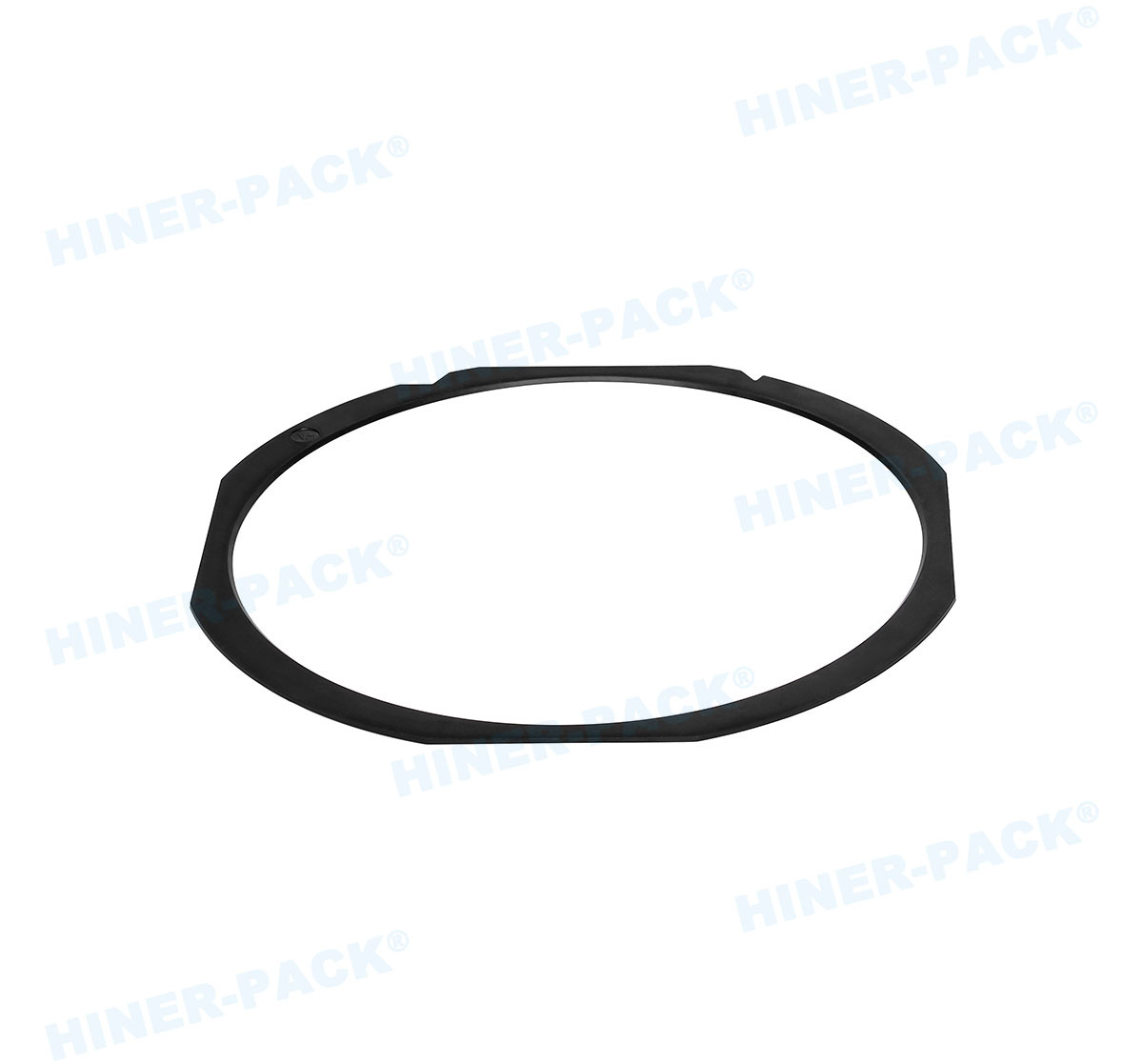
The internal "teeth" or slots that hold the wafers must provide a secure grip without exerting excessive force. As wafers have become thinner (down to 50 microns in some cases), the design of the wafer retainer must account for substrate "bowing." Modern factory designs use sophisticated simulation software to model the stress distribution on the wafer edges, ensuring that the shipping box can withstand G-forces during air freight without inducing fractures.
4. Moisture Control and Hermetic Sealing Technology
Environmental factors such as humidity can be detrimental to wafer integrity, particularly for those with sensitive copper layers or advanced low-k dielectrics. A specialized wafer shippers factory integrates high-performance sealing technology into its product designs.
Gasket Engineering
Advanced shipping boxes utilize high-purity elastomer gaskets that provide a hermetic seal. These gaskets must remain flexible over a wide range of temperatures and be resistant to compression sets. The factory must ensure that the gasket is bonded to the frame in a way that prevents "particle traps" at the interface. [Hiner-pack] focuses on the integrity of these seals to ensure that the internal environment remains at the specified humidity level throughout the shipping cycle.
Nitrogen Purge Capabilities
For FOUPs used in-process, the ability to maintain an inert environment is a requirement. The factory must integrate precision-machined purge valves into the container base. These valves allow the fab's internal system to flush the container with nitrogen, displacing oxygen and moisture. Testing these valves for leak rates and particulate generation is a fundamental part of the factory's quality assurance protocol.
5. Rigorous Quality Assurance and Validation Protocols
The path from a raw polymer pellet to a finished FOSB is governed by a complex validation stack. A professional manufacturer does not rely on visual inspection alone; they utilize a suite of analytical tools to verify performance.
Particle Testing: Using liquid particle counters (LPC) to measure the cleanliness of the container's interior surfaces.
Impact and Vibration Testing: Simulating the rigors of global logistics using vibration tables and drop testers to ensure the wafers remain secure.
Chemical Resistance: Verifying that the shippers can withstand repeated cleaning cycles with Isopropyl Alcohol (IPA) or specialized detergents without losing structural integrity.
ESD Verification: Measuring surface resistance at multiple points on the box to ensure consistent dissipative performance.
This level of verification is what ensures that the "yield integrity" of the silicon wafers is maintained. When a B2B client audits a wafer shippers factory, they are looking for documented evidence that these tests are performed on every production lot, not just on prototypes.
6. Solving Industry Pain Points: The Fragility of Thinned Wafers
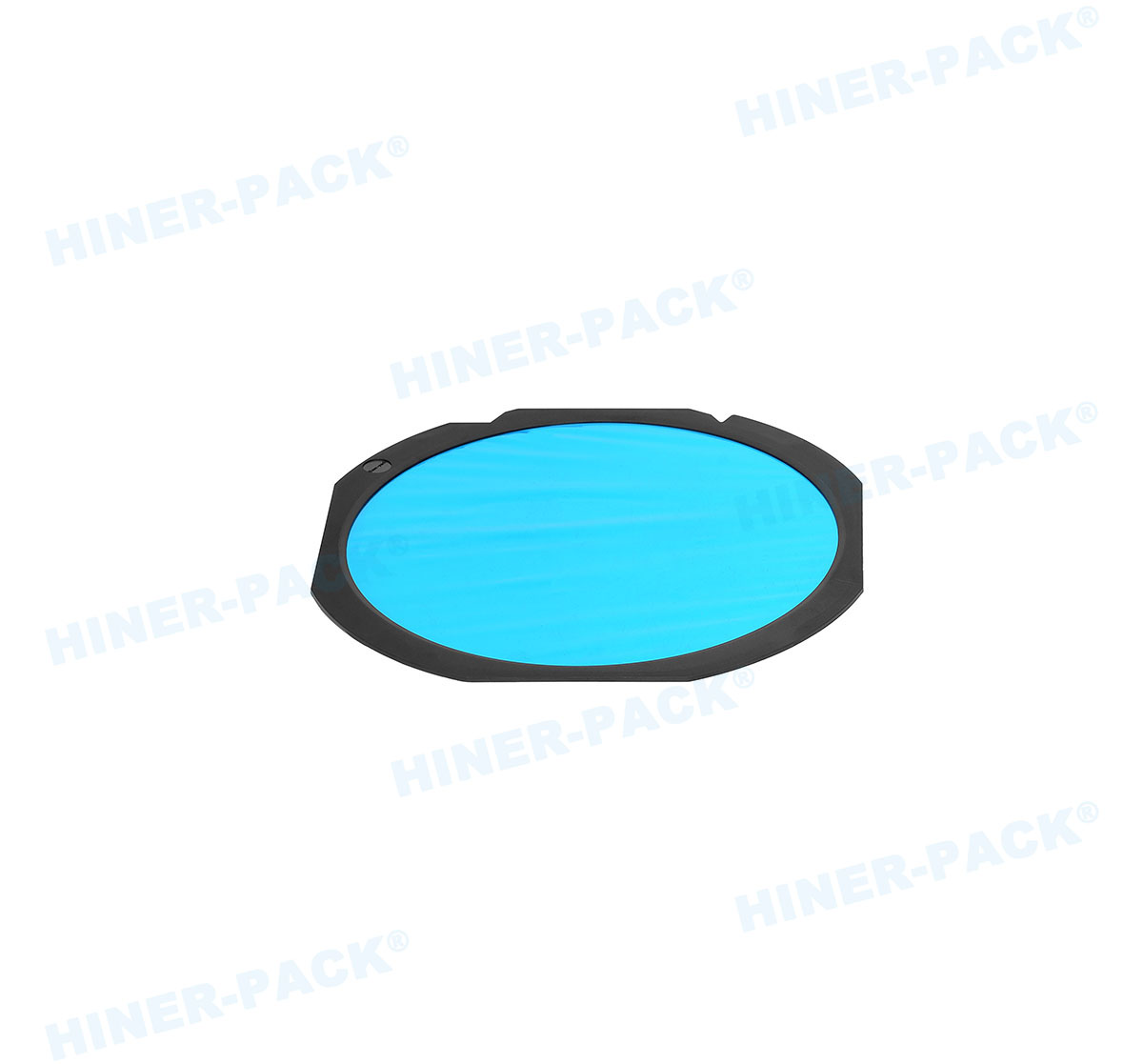
As the semiconductor industry moves toward 3D stacking and advanced packaging, wafers are being ground to extreme thinness. These substrates are significantly more fragile than standard 775-micron wafers. The industry pain point here is the high rate of breakage during transport between foundries and OSAT (Outsourced Semiconductor Assembly and Test) providers.
The solution provided by advanced factories involves specialized "low-stress" wafer cushions. These cushions utilize softer polymers and more complex geometries to distribute the clamping force over a larger area of the wafer edge. Furthermore, the factory must ensure that the interleaf materials (if used in coin-stack shippers) are completely lint-free and anti-static to avoid introducing new contaminants to the thinned surface. By focusing on these specific technical challenges, manufacturers can help their clients achieve higher final yields.
7. Supply Chain Resilience and Global Logistics Support
The semiconductor market is characterized by rapid cycles of demand. A factory's ability to scale production while maintaining quality is a major competitive advantage. This requires a robust supply chain for raw materials, ensuring that only certified, high-purity resins are used.
Moreover, the factory must understand the logistics requirements of its clients. This includes providing specialized secondary packaging that meets international shipping regulations and ensures that the cleanroom-packed shippers do not become contaminated during the "last mile" of delivery. Organizations like [Hiner-pack] leverage their proximity to global shipping hubs and their deep understanding of fab logistics to provide a seamless experience for B2B customers across the globe.
8. Sustainability and Lifecycle Management
The high volume of plastic used in semiconductor packaging has led to a growing focus on sustainability. A forward-thinking wafer shippers factory is now exploring ways to reduce environmental impact without compromising purity. This includes the development of reusable shipping systems and the implementation of recycling programs for end-of-life containers. While the reuse of shippers in a Class 1 fab is limited by strict purity requirements, many components can be recycled for use in less sensitive applications, reducing the overall environmental footprint of the industry.
Lifecycle management also involves helping clients manage the "aging" of their shippers. Over time, plastic can become brittle and ESD properties can drift. A professional manufacturer provides guidelines for the inspection and retirement of older units, ensuring that a degraded box never compromises a valuable lot of wafers.
Engineering a high-performance wafer shippers factory is an exercise in technical discipline. From the micron-level control of airborne particulates to the precise chemical formulation of ESD-safe polymers, every aspect of the manufacturing process must be optimized for safety and reliability. As the semiconductor industry continues to push the boundaries of what is possible, the role of specialized packaging will remain a cornerstone of successful global production.
By prioritizing SEMI compliance, investing in advanced molding technology, and maintaining rigorous cleanroom standards, a world-class factory provides the security that global foundries and assembly houses require. In the competitive world of semiconductor fabrication, where yield is the most important metric, the integrity of the transport system is not an option—it is a fundamental requirement for success.
Frequently Asked Questions
Q1: What ISO cleanroom class is required for a wafer shippers factory?
A1: For the assembly and final packaging of 300mm FOSBs and FOUPs, ISO Class 5 (Class 100) or Class 6 is the industry standard. The molding areas may operate at a lower class, but the final integration of components must occur in a highly controlled environment to prevent particle entrapment.
Q2: Why is the dimensional stability of a wafer shipper so important for automation?
A2: Automated Material Handling Systems (AMHS) and robotic load ports rely on precise coordinates to pick and place wafers. If a shipper warps even by a fraction of a millimeter due to poor molding in the factory, the robot may collide with the wafer or the container, causing catastrophic breakage.
Q3: How does a factory ensure that ESD protection is permanent?
A3: Permanent ESD protection is achieved by compounding conductive or dissipative additives (like carbon fiber or specialized polymers) directly into the plastic resin before injection molding. This is superior to topical anti-static sprays, which can wear off or contaminate the wafers.
Q4: What is the role of outgassing testing in the manufacturing process?
A4: Outgassing testing verifies that the volatile organic compounds (VOCs) released by the plastic are below a certain threshold. This is vital because these gases can condense on the wafers, leading to chemical contamination that interferes with sensitive manufacturing steps like atomic layer deposition (ALD).
Q5: Can wafer shippers be customized for specific thinned wafer requirements?
A5: Yes, a professional factory can customize the internal wafer retainers and cushions to provide specific clamping forces. This is often necessary for Taiko wafers or ultra-thin substrates where standard shipping boxes might apply too much pressure on the edges.
Are you looking for a technical partner to secure your wafer transport yield?
At Hiner-pack, we understand the complex requirements of modern semiconductor logistics. Our state-of-the-art manufacturing facility is designed to meet the highest industry standards for purity, precision, and reliability. Whether you are managing the transition to advanced nodes or seeking robust solutions for international wafer shipping, our engineering team is here to support you. Contact us today for a technical consultation or a customized project quotation.