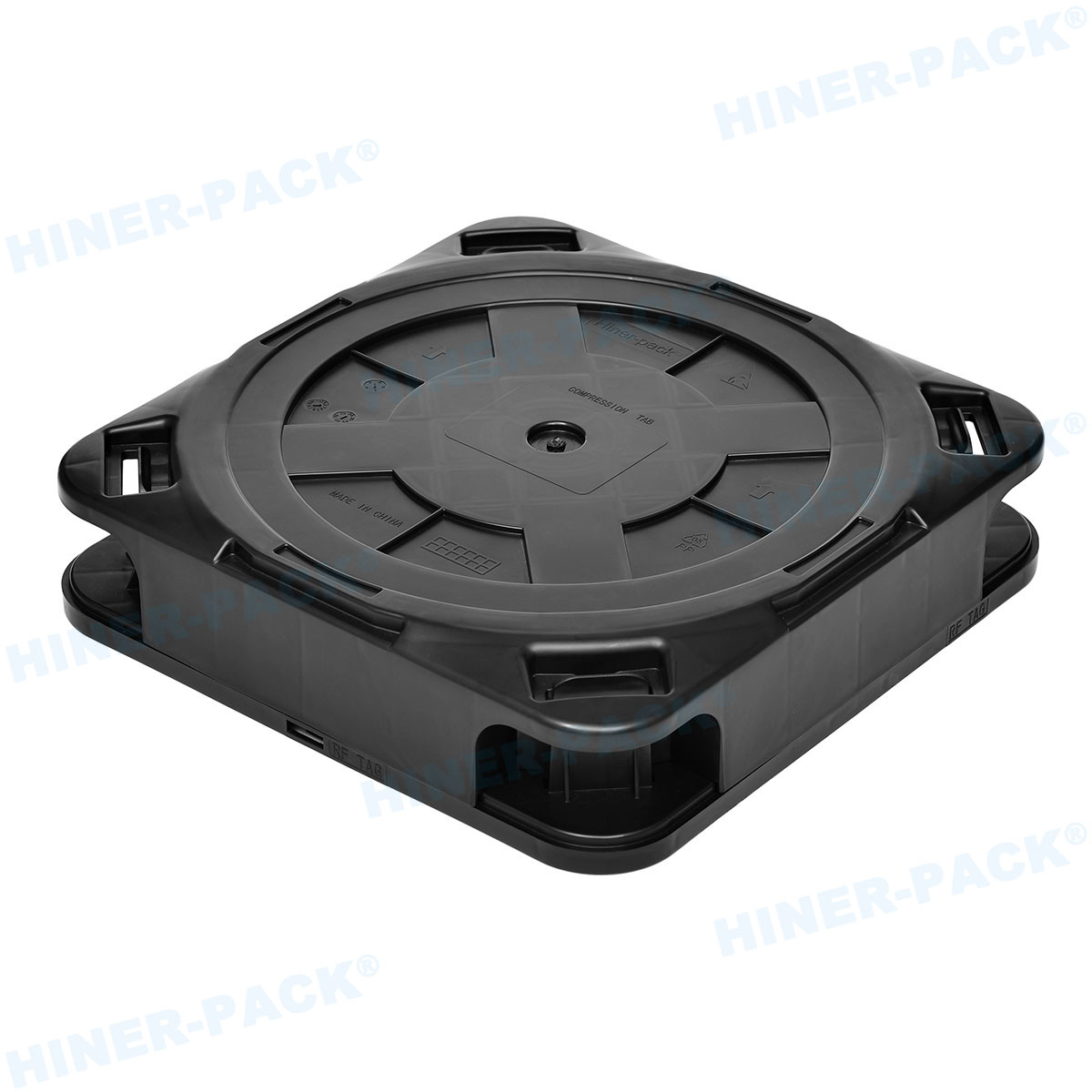
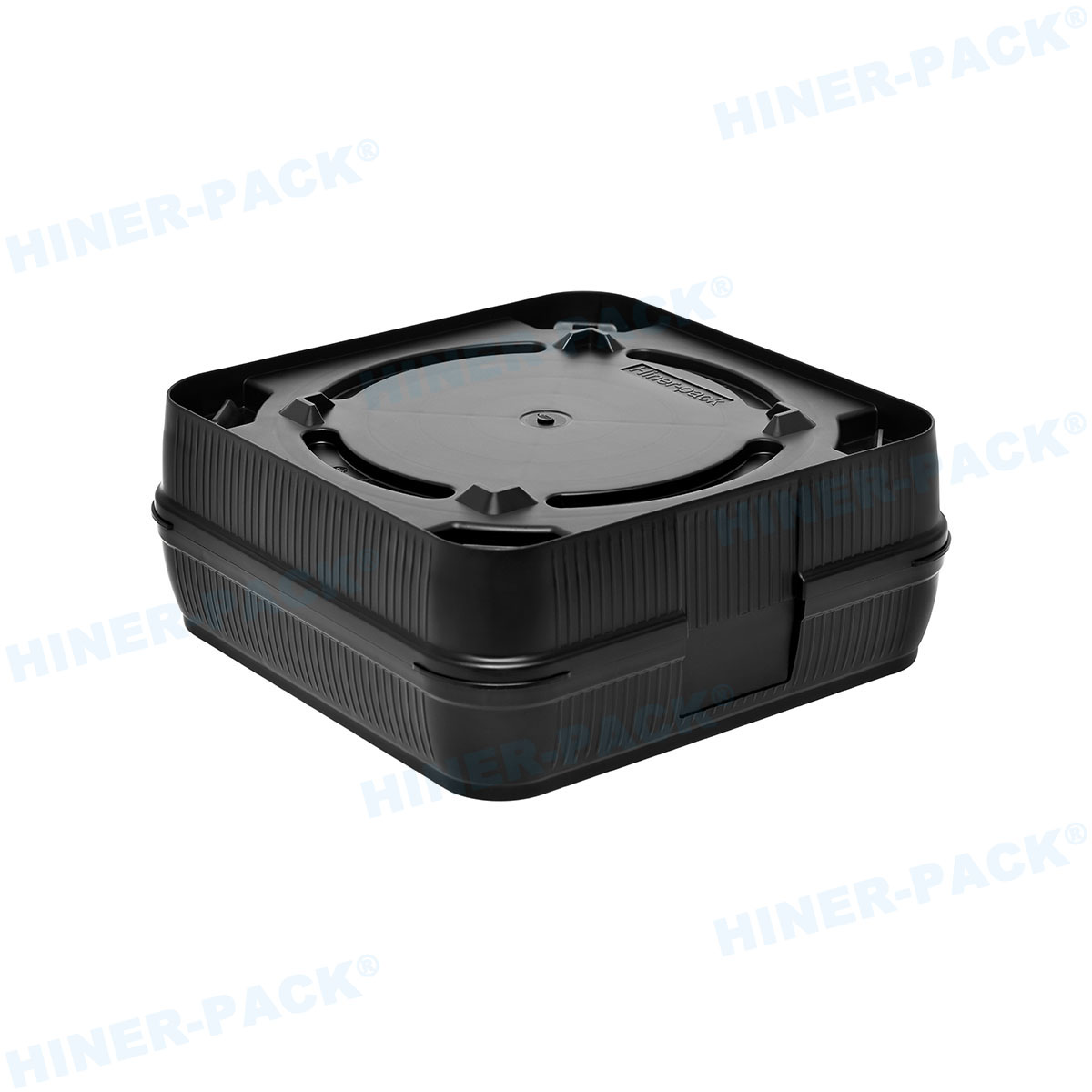
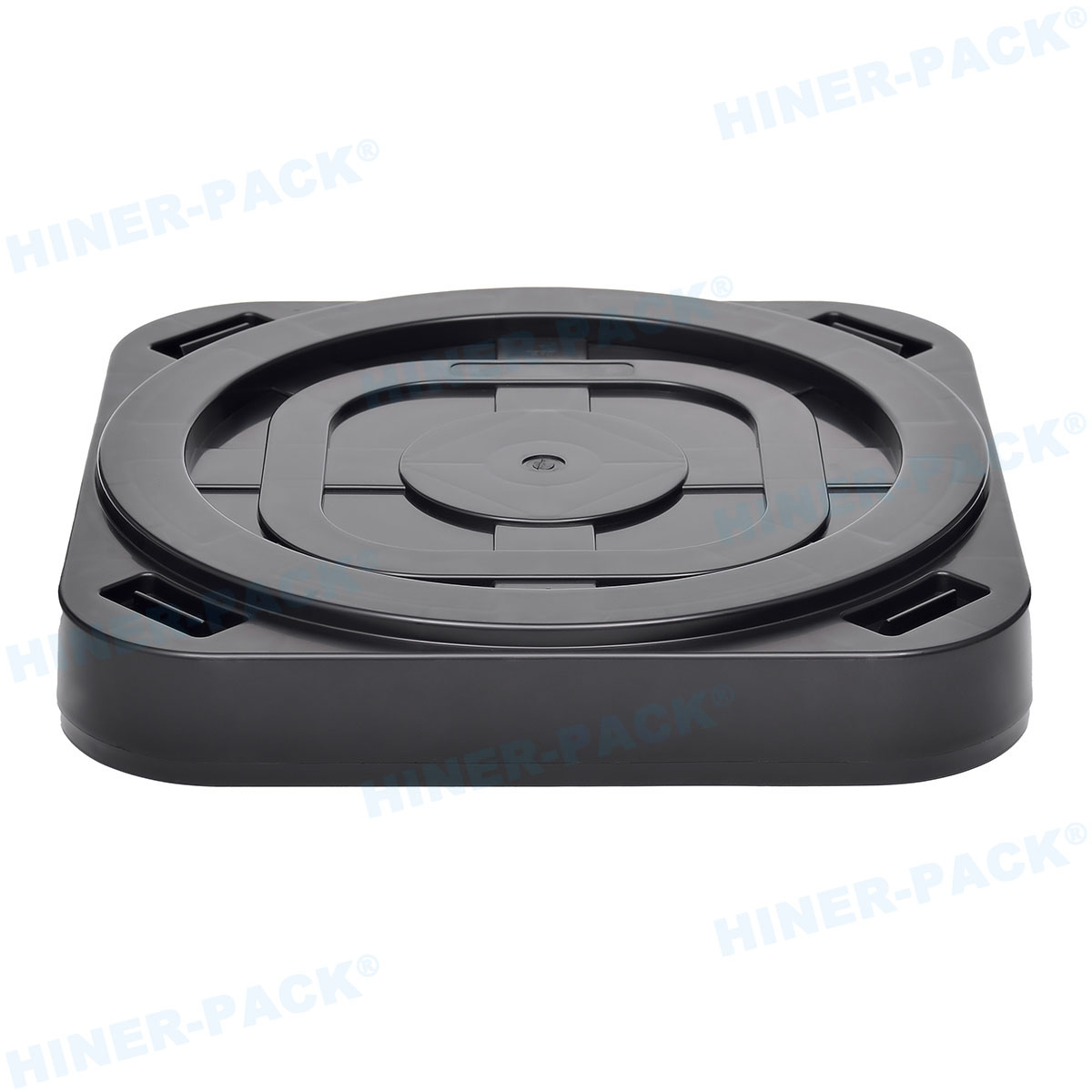
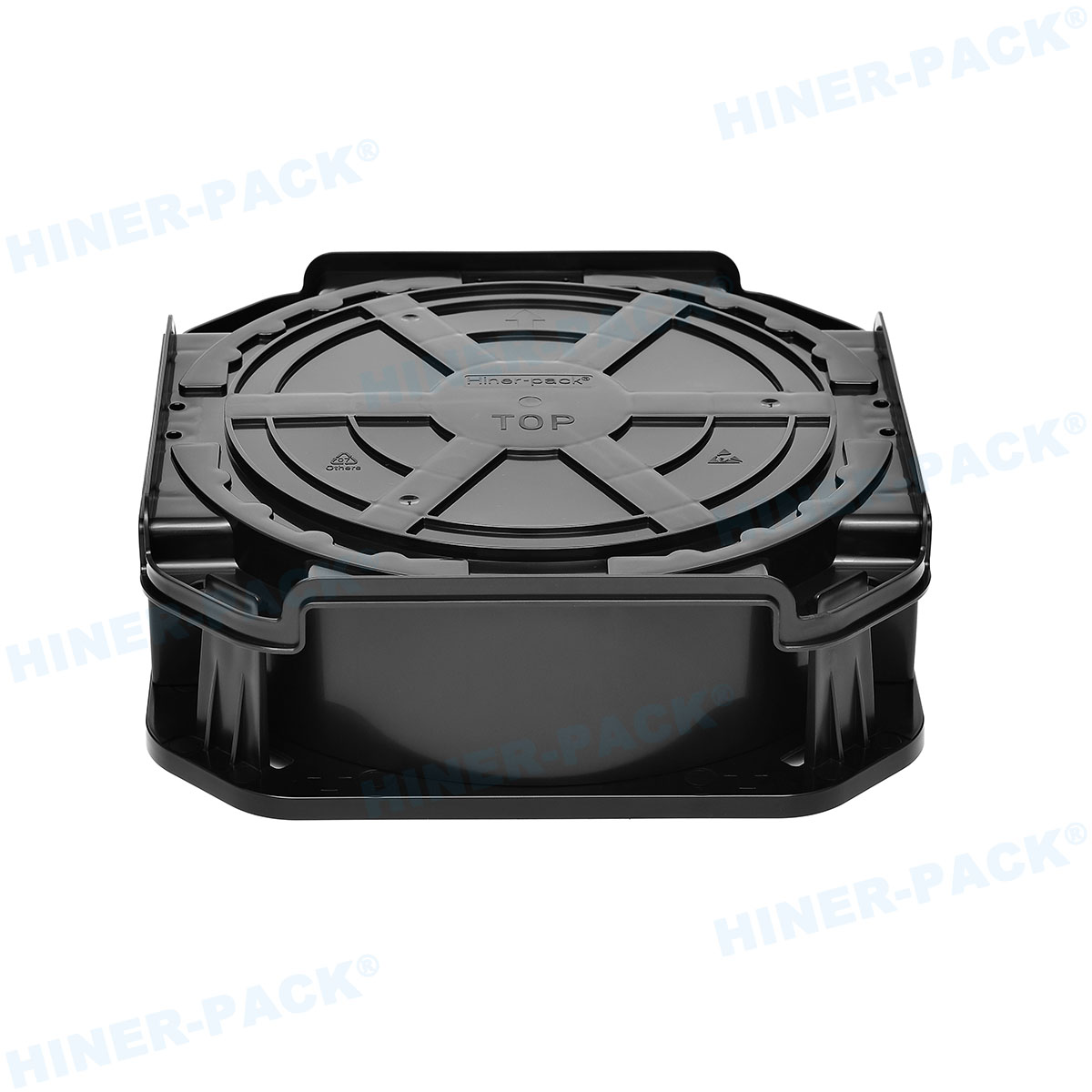
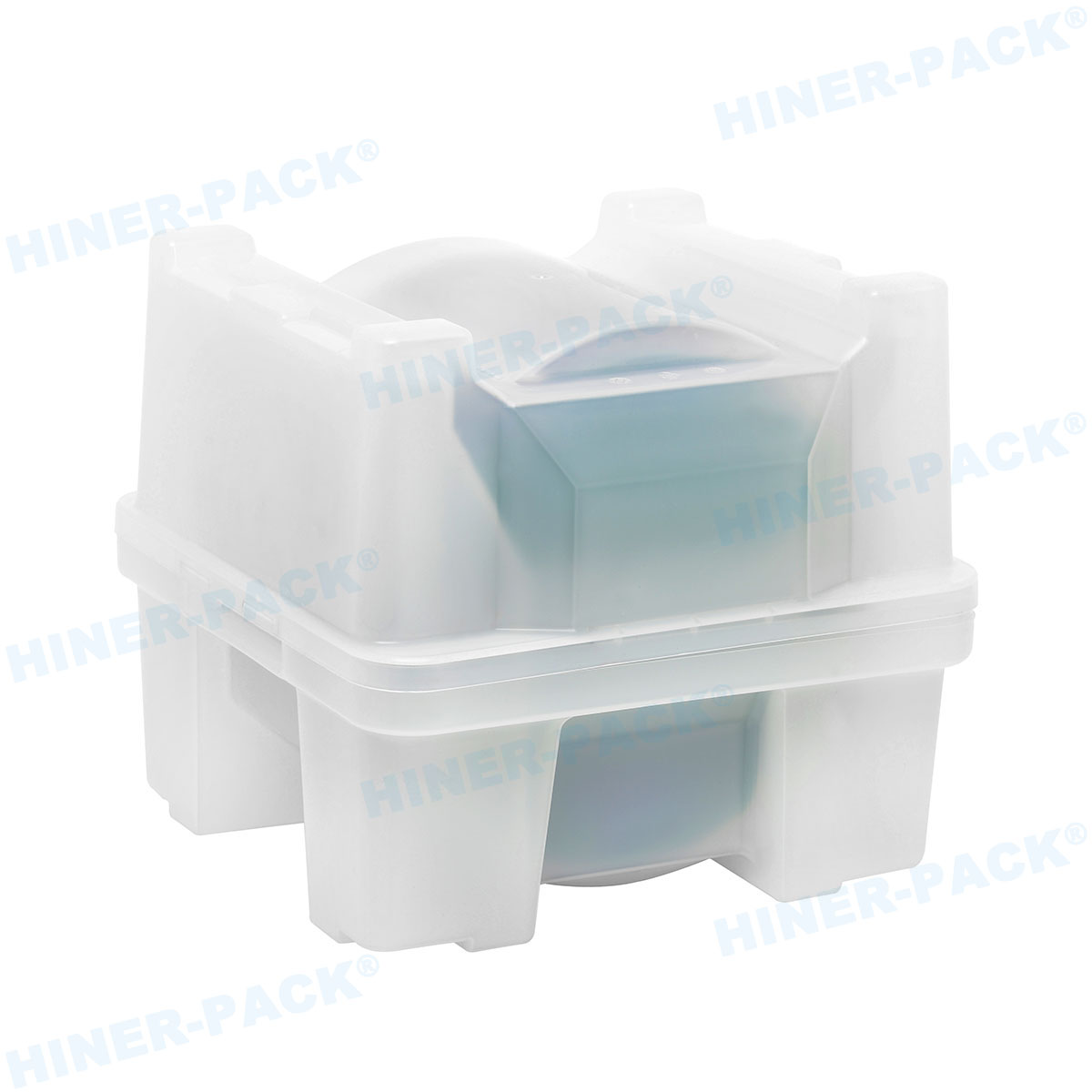
In the precision-driven world of semiconductor manufacturing, contamination control is non-negotiable. The journey of a wafer from fabrication to assembly is fraught with risk. Here, the dust free wafer shipper transitions from a simple container to a critical piece of process equipment. Its sole mission: to ensure silicon wafers arrive in the same pristine condition they left. Selecting the right one is not a procurement decision; it’s a yield protection strategy.
Understanding the Role of a Dust Free Wafer Shipper
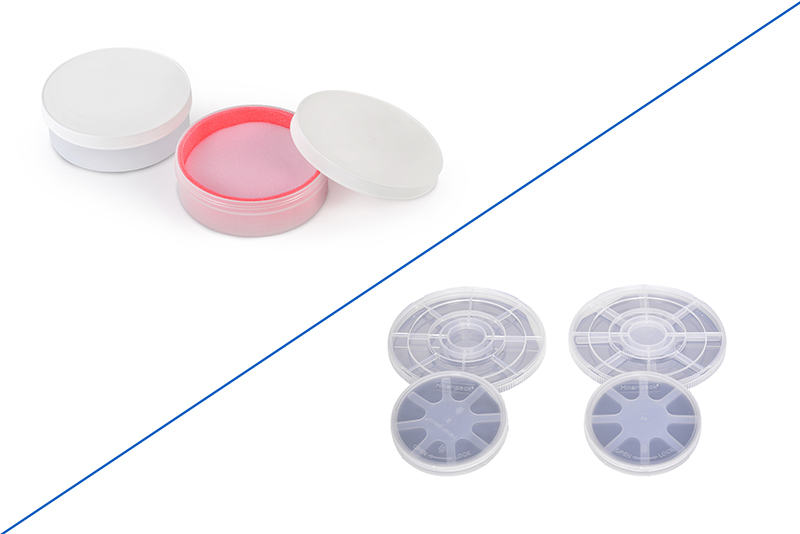
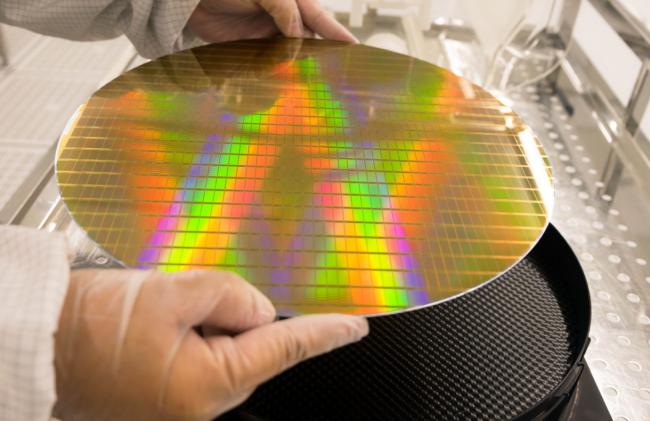
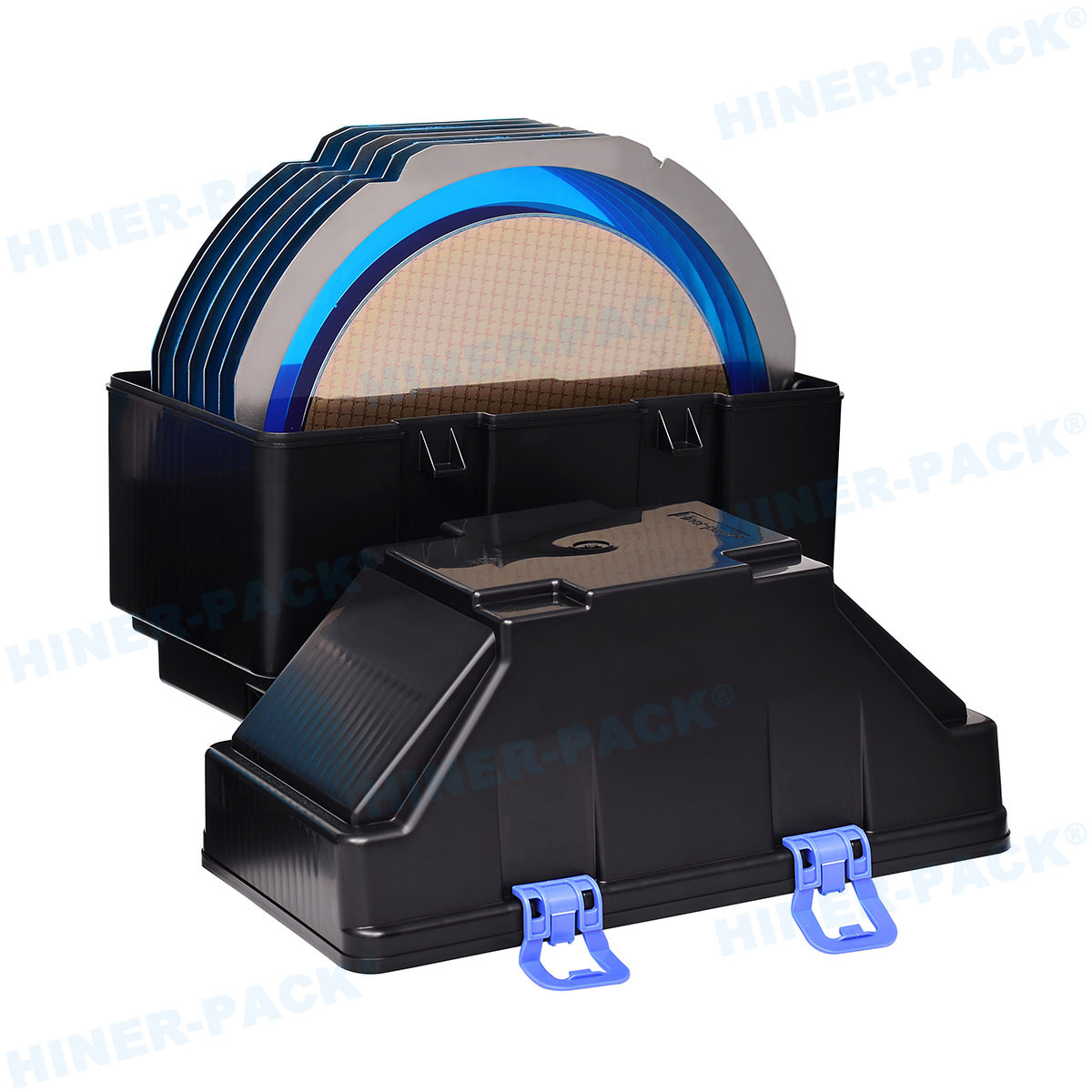
A dust free wafer shipper is a specialized transport container designed to house wafer cassettes or FOUPs/FOSBs. Unlike standard packaging, it creates a controlled mini-environment. It physically shields wafers from airborne particles (AMC), micro-vibrations, and mechanical shock during logistics.
Failure here directly impacts your bottom line. A single particle-induced defect can render an advanced node wafer worthless. The right shipper is your first line of defense in the supply chain.
Key Comparisons: Standard Box vs. Certified Dust Free Wafer Shipper
Many assume any clean-looking box will do. This is a hazardous misconception.
Materials: Standard boxes may shed fibers. True dust free shippers use certified low-outgassing, anti-static plastics like PP or PC.
Sealing: A simple latch isn’t enough. High-performance shippers feature labyrinth seals or gasket systems to prevent particle ingress.
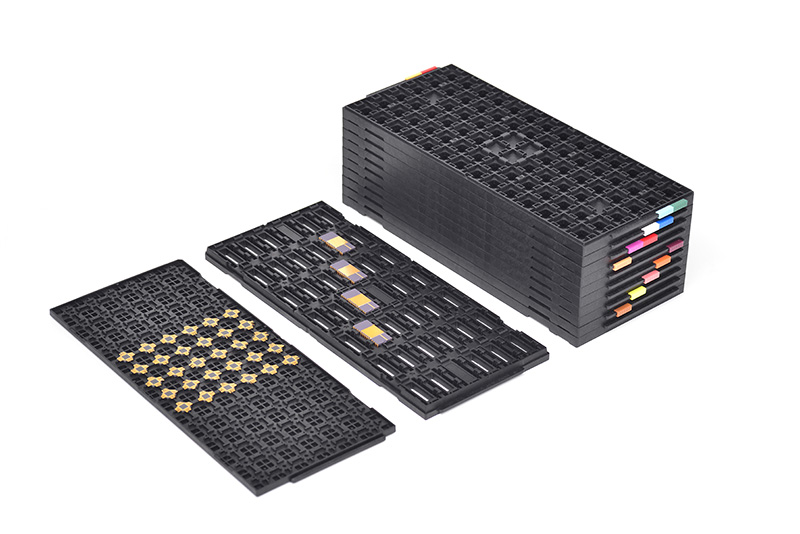
Internal Security: Generic packaging allows cassette movement. A proper shipper has precision-molded supports to lock the cassette in place, preventing damage during transit.
Compliance: Is it just "clean" or does it meet specific standards like SEMI, ISTA, or your internal fab Class 1 requirements?
The 7 Non-Negotiable Features for Selection
When auditing a dust free wafer shipper, these seven features are paramount:
Material Purity & Static Control: The polymer must be cleanroom-molded, non-additive, and inherently dissipative. This prevents both particle shedding and charge buildup that attracts contaminants.
Mechanical Seal Integrity: Inspect the seal design. A multi-point latching system with a continuous seal is superior to a basic single latch.
Internal Contamination Management: Look for features like built-in particle traps, smooth, radiused corners with no voids where debris can accumulate.
Shock & Vibration Dampening: The design should include strategic cushioning or a suspension effect to isolate the cassette from external forces. Ask for vibration test data.
Ergonomic & Error-Proof Design: Handles should allow safe grip with gloved hands. Color-coding and clear labeling for wafer size and orientation prevent costly human errors.
Traceability & Cleanliness History: Opt for shippers compatible with RFID tags or barcodes. Some advanced designs, like those from Hiner-pack, integrate features for easier cleaning cycle tracking.
Supplier Certification & Support: Your vendor must understand cleanroom protocols. Do they offer validation support, consistent batch quality, and expert technical consultation?
Cost Analysis: Why the Cheapest Option is the Most Expensive
Viewing a dust free wafer shipper as a cost center is a mistake. It is a risk mitigation asset. A shipper that fails can lead to:
Scrapped wafer batches worth tens of thousands of dollars.
Fab tool contamination, causing unscheduled downtime.
Costly reinspection and recleaning processes.
Total Cost of Ownership (TCO) is the key metric. A slightly higher initial investment in a reliable shipper from a trusted supplier pays dividends in prevented losses. Durability and reusability over hundreds of cycles make quality shippers economically superior.
Technology Deep Dive: Beyond the Basic Box
Modern dust free wafer shipper engineering is sophisticated. It involves:
Finite Element Analysis (FEA): Used to simulate stress points and optimize structural integrity against stacking and impact.
Particle Fallout Testing: Shippers are tested in controlled environments to measure particle generation per opening/closing cycle.
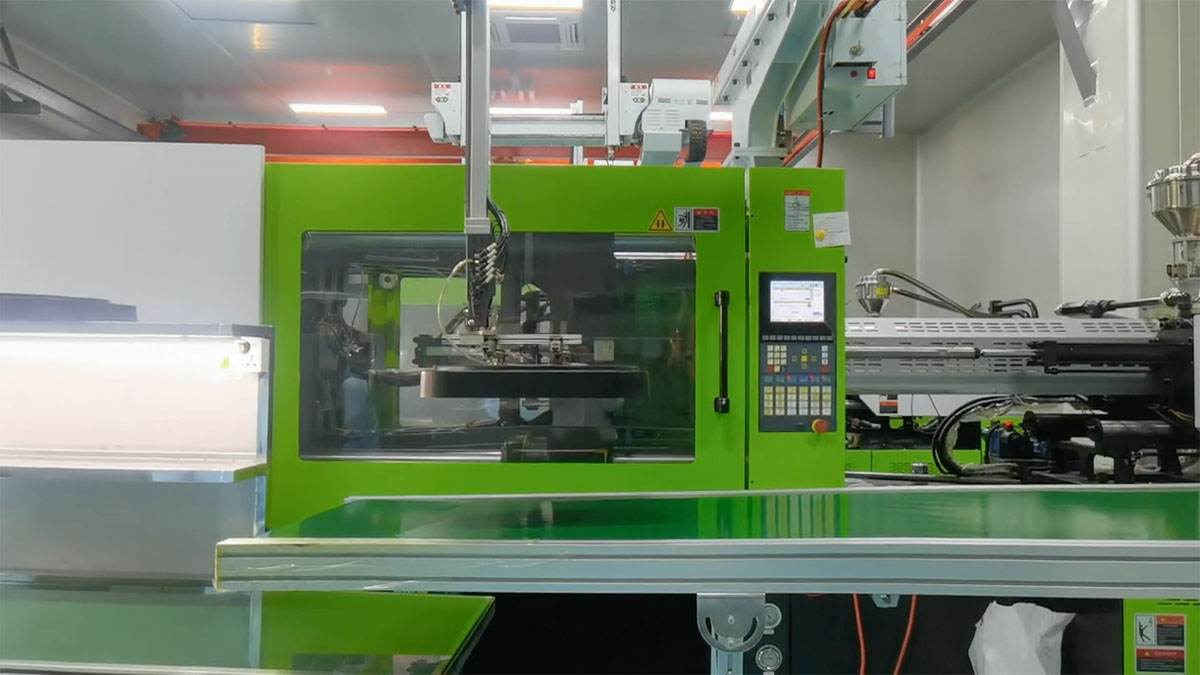
Advanced Molding Techniques: High-precision injection molding ensures consistent wall thickness and flawless surfaces, leaving no room for particle hideouts.
Material Science: Development of composite polymers that offer superior strength, minimal outgassing, and optimal static decay rates.
Leading suppliers invest heavily in this R&D. Companies like Hiner-pack focus on these technological nuances to deliver shippers that meet the escalating demands of 300mm and future 450mm wafer logistics.
Finding the Right Commercial Partner
Your supplier is an extension of your contamination control team. Evaluate them on:
Industry Tenure & Reputation: Seek partners with proven fab supply experience.
Testing & Documentation: They should provide Certificates of Compliance, material safety data sheets, and cleanliness test reports.
Customization Capability: Can they tailor solutions for your specific cassette type or handling process?
Global Support & Consistency: Ensure they can support multi-facility operations with identical product quality.
A partner who proactively discusses your process challenges, rather than just quoting a price, adds significant value.
In the grand scheme of semiconductor manufacturing, the dust free wafer shipper is a humble but vital component. Its selection criteria must align with the same rigor applied to tools inside the fab. It safeguards your product, your process, and your profitability.
By insisting on the seven essential features, performing a true TCO analysis, and partnering with a technically competent supplier, you turn a logistics item into a strategic asset. As wafer geometries shrink and values increase, this diligence becomes ever more critical. Brands that have built their reputation on this precision, such as Hiner-pack, understand that in our world, true value is measured in defects prevented, not just boxes shipped.
Frequently Asked Questions (FAQ)
Q1: What is the primary function of a dust free wafer shipper?
A1: Its primary function is to create a sealed, mini-cleanroom environment for wafer cassettes during transportation and storage. It protects wafers from airborne molecular contamination (AMC), particles, mechanical shock, and vibration, ensuring they arrive at the next process step without added defects.
Q2: How often should a reusable dust free wafer shipper be cleaned and recertified?
A2: The cleaning interval depends on the fab's internal standards, the shipper's usage frequency, and the criticality of the process. A common practice is cleaning and recertification after every return loop or at defined intervals (e.g., monthly). Always follow a strict protocol based on particle count test results and the supplier's recommendations.
Q3: Are there specific industry standards these shippers must meet?
A3: Yes. Key standards include SEMI (e.g., SEMI E1.9 for mechanical specifications), ISTA (for transit testing), and often internal cleanroom class equivalence standards (like mimicking a Class 1 environment). Compliance with RoHS and outgassing specifications is also critical.
Q4: What are the biggest risks of using a non-certified or damaged wafer shipper?
A4: The biggest risks are catastrophic yield loss due to particle contamination on wafers, potential for wafer breakage from poor cushioning, and the introduction of electrostatic discharge (ESD) hazards. A damaged seal is particularly dangerous as it gives a false sense of security while allowing contaminant ingress.
Q5: Can dust free wafer shippers be customized for different wafer sizes or cassette types?
A5: Absolutely. Reputable suppliers offer customization for various wafer sizes (150mm, 200mm, 300mm) and cassette models (FOUP, FOSB, SMIF). Customizations can include specific latch locations, internal support geometries, RFID tag pockets, and facility-specific color-coding for error-proofing.