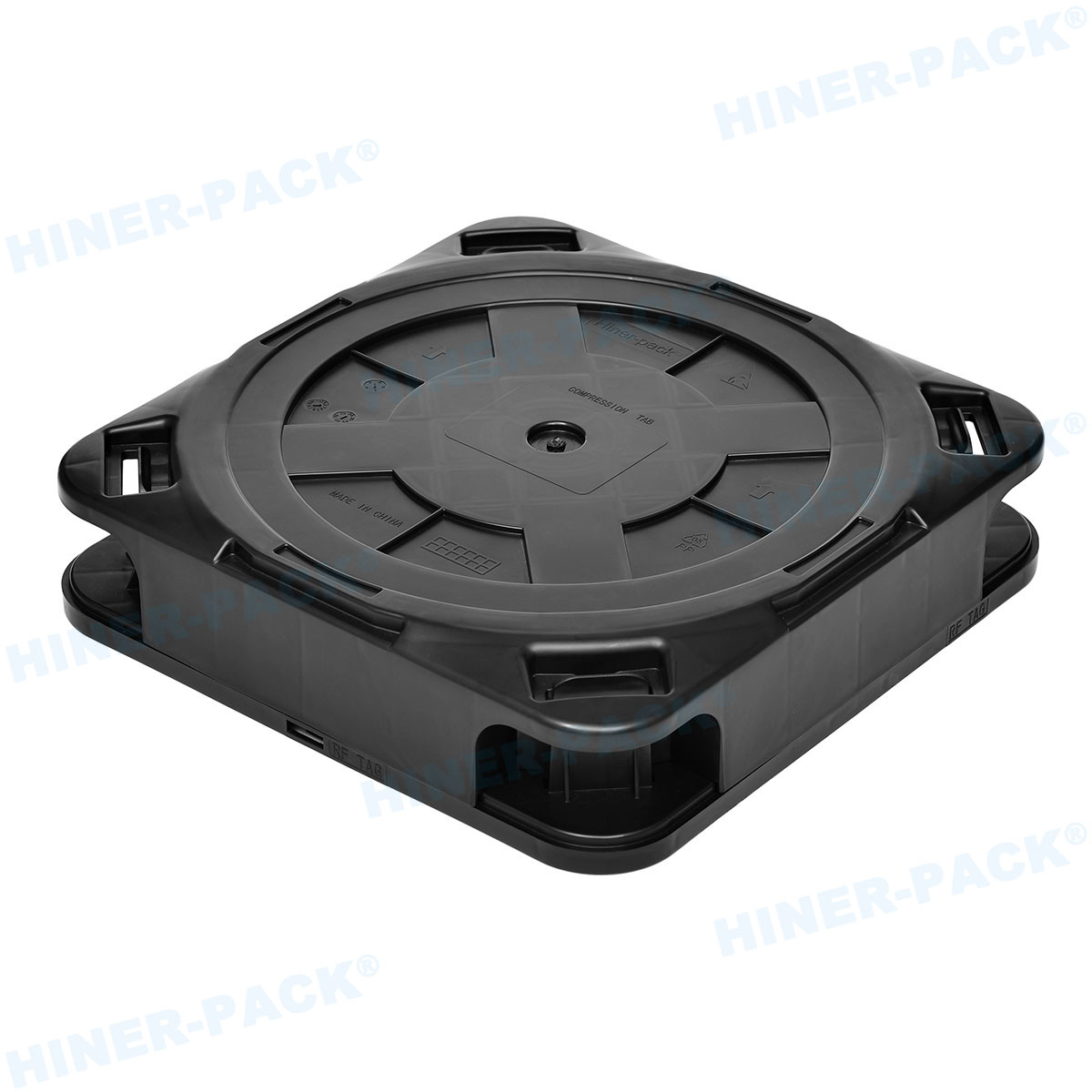
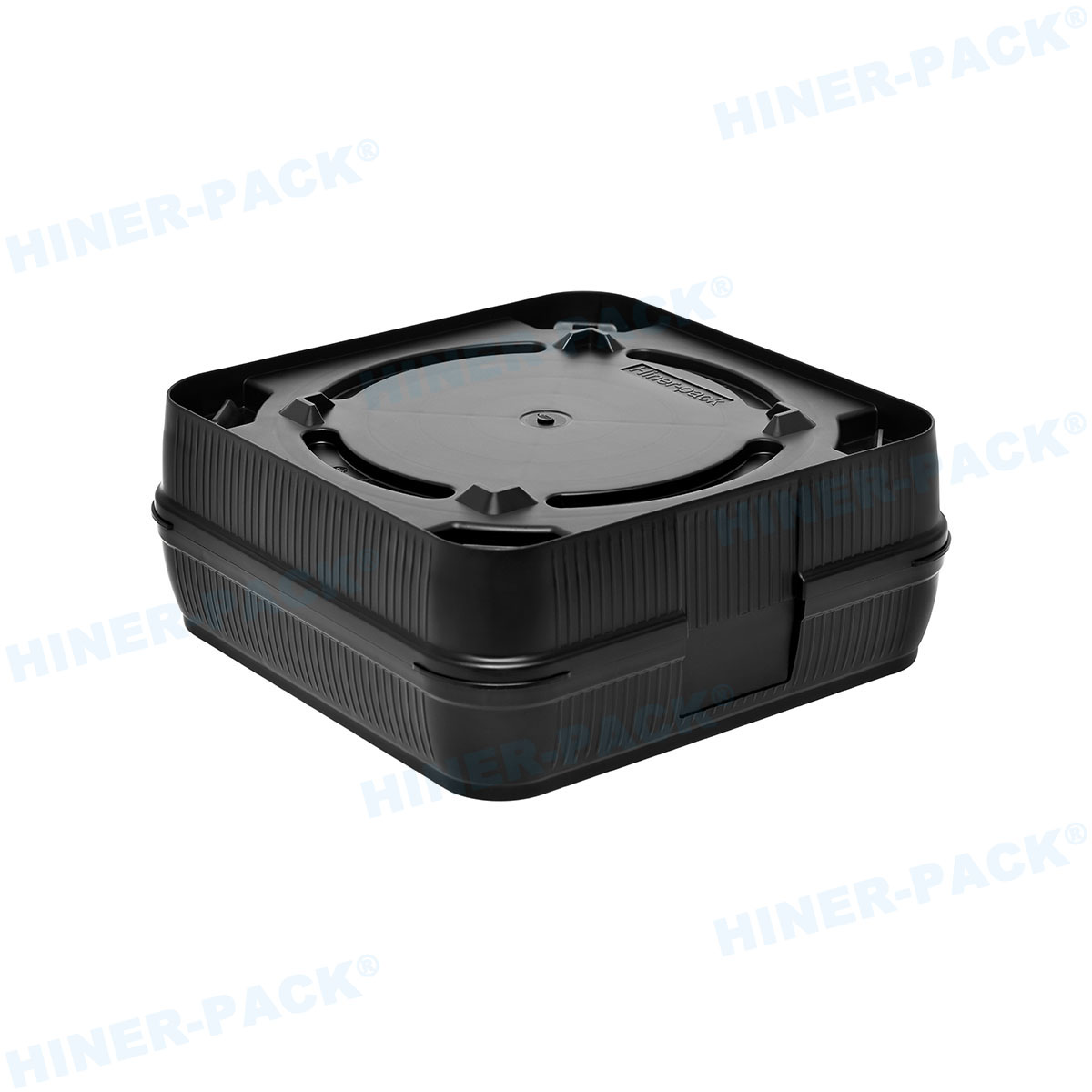
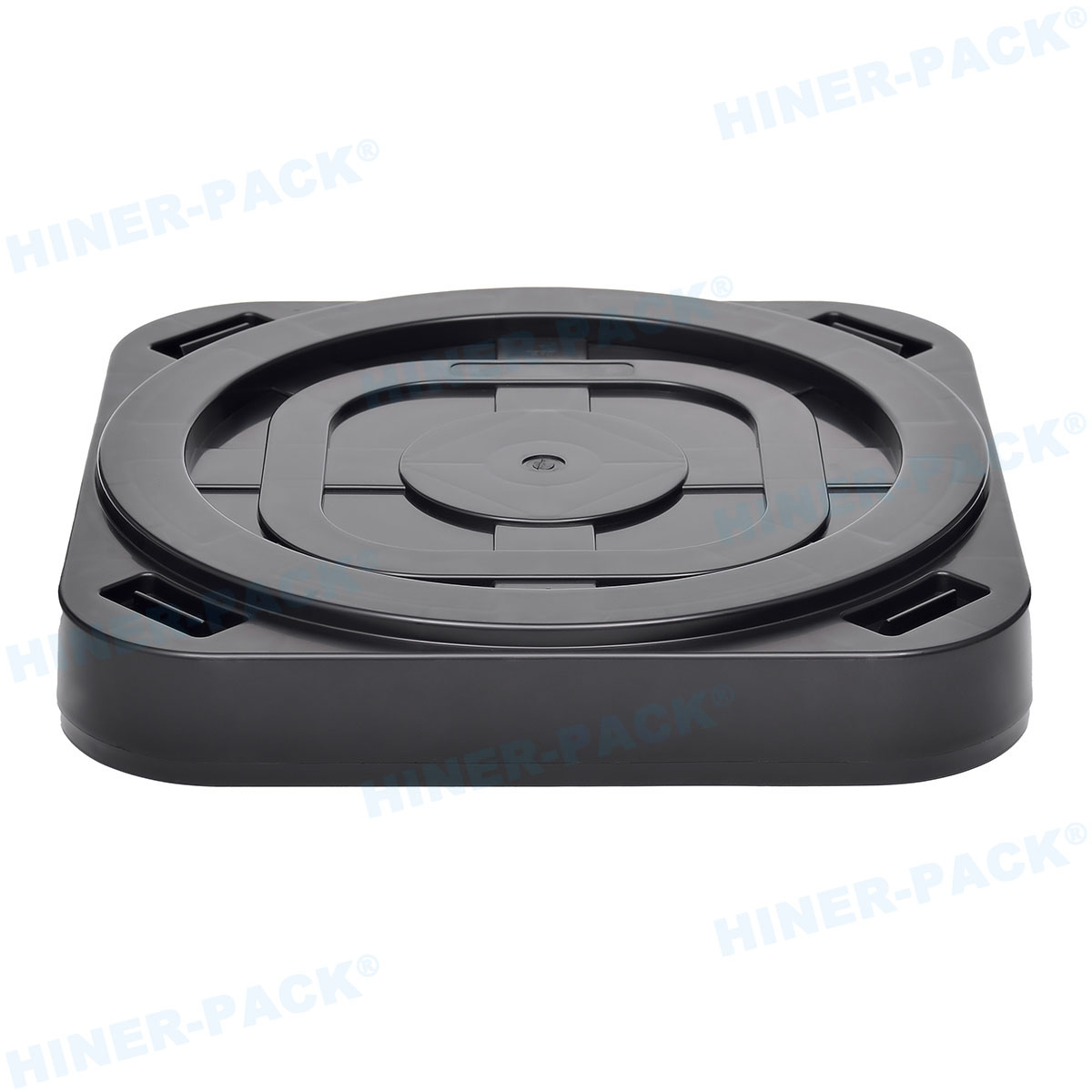
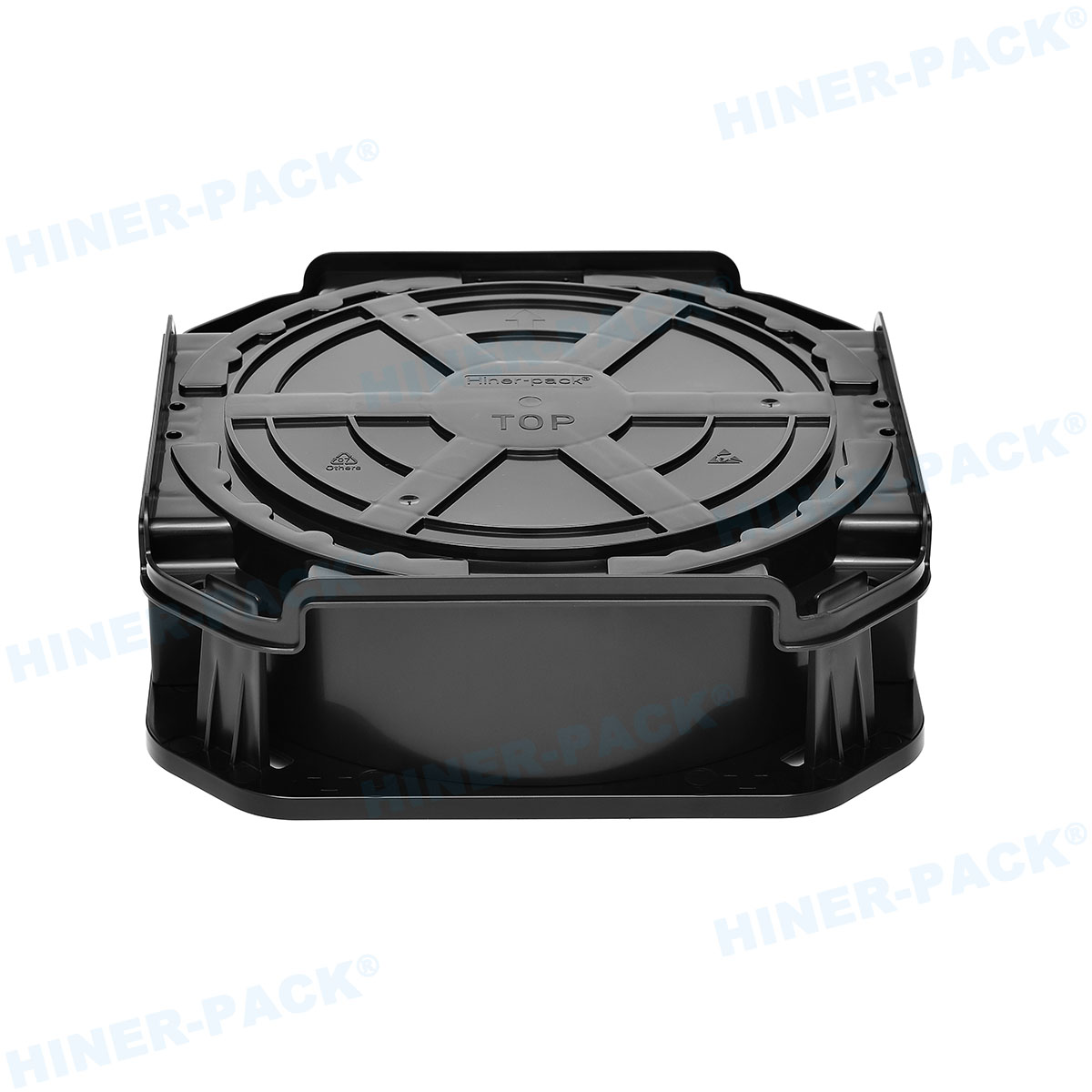
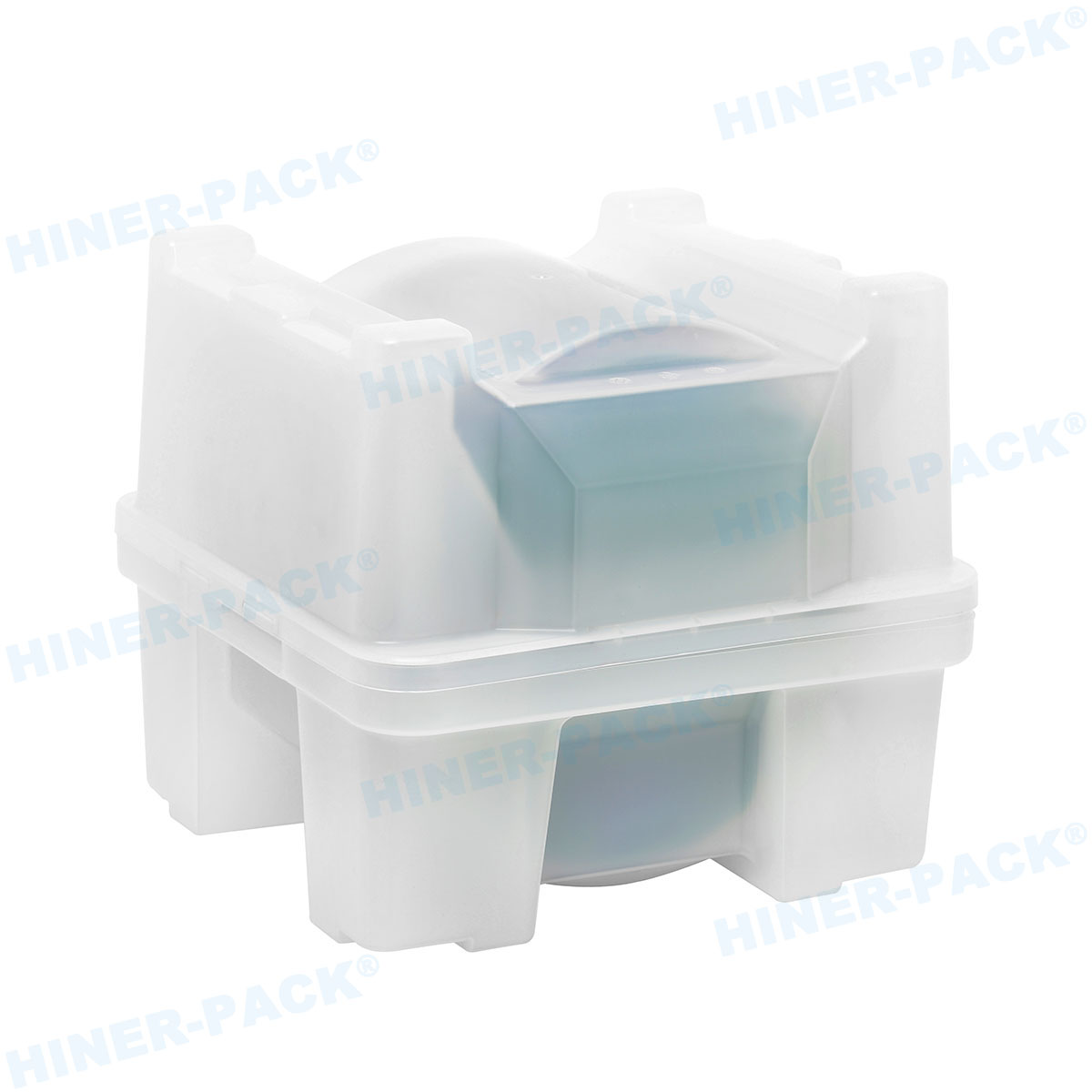
In semiconductor manufacturing, not all wafer carriers are created equal. As process temperatures climb in advanced nodes and compound semiconductor applications, standard boxes can fail. This is where a specialized high temperature resistant wafer box becomes critical.
It is a frontline defense, protecting sensitive wafers during high-heat processes, storage, and transport. Using the wrong carrier can lead to catastrophic particle contamination, wafer warping, or chemical cross-contamination.
For engineers and procurement specialists, understanding this component is non-negotiable. This article breaks down the materials, applications, and key selection criteria.
Why Standard Boxes Fall Short at High Heat
A typical 300mm FOUP (Front-Opening Unified Pod) is engineered for cleanliness and mechanical handling, not extreme thermal loads. Standard polymer materials like PBT or PC have glass transition temperatures far below many modern process steps.
When exposed to temperatures beyond their design limits, these materials can outgas, degrade, or warp. Outgassing introduces volatile organic compounds (VOCs) into the wafer environment. Warping compromises the seal integrity and can misalign wafers, leading to breakage.
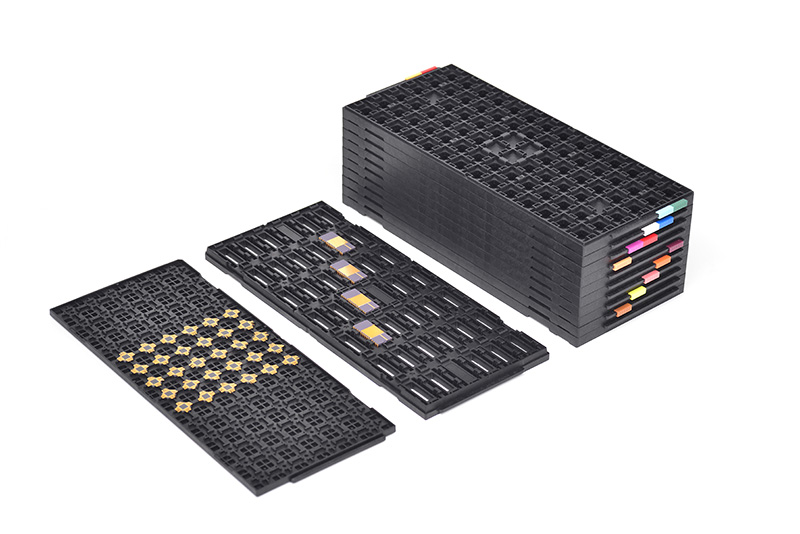
A dedicated high temperature wafer carrier is designed to withstand this environment without compromising its structural or chemical integrity.
Core Materials: The Foundation of Thermal Resistance
The performance of a high temperature resistant wafer box hinges on its base material. Two classes dominate the market.
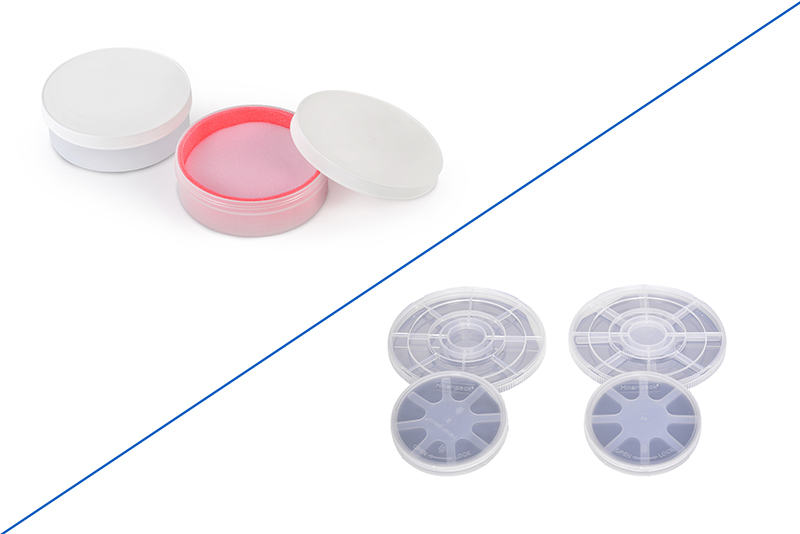
High-Purity PFA (Perfluoroalkoxy): This is the industry workhorse for sustained high-temperature use. PFA offers excellent continuous service temperatures up to 260°C (500°F) and peak resistance even higher. Its innate chemical inertness and ultra-low particle shedding make it ideal for diffusion, oxidation, and LPCVD processes.
Advanced PEEK (Polyether Ether Ketone): For the most extreme thermal challenges, PEEK-based compounds are the answer. These materials can withstand continuous exposure above 300°C (572°F). They offer superior mechanical strength and creep resistance at temperature, ensuring the box maintains its precise dimensions under load.
The choice between PFA and PEEK often comes down to the specific temperature profile, chemical environment, and total cost of ownership. Suppliers like Hiner-pack provide options in both material families, tailored for different process chamber integrations.
Key Applications: Where These Boxes Are Essential
You will find high temperature wafer storage and transport solutions in several critical fab areas.
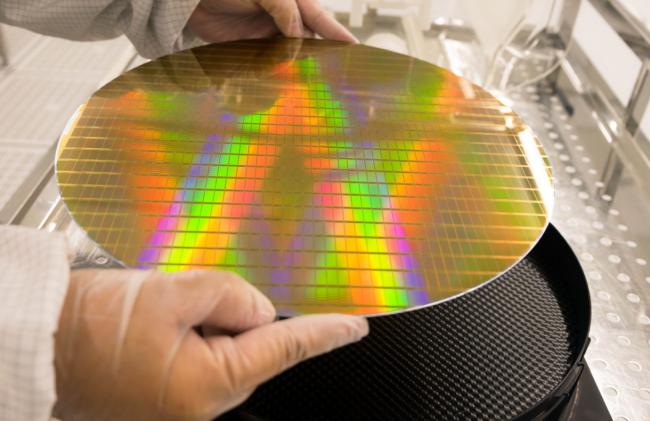
Thermal Processing Stations: This is the primary use. The boxes shuttle wafers to and from furnaces for oxidation, diffusion, anneals, and CVD steps.
Post-Process Handling and Measurement: After a high-heat step, wafers remain hot for a significant time. A heat resistant wafer pod allows for safe queuing and transport to metrology tools without risking thermal shock from transfer to a standard-temperature carrier.
Compound Semiconductor & Power Device Fabs: Processes for GaN, SiC, and GaAs often involve higher temperatures than traditional silicon. These fabs frequently standardize on high-temperature carriers for all WIP handling.
Long-Term Archiving of Processed Wafers: For qualification wafers or legacy product archives, a stable, inert box is vital to prevent time-dependent contamination.
Selecting the Right High Temperature Wafer Carrier: A Practical Guide
Choosing a box is more than just picking a material rated for a certain temperature. Consider these factors:
Peak vs. Continuous Temperature: Know your process's exact thermal profile. A box must withstand the peak temperature and the cumulative thermal budget over its lifetime.
Chemical Compatibility: Will the box be exposed to aggressive cleaning chemistries (like SC1, SC2, or sulfuric acid blends)? Ensure the material is resistant to both heat and the chemicals used for reclamation.
Mechanical & Dimensional Stability: The box must not warp under its own weight or the wafer load at temperature. Check supplier data on deformation temperature and creep resistance. Precision is paramount for automated handling.
Purity and Outgassing: Request certified data on ionic contamination levels and outgassing rates under vacuum or heat. This is critical for front-end-of-line (FEOL) processes.
Integration & Compliance: The carrier must meet relevant SEMI standards (e.g., for FOUP dimensions) and interface flawlessly with your factory's AMHS (Automated Material Handling System) and load ports.
Cost Analysis: Understanding Price Drivers and TCO
A high temperature resistant FOUP costs significantly more than a standard carrier. The price is driven by the specialty polymer material (PEEK being more expensive than PFA) and the precision molding and machining required.
However, evaluating only the unit price is a mistake. The Total Cost of Ownership (TCO) model reveals the true value:
Yield Protection: Preventing a single lot scrap event due to contamination can pay for dozens of carriers.
Extended Service Life: A well-made high temperature wafer box can withstand hundreds of thermal and cleaning cycles without degradation, offering a longer lifespan than a standard box used in the same harsh conditions.
Reduced Downtime: Reliable carriers prevent tool interrupts caused by faulty box seals or handling errors due to warping.
Process Consistency: Stable materials ensure no variable contamination is introduced, supporting consistent process results.
Investing in a qualified, reliable carrier from the start mitigates far greater hidden costs. Companies like Hiner-pack focus on engineering for longevity, which improves the long-term TCO for their clients.
Technical Deep Dive: Manufacturing and Validation
Creating a reliable high-temperature carrier is an advanced manufacturing challenge.
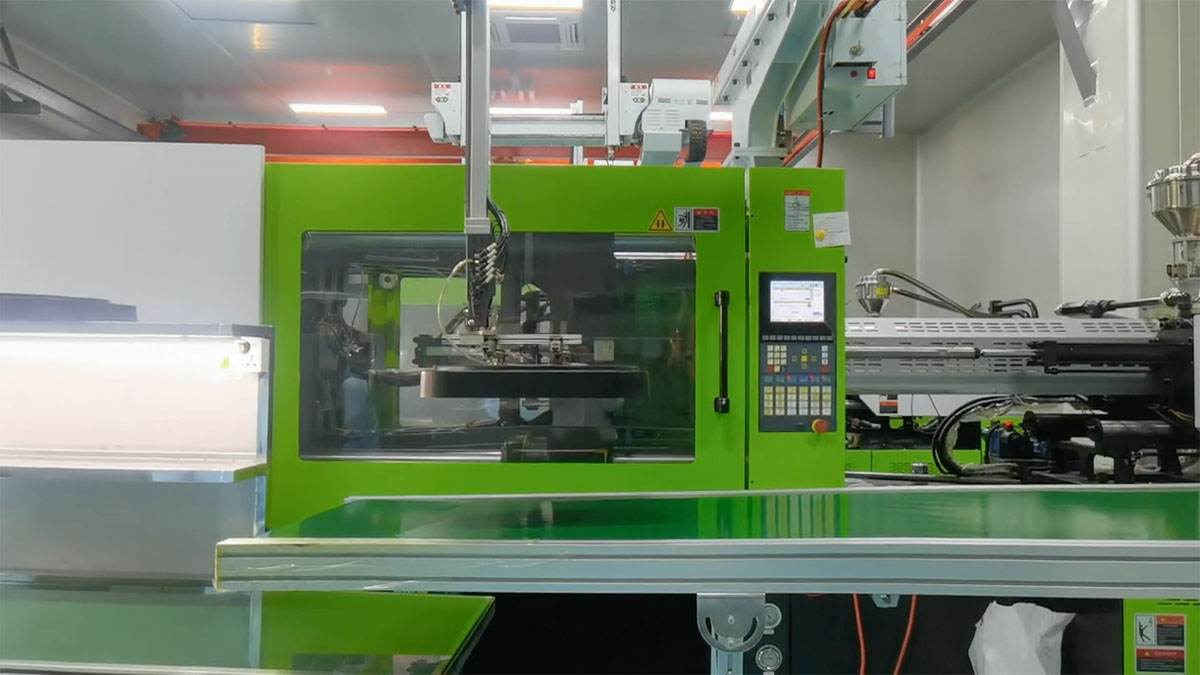
The injection molding process for PFA or PEEK requires precise control of temperatures and pressures to achieve stress-free, homogeneous parts. Post-molding, critical surfaces undergo CNC machining to achieve the exact flatness and dimensional tolerances required for sealing.
Every batch of material must be certified for semiconductor-grade purity. The final product undergoes rigorous validation, often including:
Thermal Cycling Tests: Repeated heating and cooling to simulate years of fab use.
Outgassing Analysis: Using Thermal Desorption-Gas Chromatography Mass Spectrometry (TD-GCMS) to identify and quantify any volatile species.
Particle & Ionic Contamination Testing: Ensuring the box cleans effectively and does not become a contamination source.
Mechanical Endurance Testing: Simulating thousands of load port engagements and AMHS transports.
This level of validation is what separates a commodity container from a process-critical high temperature resistant wafer box. It's a principle embedded in the manufacturing and QC processes at specialized suppliers, including Hiner-pack.
Sourcing and Supplier Evaluation
When sourcing these specialized carriers, look for a partner, not just a vendor.
Technical Collaboration: The best suppliers will ask detailed questions about your process to recommend the optimal material and design.
Material Traceability: They must provide full traceability for the polymer resin used.
Certification Support: They should supply all necessary compliance and test reports (SEMI, ISO 9001, material certs).
Global Support Network: Ensure they can provide consistent supply and technical support where your fabs are located.
The integrity of your high-temperature process flows depends on the reliability of these carriers. Choosing a supplier with deep materials science expertise and a commitment to semiconductor-grade manufacturing is essential.
In the push for more powerful and efficient semiconductors, process temperatures are not coming down. The high temperature resistant wafer box has evolved from a niche item to a standard piece of capital equipment in many fab areas.
Specifying the right carrier requires a careful balance of material science, process knowledge, and lifecycle economics. By prioritizing certified performance over short-term cost, manufacturers can protect their yield, ensure tool uptime, and enable the next generation of devices. For those requiring robust solutions, evaluating technically focused manufacturers like Hiner-pack is a logical step in the qualification process.
Frequently Asked Questions (FAQs)
Q1: What is the maximum continuous operating temperature for a standard PFA high temperature wafer box?
A1: High-purity semiconductor-grade PFA carriers are typically rated for continuous operation at 260°C (500°F). They can often withstand short-term peak exposures up to 300°C (572°F), but you should always consult the manufacturer's specific datasheet for the exact model.
Q2: Can a high temperature resistant FOUP be used with standard (non-high-temp) load ports and AMHS?
A2: Generally, yes. The external dimensions and kinematic coupling must comply with SEMI standards (e.g., SEMI E47.1, E15.1). As long as the box meets these mechanical standards, it will interface with standard equipment. The primary difference is the internal material properties.
Q3: How does repeated high-temperature exposure affect the cleaning cycle of these boxes?
A3: It can increase the cleaning frequency. High heat can bake on certain residues, making them harder to remove. However, a key property of a quality high temperature resistant wafer box material (like PFA or PEEK) is its inherent resistance to common cleaning chemistries, allowing for aggressive cleaning when needed without degrading the box itself.
Q4: Are there specific SEMI standards that govern high temperature wafer carriers?
A4: While there is no single standard solely for "high temperature" carriers, they must comply with all relevant SEMI mechanical, dimensional, and material purity standards for FOUPs or FOSBs (e.g., SEMI E1.9, E15.1, E47.1). Material-specific certifications for outgassing and ionic contamination are typically provided by the manufacturer based on industry-accepted test methods.
Q5: Is it cost-effective to retrofit or refurbish a high temperature wafer box that has seen many process cycles?
A5: It can be, depending on the carrier's condition. Specialized vendors offer refurbishment services that include deep cleaning, inspection, replacement of wear parts (like seals and latches), and re-certification. This is often a viable alternative to purchasing a new high temperature wafer carrier, provided the core polymer body has not degraded or warped.