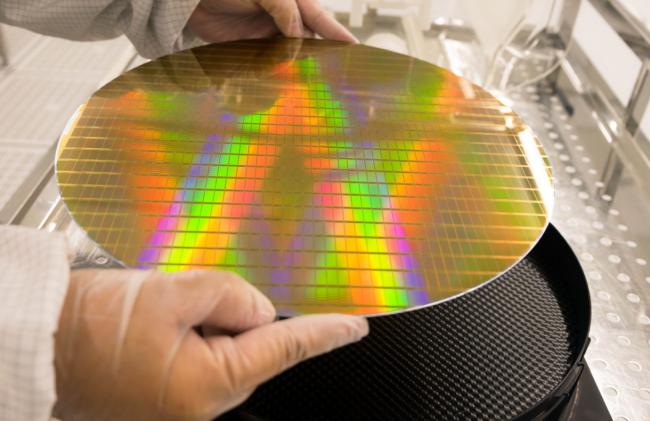
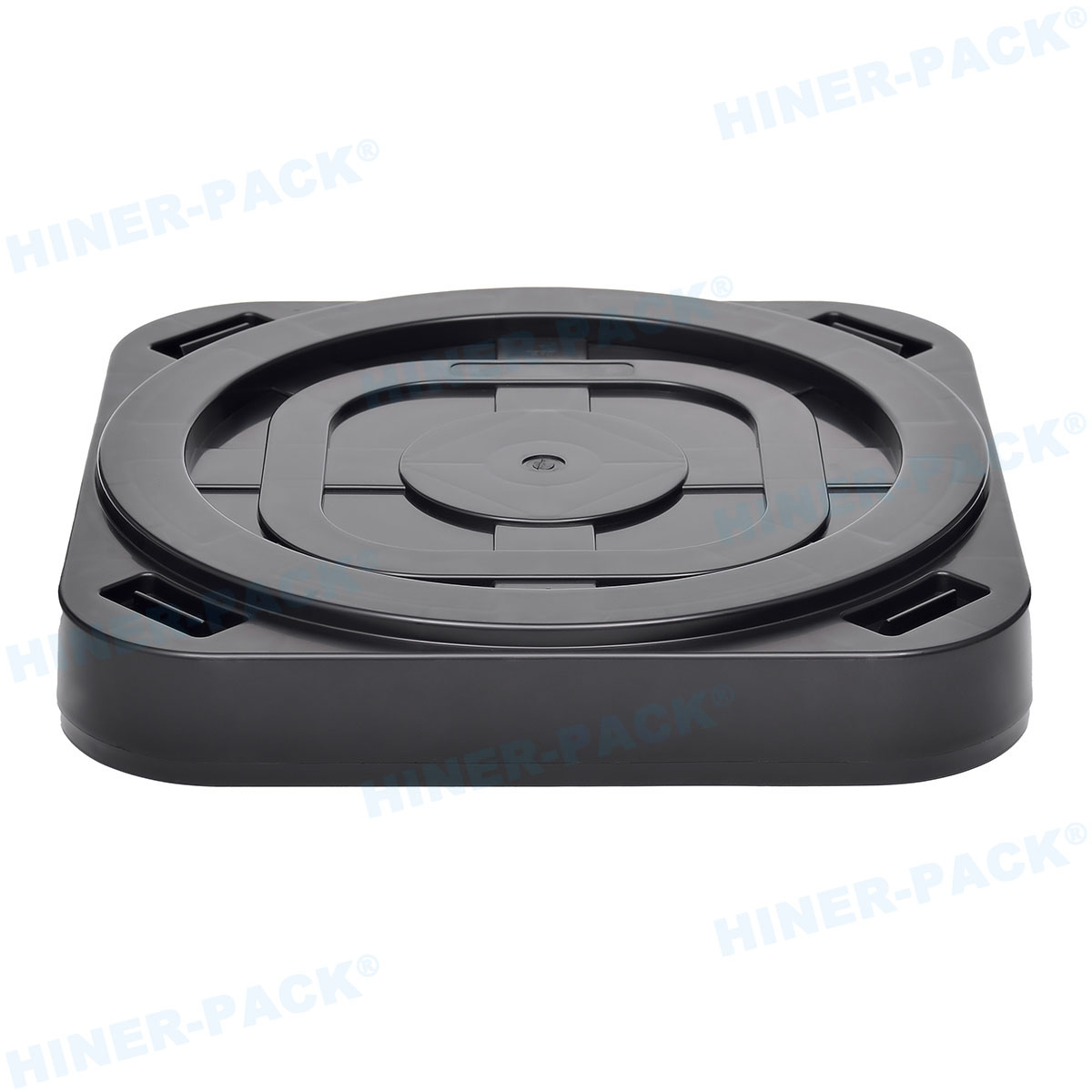
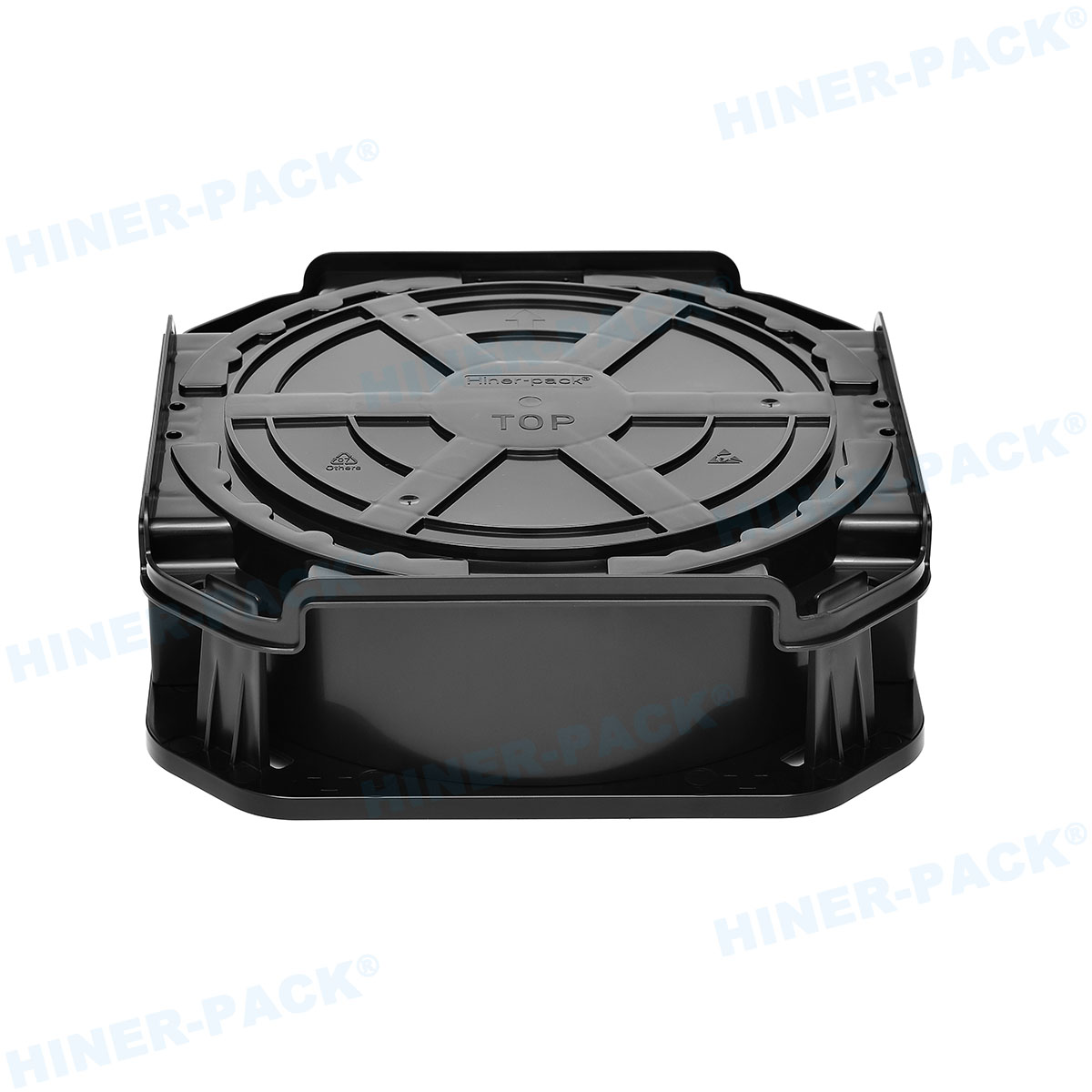
In the specialized world of compound semiconductors, MEMS, or legacy R&D lines, handling a single 4-inch wafer requires a different approach. Bulk cassettes are overkill and pose a contamination risk for valuable, often fragile, individual substrates. This is where the 4-inch Coin-Style Single Wafer Shipper proves indispensable. It’s a self-contained, protective pod designed for one mission: to move a single 100mm wafer from point A to point B with zero damage.
For engineers managing sensitive processes like GaN, sapphire, or brittle MEMS wafers, a standard carrier won't do. The coin-style design offers a hermetic or particle-controlled environment, secure mechanical lockdown, and compliance with international courier regulations. Selecting the right shipper isn't an afterthought; it's a critical part of the process flow. Companies like Hiner-pack have refined this niche product, turning a simple container into a reliability engine for high-value wafers.
What Defines a Coin-Style Single Wafer Shipper?
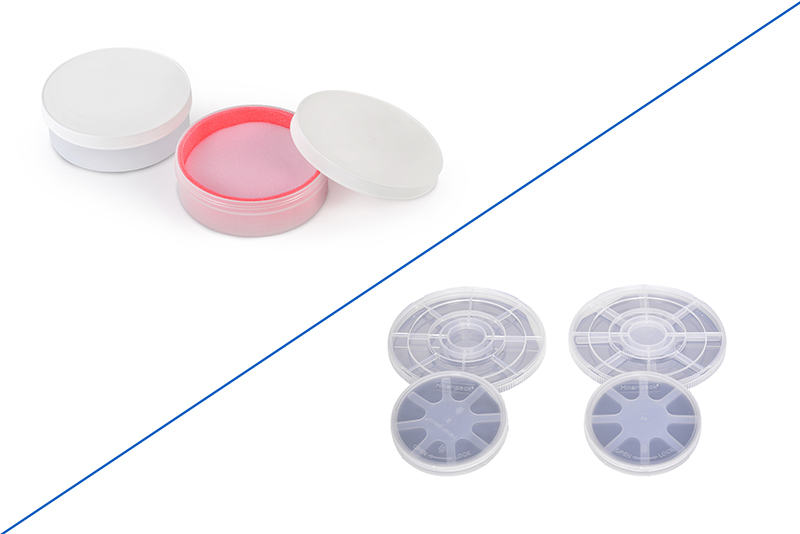
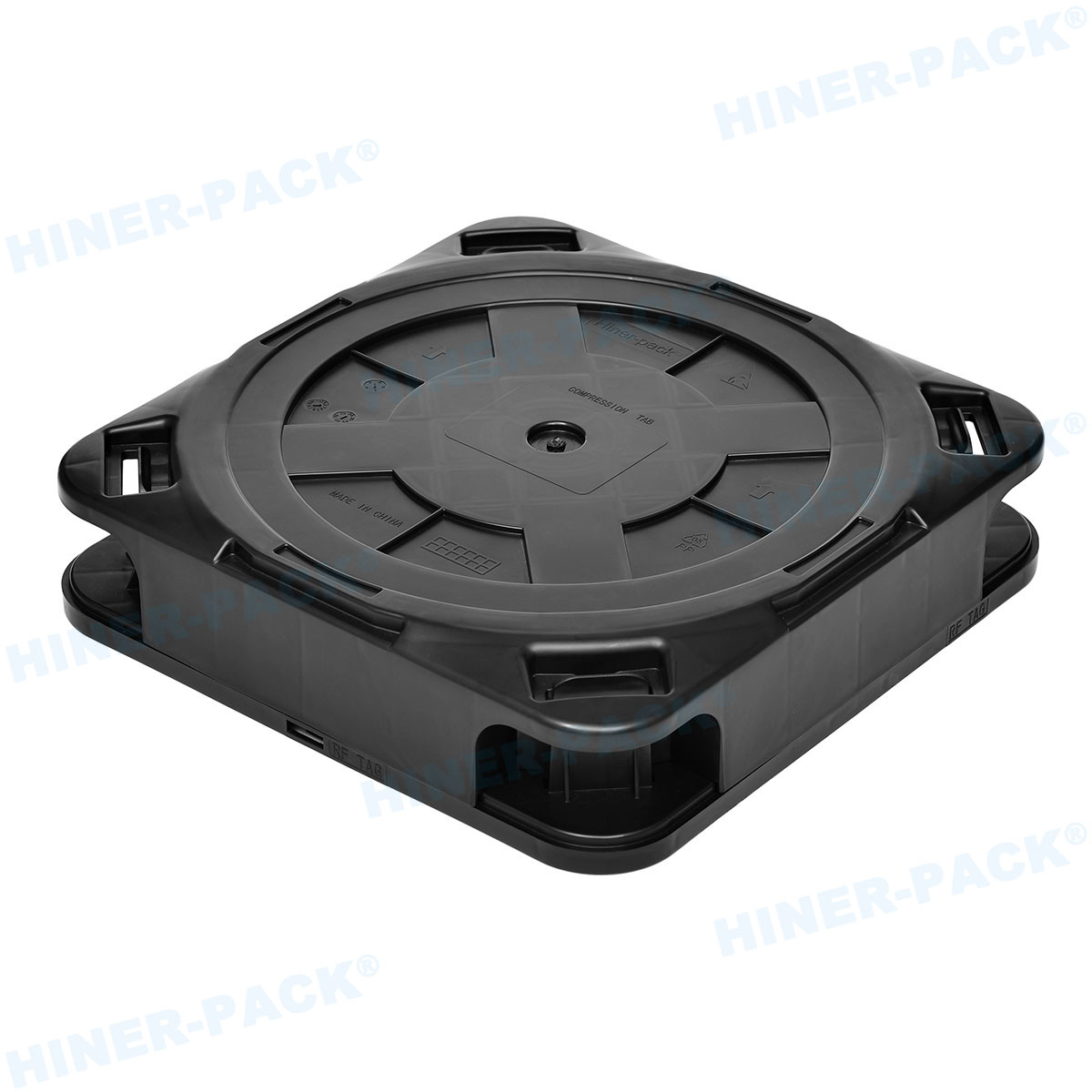
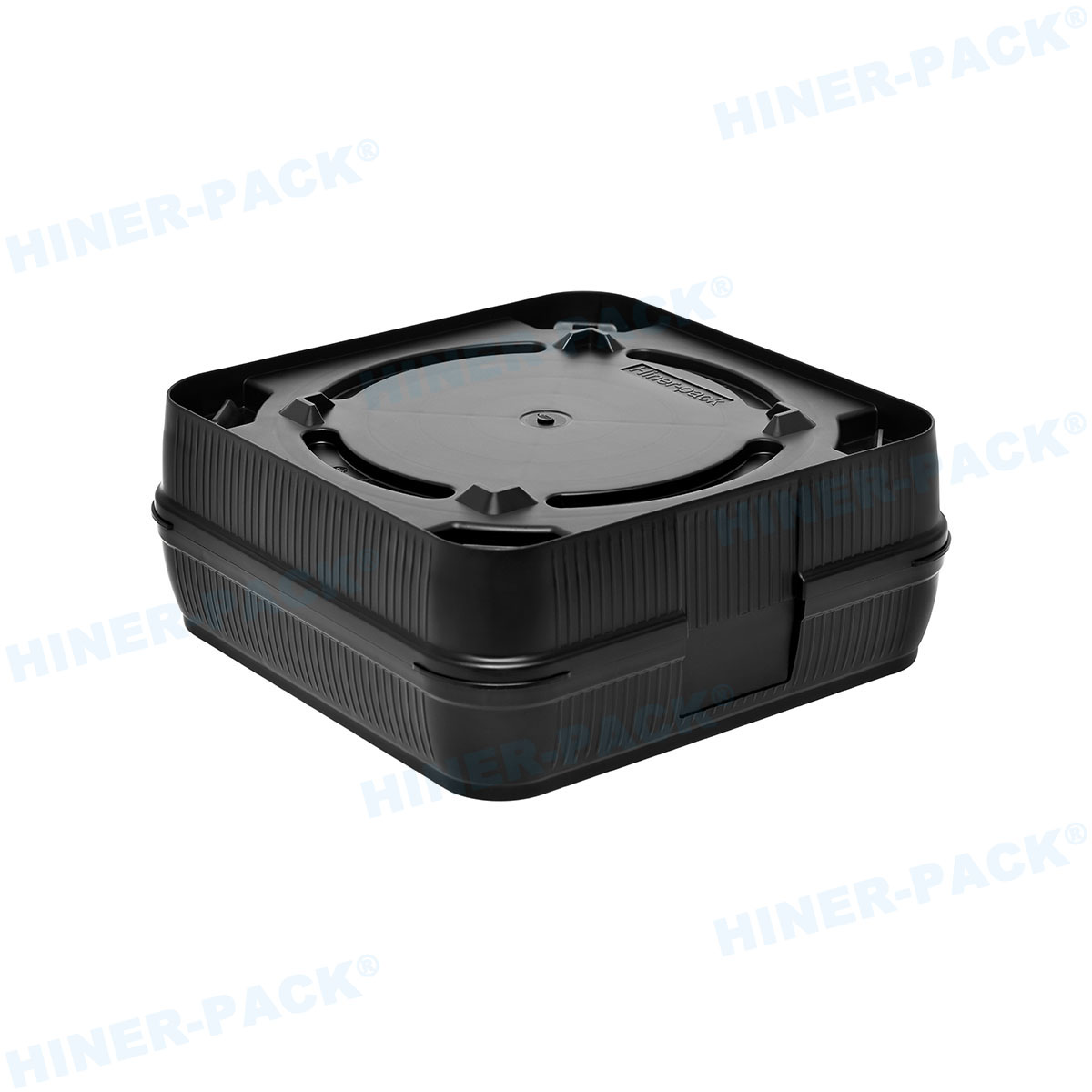
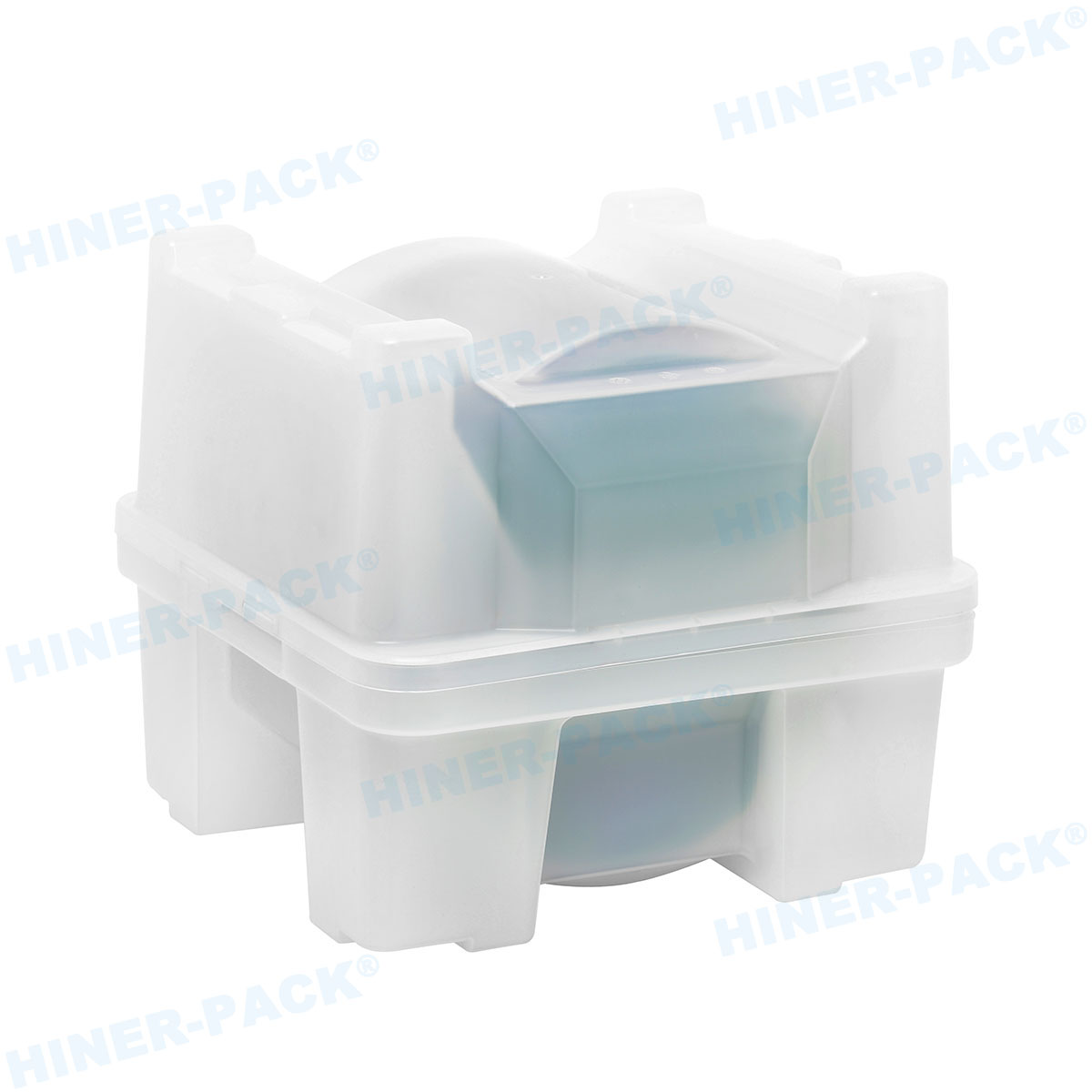
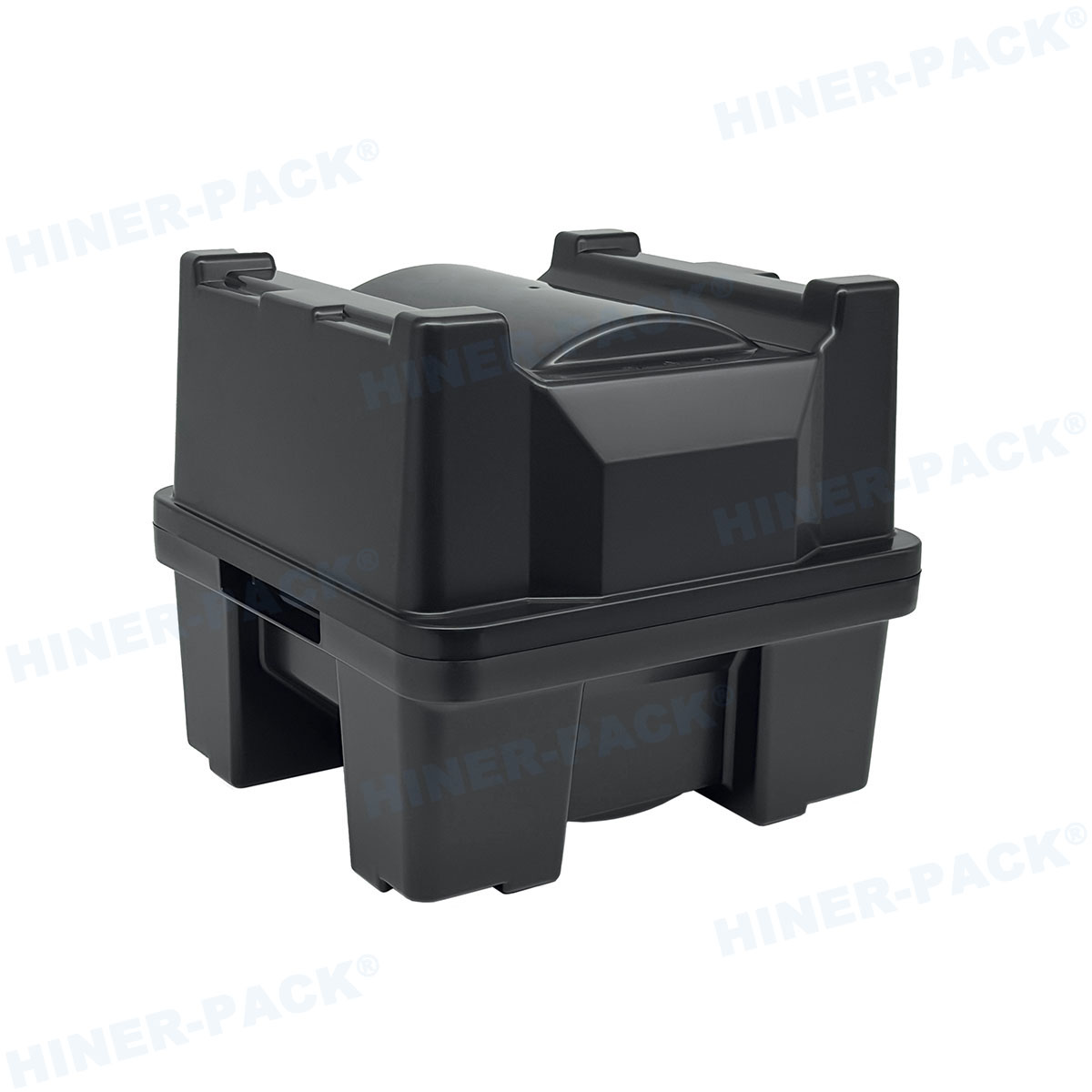
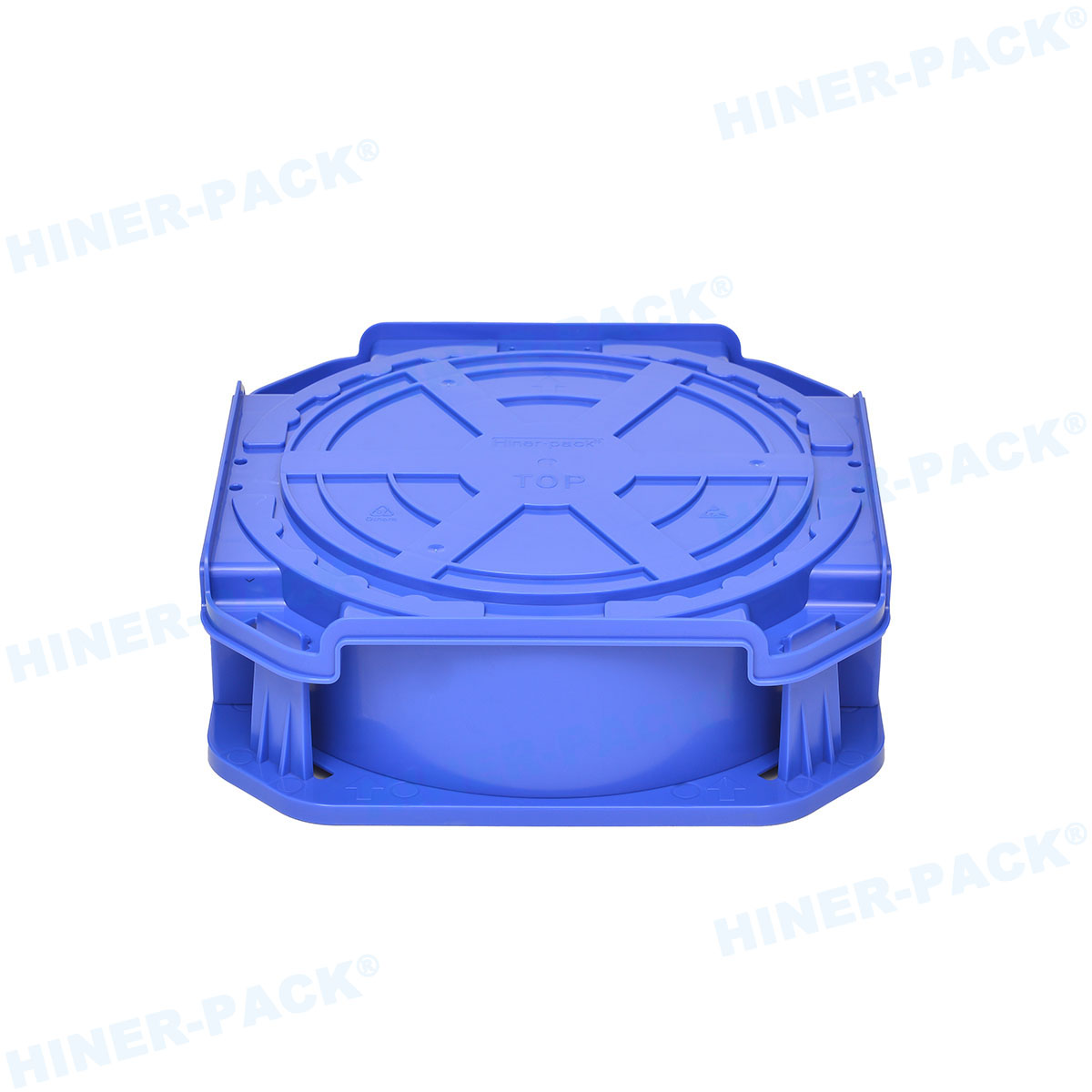
The name gives clues to its design. "Coin-Style" refers to its compact, often round or cylindrical profile, resembling a large coin case. It's a two-part assembly: a base and a lid. The wafer sits recessed in the base, held securely by a retaining mechanism, and is fully enclosed when the lid is fastened.
This isn't a generic plastic box. It's a precision-molded part. The interior cavity matches the wafer's dimensions with minimal clearance. This prevents movement, sliding, and edge chipping during transit. The latch or screw mechanism is designed for a secure, repeatable seal that can withstand airport cargo handling.
Materials are selected for cleanliness and protection. Static-dissipative polymers are standard. For sensitive applications, the interior may include compliant liners or cushioning features. The primary job is immobilization and isolation.
Key Advantages Over Other Transport Methods
Why use a dedicated shipper instead of a slot in a cassette or a simple wafer boat? The benefits are specific and significant.
First is absolute physical protection. The wafer is not just placed; it's seated and secured. In a standard cassette, even during careful handling, a wafer can vibrate within its slot. A coin-style shipper eliminates this micro-abrasion risk entirely.
Second is environmental isolation. Once sealed, the wafer is shielded from airborne particles, moisture, and incidental contact. This is crucial for wafers moving between fabs, to measurement labs, or to assembly houses where the cleanroom class may differ.
Third is logistical simplicity. A single, sturdy, self-contained unit is easy to label, track, and handle. It fits neatly into standard shipping boxes with foam inserts. It’s clearly a discrete item containing one high-value object, encouraging careful handling by couriers.
Primary Applications in the Semiconductor Workflow
The use cases for a 4-inch Coin-Style Single Wafer Shipper are more varied than you might expect.
The most obvious is inter-facility shipping. Sending a sample wafer to a partner for analysis or characterization. Or shipping epitaxial wafers from a foundry to a device manufacturer. The shipper provides the necessary protection for mail or courier services.
Within a fab or R&D lab, it's used for high-value wafers. A process of record (POR) wafer, a golden reference wafer, or a substrate with completed, unrepeatable experiments. These need more protection than a standard cassette offers during internal storage and movement.
For fragile materials like thin wafers, GaAs, or InP, the secure mounting is non-negotiable. These substrates crack easily from flexure or edge impact. The rigid, supportive environment of a coin-style shipper is often the only safe way to transport them.
Design and Material Considerations for Reliability
Not all shippers are created equal. A good design from a supplier like Hiner-pack addresses several subtle but critical points.
The latching mechanism is paramount. It must be easy to open and close with gloved hands but absolutely secure under vibration. Over-center clips or threaded designs are common. The mechanism should also be durable for hundreds of cycles if the shipper is reused.
Internal retention is key. Does the wafer snap into a fixed groove? Is it held by a separate, removable clip? Or is it gently clamped by features in the lid? The best method depends on wafer thickness and sensitivity. The goal is zero in-plane movement.
Material choice affects cleanliness and ESD safety. Black, carbon-loaded static-dissipative plastic is typical. It must be non-outgassing to prevent film contamination on the wafer surface. For long-term storage, material certifications for outgassing (like NASA tests) may be required.
Selecting a Supplier: Beyond the Basic Spec Sheet
When you source a 4-inch Coin-Style Single Wafer Shipper, you're buying more than molded plastic. You're buying reliability and peace of mind.
Look for a supplier with deep molding expertise. Consistency in dimensional tolerances across thousands of units is what prevents wafer binding or loose fits. Hiner-pack, for instance, controls this through precision tooling and strict process controls.
Ask about validation data. A reputable supplier will have test results for particle generation, ESD performance (surface resistance), and mechanical shock/vibration testing (often per ISTA standards). This data proves the shipper performs in real-world logistics.
Consider the full ecosystem. Does the supplier offer compatible shipping boxes, foam inserts, and documentation? A turnkey solution saves time and ensures compatibility. Hiner-pack often provides complete kits, including compliant outer packaging.
Handling, Maintenance, and Reuse Protocols
These shippers are often a capital asset, reused many times. Proper care extends their life and ensures ongoing performance.
Establish a cleaning procedure. Before reusing a shipper, it should be cleaned in a controlled environment. This might involve dry nitrogen purge, lint-free wipes with IPA, or a dedicated cleaning station. The goal is to remove any particles from the previous wafer.
Implement an inspection routine. Check the latching mechanism for wear. Inspect the interior cavity for scratches or debris. Look for any signs of cracking or deformation, especially around stress points. A damaged shipper must be taken out of circulation.
Have a clear tracking system. If shippers are reused, track their usage cycles and cleaning history. Some opt to mark them with unique IDs. This is part of a good contamination control program.
The 4-inch Coin-Style Single Wafer Shipper is a classic example of a simple tool engineered for a critical, high-stakes task. It bridges the gap between the ultra-controlled fab environment and the unpredictable world of logistics. For low-volume, high-mix production or research involving 100mm wafers, it is not just a convenience but a necessity. By partnering with experienced manufacturers like Hiner-pack who understand the physics of protection and the requirements of semiconductor handling, facilities can ensure their most sensitive substrates arrive intact and uncontaminated, every time.
Frequently Asked Questions (FAQ)
Q1: What is the main difference between a coin-style shipper and a standard wafer cassette?
A1: A standard cassette holds multiple wafers (e.g., 25) in open slots, designed for internal fab automation. A 4-inch Coin-Style Single Wafer Shipper is a sealed, single-wafer container designed primarily for secure, isolated transport outside a tool or between facilities, offering superior physical and environmental protection for individual, high-value substrates.
Q2: Can these shippers be used for long-term storage of wafers?
A2: Yes, they are excellent for long-term storage of critical wafers. When properly sealed, they provide a stable, clean, and protected environment. For optimal storage, ensure the polymer material is certified for low outgassing and store the sealed shipper in a clean, dry environment.
Q3: How do I ensure my wafer doesn't move inside the shipper during transit?
A3: The design should prevent this. High-quality shippers from suppliers like Hiner-pack have precision-molded interior features—such as snug recesses, soft edge clips, or compliant pads—that hold the wafer firmly in place without applying stress to the active surface. Always follow the loading instructions precisely.
Q4: Are these shippers compliant with ESD safety standards?
A4: Reputable suppliers manufacture them from inherently static-dissipative materials. A valid product data sheet will specify the surface resistance, typically within the safe dissipative range (e.g., 10^6 to 10^9 ohms/sq) to safely bleed charge without a sudden discharge.
Q5: Can I get these shippers with custom features or markings?
A5: Absolutely. Many suppliers, including Hiner-pack, offer customization. Common requests include unique laser-etched serial numbers for tracking, company logos, color coding for process differentiation, or modified internal features for wafers with non-standard thickness or backside coatings.