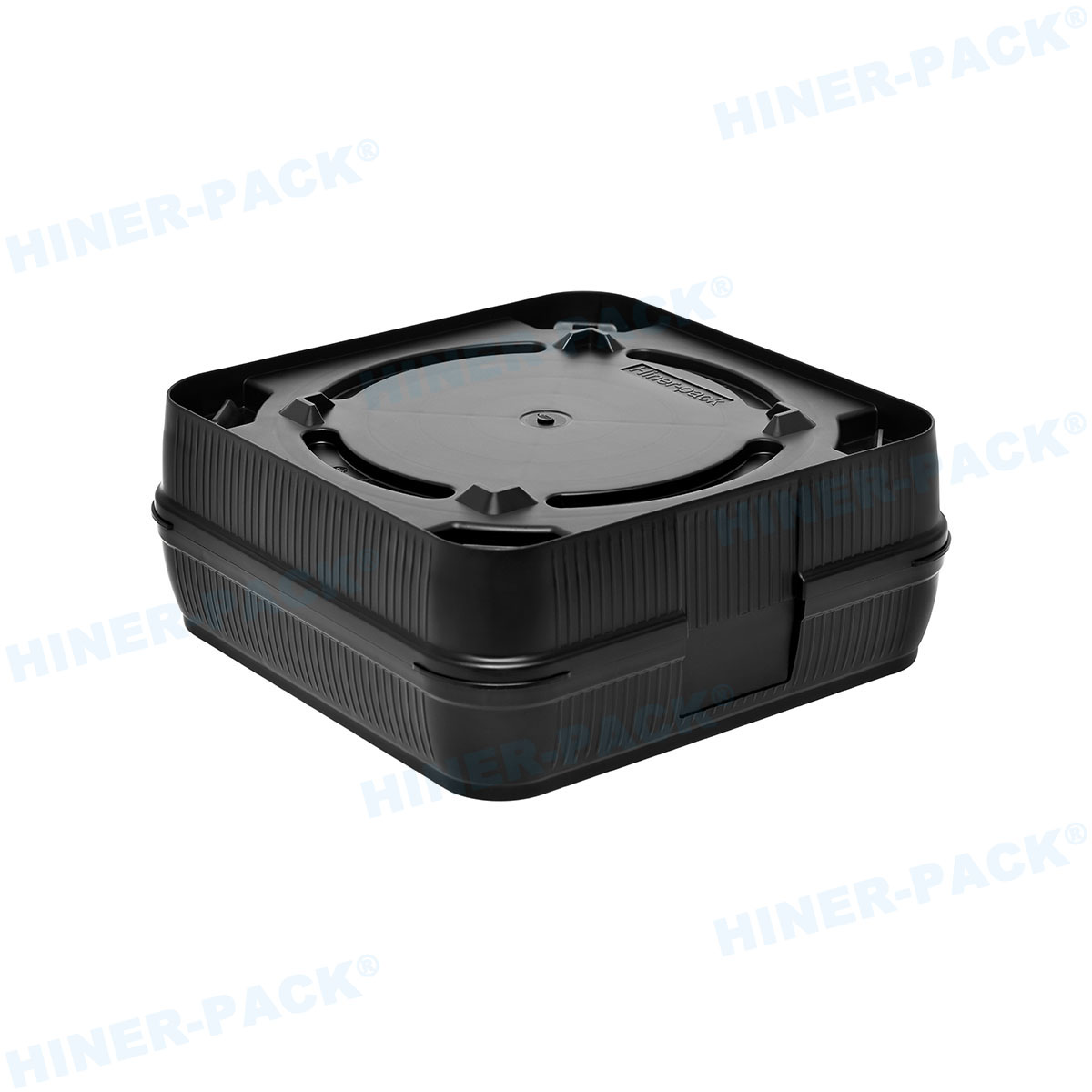
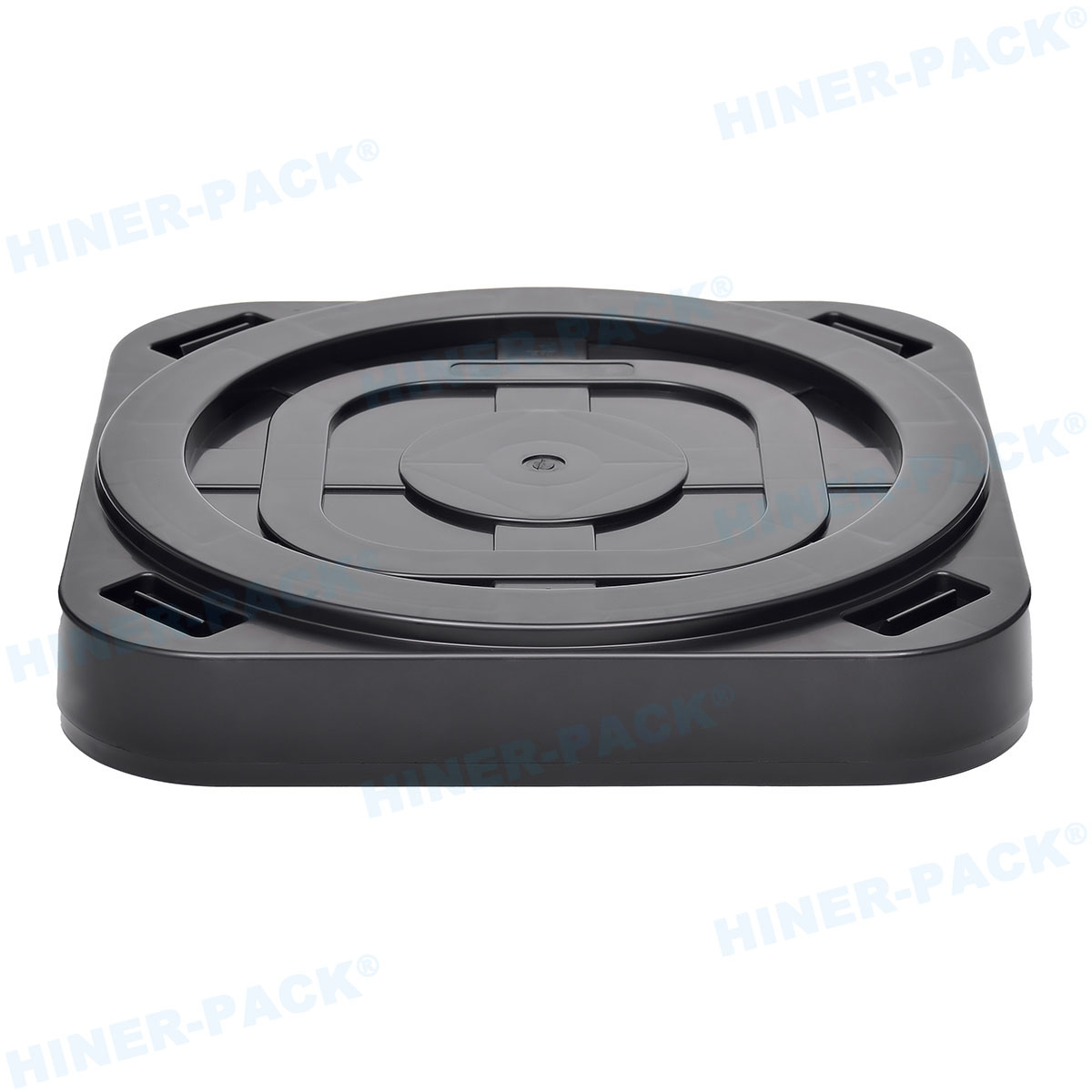
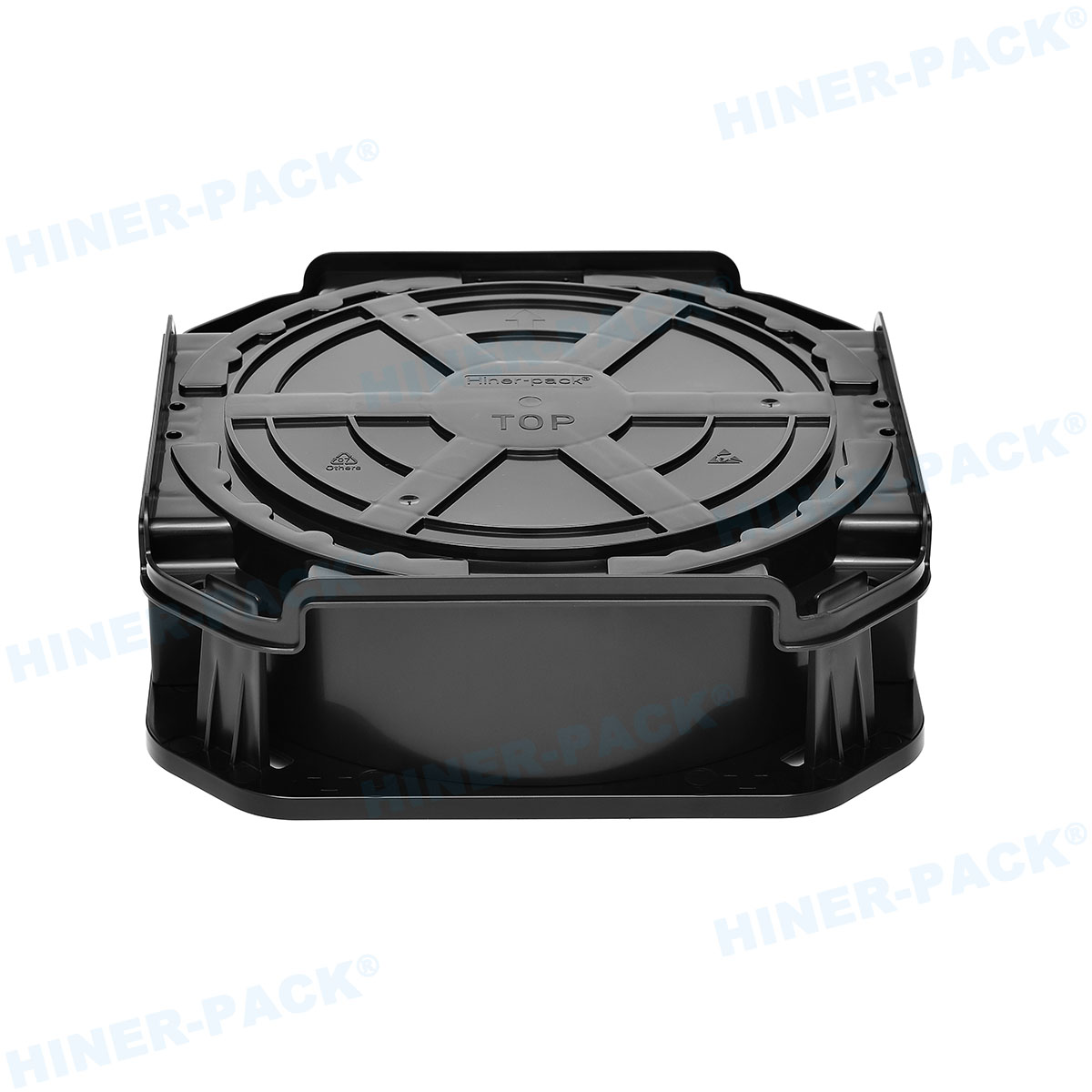
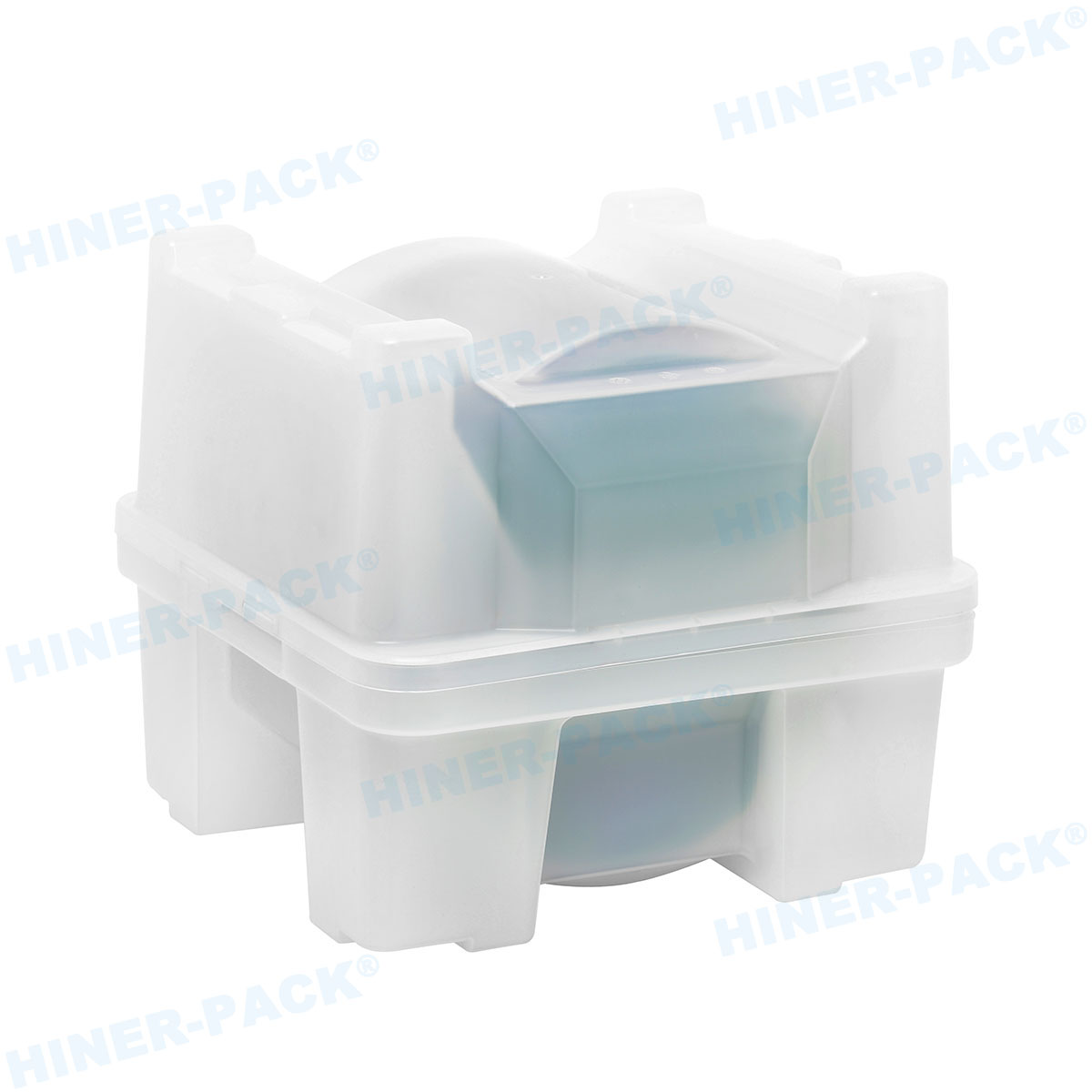
Semiconductor manufacturing is a game of precision. When you have spent weeks processing a substrate, the last thing you want is a scratch or a fracture during transit. For labs and fabs handling medium-sized substrates, the 6-inch Coin-Style Single Wafer Shipper has become the industry standard for protection.
Whether you are shipping silicon, glass, or quartz, the packaging you choose is just as critical as the cleanroom environment where the wafer was created. At Hiner-pack, we understand that a broken wafer isn't just a loss of material; it is a loss of valuable time and data.
This article looks at why this specific shipper design is essential for modern semiconductor logistics and how to use it effectively.
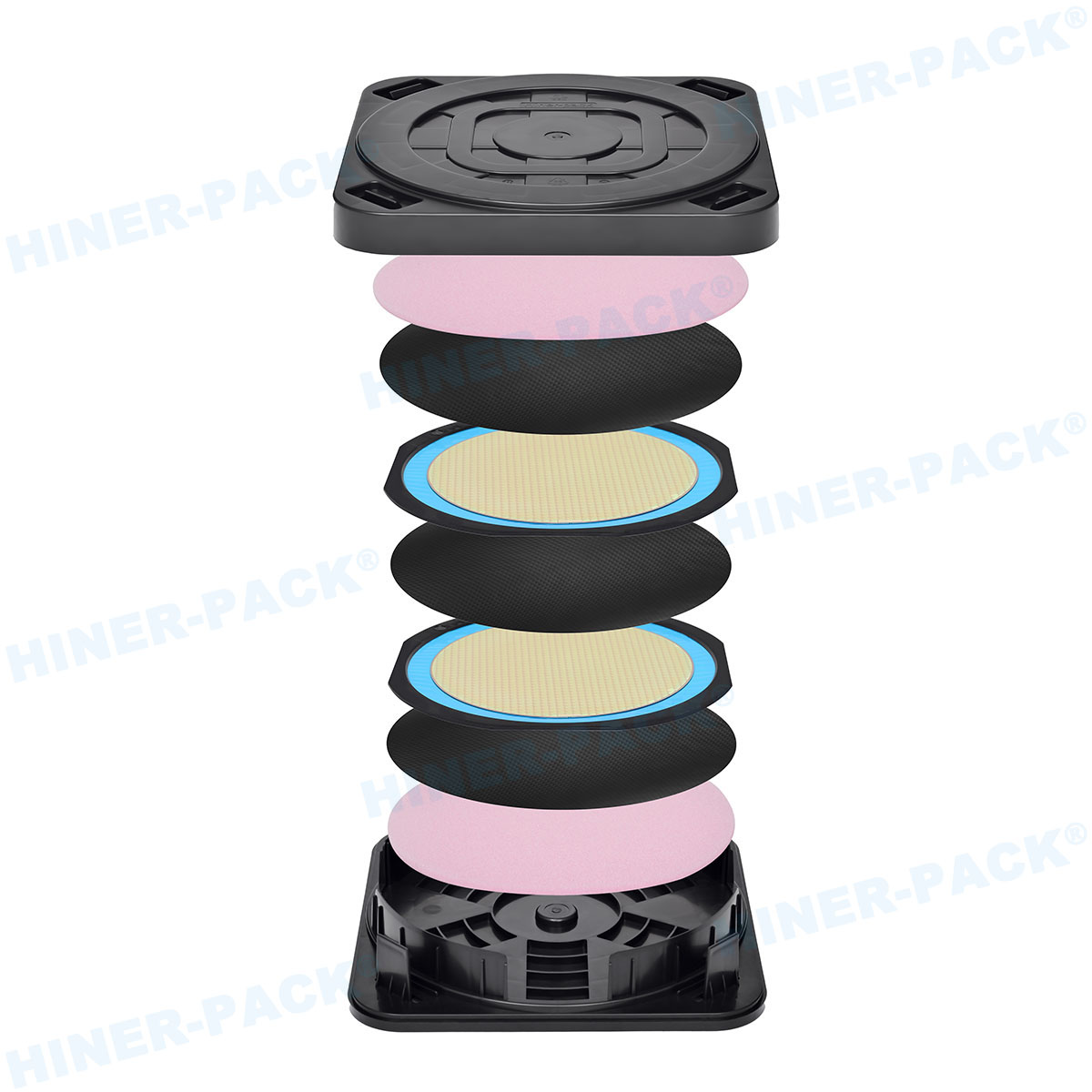
The Engineering Behind the 6-inch Coin-Style Single Wafer Shipper
You might wonder why the "coin-style" design remains so popular despite the existence of multi-wafer cassettes. The answer lies in individual isolation.
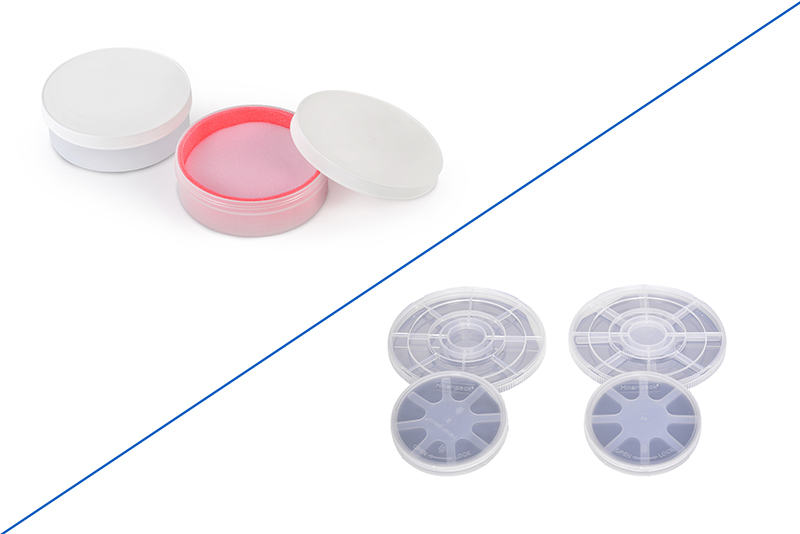
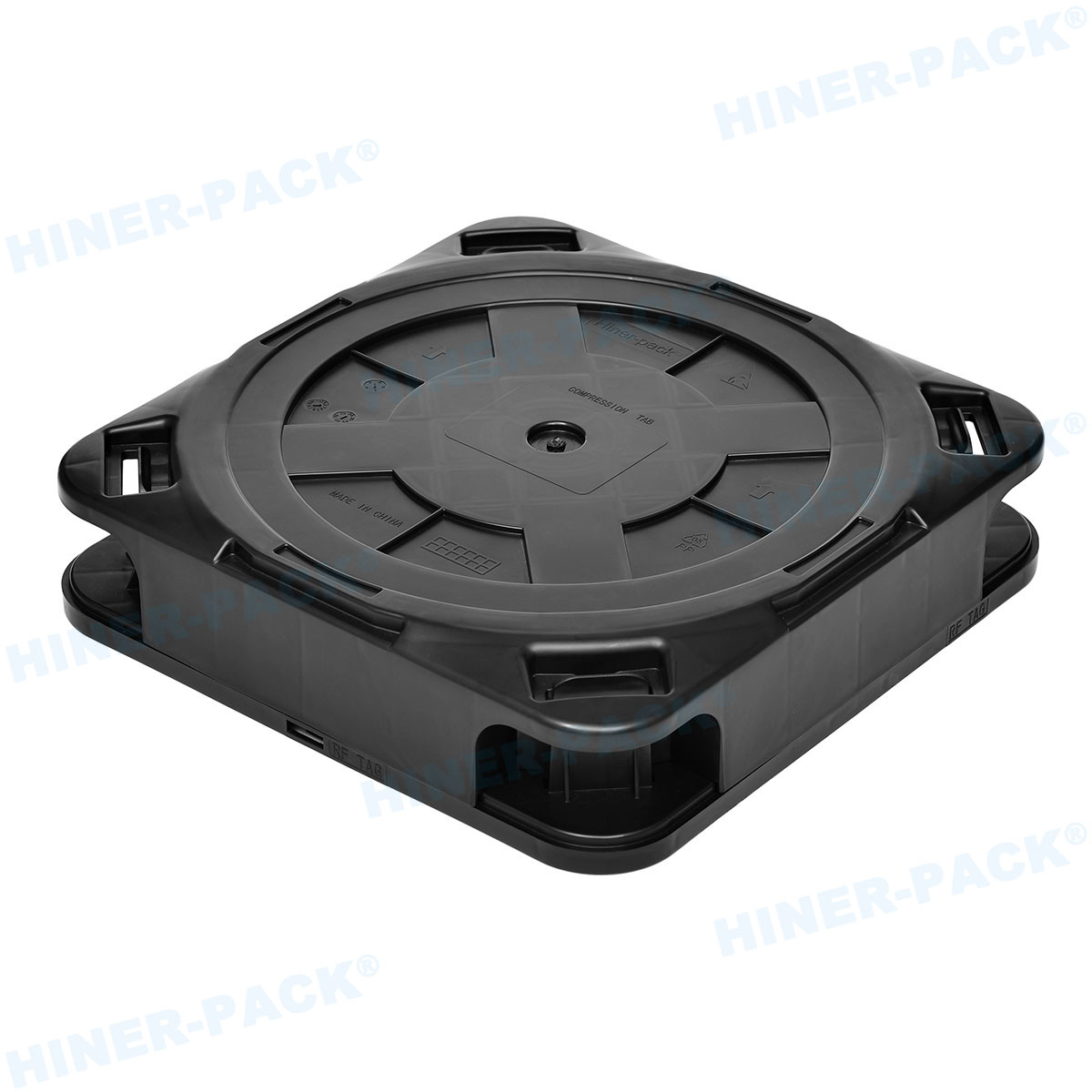
A 6-inch Coin-Style Single Wafer Shipper typically consists of three main parts: a base, a lid, and an internal spring or spider-ring mechanism. This assembly is designed to hold the wafer by its edges only.
When the lid is twisted shut, the internal mechanism applies gentle, downward pressure on the wafer’s bevel. This prevents the active area of the wafer from touching the plastic. Even if the box is dropped, the shock is absorbed by the container's structure rather than the brittle silicon.
This specific design prevents lateral movement. In a standard box, a wafer might slide back and forth, generating particles. The coin-style mechanism locks it in place, ensuring that the particle count remains low upon arrival.
Material Selection: Why Polypropylene Matters
Most shippers are not made of generic plastic. They are usually crafted from high-purity Polypropylene (PP) or specialized Polycarbonate.
At Hiner-pack, we emphasize the importance of low-outgassing materials. If a plastic container releases volatile organic compounds (VOCs), these can deposit on the wafer surface. This creates a haze that ruins sensitive lithography steps.
Furthermore, static electricity is a silent killer in the semiconductor world. A standard plastic box can generate thousands of volts of static charge during handling.
High-quality shippers are often made with ESD-safe (Electrostatic Discharge) materials. This allows any charge to dissipate slowly and safely, protecting sensitive circuits on the wafer. When sourcing your containers, always verify the surface resistivity specifications.
Comparing the 6-inch Coin-Style Single Wafer Shipper to Cassettes
In a high-volume fab, you see 25-wafer cassettes moving along automated tracks. However, cassettes are terrible for shipping individual samples.
If you are a research lab sending a single prototype to a client, you do not want to use a bulky cassette. It is wasteful and expensive to ship.
The 6-inch Coin-Style Single Wafer Shipper offers a compact footprint. It is lightweight, which reduces air freight costs significantly.
More importantly, it creates a sealed micro-environment. A cassette is often open to the air (unless inside a pod), whereas the coin-style shipper seals tight. This protects the substrate from humidity and external dust during the journey from the cleanroom to the loading dock.
Step-by-Step: Loading the Shipper Safely
Proper handling is just as important as the container itself. Even the best Hiner-pack product requires correct usage to function.
First, ensure you are working in a clean environment, preferably a Class 100 or Class 1000 cleanroom. Open the shipper and inspect it for any existing particles. Nitrogen guns are useful here to blow away any dust on the interior surface.
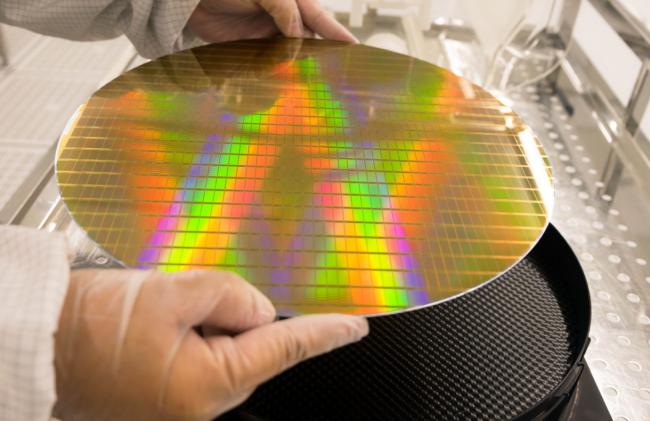
Use a vacuum wand to pick up your 6-inch wafer. Never use tweezers if you can avoid it, as they can chip the edges.
Center the wafer carefully into the base of the shipper. The specific groove diameter is manufactured to match the 150mm standard tolerance. If it is not centered, the lid will not close properly.
Place the spider ring or spring component on top (if it is a separate piece) or align the lid if the spring is integrated.
Twist the lid until you feel resistance. Do not over-tighten. The goal is to secure the wafer, not to crush it. A firm closure engages the edge-grip mechanism effectively.
Hiner-pack’s Focus on Cleanliness and Reliability
We know that consistency is key. Hiner-pack produces these shippers in controlled environments to ensure they reach you free of contaminants.
We focus on the thread design of the container. A poorly designed thread can generate plastic shavings when the lid is screwed on and off. These shavings are a major source of contamination.
Our design minimizes friction in the threading area. This ensures that the action of opening and closing the box does not dirty the cleanroom.
Additionally, our containers are designed to be stackable. This is a small detail, but for inventory managers storing hundreds of wafers, stability in the storage cabinet is vital.
Addressing the Fragility of Thinned Wafers
The industry is moving toward thinner wafers for advanced packaging and power electronics. Handling a standard thickness wafer is one thing; handling a thinned wafer is much harder.
A 6-inch Coin-Style Single Wafer Shipper is particularly good for thinned wafers because of the uniform pressure.
Clamp-shell style boxes can sometimes apply uneven force, causing warping or cracking in thinned substrates. The circular design of the coin-style shipper distributes the holding force equally around the circumference.
If you are working with MEMS or TAIKO processes, you need to check if the shipper has enough clearance for the wafer structure. Hiner-pack offers various depth options to accommodate different wafer thicknesses and topographies.
Applications in Photonics and Optoelectronics
Silicon isn't the only material that needs protection. The photonics industry frequently uses materials like Lithium Niobate or Sapphire.
These materials are often more expensive than silicon. They can also be more sensitive to thermal shock.
The coin-style shipper provides a small buffer of air that acts as a thermal insulator. While it won't stop the box from freezing in a cargo hold, it dampens rapid temperature changes that could cause thermal stress fractures.
For optical coatings, nothing must touch the surface. The edge-grip architecture guarantees that the optical face remains suspended and untouched throughout the supply chain.
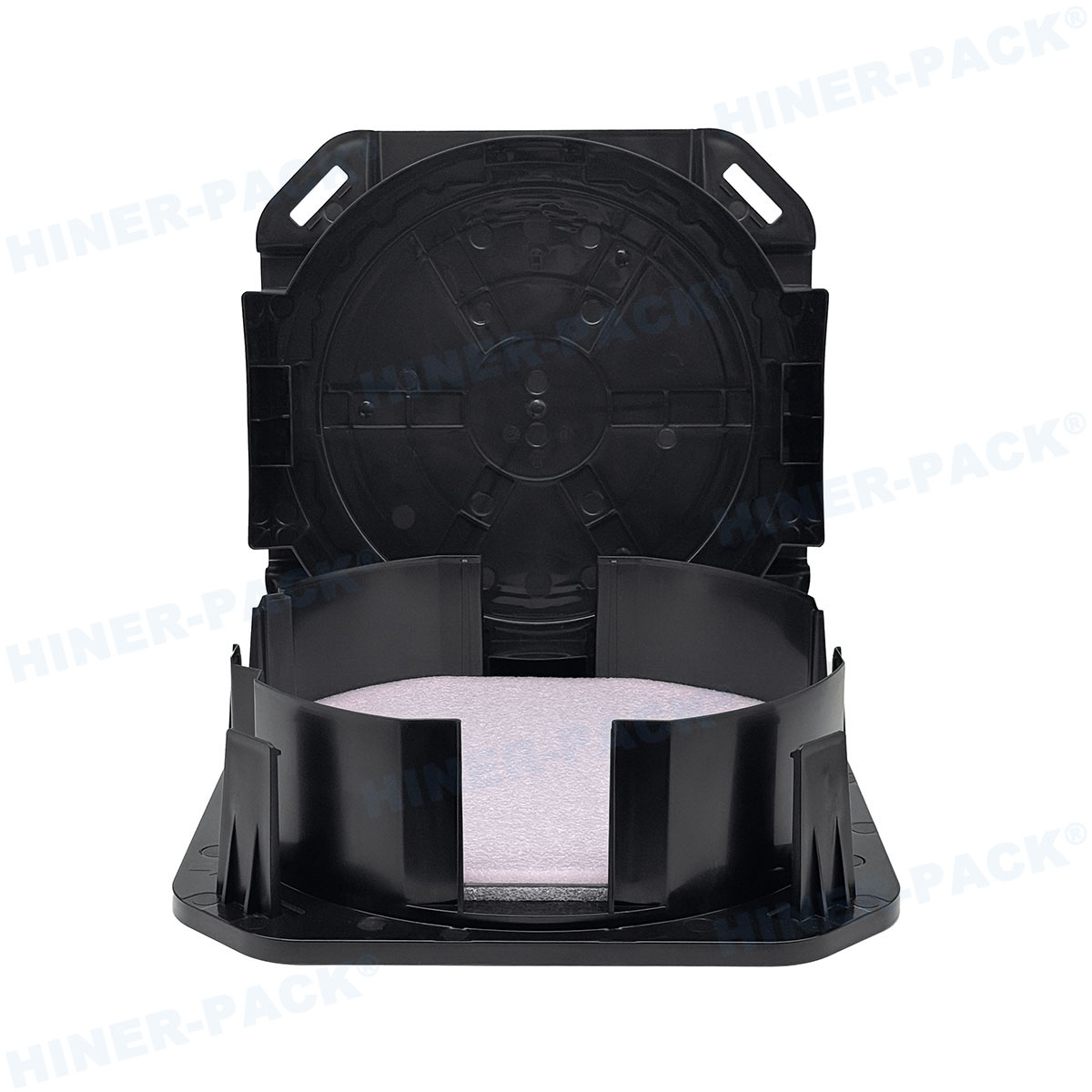
Logistics: Labeling and Vacuum Sealing
Once the wafer is inside the 6-inch Coin-Style Single Wafer Shipper, the packaging process isn't over.
You must label the container. However, never place a paper sticker directly on the shipper if it is going into a high-grade cleanroom later. Paper generates fibers. Use cleanroom-compatible labels.
For international shipping, we recommend placing the shipper inside a moisture-barrier bag (MBB). Vacuum seal this bag.
This serves two purposes. First, it prevents humidity from entering. Second, it acts as a secondary lock. The vacuum pressure keeps the lid from vibrating loose during a turbulent flight.
Hiner-pack recommends using a desiccant pack and a humidity indicator card inside the moisture barrier bag for sensitive shipments.
Reusability and Environmental Impact
One question we often face is about the lifecycle of these products. Are they single-use?
Technically, they are durable enough for reuse. Many internal fab logistics operations reuse shippers multiple times to save costs.
However, if you are shipping to a customer, it is standard practice to use a new container. Reusing a shipper for external transport introduces a risk of cross-contamination.
If you do choose to clean and reuse them, they must go through a rigorous wash process. Polypropylene handles ultrasonic cleaning well, but you must ensure no detergent residue remains.
For sustainability, Hiner-pack encourages recycling end-of-life containers. PP is fully recyclable, and we are constantly looking for ways to reduce the carbon footprint of our manufacturing process.
Common Mistakes to Avoid
A common error is mixing up sizes. A 6-inch wafer will loosely rattle in a container designed for larger diameters, and it won't fit in a 4-inch box. Always double-check the spec sheet.
Another mistake is ignoring the "top" and "bottom" orientation. While the wafer is held inside, the shippers are designed to travel horizontally. Storing them vertically on a shelf can put unnecessary stress on the spring mechanism over months of storage.
Finally, do not use tape to secure the lid unless it is cleanroom tape. Standard packing tape leaves a sticky residue that is impossible to clean off, rendering the box useless for future cleanroom entry.
Protecting your substrates is an investment in your final yield. The 6-inch Coin-Style Single Wafer Shipper offers a proven, reliable, and cost-effective solution for transporting valuable materials.
By utilizing an edge-grip mechanism and durable materials, it mitigates the risks of breakage and contamination. Whether you are in a university lab or a commercial foundry, choosing the right packaging partner like Hiner-pack ensures your wafers arrive exactly as they left.
Secure your process, protect your product, and trust the design that industry veterans rely on.
Frequently Asked Questions (FAQ)
Q1: Can I reuse a 6-inch Coin-Style Single Wafer Shipper?
A1: Yes, the shippers are made from durable plastic and can be reused. However, they must be cleaned thoroughly in a cleanroom environment between uses to prevent cross-contamination. For critical shipments to customers, using a new shipper is recommended to guarantee cleanliness.
Q2: Is the Hiner-pack shipper suitable for thinned wafers?
A2: Generally, yes. The coin-style design supports the wafer by the edges, which is safer for thinned wafers than surface-contact packaging. However, you should check the specific depth and spring tension specifications to ensure they match the fragility of your specific thinned substrate.
Q3: What material is used to manufacture these shippers?
A3: Most high-quality shippers, including those from Hiner-pack, are manufactured from natural Polypropylene (PP) or Polycarbonate. These materials are chosen for their low outgassing properties, chemical resistance, and structural durability. ESD-safe versions are also available for static-sensitive applications.
Q4: How does the "coin-style" mechanism protect the wafer?
A4: The mechanism works by suspending the wafer. It grips the wafer only by the bevel (the edge), leaving the top and bottom surfaces untouched. An internal spring or flexible structure applies gentle vertical pressure to lock the wafer in place, preventing lateral movement and impact damage.
Q5: Can I autoclave the 6-inch Coin-Style Single Wafer Shipper?
A5: This depends on the specific plastic blend used. Standard Polypropylene can usually withstand autoclave temperatures, but it may warp slightly over repeated cycles. Always consult the Hiner-pack technical data sheet for your specific model to verify its thermal resistance limits before autoclaving.