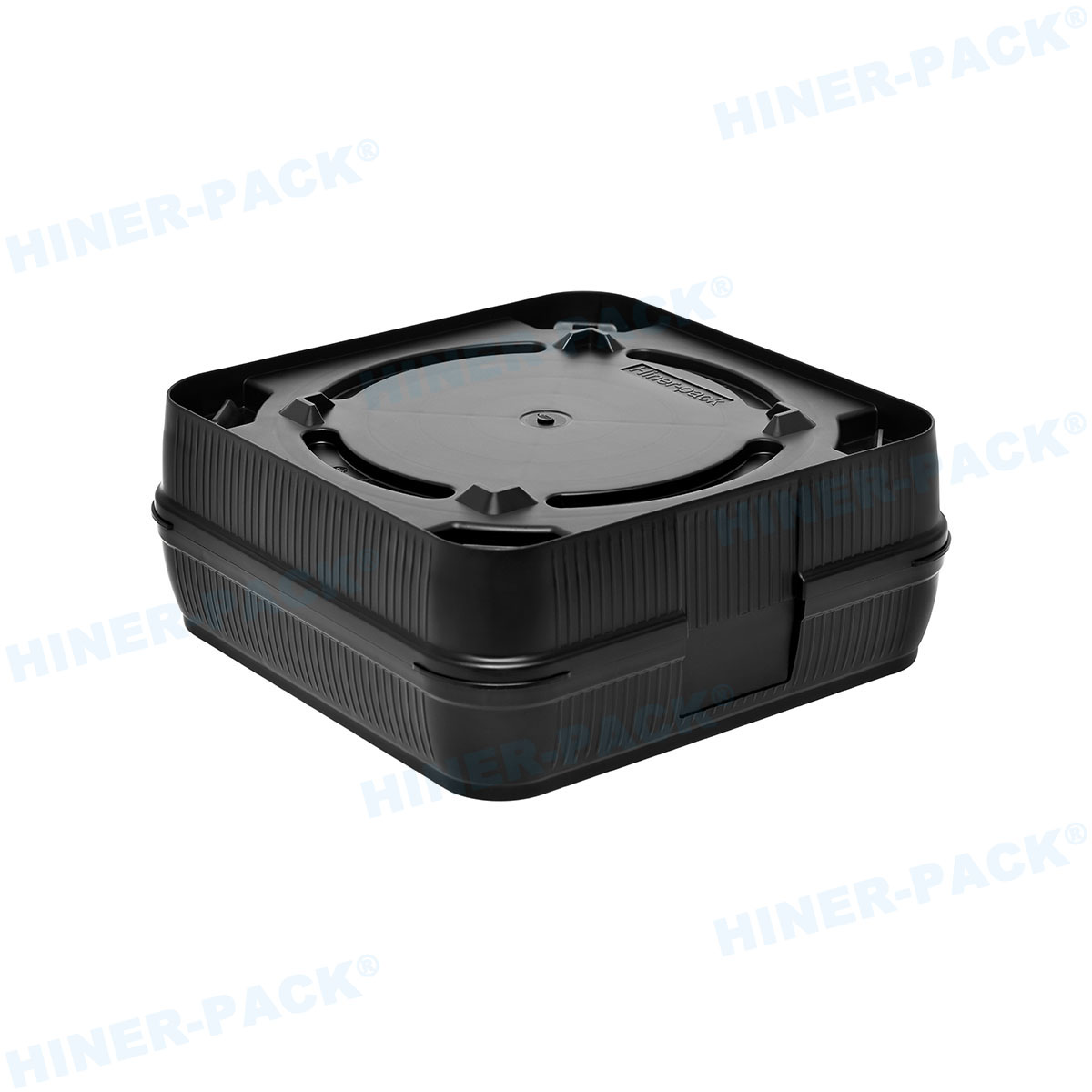
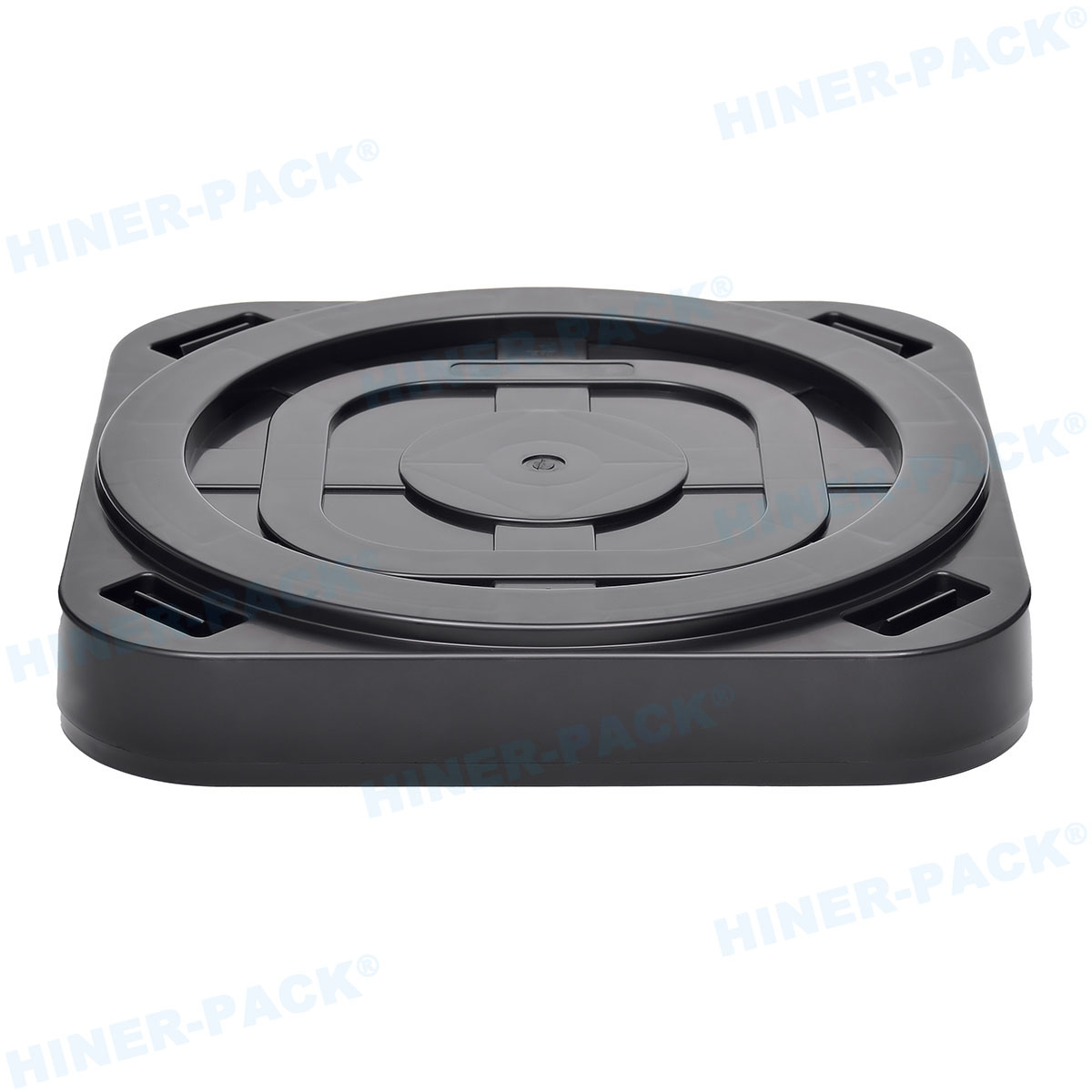
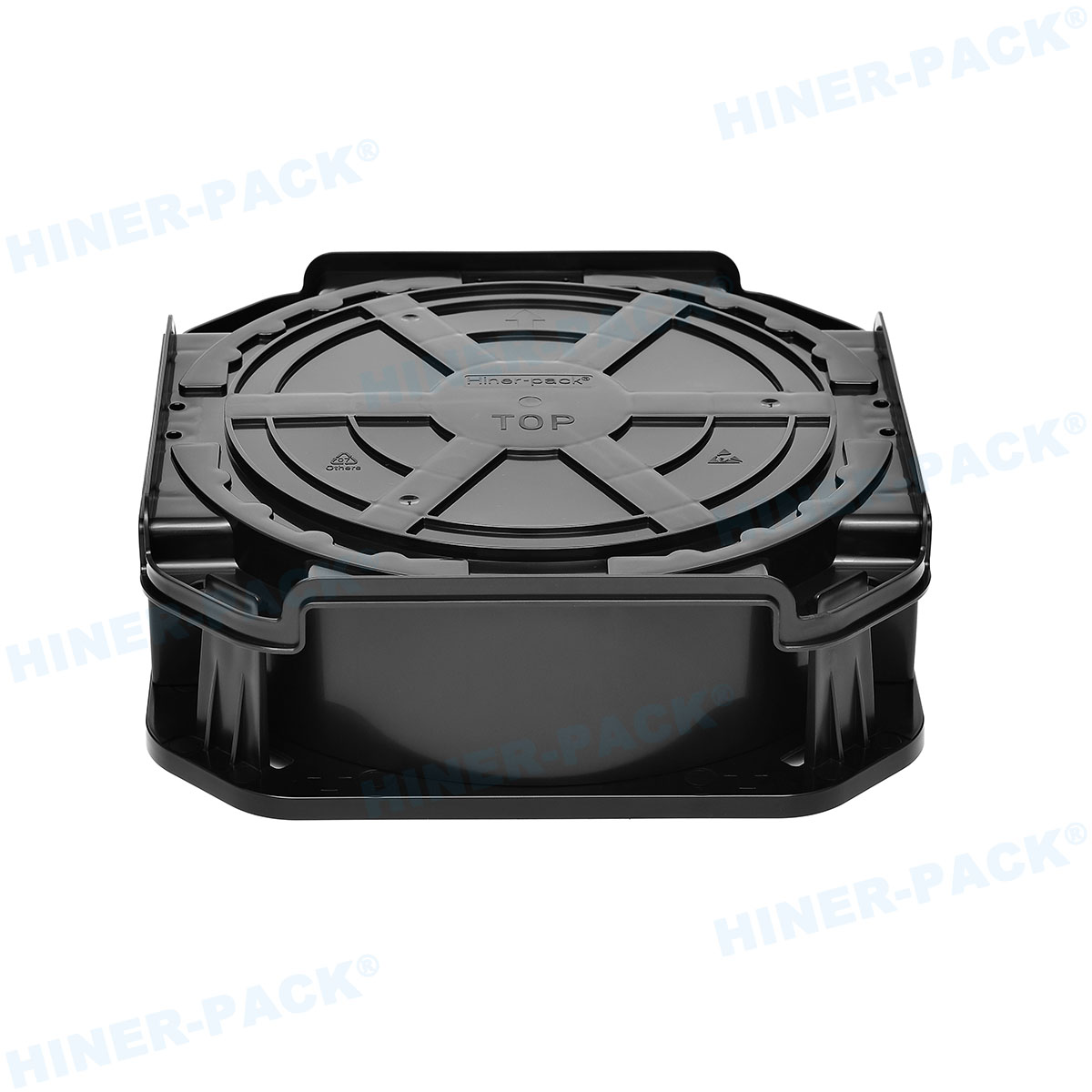
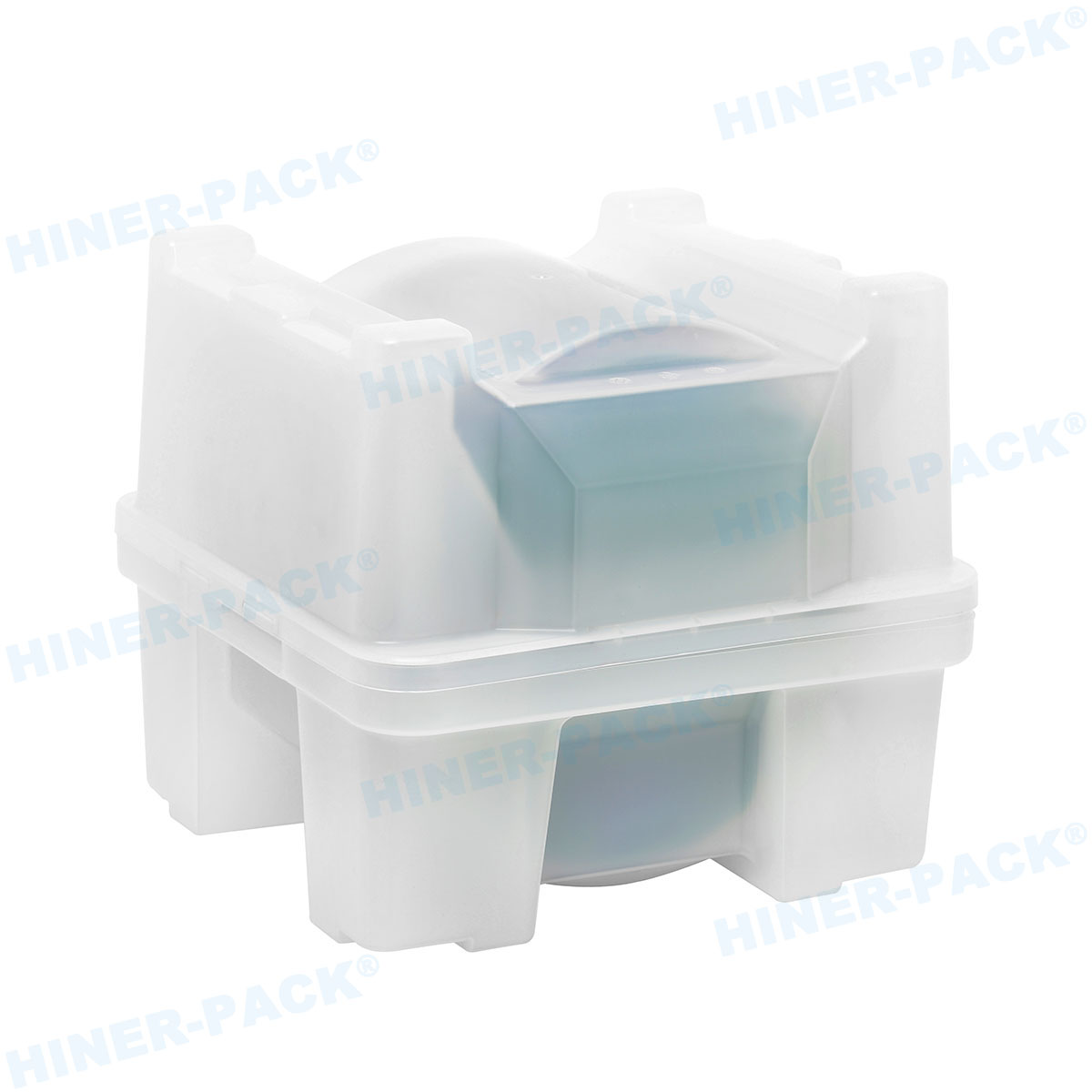
In modern semiconductor manufacturing, the physical carrier that protects individual die during dicing, sorting, testing, and assembly is often overlooked — yet it directly impacts yield, reliability, and factory automation uptime. Semiconductor packaging trays have evolved from simple plastic moulds into precision-engineered platforms that must meet stringent requirements for electrostatic discharge (ESD) control, thermal stability, and dimensional accuracy. As advanced packaging (2.5D/3D, fan‑out, SiP) pushes the boundaries of miniaturisation, the role of these trays becomes even more critical.
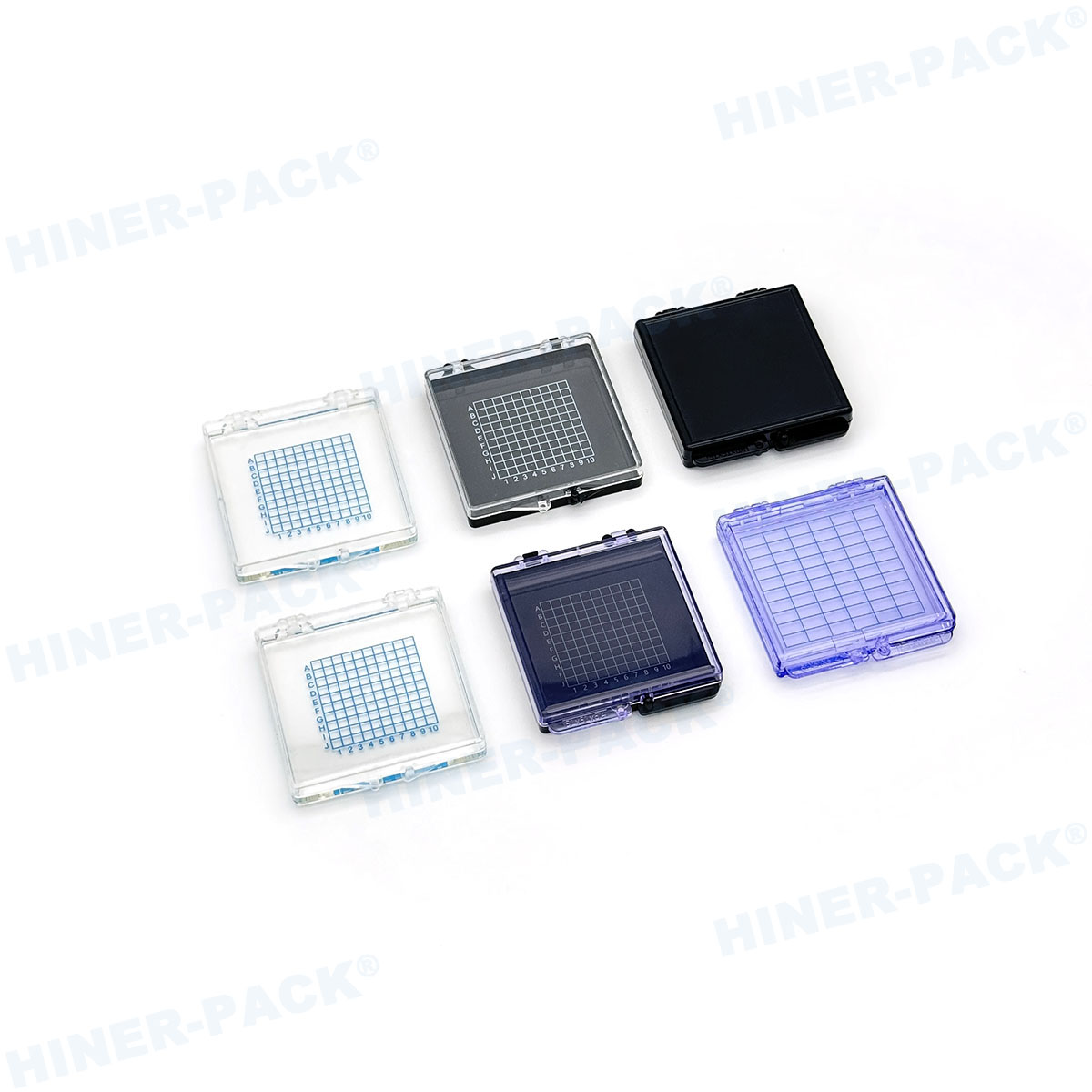
The Critical Role of Packaging Trays in Semiconductor Manufacturing Workflow
Semiconductor packaging trays are present at nearly every back-end step:
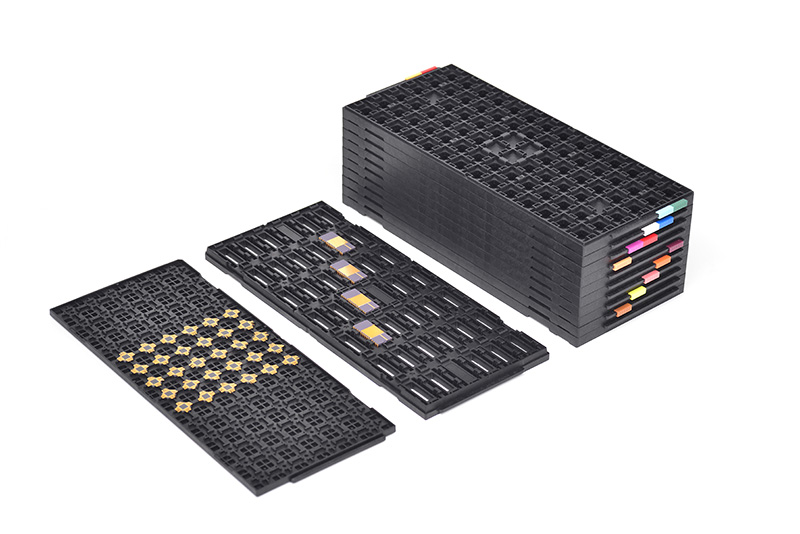
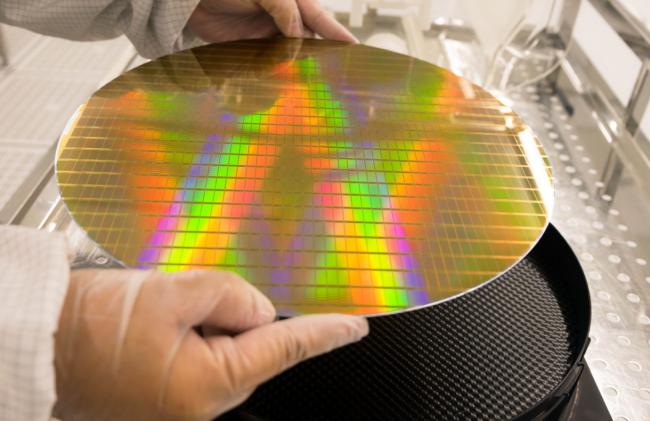
Wafer dicing: After wafer saw, individual die are picked and placed into trays (often called “waffle packs” or “gel/elastomer trays”) to prevent chipping and scattering.
Die sorting and inspection: Trays hold known good dies (KGD) in precise arrays for automated optical inspection (AOI) and electrical testing.
Die bonding / placement: Surface-mount technology (SMT) lines rely on trays that are compatible with pick‑and‑place equipment; pocket location repeatability is paramount.
Intermediate storage and shipping: Between assembly steps or during transport to OSATs, trays must protect devices from mechanical shock, humidity, and electrostatic discharge.
Each step imposes unique demands: high‑temperature resistance during reflow simulations, ultra‑low outgassing for vacuum environments, and materials that do not induce ionic contamination. This is where suppliers such as Hiner‑pack differentiate themselves through rigorous material selection and process control.
Material Science and ESD Compliance: A Delicate Balance
The polymer matrix of a semiconductor packaging tray must satisfy contradictory requirements: mechanical rigidity, low cost, and permanent ESD protection without ionic impurities. Common base resins include:
PPS (Polyphenylene Sulfide): High heat deflection temperature (>260°C), excellent chemical resistance, but needs carbon or fibre loading for conductivity.
PEI (Polyetherimide): Transparent, inherently flame‑retardant, often used where visual inspection is needed.
PEEK (Polyether ether ketone): For extreme environments (continuous use at 240°C) and minimal outgassing; used in aerospace and high‑reliability automotive dies.
Conductive ABS / PS: Cost‑effective for less demanding applications, but surface resistivity can drift over time.
To meet ESD standards (ANSI/ESD S20.20, IEC 61340‑5‑1), trays must exhibit surface resistivity between 105 and 1012 Ω/sq. Below 105 Ω/sq, a tray becomes too conductive and risks shorting live devices; above 1012 Ω/sq, it behaves as an insulator and allows tribocharging. Permanent dissipative additives (carbon nanotubes, carbon fibre, or organic antistats) are preferred over topical coatings, which can flake and generate particles. Leading manufacturers like Hiner‑pack specify volume‑resistive compounds to guarantee consistent performance across the tray’s lifetime.
Precision Engineering: Pocket Design, Dimensional Tolerances, and Automation Compatibility
Pocket Geometry and Chip Protection
Each cavity must secure the die without allowing excessive movement (which causes chipping) while still enabling vacuum pickup. Modern semiconductor packaging trays employ tapered sidewalls, rounded corners, and raised “pips” or “bumps” at the pocket bottom to minimise contact area and prevent stiction. For very thin dies (<50 µm), trays may incorporate micro‑ribs to distribute stress during thermal cycling.
Alignment Features for Automated Handling
High‑speed pick‑and‑place equipment requires tray registration within ±0.05 mm. Key features include:
Corner cut‑offs / notches: Ensure correct orientation in stack magazines.
Flatness and coplanarity: Warpage must be less than 0.5% of diagonal length to avoid misfeeds.
Stackability: Interlocking ribs prevent sliding during shipping while allowing de‑nesting by robots.
Thermal and Mechanical Stress Considerations
Trays often undergo temperature variations from –40°C (cold storage) to +150°C (baking). The coefficient of thermal expansion (CTE) should ideally match silicon (2.6 ppm/K) as closely as possible — a nearly impossible task for polymers. Instead, designers compensate by leaving clearance around the pocket and using materials with low moisture absorption (<0.2%) to minimise dimensional change.
Addressing Industry Pain Points: Contamination, Warpage, and Tray Reusability
Semiconductor fabs and OSATs face three chronic issues with packaging trays:
Particle contamination: Friction between trays and handling equipment can generate particles. Hard coatings or low‑particulate materials (e.g., PEEK with PTFE fillers) reduce this. Hiner‑pack offers Class‑100 cleanroom compatible trays, verified by laser particle scanning.
Warpage after heat exposure: Moulded‑in stress relief and proper annealing are essential. Trays should be verified to JEDEC standards (e.g., JESD22‑B112) for package flatness.
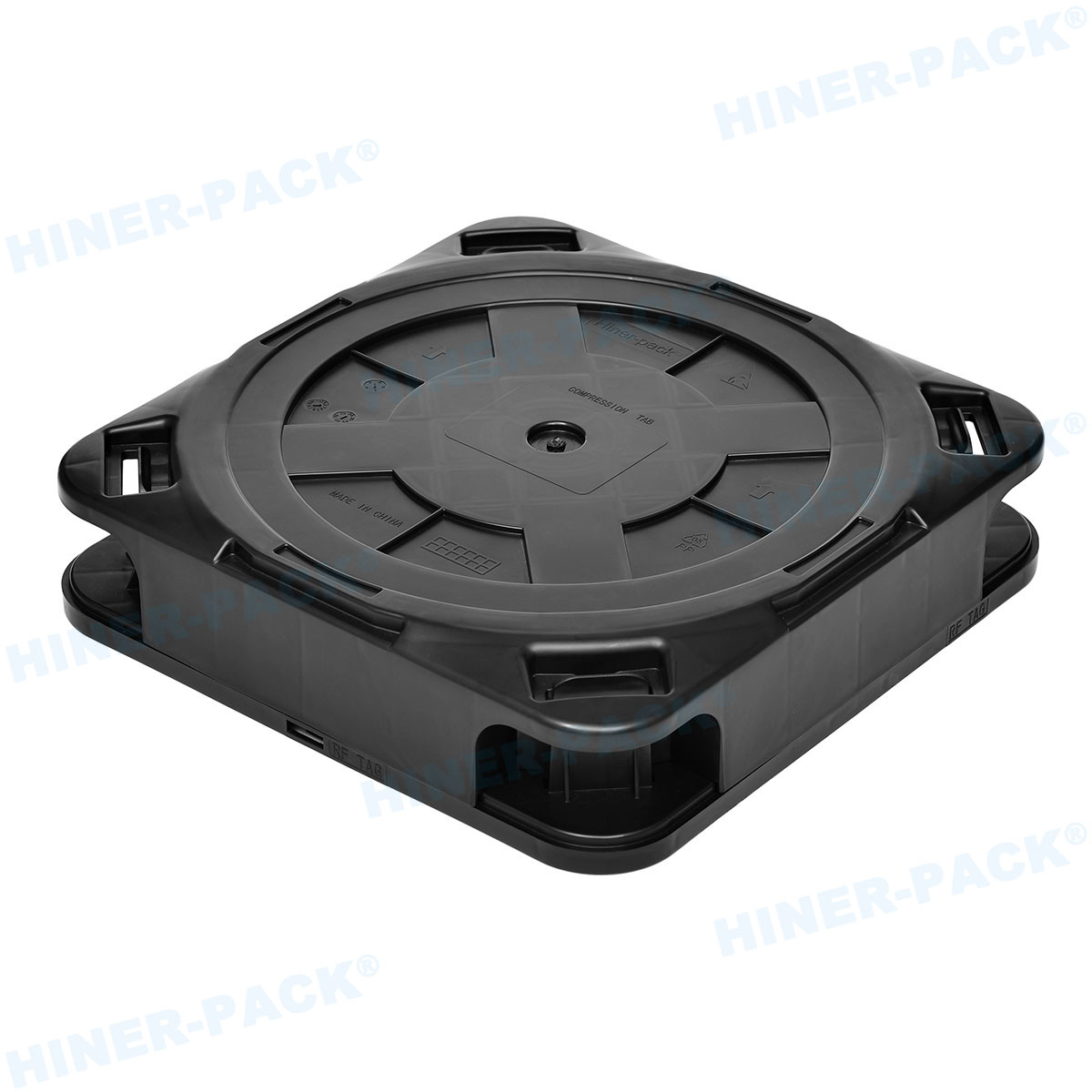
Reusability and cleaning: High‑quality trays can be reused 50–100 times if cleaned correctly. However, aggressive cleaning (ultrasonic, solvents) may degrade ESD properties. Some suppliers now offer RFID‑tagged trays to track usage cycles.
Industry Standards and Certification Requirements
Compliance with global standards is mandatory for any semiconductor packaging tray used in tier‑1 fabs. Key references:
JEDEC Publication 95 (Design Guide 4.14): Dimensional standards for matrix trays.
EIA‑541: Packaging material standards for ESD sensitive items.
ANSI/ESD STM11.13: Two‑point resistance measurement of trays.
RoHS / REACH: Restriction of hazardous substances; many fabs also require halogen‑free declarations.
Reputable manufacturers like Hiner‑pack provide full documentation, including ionic cleanliness tests (IPC‑TM‑650) and outgassing analysis via TD‑GC‑MS, assuring that trays will not contaminate sensitive devices.
Customization Trends for Advanced Packaging (Fan‑Out, SiP, Heterogeneous Integration)
As chip designs become more heterogeneous, off‑the‑shelf trays no longer suffice. Requirements include:
Multi‑pocket depths: For stacked dies or package‑on‑package (PoP) modules.
Mixed cavity arrays: Different die sizes within one tray to support high‑mix assembly lines.
Embedded magnets or alignment pins: For automated guided vehicles (AGVs) in smart factories.
Laser‑marked 2D barcodes: Direct marking on the tray material (instead of labels) to survive baking and cleaning.
Hiner‑pack leverages CNC machining and precision injection moulding to deliver custom designs with lead times as short as two weeks, enabling rapid prototyping for new package outlines.
How Hiner‑pack Delivers High‑Performance Semiconductor Packaging Trays
With decades of experience in the semiconductor supply chain, Hiner‑pack has engineered its semiconductor packaging trays to meet the most demanding requirements:
Material portfolio: From PEEK for high‑temperature processes to carbon‑fibre‑reinforced PPS for cost‑sensitive automotive.
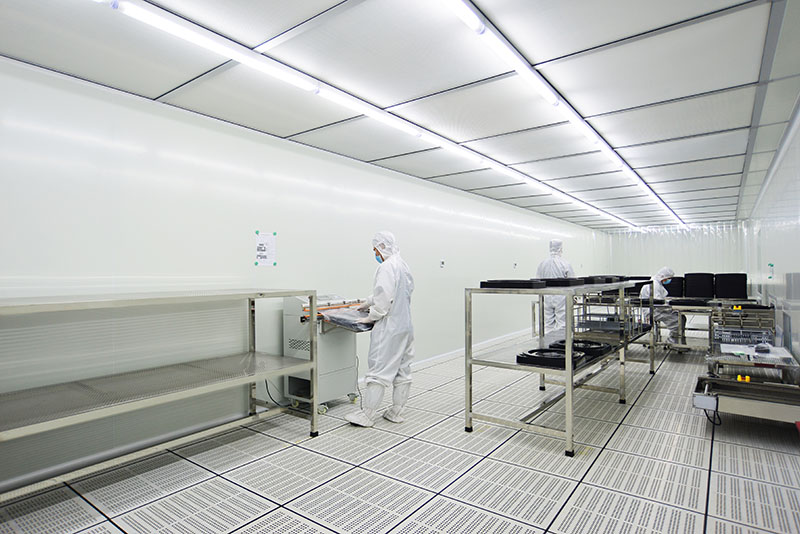
Cleanroom manufacturing: All trays are moulded, handled, and packaged in ISO Class‑7 (Class 10,000) environments, with optional Class‑5 packaging.
Traceability: Each tray batch is tested for surface resistivity, flatness, and particle count; certificates are provided.
Global footprint: Distribution centres in Asia, Europe, and North America ensure just‑in‑time delivery.
Their flagship waffle‑pack chip tray series is widely adopted for MEMS, LEDs, and logic ICs, offering pocket pitches from 2 mm to 50 mm and depths up to 10 mm.
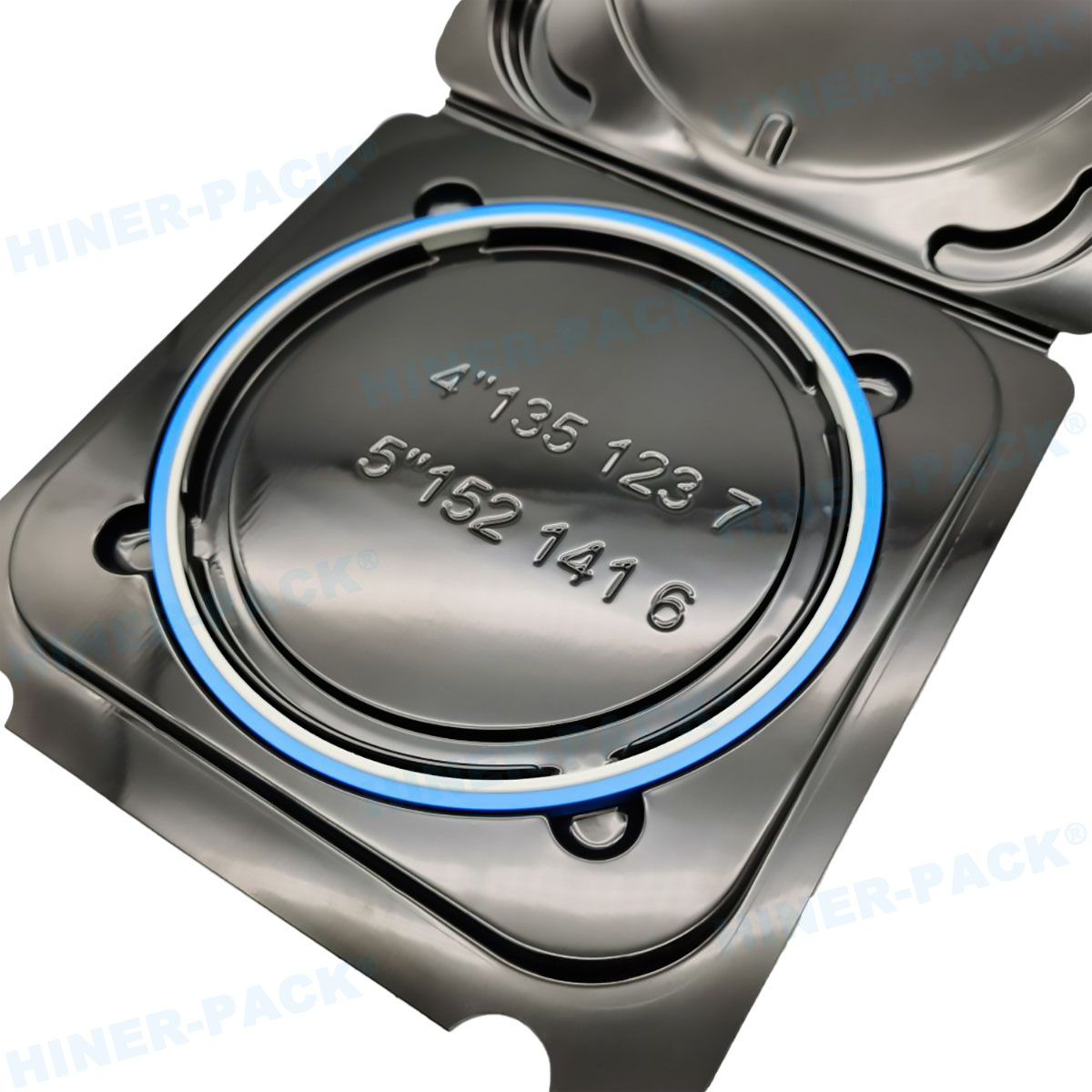
Future Outlook: Sustainable Materials and Intelligent Trays
The next generation of semiconductor packaging trays will likely incorporate:
Bio‑based or recycled polymers: PTT (polytrimethylene terephthalate) and recycled PPS are under evaluation to reduce carbon footprint.
Smart sensors: Embedding ultra‑thin RFID or even temperature/humidity loggers to monitor conditions throughout the supply chain.
Self‑cleaning surfaces: Nanotextures or photocatalytic coatings that prevent particle adhesion.
As packaging density increases, the tray becomes an integral part of the factory’s digital twin — its geometry and material properties are simulated to optimise pick‑and‑place trajectories. Companies like Hiner‑pack are already collaborating with equipment makers to standardise communication protocols between trays and robotic handlers.
Frequently Asked Questions (FAQ)
Q1: What is the difference between conductive and dissipative semiconductor packaging trays?
A1: Conductive trays typically have surface resistivity below 105 Ω/sq and are used when rapid charge dissipation is needed, but they risk shorting live circuits. Dissipative trays range from 105 to 1012 Ω/sq, providing controlled drainage of static charges without arcing. Most JEDEC‑compliant trays are dissipative.
Q2: Can semiconductor packaging trays be cleaned and reused, and if so, how?
A2: Yes, high‑quality trays from suppliers like Hiner‑pack are designed for multiple use cycles. Cleaning methods include deionised water rinsing, isopropyl alcohol (IPA) dips, or CO2 snow cleaning. However, aggressive ultrasonic cleaning or abrasive brushes may damage the ESD coating if the tray is only surface‑treated. Always verify with the manufacturer’s guidelines.
Q3: What material is best for high‑temperature applications (>200°C)?
A3: PEEK (polyether ether ketone) is the industry standard for continuous use up to 240°C. It exhibits very low outgassing, excellent chemical resistance, and maintains mechanical integrity during lead‑free reflow processes. For slightly lower temperatures (<220°C), PPS or PEI are cost‑effective alternatives.
Q4: How do I ensure my trays are compatible with automated pick‑and‑place equipment?
A4: Verify that the tray follows JEDEC matrix tray dimensions (e.g., 2″×2″ to 12″×12″) and that pocket pitch tolerances are within ±0.05 mm. It is also essential to confirm the tray’s flatness (warpage) and the presence of alignment features like notches or corner radii. Request a mechanical drawing from your tray supplier and run a first‑article test on your placement machine.
Q5: What is “outgassing” and why is it critical for semiconductor trays?
A5: Outgassing refers to the release of volatile compounds (solvents, plasticisers, moisture) from a polymer when heated. In vacuum environments or during reflow, these volatiles can condense on bond pads or optics, causing adhesion failures or corrosion. High‑reliability trays undergo outgassing tests per ASTM E595, requiring total mass loss (TML) <1% and collected volatile condensable materials (CVCM) <0.1%.
Q6: Can you provide trays with custom pockets for different die sizes in one matrix?
A6: Absolutely. Many advanced assembly lines require multi‑cavity trays to support heterogeneous integration. Hiner‑pack offers custom‑designed trays with variable pocket geometries, depths, and even stepped cavities for pre‑stacked modules. CNC‑machined prototypes can be delivered within days.
For more technical specifications or to request a quote on semiconductor packaging trays tailored to your devices, visit Hiner‑pack’s official site.