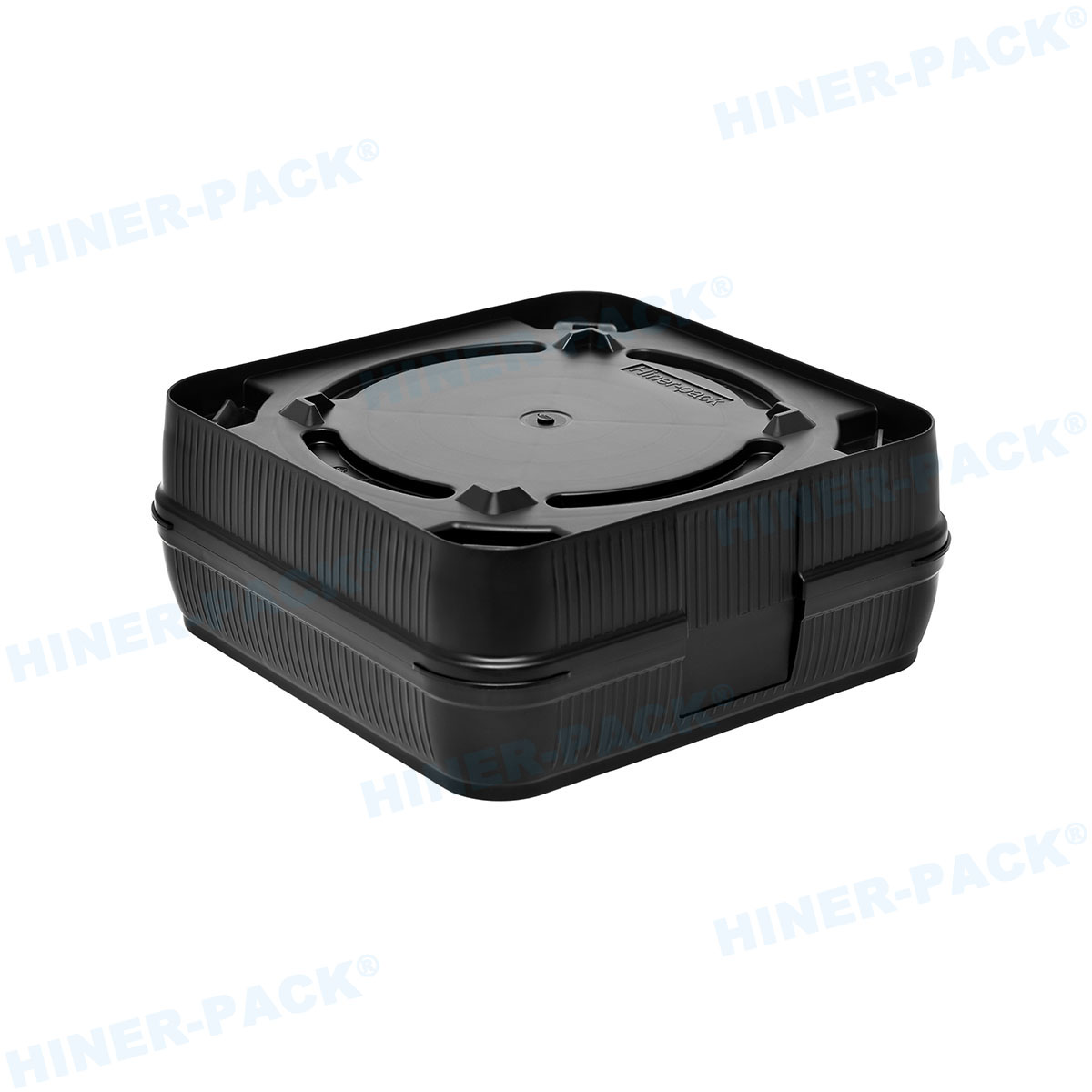
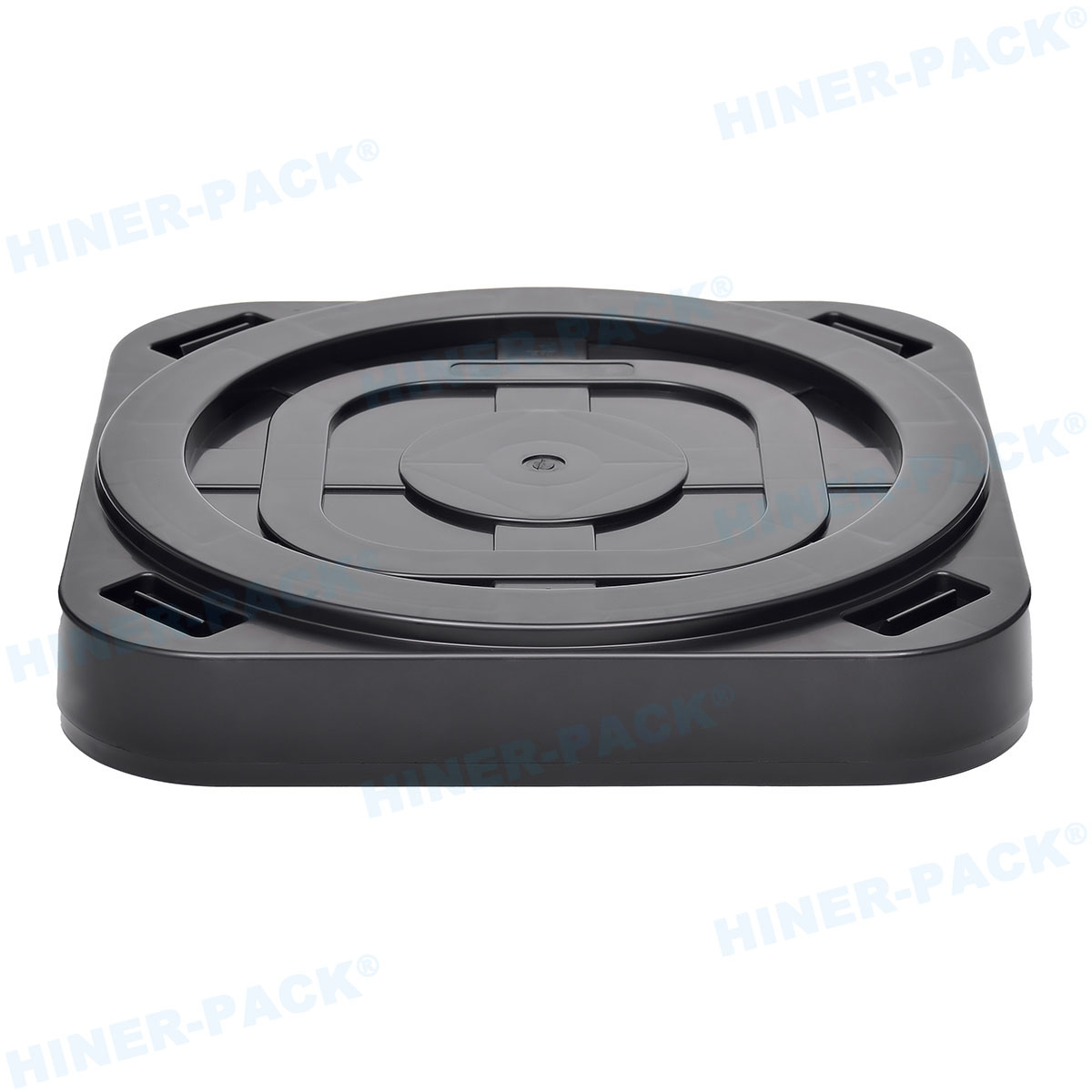
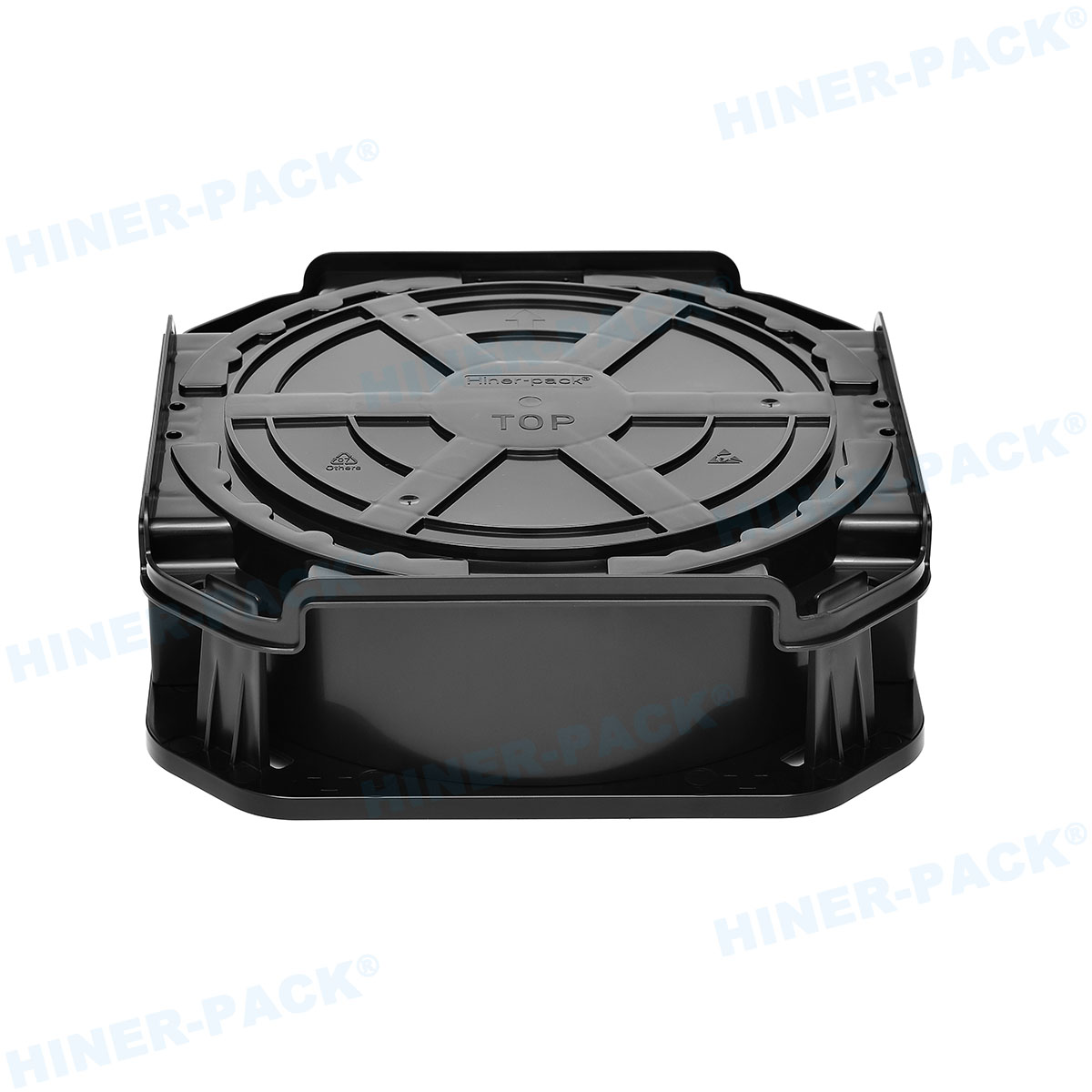
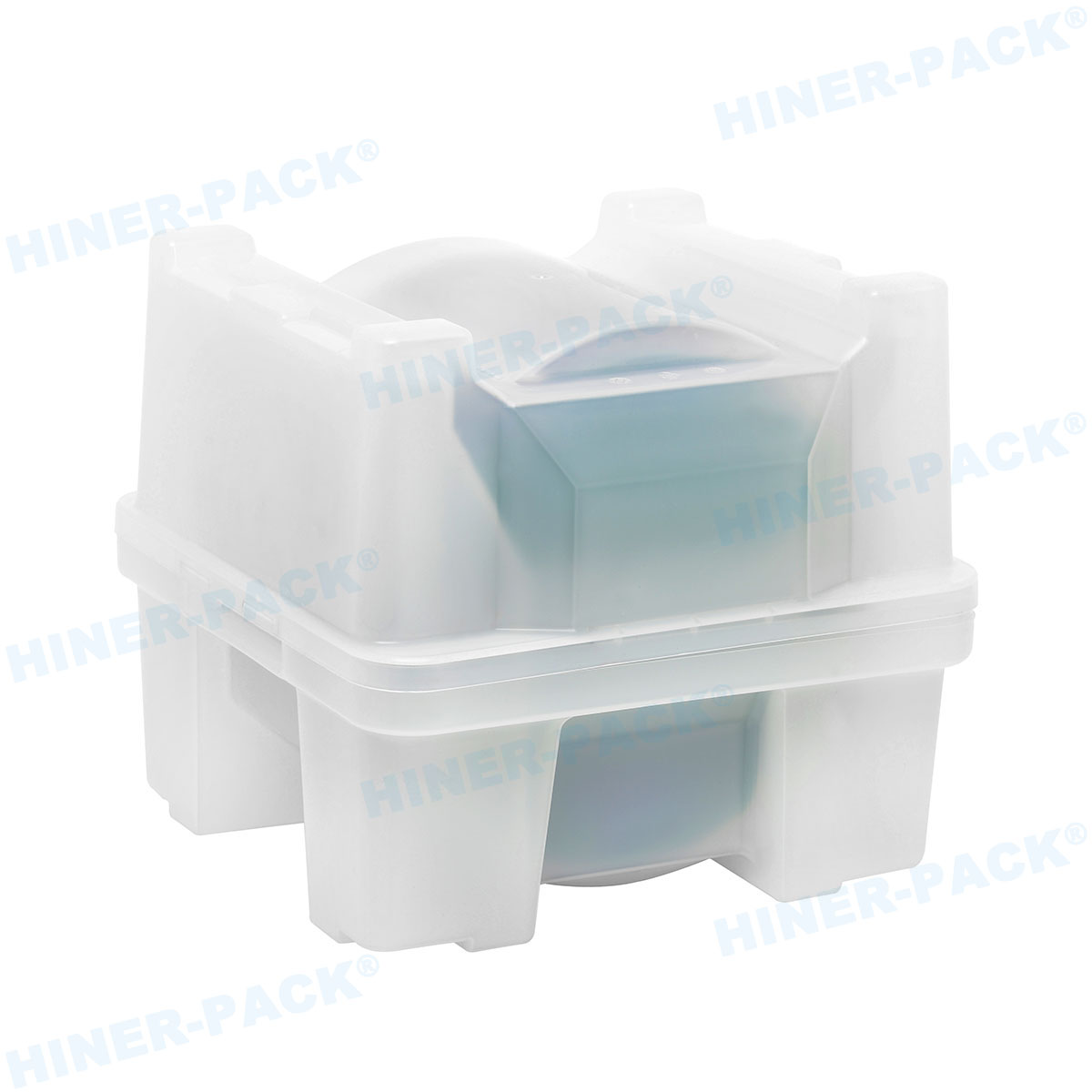
The medical device industry operates at the intersection of miniaturization, reliability, and patient safety. Components such as implantable sensors, microfluidic chips, and surgical camera modules are often fragile, contamination‑sensitive, and susceptible to electrostatic discharge (ESD). Traditional packaging—rigid trays, conductive foams, or antistatic bags—frequently fails to provide the gentle, residue‑free handling required for these high‑value parts. Gel Pak for medical devices offers a scientifically advanced alternative, leveraging viscoelastic silicone gels to secure components without stress, while enabling clean, automated release. This article examines the technology, applications, regulatory landscape, and best practices for integrating gel‑based packaging into medical device manufacturing.
What Is a Gel Pak? Material Science and Working Principles
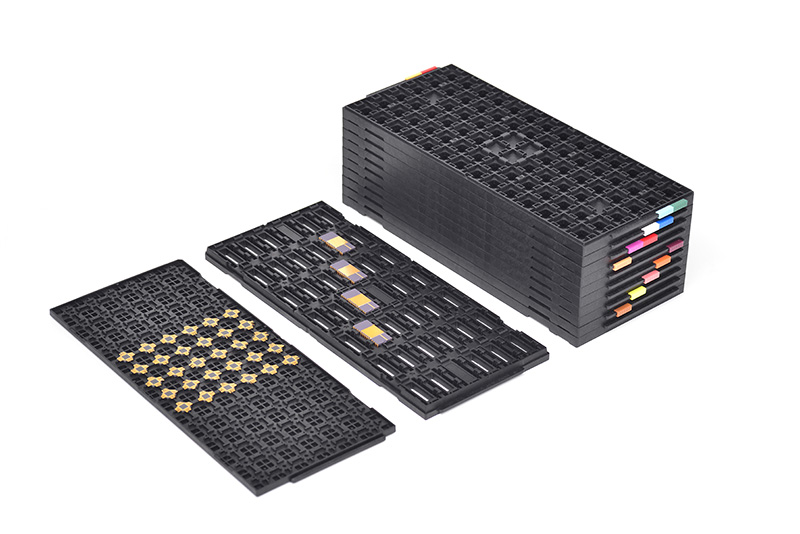
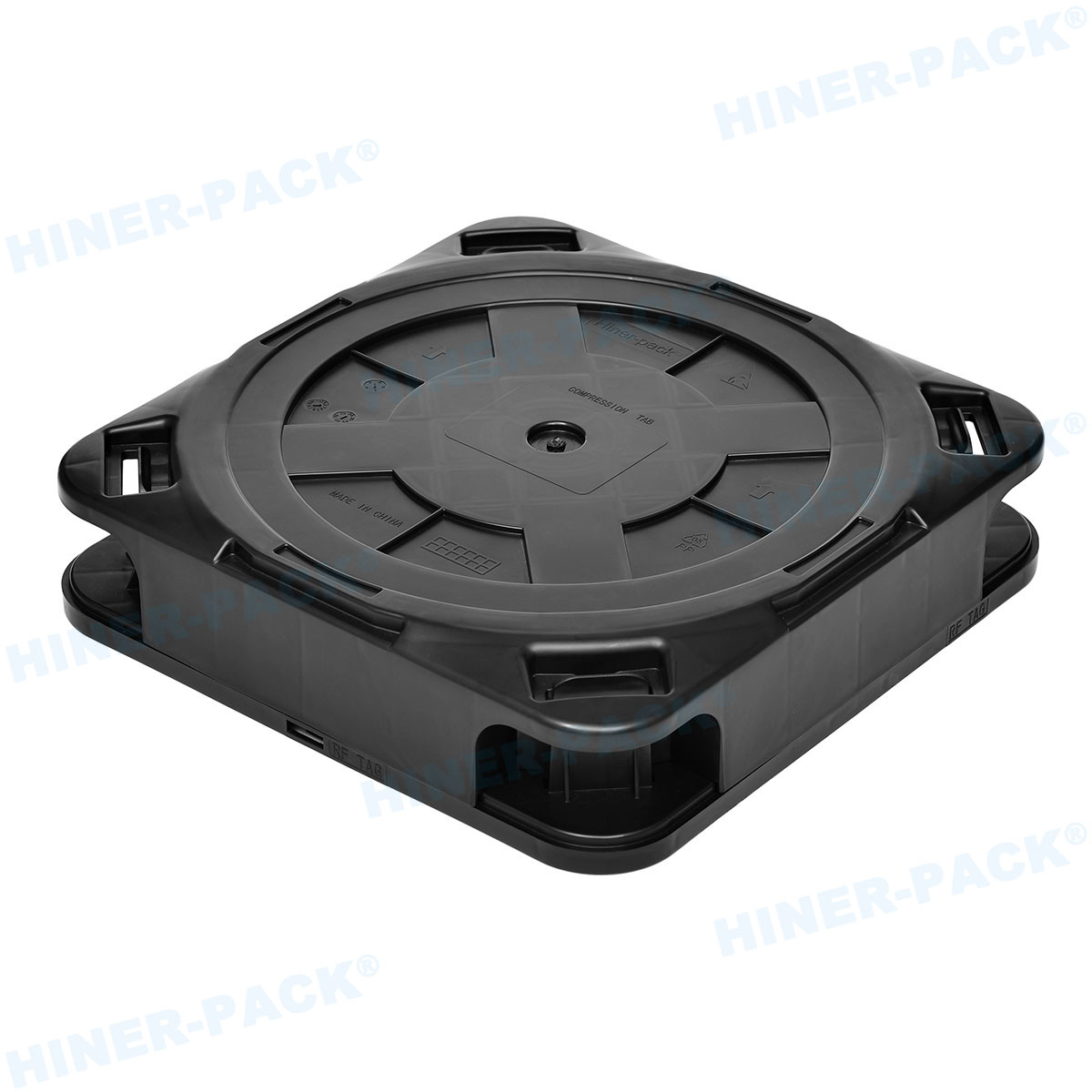
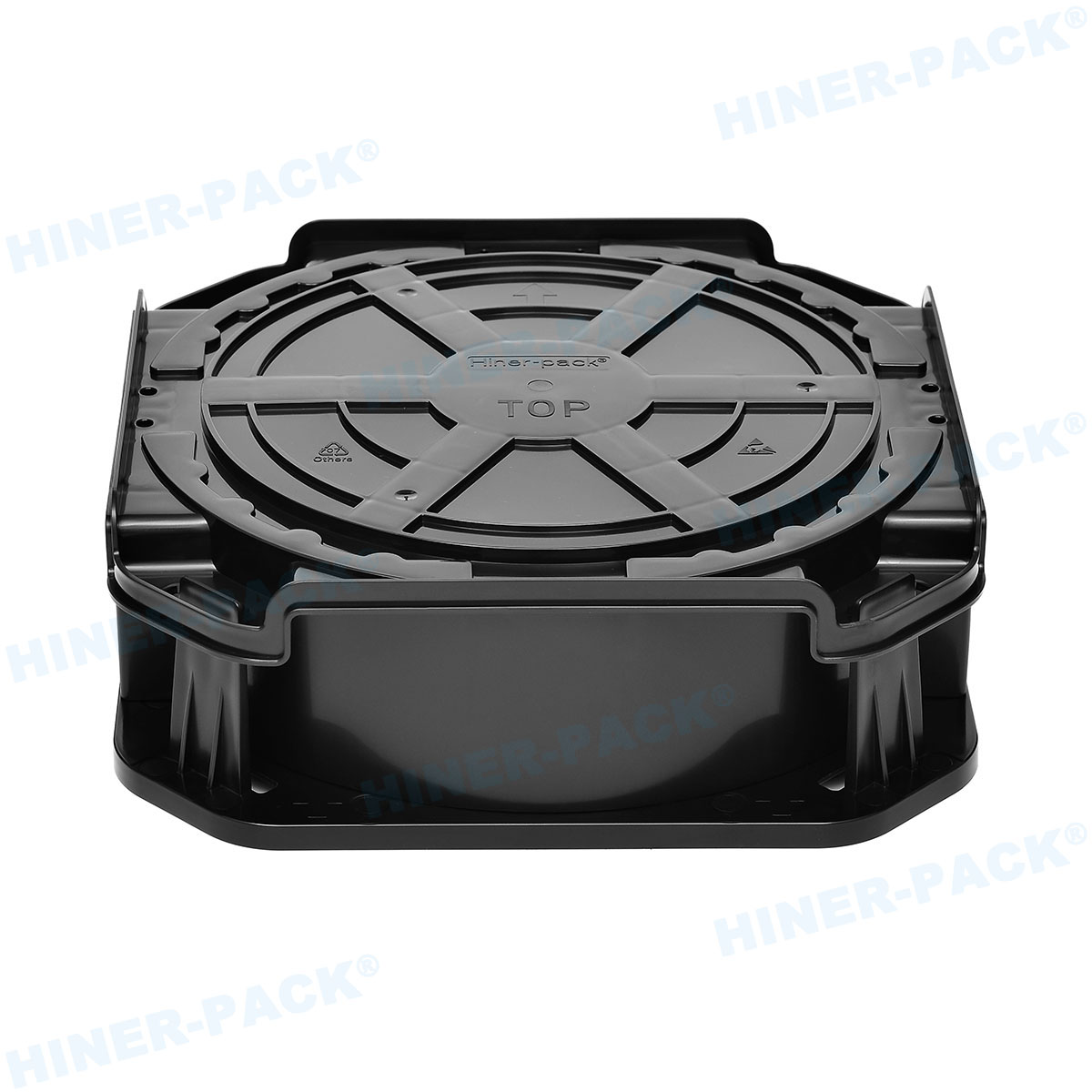
A Gel Pak consists of a rigid carrier (typically injection‑moulded from static‑dissipative polymers) containing a layer of soft silicone or polyurethane gel. The gel’s surface is tacky enough to hold components gently by adhesion, yet compliant enough to conform to irregular shapes. The key innovation is the vacuum‑release mechanism: when a vacuum is drawn through micro‑channels or a porous membrane beneath the gel, the gel temporarily stiffens and releases its grip, allowing pick‑and‑place tools to retrieve components without mechanical prying or residue transfer.
For medical applications, the gel must meet several stringent criteria:
Biocompatibility: Tested per ISO 10993‑5 (cytotoxicity), ISO 10993‑10 (irritation/sensitization), and often USP Class VI.
Low outgassing: Total mass loss (TML) < 0.5% and collected volatile condensables (CVCM) < 0.1% per ASTM E595.
ESD control: Surface resistivity between 105 and 1011 Ω/sq to drain charges without arcing.
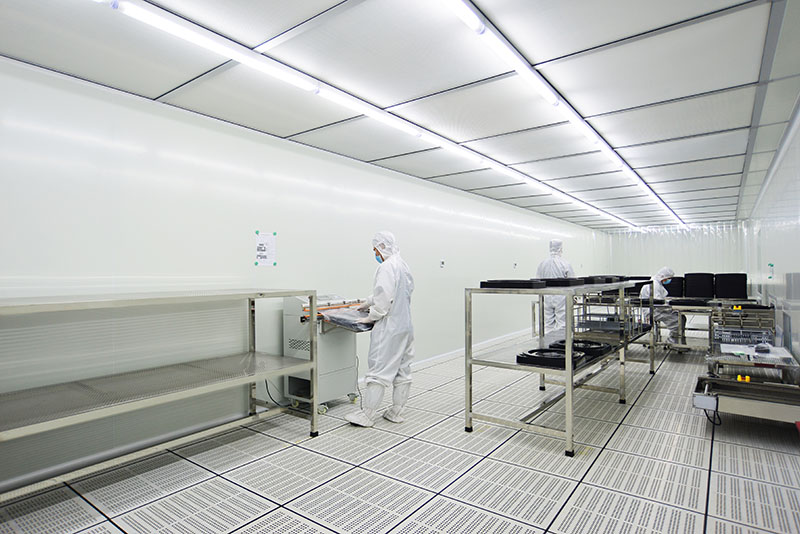
Cleanroom compatibility: Manufactured and packaged in ISO Class 5 or better environments to meet FDA expectations.
Hiner‑pack has developed a family of medical‑grade gels that are independently certified to these standards, ensuring their Gel Pak for medical devices products can be used in critical applications ranging from cardiac implants to diagnostic microfluidics.
Why Medical Devices Require Specialized Gel‑Based Packaging
Different classes of medical devices impose unique demands on packaging. Below we analyse three representative categories and explain how gel technology addresses their specific needs.
Implantable Electronics (Pacemakers, Neurostimulators, Cochlear Implants)
These devices contain hybrid circuits, ASICs, and MEMS sensors that must remain particle‑free throughout assembly and storage. Conductive foams can abrade delicate wire bonds or shed carbon fibres. A Gel Pak for medical devices provides a soft, inert surface that conforms to the component without generating particles. The dissipative gel prevents ESD events that could damage sensitive CMOS circuits, and the vacuum‑release function allows for gentle, residue‑free transfer to the next assembly step.
Microfluidic Chips and Lab‑on‑a‑Chip Devices
Microfluidic channels often have critical dimensions below 10 µm. Dust, fibres, or even microscopic residues can block these channels, rendering the device useless. The tackiness of the gel holds the chip securely without covering fluidic ports, and because the gel is fully cured, it leaves no silicone oil residue. Vacuum release ensures that the chip can be picked up by vacuum tweezers without contacting the gel surface, preserving channel integrity.
Ophthalmic Devices (Intraocular Lenses, Contact Lenses)
Optical surfaces are extremely sensitive to scratches, fingerprints, and chemical films. Standard gel formulations used in electronics may contain plasticisers that can fog optics. Medical‑grade gels for ophthalmic applications are formulated with ultra‑pure silicones and are post‑baked to remove any low‑molecular‑weight species. The gel’s compliance ensures that even highly curved intraocular lenses are held without stress, preventing distortion or damage.
Surgical Instruments with Integrated Electronics
Modern surgical tools—such as smart scalpels, imaging catheters, and robotic graspers—often incorporate miniature cameras, pressure sensors, or ultrasound transducers at their tips. During assembly, these subassemblies must be precisely positioned. Gel Paks with custom‑machined cavities or gel‑only zones prevent odd‑shaped parts from rolling or tipping, enabling accurate robotic or manual placement.
Critical Industry Pain Points Addressed by Gel Pak Technology
Medical device manufacturers consistently report four major challenges that gel packaging can mitigate or eliminate.
Pain Point 1: Particle and Fiber Contamination
Traditional foam or corrugated dividers can shed particles through friction or aging. In operating rooms or cleanrooms, any particle larger than 0.5 µm is a concern. Gel Paks are manufactured from low‑particulate materials and are often cleaned with deionised water and IPA before packaging. Hiner‑pack offers gamma‑sterilizable versions of their Gel Pak for medical devices, allowing direct integration into sterile supply chains without additional cleaning steps.
Pain Point 2: Electrostatic Discharge (ESD) Damage
Many medical electronics now use sub‑micron geometries vulnerable to ESD events as low as 50 V. Conductive foams can sometimes discharge too quickly, causing arcing. Dissipative gel, with controlled resistivity (typically 106–109 Ω/sq), drains charge gently. Moreover, the gel’s surface does not generate triboelectric charges when components are inserted or removed—a key advantage over hard plastics.
Pain Point 3: Fragility and Thin‑Die Handling
Implantable devices increasingly use ultra‑thin silicon dies (<50 µm) or MEMS structures that can fracture under minimal stress. The gel’s low durometer (often 00‑30 to 00‑50 Shore) distributes load evenly, eliminating point stresses. The vacuum‑release mechanism ensures that no mechanical prying is needed to extract the component, further reducing breakage.
Pain Point 4: Residue and Outgassing in Hermetic Sealing
If a component comes into contact with a packaging material that leaves a silicone oil film, subsequent bonding or encapsulation steps may fail. Medical‑grade gels used in Gel Pak for medical devices are fully cured and post‑baked to remove low‑molecular‑weight oligomers, passing stringent outgassing tests. This ensures that surfaces remain pristine for wire bonding, adhesive bonding, or hermetic sealing.
Regulatory Compliance and Material Certifications for Medical Use
Bringing a medical device to market requires documented evidence that every material in contact with the product (including packaging) is safe and suitable. For Gel Paks used in medical applications, key certifications include:
ISO 10993 series: Biological evaluation of medical devices (cytotoxicity, sensitization, irritation, systemic toxicity).
ISO 13485: Quality management system for medical device manufacturing.
USP Class VI: For materials that may contact body tissue or blood.
FDA Drug Master File (DMF) or Device Master File: For materials intended for long‑term implant contact.
RoHS / REACH: Restriction of hazardous substances and chemicals.
Hiner‑pack provides full documentation packages, including certificates of compliance, lot traceability, and biocompatibility test summaries, enabling medical device manufacturers to streamline their regulatory submissions.
Customization: Matching Gel Properties to Device Requirements
A one‑size‑fits‑all Gel Pak for medical devices is rarely optimal. Key customization parameters include:
Gel tack level: Low‑tack for easily scratched optics, high‑tack for heavy or tall components.
Gel thickness and cavity depth: Custom‑machined pockets or full‑area gel.
Frame material: Conductive ABS, PEEK, or static‑dissipative polycarbonate.
Barrier options: Heat‑sealable lids, Tyvek® lids for sterile barrier systems.
Vacuum‑release pattern: Some designs incorporate micro‑grooves under the gel to ensure uniform vacuum distribution.
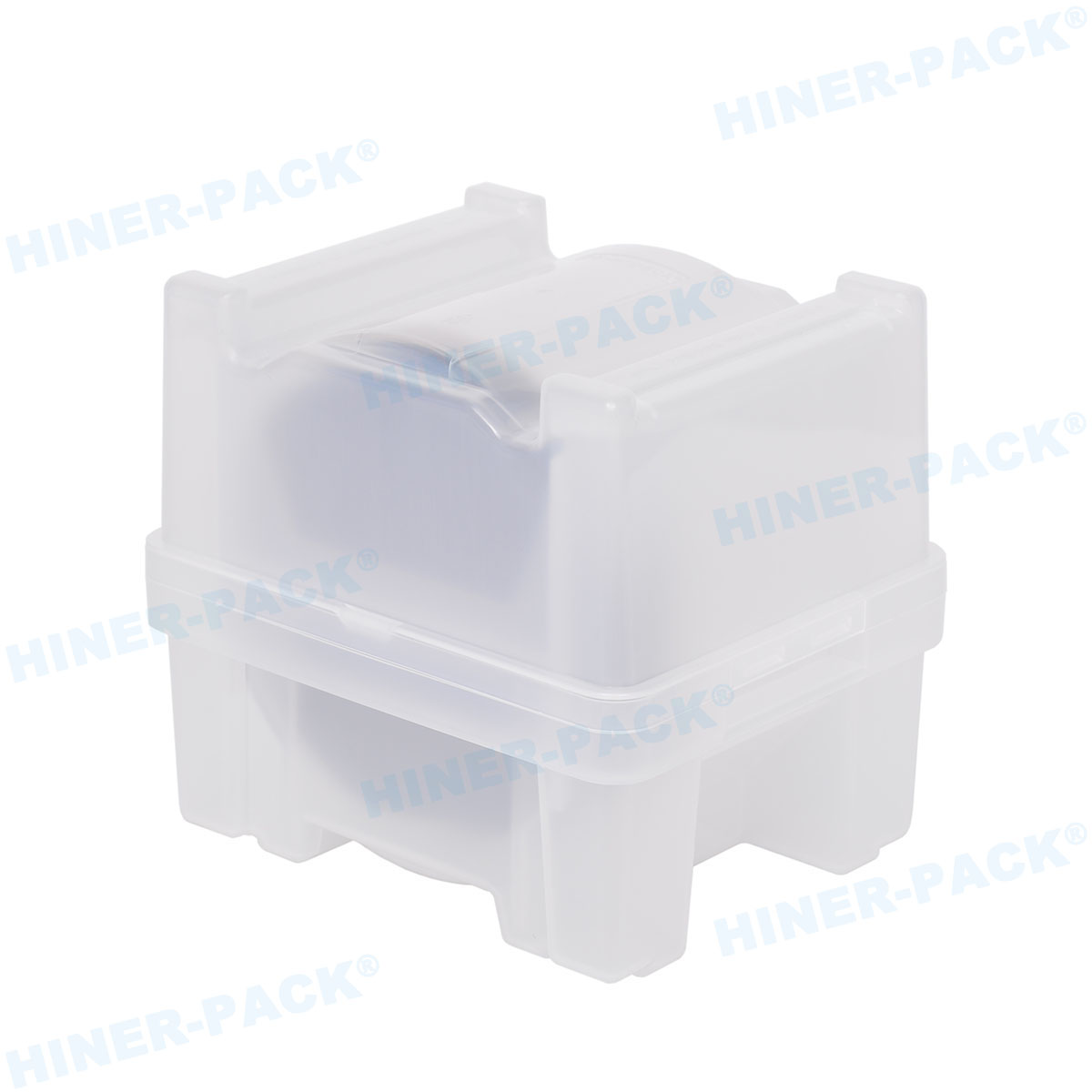
Hiner‑pack’s gel box series can be tailored to accommodate anything from single MEMS die to multi‑component arrays, with rapid prototyping (2–3 weeks) to support new product introductions.
Best Practices for Using Gel Paks in Medical Device Manufacturing
To maximize yield and ensure compliance, consider the following operational guidelines:
Storage: Keep Gel Paks in their original sealed bags, away from UV light and ozone, which can degrade silicone.
Cleaning: If reusing (some designs allow limited reuse), clean with 70% IPA using a lint‑free wipe; avoid abrasive scrubbing.
ESD precautions: Even though the gel is dissipative, always ground operators and workstations per ANSI/ESD S20.20.
Sterilization: Confirm compatibility with your chosen method (gamma, ethylene oxide, or electron beam) with the supplier.
Vacuum release: Use a vacuum plate with a flat sealing surface and sufficient flow to release all components in one cycle.
Future Trends: Smart Packaging and Sustainability
The medical device industry is moving toward “smart factories” (Industry 4.0) where packaging itself becomes an information carrier. Gel Paks with embedded RFID tags can track component history, including temperature exposure and sterility status. Additionally, there is growing demand for recyclable or bio‑based gel materials that reduce environmental footprint. Hiner‑pack is actively developing gel formulations with reduced volatile organic content and exploring biodegradable frame materials to align with circular economy goals.
Frequently Asked Questions (FAQ)
Q1: What is the difference between a standard Gel Pak and a medical‑grade Gel Pak?
A1: Standard Gel Paks are designed for semiconductor and general electronics handling, with focus on ESD and cleanliness. Medical‑grade Gel Paks undergo additional biocompatibility testing (ISO 10993), are manufactured under stricter cleanroom conditions (ISO Class 5 or better), and often come with sterilization compatibility. The gel itself must be certified non‑cytotoxic and free of leachables that could harm human tissue.
Q2: Can a Gel Pak for medical devices be sterilized, and if so, which methods are compatible?
A2: Yes, many medical‑grade Gel Paks are compatible with gamma irradiation (up to 50 kGy), ethylene oxide (EtO), and electron beam sterilization. However, steam autoclaving is generally not recommended because high temperatures can degrade the silicone gel. Always verify with the manufacturer—Hiner‑pack provides sterilization validation data upon request.
Q3: How do I ensure that the gel does not leave residue on my device?
A3: Residue can occur if the gel is under‑cured or contains low‑molecular‑weight additives. Medical‑grade gels are fully cured and undergo outgassing tests (ASTM E595) to ensure minimal condensables. Additionally, using the vacuum‑release function (applying vacuum before picking the component) breaks the adhesion without dragging the gel surface. For optical components, specify “low‑tack” and “ultra‑clean” gel formulations.
Q4: What are the typical dimensions and cavity configurations available?
A4: Gel Paks come in standard JEDEC tray sizes (2″×2″ up to 12″×12″) as well as custom formats. Cavities can be matrix arrays of identical pockets, or custom‑machined to hold different components in one tray. Depths range from 0.5 mm to 15 mm. Contact Hiner‑pack for a design consultation.
Q5: Can Gel Paks be used in automated assembly lines?
A5: Absolutely. Gel Paks are widely used in pick‑and‑place machines for medical device assembly. The vacuum‑release feature allows the gel to become rigid under vacuum, enabling consistent pickup by vacuum nozzles. The trays are designed with alignment features (corner notches, registration holes) compatible with industry‑standard feeders and magazine handlers.
Q6: Are Gel Paks reusable? How many cycles can they withstand?
A6: Reusability depends on the gel formulation and the cleanliness of the components. Some medical Gel Paks can be reused 10–50 times if cleaned properly and if they have not been contaminated with sticky residues. However, for sterile applications or when handling critical implants, single‑use is often mandated to avoid cross‑contamination. Check the manufacturer’s guidelines.
Q7: What documentation does Hiner‑pack provide for regulatory submissions?
A7: Hiner‑pack provides a comprehensive documentation package including: Certificate of Compliance, Material Safety Data Sheet (MSDS), biocompatibility test reports (ISO 10993), outgassing data (ASTM E595), ESD test reports (surface resistivity), and a Device Master File letter if required. Additional validation protocols can be arranged.
For technical datasheets or to discuss a custom Gel Pak for medical devices, visit Hiner‑pack and consult with their application engineering team.