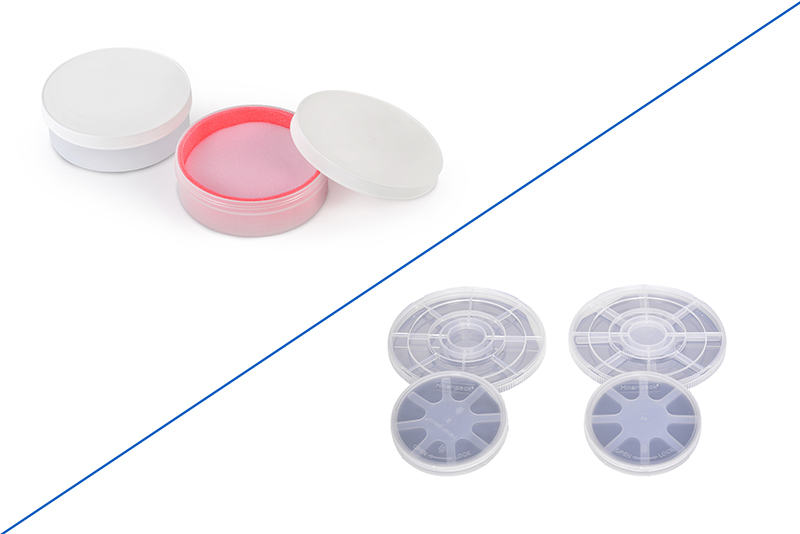
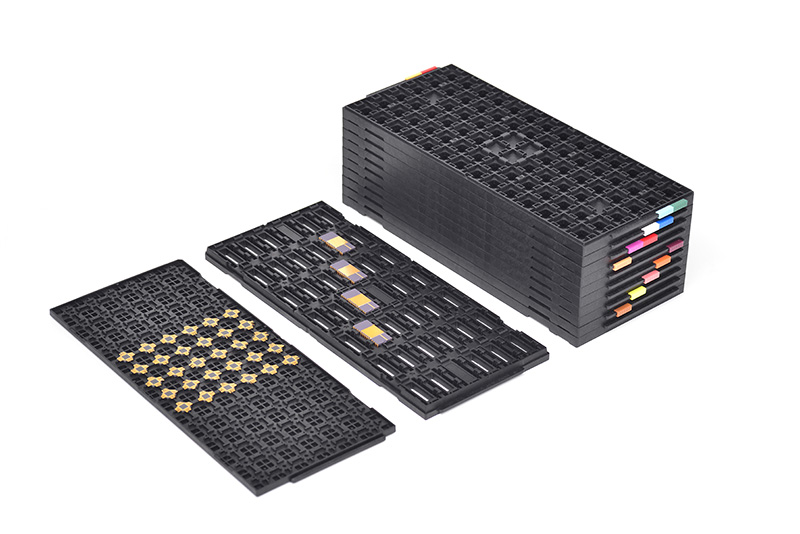
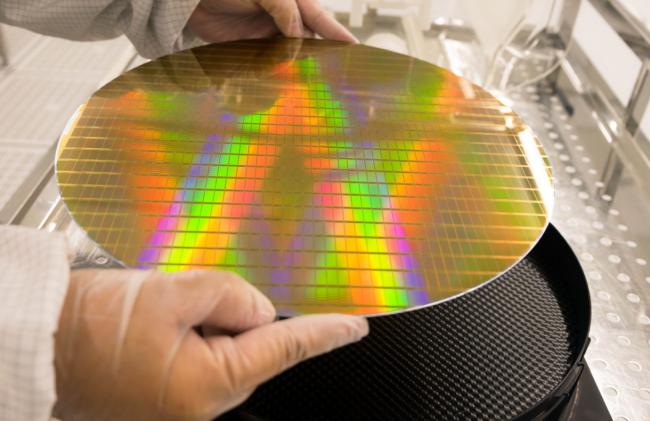
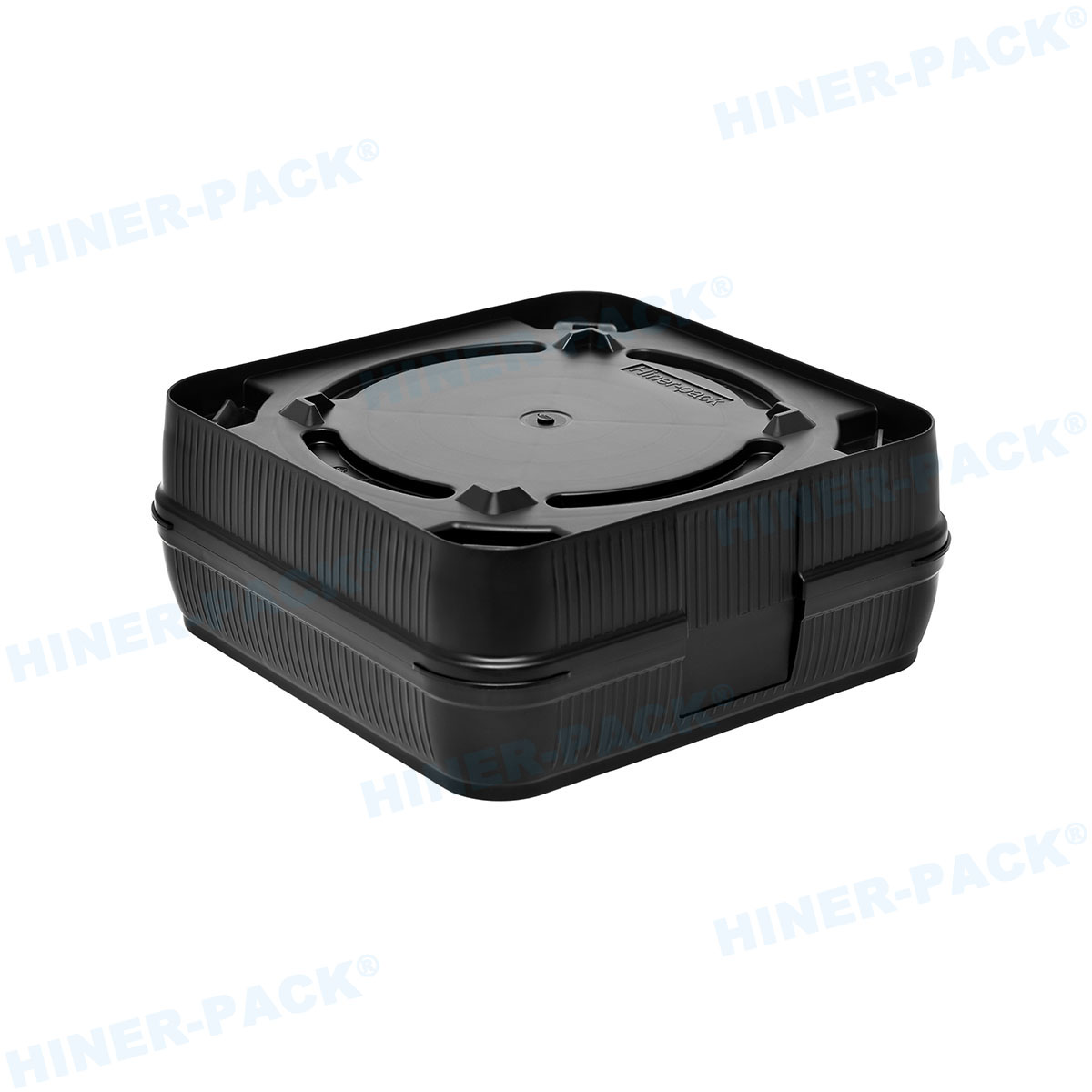
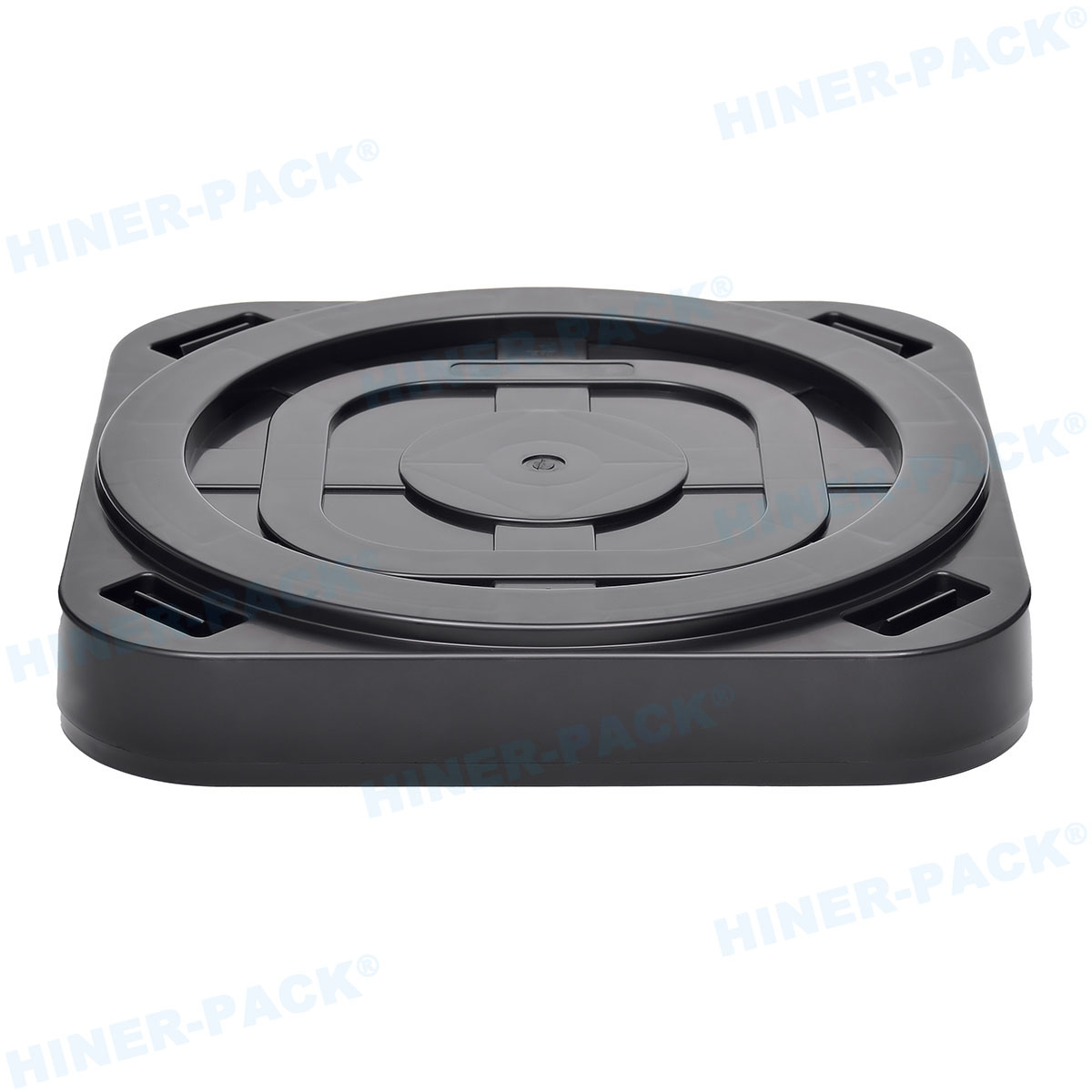
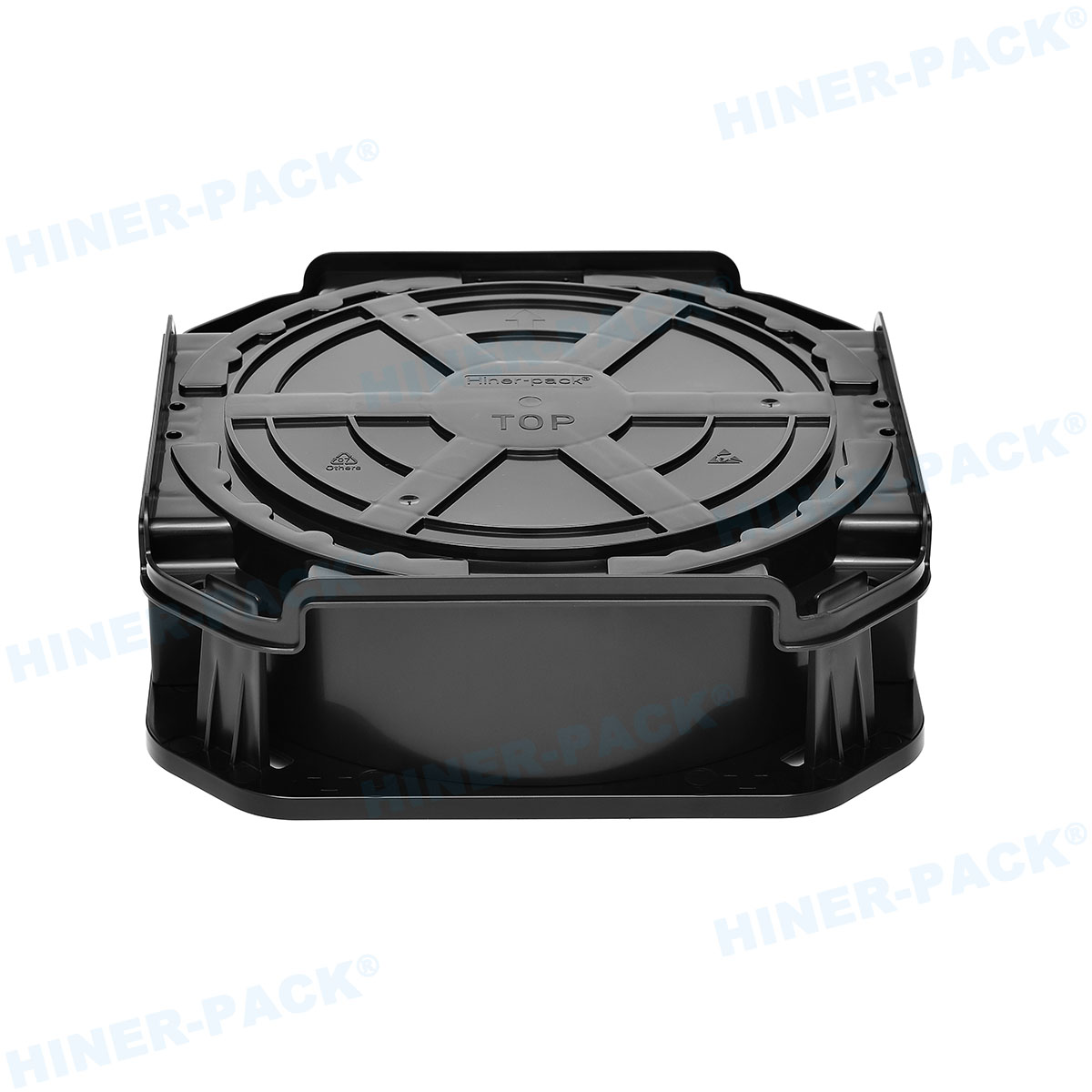
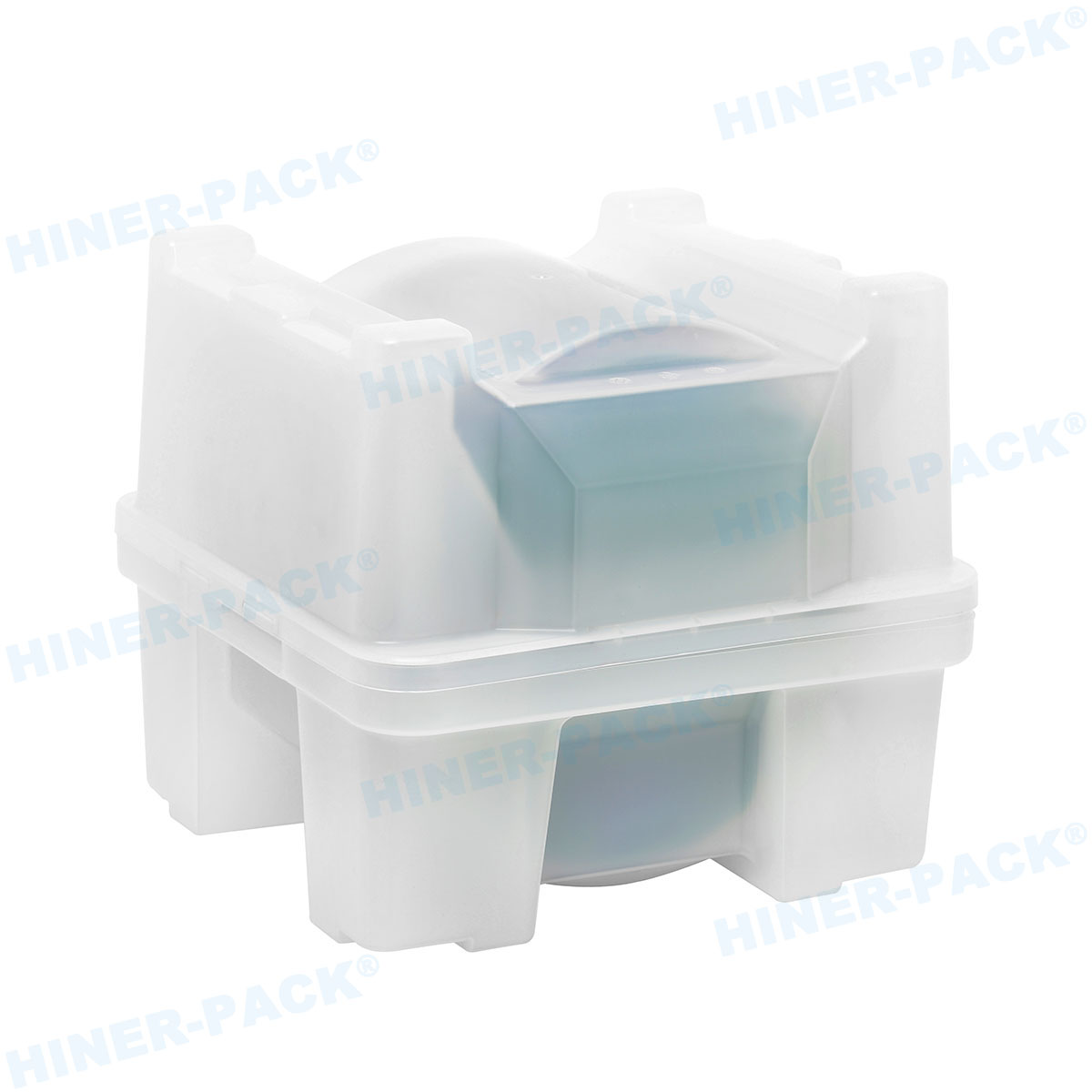
Within the semiconductor fab, the movement of silicon wafers between process tools represents a logistical challenge with direct yield implications. The wafer cassette serves as the foundational carrier, providing secure mechanical support, standardized automation interfaces, and environmental protection across hundreds of processing steps. As a B2B content marketing specialist and authority in international semiconductor wafer processing, I will examine the engineering rigor, material science, and operational considerations that define modern wafer cassettes. This analysis draws from fab-level performance data and addresses how precision carriers reduce defect densities and enable the transition to advanced nodes.
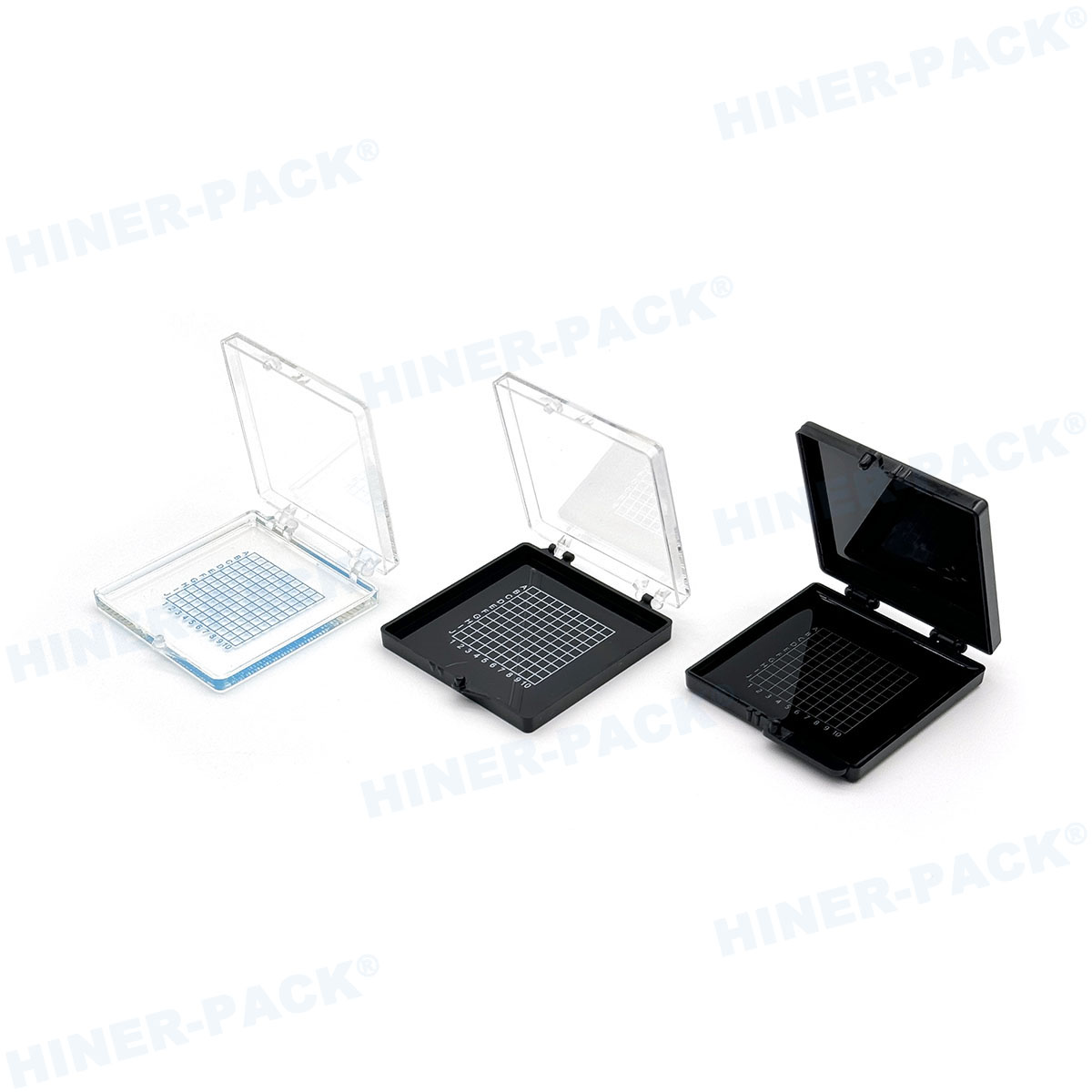
1. Material Engineering and Structural Design of Wafer Cassettes
The performance of a wafer cassette is rooted in its material formulation and mechanical architecture. Modern fabs demand carriers that withstand thermal cycling, aggressive chemicals, and continuous automated handling while maintaining sub-micron cleanliness.
1.1 Polymer Selection for Process Compatibility
Polyetheretherketone (PEEK) remains the benchmark for high-temperature applications (260°C continuous), particularly in diffusion, CVD, and solder reflow processes. Its inherent chemical resistance to solvents like NMP and photoresist strippers prevents degradation and particle shedding. For less extreme environments, polypropylene (PP) and polycarbonate (PC) offer cost advantages, but must be compounded with carbon fiber or carbon nanotubes to achieve the required surface resistivity of 10⁶ to 10⁹ Ω/sq. This static-dissipative range is specified by SEMI E49 to prevent electrostatic discharge (ESD) damage without risking charge-induced device failure.
1.2 Dimensional Stability and Automation Interfaces
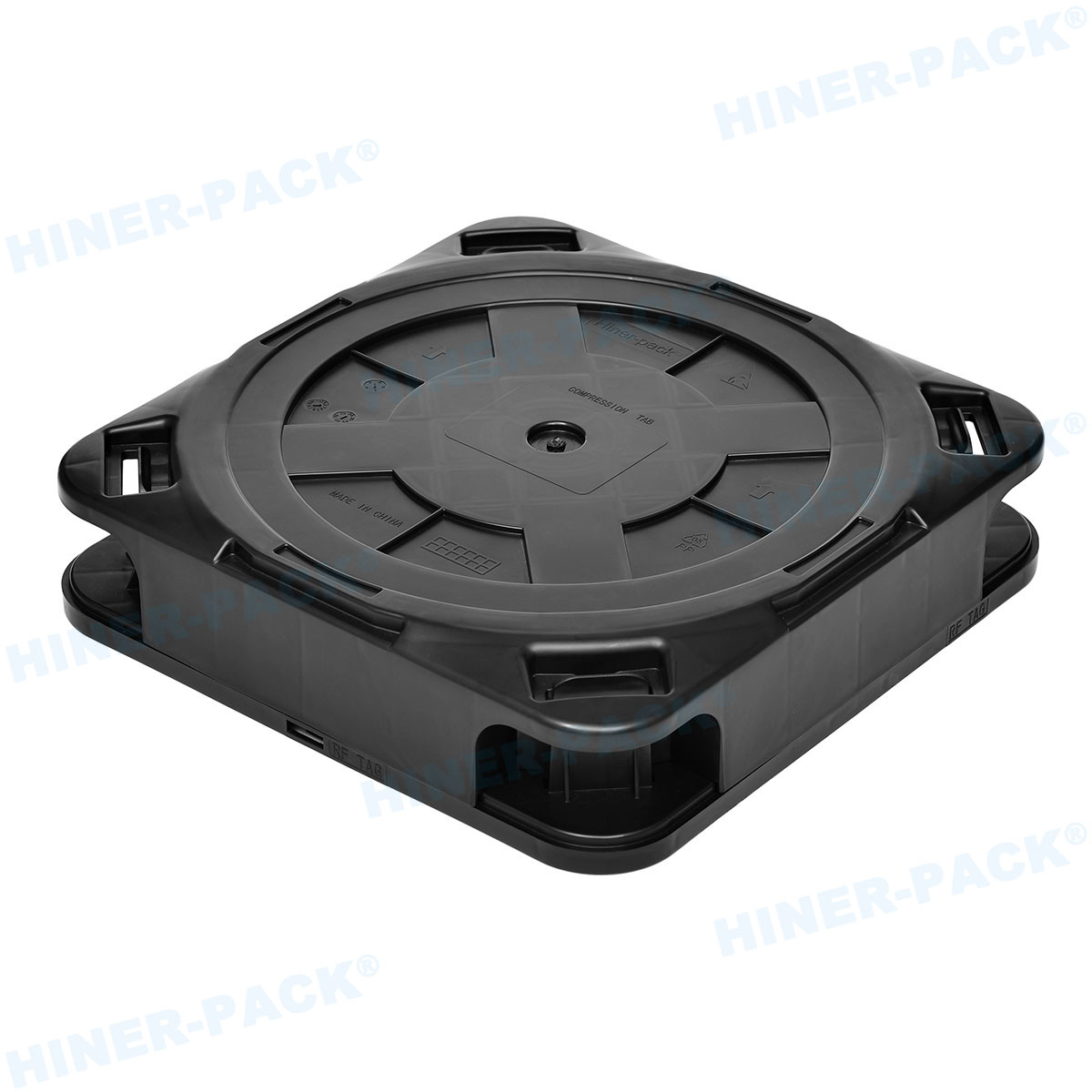
Automated material handling systems (AMHS) rely on precise mechanical features. A standard wafer cassette must maintain slot pitch accuracy within ±0.1 mm after repeated thermal cycles. Finite element analysis (FEA) is used to optimize rib structures that resist warpage. Key interfaces include kinematic coupling pockets for load ports, side-rail alignment features, and bottom notches for conveyor tracking. SEMI E111 and E15.1 define these mechanical interfaces for 300mm and 200mm carriers, respectively, ensuring interoperability across equipment from major tool vendors.
2. Critical Applications Across the Semiconductor Workflow
Wafer cassettes are deployed across front-end and back-end processes, each with distinct technical requirements. Below is a breakdown of application zones where cassette design directly impacts operational success.
Front-End Processing (Fab): In lithography, etch, and deposition, cassettes must minimize particle generation during transport. “Edge-grip” designs that contact only the wafer’s extreme periphery reduce backside contamination. For ion implantation, cassettes with reduced metal content and low-outgassing materials prevent dopant contamination.
Wet Process Stations (Cleaning, Etching): Cassettes used in wet benches require open architectures with drainage channels to prevent chemical pooling. Materials must withstand pH extremes (from 10% HF to strong bases) without leaching trace metals. Many fabs now specify cassettes with smooth, rounded edges to eliminate stress risers that can trap particles.
Thermal Processing (Diffusion, Annealing): High-temperature cassettes (PEEK or quartz) maintain structural integrity at up to 300°C. Slot design must accommodate wafer expansion while preventing sticking. Post-process cooling rates are also influenced by cassette thermal mass—an often-overlooked factor in cycle time optimization.
Back-End Assembly and Test: For wafer-level packaging (WLP) and probe testing, cassettes integrate with automatic test equipment (ATE) and handling systems. Here, ESD protection becomes paramount, as thin-wafer handling increases sensitivity to electrostatic events. Many advanced cassettes incorporate embedded conductive pathways to ensure continuous grounding.
3. Industry Pain Points: Quantifying Risks from Suboptimal Cassette Performance
Defects originating from wafer carriers account for a measurable portion of yield loss in advanced nodes. Based on 2024 industry yield reports, below are the primary technical pain points and their economic implications.
3.1 Particle Contamination and Additive Migration
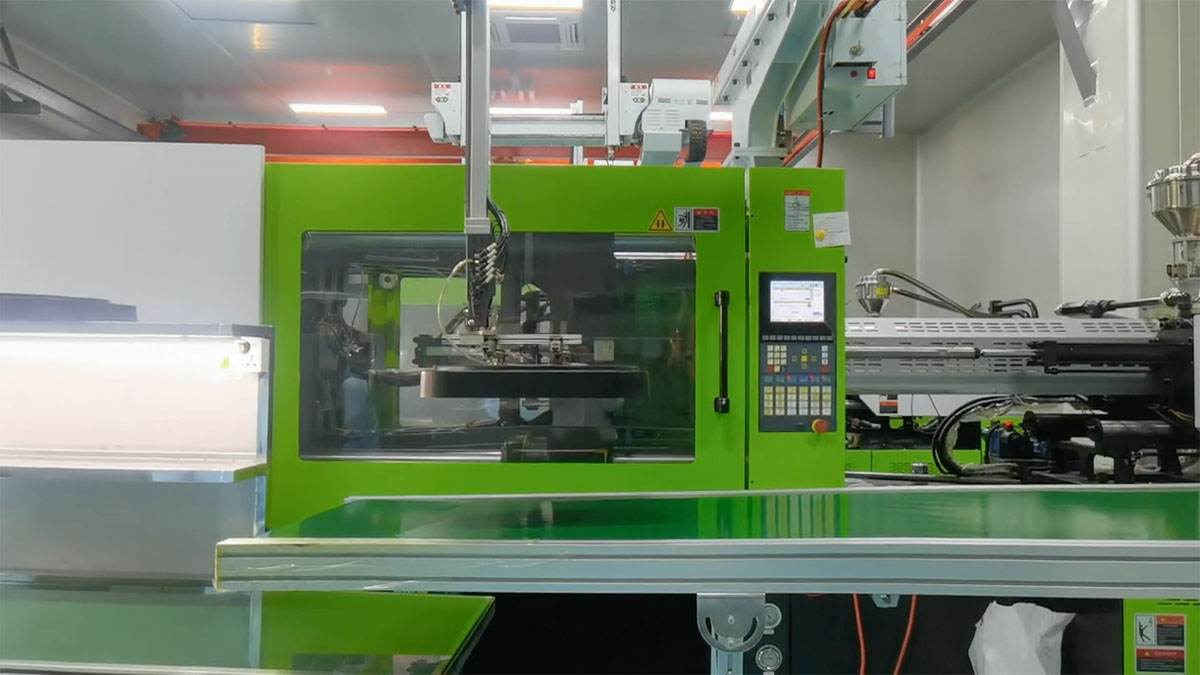
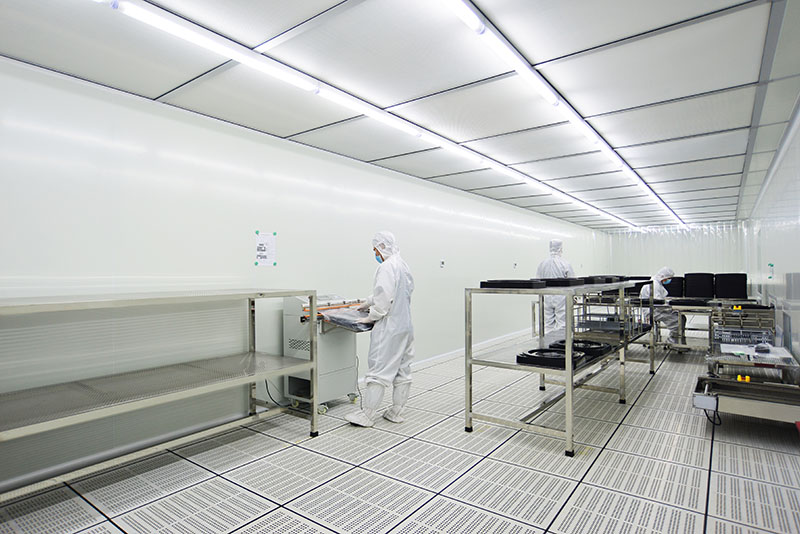
Friction between the wafer edge and cassette slot can generate submicron particles. For a 3nm logic process, a single 20nm particle can cause complete die failure. Each 1% yield loss at a mature 300mm fab translates to approximately $50M annual revenue impact. High-quality cassettes employ ultra-smooth slot surfaces (Ra < 0.2 μm) and non-abrasive polymers to eliminate this. Hiner-pack implements injection molding processes in ISO Class 4 cleanrooms, with 100% inspection for particulate contamination using automated optical systems.
3.2 Electrostatic Discharge (ESD) Failures
In dry fab environments (< 40% RH), static charges accumulate on cassettes and wafers. A discharge below 100V can damage thin gate oxides. Non-homogeneous static-dissipative materials can create localized charge buildup, leading to field-induced damage. The solution is cassettes with uniformly dispersed conductive fillers, ensuring volume resistivity remains stable across temperature and humidity ranges. Advanced specifications require static decay times under 2 seconds per MIL-STD-3010.
3.3 Chemical and Thermal Degradation
Repeated exposure to aggressive solvents or high temperatures can degrade polymer matrices, causing surface roughening and increased particle shedding. This is particularly problematic in wafer-level packaging where cassettes undergo multiple reflow cycles. Accelerated life testing (ALT) now simulates 5+ years of fab use to validate material longevity.
3.4 Automation Compatibility and Downtime
Incompatibility between cassette designs and automated load ports leads to alignment errors, tool alarms, and unscheduled downtime. Each downtime event can cost over $15,000 per hour in lost throughput. Precision cassettes from experienced suppliers include first-article inspection reports verifying conformance to SEMI standards and tool-specific interface requirements.
4. Engineered Solutions: How Advanced Cassette Designs Optimize Fab Operations
Addressing the aforementioned challenges requires a systems-level engineering approach. Below are specific technological advancements that define high-performance wafer cassettes today.
Multi-Material Overmolding: Hybrid cassettes combine a rigid structural frame (PEEK or PPS) with soft-contact slot inserts made from thermoplastic elastomers (TPE). This reduces edge contact pressure by up to 60%, minimizing particle generation while maintaining precise wafer registration.
Intelligent Traceability: Permanently laser-marked Data Matrix codes or embedded RFID tags enable full lifecycle tracking. Hiner-pack offers cassettes with high-contrast barcodes that survive chemical cleaning and thermal exposure, allowing fabs to correlate defects with specific carrier usage history.
Optimized Fluid Drainage: For wet processing, cassettes are designed with tapered slots and bottom drainage ports. Computational fluid dynamics (CFD) modeling confirms these designs reduce drying time by 15–25%, minimizing watermarks and chemical residue.
Modular Configurations for Thin Wafers: With the proliferation of thinned wafers (down to 50 μm for 3D-IC), specialized cassettes feature adjustable slot pitch and gentle retention mechanisms to prevent warpage or breakage during handling.
Data from a 2024 OSAT (outsourced semiconductor assembly and test) case study showed that migrating to advanced wafer cassettes with optimized slot geometry and ESD-safe materials reduced assembly-line defect rates by 18% and increased tool uptime by 9%.
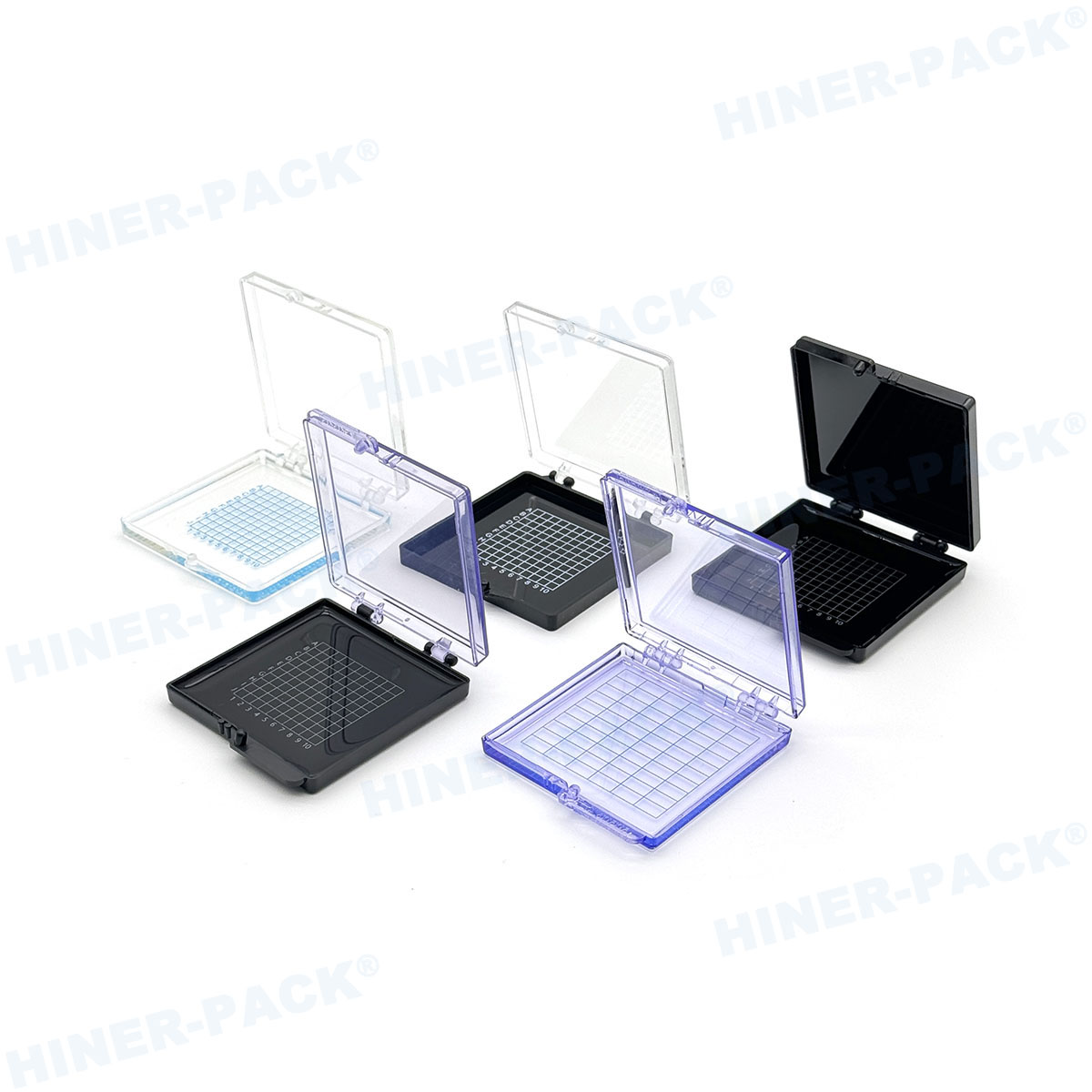
5. Future Trajectories: Smart Carriers, Circular Economy, and Next-Generation Standards
The evolution of wafer cassettes is being shaped by digital transformation, sustainability mandates, and tighter SEMI specifications for sub-2nm nodes. As an industry expert, I foresee the following developments.
5.1 Smart Cassettes with Environmental Sensors
Emerging prototypes integrate thin-film sensors that monitor temperature, humidity, and shock events throughout the supply chain. Real-time data transmitted via RFID or Bluetooth allows predictive maintenance and root-cause analysis for yield excursions, aligning with Industry 5.0 objectives.
5.2 Closed-Loop Recycling Programs
Environmental regulations and corporate net-zero goals are driving demand for recyclable carriers. Hiner-pack has pioneered a take-back program where end-of-life PEEK and PP cassettes are reprocessed into non-critical applications, diverting over 25 tons of engineering plastics from landfills annually.
5.3 Evolving SEMI Standards for Advanced Nodes
As the industry transitions to 2nm and below, SEMI task forces are revising standards for airborne molecular contaminants (AMCs) and extractable metals. Upcoming revisions to SEMI F57 will impose stricter limits on volatile organic compounds (VOCs) and ionic contaminants, requiring suppliers to adopt advanced analytical methods (GC-MS, ICP-MS).
Frequently Asked Questions (FAQ)
Q1: What is the difference between a wafer cassette and a FOUP (Front
Opening Unified Pod)?
A1: A wafer
cassette is an open carrier that provides wafer support and
alignment but does not seal the wafers from the fab environment. It is typically
used within process tools or for short-distance manual transport. A FOUP is a
sealed, mini-environment enclosure that protects wafers during automated
transport between tools, incorporating a door, purge ports, and filtration.
FOUPs often contain one or more internal cassettes to organize the wafers.
Q2: How do I select the appropriate material for my wafer cassette
application?
A2: Material selection depends on
three factors: maximum process temperature, chemical exposure, and ESD
requirements. For applications up to 150°C with mild chemicals, anti-static
polypropylene (PP) is cost-effective. For temperatures up to 260°C with
aggressive solvents, PEEK is the industry standard. Always verify outgassing
profiles (via TGA/GC-MS) and surface resistivity to meet your specific cleanroom
class and device sensitivity. Consult with suppliers like Hiner-pack for material data
sheets.
Q3: What are the standard cleaning and requalification protocols for
reusable cassettes?
A3: Reusable cassettes require
cleaning to prevent cross-contamination. Standard protocols involve ultrasonic
cleaning with deionized water and non-ionic surfactants, followed by rinsing and
drying in ISO Class 4 environments. For high-temperature applications, periodic
plasma cleaning may be used to remove organic residues. Requalification includes
particle testing per SEMI E46 and verification of surface resistivity. Many fabs
establish cleaning intervals based on usage cycles (e.g., every 50 process
runs).
Q4: How can I ensure compatibility with my fab’s automated material
handling system (AMHS)?
A4: Verify that the
cassette conforms to SEMI E111 (for 300mm) or SEMI E15.1 (for 200mm)
specifications. Key features include precision kinematic coupling surfaces,
flatness tolerance across the base, and dimensional stability under load.
Request a first-article inspection report and perform a trial run with your
specific load port and overhead transport (OHT) vehicle to confirm smooth
transfer.
Q5: Can wafer cassettes be customized for non-standard wafer sizes or
specialized process flows?
A5: Yes. For MEMS, power
devices, or R&D applications, custom slot geometries, reduced slot pitches,
and dedicated orientation features are often required. Experienced manufacturers
like Hiner-pack offer
design-for-manufacturing (DFM) support, using 3D CAD models and rapid tooling to
deliver tailored solutions within 4–6 weeks. Customization can also include
specific colors for visual differentiation, RFID integration, and stackability
for high-density storage.
In summary, the wafer cassette is a precision tool that directly influences semiconductor yield, throughput, and cost of ownership. From material science to automation compatibility, every engineering decision carries measurable impact. By adopting advanced materials, intelligent traceability, and adherence to evolving SEMI standards, semiconductor manufacturers can mitigate contamination risks, enhance fab efficiency, and prepare for next-generation nodes. Partnering with established experts such as Hiner-pack ensures access to deep domain knowledge and manufacturing excellence required to maintain competitiveness in this demanding industry.