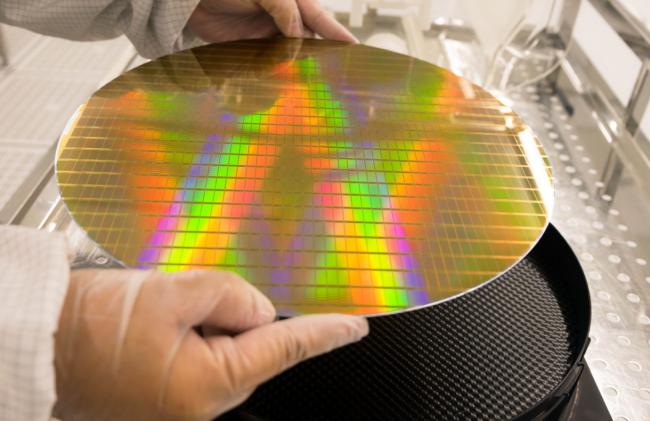
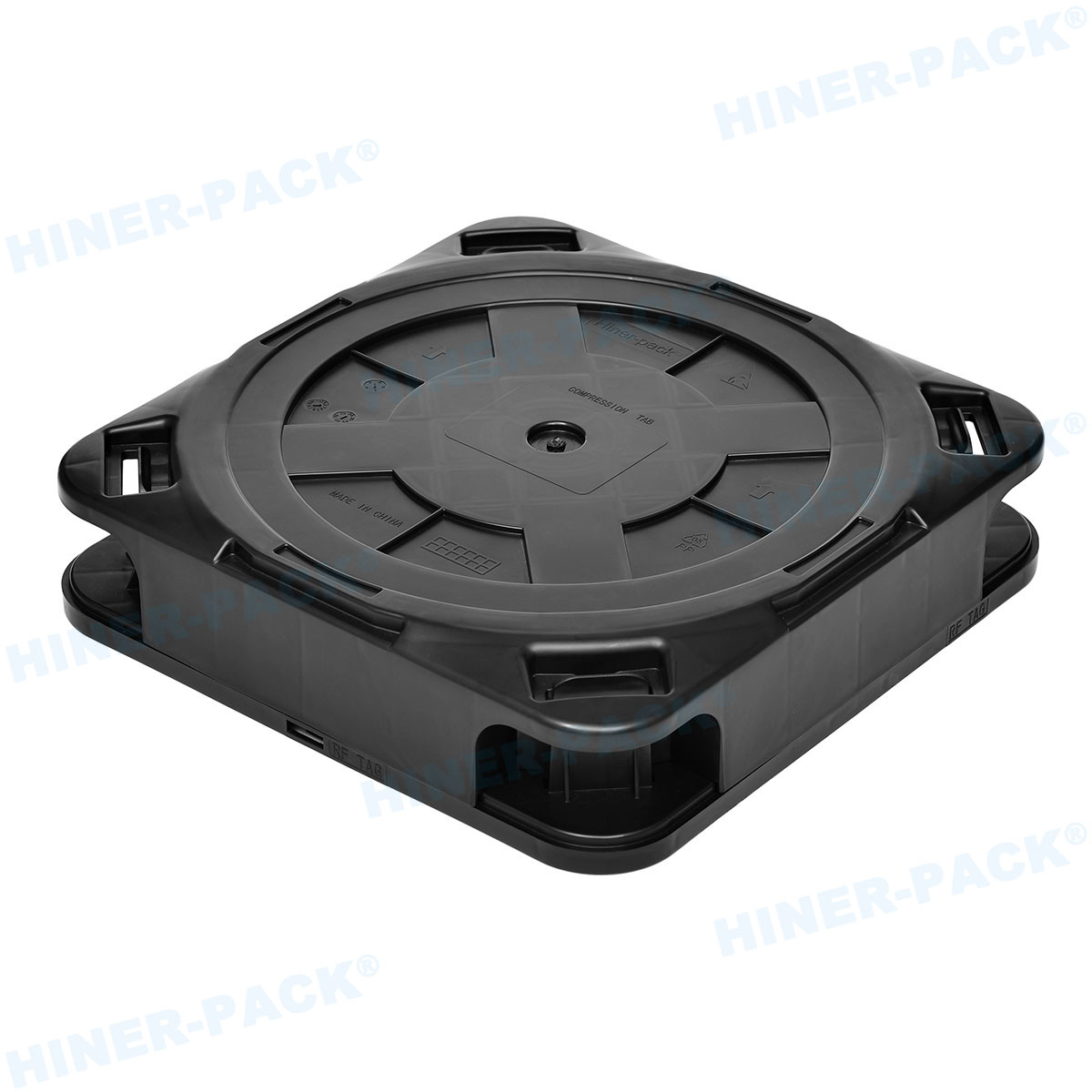
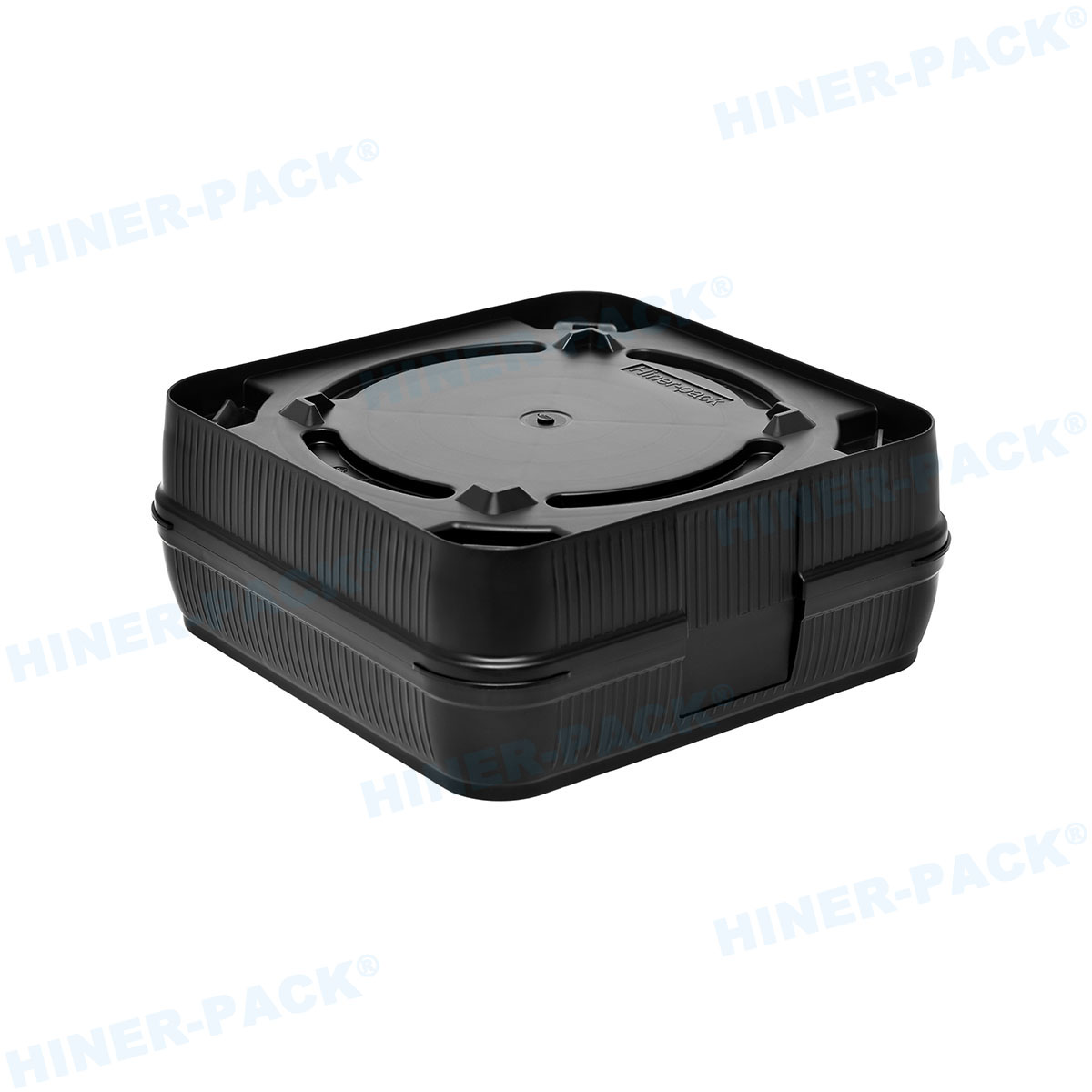
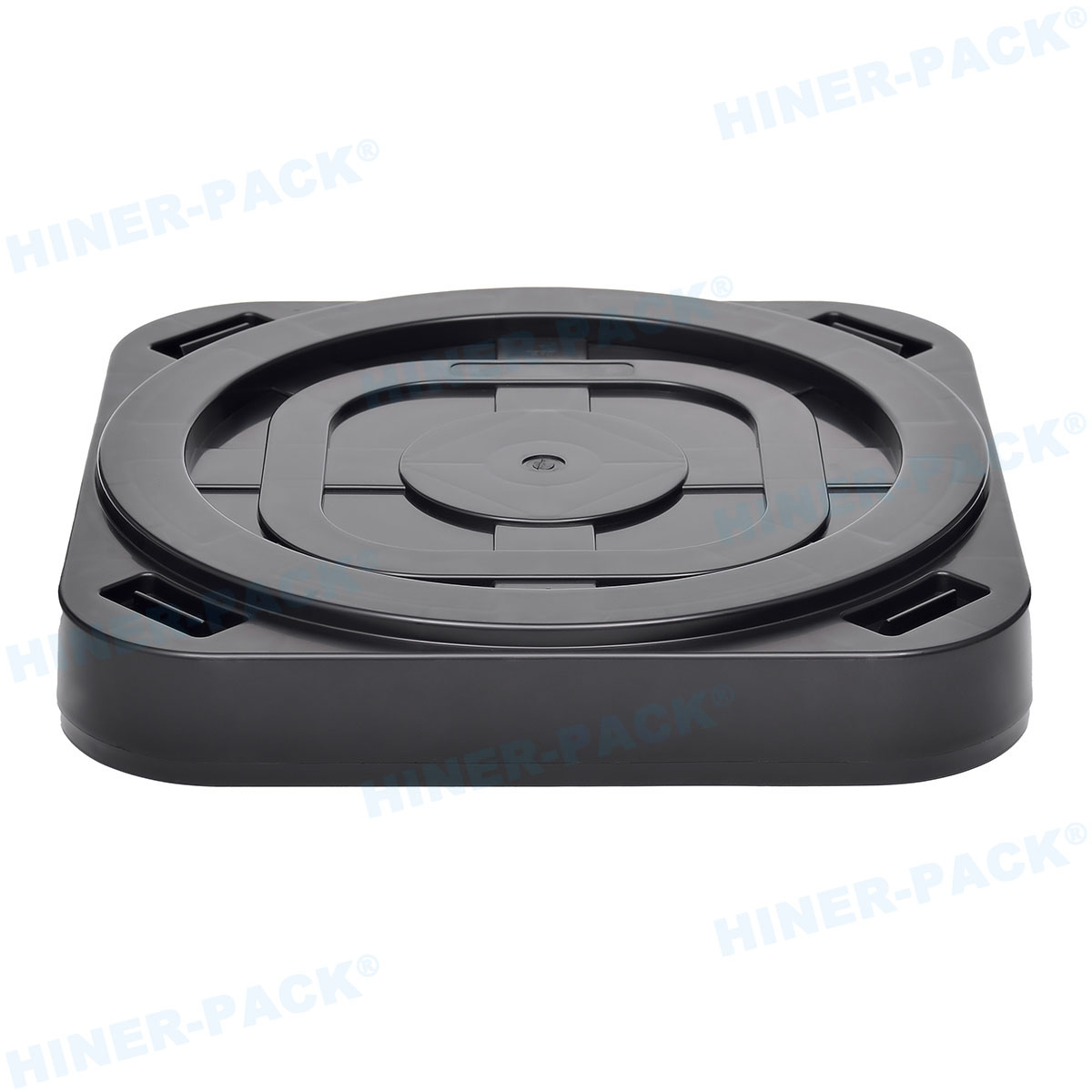
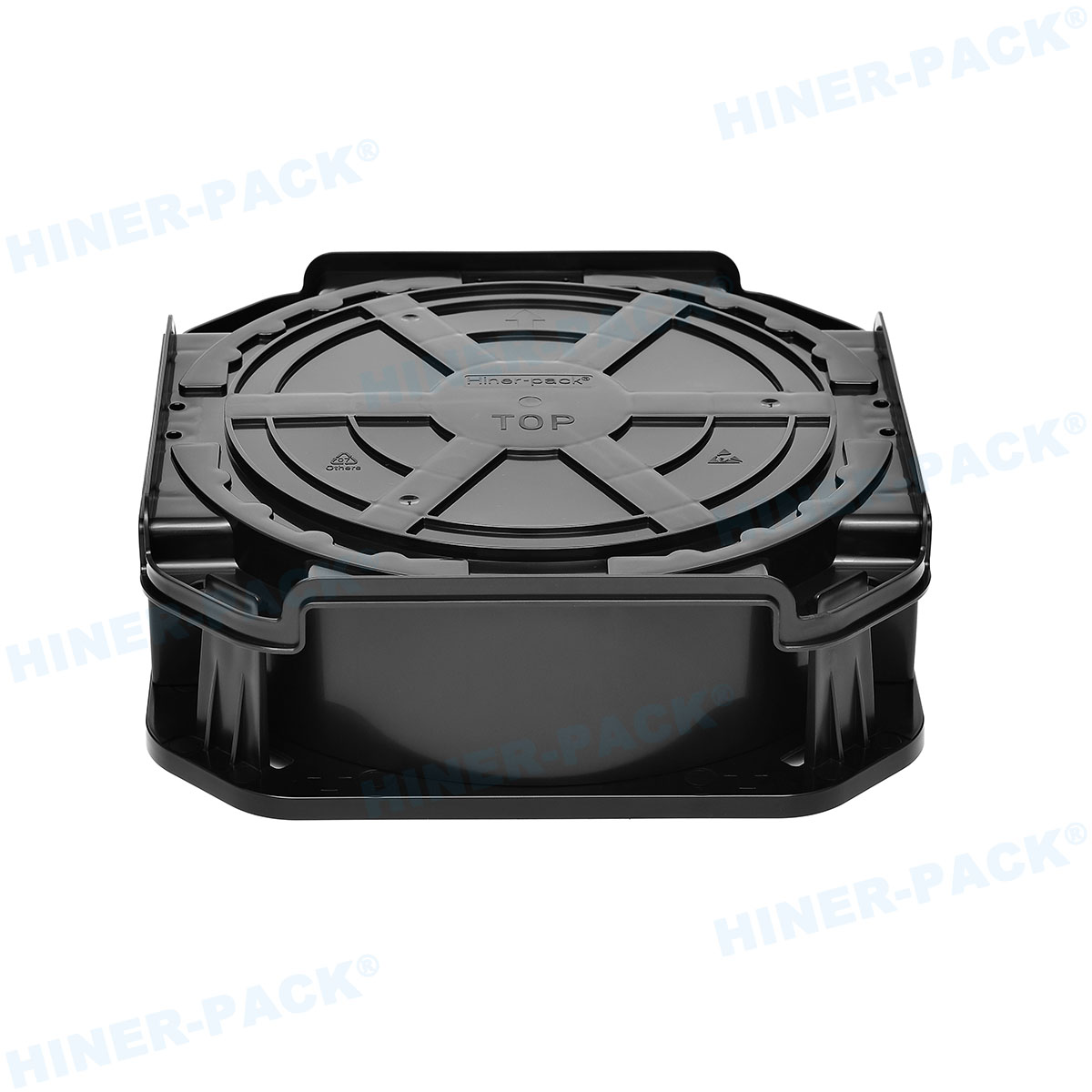
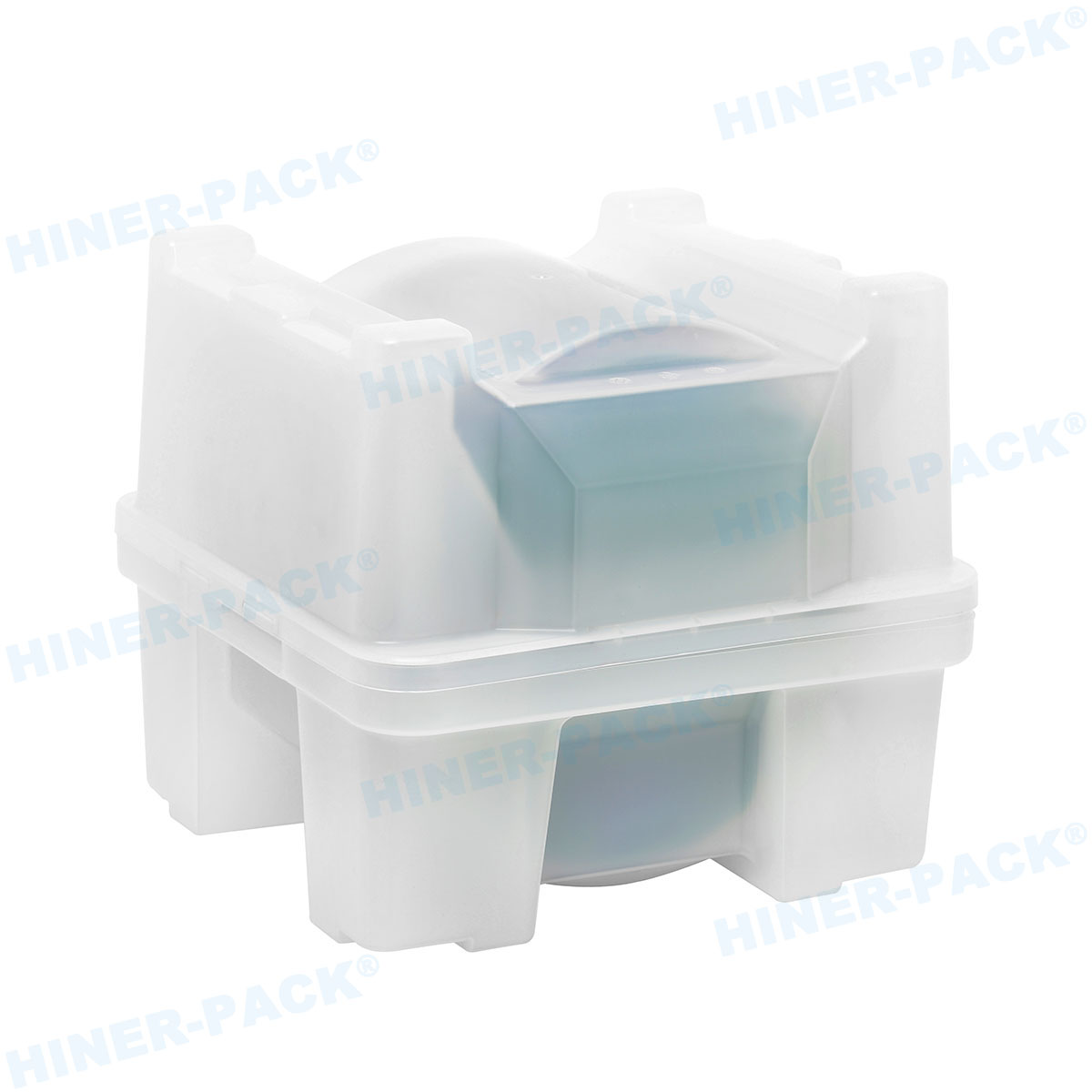
The global nature of semiconductor manufacturing requires wafers to travel long distances between foundries, fabrication facilities, and assembly houses. This journey exposes sensitive silicon wafers to significant risks. Vacuum-sealed wafer shipping containers are engineered to provide the highest level of protection against environmental hazards, ensuring wafers arrive in pristine condition. This article explains their function, benefits, and critical selection factors.
The Critical Need for Specialized Wafer Shipping
Standard wafer cassettes or carriers are designed for cleanroom handling, not for the rigors of air, sea, or road freight. The primary threats during shipping include:
Moisture Ingress: Humidity can cause oxidation, corrosion, and changes to photoresist layers.
Particulate Contamination: Dust and airborne particles can permanently damage circuit patterns.
Physical Shock and Vibration: Impacts from handling can cause micro-cracks, chipping, or breakage.
Pressure Changes: Air transport involves rapid pressure fluctuations that can stress standard containers.
A robust shipping solution is essential to mitigate these risks and prevent costly yield loss.
How Vacuum-Sealed Containers Work: Key Components
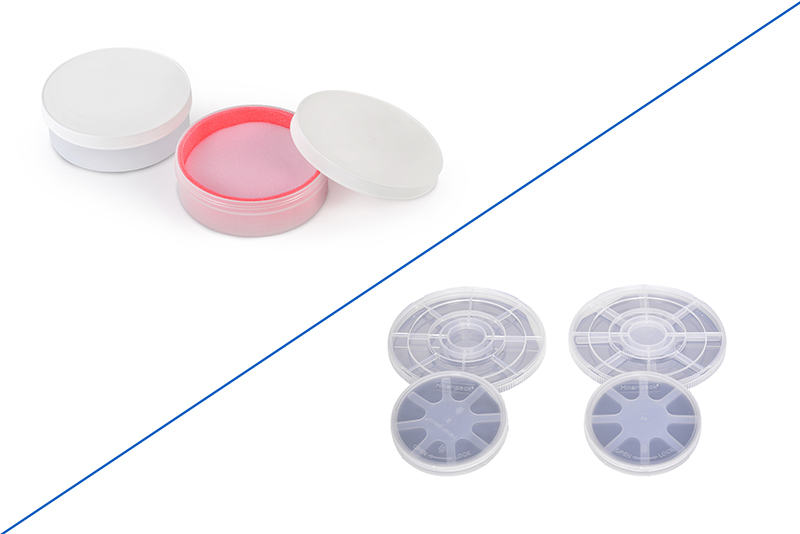
These containers create a controlled, isolated microenvironment for the wafers. Understanding their construction is key to appreciating their effectiveness.
The Hermetic Sealing Mechanism
At the core of this technology is a reliable seal that isolates the interior from the external environment.
Gasket and Lid System: A durable gasket (often silicone or rubber) sits between the container body and lid.
Vacuum Valve: A one-way or manual valve is used to extract air from the container before sealing.
Clamping Mechanism: Latches or bolts apply even pressure to ensure the gasket is fully compressed, creating an airtight seal.
Internal Cushioning and Support
Protection against physical damage is provided internally.
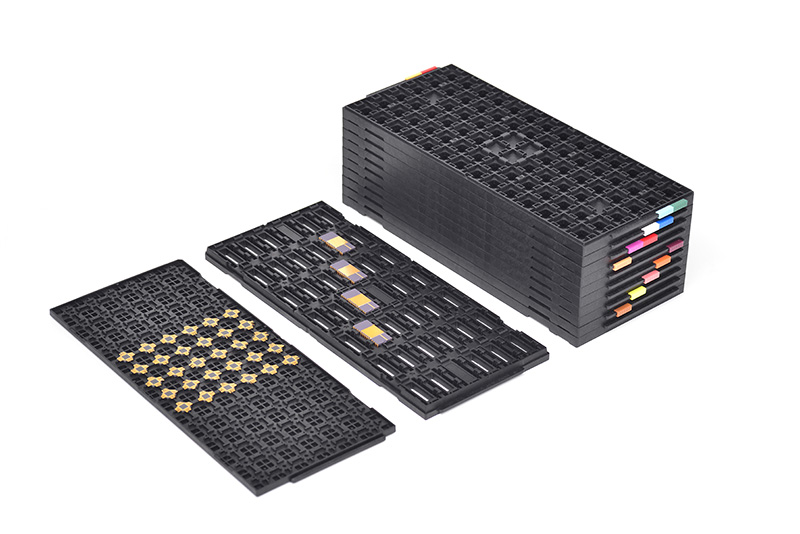
Custom Inserts: Foam or molded plastic inserts securely cradle the wafer cassette, preventing any movement.
Shock Absorption: These materials dampen vibrations and absorb kinetic energy from impacts.
Using the right vacuum-sealed wafer shipping containers combines physical and environmental protection.
Primary Benefits and Advantages
Investing in this specialized packaging delivers measurable returns in yield protection and operational confidence.
Superior Moisture and Contamination Barrier
By removing air and sealing the container, moisture and particles are effectively excluded.
Maintains a stable, dry internal atmosphere.
Prevents the ingress of atmospheric pollutants.
Often includes a humidity indicator card (HIC) to monitor conditions.
Enhanced Physical Protection
The rigid outer shell and internal cushioning work together.
Protects against crushing forces if other cargo is stacked on top.
Minimizes G-forces transmitted to the wafers during drops or rough handling.
Compliance and Traceability
These containers support industry compliance needs.
Meet SEMI and carrier-specific standards for safe transport.
Provide ample space for shipping labels, barcodes, and documentation.
Selecting the Right Container: Critical Considerations
Not all vacuum containers are identical. Key specifications must align with your wafer and logistics requirements.
Wafer Size and Capacity
Containers are designed for specific wafer diameters (150mm, 200mm, 300mm, 450mm) and cassette types. Ensure compatibility with your FOUPs or standard cassettes.
Material and Construction Quality
Shell Material: Typically high-impact structural foam (like polyurethane) or rigid plastic. It must be robust yet lightweight.
Seal Integrity: The quality of the gasket and latching mechanism is paramount for maintaining vacuum over time.
Desiccant and Atmosphere Control
Most containers include a provision for desiccant packs.
Calculating the correct amount of desiccant is crucial based on container volume and desired shipping duration.
Some advanced models allow for inert gas purging (e.g., Nitrogen) instead of or in addition to vacuum.
Certifications and Standards
Look for containers that comply with relevant industry standards, which validate their performance for air transport and environmental sealing.
Operational Workflow: Proper Use and Handling
Correct procedures are necessary to realize the full benefits of this packaging.
Packing and Sealing Procedure
Load the wafer cassette into the clean container with fresh desiccant.
Close the lid securely, engaging all latches.
Use a vacuum pump on the valve to evacuate air to the recommended level.
Close the valve and verify the vacuum holds using the integrated gauge (if available).
Unpacking and Inspection Protocol
Upon receipt, inspect the container for external damage.
Check the vacuum gauge or HIC to confirm the seal remained intact.
Slowly release the vacuum by opening the valve before unsealing the lid in a clean environment.
Partnering with a Trusted Supplier
The reliability of your shipping process depends heavily on the quality of the containers. A specialized supplier like Hiner-pack offers significant advantages:
Proven Design: Containers engineered from extensive field experience.
Material Consistency: High-quality materials that perform under stress.
Custom Solutions: Ability to tailor containers for unique wafer formats or specific logistical challenges.
Global Support: Understanding of international shipping regulations and requirements.
For high-value semiconductor wafers traversing complex supply chains, standard packaging is an unacceptable risk. Vacuum-sealed wafer shipping containers provide a proven, reliable solution that guards against moisture, contamination, and physical damage. By carefully selecting containers based on technical specifications and partnering with a reputable manufacturer such as Hiner-pack, companies can ensure maximum wafer yield and reliability upon arrival, protecting their critical investments throughout the global manufacturing process.
Frequently Asked Questions (FAQs)
Q1: How long can a vacuum seal typically be maintained in these containers?
A1: A well-sealed container from a quality manufacturer can maintain an adequate vacuum for several weeks, often exceeding 30 days. The duration depends on the initial vacuum level, gasket integrity, and ambient temperature fluctuations. Always check the indicator upon receipt.
Q2: Are vacuum-sealed containers necessary for all wafer shipments, even short domestic ones?
A2: Not always, but they are strongly recommended for any shipment leaving a controlled cleanroom environment. Even short trips by truck expose wafers to vibration, temperature swings, and potential handling shocks. The added protection is often justified for high-value product.
Q3: Can these containers be reused, and if so, how should they be serviced?
A3: Yes, they are designed for multiple uses. After unpacking, inspect the gasket for wear or damage, clean the interior with IPA or DI water, and replace the desiccant. Periodically test the seal integrity according to the manufacturer's guidelines to ensure ongoing performance.
Q4: What is the difference between a vacuum-sealed container and one purged with inert gas (like N2)?
A4: Vacuum sealing removes most air and moisture. Inert gas purging displaces the air with a dry, non-reactive gas (Nitrogen). N2 purging can provide a slight positive pressure inside the container, which helps prevent external contaminant ingress if a minor leak occurs. The two methods can also be combined.
Q5: How do I handle a shipping container that has lost its vacuum upon arrival?
A5: A loss of vacuum indicates a potential breach. Mark the shipment for priority inspection. Open the container in a controlled environment (ideally a cleanroom) and carefully inspect the wafers and the HIC. The wafers may require cleaning or re-inspection before they can be processed further.