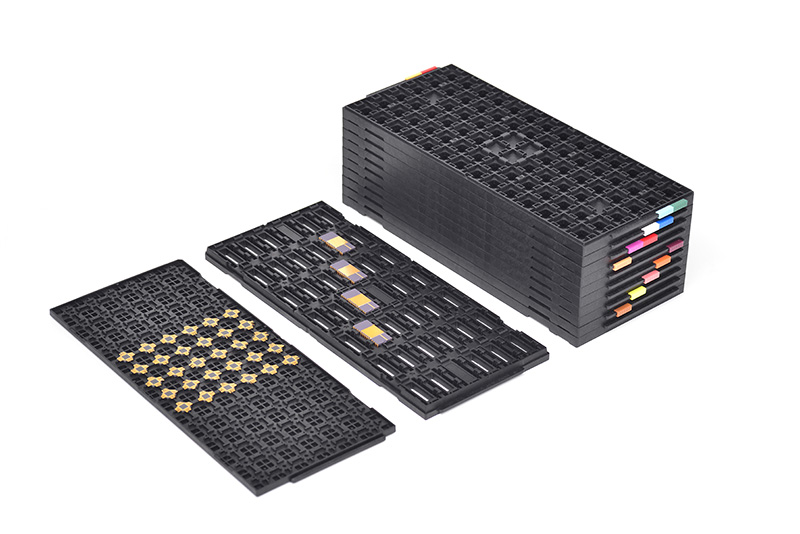
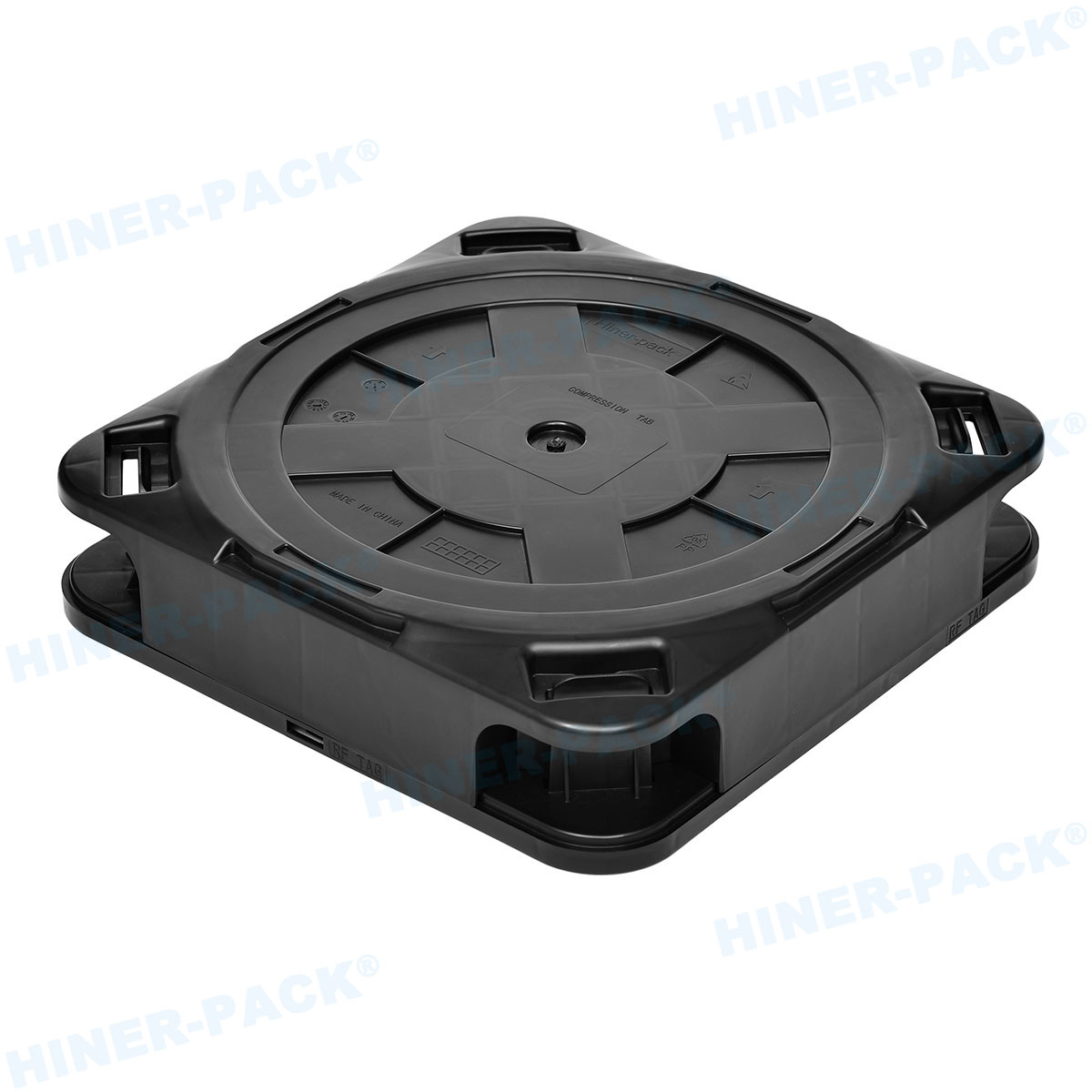
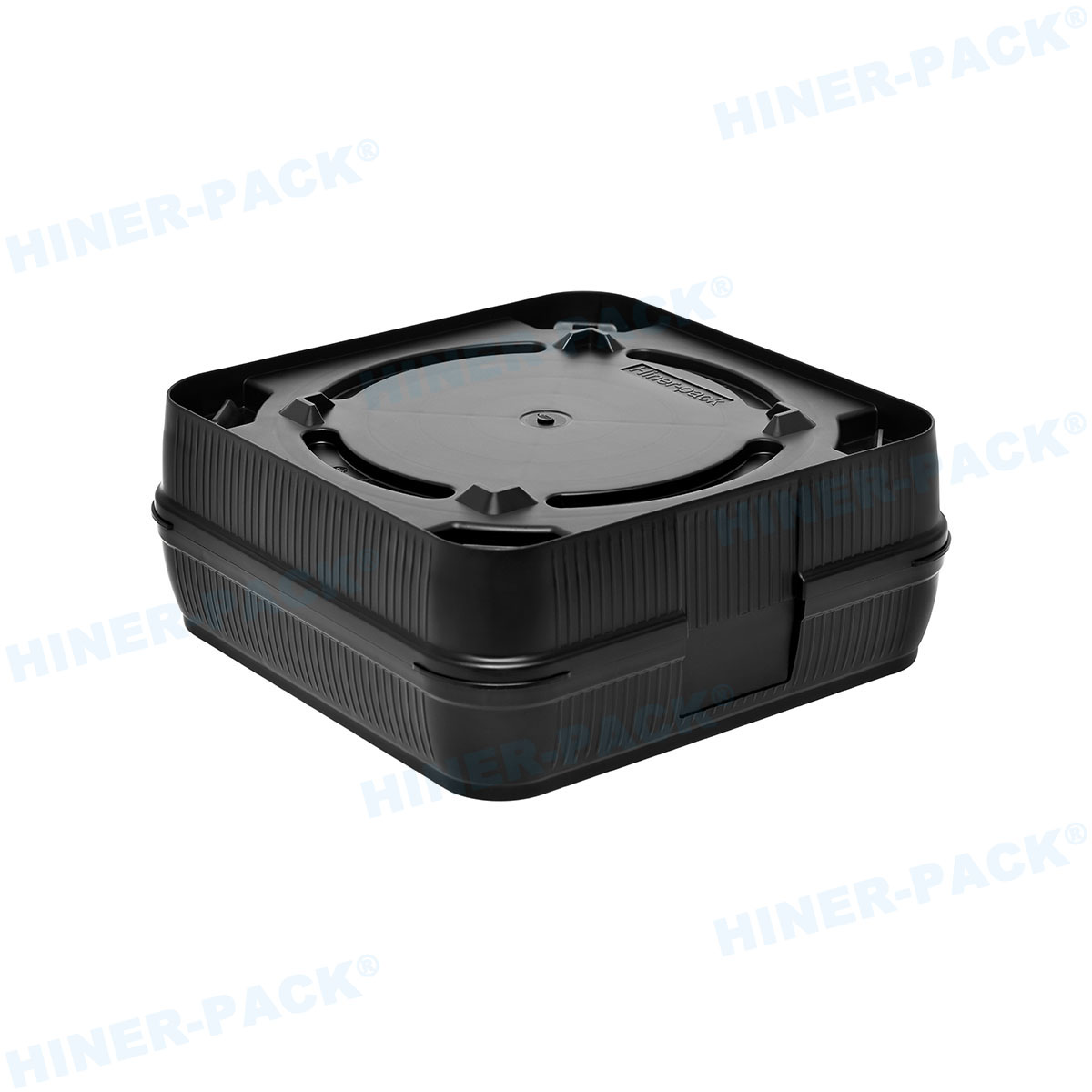
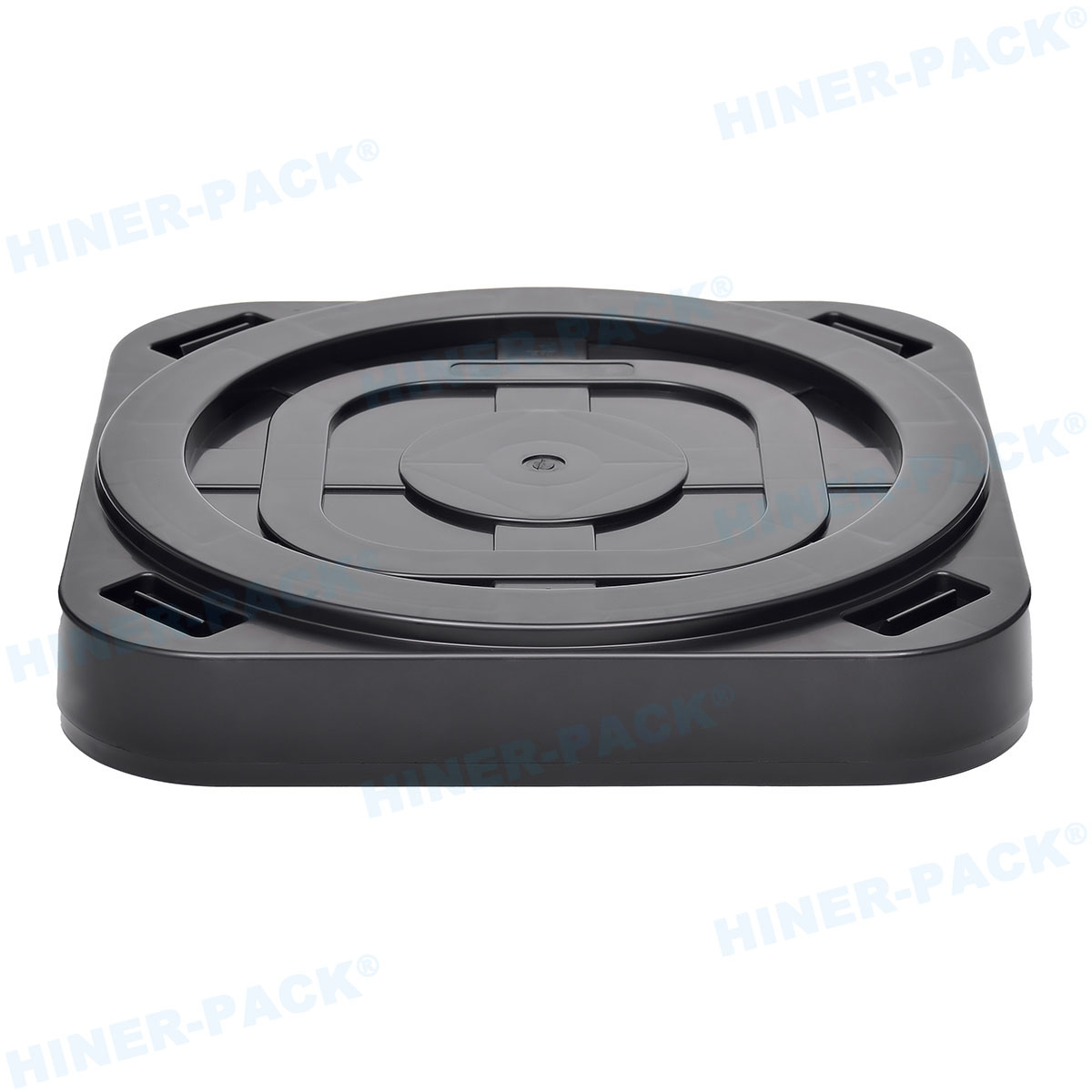
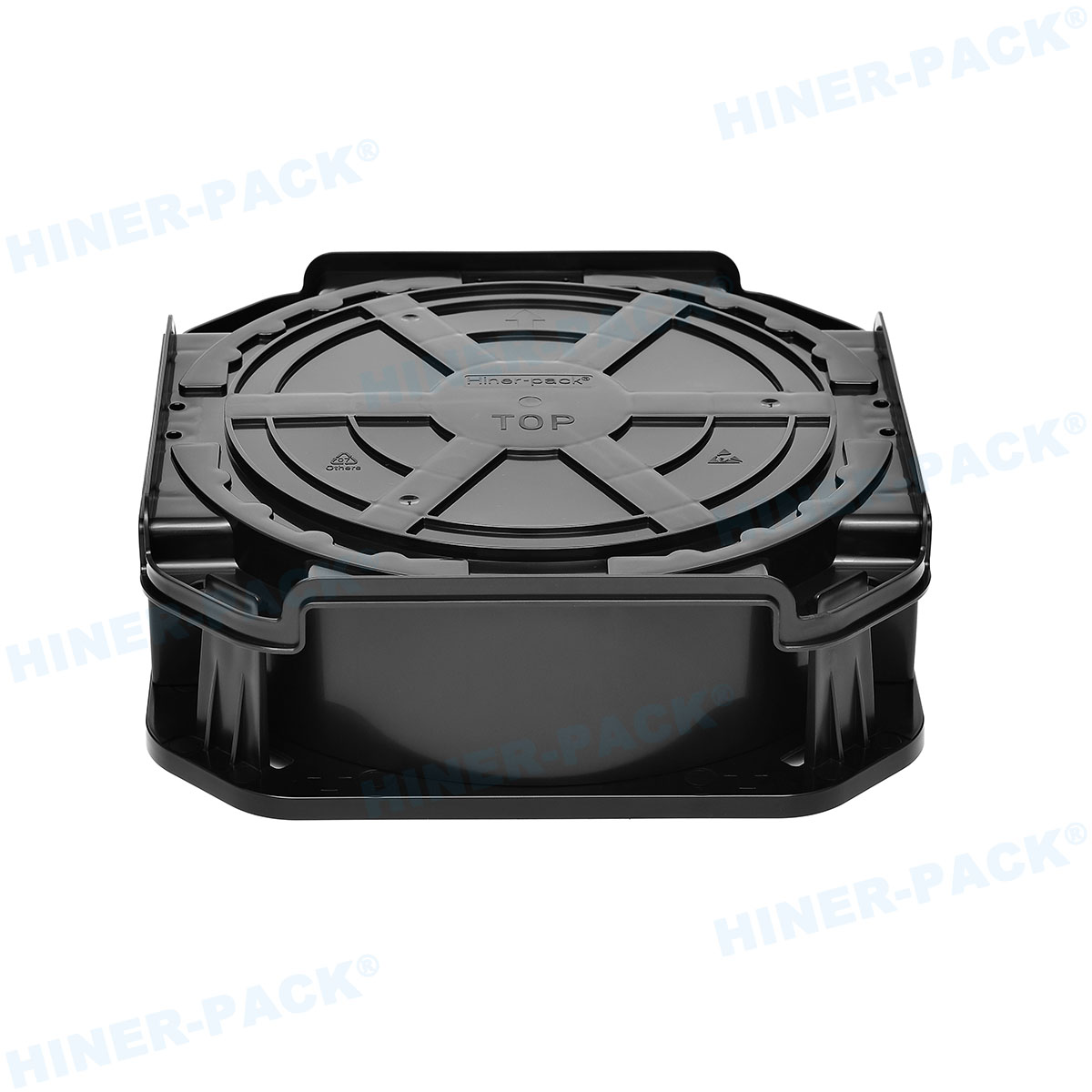
In semiconductor backend manufacturing, the markings on shipping and processing trays—often referred to collectively as JEDEC tray logos—serve a purpose far beyond brand identification. These markings encode critical information: manufacturer identity, material composition, ESD classification, date of manufacture, and sometimes cavity-specific identifiers. For automated assembly lines, the legibility, durability, and positional accuracy of these marks directly influence machine vision throughput, traceability accuracy, and compliance with customer specifications. Non-conforming markings can trigger line stoppages, mis-shipments, or audit findings during customer quality inspections. This article provides an in-depth examination of the standards, printing technologies, durability testing, and quality control protocols that define professional-grade tray marking, drawing on implementation data from Hiner-pack collaborations with global OSATs (outsourced semiconductor assembly and test) and IDMs (integrated device manufacturers).
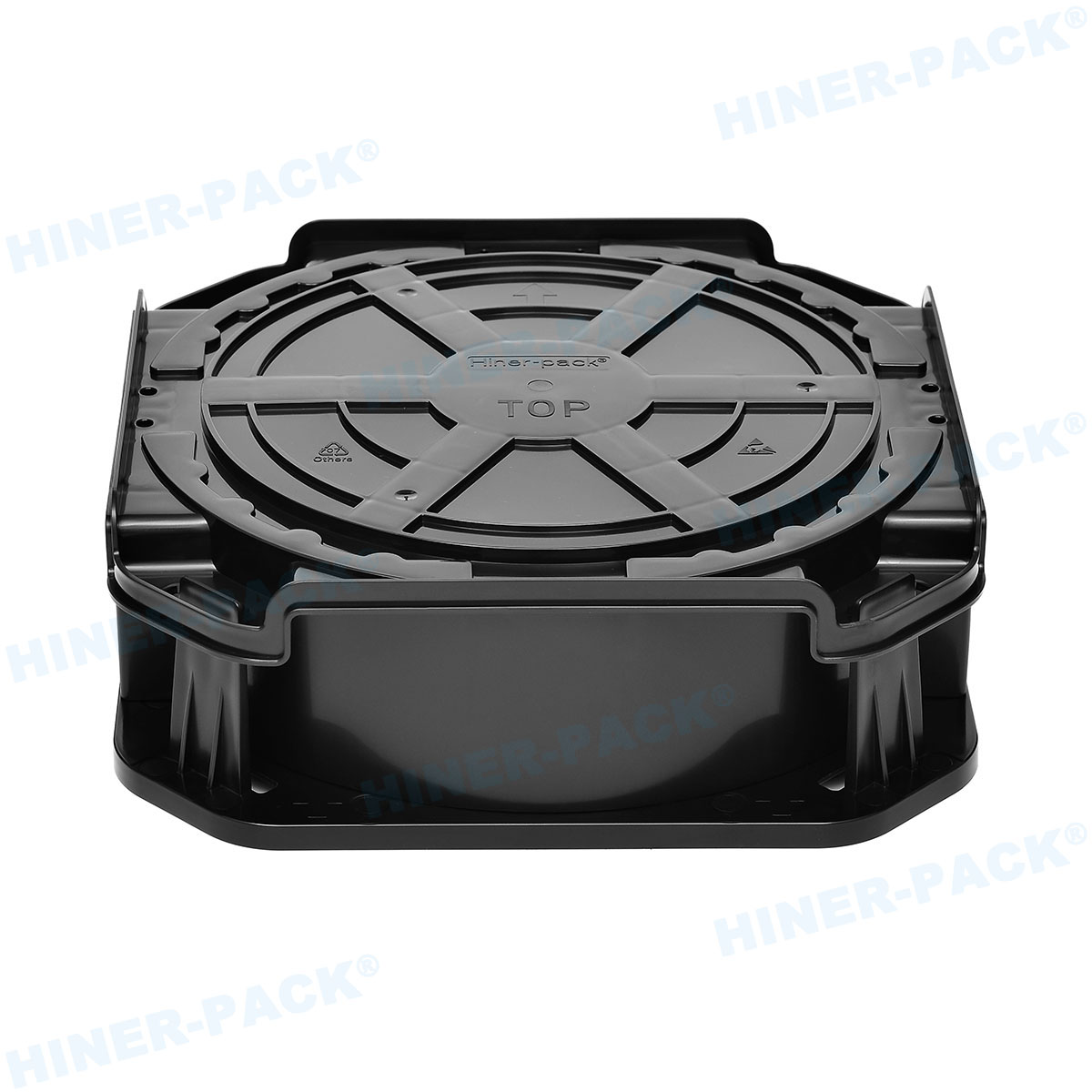
1. The Role of Markings in JEDEC Tray Standards
While JEDEC (Joint Electron Device Engineering Council) standards such as JEDEC JESD95 and JESD30 primarily define physical dimensions and pocket geometries, they also establish requirements for tray identification that enable supply chain interoperability. JEDEC tray logos encompass a range of markings that must meet specific durability, contrast, and placement criteria.
1.1 Mandatory vs. Optional Markings
Standardized tray markings typically include:
Manufacturer identifier: A unique code or logo registered with JEDEC or recognized by major semiconductor houses.
Material code: ISO 11469 material identification (e.g., >PC< for polycarbonate, >PPS< for polyphenylene sulfide) to facilitate recycling and regulatory compliance.
ESD symbol: The concentric triangle or “ESD sensitive” icon per ANSI/ESD S8.1, often with resistivity class indication.
Date code: Typically year and quarter or month of manufacture, encoded in a format agreed between supplier and customer.
JEDEC tray designation: Reference to the specific JEDEC standard (e.g., “JEDEC MO-195”) that defines the tray’s pocket matrix.
Optional markings may include batch/lot numbers, cavity identifiers for traceability, or customer-specific part numbers.
2. Printing Technologies: Laser Marking vs. Pad Printing vs. Embossing
The method used to apply markings directly impacts durability, contrast, and compatibility with cleanroom environments.
2.1 Laser Marking
Laser marking is the preferred method for high-durability applications. It uses a focused beam to create contrast by carbonizing or ablating the surface layer of the tray material. Key parameters:
Wavelength: 1064 nm (fiber laser) for thermoplastics; 355 nm (UV laser) for minimal heat-affected zone in temperature-sensitive materials.
Contrast ratio: Achieved via material formulation (e.g., laser-markable additives that change color under irradiation). Typical contrast targets: ≥70% on grayscale for machine vision systems.
Durability: Laser marks withstand 500+ cleaning cycles (isopropyl alcohol, deionized water) without degradation, as they are embedded into the material surface rather than applied as a coating.
2.2 Pad Printing
Pad printing transfers ink from an etched plate via a silicone pad. It offers high color flexibility but has limitations:
Ink selection: Must use solvent-resistant, ESD-safe inks with surface resistivity <10¹¹ Ω/sq to avoid insulating layers that could trap electrostatic charge.
Durability: Standard pad-printed markings typically endure 50–100 cleaning cycles before fading; reinforced UV-cured inks extend this to 200 cycles.
Cleanroom compatibility: Inks must have low outgassing (ASTM E595 TML ≤1.0%, CVCM ≤0.1%) to avoid contamination of sensitive components.
2.3 Embossing (Molded-in Markings)
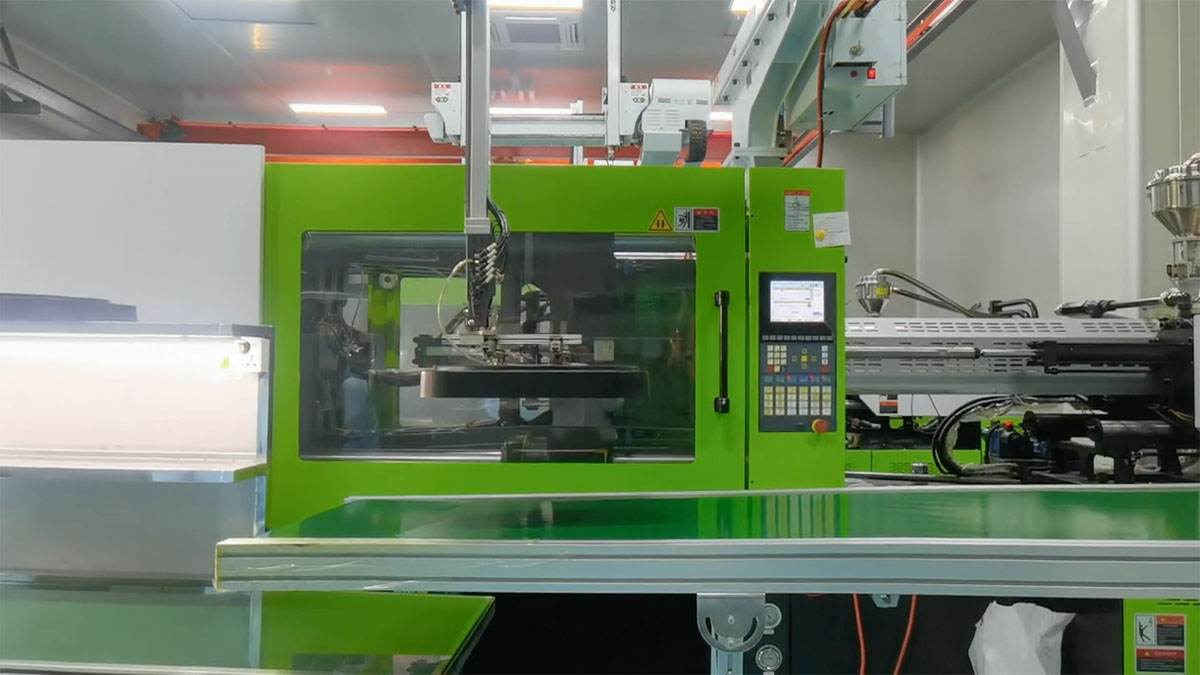
Some manufacturers integrate markings into the injection mold itself, creating raised or recessed features. This approach offers the highest durability (no degradation over tray lifetime) but lacks flexibility for variable data such as date codes or lot numbers.
3. Durability and Testing Protocols
Markings on JEDEC tray logos must withstand the environmental and handling stresses encountered in semiconductor manufacturing. Standard test methods include:
3.1 Abrasion Resistance (RCA Rub Test)
Performed using a modified RCA (Radio Corporation of America) abrasion tester with a felt pad under a specified weight. Acceptance criteria: no discernible loss of readability after 50–100 rub cycles.
3.2 Solvent Resistance (IPA and Acetone)
Markings are exposed to isopropyl alcohol (70%) and, for more aggressive assessments, acetone. A cotton swab is saturated and rubbed across the marking. Acceptance: no smearing, fading, or transfer after 20 double rubs.
3.3 Thermal Cycling
Trays are subjected to thermal profiles mimicking actual use: 125°C for 24 hours (pre-conditioning bake) and 260°C peak reflow (for high-temperature trays). Markings must remain legible with no discoloration or delamination.
3.4 Cleanliness Impact
For laser markings, the process must not generate loose particulates exceeding cleanliness class limits. Testing involves wipe sampling per IEST-RP-CC012, with particle counts verified under optical microscopy.
4. Machine Vision Compatibility
Modern semiconductor assembly lines rely on optical character recognition (OCR) and barcode reading systems to verify tray identity at each process step. Markings must be designed for machine readability.
4.1 Font and Character Geometry
Recommended specifications:
Font: Sans-serif (Arial, Helvetica) with stroke width ≥0.3 mm.
Character height: Minimum 2.5 mm for OCR, 5 mm for visual inspection.
Contrast: ≥60% difference between mark and background luminance.
Reflectivity: Matte finish preferred to avoid glare; gloss levels <30 gloss units at 60°.
4.2 2D Data Matrix Codes
Increasingly, trays include Data Matrix codes (ECC200) encoding the same information as human-readable text. Specifications per ISO/IEC 16022:
Module size: 0.2–0.5 mm, depending on camera resolution.
Quiet zone: Minimum 1 module width around the code.
Print quality grade: Verification to ISO/IEC 15415 with overall grade ≥C (1.5/4.0).
In Hiner-pack processes, all trays with 2D codes undergo automated verification using calibrated camera systems to ensure readability across downstream equipment brands (e.g., Advantest, Teradyne, ASM).
5. Traceability and Supply Chain Requirements
Major semiconductor manufacturers mandate full traceability of packaging materials. Markings play a key role in enabling this.
5.1 Lot-Level Traceability
Trays from the same production batch must carry consistent lot numbers. This allows customers to trace any quality issue back to specific raw material lots and molding parameters. In the event of a defect—such as warpage or ESD property drift—lot traceability enables targeted containment rather than blanket scrapping of all trays.
5.2 Cavity Identification
For high-value devices or applications requiring individual component traceability, some trays include cavity-specific identifiers (e.g., alphanumeric codes or micro QR codes in each pocket). This enables mapping of device serial numbers to specific tray positions, supporting failure analysis and recall efficiency. Manufacturing such trays requires precision molding and secondary marking operations with positional accuracy within ±0.1 mm.
6. Common Marking Defects and Quality Control
Defective markings can cause significant operational disruptions. Common failure modes include:
6.1 Incomplete or Faded Marks
Causes: worn printing pads, low ink viscosity, or laser power fluctuations. Detected via 100% inline optical inspection using cameras with automated pass/fail criteria.
6.2 Misaligned Markings
Causes: fixture shifting or registration errors. Acceptance criteria per JEDEC: positioning tolerance of ±1.0 mm for primary identifiers relative to tray datum.
6.3 Contamination from Marking Process
Pad printing can leave ink residue or fibers; laser marking can generate charred particles. Both must be controlled via process validation and cleanliness verification. Cleanroom-class printing environments (ISO 7 or better) are standard for critical applications.
7. Customization and Engineering Collaboration
While JEDEC defines base standards, many customers require custom markings that integrate their own logo, material handling codes, or internal part numbering schemes. Effective customization requires:
Design review: Ensuring that added marks do not interfere with stacking ribs, vacuum pickup zones, or vision system fiducials.
Material compatibility: Verifying that inks or laser settings do not alter surface resistivity or cause stress cracking.
Sample approval: Generating first-article samples with full measurement reports and marking durability test results before production release.
Suppliers like Hiner-pack maintain dedicated engineering teams to support such customization, ensuring that JEDEC tray logos meet both standard requirements and unique customer specifications without compromising quality or automation compatibility.
Frequently Asked Questions (FAQ)
Q1: What information is typically encoded in JEDEC tray logos?
A1: Standard markings include the manufacturer’s registered identifier, material code (per ISO 11469), ESD symbol and resistivity class, date code (year and quarter/month), and the JEDEC tray designation (e.g., JEDEC MO-195). Many customers also require batch/lot numbers for traceability and may add 2D Data Matrix codes containing the same or additional information for automated tracking through assembly and test equipment.
Q2: How can I verify that a tray’s markings are JEDEC-compliant?
A2: Request a compliance package that includes: (1) a first-article inspection report documenting marking position, font, and size relative to JEDEC tray drawings; (2) durability test results (abrasion, solvent resistance, thermal cycling); (3) readability verification for any 2D codes using an ISO/IEC 15415–certified verifier. Additionally, confirm that the manufacturer’s identifier is registered with JEDEC or recognized by your customers’ approved supplier lists.
Q3: What is the typical durability of laser markings versus pad-printed markings?
A3: Laser markings are embedded into the tray material and typically withstand 500+ cleaning cycles (IPA, DI water) with no measurable degradation. Pad-printed markings, even with UV-cured inks, generally show visible wear after 150–200 cycles. For reusable trays intended for multiple trips through automated cleaning systems, laser marking is strongly recommended.
Q4: Can JEDEC tray logos interfere with ESD performance?
A4: Yes, if not properly controlled. Pad printing inks that are insulative (>10¹² Ω/sq) can create localized high-resistance zones, potentially trapping charge. Always specify inks with surface resistivity <10¹¹ Ω/sq and verify with concentric ring probe measurements. Laser marking, when done on properly formulated ESD materials, does not alter the bulk resistivity of the tray.
Q5: How do I ensure that custom logos or markings remain readable after multiple high-temperature reflow cycles?
A5: For trays used in lead-free reflow (peak 260°C), select materials rated for high-temperature exposure (PPS, PEI, PEEK) and use laser marking exclusively. Test samples by subjecting them to five simulated reflow cycles (profile per IPC/JEDEC J-STD-020) and then reassess marking contrast, adhesion (for printed marks), and 2D code readability. Hiner-pack performs such validation for all custom-marked high-temperature trays before shipping production quantities.
Markings on semiconductor trays are not cosmetic—they are engineering elements that enable automation, traceability, and quality assurance. By understanding the standards, technologies, and testing protocols behind JEDEC tray logos, procurement and engineering teams can select suppliers that deliver consistent, durable, and automation-compatible packaging. Hiner-pack combines precision molding, advanced marking technologies, and rigorous quality systems to meet the most demanding requirements of the semiconductor industry.