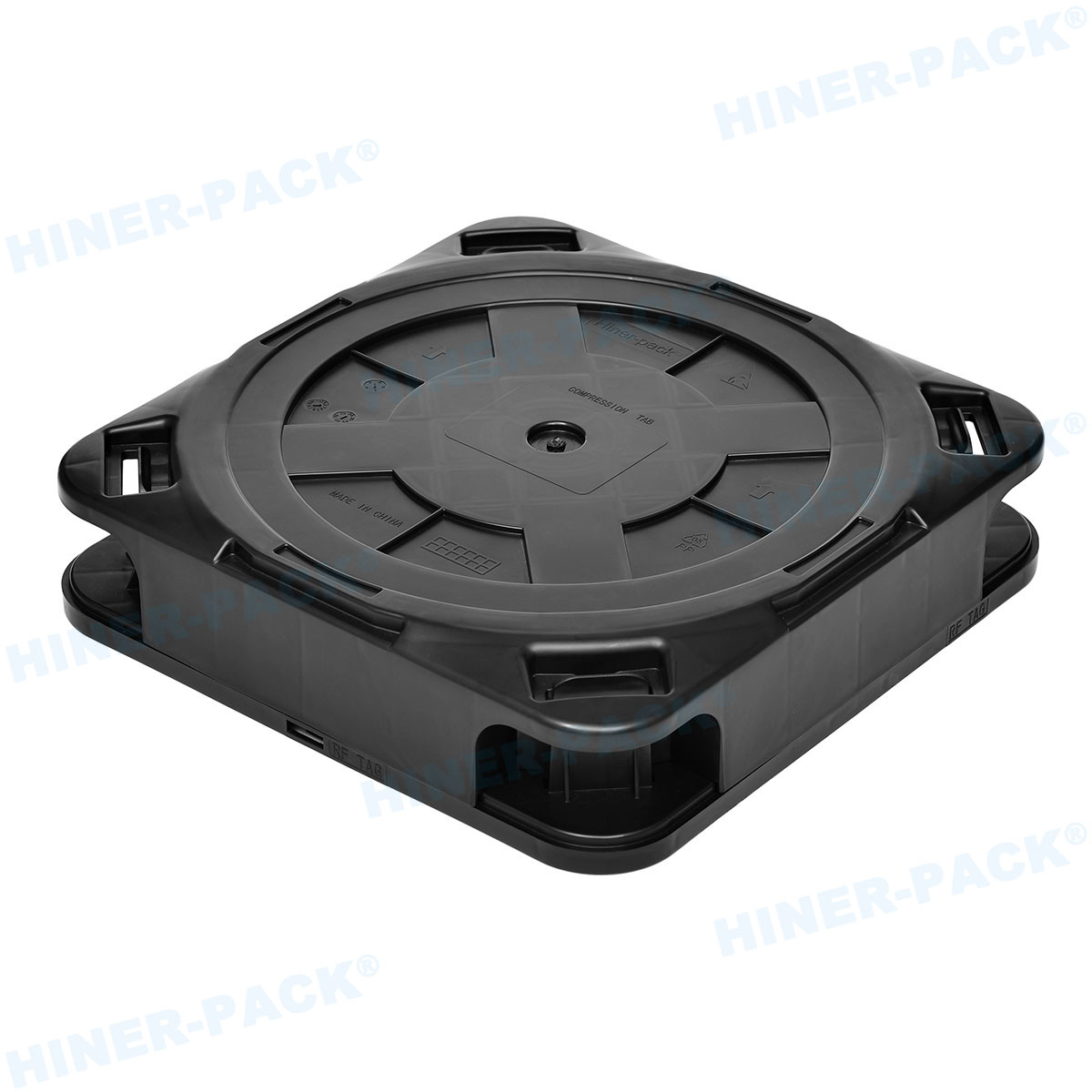
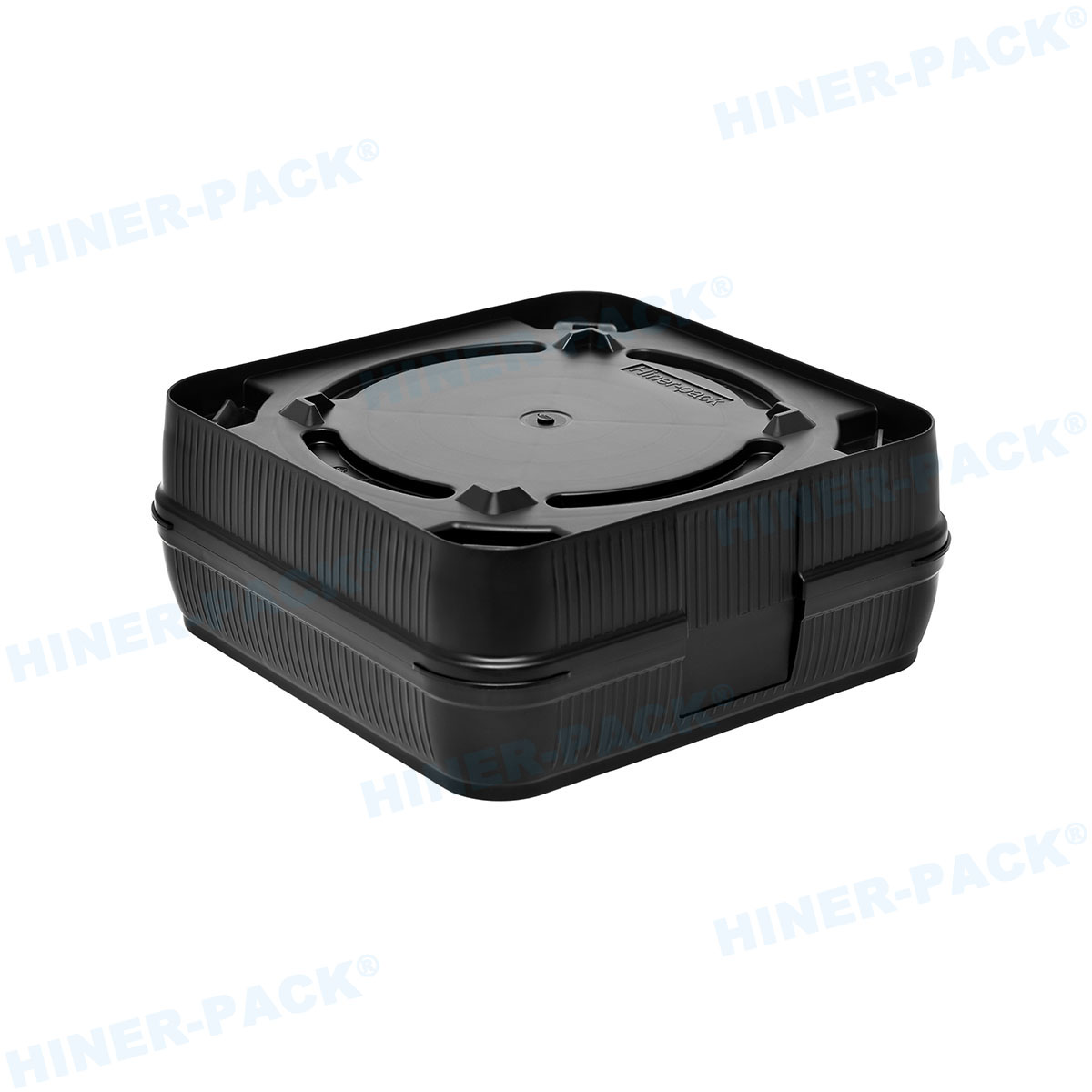
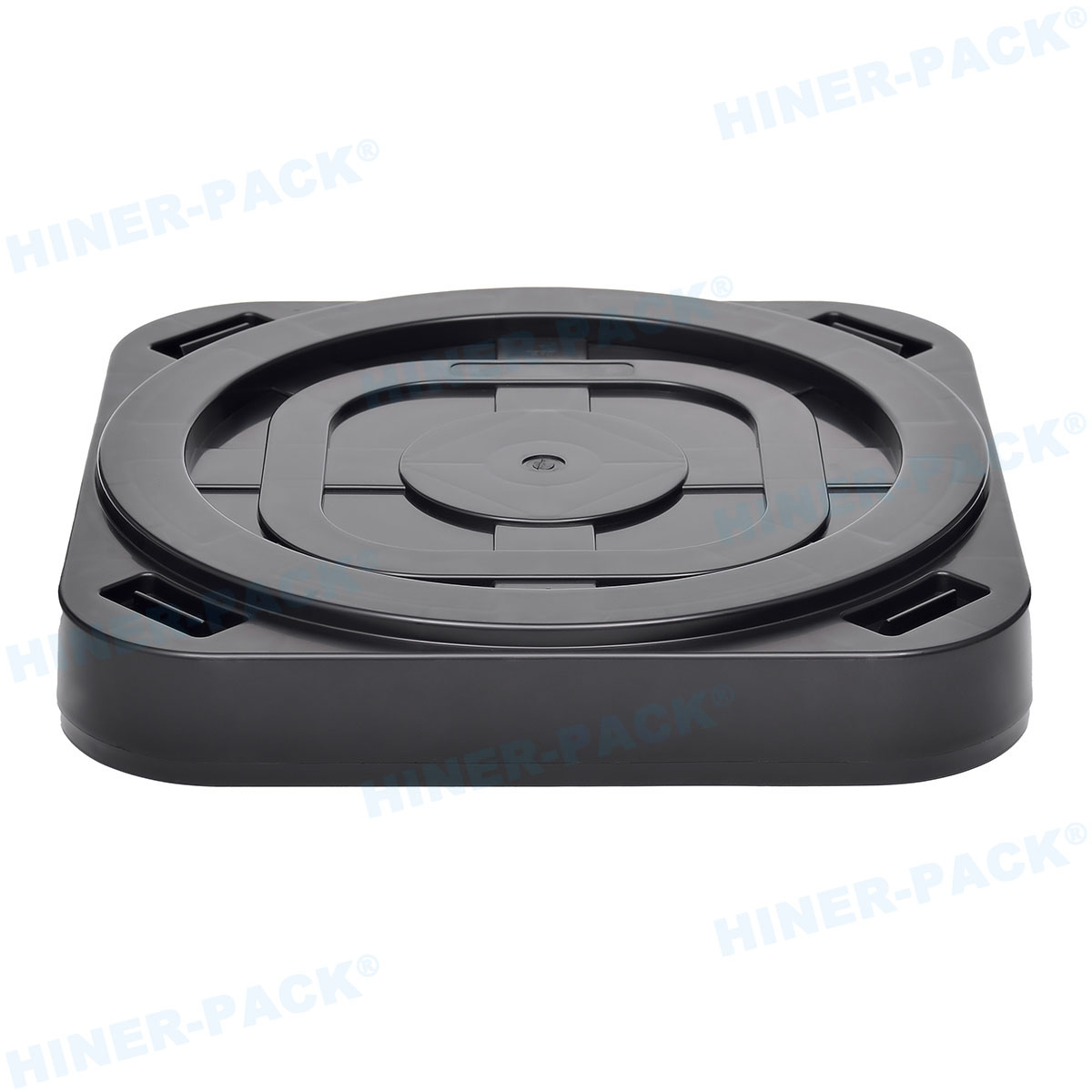
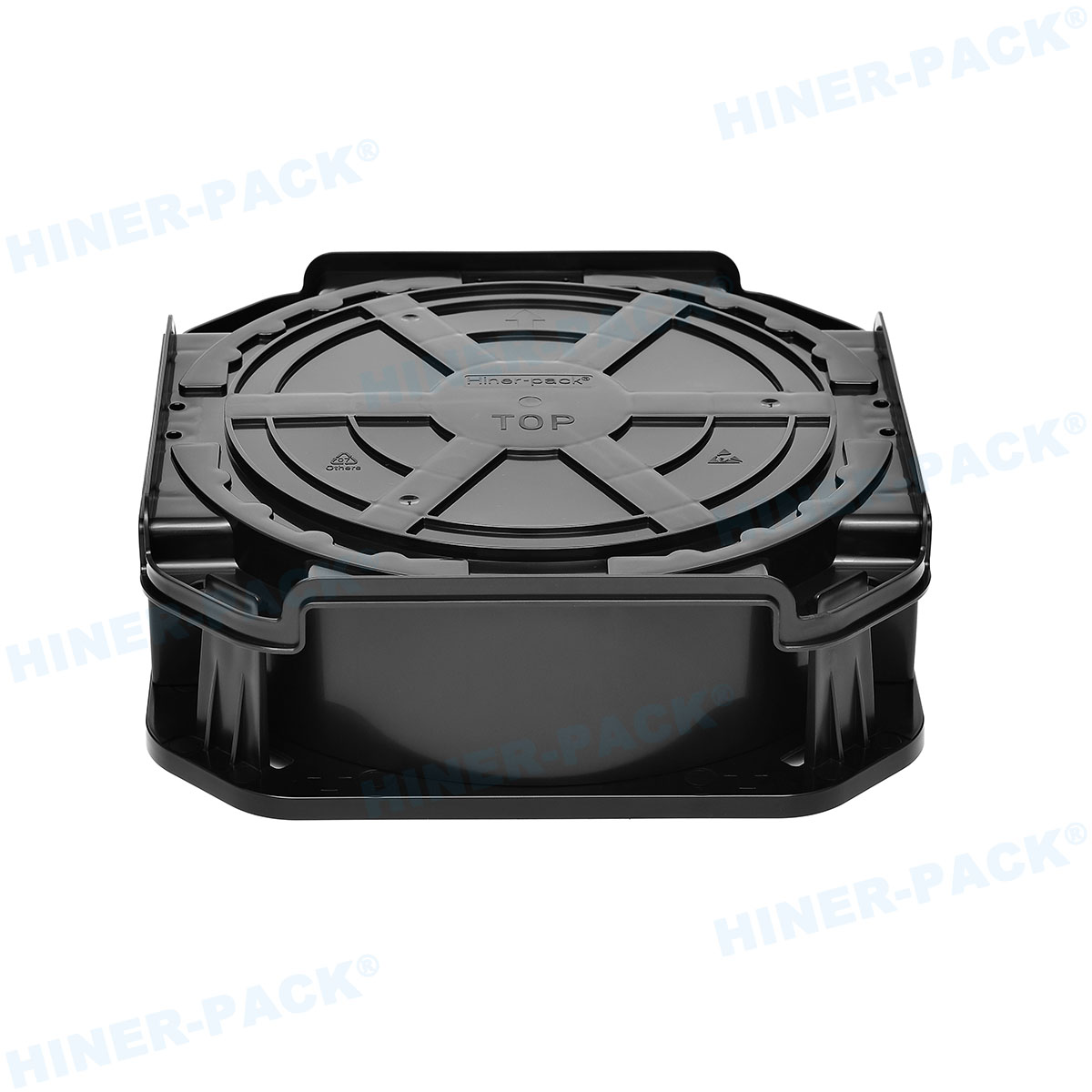
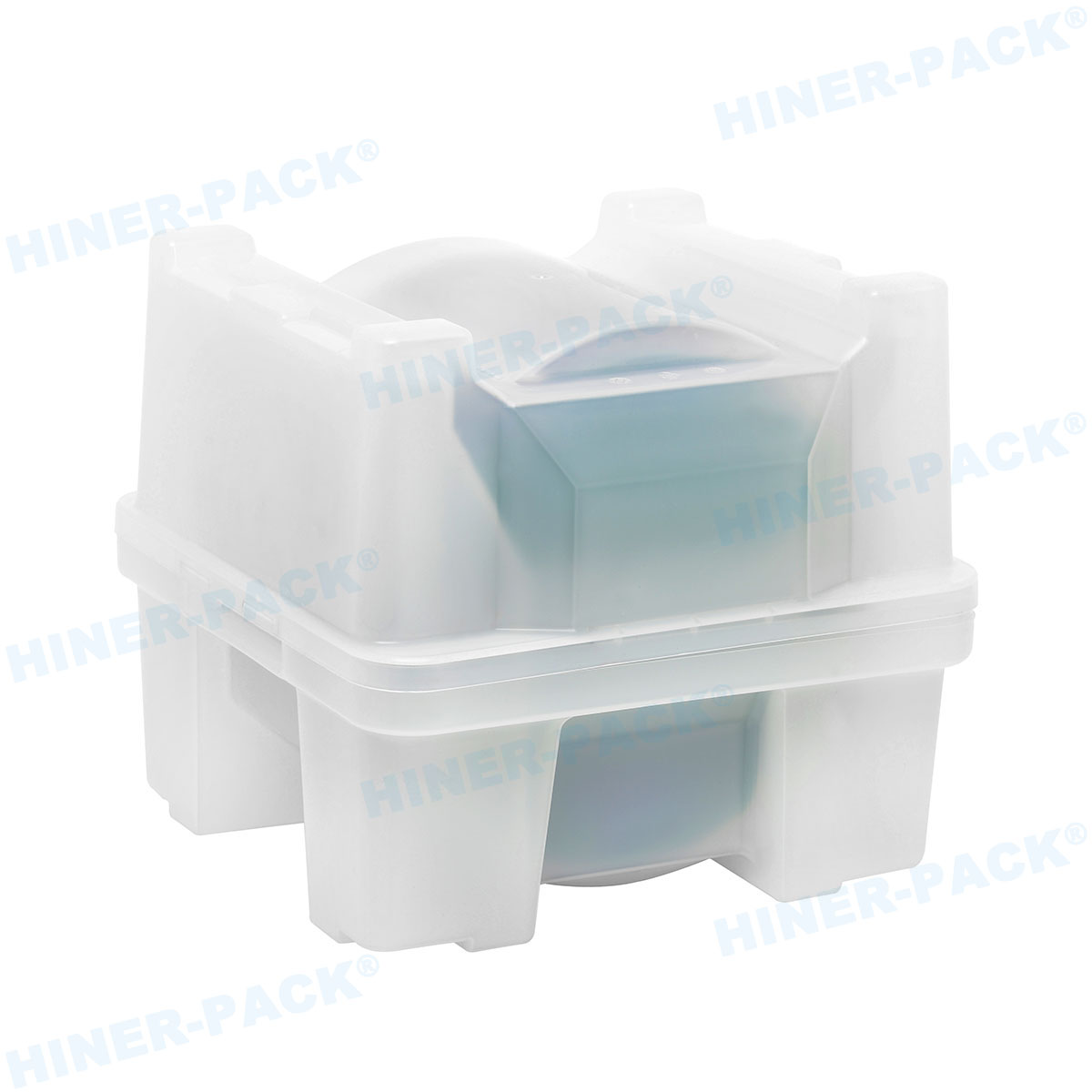
In semiconductor backend operations—from wafer sort to final assembly and test—the handling and shipping of singulated integrated circuits demand packaging that meets stringent industry specifications. IPC compliant trays represent the benchmark for reliability, ensuring that components remain free from electrostatic discharge (ESD) damage, physical contamination, and mechanical stress throughout the supply chain. The IPC/JEDEC J-STD-033 and IPC-1601 standards define critical parameters: material resistivity, dimensional tolerances, outgassing limits, and cleanliness levels. Deviations in any of these areas can lead to latent failures, yield loss, or field returns. This article provides a technical examination of the material science, manufacturing controls, and quality assurance protocols that distinguish high-grade semiconductor trays from commoditized alternatives, drawing on field data from Hiner-pack implementations across OSAT (outsourced semiconductor assembly and test) facilities and IDM (integrated device manufacturer) assembly lines.
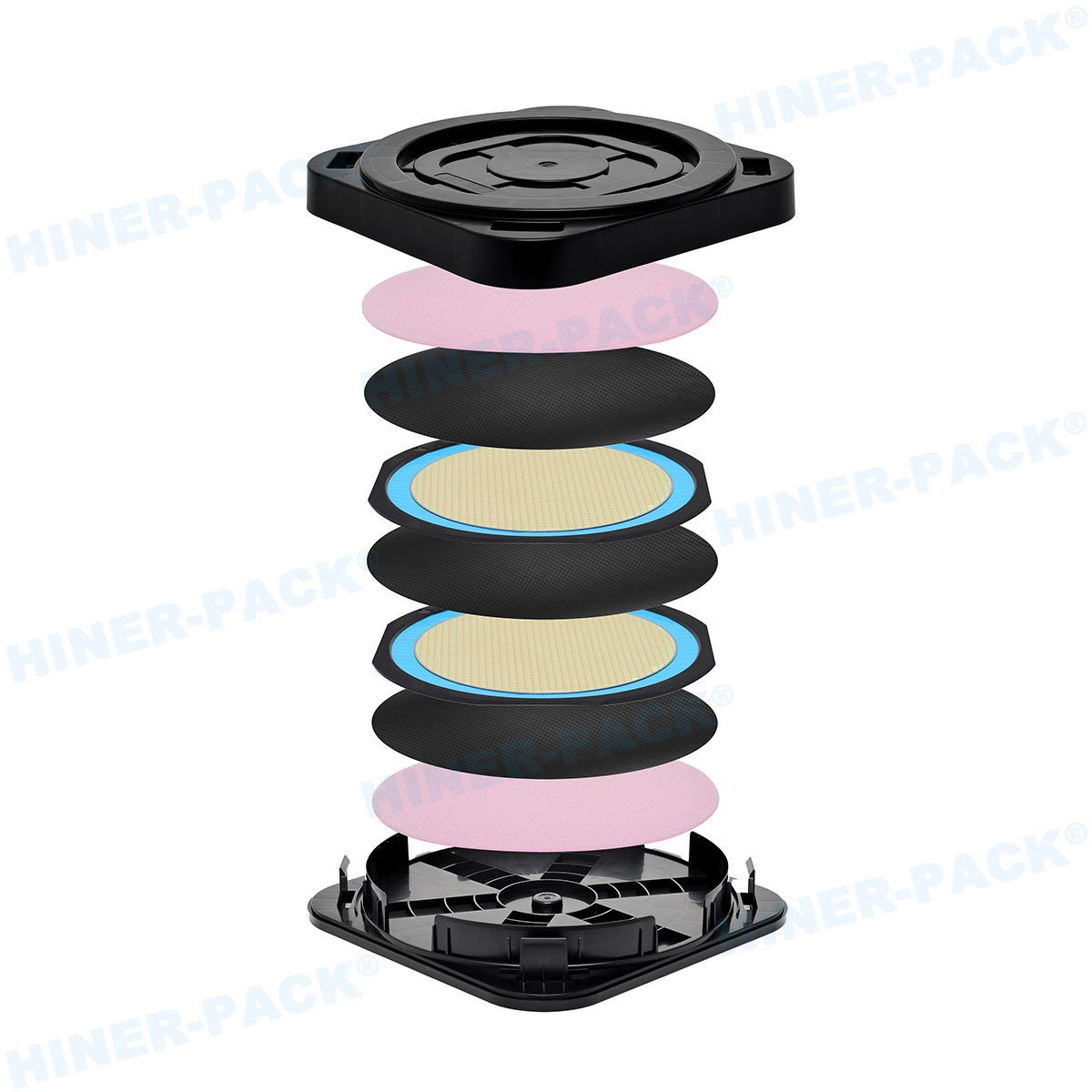
1. Material Selection: Balancing ESD Protection with Mechanical Performance
The foundation of any IPC compliant tray is its polymer formulation. Base resins must be modified to achieve specific surface and volume resistivity while maintaining structural rigidity across temperature ranges encountered during baking, reflow, and storage.
1.1 Static Dissipative vs. Conductive Properties
IPC-1601 defines three categories for ESD control in handling trays:
Conductive (10² to 10⁵ Ω/sq): Typically achieved with carbon fiber or carbon powder loading. Used for high-risk environments where rapid charge dissipation is mandatory.
Static Dissipative (10⁵ to 10¹¹ Ω/sq): Achieved with carbon-loaded polycarbonate (PC), polyethylene terephthalate (PET), or polyphenylene sulfide (PPS). This range provides controlled charge decay without the triboelectric charging risks associated with insulative materials.
Antistatic (10¹¹ to 10¹² Ω/sq): Surface resistivity modified via topical coatings or internal antistatic agents. Suitable for less sensitive components but requires regular cleaning to maintain efficacy.
For advanced nodes (≤28 nm) and sensitive RF or memory devices, conductive or dissipative trays are mandatory. Surface resistivity measurements are performed per ANSI/ESD STM11.11 and must be revalidated periodically as additives can migrate or degrade over time.
2. Dimensional Specifications: Pocket Geometry and Coplanarity Control
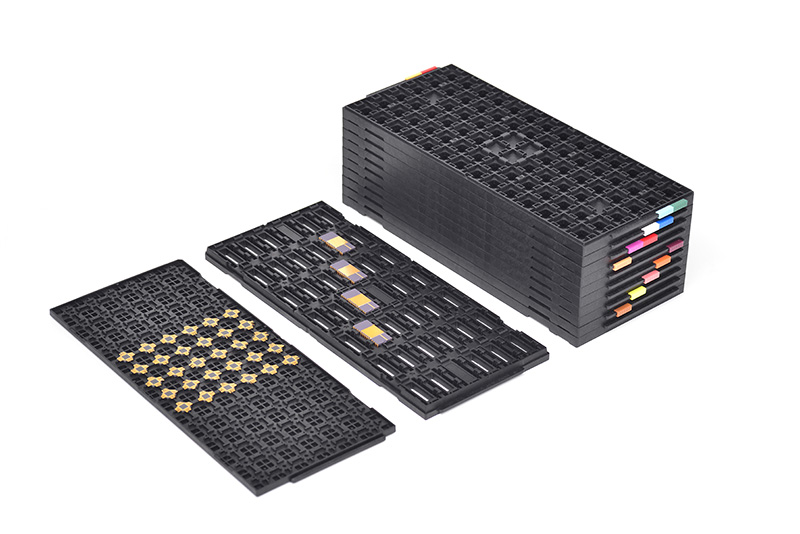
Semiconductor trays are not merely containers; they are precision fixtures that must align with automated handling equipment—pick-and-place machines, test handlers, and vision inspection systems. Dimensional deviations cause jams, mis-picks, and component damage.
2.1 JEDEC and EIAJ Standards
Tray dimensions follow JEDEC (Joint Electron Device Engineering Council) and EIAJ (Electronic Industries Association of Japan) standards. Key parameters include:
Pocket depth and width: Tolerances typically ±0.05 mm to ensure consistent component orientation without excessive play.
Pocket-to-pocket pitch: Cumulative error across the tray matrix must not exceed ±0.1 mm to maintain alignment with vacuum nozzle arrays.
Overall tray flatness: Warpage limited to ≤0.5 mm across the tray diagonal to prevent vacuum pickup failures.
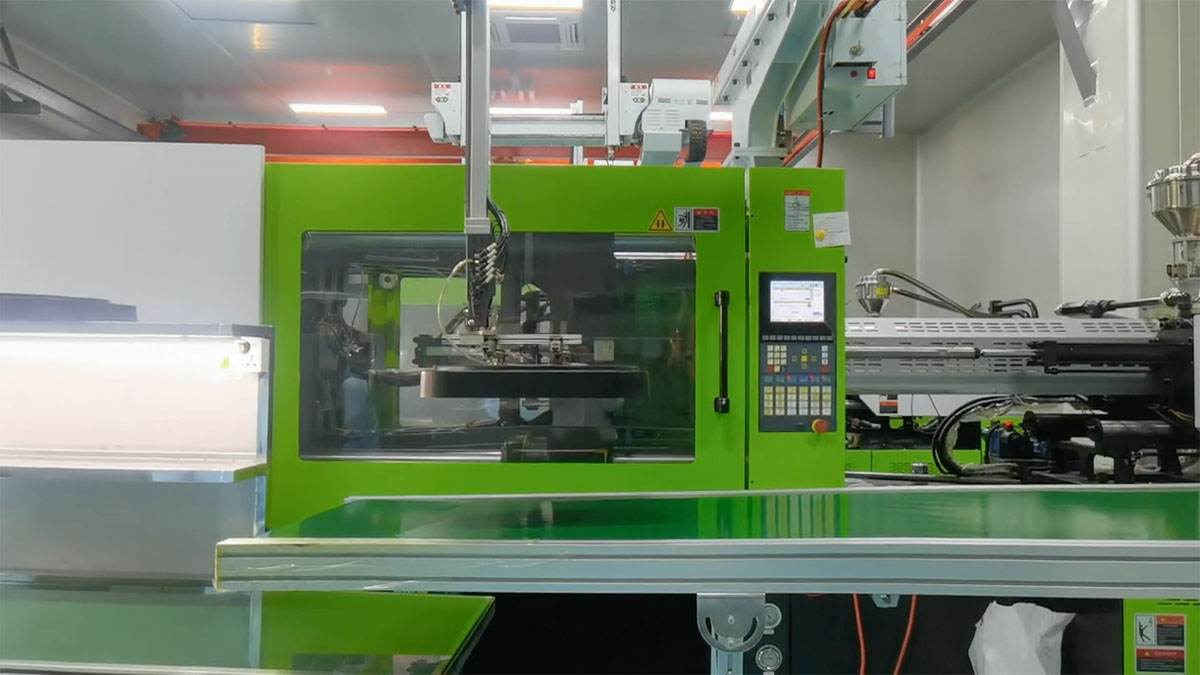
Mold flow analysis during tooling design is employed to minimize sink marks and residual stresses that could lead to warpage after temperature cycling. Hiner-pack utilizes precision injection molding with in-line optical measurement to verify pocket dimensions on every production batch.
3. Cleanliness and Contamination Control
Contamination from packaging materials—ionic residues, particulates, or outgassed volatiles—can cause corrosion, wire bond failures, or die attach delamination. IPC-1601 and J-STD-033 prescribe limits for packaging materials.
3.1 Ionic Cleanliness and Particulate Limits
High-performance trays undergo rigorous cleaning and testing:
Ionic contamination: Measured per IPC-TM-650, Method 2.3.28. Acceptable limits: ≤0.5 µg/cm² NaCl equivalents for critical devices.
Particle count: Liquid particle counters (LPC) test per IEST-RP-CC012. Tray surfaces must meet Class 1000 (ISO 6) cleanliness for devices with sub-100 µm bond pad spacing.
Outgassing: Per NASA/ESA specifications (ASTM E595), trays must exhibit total mass loss (TML) ≤1.0% and collected volatile condensable materials (CVCM) ≤0.1% to avoid fogging of optical surfaces or contamination of hermetic packages.
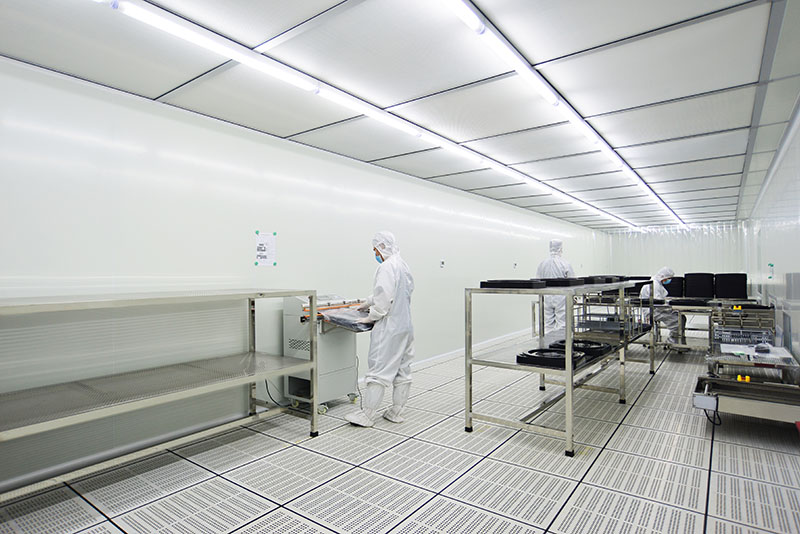
Manufacturing processes for IPC compliant trays include ultrasonic cleaning, deionized water rinsing, and controlled drying in Class 1000 cleanroom environments. Packaging is performed in ESD-safe, heat-sealed bags with desiccant and humidity indicator cards when specified.
4. Thermal Performance: Bake Cycles and High-Temperature Processing
Semiconductor devices are frequently subjected to pre-conditioning bake cycles (125°C for 24 hours) and lead-free reflow profiles (peak 260°C). Trays must maintain dimensional stability and not release contaminants under these conditions.
4.1 Material Heat Deflection and Continuous Use Temperature
Key thermal properties:
Heat deflection temperature (HDT) at 1.82 MPa: For polycarbonate (PC) trays, HDT is typically 125–130°C; for polyetheretherketone (PEEK) or polyphenylene sulfide (PPS), HDT exceeds 200°C.
Continuous use temperature: PC trays are rated for 100–120°C; high-temperature grades (PPS, PEI) withstand 180–220°C continuous exposure.
Thermal expansion coefficient (CTE): Must match device package CTE to minimize stress. Typical tray CTE ranges from 40–80 ppm/°C; package CTE is 15–25 ppm/°C for molded compounds, requiring careful tray material selection to avoid excessive pocket deformation.
For trays used in lead-free reflow processes, materials must be rated for 260°C peak temperatures. Standard PC trays are not suitable; only high-temperature thermoplastics (PPS, PEI, or PEEK) are acceptable.
5. Compatibility with Automated Handling Equipment
Modern semiconductor assembly lines utilize high-speed automation. Trays must interface reliably with:
JEDEC tray stackers/destackers: Tray corner designs, rib patterns, and stack height tolerances must match equipment specifications to prevent misfeeds.
Pick-and-place systems: Pocket geometry must allow vacuum nozzle access without interference; chamfered pocket edges facilitate component centering.
Vision inspection systems: Tray color and surface finish must provide sufficient contrast for lead and body recognition. Matte black or dark gray dissipative materials are standard to minimize reflections.
Incompatibility often manifests as throughput reduction or jam rates exceeding 0.5%. Hiner-pack provides dimensional data packages to customers for integration validation prior to volume procurement.
6. Quality Assurance and Traceability
Semiconductor manufacturers demand full traceability and documented conformance to IPC and JEDEC standards. A robust quality program includes:
6.1 Incoming Material Certifications
Each batch of raw resin must be accompanied by certificates of analysis (CoA) confirming:
Surface and volume resistivity per ANSI/ESD STM11.12.
Melt flow index (MFI) to ensure consistent moldability.
Moisture content (≤0.02% for hygroscopic materials) to prevent hydrolytic degradation.
6.2 In-Process and Final Inspection
Production controls include:
First-article inspection (FAI) per AS9102, measuring critical dimensions across all pockets.
100% vision inspection for flash, voids, or contaminant inclusions.
Sampled dimensional verification using coordinate measurement machines (CMM) at defined intervals.
Resistivity testing per batch using concentric ring probes.
6.3 Lot Traceability
Each tray is marked with mold cavity number, date code, and batch ID. This enables root cause analysis in the event of field issues and supports semiconductor industry requirements for full supply chain transparency.
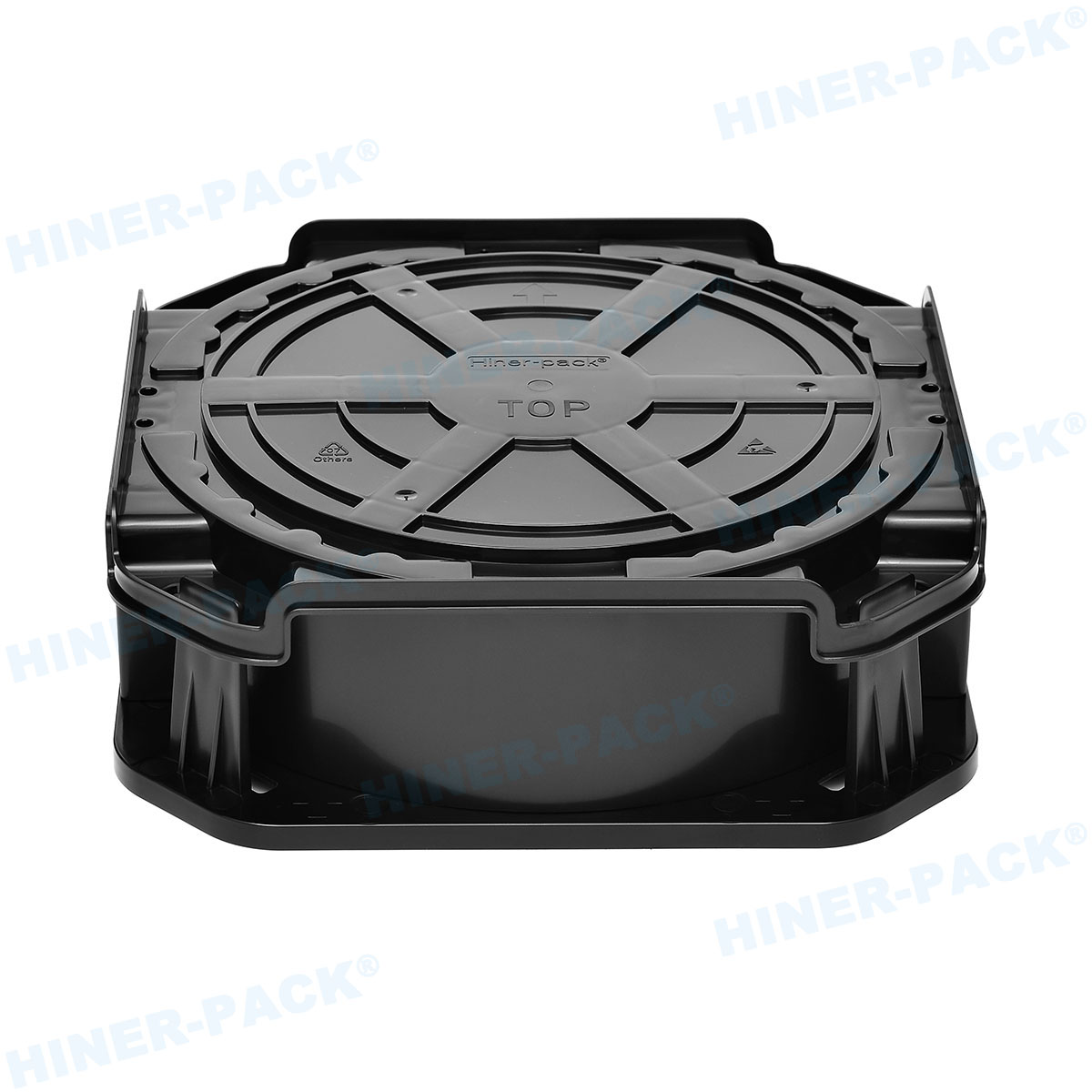
7. Lifecycle Considerations: Reusability, Cleaning, and End-of-Life
Many semiconductor trays are designed for multiple use cycles. Key factors influencing reusable tray economics:
Mechanical durability: Trays must withstand 500+ handling cycles without cracking, warping, or pocket deformation. High-impact grades of polycarbonate or polypropylene are preferred.
Cleanability: Tray materials must resist common cleaning agents (isopropyl alcohol, deionized water, mild detergents) without surface degradation or resistivity shift.
Recyclability: Single-polymer construction (e.g., 100% polycarbonate) facilitates closed-loop recycling, reducing environmental footprint and material costs for high-volume users.
Suppliers offering tray washing and recertification services help customers maximize asset utilization while maintaining cleanliness specifications.
Frequently Asked Questions (FAQ)
Q1: What is the difference between IPC compliant trays and standard shipping trays?
A1: Standard trays may not undergo the rigorous material testing, dimensional verification, and cleanliness controls required by IPC-1601 and J-STD-033. IPC compliant trays are manufactured from certified static-dissipative or conductive materials with documented resistivity, ionic cleanliness, and outgassing profiles. They also adhere to precise JEDEC/EIAJ pocket geometries essential for automated handling. Using non-compliant trays risks ESD damage, contamination-induced bond failures, and equipment jams—all of which can result in yield loss exceeding 2–3% in high-volume assembly lines.
Q2: How do I verify that a tray is truly IPC compliant?
A2: Request a compliance package from the supplier that includes: material resistivity test reports (ANSI/ESD STM11.11), dimensional certification (first article inspection report per AS9102), ionic cleanliness test results (IPC-TM-650), and outgassing data (ASTM E595). For critical applications, conduct incoming inspection on a representative sample using your own metrology and ESD measurement equipment. Suppliers like Hiner-pack provide full traceability documentation with each shipment, including lot-specific CoAs.
Q3: Can IPC compliant trays withstand lead-free reflow temperatures (260°C)?
A3: Standard polycarbonate or PET trays cannot withstand 260°C; they will deform and release volatile contaminants. For lead-free reflow processing, trays must be manufactured from high-temperature thermoplastics such as polyphenylene sulfide (PPS), polyetherimide (PEI), or polyetheretherketone (PEEK). These materials maintain dimensional stability up to 260°C and have low outgassing characteristics. Always verify the continuous use temperature rating with the supplier before using trays in reflow ovens.
Q4: What is the typical shelf life and storage condition for IPC compliant trays?
A4: Trays should be stored in their original ESD-safe, heat-sealed packaging until use. Recommended storage conditions: temperature 20–25°C, relative humidity 30–60%. Shelf life is typically 24 months from date of manufacture when stored properly. Prolonged exposure to UV light, elevated humidity, or aggressive chemicals can degrade ESD properties. For hygroscopic materials like polycarbonate, trays should be baked at 80–100°C for 4–8 hours before use if the moisture barrier packaging has been compromised.
Q5: How do I select the correct tray pocket size for a given semiconductor package?
A5: Pocket dimensions are specified by the package type (e.g., QFP, BGA, SON) and body size. Refer to JEDEC standards for standard package outlines (JEDEC MO series). The pocket must allow a clearance of 0.2–0.5 mm around the package body to accommodate variations while preventing excessive movement. Pocket depth should be 0.3–0.8 mm greater than package thickness to allow vacuum nozzle access. For custom or emerging package formats, request a sample tray and conduct pick-and-place trials to validate fit and handling reliability before committing to volume orders.
Selecting and validating IPC compliant trays is a critical step in semiconductor supply chain risk management. From material resistivity to pocket geometry, each specification directly impacts assembly yields, device reliability, and automation efficiency. Hiner-pack combines engineering expertise with rigorous quality systems to deliver trays that meet the most demanding requirements of OSATs, IDMs, and EMS providers worldwide.