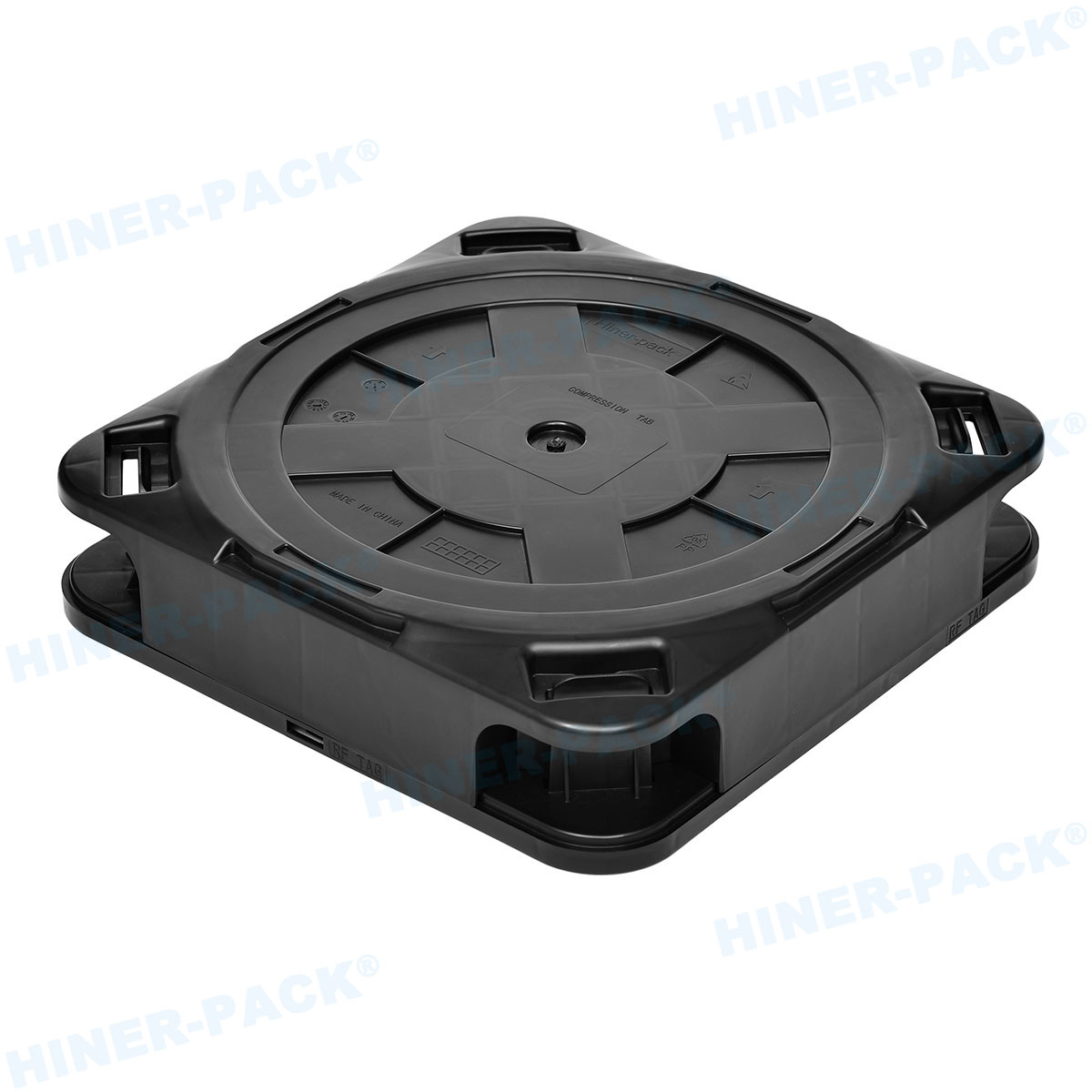
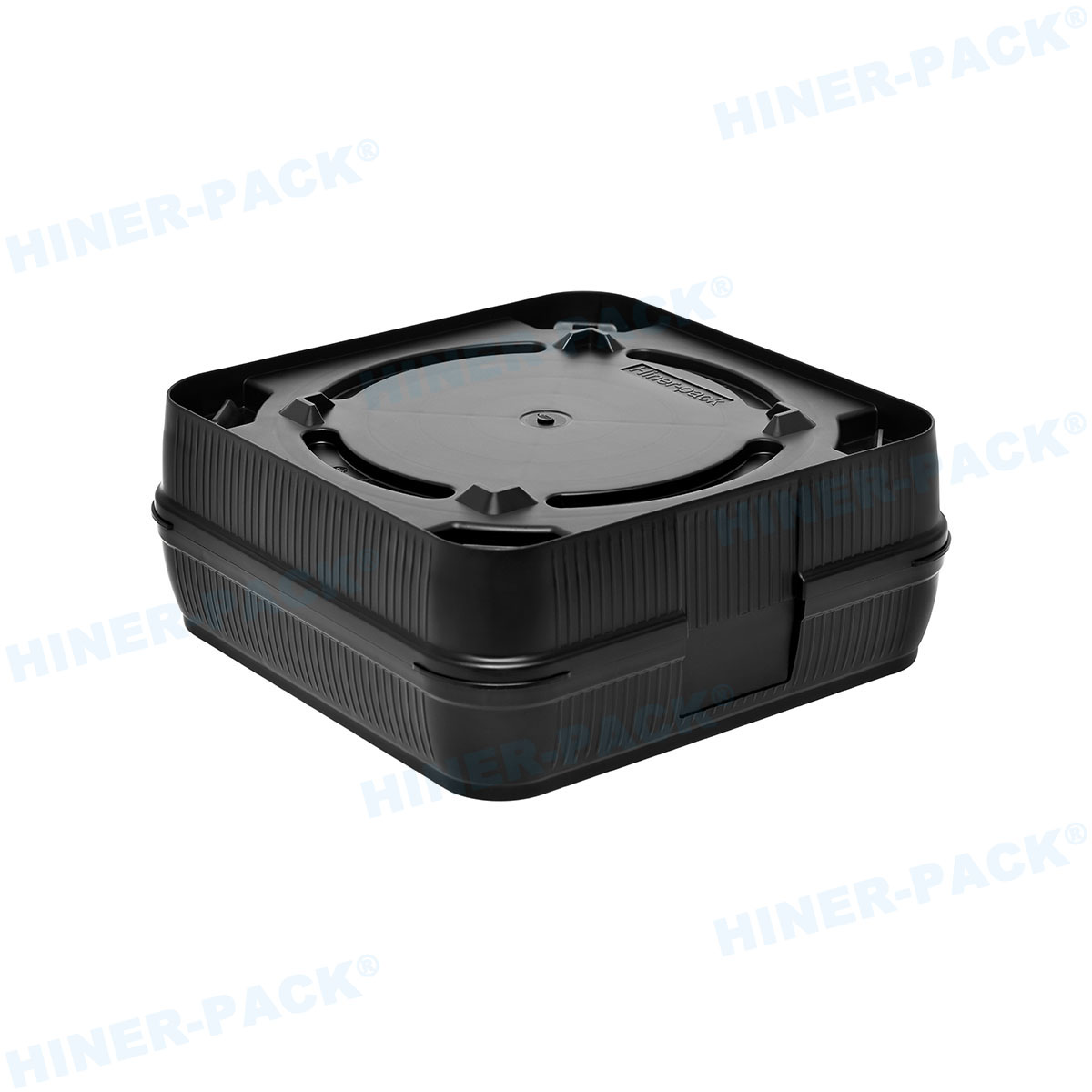
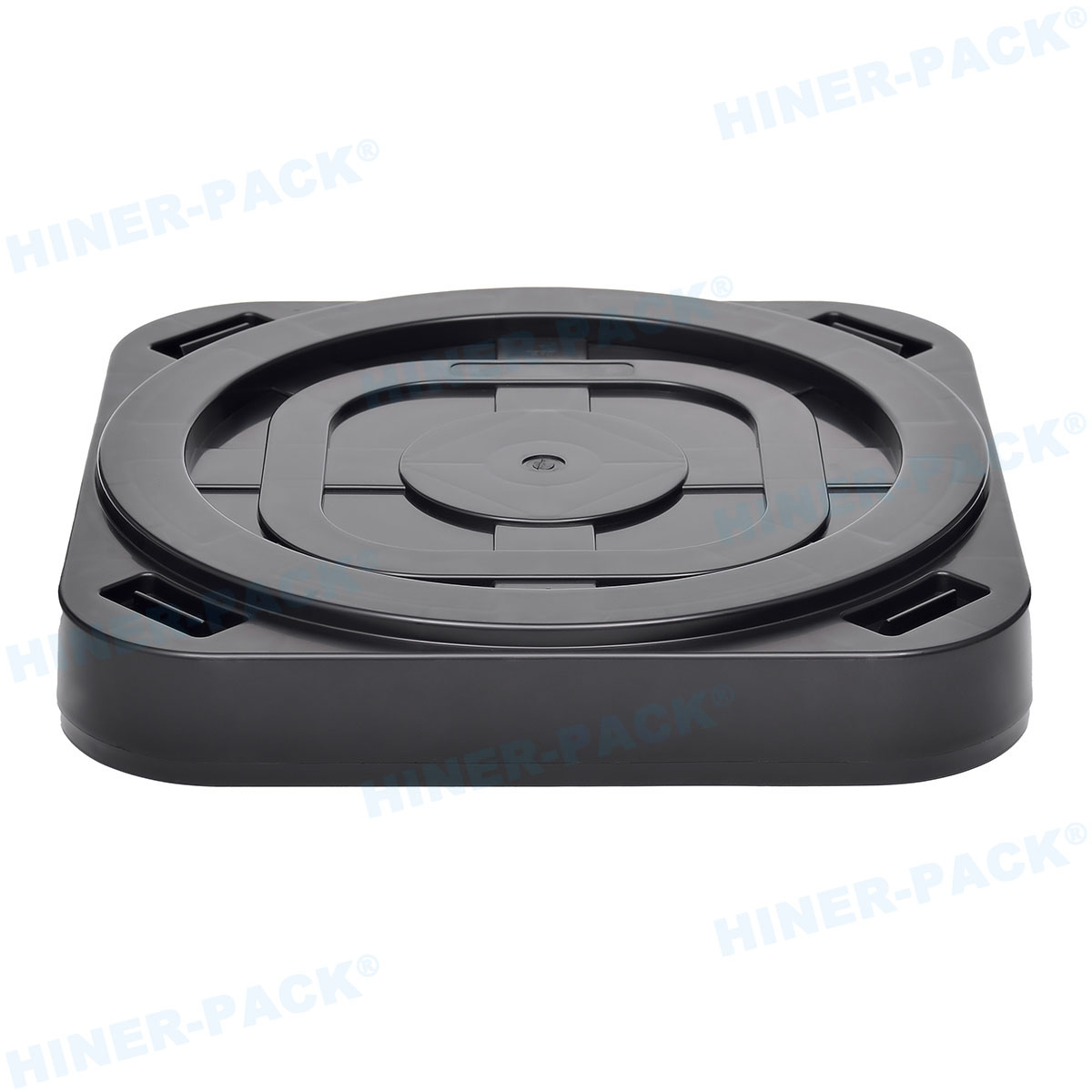
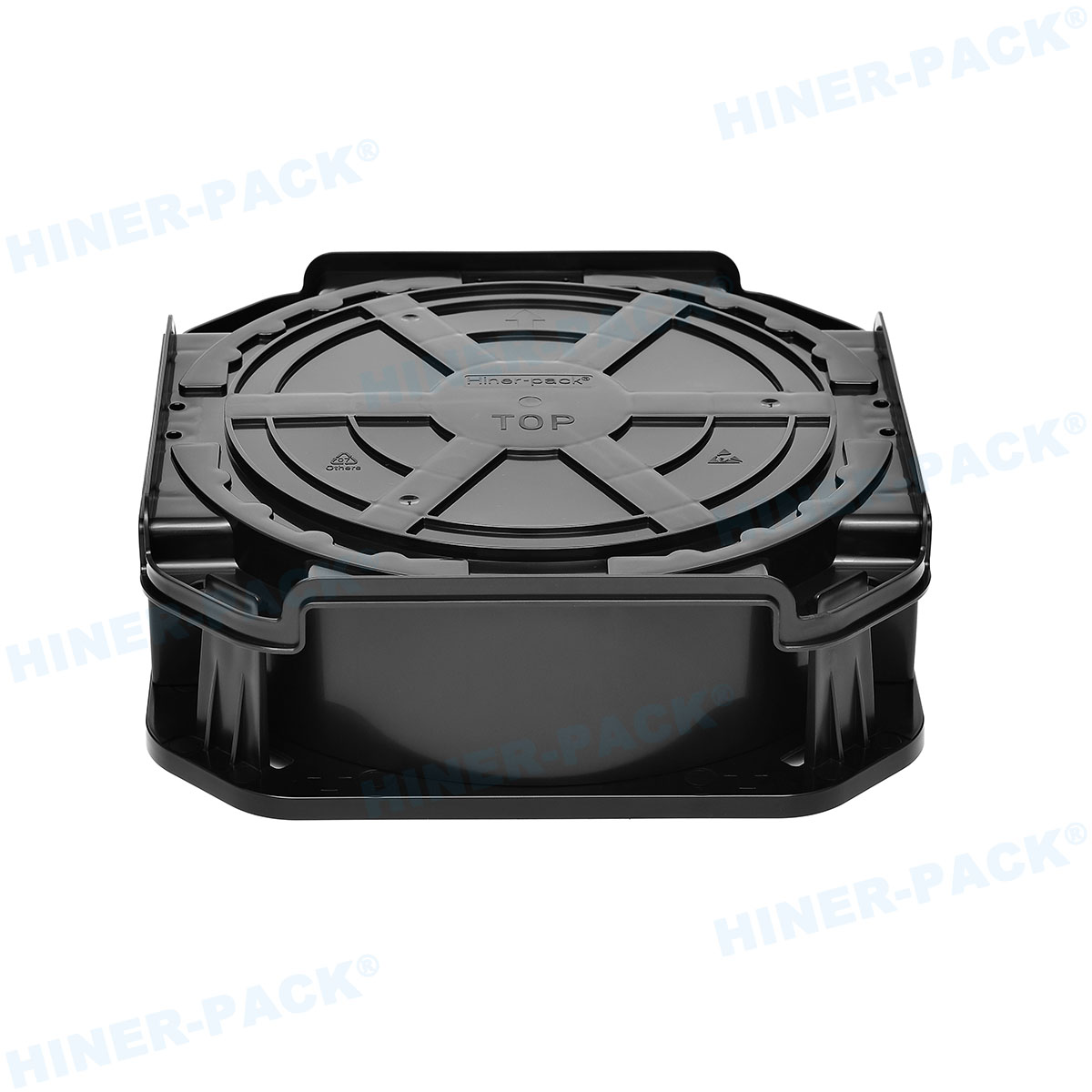
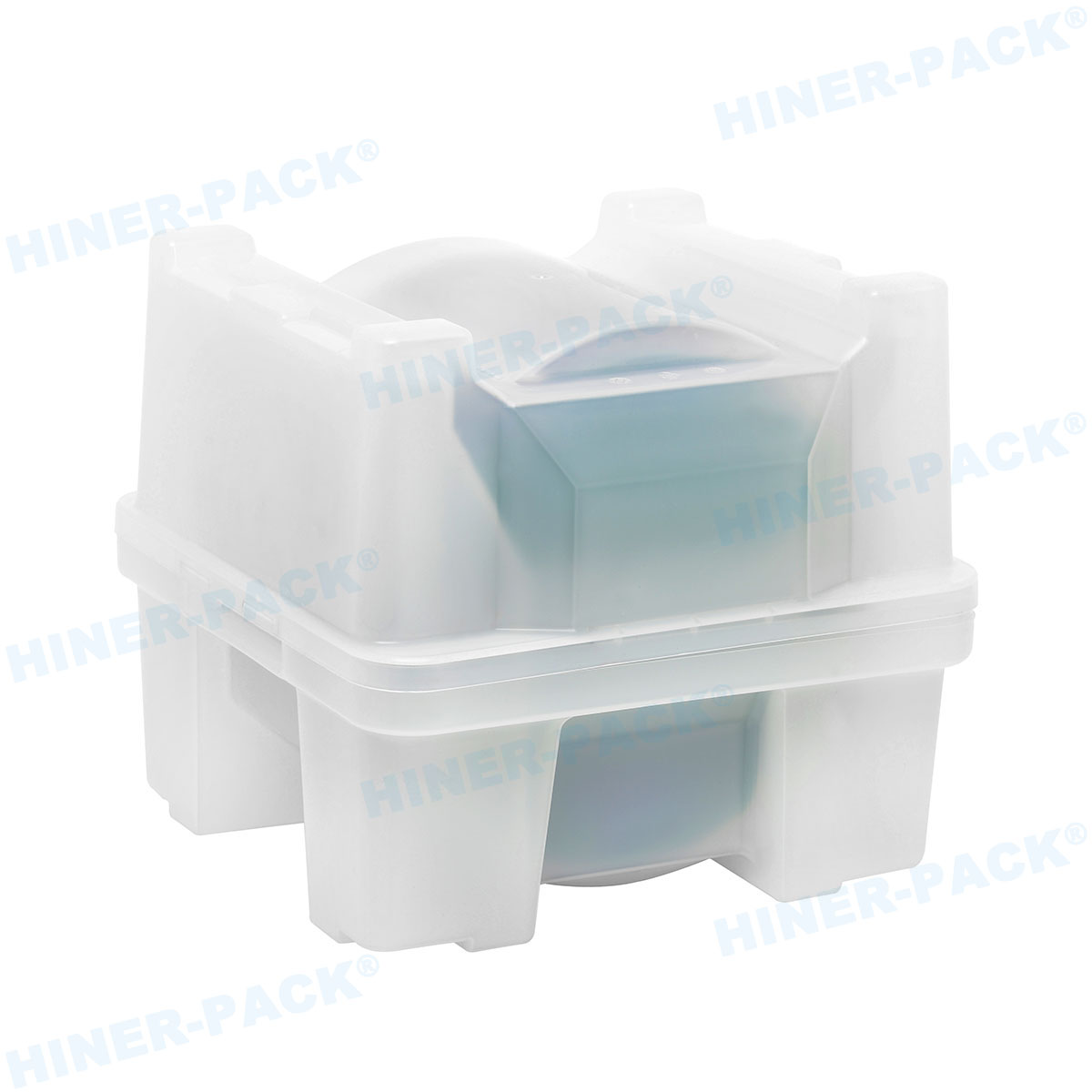
The transition to 300mm and emerging 450mm wafers has intensified demands on front‑opening unified pods (FOUPs) and shipping boxes. Traditional polycarbonate (PC) and PEEK materials face limitations in electromagnetic interference (EMI) shielding, thermal dissipation, and long‑term dimensional stability. Carbon fiber wafer boxes have entered the market as a high‑performance alternative, offering a unique combination of stiffness, conductivity, and lightweight construction. This article examines the engineering behind carbon fiber wafer boxes—from prepreg selection to anti‑static surface treatment—and references field implementations by Hiner‑pack, whose carbon composite solutions are used in advanced logic and memory fabs.
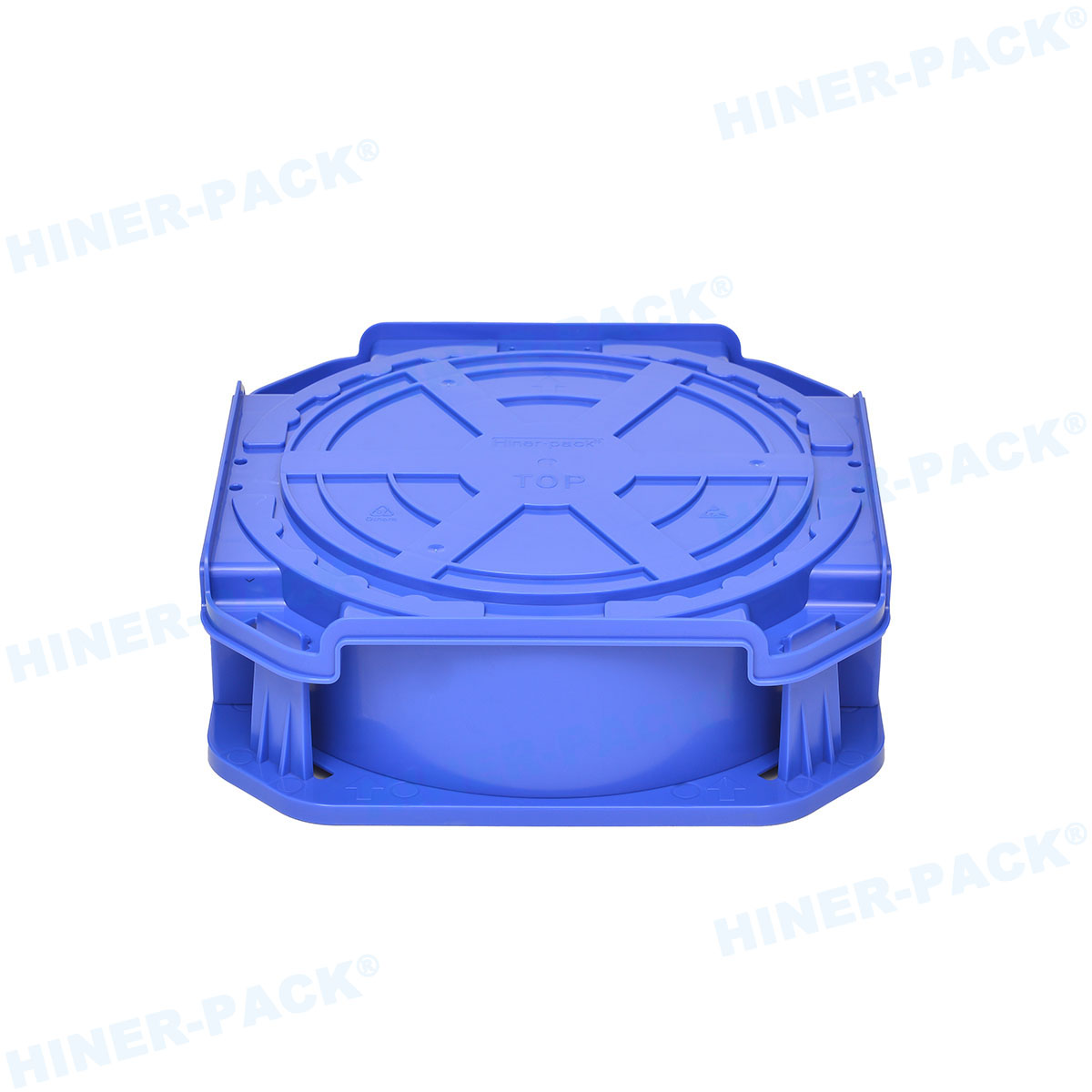
1. Material Architecture: Carbon Fiber Prepregs and Resin Systems
The performance of carbon fiber wafer boxes begins with the raw material: unidirectional or woven carbon fiber prepregs impregnated with epoxy, BMI, or cyanate ester resins. For semiconductor applications, resin systems must exhibit low outgassing (TML < 0.1% per ASTM E595) and ionic purity. Standard aerospace‑grade prepregs often contain flame retardants that can outgas corrosive species; therefore, semiconductor‑grade formulations use purified resins. Hiner‑pack specifies a 2x2 twill weave carbon fabric with a 32% resin content, autoclave‑cured at 180°C to achieve void content below 0.5%. This results in a flexural modulus of 120 GPa—four times that of polycarbonate—enabling thinner walls while maintaining rigidity.
Critical parameters for composite selection
Fiber areal weight: 200‑300 g/m² for optimal strength‑to‑weight ratio.
Resin Tg: >200°C to survive wafer bake processes and transport in hot climates.
CTE (coefficient of thermal expansion): Near‑zero (<2 ppm/°C) when using high‑modulus pitch‑based fibers.
2. EMI and Static Dissipation: Intrinsic Conductivity of Carbon
Unlike plastic boxes that require coatings or fillers, carbon fiber wafer boxes are inherently conductive due to the carbon fibers themselves. Volume resistivity typically ranges from 10⁻³ to 10⁰ Ω·cm, depending on fiber type and contact between fibers. This provides two benefits: Faraday cage protection against external electromagnetic interference (critical for sensitive logic and memory wafers during electrical test), and rapid static charge dissipation. Surface resistivity below 10⁵ Ω/sq eliminates the need for separate antistatic layers. However, galvanic corrosion must be managed when carbon contacts aluminum or copper components; Hiner‑pack isolates metal inserts with PEEK sleeves to prevent galvanic couples.
3. Thermal Management: Heat Dissipation in Automated Handling
During wafer transport, temperature gradients can cause condensation or thermal stress. Carbon fiber’s thermal conductivity (50‑400 W/m·K, depending on fiber orientation) is significantly higher than plastics (0.2‑0.3 W/m·K). This allows carbon fiber wafer boxes to act as heat spreaders, equalizing temperature across the stack. In a 300mm FOUP application, thermal imaging showed that carbon fiber boxes reduced peak temperature differences between wafers by 40% compared to polycarbonate when moving from a hot stocker to a cool processing area. Faster thermal equilibration reduces the risk of slip dislocations in epitaxial wafers.
4. Cleanliness and Particle Control
One of the historical concerns with carbon fiber composites is fiber shedding. Modern semiconductor‑grade carbon boxes overcome this through several techniques:
Surface sealing: Application of a thin (5‑10 µm) parylene or fluoropolymer coating that encapsulates fibers without affecting conductivity.
Edge finishing: Laser‑cut edges are sealed with resin to prevent fiber protrusion.
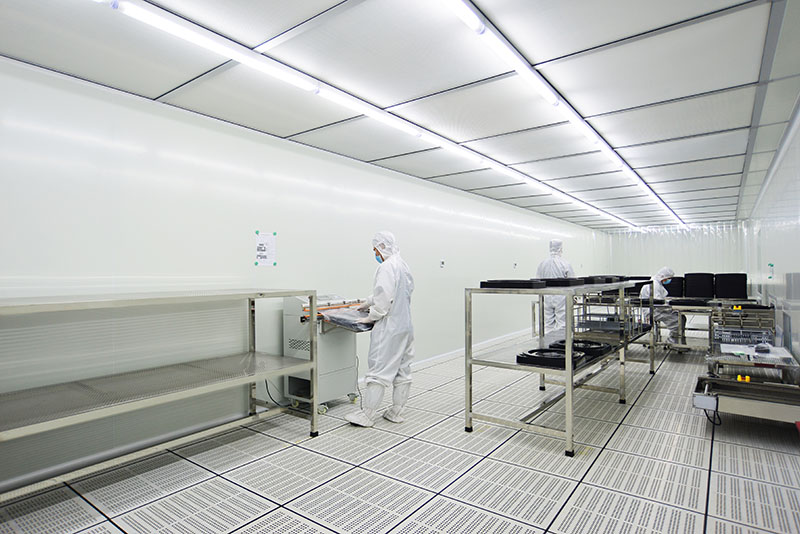
Cleanroom assembly: All drilling and insert installation is performed in ISO Class 5 environment with HEPA‑filtered vacuum removal.
Hiner‑pack validates cleanliness using liquid particle counting (LPC) after ultrasonic agitation; their carbon boxes show <0.1 particles/mL >0.5 µm, comparable to virgin PEEK. Ionic cleanliness is verified by ion chromatography, with chloride and sodium each below 1 µg per box.
5. Dimensional Stability and Flatness Over Lifetime
Wafer boxes must maintain precise slot spacing (typically 10 mm pitch) to enable robotic handling. Carbon fiber composites absorb virtually no moisture (0.01‑0.05% vs. 0.3% for polycarbonate), eliminating hygroscopic expansion. Additionally, the near‑zero CTE ensures that the box dimensions remain constant across temperature variations. After 1000 thermal cycles (−40°C to 125°C), Hiner‑pack measured less than 0.02 mm warpage on a 300mm box footprint, whereas polycarbonate boxes exhibited 0.15 mm deflection. This stability is critical for automated material handling systems (AMHS) that rely on tight tolerances for gripping and docking.
6. Weight Reduction and Automation Compatibility
With 450mm wafers on the horizon, box weight becomes a concern for both manual handling and robotic payloads. A fully loaded 300mm FOUP can weigh over 7 kg; a 450mm version might exceed 12 kg. Carbon fiber wafer boxes offer 40‑60% weight savings compared to stainless steel or even polycarbonate (density of carbon composite ~1.6 g/cm³ vs. 1.2 g/cm³ for PC, but walls are thinner). The specific stiffness (stiffness/density) of carbon is 3‑5 times higher than metals, enabling lightweight designs that do not sacrifice rigidity. This reduces wear on AMHS drives and allows higher acceleration in overhead hoist transports (OHT).
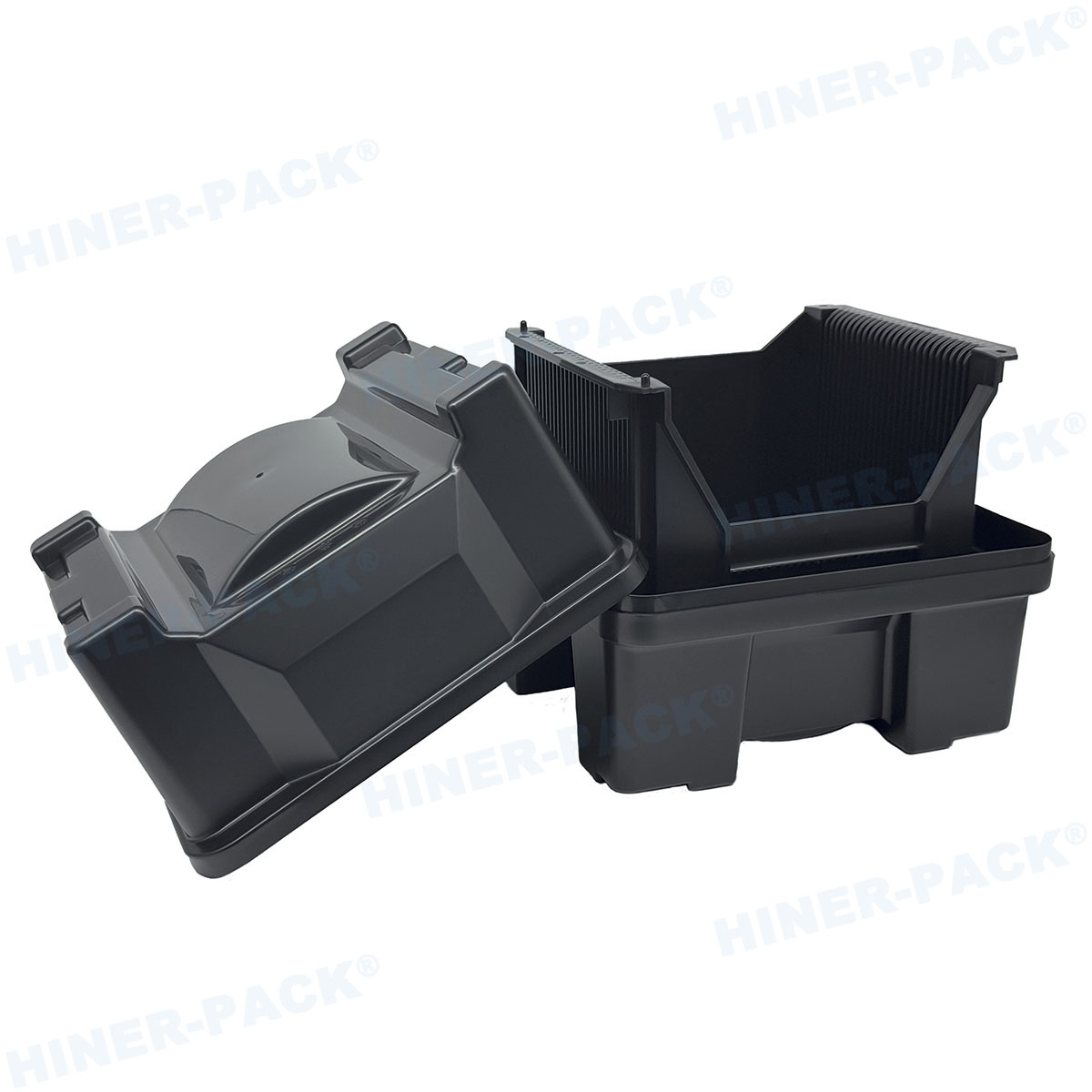
7. Long‑Term Durability and Life‑Cycle Cost
While the initial cost of carbon fiber wafer boxes is higher than plastic, their durability often results in lower cost per wafer move. Carbon composites do not creep under load, resist chemical attack from common cleanroom cleaners (IPA, H2O2), and are not degraded by UV (unlike polycarbonate that yellows). In a study by a major logic fab, carbon boxes lasted 5 years with only visual inspection, while plastic boxes required replacement every 2 years due to warpage and discoloration. Hiner‑pack offers a repair service for carbon boxes, replacing worn inserts and recoating interior surfaces, extending service life beyond 10 years.
8. Traceability and Smart Box Integration
Modern wafer fabs require RFID tracking and sensors for humidity, tilt, and shock. Carbon fiber’s conductivity can interfere with RFID antennas, so careful design of antenna placement and use of dielectric windows is necessary. Hiner‑pack integrates a recessed area with a thin FR‑4 laminate to house RFID tags without signal attenuation. They also offer optional embedded sensors that monitor shock events during transport; the data is logged and can be downloaded at the stocker interface, providing complete chain of custody for high‑value wafers.
Frequently Asked Questions About Carbon Fiber Wafer Boxes
Q1: Are carbon fiber wafer boxes ESD safe?
A1: Yes,
carbon fiber is intrinsically conductive. Surface resistivity is typically in
the range of 10³‑10⁵ Ω/sq, well within ESD safe limits. No additional coatings
are required, but grounding through the box handle or kinematic coupling must be
ensured.
Q2: Can carbon fiber boxes be used in automated FOUP load
ports?
A2: Yes, if they comply with SEMI E47.1 (300mm FOUP
dimensional standards). Carbon boxes can be molded or machined to match the
kinematic coupling and gripper pocket geometries. Hiner‑pack offers
SEMI‑compliant carbon FOUPs with the same docking interfaces as plastic
versions.
Q3: Do carbon fibers cause scratching on wafer edges?
A3:
Not if the interior is properly coated. Hiner‑pack applies a smooth, 10‑20 µm
parylene coating to the wafer slots, which eliminates fiber contact and provides
a low‑friction surface. Scratch tests on monitor wafers show no added defects
compared to PEEK.
Q4: How do I clean carbon fiber wafer boxes?
A4: They can
be cleaned using standard fab processes: DI water rinse, IPA wipe, or automated
wet bench cleaning with dilute HF or SC1. However, avoid abrasive brushes that
could damage the coating. Always validate compatibility with your specific
cleaner on a sample.
Q5: What is the lead time for custom carbon fiber wafer
boxes?
A5: Custom tooling (molds or machined masters) typically
requires 8‑12 weeks. Production quantities depend on cure cycles (autoclave or
oven) but are generally 4‑6 weeks for initial lots. Hiner‑pack stocks standard
300mm FOUP and 8‑inch wafer box configurations for rapid delivery.
Q6: Are there any restrictions on shipping carbon fiber boxes
internationally?
A6: Carbon fiber composites are not regulated as
hazardous for air freight (non‑flammable, non‑corrosive). However, customs may
require material safety data sheets (MSDS) for the resin system. Hiner‑pack
provides all necessary documentation for smooth international shipping.