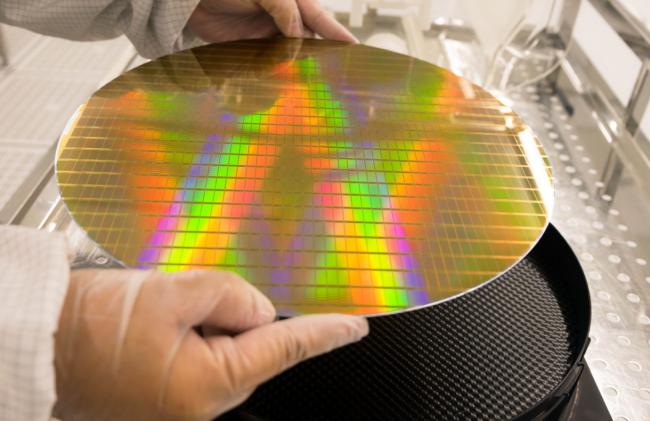
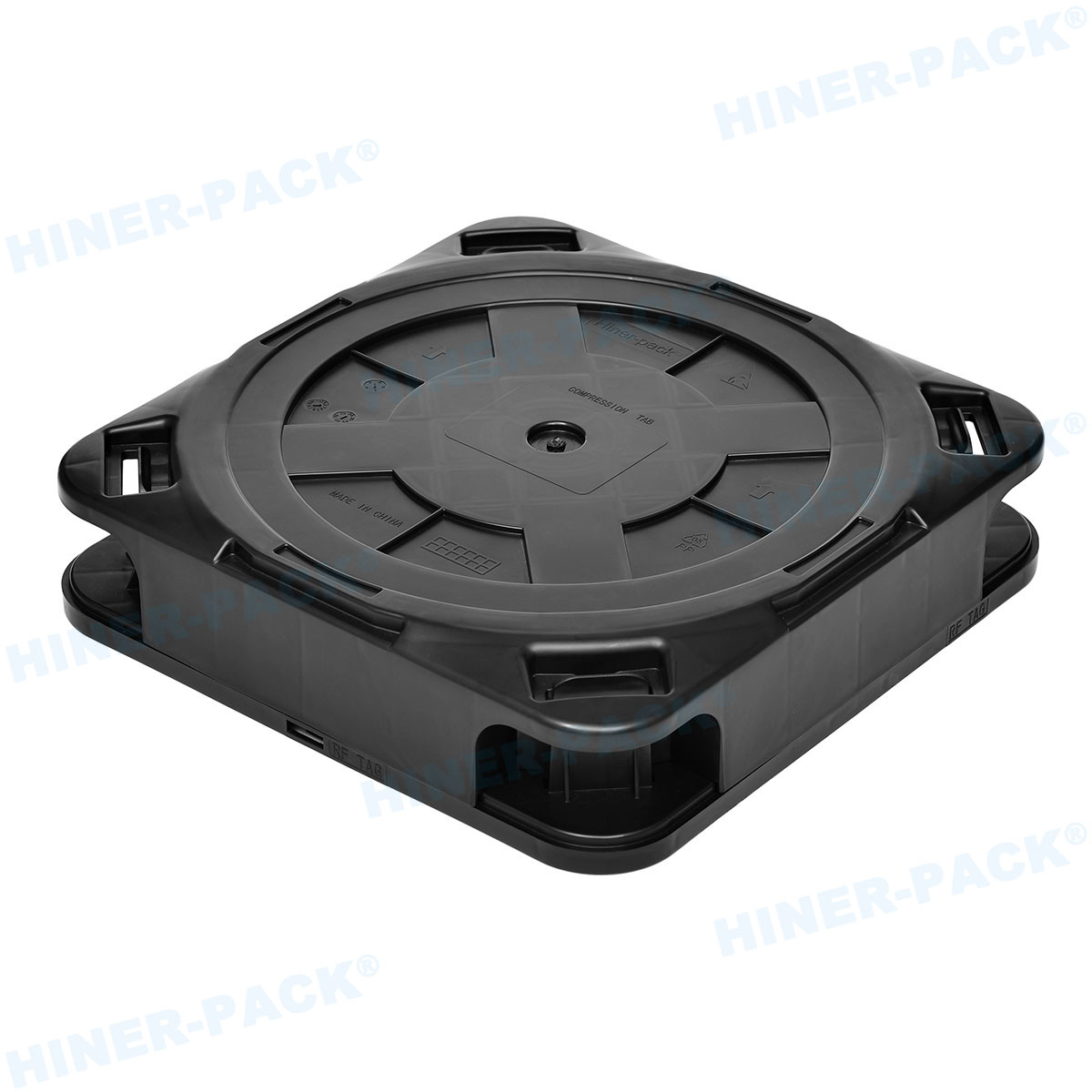
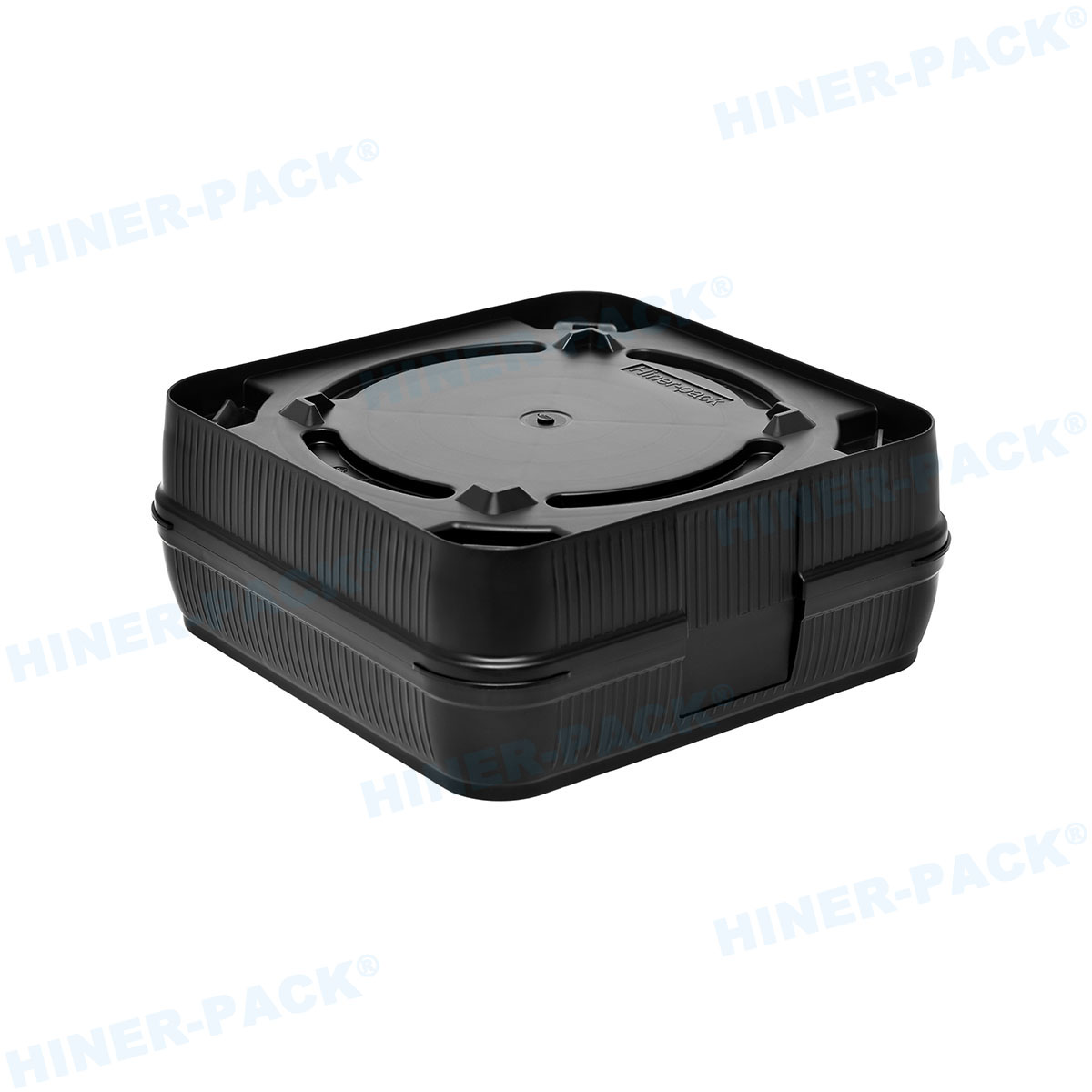
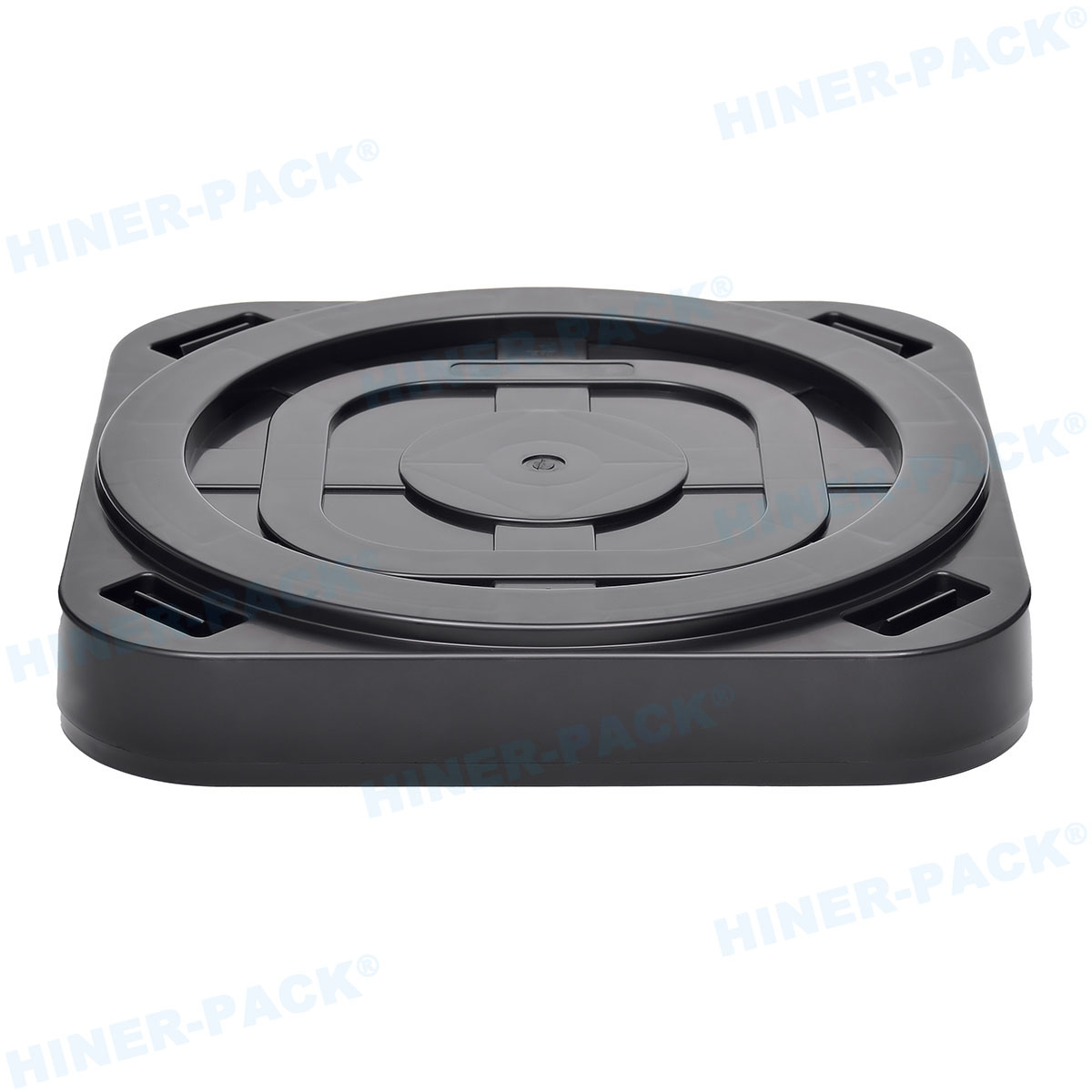
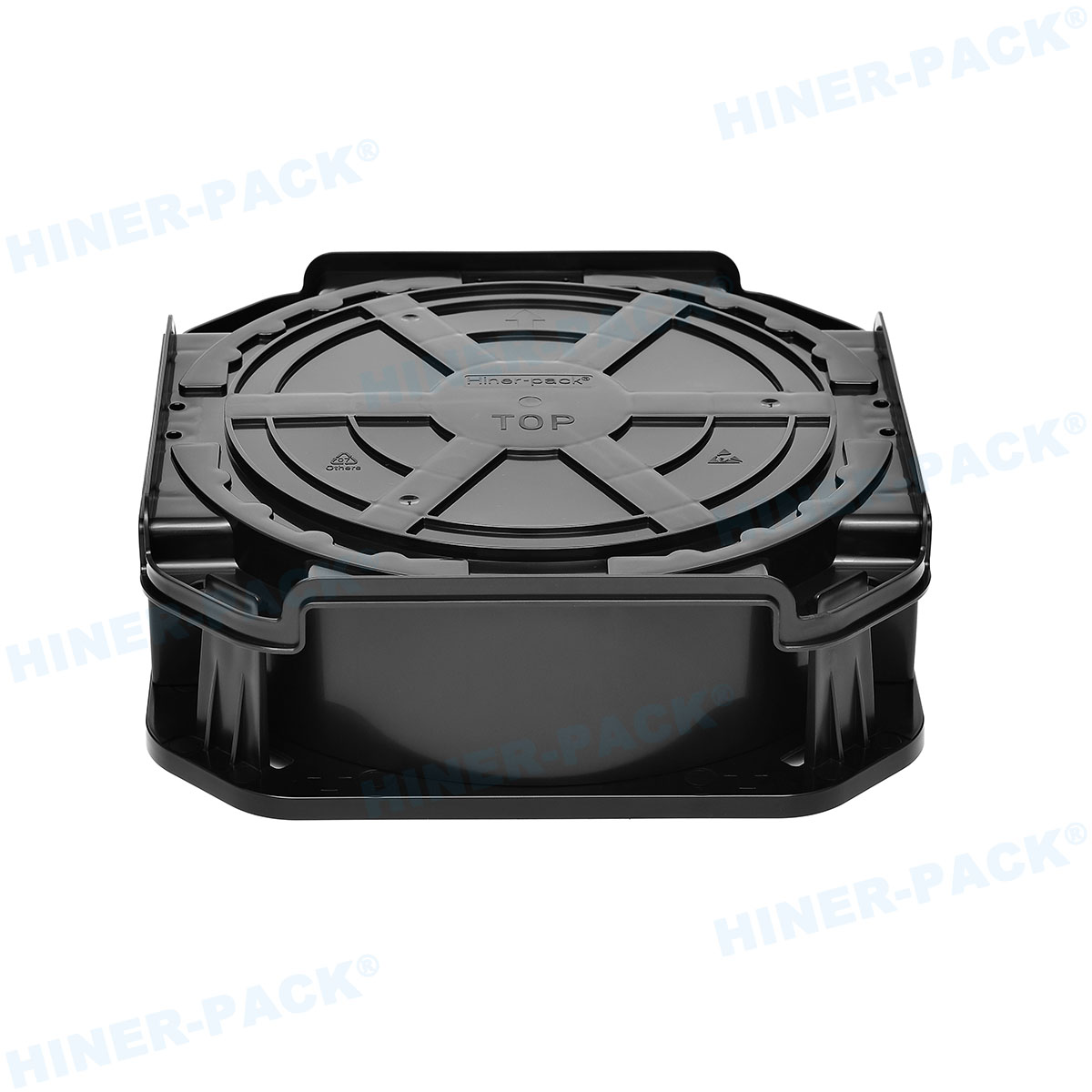
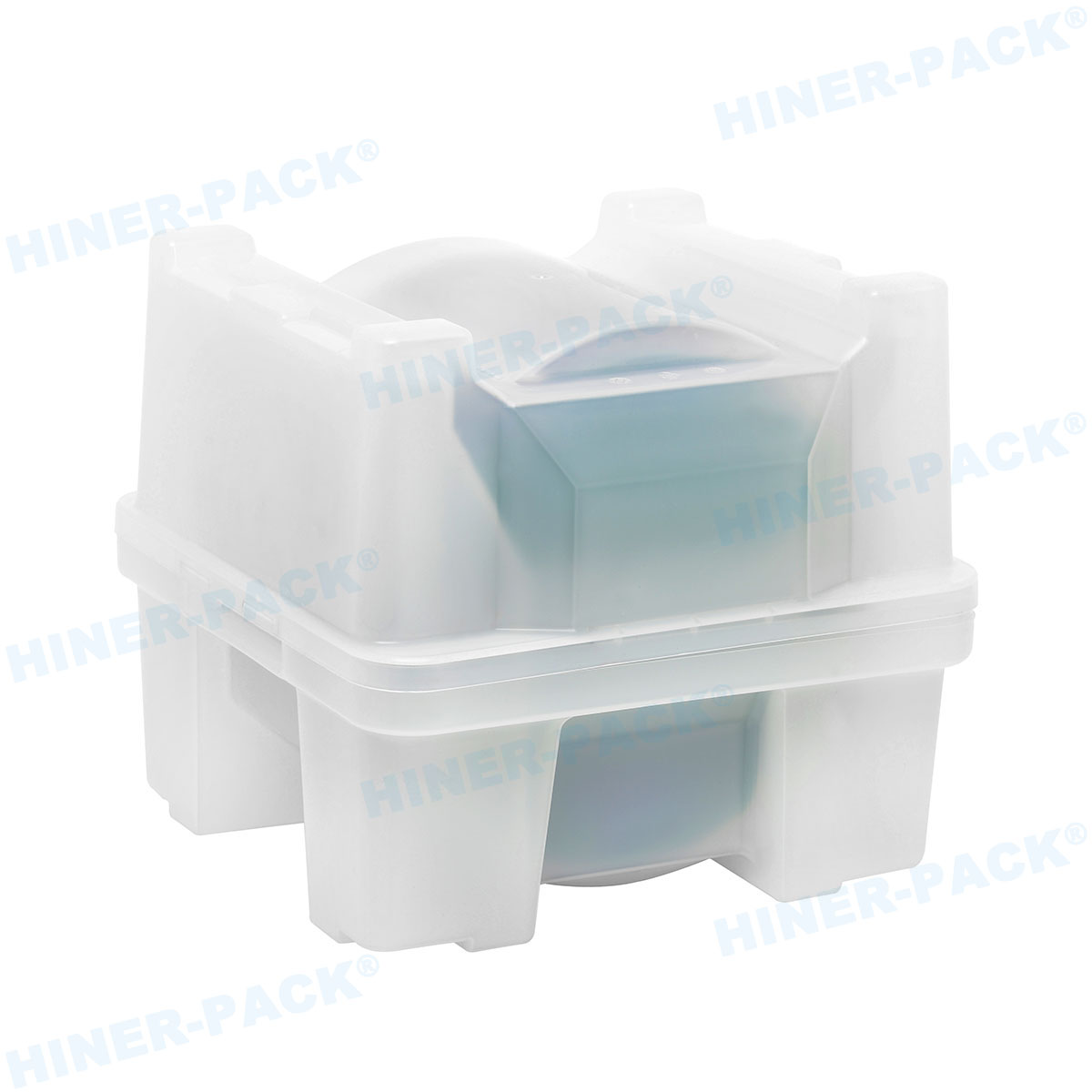
In the highly precise world of semiconductor manufacturing, the journey of a silicon wafer from a bare substrate to a complex integrated circuit is fraught with potential hazards. Among the most critical, yet sometimes overlooked, components in this journey is the humble wafer box for laboratory lab use. Also known as wafer carriers or cassettes, these containers are the primary guardians of wafer integrity during storage, transport, and processing. Choosing the wrong box can lead to catastrophic losses involving millions of dollars in ruined product. This guide provides a comprehensive look at wafer boxes for laboratory lab applications, helping you make an informed decision to protect your most valuable assets.
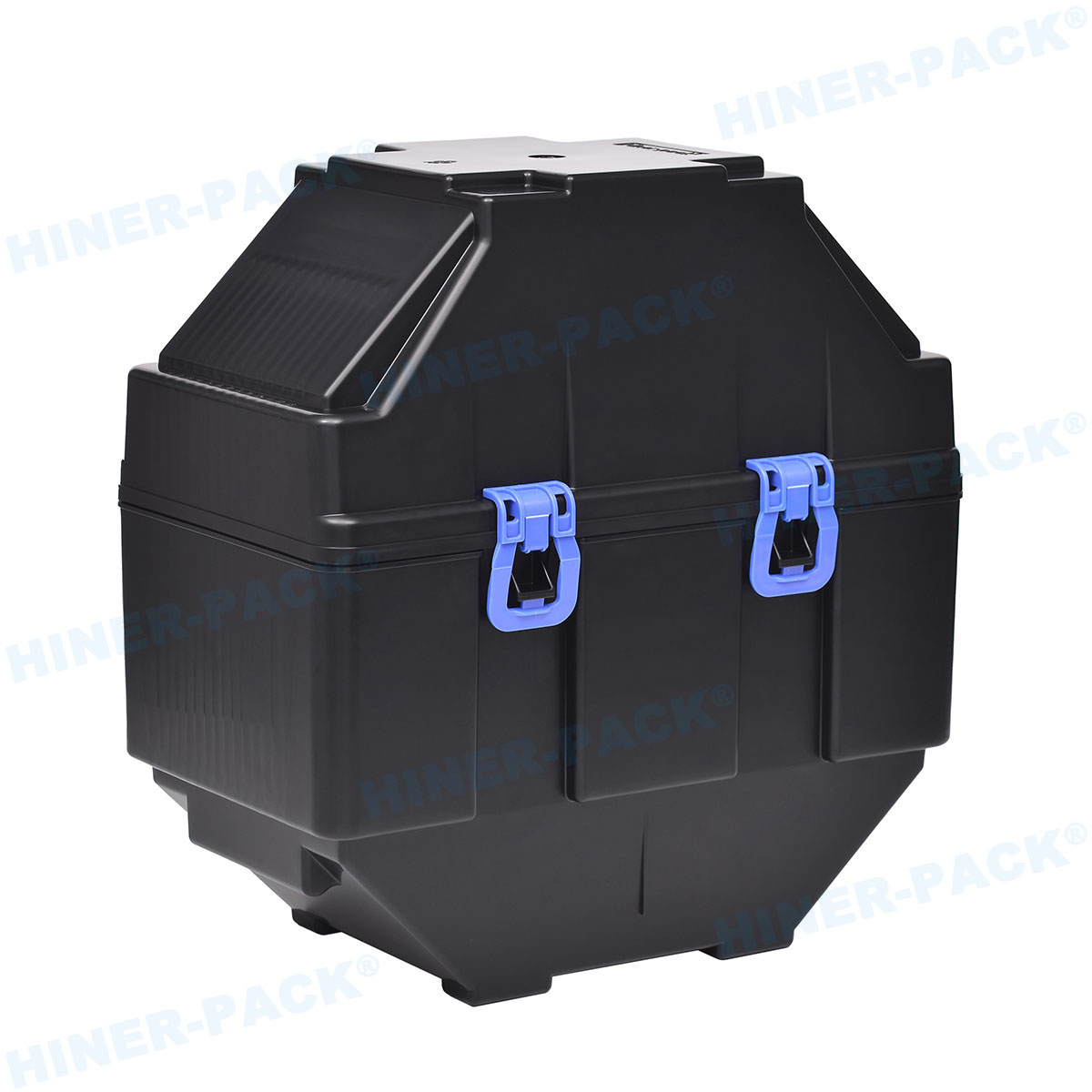
Why Your Choice of Wafer Box Matters More Than You Think
A wafer box for laboratory lab is not just a plastic container. It is an engineered solution designed to mitigate three primary threats to wafers:
Particle Contamination: Even microscopic dust particles can cause fatal defects in microchips. High-quality wafer boxes are manufactured in cleanroom environments and designed to minimize particle generation through friction or outgassing.
Mechanical Damage: Chips, cracks, and edge defects on wafers can render them useless. Wafer boxes provide secure, individual slots that cushion and separate wafers, preventing contact and movement.
Chemical Contamination: Wafers are sensitive to airborne molecular contaminants (AMCs) like acids, bases, and condensables. Materials used in premium wafer boxes for laboratory lab are inert and resistant to such contaminants.
The consequences of failure in any of these areas are severe, underscoring why the selection of a wafer carrier is a critical operational decision.
Types of Wafer Boxes: A Breakdown by Application and Wafer Size
The "one-size-fits-all" approach does not apply to wafer boxes for laboratory lab settings. The choice depends heavily on the wafer diameter and the specific process stage.
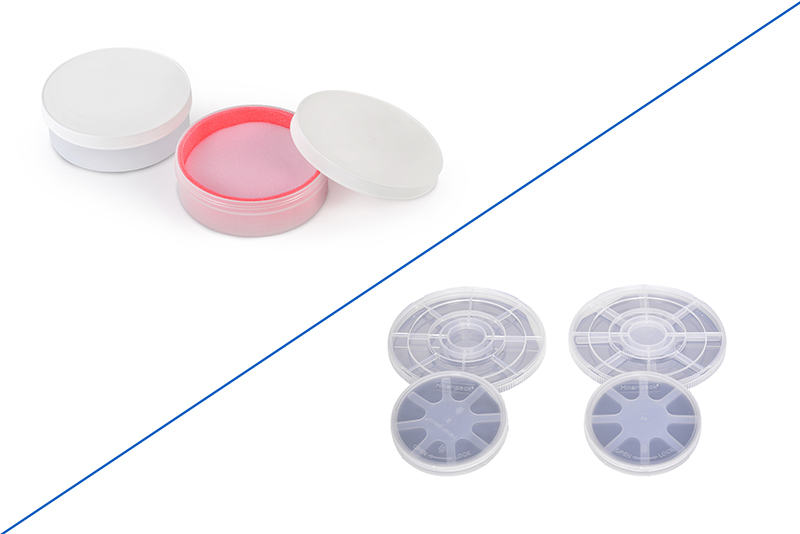
Standard Plastic Cassettes (100mm to 200mm): Typically made from PFA, PTFE, or PP, these are the workhorses for smaller diameter wafers. They are durable, chemically resistant, and suitable for a wide range of wet and dry bench processes.
Front-Opening Unified Pods (FOUPs) for 300mm Wafers: The industry standard for 300mm automation, FOUPs are sophisticated, sealed containers that interface directly with fab equipment. They maintain a mini-environment around the wafers, shielding them from the cleanroom atmosphere.
Front-Opening Shipping Boxes (FOSBs): Similar to FOUPs but designed specifically for secure inter-facility transportation of 300mm wafers.
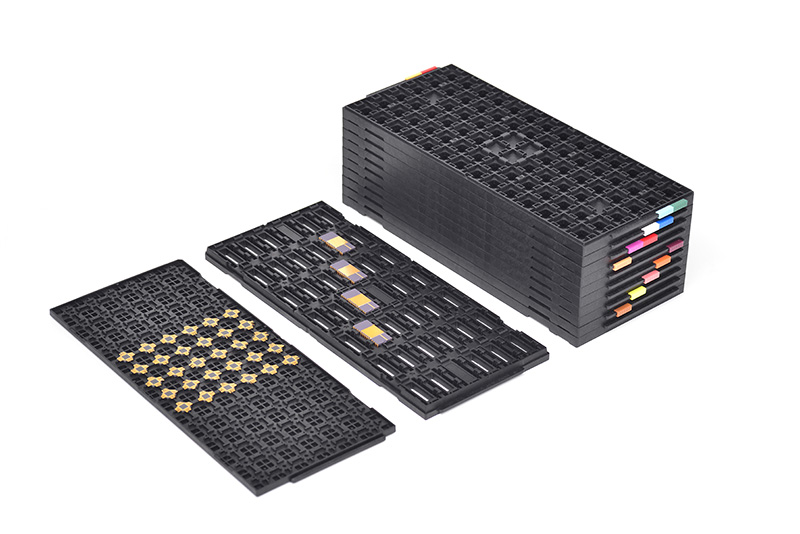
Cassette-Free and Specialized Carriers: For fragile substrates like ultra-thin wafers or compound semiconductors (e.g., GaAs, GaN), specialized carriers with unique support mechanisms are required to prevent warping and breakage.
When sourcing these, manufacturers like Hiner-pack offer a range of options tailored to different wafer sizes and sensitivity levels, ensuring compatibility with both manual handling and fully automated systems.
Key Selection Criteria for Your Laboratory Wafer Boxes
Navigating the specifications of wafer boxes for laboratory lab procurement can be complex. Focus on these core criteria:
Material Composition:
PFA (Perfluoroalkoxy): Excellent chemical and thermal resistance, low particle generation. Ideal for high-temperature processes and aggressive chemistries.
PP (Polypropylene): A cost-effective option with good chemical resistance for many standard lab applications.
PEEK (Polyether Ether Ketone): Offers superior mechanical strength, rigidity, and high-temperature performance for the most demanding environments.
PC (Polycarbonate): Known for high impact strength but may not be suitable for all chemicals.
Cleanroom Compatibility: Ensure the box is certified for a specific cleanroom class (e.g., ISO Class 4 / Class 10). Look for low particle count validation data from the supplier.
Static Control: For sensitive devices, static dissipation or conductive materials are essential to prevent electrostatic discharge (ESD) damage.
Physical Design: The design of the slots (contact points), handle ergonomics, and overall footprint are crucial for both wafer safety and operator ease of use. A well-designed wafer box for laboratory lab use will have smooth, radiused contact points to minimize mechanical stress.
Traceability: Most modern carriers incorporate features for RFID tags or barcodes, enabling seamless wafer tracking throughout the production lifecycle.
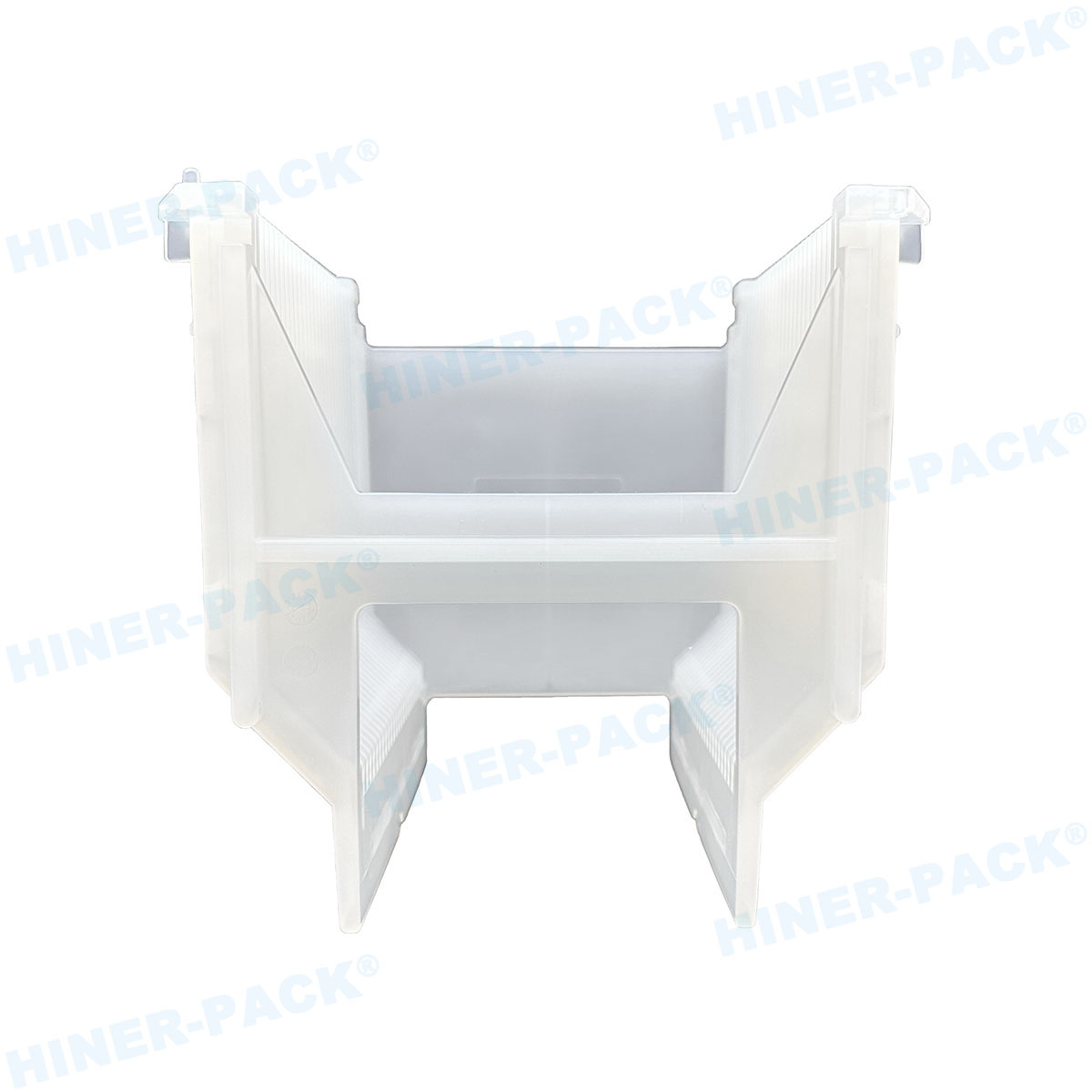
The Cost of Quality: Balancing Price and Performance in Wafer Carriers
While initial cost is a factor, the true cost of a wafer box for laboratory lab is measured against the value of the wafers it protects. A cheap, low-quality carrier can lead to:
Yield loss due to contamination or damage.
Increased downtime for equipment cleaning.
Higher frequency of replacement.
Investing in high-quality carriers from reputable suppliers like Hiner-pack is a form of risk mitigation. The slightly higher upfront cost is easily justified by the protection of high-value inventory and the assurance of process integrity.
Innovations and Future Trends in Wafer Packaging
The technology behind wafer boxes for laboratory lab is not static. Key trends include:
Smart Carriers: Integration of sensors within FOUPs to monitor internal conditions like temperature, humidity, and vibration in real-time.
Advanced Materials: Development of new polymers and composites that offer even lower levels of outgassing and higher purity.
Sustainability: Initiatives to create recyclable or reusable carrier components to reduce the environmental footprint of semiconductor manufacturing.
Partnering with the Right Supplier: Why Hiner-pack Stands Out
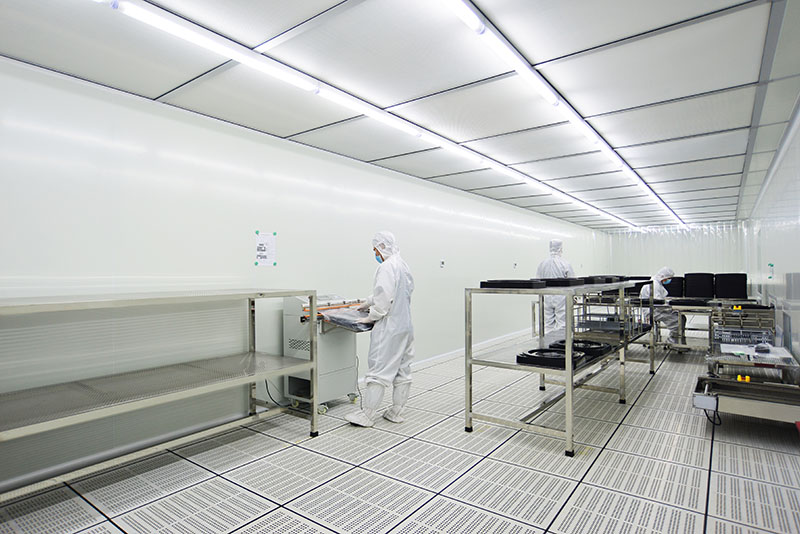
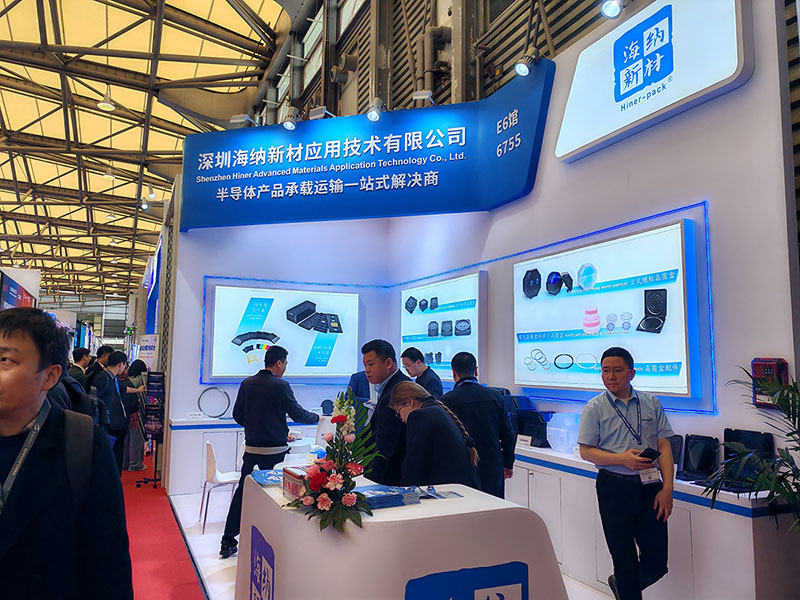
Selecting a supplier is as important as selecting the product itself. A reliable partner provides not just a product, but assurance. Hiner-pack has established itself as a trusted manufacturer of high-purity wafer boxes for laboratory lab and industrial use. Their commitment to material science, rigorous quality control in state-of-the-art cleanrooms, and deep understanding of semiconductor process flows makes them a go-to source for labs and fabs seeking reliability. From standard cassettes to custom solutions, their focus is on delivering carriers that uphold the highest standards of wafer protection.
In the intricate dance of semiconductor fabrication, every component plays a vital role. The wafer box for laboratory lab is a fundamental element in the supply chain, a first-line defense against the myriad threats that can compromise wafer quality. By understanding the types, selection criteria, and true cost of ownership, you can make a strategic choice that safeguards your production yield and operational efficiency. Trusting established brands with a proven track record, such as Hiner-pack, provides the peace of mind needed to focus on innovation and growth.
Frequently Asked Questions (FAQs) About Wafer Boxes
Q1: How often should wafer boxes be cleaned and replaced?
A1: The cleaning frequency depends on the process environment and the box's material. In high-purity applications, boxes may be cleaned after every use. A visual inspection for scratches, discoloration, or particle accumulation is essential. Replacement is necessary when the physical integrity is compromised or if cleaning can no longer restore the required cleanliness level.
Q2: Are wafer boxes from different manufacturers interchangeable with all equipment?
A2: For standardized sizes like 200mm cassettes, there is generally good interoperability. However, for 300mm FOUPs, strict SEMI standards govern the mechanical interface. While most comply, subtle differences can exist. It is critical to verify compatibility with your specific toolset, especially in automated material handling systems (AMHS). Suppliers like Hiner-pack often provide compatibility data.
Q3: What is the difference between a conductive and a dissipative wafer box?
A3: A conductive box (surface resistivity < 1 x 10^5 Ω/sq) allows charge to flow quickly to ground. A static dissipative box (1 x 10^5 to 1 x 10^12 Ω/sq) allows a slower, controlled discharge, which is often safer for highly sensitive devices. The choice depends on your ESD control protocol.
Q4: Can we use the same wafer box for both wet and dry processes?
A4: It depends on the material. A wafer box made from chemically resistant PFA is often suitable for both. However, a box used in a wet bench should be thoroughly cleaned and dried before being introduced to a dry process tool to prevent liquid contamination. Using dedicated boxes for different process types is a safer best practice.
Q5: How do I properly store wafer boxes when they are not in use?
A5: Empty wafer boxes should be stored in a clean, dry environment, preferably in a sealed cabinet or within a cleanroom to prevent dust accumulation. They should be placed in their designated storage racks to prevent warping or physical damage. Never stack boxes in a way that puts pressure on them.