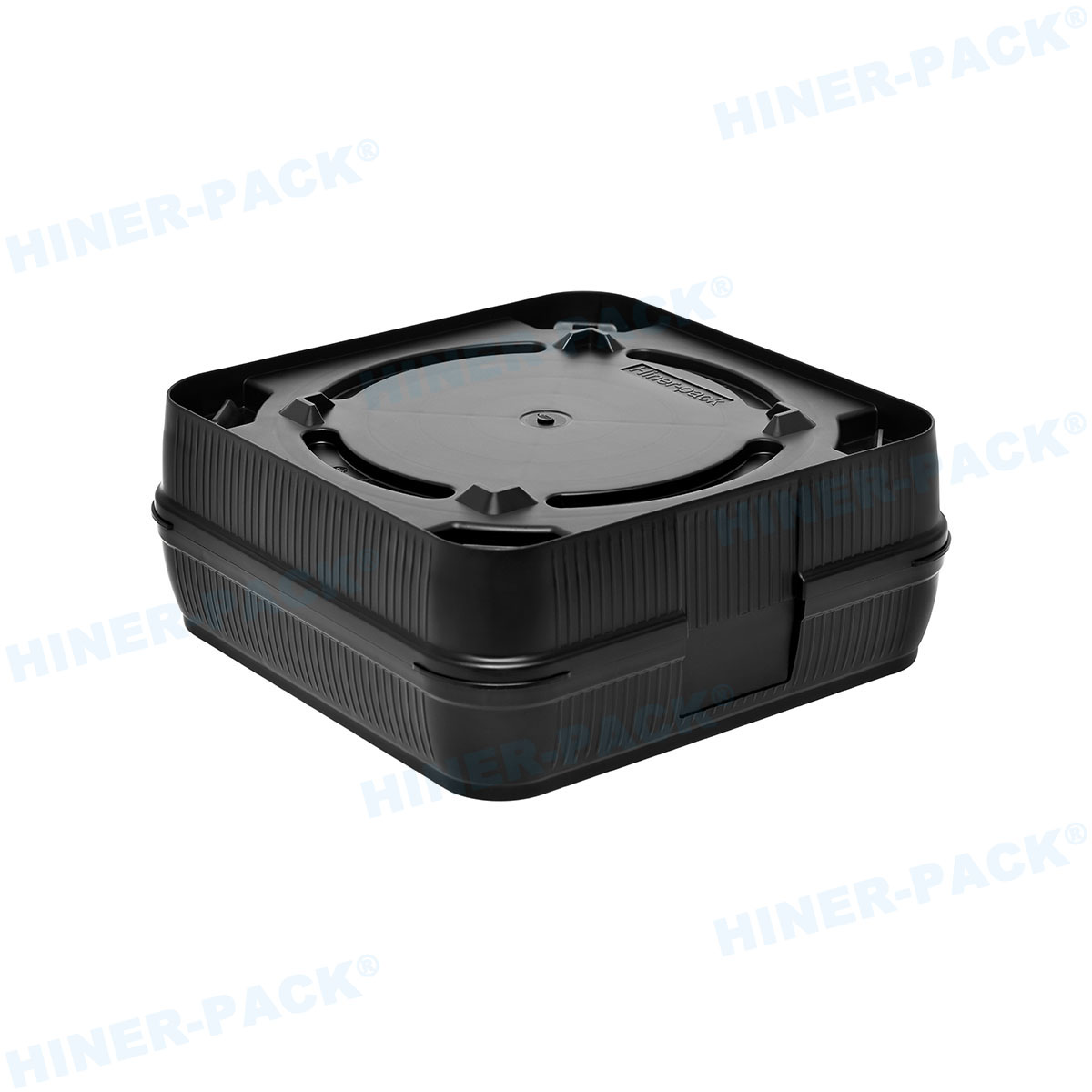
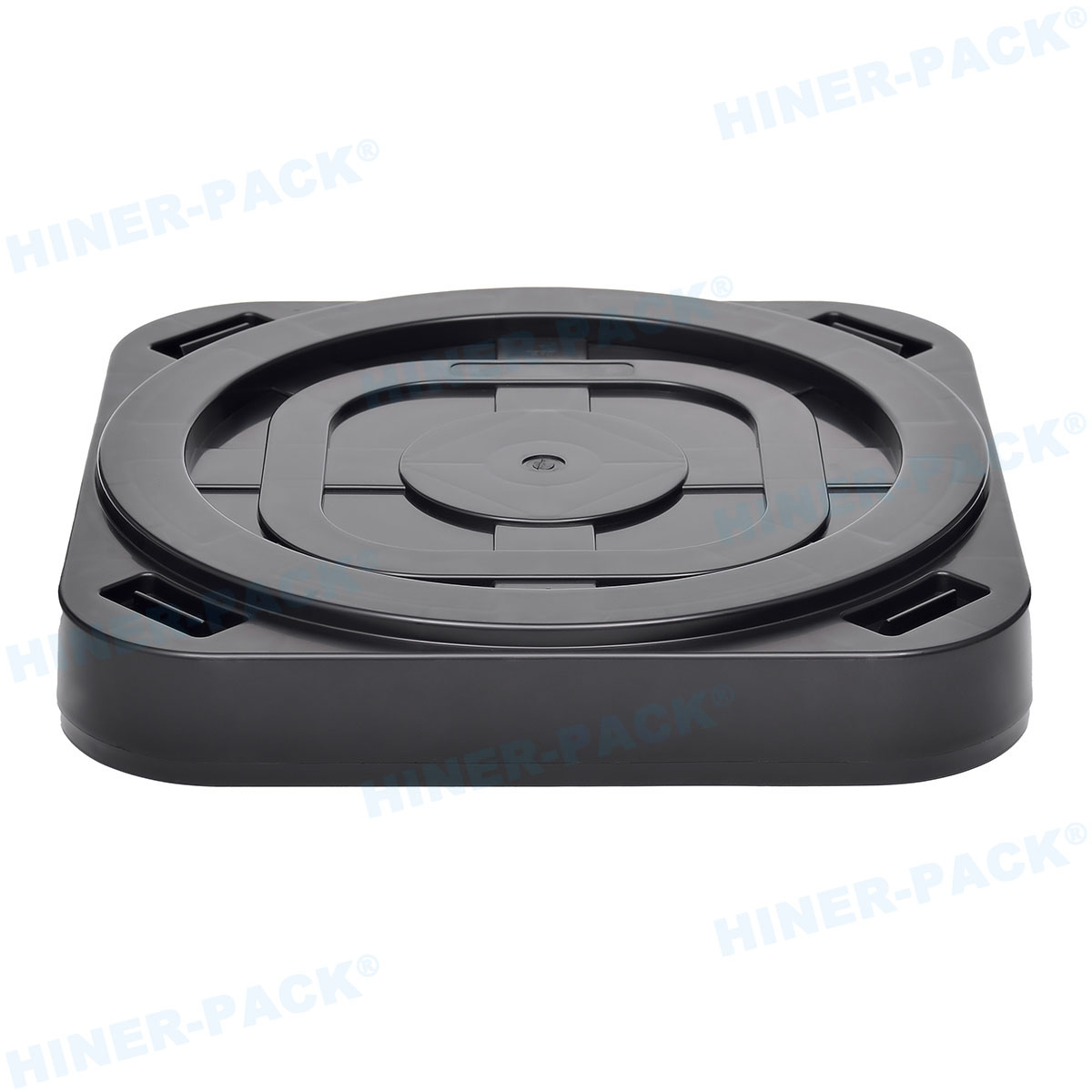
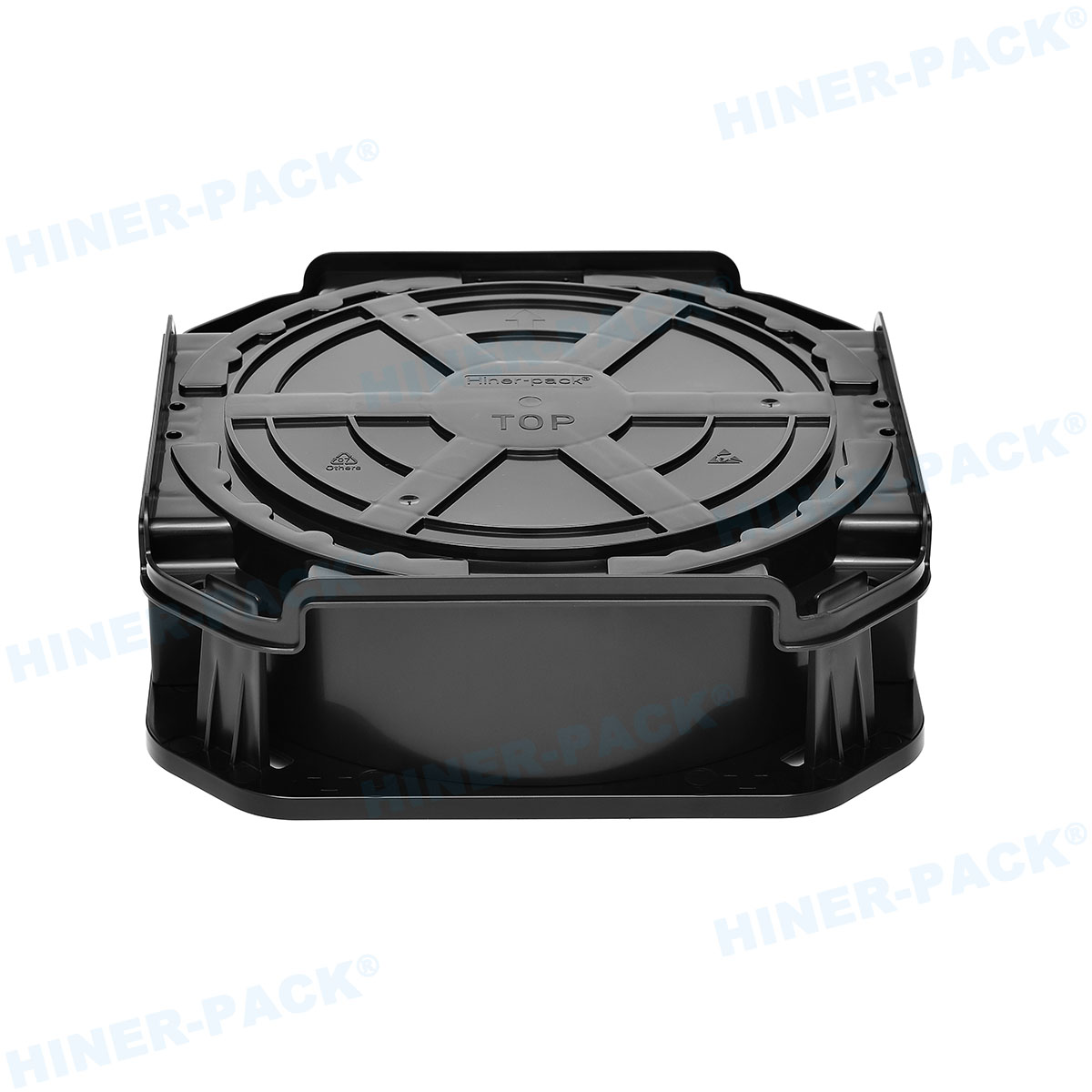
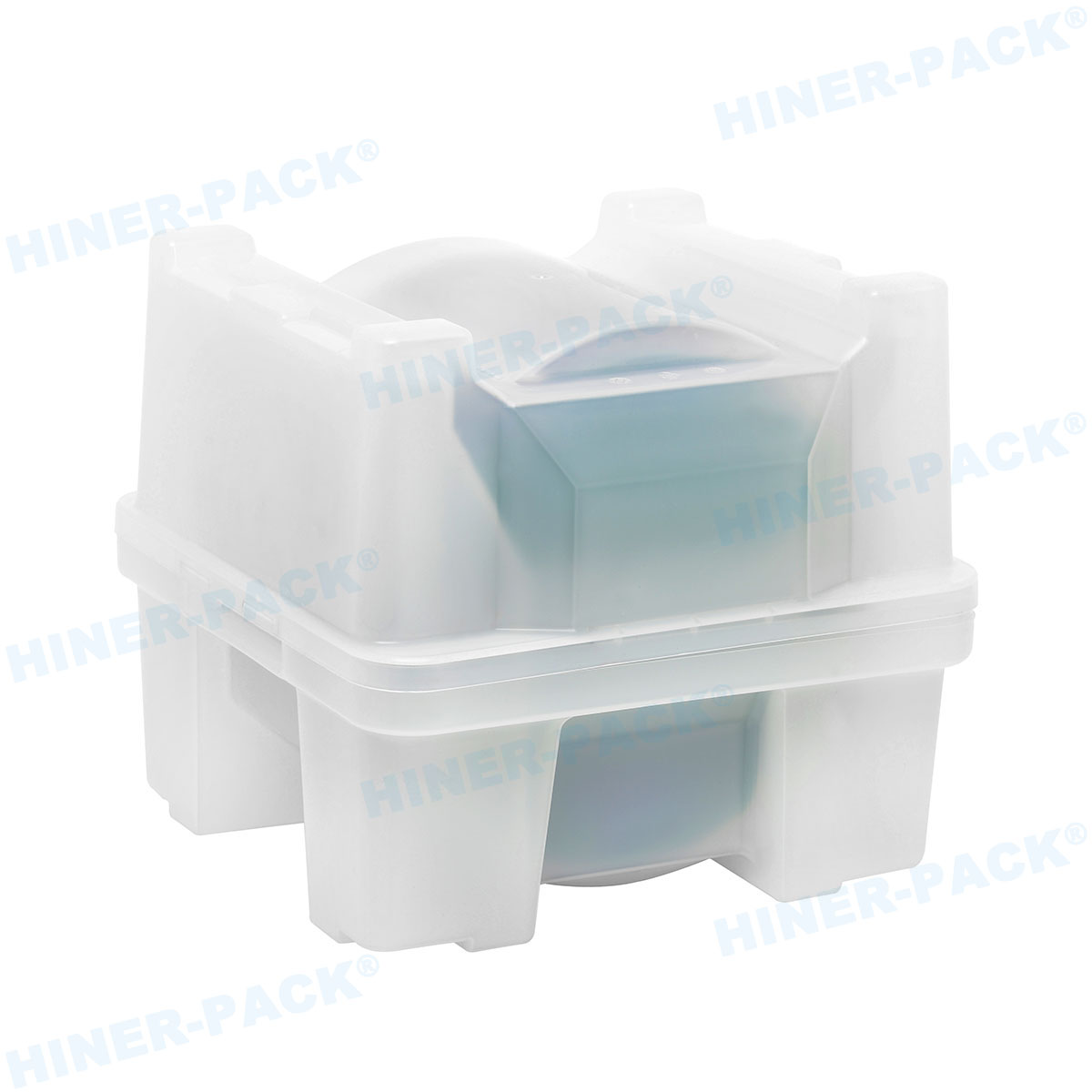
Semiconductor manufacturing is a battle against defects. When you produce high-value bare dies, the final step of the process—transport and storage—is often where the most risk lies. Standard packaging often fails to secure unique chip dimensions, leading to rattled components and microscopic damage. This is where custom waffle pack trays become the essential standard for the industry.
Engineers know that a generic fit is a risk they cannot afford. If a die moves even a fraction of a millimeter during transit, it can suffer corner chipping or wire bond damage. Static electricity is another constant threat that demands specific material properties.
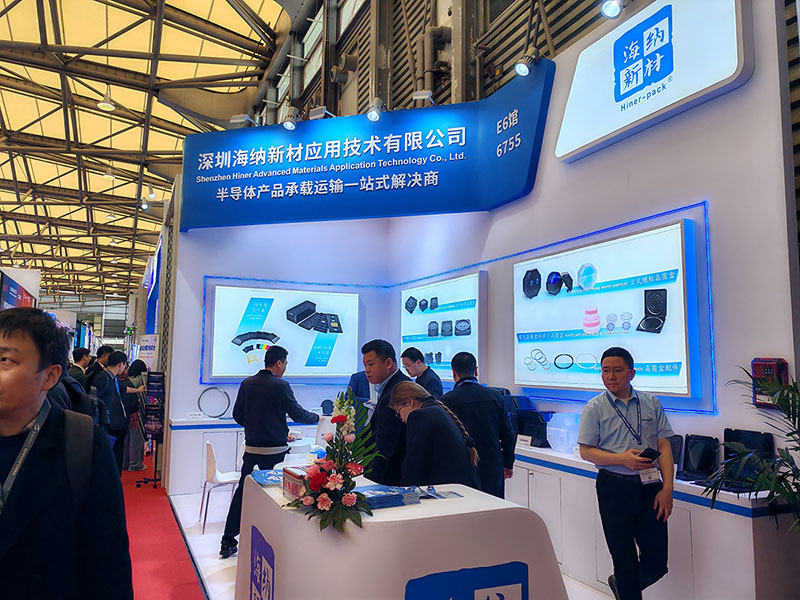
To solve these problems, manufacturers turn to specialized packaging solutions. Companies like Hiner-pack have built their reputation on providing these tailored carriers, ensuring that every specific die size has a perfectly matched home.
This article explores the engineering, material science, and logistical benefits of choosing customized trays over standard off-the-shelf options.
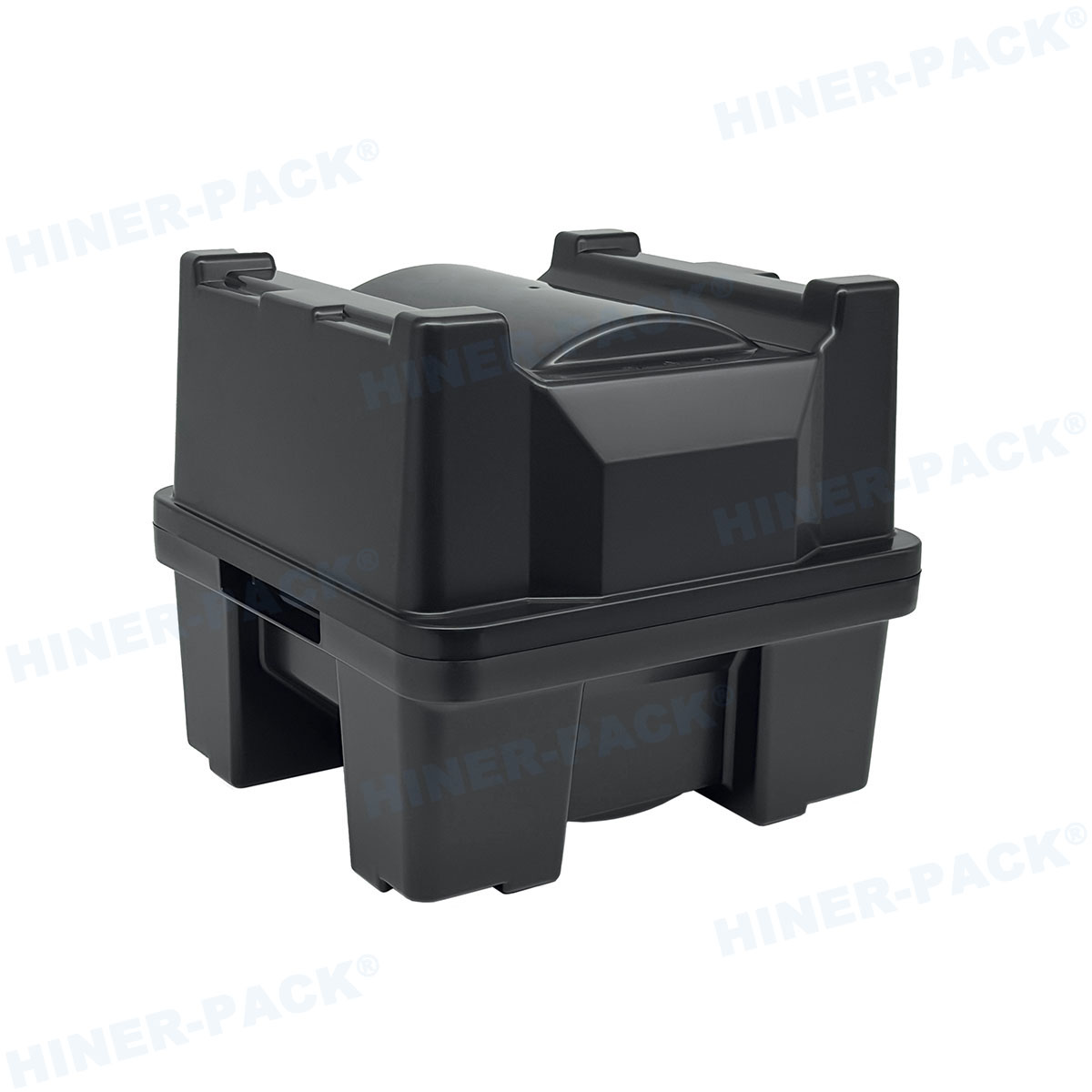
The Critical Role of Custom Waffle Pack Trays
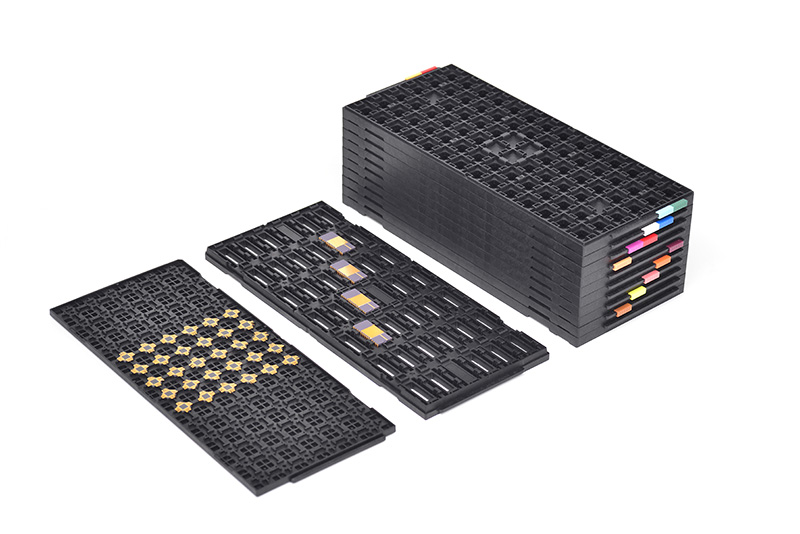
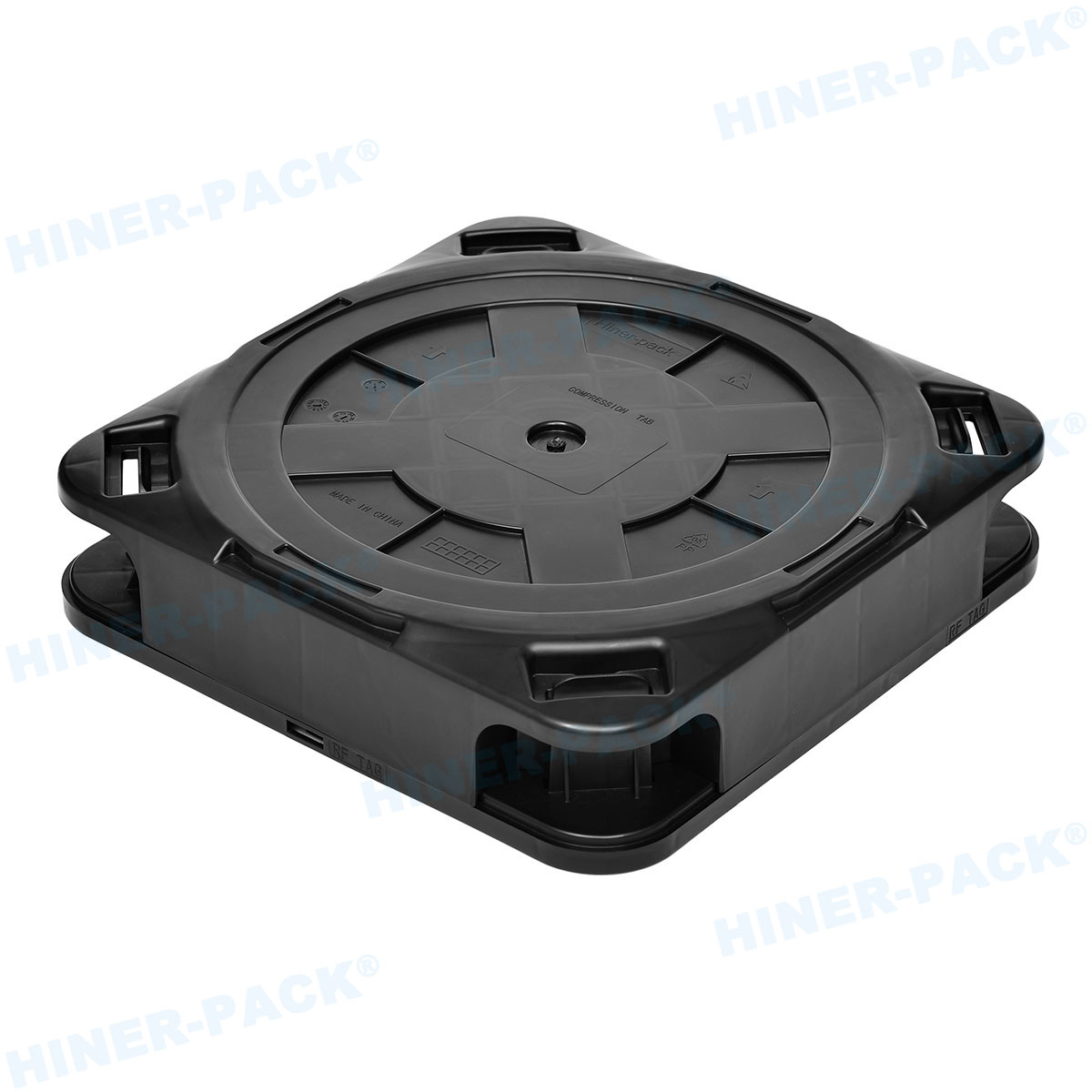
A custom waffle pack tray is a matrix carrier designed for a specific Integrated Circuit (IC) or bare die. Unlike standard JEDEC trays used for packaged parts, these trays hold raw silicon.
The "waffle" design consists of a grid of pockets. In a custom scenario, the mold for these pockets is machined to the exact X, Y, and Z dimensions of your specific die.
Why is this precision necessary?
Preventing Rotation: If a pocket is too loose, the die can rotate. This causes alignment failures in automated pick-and-place machines.Preventing Tombstoning: A loose pocket can allow a chip to flip on its side, rendering it unpickable.Surface Protection: Custom depth ensures the delicate face of the die does not touch the lid.
When you invest in custom waffle pack trays, you are essentially buying an insurance policy for your yield. The cost of the tray is insignificant compared to the value of the silicon it protects.
Designing for Automation and Handling
Modern fabrication plants are heavily automated. Human hands rarely touch the silicon. Therefore, the packaging must interact flawlessly with robots.
Pick-and-Place EfficiencyAutomated handlers use vacuum nozzles to lift dies from the tray. The machine expects the center of the die to be at a precise coordinate.
If you use a standard tray for a non-standard die, the chip will shift off-center. The vacuum nozzle might miss the die entirely or, worse, strike the fragile edge of the silicon.
Pocket FeaturesA well-designed custom waffle pack tray includes specific geometric features to aid automation:
Draft Angles: The walls of the pocket are slightly sloped. This centers the die by gravity if it shifts slightly.Corner Relief: Sharp corners in a pocket can create stress points. Custom designs often use rounded corners to protect the die.Tweezers Slots: For semi-automated lines, relief slots allow operators to manually remove a die without touching the active surface.
Hiner-pack engineers often work directly with client datasheets. They analyze the pick-up method to design a pocket that maximizes throughput speed while minimizing errors.
Material Selection for Custom Waffle Pack Trays
The geometry of the tray protects against mechanical damage, but the material protects against electrical damage. Electrostatic Discharge (ESD) is an invisible enemy.
When ordering custom waffle pack trays, you must choose the right polymer based on your device's sensitivity.
Conductive Materials (Black)This is the most common choice for active circuitry.
Composition: Plastic mixed with carbon fiber or powder.Resistivity: Typically 10310^3103 to 10510^5105 ohms/square.Function: Charges dissipate instantly upon contact.Application: Best for highly sensitive MOSFETs, diodes, and logic chips.
Stat-Pro / Dissipative MaterialsSometimes, a rapid discharge is too harsh.
Composition: Specialized polymers.Resistivity: 10610^6106 to 10910^9109 ohms/square.Function: Charges drain away slowly and in a controlled manner.Application: Used when you need to avoid a "spark" event that could damage ultra-sensitive gates.
Antistatic (Clear)These materials prevent the generation of static but do not conduct it.
Advantage: Transparency allows for visual inspection without opening the tray.Disadvantage: They do not shield against external electric fields as effectively as conductive black trays.
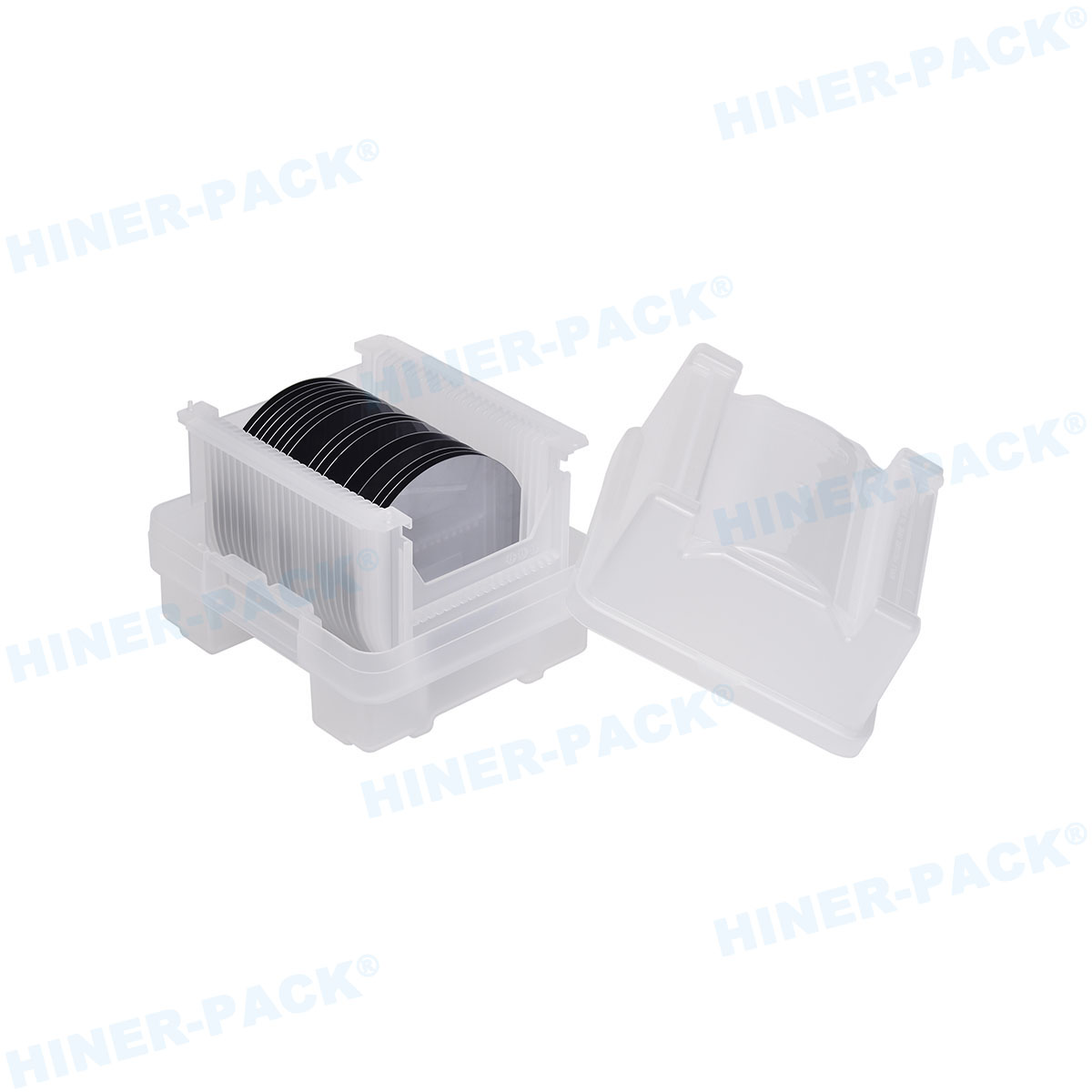
The Manufacturing Process of Custom Trays
Creating custom waffle pack trays is a multi-step engineering process. It is not as simple as pouring plastic into a box.
Step 1: The DrawingThe process starts with your die dimensions. You provide the length, width, and thickness. You must also specify the tolerance. If your dicing process varies by +/- 20 microns, the pocket design must account for that variance.
Step 2: Tooling (Mold Making)The manufacturer cuts a steel or aluminum mold. This is the most expensive part of the process, but it is a one-time cost. High-precision CNC machining ensures the grid is perfectly aligned.
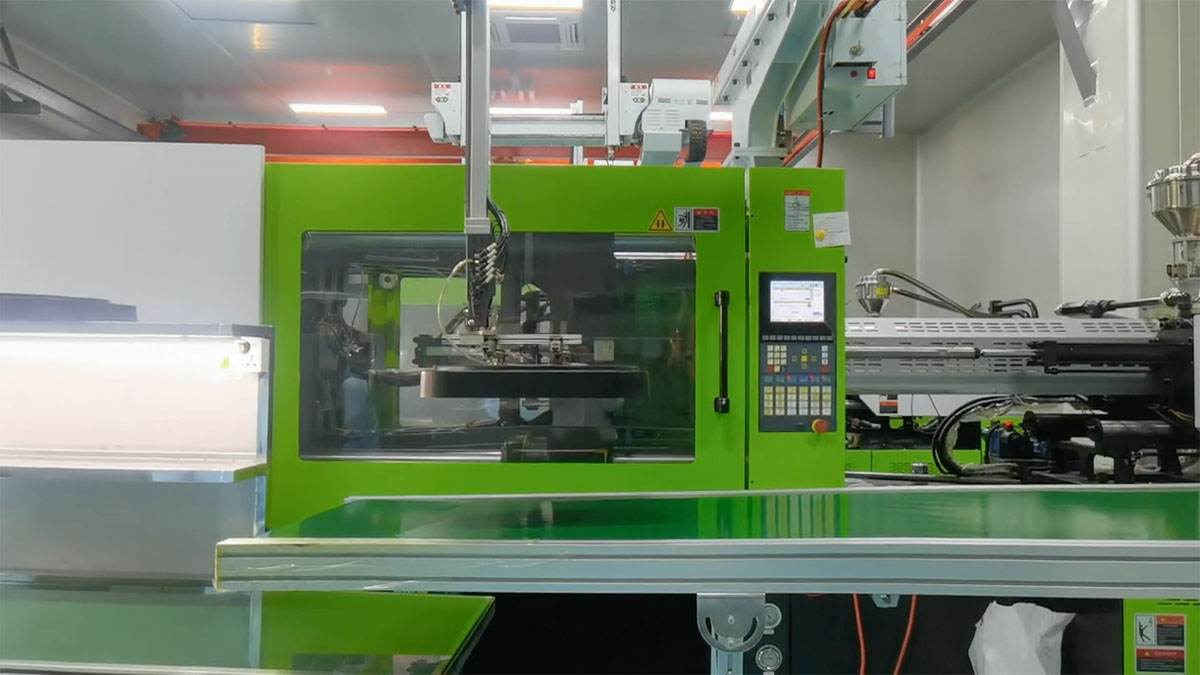
Step 3: Injection MoldingThe chosen ESD pellets are melted and injected into the mold under high pressure.
Step 4: Post-Cure and BakingSome materials require baking to stabilize their dimensions. This ensures the tray does not warp when subjected to heat during shipping or storage.
Suppliers like Hiner-pack maintain strict quality controls during this phase. They measure the pockets of the first run (First Article Inspection) to guarantee they match the technical drawing exactly before mass production begins.
Why Standard Trays Often Fail
Many procurement managers try to save money by buying "close enough" standard trays. This strategy often backfires.
The "Rattle" EffectIf a die is 2.5mm wide, and you put it in a 3.0mm standard pocket, there is 0.5mm of clearance. During air freight, that die will bounce against the walls thousands of times. This creates silicon dust.
Silicon Dust ContaminationSilicon dust is conductive and abrasive. If it settles on the bond pads of the chip, it can cause poor wire bonding later in the assembly process. Custom waffle pack trays provide a snug fit that eliminates the movement that generates this dust.
Lid MismatchStandard trays come with standard clip positions. If your die is unusually thick or thin, the standard lid might crush the die or leave too much gap. Custom solutions allow you to adjust the "Z-height" clearance perfectly.
Accessories That Complete the System
The tray is the core, but the system requires accessories to function correctly. A custom waffle pack tray rarely travels alone.
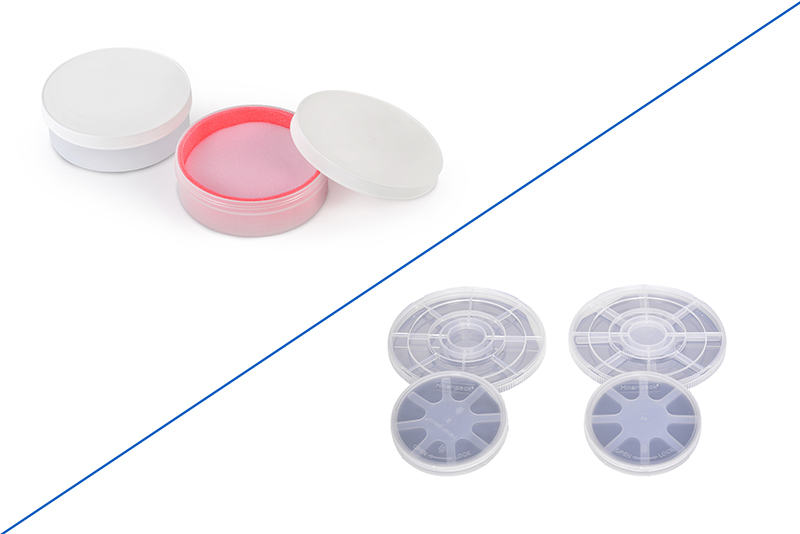
Tyvek Separator PaperYou should place a sheet of antistatic Tyvek paper between the tray and the lid. This prevents the die from sticking to the lid due to vacuum or static. It also acts as a soft cushion.
Retaining ClipsThe clip holds the lid and tray together.
Tension matters: Too tight, and the tray warps. Too loose, and the dies escape.Profile: Custom clips can be designed for unique stack heights.
Moisture Barrier Bags (MBB)Plastic absorbs moisture. If you ship trays in humid conditions, they can expand. Professional packaging involves vacuum sealing the trays with desiccant packs inside MBBs to maintain a stable environment.
Cost Considerations and ROI
The hesitation to buy custom waffle pack trays usually stems from tooling costs. A custom mold can cost several thousand dollars.
However, consider the Return on Investment (ROI):
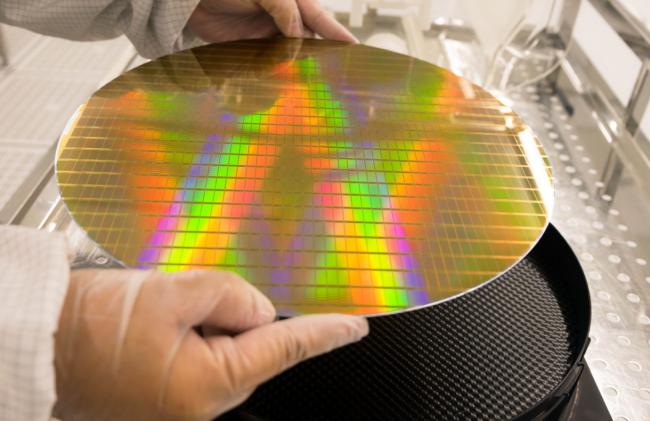
Wafer Cost: One 12-inch wafer can be worth tens of thousands of dollars.Die Value: A single high-end RF die can cost $50.The Loss: If a standard tray causes a 1% yield loss on a shipment of 10,000 chips, you have lost $5,000.
That single loss exceeds the cost of the custom tooling. Once the mold is made, the per-unit price of a custom tray is often comparable to a standard tray.
Furthermore, custom trays can be designed with higher density. You might fit 400 chips in a custom layout versus 300 in a standard layout. This reduces shipping volume and storage space, saving money in the long run.
Inspection and Quality Assurance
Reliable suppliers perform rigorous testing on their custom waffle pack trays. You should expect a Certificate of Compliance (CoC) with every shipment.
Key Inspection Points:
Planarity: The tray must be flat. Warped trays cause vacuum errors.Surface Resistance: Verified with a mega-ohmmeter to ensure ESD specs are met.Dimensional Accuracy: Verified with optical measurement systems.Visual Check: No flash (excess plastic) or burrs in the pockets.
Burrs are particularly dangerous. A small piece of leftover plastic in a pocket can scratch the back of a die or prevent it from seating flat.
Sustainability and Reuse
The semiconductor industry is increasingly focused on sustainability. Can you reuse custom waffle pack trays?
The answer is yes, but with protocols.
Durability: High-quality trays from reputable brands like Hiner-pack are built to withstand multiple wash cycles.Cleaning: You must use specialized cleaning lines that remove dust without stripping the ESD properties.Tracking: Companies often mark trays to track how many loops they have made between the supplier and the customer.
However, for critical applications (like automotive or aerospace chips), single-use is still the norm to eliminate any risk of cross-contamination.
Selecting the Right Partner
Not all plastic molders understand semiconductors. You need a partner who speaks the language of microns and resistivity.
When evaluating a vendor for custom waffle pack trays, ask the following:
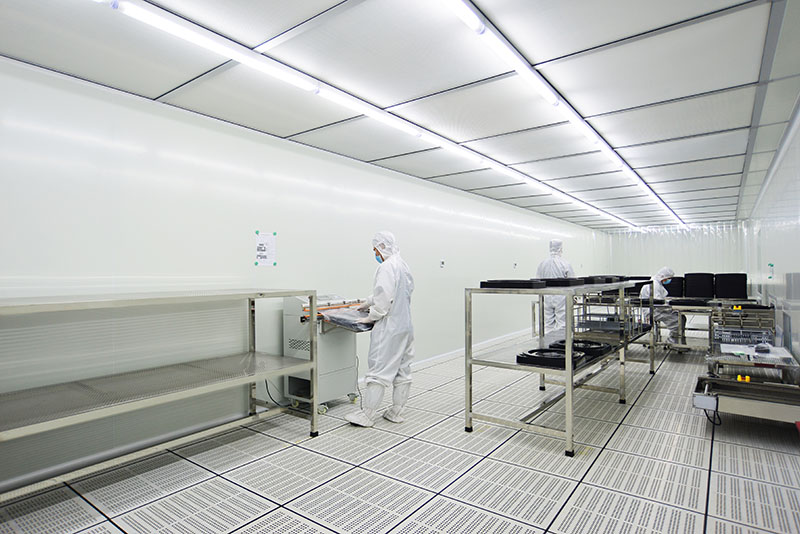
Do they have in-house design capabilities?What is their standard lead time for new tooling?Do they have cleanroom manufacturing facilities?
Hiner-pack has positioned itself as a leader in this niche by offering rapid prototyping. They help clients verify designs before committing to hard tooling, reducing the risk of engineering changes later.
In the precision world of semiconductor manufacturing, the packaging is an active component of the quality control process. It is the final link in the chain before the customer receives the product.
Relying on ill-fitting standard trays is a gamble that often results in lower yields and frustrated customers. Custom waffle pack trays provide the mechanical security, ESD protection, and automation compatibility required for modern electronics.
The initial investment in tooling pays for itself by preventing damage and improving processing speeds. It ensures that the sophisticated technology you manufactured arrives in the exact same condition as when it left the cleanroom.
For companies looking to secure their supply chain, working with dedicated specialists like Hiner-pack ensures that you get a carrier solution that fits your exact needs. Do not compromise on safety; choose a tray designed specifically for your technology.
Common Questions (FAQ)
Q1: What is the typical lead time for manufacturing custom waffle pack trays?
A1: The timeline usually involves two stages. First, the mold design and creation typically take 2 to 4 weeks. Once the mold is approved and samples are verified, mass production is generally fast, often taking 1 to 2 weeks depending on the quantity ordered.
Q2: How do I measure my die to order a custom tray?
A2: You need to provide the maximum physical dimensions of the diced chip (X and Y), as well as the thickness (Z). It is crucial to include the tolerance range from your dicing saw. Manufacturers will usually add a small clearance (often 2-5 mils) to the pocket size to ensure the die fits comfortably without being too loose.
Q3: Is there a minimum order quantity (MOQ) for custom trays?
A3: Yes, because custom trays require a dedicated production run, there is usually an MOQ. However, it varies by supplier. Some vendors might accept runs as low as 500 or 1,000 trays, while others require higher volumes to justify the machine setup time.
Q4: Can custom waffle pack trays handle high temperatures?
A4: Standard conductive polystyrene trays typically withstand temperatures up to 60°C or 70°C. If you need to bake the trays (to remove moisture from the chips) at temperatures like 125°C or 150°C, you must request high-temperature materials, such as polysulfone or specialized polycarbonate blends.
Q5: Why should I choose Hiner-pack for my custom tray needs?
A5: Hiner-pack specializes in semiconductor packaging and understands the strict requirements for ESD protection and dimensional precision. They offer comprehensive support from the initial CAD design to the final quality inspection, ensuring that your custom trays work perfectly with your automated handling equipment.